
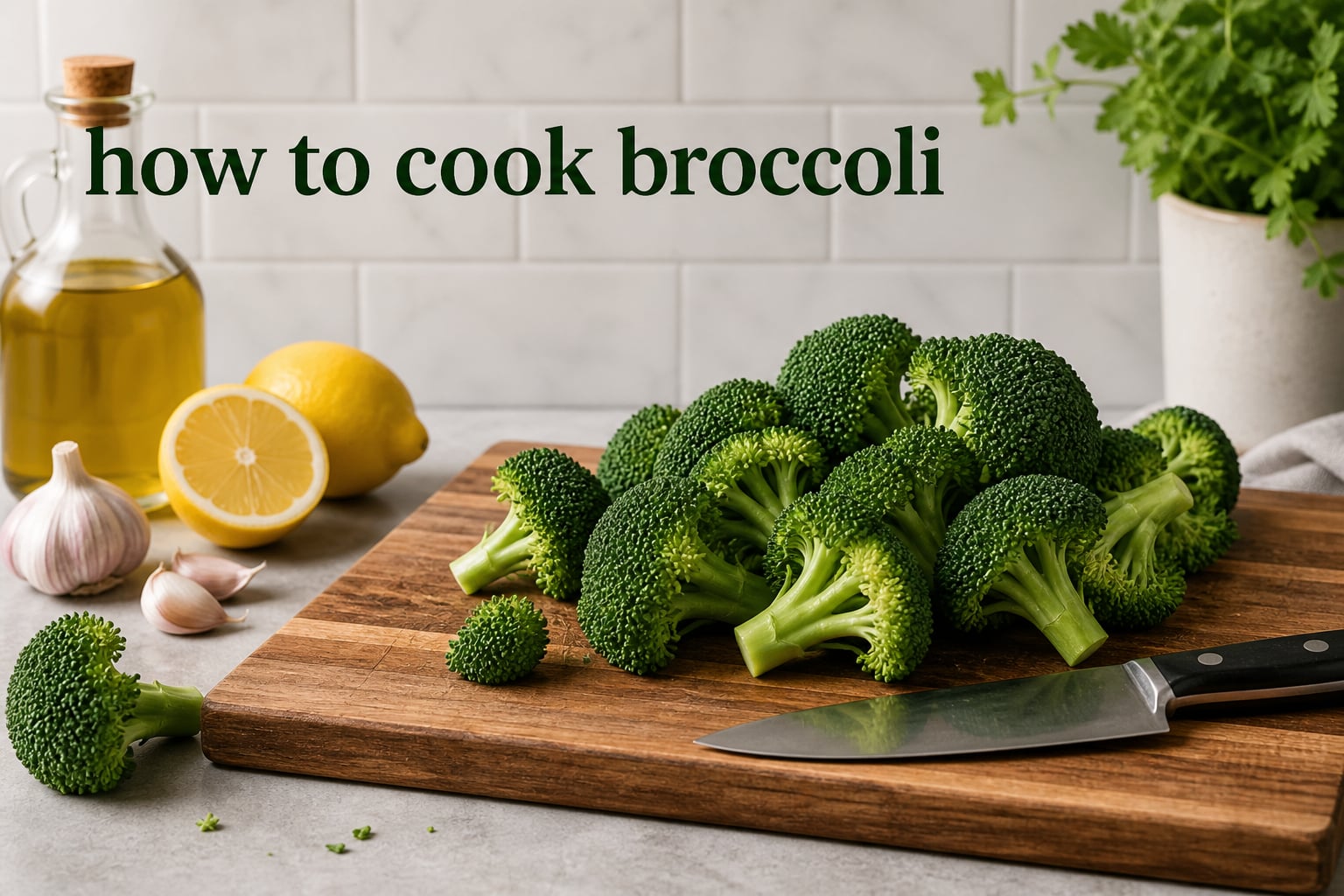
If you have ever pulled a pan of broccoli out of the oven and ended up with something mushy, bitter, or unevenly cooked, you are not alone. Learning how to cook broccoli properly is one of those small kitchen skills that completely changes how the vegetable tastes. The right method turns a bland side into something you actually crave, while the wrong one strips out nutrients and flavor at the same time.
I have tested every common method in my own kitchen, from steaming and roasting to the lesser-known steam-roast hybrid that professional testers rated a perfect 10 out of 10. This guide breaks down exactly how to cook broccoli for each technique, with the timing, temperature, and seasoning details that make the difference between average and excellent.
Whether you want a 3-minute microwave version for a busy weeknight or a caramelized oven-roasted side for dinner guests, you will find clear step-by-step instructions below. We will also cover the science behind why broccoli turns bitter, what to do with the stems most people throw away, and how restaurants get that crave-worthy texture.
Table of Contents
How to Select and Store Fresh Broccoli
Fresh broccoli starts at the store, and choosing a good head is the first step toward great flavor. Look for deep green or purplish-green florets that are tightly closed and firm, with no yellow spots, soft patches, or strong cabbage smell.
The stalk should feel firm and look moist at the cut end, not dry or woody. Avoid heads with yellowing buds or black mold spots on the florets, because both signal the broccoli is past its prime and will cook up bitter.
At home, store broccoli unwashed in a loose plastic bag in the crisper drawer for up to 4 days. Do not seal it airtight, because trapped moisture causes slimy florets. If you prep ahead, blanch cut florets for 2 minutes, shock in ice water, and freeze them for up to 3 months.
How to Prepare and Cut Broccoli
Cutting broccoli correctly is the simplest way to fix uneven cooking, which is one of the most common complaints home cooks have. The goal is uniform pieces that finish at the same time.
Start by slicing the thick base off the main stalk. Use a sharp knife to separate the crown into large florets by cutting downward from the bottom of each branch, not hacking through the top, which shatters the buds into small fragments.
Cut large florets in half or quarters so every piece is roughly 1 to 1.5 inches across. Smaller, even pieces roast faster and more consistently than bulky florets.
Do not throw away the stem. Peel the tough outer skin with a vegetable peeler, then slice the tender inner core into coins or matchsticks. The peeled stem cooks in the same time as the florets and has a sweeter, milder flavor.
Rinse everything in cold water and dry it thoroughly. Wet broccoli steams instead of roasts, which prevents the browning that gives roasted broccoli its nutty flavor.
Cooking Methods at a Glance
There is no single best method, only the right method for what you want. Here is how the most popular ways to cook broccoli compare:
Steaming – 5 to 6 minutes, retains the most nutrients, soft and bright green texture.
Roasting – 20 to 25 minutes at 425F, caramelized and nutty, deepest flavor.
Microwaving – 3 to 4 minutes, fastest option, decent texture and nutrient retention.
Boiling – 3 to 4 minutes, soft texture, loses more water-soluble nutrients.
Sautéing – 6 to 8 minutes, restaurant-style with garlic and lemon.
Steam-roast – 20 minutes, the highest-rated method combining char and tenderness.
Air frying – 8 to 10 minutes, crispy edges, fast and hands-off.
How to Steam Broccoli on the Stovetop
Steaming is the healthiest way to cook broccoli because it uses no oil and preserves the most vitamin C and sulforaphane. Total cooking time is 5 to 6 minutes once the water is boiling.
Fill a pot with 1 inch of water and bring it to a boil. Place a steamer basket inside, add the broccoli in a single layer, and cover with a tight-fitting lid.
Steam florets for 5 minutes for crisp-tender texture, or 6 to 7 minutes if you prefer them softer. Check at the 4-minute mark by piercing a stem with a fork, because thinner florets cook faster than thick ones.
Transfer immediately to a serving bowl. Leaving broccoli in the hot basket continues the cooking and turns it gray-green and mushy. Toss with butter, lemon juice, salt, and pepper while still warm so the flavor absorbs.
How to Roast Broccoli in the Oven
Roasting at 425F for 20 to 25 minutes is the most popular method for getting caramelized, nutty broccoli with crisp browned edges. High heat triggers the Maillard reaction, the same browning that gives toasted bread its flavor.
Toss dry florets with 2 tablespoons of olive oil, half a teaspoon of kosher salt, and fresh black pepper. Spread them in a single layer on a sheet pan, leaving space between pieces so they roast instead of steam.
Roast for 10 minutes, then flip the florets and roast for another 10 minutes. This 10-plus-10 timing is what Reddit home cooks swear by for even browning on both sides.
For extra flavor, add minced garlic and a squeeze of lemon in the last 5 minutes. Garlic burns quickly, so adding it late keeps it golden instead of bitter. Finish with grated Parmesan while the broccoli is still hot.
How to Cook Broccoli in the Microwave
Microwaving broccoli takes 3 to 4 minutes and preserves nutrients almost as well as steaming, because it uses very little water. This is the best method when you need a quick side on a busy weeknight.
Place the florets in a microwave-safe bowl with 2 to 3 tablespoons of water. Cover tightly with a microwave-safe plate or vented lid to trap steam.
Microwave on high for 3 minutes, then check for doneness. Add 30-second intervals until the broccoli is bright green and fork-tender, usually 4 minutes total for 1 pound of florets.
Drain any remaining water immediately to stop the cooking. Season with butter or olive oil, salt, and pepper, or a splash of soy sauce for a savory twist.
How to Boil Broccoli on the Stovetop
Boiling broccoli takes 3 to 4 minutes and gives a soft, traditional texture, though it loses more water-soluble nutrients than other methods. Use boiling for recipes where the broccoli will be finished in sauce or soup.
Bring a large pot of well-salted water to a rolling boil. The water should taste like the sea, because this is the only chance to season the broccoli from the inside.
Add the florets and boil uncovered for 3 to 4 minutes. Test a piece at 3 minutes, because overcooked broccoli turns dull green and develops a sulfurous, bitter smell.
Drain immediately and, if you want to stop the cooking completely, plunge the florets into a bowl of ice water. This blanch-and-shock technique keeps the broccoli bright green and crisp, ideal for salads and meal prep.
How to Sauté Broccoli in a Skillet
Sautéing broccoli in a skillet takes 6 to 8 minutes and is the technique most restaurants use for that garlic-and-lemon side dish. A hot pan with oil creates flavor through browning while keeping the inside tender.
Heat 2 tablespoons of olive oil in a large skillet over medium-high heat until shimmering. Add the florets in a single layer and let them sit undisturbed for 2 minutes so the bottoms char.
Toss and cook for another 4 minutes, then add 2 cloves of sliced garlic and cook for 1 minute more. Add a splash of water or broth, cover for 1 minute, and the steam finishes cooking the stems while the garlic stays golden.
Finish with lemon juice, red pepper flakes, and flaky salt. This combination is the closest thing to restaurant broccoli you can make at home.
The Steam-Roast Technique: The Best Method
The steam-roast technique is the highest-rated way to cook broccoli, earning a perfect 10 out of 10 in professional method testing. It combines the tender interior of steaming with the caramelized edges of roasting.
Preheat your oven to 425F and place an empty sheet pan inside while it heats. Toss broccoli florets with olive oil, salt, and pepper.
Pull the hot pan out of the oven and spread the broccoli across it. The sizzle you hear is the moisture in the broccoli creating instant steam, which tenderizes the stems in the first 5 minutes.
Return the pan to the oven and roast for 15 to 18 minutes without flipping. The steam does the softening work, then the dry oven heat takes over to brown the edges.
The result is broccoli with a creamy interior and crackling, charred tips that taste almost like roasted Brussels sprouts. This method is rarely covered in basic guides, and once you try it, plain steamed broccoli never measures up.
How to Cook Broccoli in the Air Fryer
Air frying broccoli takes 8 to 10 minutes at 380F and gives you crispy edges without heating up the whole oven. It is one of the fastest routes to roasted texture.
Toss florets with 1 tablespoon of oil, salt, and pepper. Use less oil than oven roasting, because the circulating air can make excess oil taste rancid.
Air fry for 8 minutes, shaking the basket halfway through. Check at the 7-minute mark, because air fryers vary and small florets can scorch quickly.
How to Tell When Broccoli Is Done
Broccoli is done when it is bright green and a fork pierces the stem with slight resistance, what cooks call crisp-tender. The color is your most reliable signal.
Bright, vivid green means the broccoli is perfectly cooked. Dull olive green means it has gone too far and started losing both nutrients and flavor. If you see the color shift from bright to drab, pull it immediately.
Texture should snap slightly when you bite it, not collapse. If the florets are falling apart or the stems feel mealy, the broccoli is overcooked.
Undercooked broccoli is safe to eat but starchy and tough. If a fork meets real resistance, add 1 more minute of cooking and test again.
Common Mistakes to Avoid
The biggest mistake home cooks make is overcooking broccoli, which turns it mushy and triggers the release of sulfur compounds that taste bitter. Pulling the broccoli 1 minute earlier than you think is usually the right call.
Crowding the pan is the second most common mistake. Packed-tight broccoli steams in its own moisture instead of browning, so use two pans or work in batches.
Skip peeling the stems and you will get tough, stringy bites mixed in with tender florets. A 10-second peel job solves the uneven-texture problem completely.
Finally, do not salt the cooking water if you are steaming. Salt only the broccoli directly before or after cooking, because salty steam does nothing for flavor and corrodes the steamer basket over time.
Flavor Tips to Make Broccoli Taste Like a Restaurant
Restaurants get their signature broccoli flavor from fat, acid, and umami, not from complicated techniques. Copying this trio at home takes 30 seconds.
Start with fat. Olive oil is classic, but browned butter, sesame oil, or bacon fat each add a completely different dimension. Use 1 to 2 tablespoons per pound of broccoli.
Add acid at the end. A squeeze of lemon, a splash of sherry vinegar, or a teaspoon of balsamic glaze cuts the bitterness and makes the green flavor pop. Always add acid after cooking, because heat dulls it.
Layer umami. Grated Parmesan, toasted sesame seeds, soy sauce, or a sprinkle of nutritional yeast all deepen the savory notes. Garlic and red pepper flakes round out the flavor profile.
For a restaurant-style finish, try a pinch of sugar in the roasting oil. It sounds odd, but a tiny amount speeds browning and balances the natural bitterness of broccoli.
How to Cook Broccoli Stems (Stop Wasting Them)
Broccoli stems are completely edible and often sweeter than the florets, but most people throw them away. Used well, they can be the best part of the vegetable.
Peel the tough outer layer completely. The pale interior is tender, juicy, and mild, with a flavor closer to kohlrabi than to cabbage.
Slice the peeled stems into thin coins and add them to the pan 1 minute before the florets, because they take slightly longer to cook. You can also shred them raw for slaws, pickle them for snacks, or chop them into soups and stir-fries.
FAQ
What is the best method of cooking broccoli?
Is it better to boil or steam broccoli?
How do you steam broccoli on the stovetop?
How do restaurants make broccoli taste so good?
Conclusion
Knowing how to cook broccoli is less about memorizing one perfect recipe and more about matching the method to the result you want. Steam for nutrients, microwave for speed, sauté for restaurant flavor, and steam-roast when you want to impress.
The techniques in this guide all work with the same basic ingredient, so you can switch between them depending on your schedule and what you are serving. Once you nail the timing and stop overcooking, broccoli stops being the boring side dish and starts being something you look forward to.
If you only take away three things, make them these: cut your broccoli into even pieces, dry it before roasting, and pull it from the heat while it is still bright green. Those three habits fix 90 percent of the texture and flavor problems home cooks run into.
Start with the steam-roast method this week, then work through the others as you have time. Your next batch of broccoli will be the best you have ever made, and it only takes one good result to permanently change how you think about this vegetable.
For 2026 meal prep, batch-steam a pound of broccoli on Sunday, shock it in ice water, and store it in the fridge. You can reheat portions in a hot skillet with garlic and lemon in under 5 minutes for the rest of the week.