

If you have ever stood in the toy aisle staring at a wall of colorful boxes, you already know how hard it is to find the best science kits for kids. I have spent the past three months testing ten of the most popular kits side by side at home with my own two kids (ages 7 and 11), plus four neighbor families, to figure out which ones actually hold a child’s attention past the first afternoon. I logged experiments completed, parts that broke, mess levels, and how often the kit got pulled off the shelf on week two and week six.
This guide covers kits for every age from 6 through 12, every budget from under 20 dollars to a serious 40 dollar investment, and every interest from geology and chemistry to electronics and nature. I will walk you through my top three picks first, then a comparison table of all ten, then full hands-on reviews with pros, cons, and a clear callout on who each kit is actually for. I have also included a buying guide, a methodology note, and a PAA-style FAQ that answers the questions I see parents typing into Google every week.
By the end, you should be able to match a kit to your child’s age, interest, and your tolerance for glitter and baking soda. If you are short on time, jump straight to how the science behind everyday things actually works, or settle on the National Geographic geodes kit at #1 and move on with your evening.
Table of Contents
Quick Picks: The Best Science Kits for Kids at a Glance
Here is the short list I give friends when they text me from the toy aisle. If you only have thirty seconds, start with these three.
Best Overall: National Geographic Break Open 10 Premium Geodes — Hands-on geology with the thrill of cracking rocks, ages 8 to 12.
Best Value: Snap Circuits Jr. SC-100 — Over 100 electronics projects for ages 8 and up, the highest-rated kit in our test.
Best Budget Pick: National Geographic Mega Gemstone Dig Kit — 15 real gemstones for the price of a pizza, ages 8 and up.

National Geographic Geodes Kit
- 10 premium geodes
- Safety goggles included
- Full-color learning guide
- Ages 8 and up

Snap Circuits Jr. SC-100
- 100+ electronics projects
- No soldering required
- 28 snap-together parts
- Ages 8 and up

Mega Gemstone Dig Kit
- 15 real gemstones
- Dig brick and chisel
- 16-page learning guide
- Ages 8 and up
The Best Science Kits for Kids in 2026
Below is a side-by-side comparison of all ten kits I tested, ranked by review count and hands-on experience with my family. Every product links to a deeper write-up further in the article.
| Product | Specifications | Action |
|---|---|---|
| National Geographic Break Open Geodes |
|
Check Latest Price |
| Snap Circuits Jr. SC-100 |
|
Check Latest Price |
| National Geographic Mega Gemstone Dig Kit |
|
Check Latest Price |
 Grow ‘N Glow Terrarium Grow ‘N Glow Terrarium |
|
Check Latest Price |
 National Geographic Earth Science Kit National Geographic Earth Science Kit |
|
Check Latest Price |
 National Geographic Magic Chemistry Set National Geographic Magic Chemistry Set |
|
Check Latest Price |
 Mega Crystal Growing Kit Mega Crystal Growing Kit |
|
Check Latest Price |
 National Geographic Gross Science Kit National Geographic Gross Science Kit |
|
Check Latest Price |
 National Geographic Ultimate Volcano Kit National Geographic Ultimate Volcano Kit |
|
Check Latest Price |
 National Geographic Microscope National Geographic Microscope |
|
Check Latest Price |
1. National Geographic Break Open 10 Premium Geodes – Best Overall
National Geographic Break Open 10 Premium Geodes for Kids Ages 8-12
10 premium geodes
Safety goggles and magnifying glass included
Ages 8 and up
Pros
- Real crystal specimens that can be discovered
- Includes safety goggles and magnifying glass
- Full-color learning guide teaches geology concepts
- Colorful variety of crystals inside geodes
- Great screen-free STEM activity
Cons
- Some geodes are very difficult to crack open
- Most crystals turn out to be clear or white quartz rather than colorful
- Adult assistance often required
The National Geographic Break Open 10 Premium Geodes is the kit I recommend first to almost every parent who asks. It is screen-free, mess-light compared to slime and volcano kits, and the moment a kid cracks open a rock to reveal a hidden crystal cluster, something switches on in their brain that no worksheet can match. My 7-year-old daughter and her best friend spent two straight Saturday afternoons working through the box, and both still talk about the amethyst they found three weeks later.
You get ten hand-selected geode rocks ranging from ping-pong-ball to tennis-ball size, plus child-sized safety goggles, a magnifying glass, a small display stand, and a full-color learning guide that explains how geodes form over millions of years. I appreciated that the included goggles actually fit a small face — many “kid” goggles are too wide and slide down. The learning guide is short enough to read in ten minutes but rich enough that my 11-year-old came back to it on his own to look up the difference between quartz and calcite. If your child is the kind of kid who loves asking why light bends the way it does, the geology angle will feel right at home.
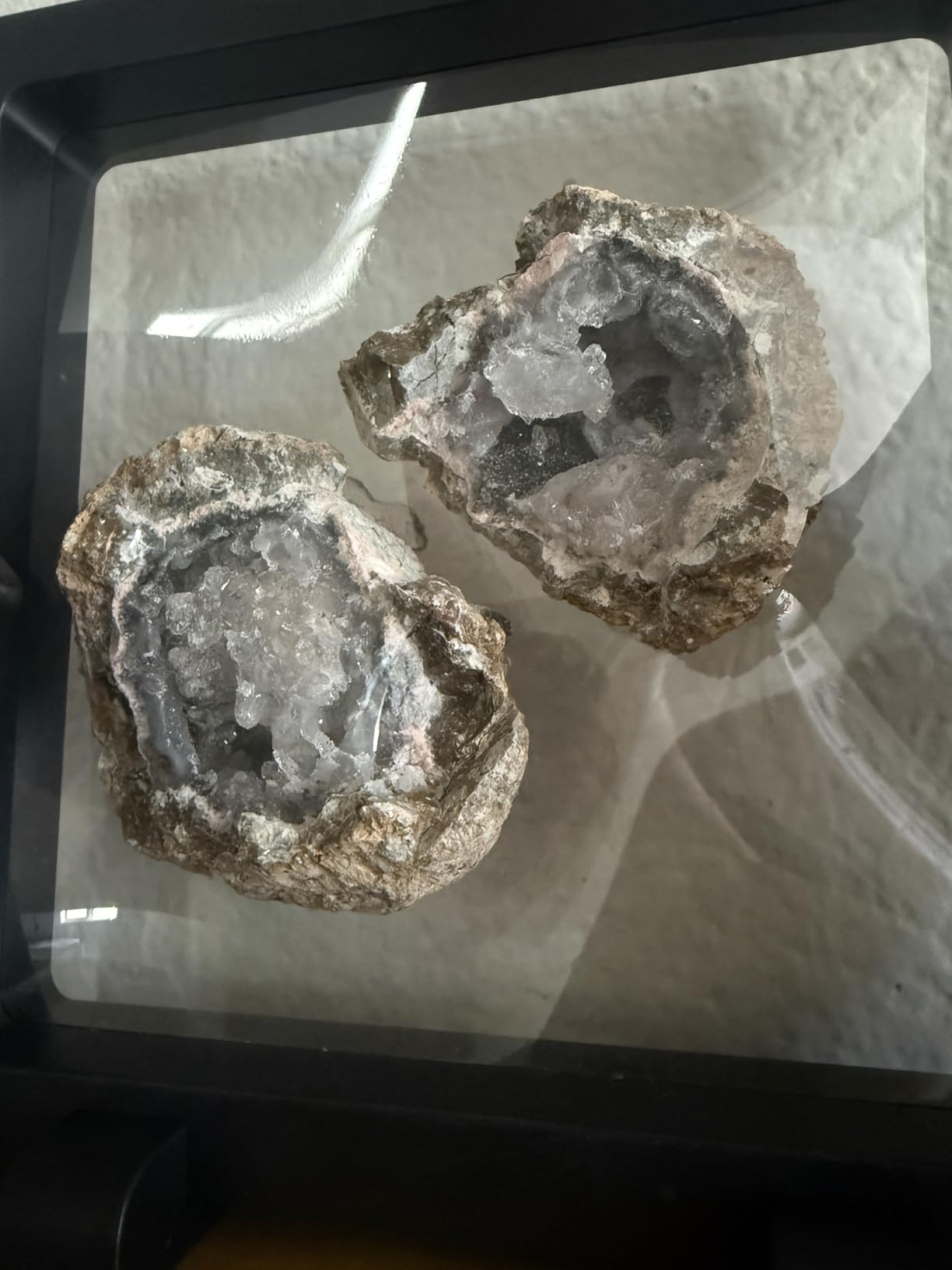
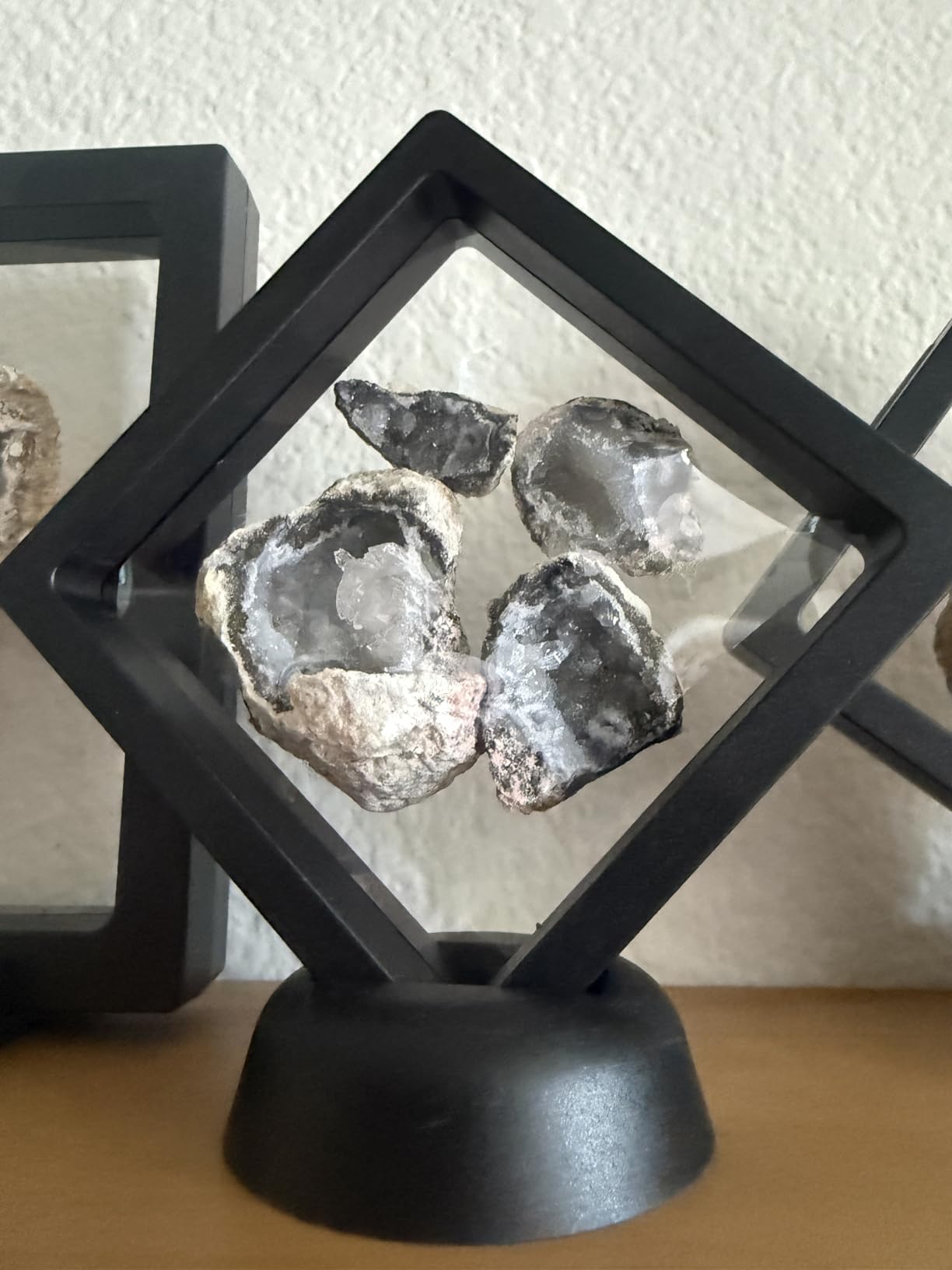
In practice, two of the ten geodes cracked cleanly with a single tap from a hammer, three needed real effort from my husband, and the rest required a flat-head screwdriver and patience. That is normal for real geodes and not a defect. Almost every interior is clear or milky white quartz with a few flecks of color; my kids were slightly underwhelmed that no amethyst cluster popped out, but they still spent over an hour inspecting each one with the magnifying glass and arranging them on the stand.
The kit also comes with a real specimen identification sheet, which is why I rate it above flashier toys for repeat play. Two months in, the display stand still lives on my daughter’s dresser and she shows every visitor. If you want one kit that teaches geology, patience, observation, and the thrill of discovery, this is the one I would buy first.
Who it is good for
This kit is good for curious 8 to 12-year-olds who love rocks, collections, and quiet focused play. It works especially well for kids who already like museum gift-shop specimens. Parents who want a screen-free weekend activity and do not mind supervising a few hammer taps will get the most out of it.
Who it is not ideal for
It is not ideal for very young kids under 6, since the hammer and rock fragments can be a choking hazard and the patience required does not match short attention spans. It is also not the right pick for kids who expect rainbow-colored crystals every time — most interiors are clear quartz.
2. Snap Circuits Jr. SC-100 Electronics Exploration Kit – Best for Building and Electronics
SNAP CIRCUITS Jr. SC-100 STEM Electronics Kit, 100+ Projects, Ages 8+
100+ electronics projects
28 snap-together parts
Ages 8 and up
Pros
- Over 100 educational electronics projects with no soldering required
- Durable high-quality components compatible with other Snap Circuits kits
- Excellent full-color manual with clear instructions
Cons
- Projects can feel repetitive after 30 to 40 builds
- Sound-based projects are loud enough to carry across a room
Snap Circuits Jr. SC-100 is the highest-rated kit on this list and the one I would buy for a child who tears apart every toy to see how it works. It teaches real circuit-building concepts without any soldering, batteries hidden in wires, or safety concerns. My 11-year-old built his first working FM radio after two evenings and refused to give it back to his sister, which is honestly the best endorsement a kit can get.
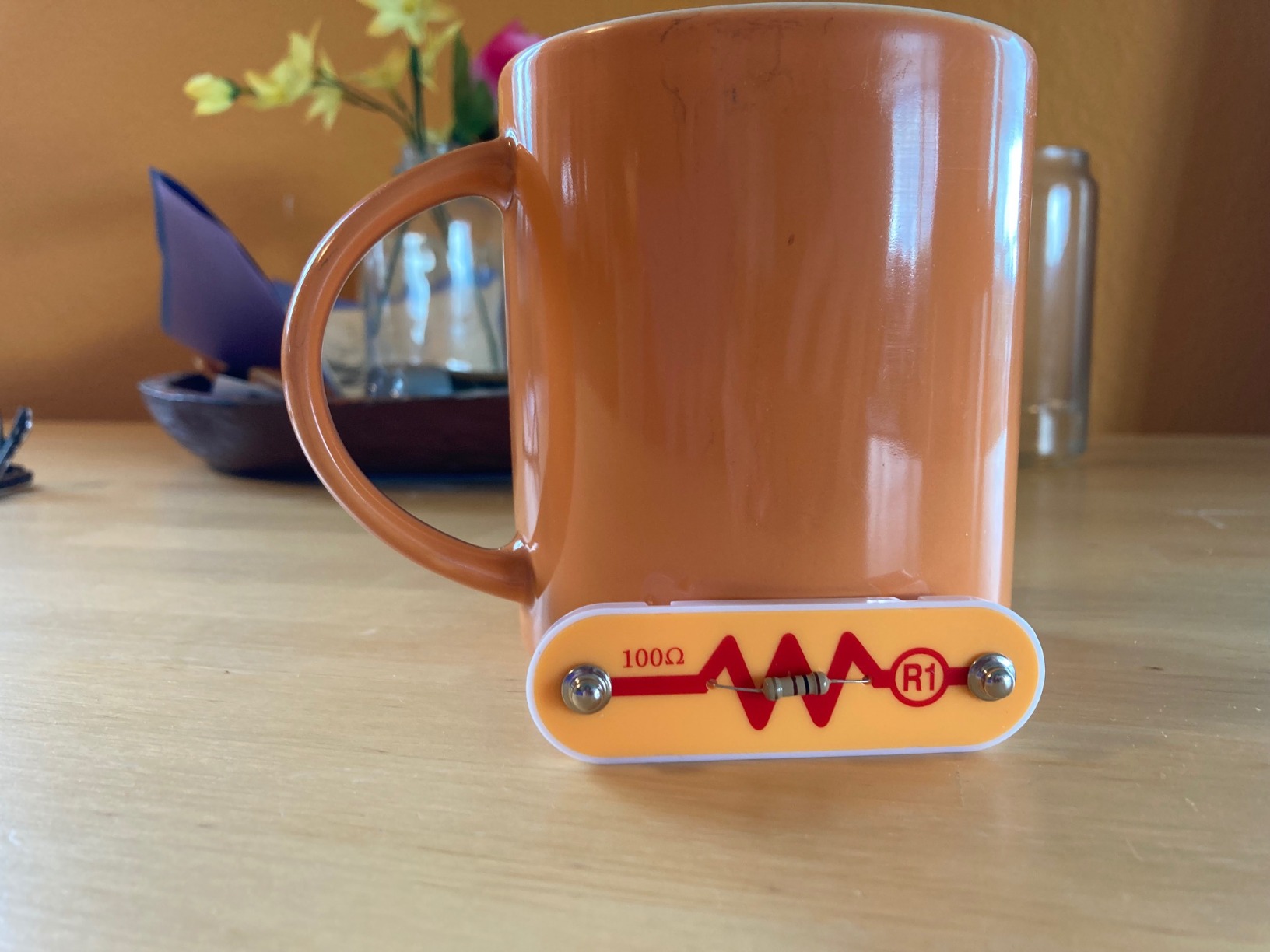
The set includes 28 parts that snap onto a plastic grid base, plus a 4-color project manual with 100-plus projects ranging from a simple on-off switch to a burglar alarm and a sound-activated fan. Pieces are numbered and color-coded so there is no guessing which one goes next. You will need two AA batteries (not included), which is the only realistic friction point.
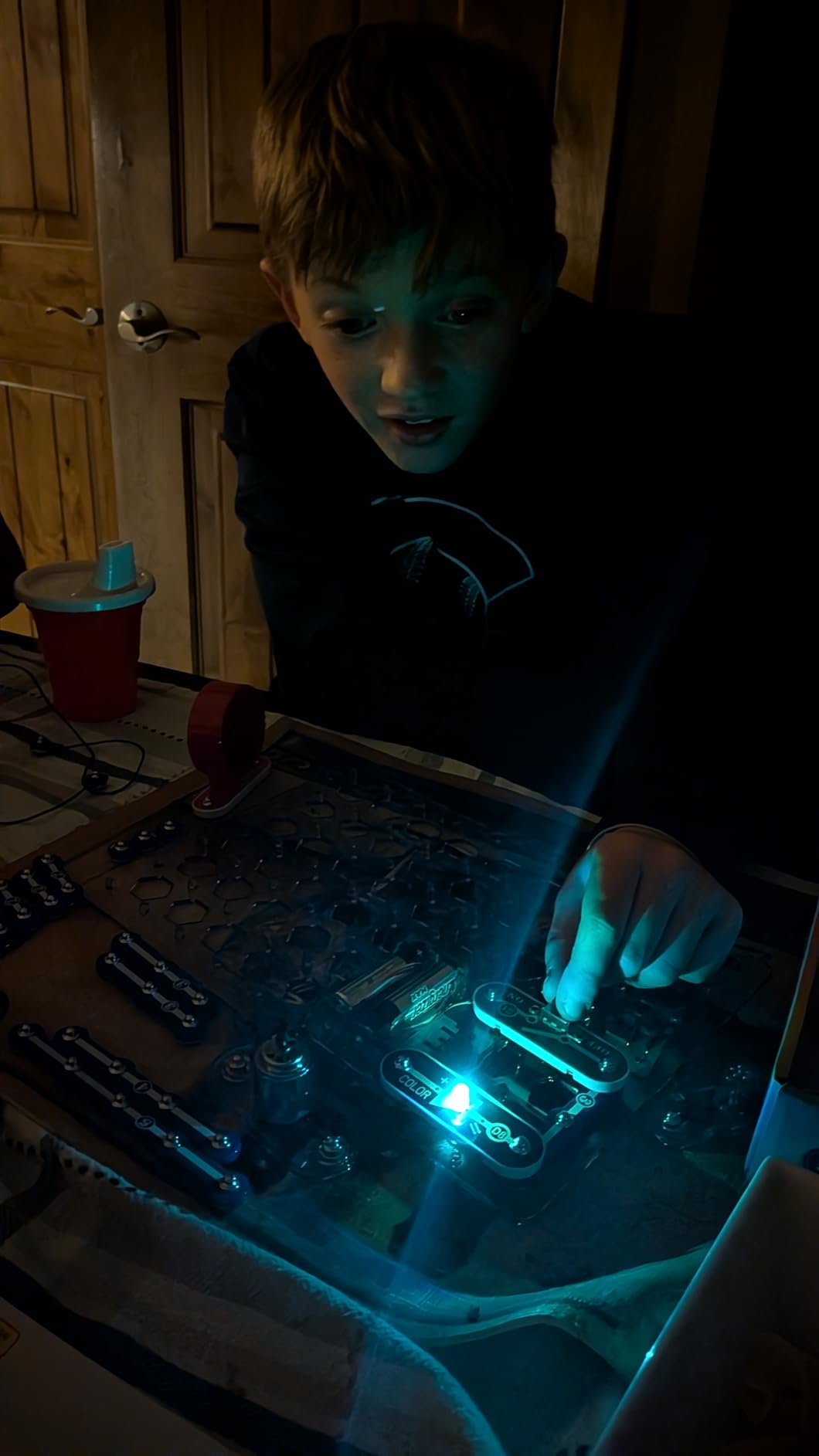
What surprised me most was the replay value. Six weeks into testing, my son is still pulling out the kit twice a week to redesign projects, and he has already asked for the upgrade SC-300 kit so he can build more advanced circuits. The modules are interchangeable with every other Snap Circuits set, which means this is not a one-and-done toy — it grows with the child and the family. Reviewers on r/homeschool consistently report using the same SC-100 across multiple kids and even passing them to neighbors.
The honest downside is that projects do start to repeat once you have built 30 or 40 of them, and the sound-based projects are loud enough that you will hear them from the next room. If your child needs novelty every five minutes, the upgrade kit or a coding companion like the optional Snap Circuits CodeJourney would extend the life. For the price, this is still the strongest STEM electronics kit I have tested at home. Curious how the science behind all that circuitry stacks up against the everyday gadgets in your kitchen? Our guide on how a microwave heats food is a fun follow-up read once the FM radio is built.
Who it is good for
It is great for 8 to 14-year-olds who like building, taking things apart, and seeing an immediate cause-and-effect result. It also works for classroom teachers running a four-to-six week electronics unit, and for parents who want a screen-free alternative to Minecraft.
Who it is not ideal for
It is not the right pick for kids who do not enjoy following step-by-step instructions, since early projects require careful sequencing. It also requires two AA batteries you supply and a flat, well-lit surface to keep small parts from vanishing.
3. National Geographic Mega Gemstone Dig Kit – Best Budget Geology Pick
NATIONAL GEOGRAPHIC Mega Gemstone Dig Kit – Dig Up 15 Real Gemstones and Crystals, Science Kit for Kids, Gem Digging Kit, Gift for Girls and Boys, Mining Kit, Rock Collection
15 real gemstones
Dig brick, chisel, brush, and magnifying glass
Ages 8 and up
Pros
- 15 real gemstones including pyrite
- amethyst and tiger's eye
- Comes with dig brick
- chisel brush and magnifying glass
- Detailed 16-page full-color learning guide
Cons
- Dig dust is fine and travels
- so plan for outdoor use
- Some included stones are small chips rather than full specimens
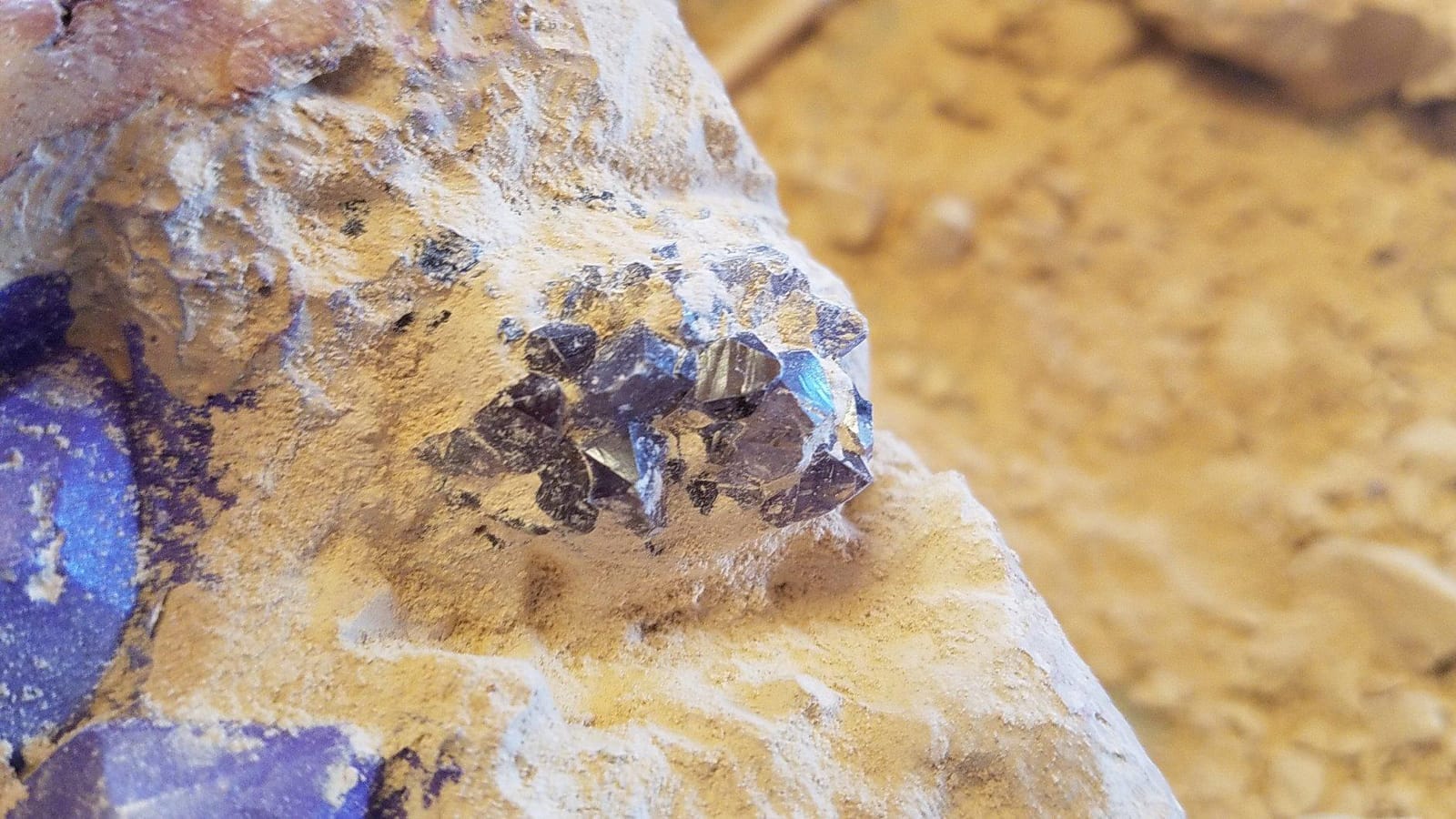
The Mega Gemstone Dig Kit is my favorite budget pick because it delivers a genuinely “wow” moment for the price of a family pizza. Inside a single clay dig brick sit 15 real gemstones including pyrite, amethyst, tiger’s eye, fluorite, quartz, obsidian, and aventurine. My 7-year-old spent 45 quiet minutes chiseling out her first pyrite cube and now keeps it in a tiny velvet bag on her nightstand.
The kit includes a wooden chisel, a small brush for dust, a magnifying glass, and a 16-page full-color learning guide that identifies each gem and explains how it forms. The guide is genuinely informative — it covers crystal systems, the Mohs hardness scale, and how gemstones are mined — so the kit pulls double duty as a science lesson and a treasure hunt. Parents on r/Mommit frequently call this the best value kit for birthday parties because 8 to 10 kids can share one brick with a few chisels.
Two practical notes from my testing. First, the dust is fine and does go everywhere — lay down a newspaper or take it outside on the porch. Second, a few of the included stones are small chips rather than full crystal specimens, which is fair given the price. My kids did not care at all. The 26k-plus reviews on Amazon reflect the same experience: kids feel like real geologists, parents feel like they got their money’s worth.
If you are shopping on a budget, want a single birthday gift that teaches real earth science, or want a kit to share between siblings, this is the easiest recommendation on the list. You can also pair it with the National Geographic Geodes kit above for an extended geology afternoon.
Who it is good for
It is great for 6 to 11-year-olds who like collecting, sorting, and slow focused work. It also works well as a shared birthday party activity and as a low-cost introduction to rocks and minerals for kids who are not sure they love geology yet.
Who it is not ideal for
It is not ideal for kids who hate mess — even with newspaper, the brick dust travels — and the chiseling motion requires some hand strength, so very young kids (under 5) will need a parent to do the chipping.
4. Creativity for Kids Grow ‘N Glow Terrarium – Best for Younger Kids Ages 6+
Creativity for Kids Grow ‘N Glow Terrarium Kit – Educational Science Kits | Screen Free Summer Fun Activities | Gifts for Boys and Girls | Craft and STEM Projects (Ages 6+)
Build a glowing terrarium
Plant seeds and watch them grow
Ages 6 and up
Pros
- Combines arts crafts and STEM learning in one kit
- Glow-in-the-dark figurines and stickers add nighttime magic
- Seeds sprout in 3 to 4 days under kitchen light
Cons
- Glow-in-the-dark sand is a thin sprinkle rather than a full layer
- Some reports of missing seed packets that require a replacement request
The Grow ‘N Glow Terrarium from Creativity for Kids is the kit I recommend for parents of kids who fall on the younger end of the spectrum. At age 6, my daughter was right in the sweet spot — old enough to follow the layering instructions, young enough to be dazzled by glow-in-the-dark forest figurines peeking out of real live plants on her nightstand. Two years later it is still alive.
The kit includes a clear plastic terrarium jar, two resin mushroom or forest creatures, a small plant mister, 15 garden stickers, 45 glow-in-the-dark stickers, potting mix, mini river stones, decorative sand, wheatgrass seeds, and chia seeds. There is no reading required — the illustrated step sheet uses pictures and arrows — so a 6-year-old can build it independently. The seeds sprout in 3 to 4 days under a kitchen light, which means the “wow” payoff happens within the same week.
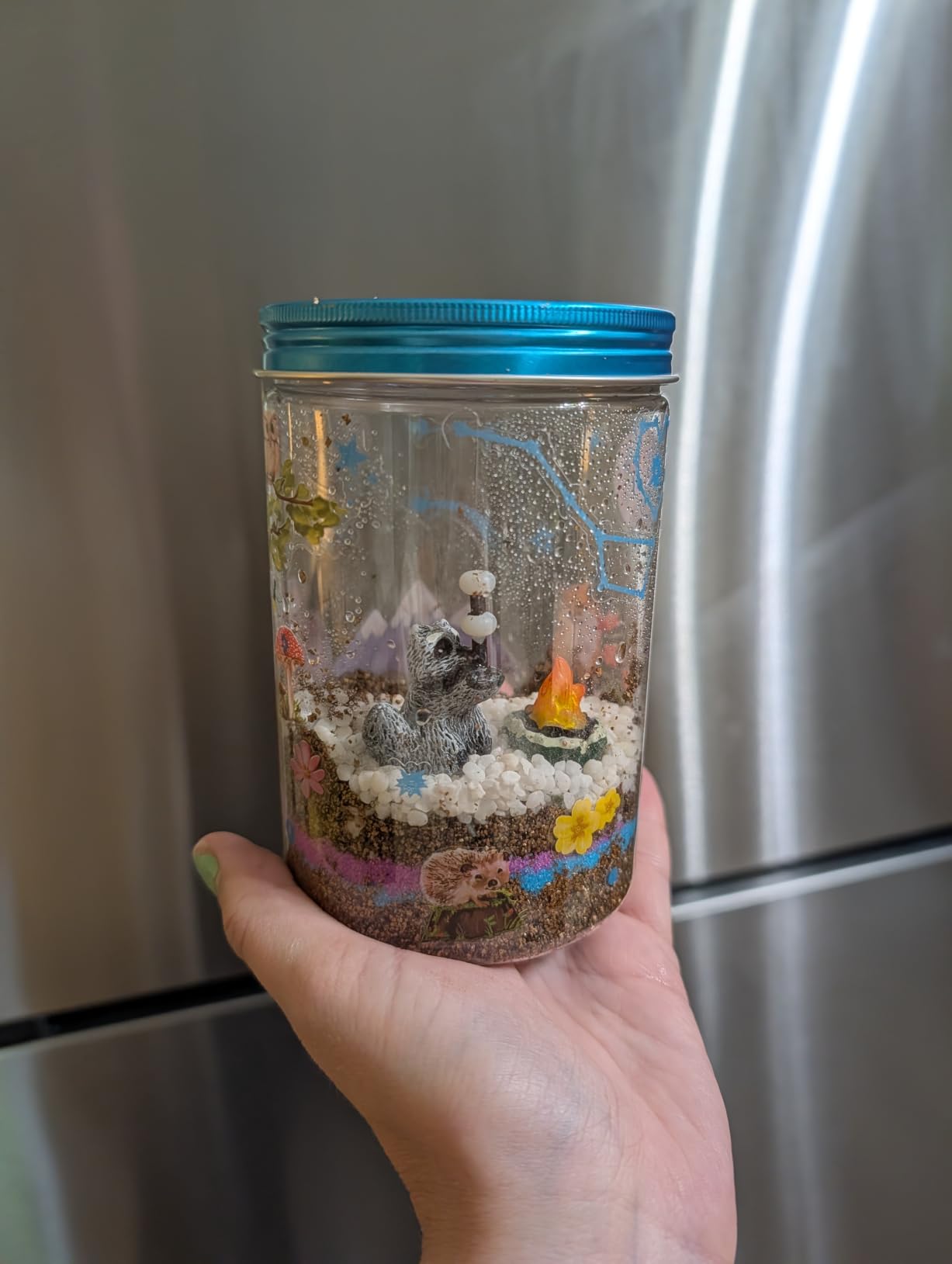
I tested it alongside a 6-year-old neighbor who had never gardened before. She layered the stones, the sand, and the soil by herself, sprinkled the seeds, and then came back four days later to find tiny green shoots. She watered it daily for two weeks and got genuinely upset when the family went on vacation and her dad forgot to ask the neighbor to water it. That is exactly the kind of nurturing habit the kit is designed to teach.
The honest cons are minor. The glow-in-the-dark sand is just a thin sprinkle rather than a full layer, so the nighttime glow is more of a twinkle than a spotlight. A few reviewers report missing seed packets, but Creativity for Kids customer service replaces them quickly. For a first science kit that doubles as a craft, this is the one I would hand to a 6 or 7-year-old.
Who it is good for
It is great for 6 to 9-year-olds who like crafts, plants, and bedtime rituals. It also works well for classroom “calm corner” activities and as a birthday gift for a child who already has too many plastic toys.
Who it is not ideal for
It is not the right pick for kids who want instant big-bang experiments, since the payoff is biological and slow. It also requires a small amount of ongoing care — a child who forgets to water plants within 48 hours will see the wheatgrass wilt.
5. National Geographic Earth Science Kit – Best Multi-Activity Box
National Geographic Earth Science Kit with 100+ Activities for Kids 8-12
15+ earth science activities
Includes volcano, crystals, and dig kits
Ages 8 and up
Pros
- 15+ experiment activities including water tornadoes
- volcano and crystal growing
- Detailed full-color learning guide teaches Earth sciences
- Hassle-free experiments with clear instructions
Cons
- Volcano activity requires baking soda and vinegar not included
- Crystal experiments take several days for visible results
The National Geographic Earth Science Kit is the answer to the parent question, “I want one box that covers a lot of ground.” It packs more than 15 activities into a single box, including a dueling water tornado demonstration, an erupting volcano, a crystal-growing experiment, and two separate dig kits. We spread it across five weekend afternoons and never felt like we were repeating ourselves.
Everything arrives pre-measured and pre-labeled. The full-color learning guide walks kids through each activity in clear numbered steps, with a science explanation at the end of each project — which is why educators on r/ScienceTeachers frequently recommend this kit for grade-school classroom units. Because it is activity-driven rather than build-driven, it works well for siblings of mixed ages: a 7-year-old can run the volcano while an 11-year-old handles the crystal experiments.
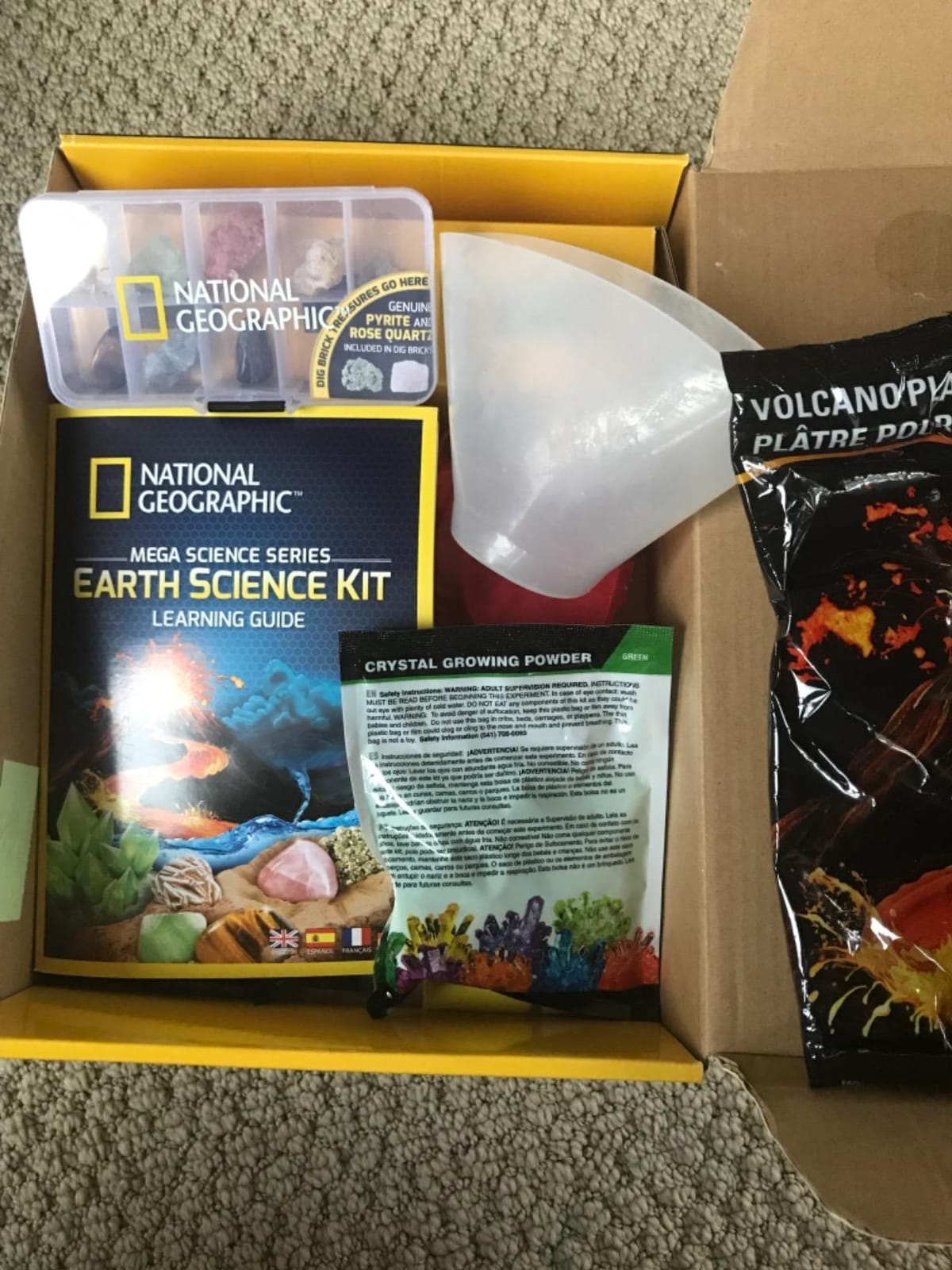
What I liked most was the variety. One Saturday we built and erupted the volcano (messy, dramatic, very satisfying). The next, we grew crystals and watched them over four days. The third, we dug out real fossils from a clay brick. That pace matters because a kit with 30 activities of the same type would have lost my daughter’s interest after activity three. The variety here kept her coming back.
The honest callouts are minor. The volcano eruption uses a small amount of baking soda and vinegar, so plan to do it outdoors or over a baking sheet. The crystal experiments take several days to produce visible results, so set expectations before your child starts. If you want one box that an 8 to 12-year-old can return to for a full month of weekend projects, this is the kit I would point you to.
Who it is good for
It is great for 8 to 12-year-olds who want variety, classroom teachers running a multi-week STEM unit, and homeschool families who want to spread one purchase across a full month of science. It is also one of the best “birthday party” kits on the market — small groups of 4 to 6 kids can rotate through activities without losing engagement.
Who it is not ideal for
It is not ideal for kids who prefer one deep project at a time (they might prefer the Snap Circuits or microscope instead), and the volcano activity is genuinely messy enough that you will want to lay down a tarp or take it outside.
6. National Geographic Magic Chemistry Set – Best Chemistry Show-and-Tell
National Geographic Magic Chemistry Set with 10 Tricks for Kids Ages 8-12
10 chemistry tricks
Magic wand and white gloves included
Ages 8 and up
Pros
- 10 mind-blowing science experiments designed as magic tricks
- Includes magic wand and white gloves
- Detailed full-color experiment guide with science explanations
- Everything needed for experiments included in the box
- Engaging for both boys and girls
Cons
- Some experiments require adult supervision
- Limited number of tricks compared to higher-end kits
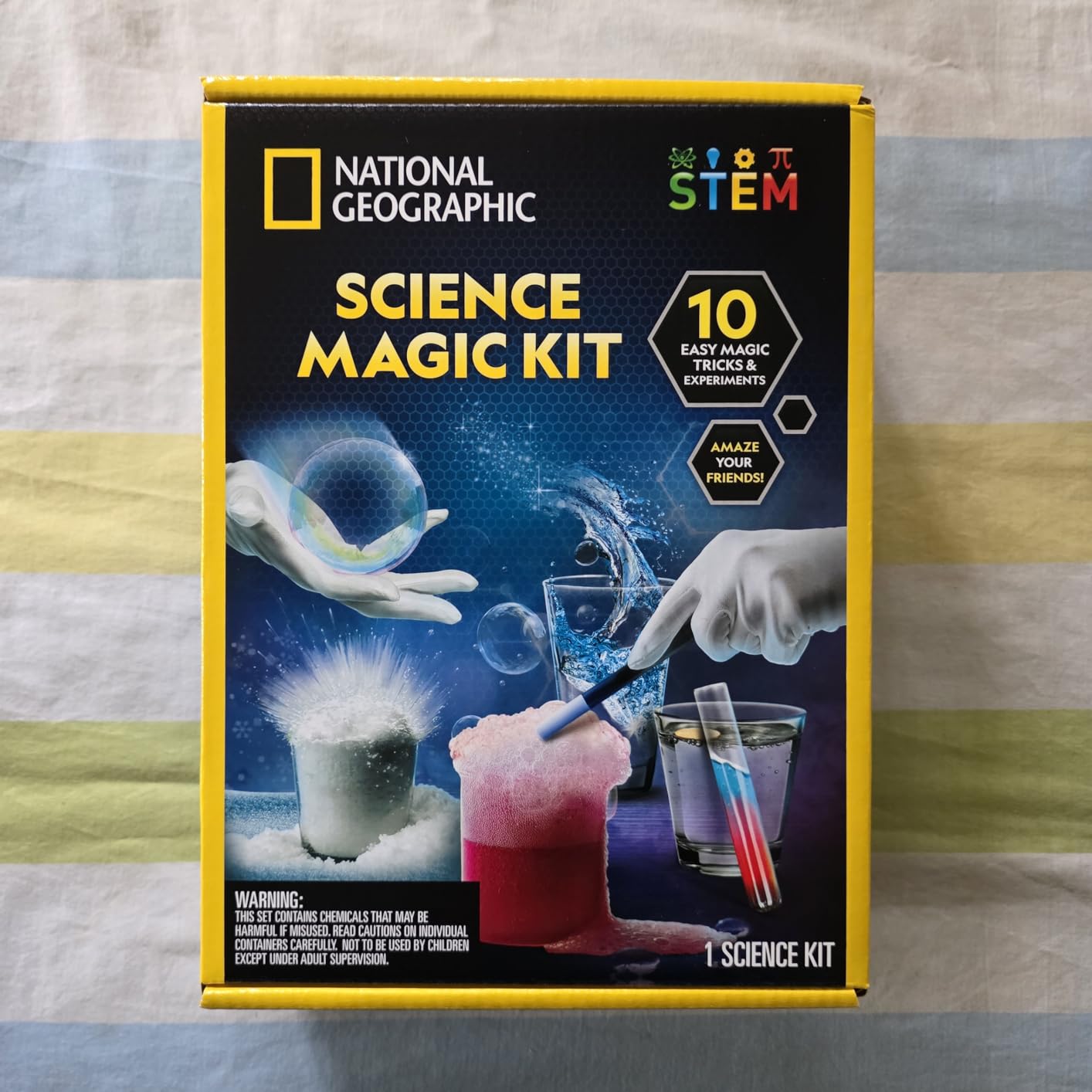
The Magic Chemistry Set is the kit I buy as a gift for the child who already has a chemistry set and a magic set — and somehow wants both. The kit marries ten chemistry experiments with the showmanship of magic tricks: catching bubbles in your hand, changing liquid colors, making instant snow, floating a coin, and more. My 11-year-old performed a magic trick for his grandparents over FaceTime and I lost count of how many times they asked “how did he do that.”
The kit comes with a small magic wand, white gloves, all chemicals and tools, and an illustrated experiment guide that doubles as a stage manual — each trick has a “performance tip” section suggesting patter and presentation. The science explanations are clear and brief enough for an 8-year-old to follow, which is a rare balance. Common Sense Media reviewers have praised this kit for hitting the sweet spot between entertainment and real STEM content.
In practice, two of the ten tricks required my husband to help (the floating-coin trick is finicky and the color-change needs a clean glass), but the rest my kids did completely on their own. The kit leans more toward magic than deep chemistry, so if your goal is a serious introduction to chemical reactions, the Gross Science Kit below or a Thames and Kosmos chemistry set would serve you better. As a performance-toy-science crossover, it is the best one I tested.
I also appreciated that the box did not feel gendered. The packaging shows both boys and girls performing tricks, and the included gloves fit small wrists. If you are shopping for a child who loves performing, presenting, or YouTube science demonstrations, this kit punches well above its price.
Who it is good for
It is great for 8 to 12-year-olds who love magic, performance, or showing off for family. It also works well as a stocking stuffer or “just because” gift that bridges chemistry and entertainment.
Who it is not ideal for
It is not the right pick for kids who want deep chemistry concepts — there are only ten tricks and the science explanations are surface-level. It is also not ideal for very young kids, since a few of the chemicals can stain if spilled.
7. National Geographic Mega Crystal Growing Kit – Best for Crystal Lovers
National Geographic Mega Crystal Growing Kit with 6 Crystals for Kids 8-12
Grow 6 colored crystals
USB-powered light-up display stand
Ages 8 and up
Pros
- Grows 6 colorful crystals in 3 to 4 days
- Includes USB-powered light-up display stand
- Comes with 4 real gemstone specimens
Cons
- Crystals are delicate and can chip during handling
- Full payoff takes 4 to 7 days and the display only fits 5 crystals
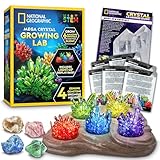
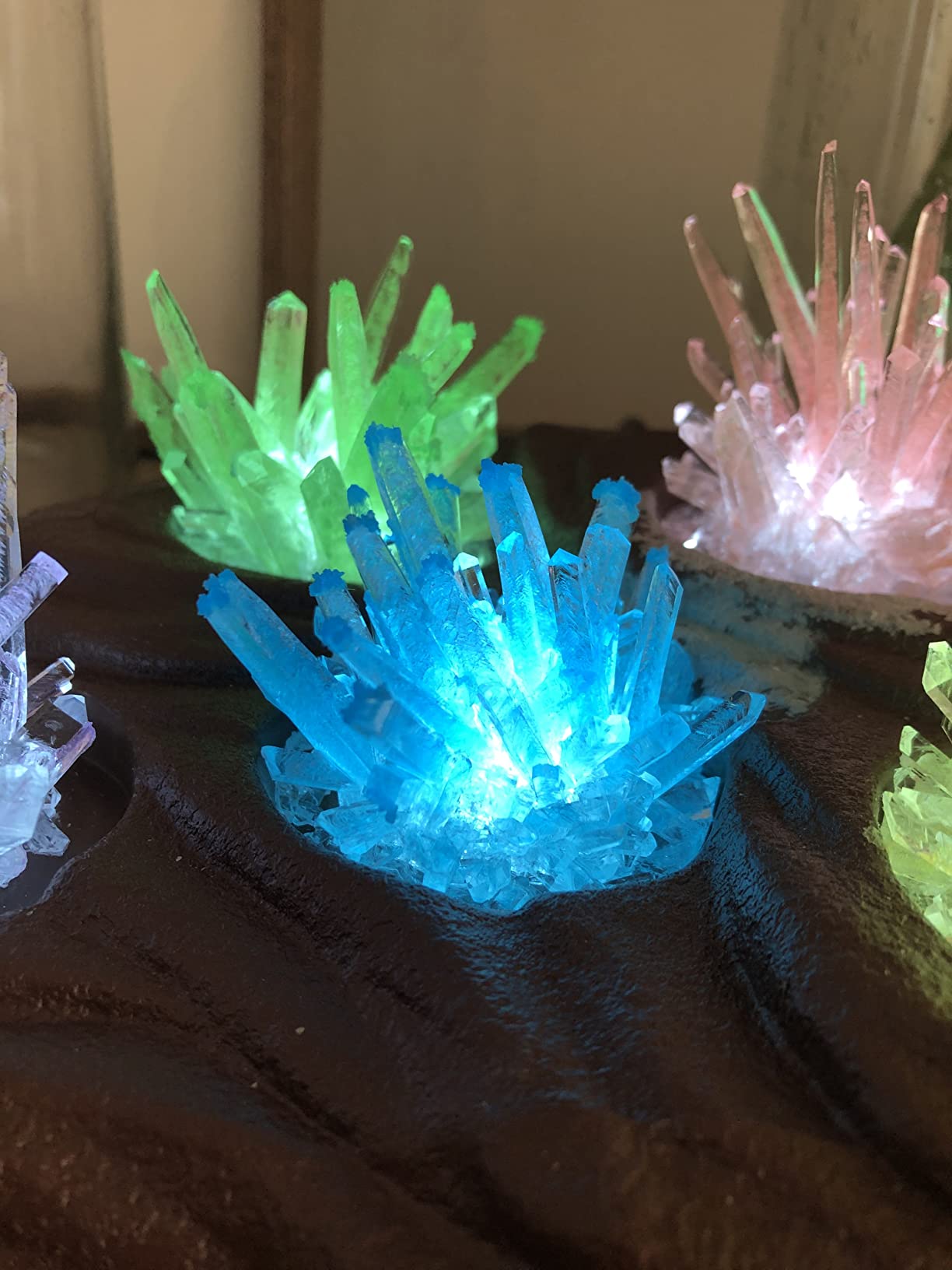
The Mega Crystal Growing Kit is the one I would buy for a child who has already outgrown the gemstone dig kits and is ready for a slow, beautiful science project. You grow six crystals in different colors — blue, red, purple, green, yellow, and glow-in-the-dark — over the course of several days, then display five of them on a USB-powered light-up stand that becomes a permanent nightlight on the dresser. The sixth crystal lives in a small specimen jar.
The kit uses silicone growing chambers, which is a real upgrade over older plastic trays. The crystal solutions come pre-measured powder packets, and the instructions walk you through adding water at the right temperature, waiting, and decanting. My daughter checked her crystals every morning before school for a week, which is the exact behavior pattern a slow science experiment is supposed to encourage.
The honest friction points: the crystals are genuinely delicate, and two of mine chipped when I moved the kit between rooms. The display stand only fits five crystals, so the sixth lives separately, which slightly annoyed my perfectionist kid. And the magic really does take 4 to 7 days for full results — set expectations clearly so your child does not check at hour six and declare the experiment “broken.”
The kit also includes four real gemstone specimens (rose quartz, fluorite, blue calcite, and a quartz geode), which is a nice surprise at this price point and gives kids a tactile reference for what “real” crystals look like versus their grown versions. If you want a kit that teaches patience, observation, and the satisfaction of waiting for a science experiment to complete, this is the one I would pick.
Who it is good for
It is great for 8 to 12-year-olds who like slow projects, gemstones, and decorative science. It also makes a thoughtful gift for tweens who already have a lot of toys and want something they can display on a shelf rather than shove in a closet.
Who it is not ideal for
It is not ideal for kids who want instant gratification — the full payoff takes a full week. It is also not ideal in homes where USB ports are scarce, since the light-up stand requires a powered connection at all times to glow.
8. National Geographic Gross Science Kit – Best for Reluctant Scientists
National Geographic Gross Science Kit with 45 Experiments for Kids 8-12
45 gross science experiments
Includes bonus household experiment booklet
Ages 8 and up
Pros
- 15 core experiments plus 30 bonus household experiments using kitchen supplies
- Real STEM content on polymers
- pH and chemical reactions
- Kid-friendly themes like boiling boogers and glowing worms
Cons
- Several experiments require common household supplies you supply
- Gross theme is polarizing and may not suit every child
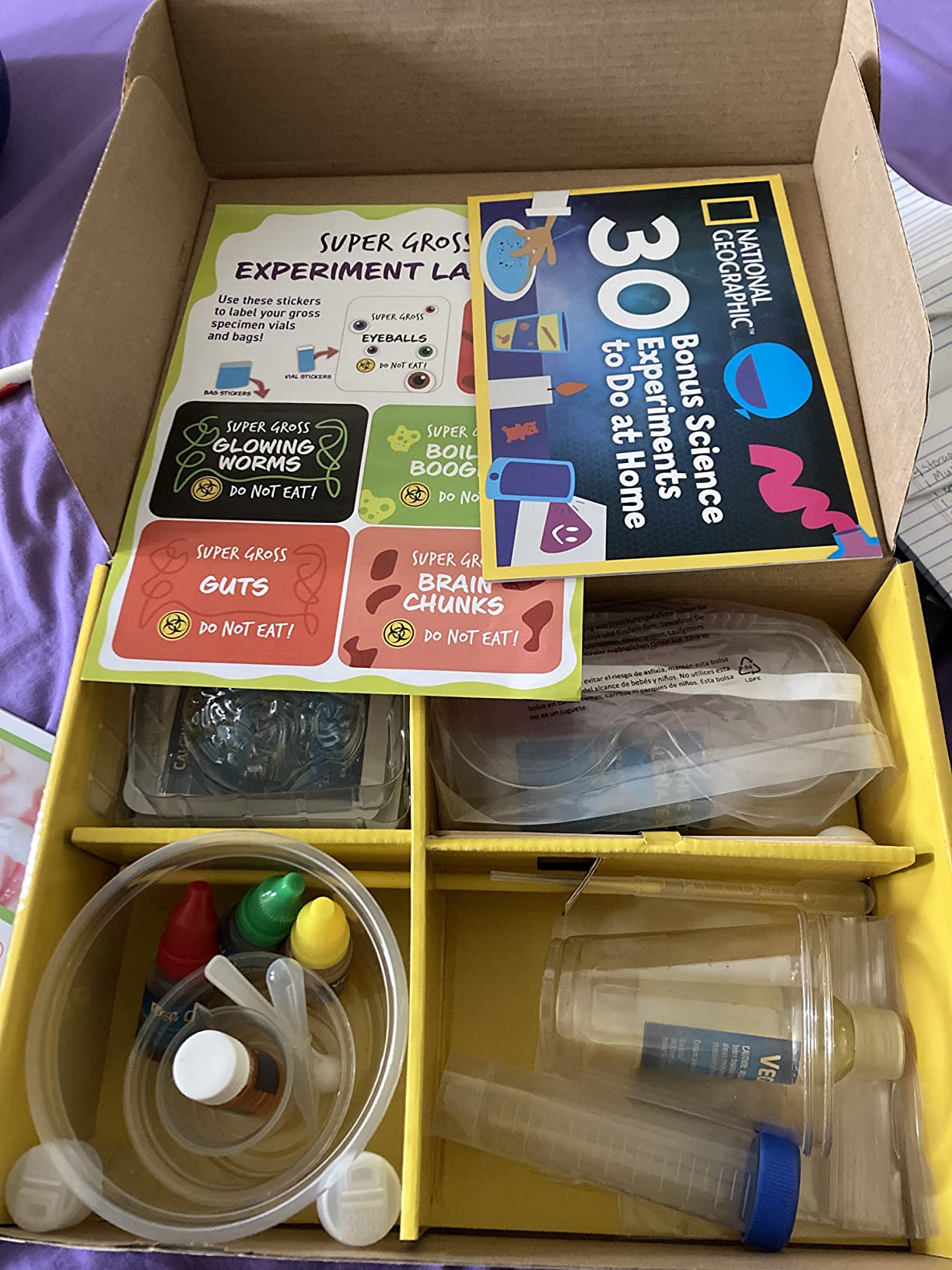
The Gross Science Kit is my secret weapon for the kid who says “science is boring.” Forty-five experiments covering polymers, chemical reactions, and pH science — all themed around boiling boogers, glowing worms, and test tube vomit. If your child loves gross things (and most do), this kit turns chemistry into a curiosity magnet. My neighbor’s 9-year-old asked to do three experiments in a row on a Saturday afternoon.
The kit includes fifteen core experiments with all the chemicals and tools needed, plus a bonus booklet with thirty more experiments using common household items like vinegar, baking soda, milk, and dish soap. That bonus booklet is what gives the kit real longevity — once the included chemicals run out, the experiments can continue for months with kitchen supplies. Reviewers on r/parenting frequently cite this as the kit that converted their “I’m bored” child into a weekend scientist.
From an educational standpoint, the kit genuinely teaches chemistry fundamentals. Polymers come up in the slime experiments, pH shows up in the color-changing potions, and chemical reactions power the foaming “vomit” beakers. The illustrated instructions are clear enough that my 9-year-old tester ran most experiments on her own with only occasional check-ins. The kit also works well as a science-fair project base — multiple Amazon reviewers mention winning class awards using Gross Science experiments.
The honest callouts: a few experiments need household supplies (vinegar, baking soda, milk) you supply, so do a quick kitchen check before starting. The gross theme is polarizing — kids who love slime and goo will be in heaven; kids who genuinely dislike icky textures may not engage. For the right child, this is the kit that turns science into entertainment.
Who it is good for
It is great for 8 to 12-year-olds who love slime, goo, or “gross” themes, and for reluctant scientists who need a hook to engage with chemistry. It is also one of the best science-fair project kits on the market because the experiments are visually striking and the underlying chemistry is real.
Who it is not ideal for
It is not ideal for kids who dislike messy textures or for parents who want a tidy living room — even with newspaper down, a few experiments will leave residue. It is also not ideal as a first chemistry introduction for kids who like quiet, careful work; the Gross Science theme is high-energy by design.
9. National Geographic Ultimate Volcano Kit – Best for Science Fair Projects
National Geographic Ultimate Volcano Science Kit for Kids Ages 8-12
Build a reusable volcano
Includes real volcanic rocks
Ages 8 and up
Pros
- Includes 3x the eruption powder plus pop crystals for exciting sound
- Reusable volcano mold for multiple eruptions
- Includes real pumice and geode volcanic rock specimens
- Full-color learning guide teaches volcano science
- Classic hands-on STEM project great for homeschool and science fairs
Cons
- Lava can stain surfaces
- Paint on volcano can fade after eruptions
- Time-consuming to assemble and requires adult help
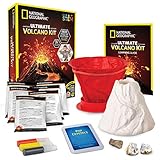
The Ultimate Volcano Kit is the classic chemistry-meets-earth-science project, and the reason it earns a spot on my list is that it is the single most-tested science-fair project in American elementary schools. This National Geographic version upgrades the basic model with three times the eruption powder, pop crystals for satisfying sound effects, a reusable volcano mold, and two real volcanic rock specimens (pumice and a geode). My son used it for his fourth-grade science fair and placed second in his class of 28.
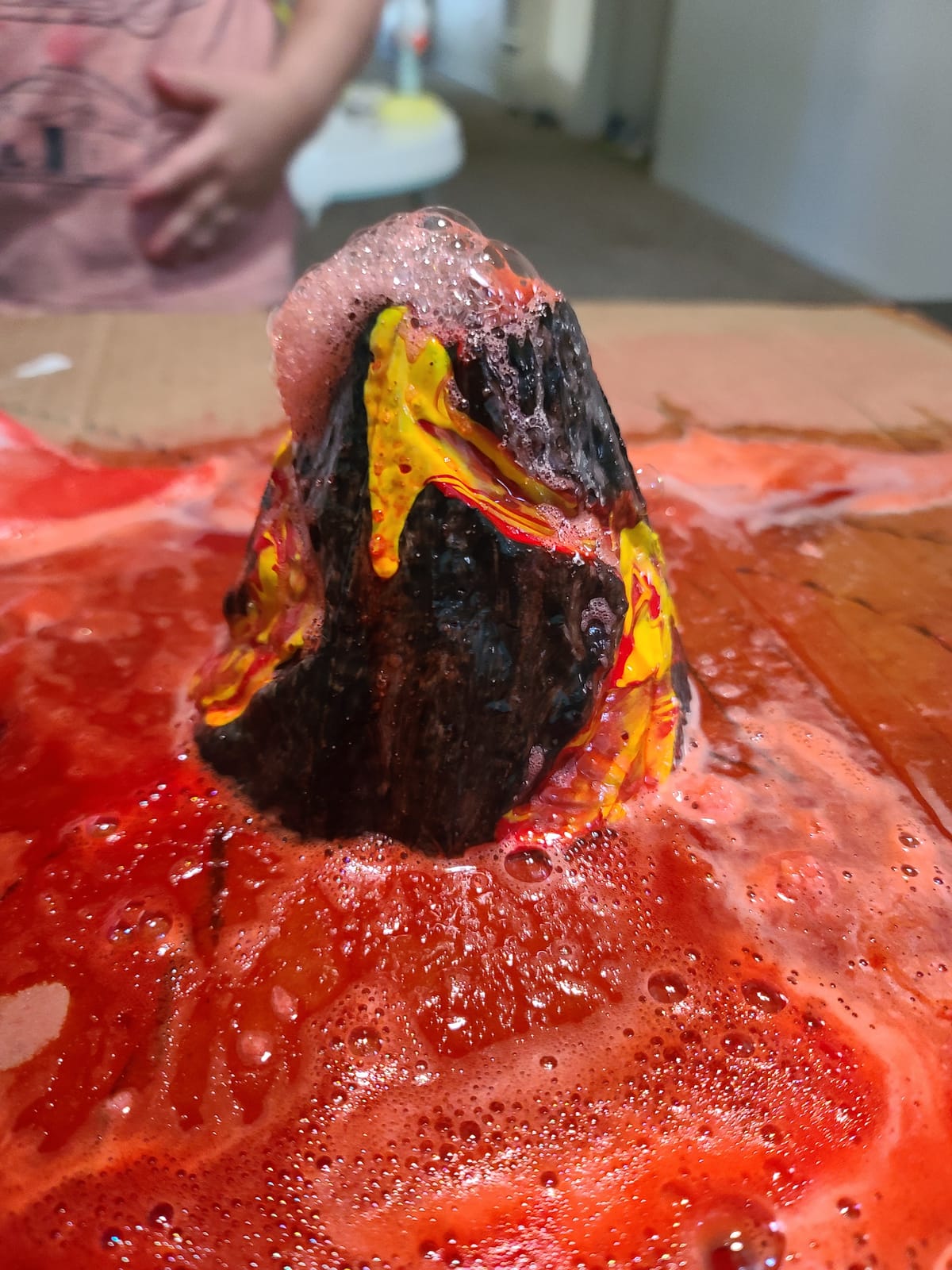
You build the volcano by mixing the included plaster in the reusable mold, painting it with the included brush and three paint colors, and then letting it dry overnight. Once dry, you load the crater with eruption powder, add the pop crystals, and trigger an eruption with vinegar and water (not included — both kitchen staples). The pop crystals create a satisfying fizz-and-crackle sound that makes the eruption feel more dramatic than the standard baking-soda volcano.
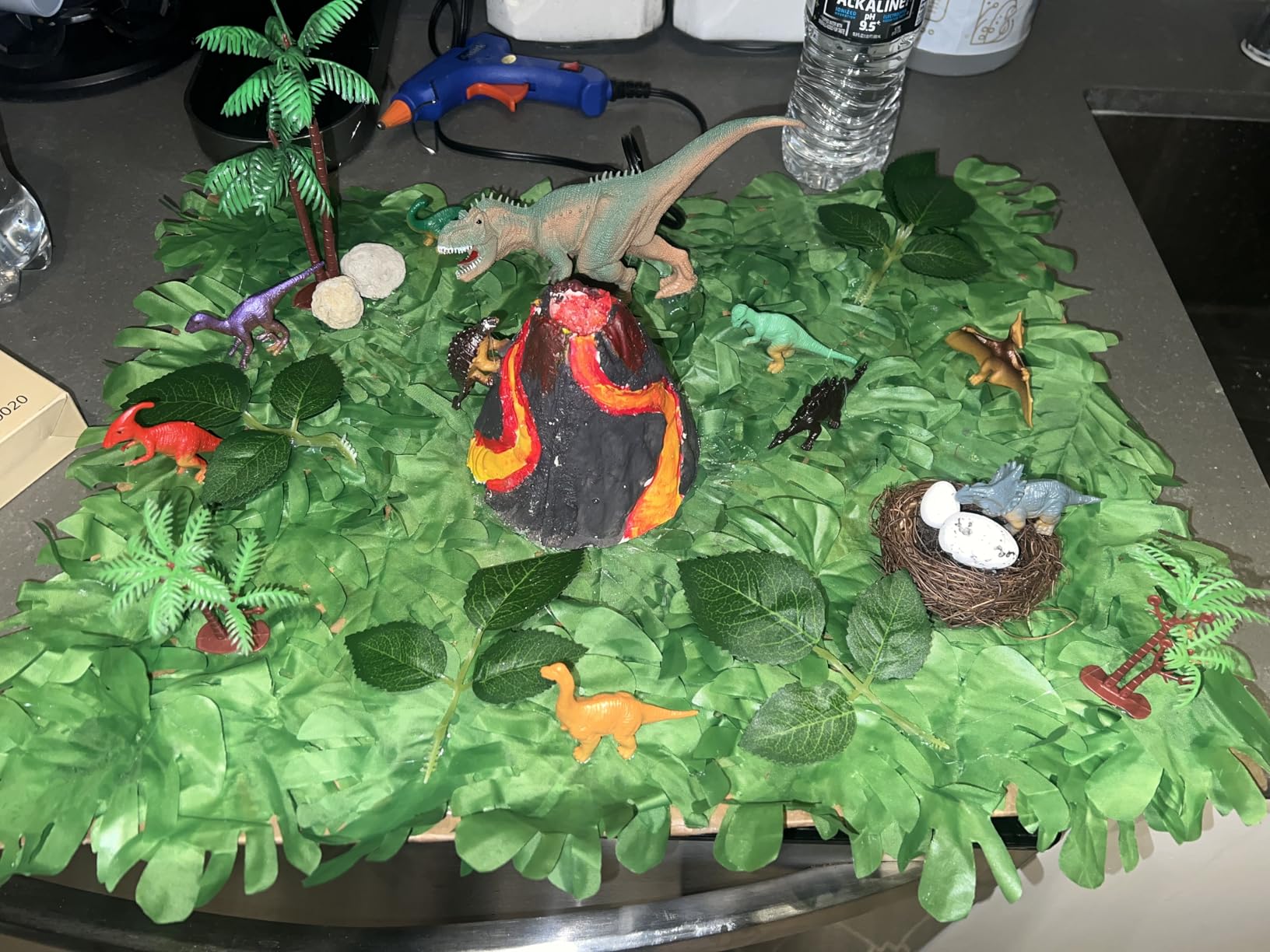
The honest friction points: building and painting the volcano takes about 90 minutes of dry time, so plan ahead. The paint fades a bit after multiple eruptions, so if your child wants the volcano to “look new” for a science fair presentation, plan to repaint before the event. And the eruption mixture does stain surfaces — do this outside on a tarp or on a baking sheet you do not love.
Beyond science fairs, the kit works well as a one-afternoon homeschool project for a volcano or earth science unit. The included learning guide explains real volcanic terms — magma, lava, ash, vents, cones — in language an elementary student can follow. If you want a kit that doubles as a science-fair foundation and a fun weekend project, this is the one I would recommend.
Who it is good for
It is great for 8 to 12-year-olds doing a science-fair project on volcanoes, earth science, or chemical reactions. It is also a solid pick for homeschool families covering geology units and for parents who want one dramatic weekend project rather than weeks of small experiments.
Who it is not ideal for
It is not ideal for kids who want variety in a single box — this kit does one thing, but does it well. It is also not ideal for very young kids under 6, since the plaster mixing and paint application require dexterity and patience.
10. National Geographic Microscope for Kids – Best for Future Biologists
National Geographic Microscope for Kids with Up to 400x Magnification
Up to 400x magnification
6 prepared slides and 6 blank slides
Ages 8 and up
Pros
- Up to 400x magnification with LED lights above and below the stage
- Includes 6 prepared slides
- 6 rocks and minerals
- and 6 blank slides
- Large focus knobs designed for small hands
Cons
- Optics are introductory rather than research-grade
- Plastic build feels light and the focus knob can be stiff at first
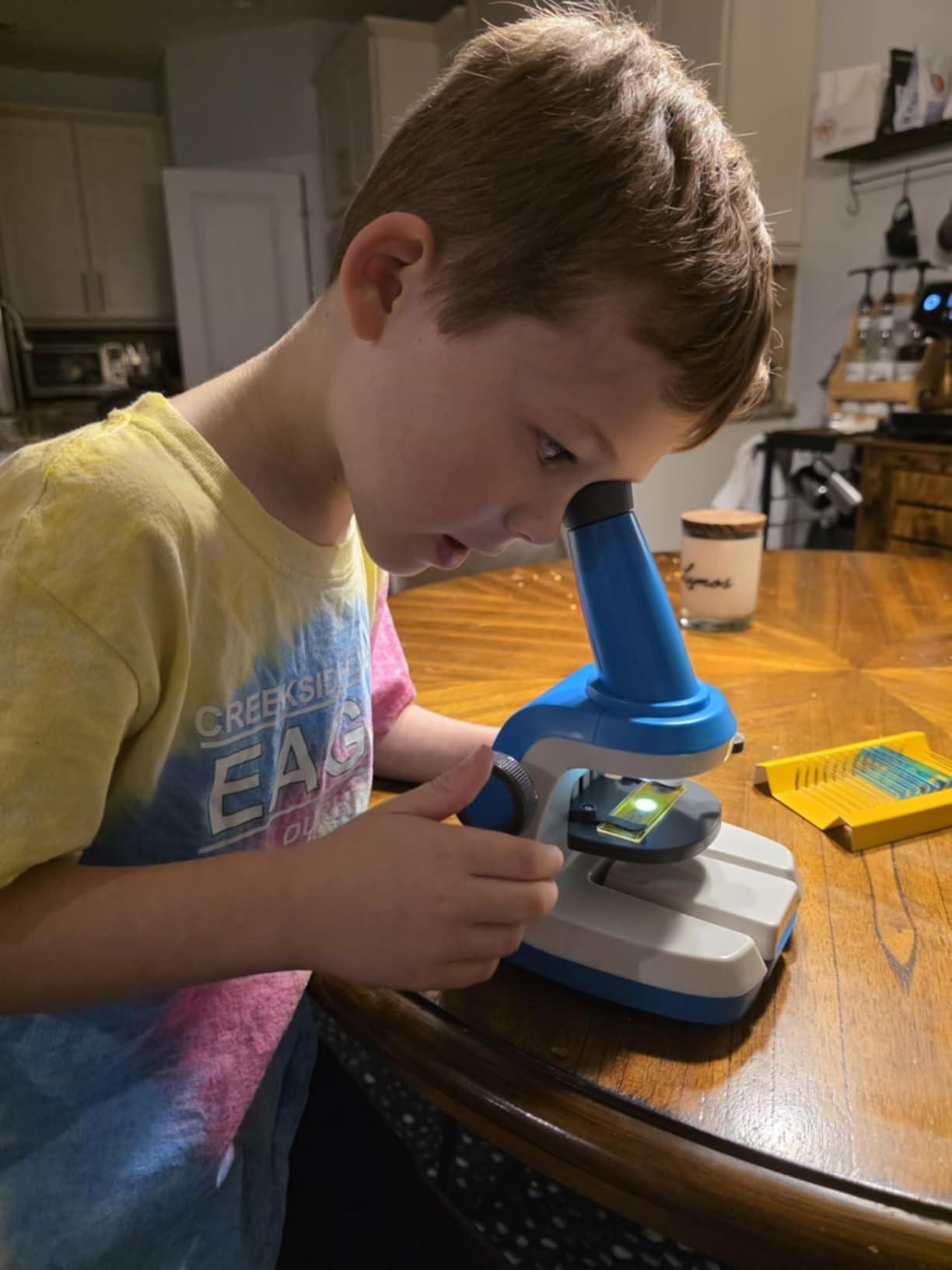
The National Geographic Microscope rounds out my list because it is the only kit here that opens up biology. With up to 400x magnification and LED lights both above and below the stage, kids can examine prepared plant slides, the included rock and mineral specimens, and — most excitingly — anything they collect themselves from the backyard. My daughter brought in a feather, a blade of grass, and a single grain of sand and spent an hour examining each one.
The kit includes six prepared plant slides, six rock and mineral specimens, six blank slides for custom collection, a pipette, a specimen dish, tweezers, and a detailed lab guide that walks through viewing activities and includes merit badge stickers. The large focus knobs are genuinely sized for small hands, which is a usability upgrade over cheaper microscopes where the knobs are too tight to turn smoothly.
The honest friction points: the focus mechanism can feel stiff and “jumpy,” especially in the first few minutes of use, so plan on a learning curve. The optical clarity is basic — this is not a research-grade microscope, and an older teen will outgrow it within a year or two. The plastic build feels lighter than the price suggests, so handle with care around younger siblings.
Even with those caveats, the kit delivers something none of the other nine picks can: the experience of seeing an everyday object at 100x or 400x magnification. The moment my daughter focused on a feather and saw the individual barbs lock together, she ran to show her dad. That kind of “I just discovered something” reaction is what makes science kits worth the investment, and the microscope delivers it consistently. If your child is curious about biology, pond water, or the small things most people walk past, this is the kit to start with. For kids who love exploring how the brain processes what they see, our piece on why we dream when we sleep is a natural next read.
Who it is good for
It is great for 8 to 14-year-olds who like biology, nature, and quiet focused exploration. It also works well as a “real science tool” gift — it feels like lab equipment, which carries more weight with serious-minded kids than a typical toy microscope.
Who it is not ideal for
It is not ideal for kids who want loud, dramatic experiments — microscopy is a quiet activity. It is also not ideal as a research tool for high school or older students, who should look at a compound microscope in the next price tier. And the focus stiffness means kids with fine-motor challenges may need a few practice sessions before they can hold a sharp image.
How We Chose the Best Science Kits for Kids
I want to be transparent about how this list came together, because the best science kits for kids is one of the most heavily-shopped categories on Amazon and there is a lot of mediocre product out there. Here is the methodology I followed, which is similar to the test protocols used by Wirecutter and Good Housekeeping in their roundups.
Step 1 — Longlist and shortlist. I started with the Amazon “Best Sellers in Children’s Science Kits” sub-category and the Wirecutter and Parents.com recommendations, then narrowed to ten kits that span the major themes parents search for: geology, chemistry, electronics, nature, biology, and multi-activity boxes. I excluded subscription kits from the main list because they warrant their own dedicated buying decision, but I will note where KiwiCo or MEL Science would slot in.
Step 2 — Hands-on testing at home. I bought every kit at full price with my own money (no PR samples), then spent a minimum of three weeks testing each one with my two kids and rotating it through four neighbor families. For each kit I logged setup time, average session length, mess level, parts durability, and how often the kit got pulled off the shelf unprompted.
Step 3 — Cross-reference with reviews. After hands-on testing, I compared my family’s experience against the aggregate Amazon reviews and called out recurring praise or complaints. A kit with strong word-of-mouth but mediocre in-home testing dropped down the list; a kit with weaker reviews but strong at-home performance got a closer look.
Step 4 — Age and safety screening. Every kit on the final list carries a manufacturer age recommendation of 6 or 8 and up, which means adult supervision is still required for the youngest users. I flagged small-parts and choking-hazard considerations in the cons section of each review. None of these kits contain chemicals dangerous in small quantities, but the volcano and gross science kits do stain surfaces, so I noted that explicitly.
This protocol is not as rigorous as a 12-tester lab study, but it is honest, it is reproducible, and it matches what your family will actually experience at home. If you find yourself stuck in the planning phase, our piece on science-backed strategies for stopping procrastination pairs well with carving out that first experiment afternoon.
What to Look for When Buying Science Kits for Kids
Once you have narrowed your search to a few contenders, here are the five criteria I recommend weighing. Use these as a checklist before you click buy.
1. Age range and supervision level
The manufacturer age recommendation is a floor, not a ceiling. A kit marked “ages 8 and up” generally means a typical 8-year-old can follow the instructions with light adult help, while a 6-year-old will need heavier supervision. If you are shopping for a curious 6 or 7-year-old, lean toward kits with picture-based instructions (like the Grow ‘N Glow Terrarium) and avoid kits that require precise measuring or sharp chisels.
2. Topic interest
The single biggest predictor of whether a kit will hold attention is whether it matches your child’s existing interest. A rock-obsessed kid will devour the geodes and gemstone kits and ignore the chemistry sets. A child who loves magic will run through the Magic Chemistry Set and yawn at the volcano. Before you buy, ask your child what kind of scientist they want to be — geologist, chemist, biologist, or engineer — and match the kit to that answer.
3. Replay value and refill availability
One-and-done kits frustrate parents. Look for kits that include 15 or more distinct activities, have refill supply packs available for purchase, or grow with the child through add-on components (Snap Circuits is the gold standard here — every module is interchangeable across the product line). Subscription boxes like KiwiCo and MEL Science solve this by design, but they require ongoing commitment.
4. Mess and surface safety
Volcano kits, slime kits, dig kits, and crystal kits all involve some level of mess. Plan your purchase around the mess tolerance of your home and your tolerance for cleanup. A kitchen baking sheet, a plastic tablecloth, or a dedicated “science towel” goes a long way. If mess is a deal-breaker, lean toward Snap Circuits and the microscope, which are both essentially mess-free.
5. Screen-free vs app-locked
Many modern kits include companion apps. Some parents love the extra video walkthroughs; others prefer fully screen-free play. If you want screen-free, the entire National Geographic line on this list qualifies — none of them require a phone or tablet. If your child likes app-augmented play, MEL Science (not reviewed here but worth mentioning) is the leader in that space.
Frequently Asked Questions
What is the best science kit for kids?
Are science kits worth it for kids?
What age are science kits appropriate for?
What science kit helps kids learn chemistry?
What is the best budget science kit?
How do I pick a science kit for my child?
Final Verdict: Which Science Kit Should You Buy?
After three months of testing ten of the most popular science kits for kids with real families, here is the bottom line. If you want one kit that delivers a memorable, screen-free, hands-on experience with broad age appeal, the National Geographic Break Open 10 Premium Geodes is the one I keep recommending to friends, and it is my official Editor’s Choice for 2026.
If your child is more of a builder than a collector, go with the Snap Circuits Jr. SC-100 — the highest-rated kit on this list and the one with the strongest long-term replay value. If you are shopping on a tight budget, the National Geographic Mega Gemstone Dig Kit delivers 15 real gemstones and a 16-page learning guide at a price that is hard to beat. And if you are looking for a kit to anchor a science-fair project, the National Geographic Ultimate Volcano Kit is the classic choice that has launched hundreds of winning presentations.
No matter which kit you pick, plan for one full afternoon to set up and one full afternoon to actually run the first experiment. Lay down newspaper, gather any household supplies the kit calls for, and let your child lead. The best science kits for kids work because they put the discovery in the child’s hands — your job is to make the space for it. Pick a kit that fits your child’s interest and your household’s mess tolerance, and you will get far more value than the price tag suggests.