
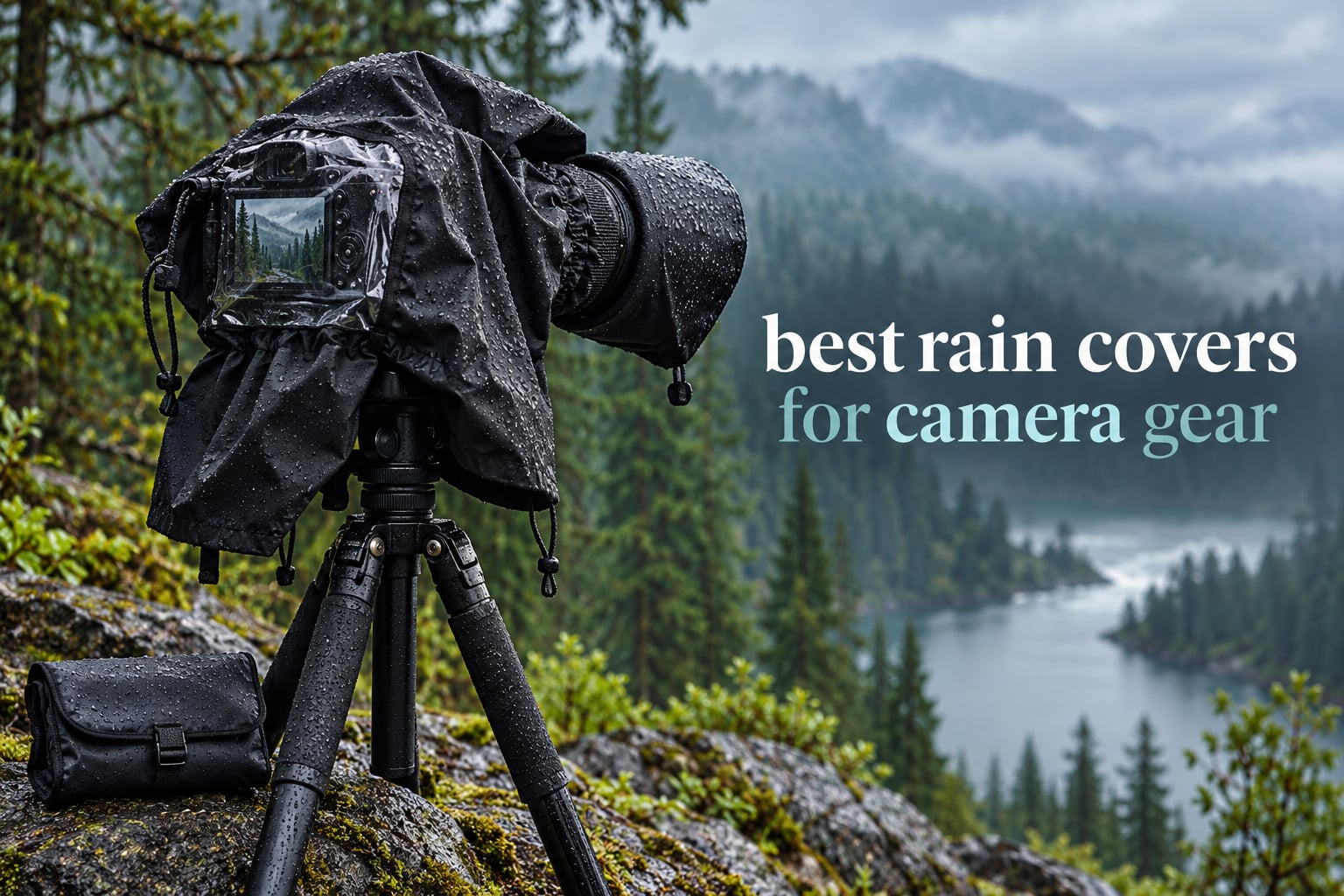
The best rain covers for camera gear fall into two very different groups: thin plastic sleeves that cost almost nothing and a fabric cover that is genuinely waterproof. The Altura Photo rain cover is the one most photographers end up buying, and the Kiorafoto clear sleeve is the safest budget bet.
Here is the tension nobody tells you about wet weather shooting. Water ingress is the dramatic failure, but condensation is the common one. A sealed, non-breathable cover traps warm humid air against a cold camera body, and that internal fog can reach the sensor, the mirror and the electronics while the outside of the camera stays perfectly dry. A DPReview contributor put it plainly when describing the hiking case: a cover that seals well can create a worse moisture problem than the rain it was meant to stop.
We spent weeks reading review data across 12 of the highest-rated camera rain covers on the market, comparing material, sizing, deploy speed and whether you can actually operate the camera while covered. What follows is every pick, in order, plus the sizing and condensation guidance that retailer product pages leave out.
Table of Contents
Top 3 Picks for Camera Rain Covers in 2026

Altura Photo Camera Rain Cover
- Waterproof nylon shell for active shooting
- Dual hand sleeves with full-length zipper
- Clear back window for LCD and viewfinder
- Fits lenses up to 8 inches

WANBY Waterproof Camera Rain Cover
- Nylon shell with ultra-clear viewing window
- Dual sleeves and double zipper
- Protects against rain snow salt spray and dust
Kiorafoto Clear Rain Cover 2-Pack
- Clear polyethylene sleeve
- Drawstring cinch around the lens
- Fits lenses up to 11 inches
All 12 Camera Rain Covers Compared Side by Side in 2026
| Product | Specifications | Action |
|---|---|---|
| Altura Photo Camera Rain Cover |
|
Check Latest Price |
 OpTech Rainsleeve Original 2-Pack OpTech Rainsleeve Original 2-Pack |
|
Check Latest Price |
| WANBY Waterproof Camera Rain Cover |
|
Check Latest Price |
 JJC Camera Rain Cover 2-Pack JJC Camera Rain Cover 2-Pack |
|
Check Latest Price |
| Kiorafoto Clear Rain Cover 2-Pack |
|
Check Latest Price |
 Movo RC1 Clear Rain Cover 5-Pack Movo RC1 Clear Rain Cover 5-Pack |
|
Check Latest Price |
 Kiorafoto Professional Camera Rain Cover Kiorafoto Professional Camera Rain Cover |
|
Check Latest Price |
 Think Tank Emergency Rain Cover Large Think Tank Emergency Rain Cover Large |
|
Check Latest Price |
 NEEWER PB003 Small Camera Rain Cover NEEWER PB003 Small Camera Rain Cover |
|
Check Latest Price |
 VANGUARD Alta Rain Cover Medium VANGUARD Alta Rain Cover Medium |
|
Check Latest Price |
 Movo CRC17 Storm Raincover Small Movo CRC17 Storm Raincover Small |
|
Check Latest Price |
 NEEWER PB021 Camouflage Rain Cover NEEWER PB021 Camouflage Rain Cover |
|
Check Latest Price |
1. Altura Photo Camera Rain Cover – Best Overall and Best for Working Cameras
Altura Photo Camera Rain Cover, Waterproof Lens Jacket for Canon Sony Nikon
Waterproof nylon
6.4 ounces
Fits lenses up to 8 inches
13.6 x 7.9 inch panel
Pros
- Holds its shape during active shooting rather than collapsing
- Hand sleeves and full-length zipper keep the camera fully operable
- Clear rear window keeps LCD and viewfinder usable
- Folds flat and works on a tripod
Cons
- Oversized for compact bodies with pancake lenses
- Performs best with a dedicated lens hood
- Strap and interior rubber add packed bulk
With more than 3,600 ratings at an average of 4.4 stars, this is the most proven rain cover in the category and the one we kept reaching for. The difference from a plastic sleeve is immediate: the waterproof nylon holds a tent shape around the body and lens instead of draping and collapsing onto your controls mid-frame.
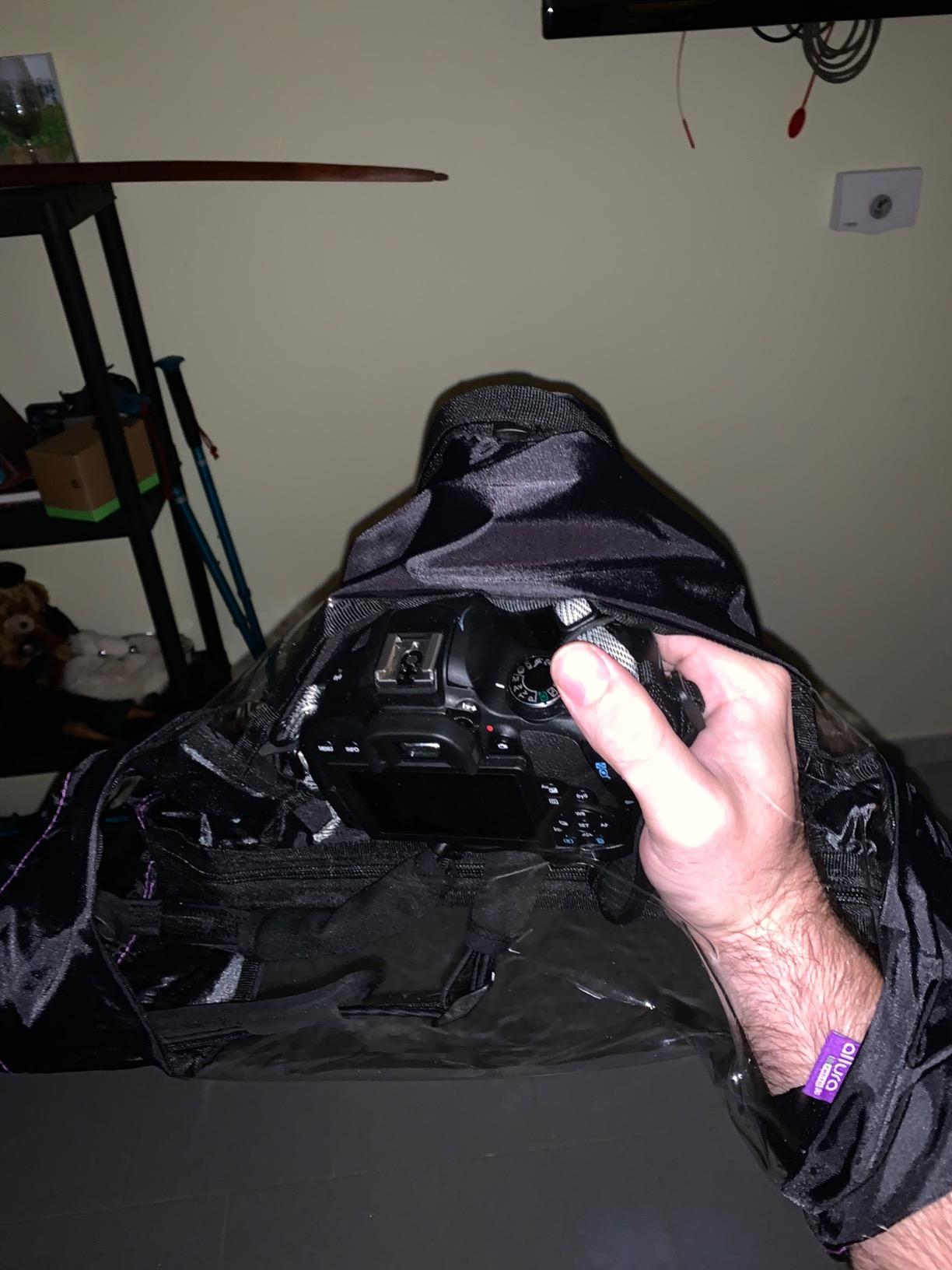
You can genuinely work through it. Two adjustable hand sleeves and a full-length double zipper mean the shutter, dial and menu buttons are all reachable, and the ultra-clear back window keeps the LCD and viewfinder readable in flat light. Reviewers consistently describe it as the cover they keep permanently in the camera bag rather than something that only appears in a forecast.
Construction details are better than the price suggests. The exterior hook-and-loop strap stabilises the cover, and the interior anti-slip rubber grips the lens barrel so the rig does not swing on a tripod head. The panel measures 13.6 x 0.87 x 7.9 inches and is rated for lenses up to 8 inches across most major DSLR and mirrorless brands.
What you get that cheaper covers skip
The zip is the headline feature, not a gimmick. A full-length double zipper is how you get the camera out to change a lens or swap a battery without peeling a plastic bag off the whole rig, and no plastic sleeve in this list can do that.
At 6.4 ounces it disappears into a backpack, and it works on a tripod or handheld. The material is quiet enough that it does not register badly in a video take, unlike the rustling some fabric covers produce.
Who should look elsewhere
If you shoot a compact body with a pancake lens, this cover is too large. The excess material is not a safety margin, it is just slack that catches wind and gets in the way when you need to move fast.
Reviewers also flag that it delivers its best performance paired with a proper lens hood, and that the hook-and-loop strap plus interior rubber make it the bulkiest item in a small bag. If bag space is the binding constraint, look at the clear sleeves further down instead.
2. OpTech Rainsleeve Original 2-Pack – Best for Pocket Emergency Coverage
OpTech USA | Rainsleeve Series | Original | Clear | 2 Pack
Clear plastic sleeve
1.76 ounces
Fits lenses up to 18 inches
Two pack
Pros
- Folds down to wallet size and weighs almost nothing
- Deploys in under thirty seconds
- Drawstring cinches snugly around the lens barrel
- Two pack gives you a spare after a soak
Cons
- Thin plastic that reviewers describe as tear-prone
- Not trusted for prolonged heavy rain
- Drawstring can interfere with extending zoom lenses
- Zoom ring is covered and hard to reach
Over 3,000 ratings at 4.4 stars make this one of the most recognised cheap emergency covers in photography. It weighs 1.76 ounces and collapses to a shape you can forget is in your pocket, which is the entire point: it is there when the weather turns and you did not plan for it.
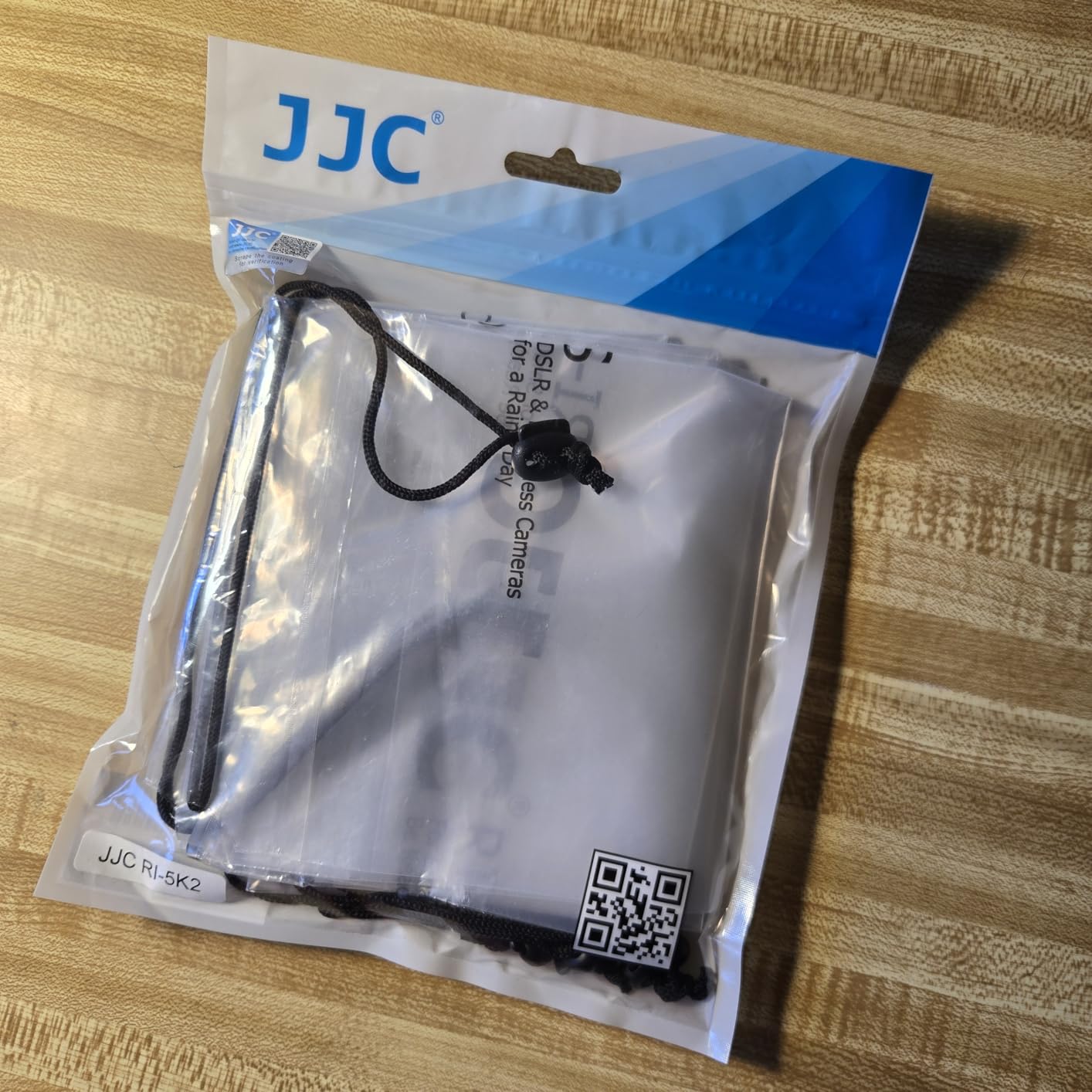
Deployment is genuinely fast. The drawstring lens opening cinches around the barrel, the unique eyepiece opening adapts to most viewfinders, and the sleeve fits lenses up to 18 inches long by 7 inches across. Handheld or tripod, it is the same motion every time.
Reviewers tell a consistent story: this is the cover that saved a paid shoot. It handles drizzle, mist and a steady walk through rain without hesitation, and because you get two, a soaked sleeve does not end your day.
What you need to know before you rely on it
The plastic is thin. Owners themselves describe it as a glorified plastic bag that can tear if snagged on a branch, so this is emergency kit, not permanent rain gear. It also does not work with a shoulder strap worn around the neck, which rules it out for a lot of street and travel shooters.
Zooming is the second problem. A telescoping lens pushes the sleeve back toward the body, and the drawstring can foul the zoom ring mid-shot. Fixed-primed and short prime kits are the smoothest fit.
Who should buy it anyway
If your budget for weather protection is close to nothing, this is the correct place to start. It costs the least, it weighs the least, and it needs no pre-planning beyond knowing where you put it.
For anything beyond light and steady rain, treat it as the first stage of a two-stage workflow: sleeve on to get the shot, then get to a dry bag or a fabric cover if the front passes through.
3. WANBY Waterproof Camera Rain Cover – Best Value Fabric Cover
WANBY Waterproof Camera Rain Cover Soft Black Camera Rain Lens Covers
Nylon and plastic shell
0.15 kg
13.78 x 17.7 inch panel
Viewing window
Pros
- Fabric build reads as more durable than plastic sleeves
- Full-length zipper and dual sleeves for real control access
- Inexpensive for a fabric-style cover
- Also works on some binoculars and rangefinders
Cons
- Bulkier than a thin plastic sleeve when packed
- Window panel can fog once moisture gets in
A 4.5-star average across roughly 900 ratings puts this among the better-rated covers at the entry tier, and it is the value pick of the roundup. You get a fabric shell, a clear viewing window and a full-length double zipper for a fraction of what the premium nylon covers cost.
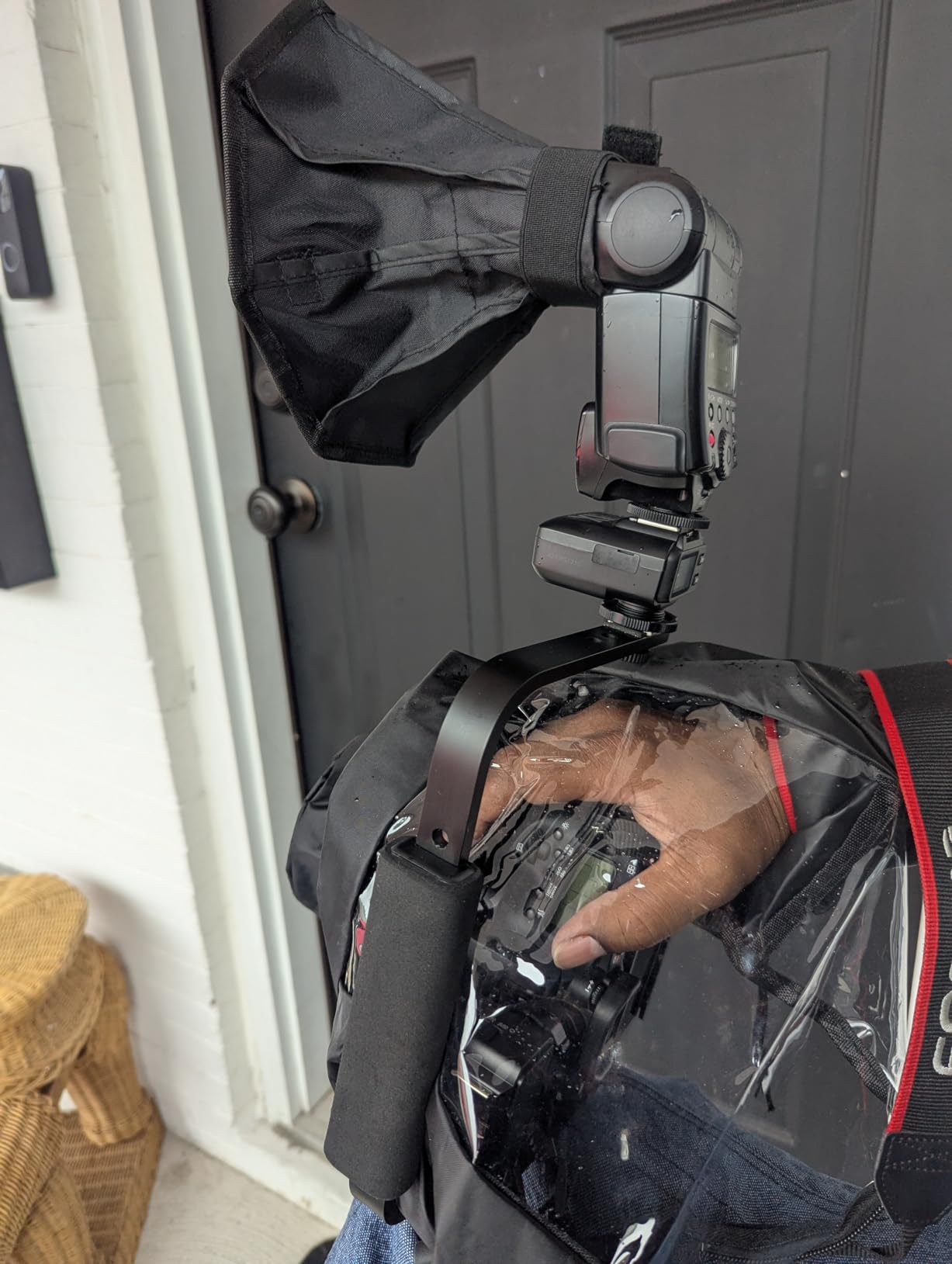
The build reads as an upgrade over disposable plastic sleeves. Dual adjustable sleeves keep your hands dry and give you real access to the controls, and the waterproof nylon shell is rated against rain, snow, salt spray, dust and sand, which makes it a genuinely four-season cover rather than a summer drizzle accessory.
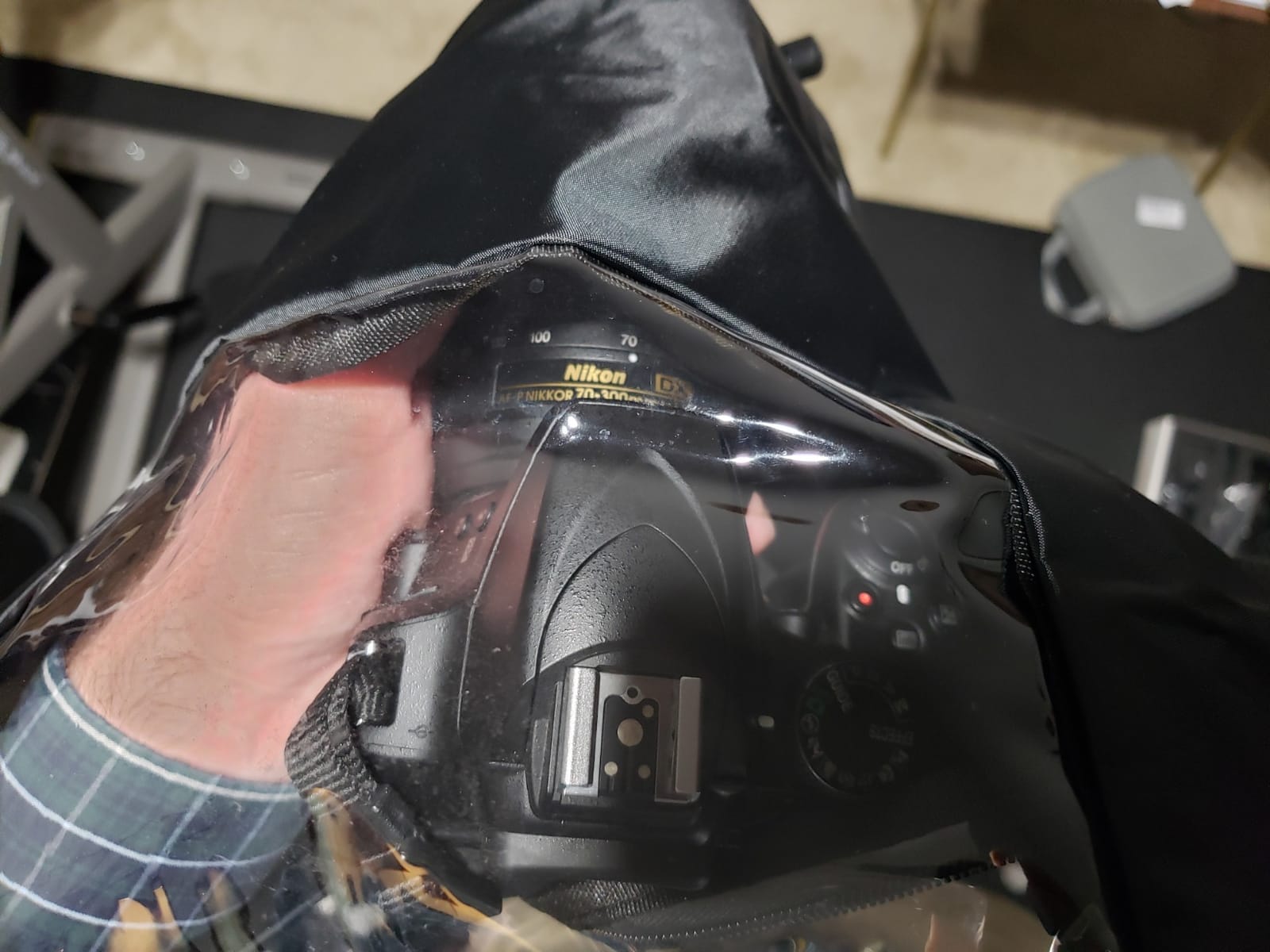
It is also more versatile than most covers in the list. Reviewers report using it on DSLR and SLR bodies, and on some binoculars, monoculars and rangefinders, which is handy if you split a scouting trip between photography and glassing.
What you give up versus a premium cover
The main trade is packed bulk. At 0.15 kg with a 13.78 x 17.7 x 7.87 inch footprint, this is not a pocket item the way the OpTech sleeve is, and in a tight small-format backpack you will feel it.
The window can also fog or dim once moisture gets behind it. That is a solvable problem rather than a dealbreaker, but it means you should expect to wipe the panel between bursts of shooting in heavy rain.
Why it beats the cheap sleeves on longevity
Nylon does not tear the way thin polyethylene does, and it survives being draped over a hot lens barrel without creasing permanently. If you shoot outdoors all year and keep replacing plastic sleeves, the maths works in your favour over a season.
The single most common owner regret is fit rather than quality, so measure your longest lens before you commit.
4. JJC Camera Rain Cover 2-Pack – Best Sleeve Fit for Long Zooms
JJC Camera Rain Cover Sleeve for DSLR w/Lens up to 18″, Waterproof, 2-Pack
Clear PE sleeve
Fits 18 by 7 inch lens
8.66 x 6.69 inch folded
Drawstring closure
Pros
- Clear PE keeps menus and viewfinder usable without removing it
- Generous 18 inch sizing handles telephoto zooms
- Drawstring closes tightly around the lens barrel
- Two pack covers you when one sleeve is soaked
Cons
- Thin PE plastic can tear under stress
- Telescoping zooms can pull the sleeve back
- Drawstring bunches unevenly on smaller lenses
- Eyepiece sensors can blank the rear screen
At 792 ratings and 4.4 stars, this two-pack sits near the top of the category sales chart on the strength of fit and price. The differentiator versus most sleeves is the 18 inch by 7 inch envelope, which is sized for a DSLR with a telephoto zoom attached rather than a compact kit.
See-through PE means you can work menus, hit the shutter and glance at the viewfinder without stripping the cover off. The drawstring sleeve cinches close to the lens barrel, and it works on a tripod and with a lens hood in place.
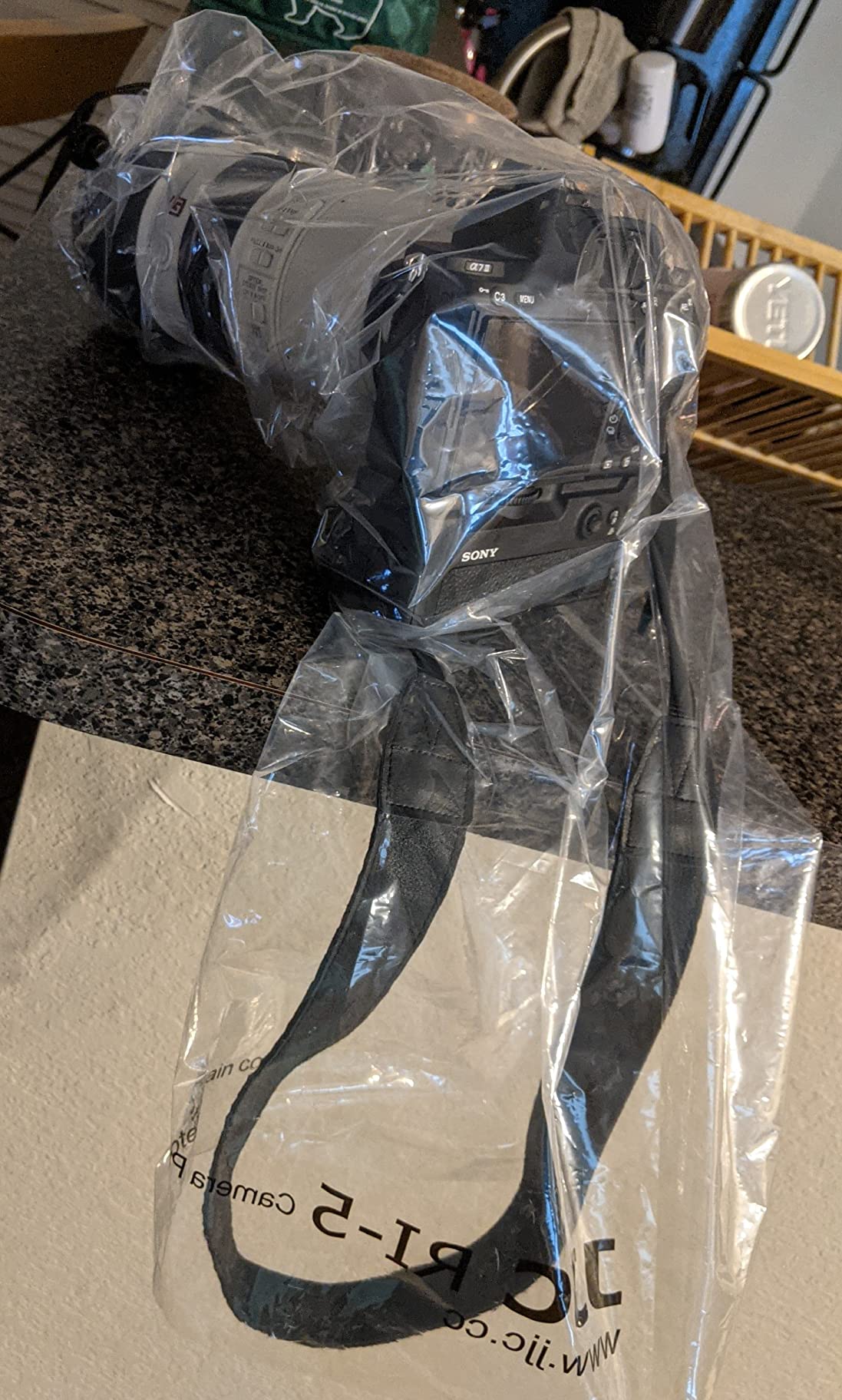
Buyers confirm the 18 inch claim repeatedly, and the two-pack configuration means you can keep one in the car and one in the main bag. There is also a one-year warranty on the pack.
The three quirks that catch people out
First, telescoping zooms outrun the sleeve. Extend a 70-200 or 100-400 after the cover is on and the plastic slides back toward the body, so set your focal length before you deploy.
Second, the drawstring gathers rather than cinches evenly on smaller lenses, leaving slack that flaps. Third, and most annoying, eye-proximity sensors can detect the film and blank the rear screen. A quick nudge fixes it, but you need to know it is not a fault with the camera.
Who should skip it
Anyone shooting video with audio will find plastic noisy, and anyone working long sessions in sustained rain will outgrow it. It is a strong fit pick and a weak durability pick.
If your longest lens is under about 8 inches, the Kiorafoto sleeve further down is a tighter fit and needs less cinching.
5. Kiorafoto Clear Rain Cover 2-Pack – Most Versatile for Steady Rain
2Pack Camera Rain Cover Clear Waterproof Sleeve for Camera w Lens up to 11″
Clear polyethylene
Fits lenses up to 11 inches
2 pack
Drawstring closure
Pros
- Holds the number one rank in the category on repeat demand
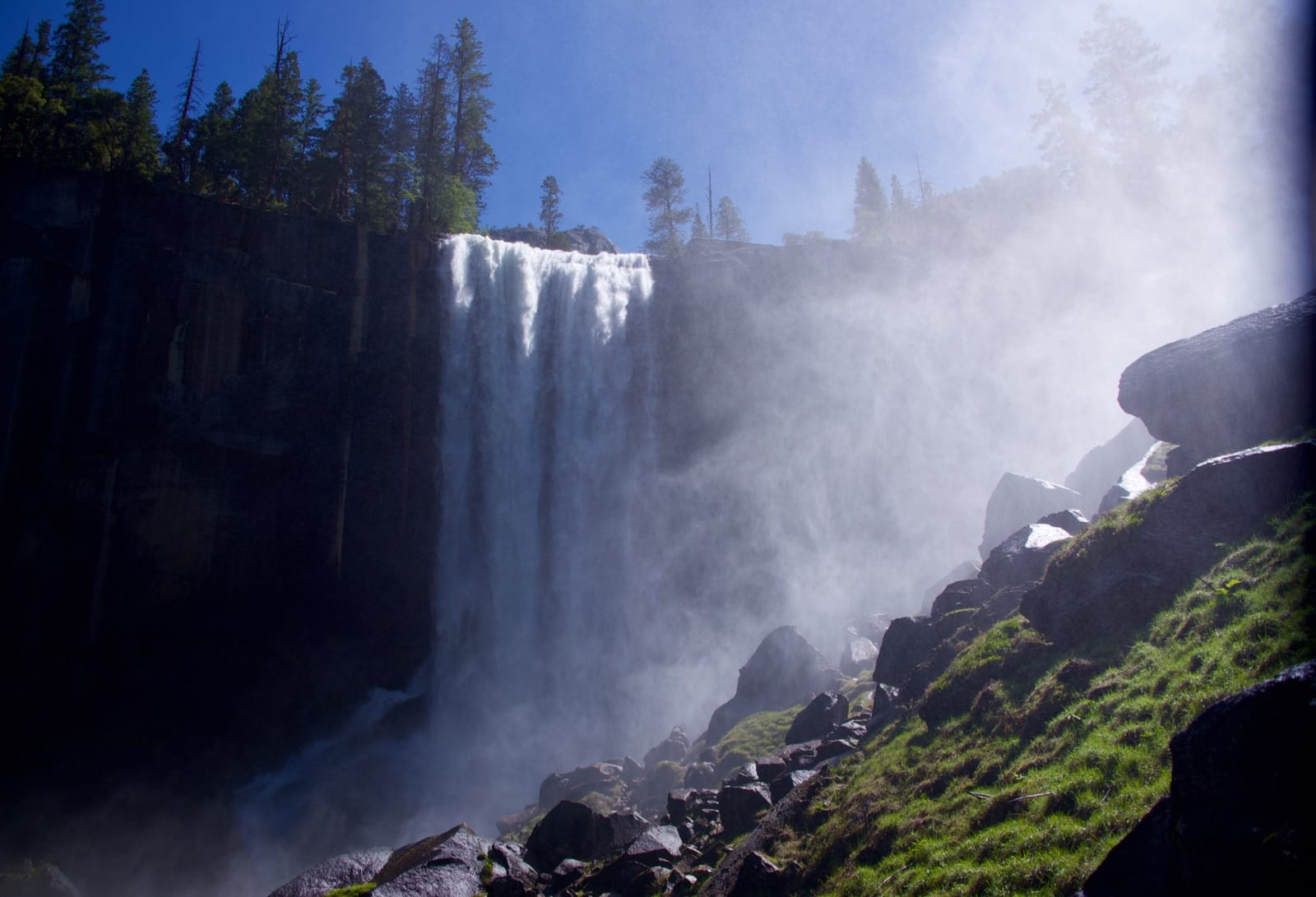
- Handles waterfall mist sea spray and sustained rain
- Clear plastic shows recording lights and control states
- Two pack lets you keep one in each bag
Cons
- Lens tube runs oversized on small kits and gathers unevenly
- Zooming slides the sleeve back toward the body
- Eyepiece sensors may turn off the rear display
- Small gap at the cord can need taping
Holding the top rank in the rain cover category with 706 ratings at 4.5 stars, this is the strongest seller in the roundup, and the best budget option for anyone who shoots in real rain rather than occasional mist.
Users describe it as poncho-like, which is the right mental model. The polyethylene sleeve is sized for lenses up to 11 inches, the drawstring cinches around the lens, and it is rated against rain, snow, salt spray, dust and sand. It folds compact enough to keep one in every bag you own.
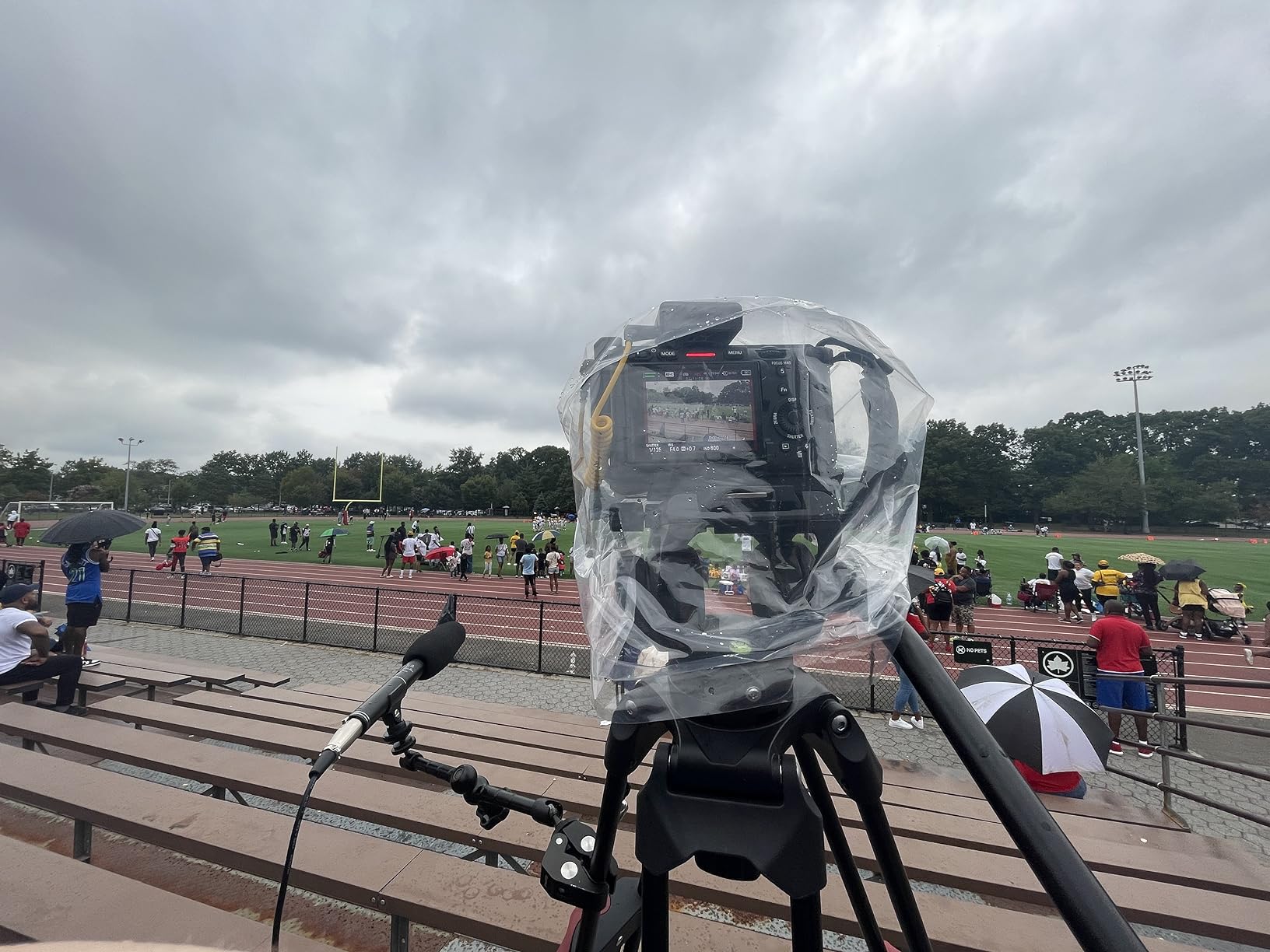
Clear plastic has a practical advantage people underestimate: you can see recording lights, tally indicators and control states at a glance, which matters on a video rig or a long event.
Where the sizing gets awkward
The lens tube section is roomy. On a compact body or a small prime the drawstring gathers unevenly and leaves excess material flapping, and the loose fit is not designed around a shoulder strap, so the open end needs care.
There is also a small gap at the tightening cord that some owners close with tape. The same eyepiece sensor issue as the other clear sleeves applies here.
Why it edges out the other budget sleeves
Reviewers credit it with handling sustained rain, sea spray and waterfall mist, which is more than most plastic sleeves in this price bracket claim. The variants also include flash, stabilizer, long-lens and tripod-leg packs, so the same product family covers a rig-mounted camera.
If you want a fabric option with a real zipper instead, the WANBY cover and the Kiorafoto professional cover are the next step up.
6. Movo RC1 Clear Rain Cover 5-Pack – Best for Stashing Covers Everywhere
Movo (5 Pack) RC1 Clear Rain Cover for DSLR Camera and Lens up to 18″ Long
Clear polyethylene
Five pack
18 inch lens fit
0.14 kg
Pros
- Five covers let you stash one in multiple bags and locations
- 18 inch length covers longer lens and tripod combinations
- Clear plastic keeps full button and viewfinder access
- Low cost per unit against fabric covers
Cons
- Basic thin plastic sleeve with the usual tear and fogging limits
- Limited protection in sustained heavy rain
A five-pack is the differentiator here. A 4.4-star average across 648 ratings shows steady satisfaction, and owners treat these not as one cover but as insurance units distributed across a car, an office and every camera bag they own.
Each cover is sized for a DSLR and lens up to 18 inches long by 7 inches wide, seals over the camera and tripod for full coverage, and lets you reach every button and the viewfinder through the see-through material.
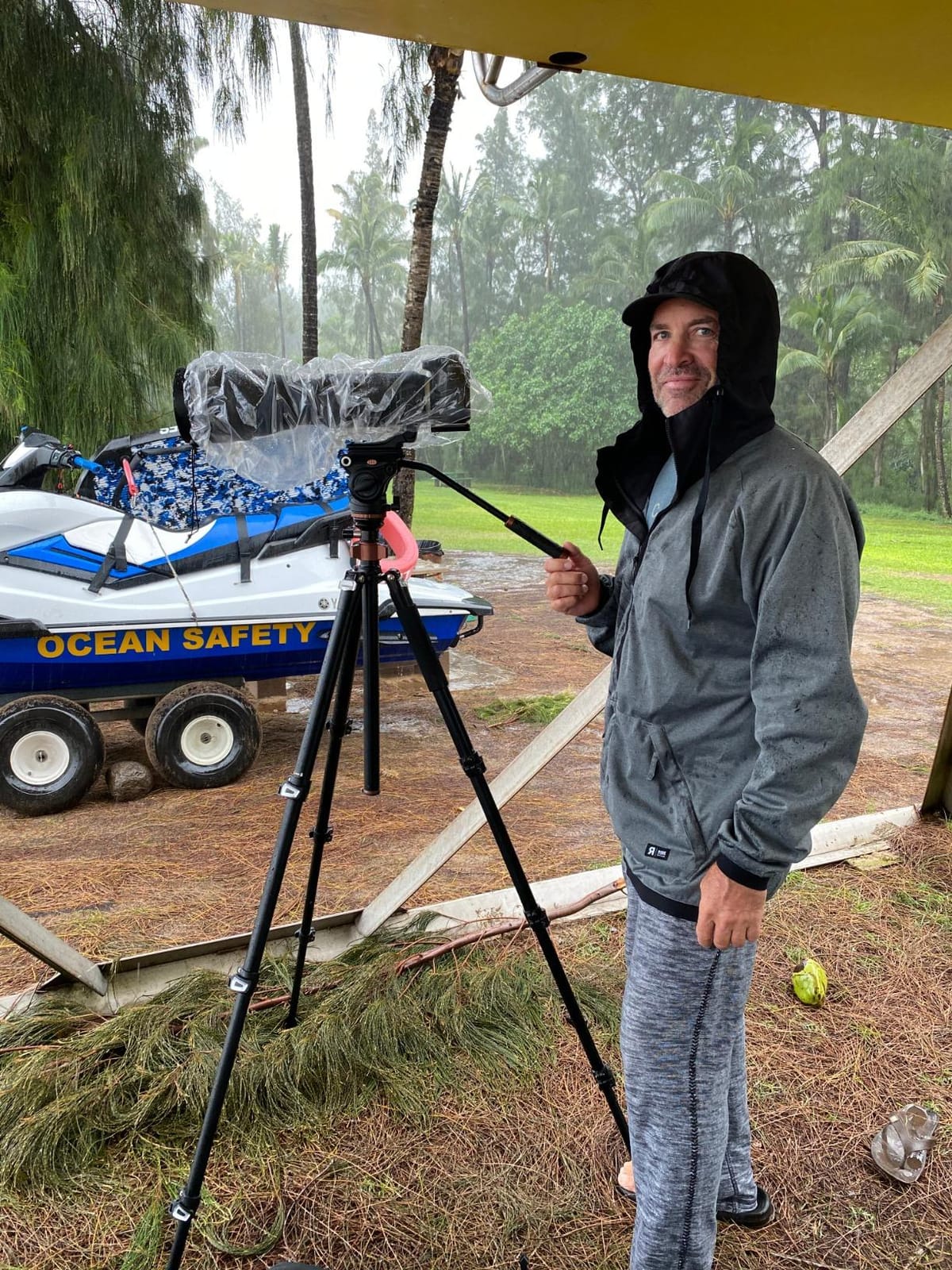
At 0.14 kg per cover the pack is still light, and they fold down small enough to live in a glovebox or a jacket pocket. For a working photographer who shoots in three or four different locations, having a cover within arm reach is worth more than having one better cover at home.
What the five pack does not fix
Everything that limits the format applies here. Thin polyethylene tears if it catches, it fogs from the inside in humid conditions, and it is not a cover to leave on a rig through a serious downpour when paid work depends on it.
Zoom lenses have the same telescoping problem as every other sleeve in this roundup, and the drawstring can gather unevenly on shorter glass.
Who should choose it over a single premium cover
If you work across multiple locations, a five-pack removes the single most common complaint about covers of this type: not having one when it starts. That reliability is worth more than incremental material quality.
Pair one sleeve with a fabric cover in your heaviest bag, and treat the rest as emergency stock.
7. Kiorafoto Professional Camera Rain Cover – Best for Touch Screen Control
Professional Camera Rain Cover,Waterproof Camera Cover for Nikon Canon Sony
PVC with TPU window
20.87 x 15.35 inch panel
Fits lens under 13.38 inches
Double waterproof zipper
Pros
- Touch-operable window lets you change settings without breaking the seal
- Interior cuff and non-slip straps hold far better than a loose drawstring
- Full-length waterproof zipper makes access easy
- Generous panel fits standard telephoto zoom combinations
Cons
- PVC shell feels less premium than nylon or TPU covers
- Less headroom than oversized covers so long lenses need care
This is the mid-tier fabric upgrade for anyone who cannot give up touchscreen control. At 577 reviews and 4.5 stars, the standout feature is the ultra-clear TPU viewing window, which is touch-operable, so you can tap through menus and adjust settings without opening the cover.
The 20.87 x 0.24 x 15.35 inch panel fits a camera plus a lens under 13.38 inches, which covers common combinations such as a Canon 70-200mm or a Nikon 24-200mm. Dual adjustable sleeves and a double waterproof zipper handle the rest of the access.
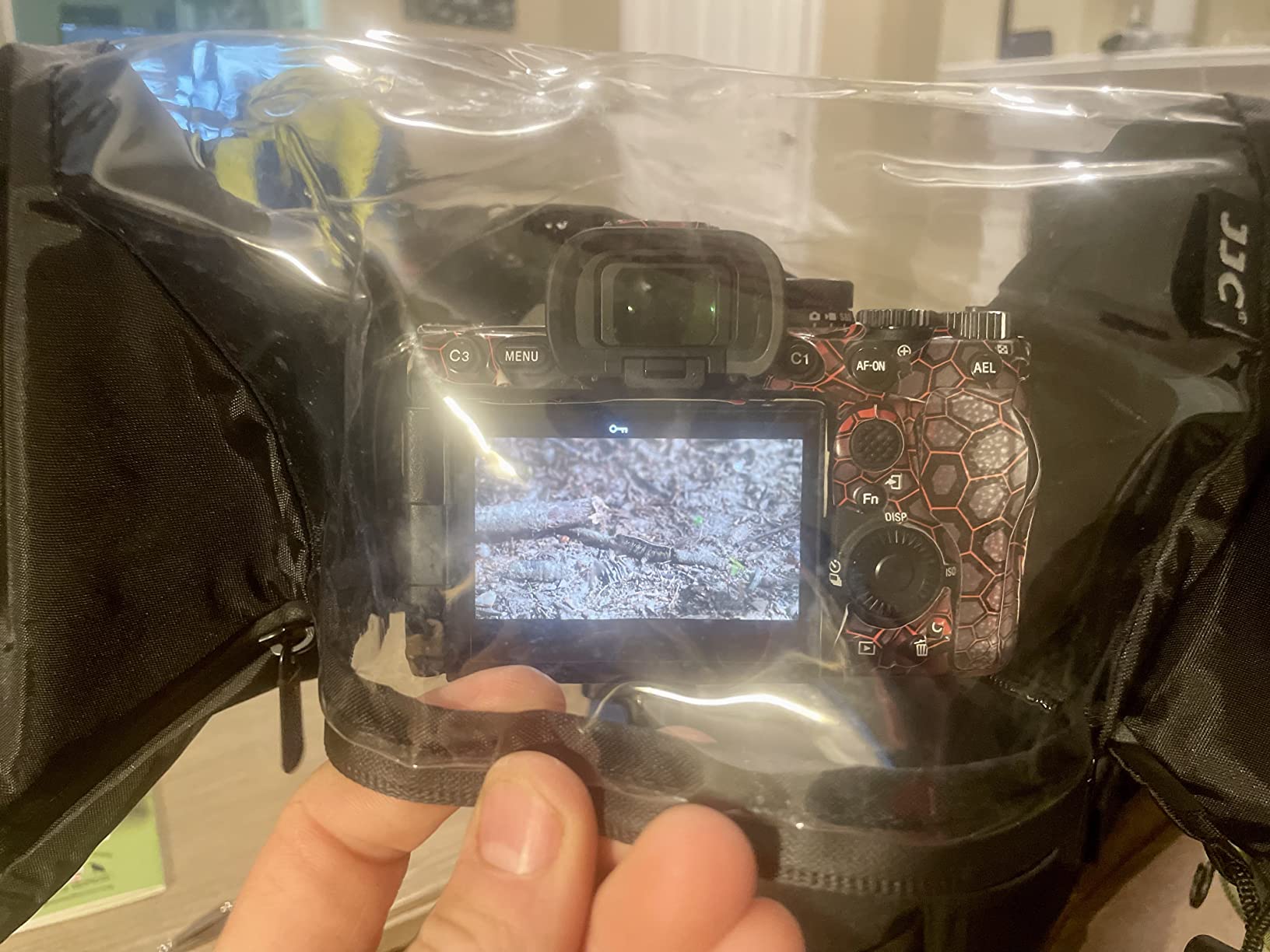
The detail that separates it from every cover above is the interior tight cuff with non-slip straps. Instead of a drawstring gathering loosely around the barrel, the cuff grips the lens, which kills the flapping and the water ingress that comes with it.
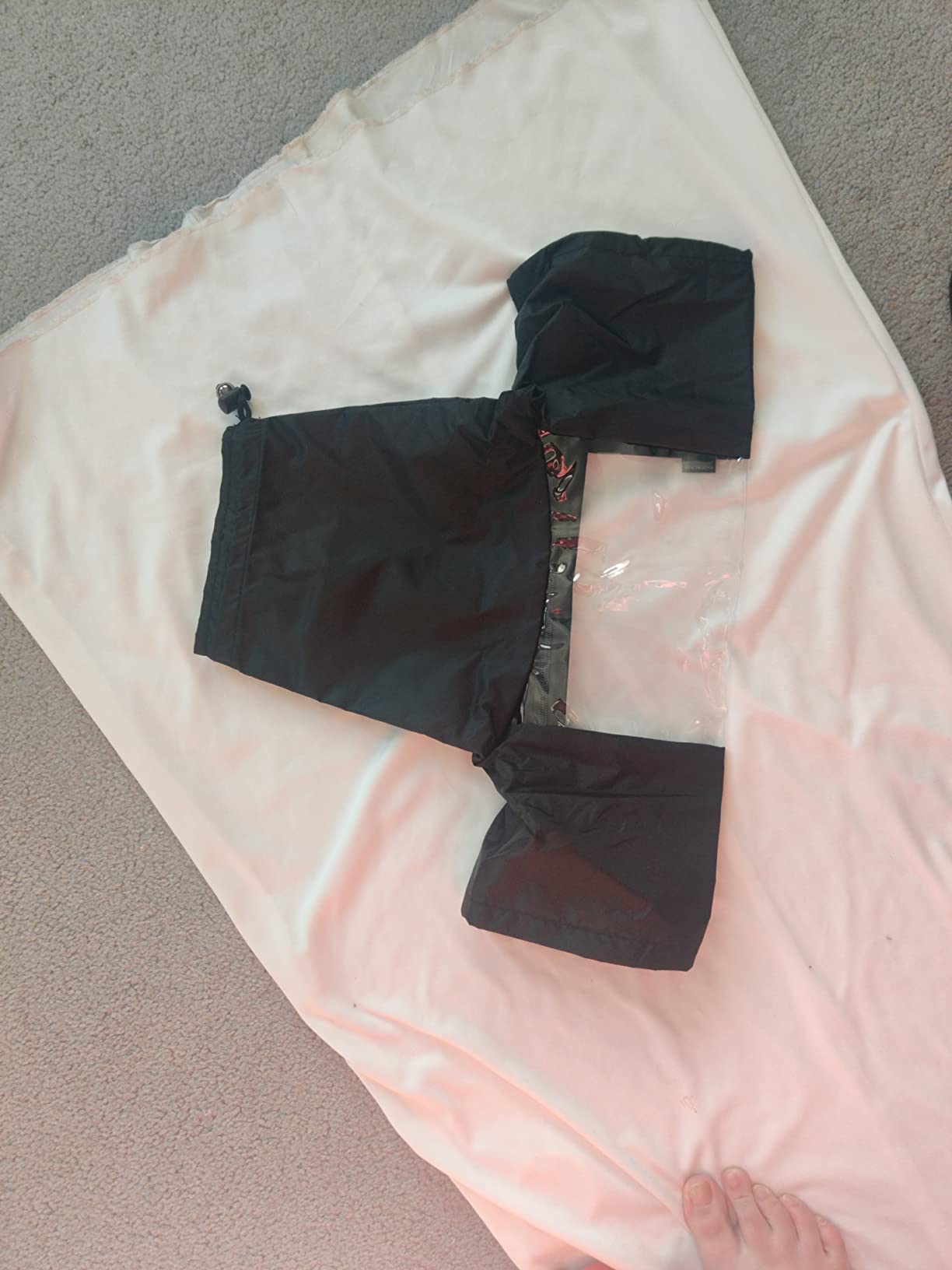
When the touch window earns its keep
Video shooters and anyone working a gimbal or a hybrid rig live on the rear screen. A cover you have to unzip to change an exposure triangle is a cover that will get left open, and an open cover is no cover at all. The touch window keeps the workflow sealed.
Reviewers consistently single out the cuff, the straps and the waterproof zipper as the reasons it outperforms cheap sleeves in real rain.
Where it falls short
The shell is PVC, which feels less premium and can stiffen in cold weather compared with nylon or TPU covers. It also has less headroom than the deliberately oversized covers, so you need to position a long lens carefully inside the cuff.
If you need a larger envelope, this line also comes in camouflage and openable-window variants.
8. Think Tank Emergency Rain Cover Large – Best for Super Telephoto Glass
Think Tank Emergency Rain Covers for DSLR and Mirrorless Cameras with 300-600mm f/4 Lens – Large (Black)
Seam-sealed nylon
5.6 ounces
27.6 inches long
300-600mm f/4 fit
Pros
- Seam-sealed construction holds up in downpours and blowing dust
- Purpose-sized for 300-600mm f/4 telephotos
- Oversize window keeps LCD and controls readable
- Compresses into an included pouch
- Limited lifetime warranty
Cons
- Costs far more than plastic or budget nylon covers
- Large size is overkill for smaller lens combinations
This is the best-reviewed product in the list with 469 reviews at 4.5 stars, and it is the one to buy if you shoot big glass in bad weather. The Large size runs 27.6 inches long with a taper from 5.1 to 7.9 inches in diameter, sized specifically for a 300-600mm f/4.
Seam-sealed construction is the reason it performs where plastic sleeves fail. Seams are the weak point in any fabric cover, and a properly sealed seam holds up in sustained rain and blowing dust, which is exactly the combination you get on a winter wildlife shoot or a coastal trip.
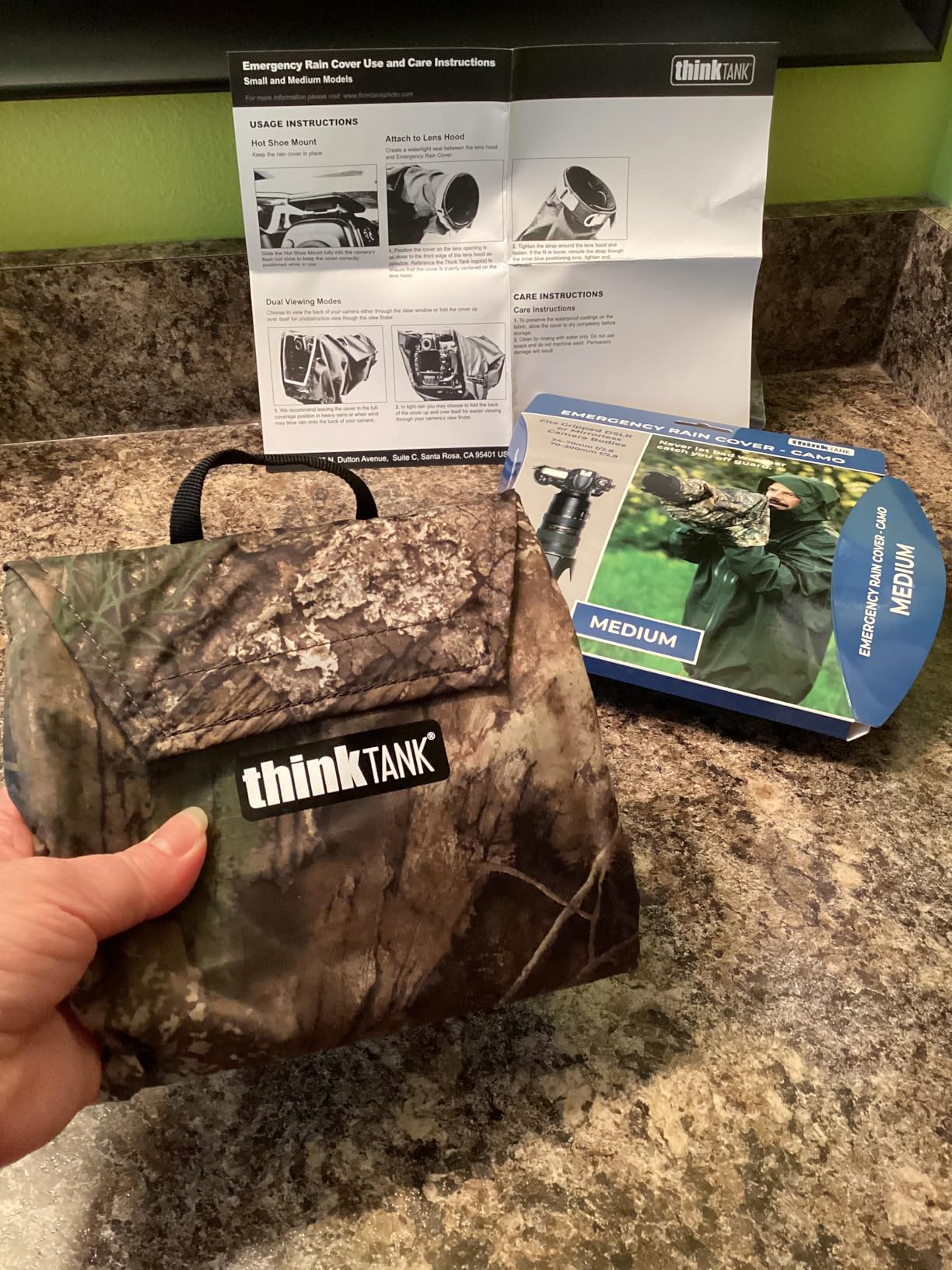
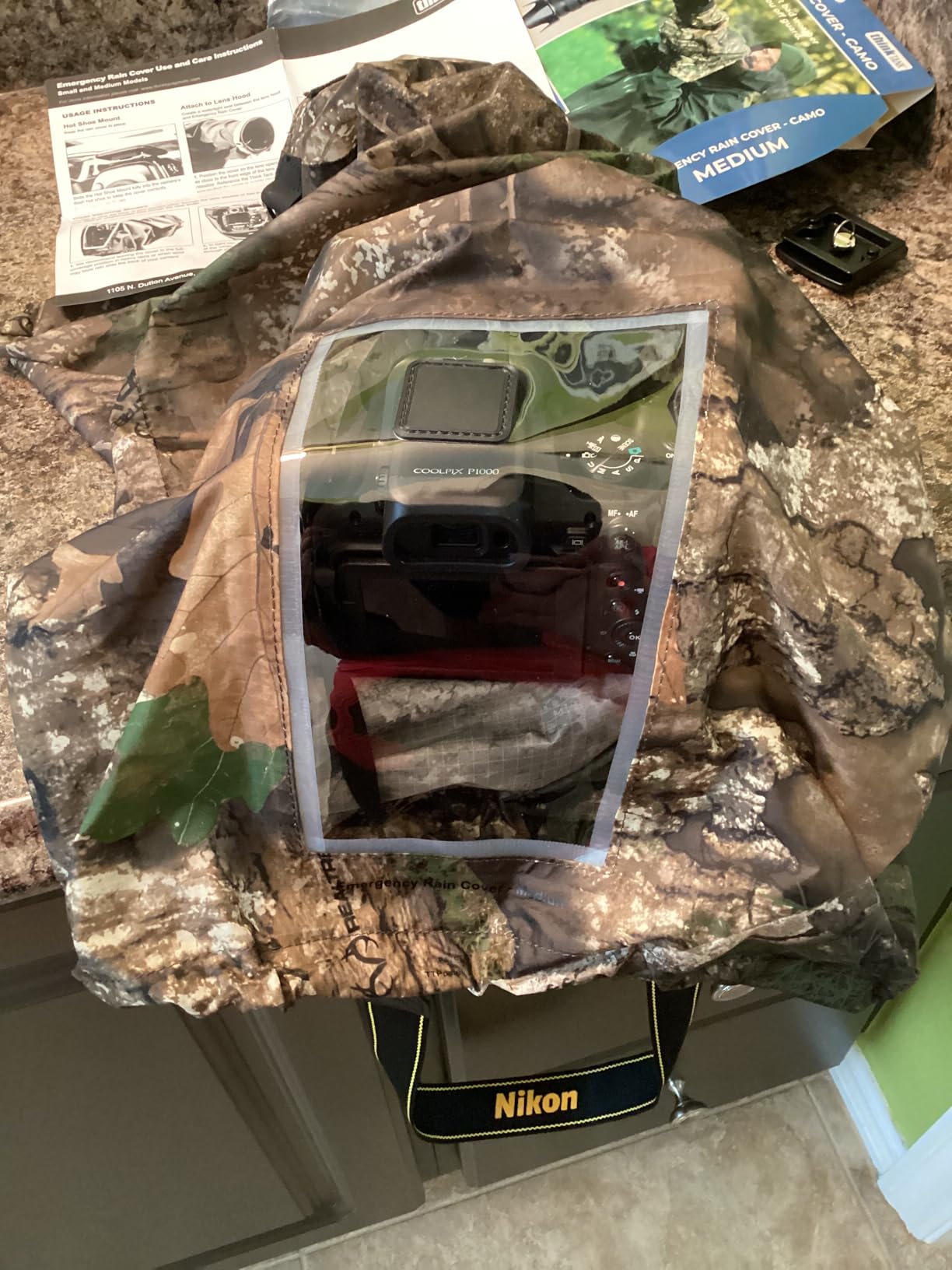
The oversize window keeps the LCD and controls readable, and it mounts to a tripod or monopod. It compresses into an included compact carrying pouch, so 5.6 ounces and a pouch is all it costs you in pack space. There is a limited lifetime warranty behind it too.
What forum users pair it with
On BCG forums, photographers running the Emergency Rain Cover pair the Medium size with shorter lenses and the Large size with long glass, including a 600mm f/4. That sizing ladder is the practical takeaway: buy the size that matches your longest working lens, not the size that matches your body.
On DPReview, a photographer shooting an X-H2 with a 16-55, 90 and 70-140 combination singled the same cover out as the one that works, while noting the availability of transparent bags people adapt with an elastic band.
Who should skip it
If your longest lens is a 70-200mm, this is too much cover and too much money. Several reviewers say exactly that: they would only need this if they shoot large primes in harsh conditions.
For a 70-200, the NEEWER PB003 or the Vanguard Alta will cover the job at a fraction of the outlay.
9. NEEWER PB003 Small Camera Rain Cover – Best All-Round Versatility
NEEWER Camera Rain Cover, Small Size Durable Nylon Raincoat Compatible with Canon Sony Nikon DSLR Mirrorless Vlog Camera & Lenses Within 200mm, with Sleeves, Drawstrings, Viewing Window, PB003
Waterproof nylon
5 oz / 140 g
20 by 20 inch size
Lenses up to 200mm
Pros
- Durable nylon handles multi-hour downpours
- Wide zipper opening plus hand holes makes operation straightforward
- Top velcro lets a camera strap stay connected
- Clear rear window allows reviewing images while covered
Cons
- Interior can fog and obscure the screen
- Zipper catches frequently for some users
- Large size is unwieldy
- Cover material is noisy for video
A 4.5-star average across 423 reviews on a mid-size nylon cover that gets recommended for a wide range of bodies. The Small PB003 measures 20 by 20 inches, which suits a compact DSLR or mirrorless with a 70-200mm or anything shorter.
It folds to 5 ounces and stores in an included pouch, which is genuinely small enough to dedicate no thought to. Owners report successful deployments covering football games, Patagonia trips and boat tours, and the two hand sleeves plus strap holes make handheld shooting workable rather than a compromise.
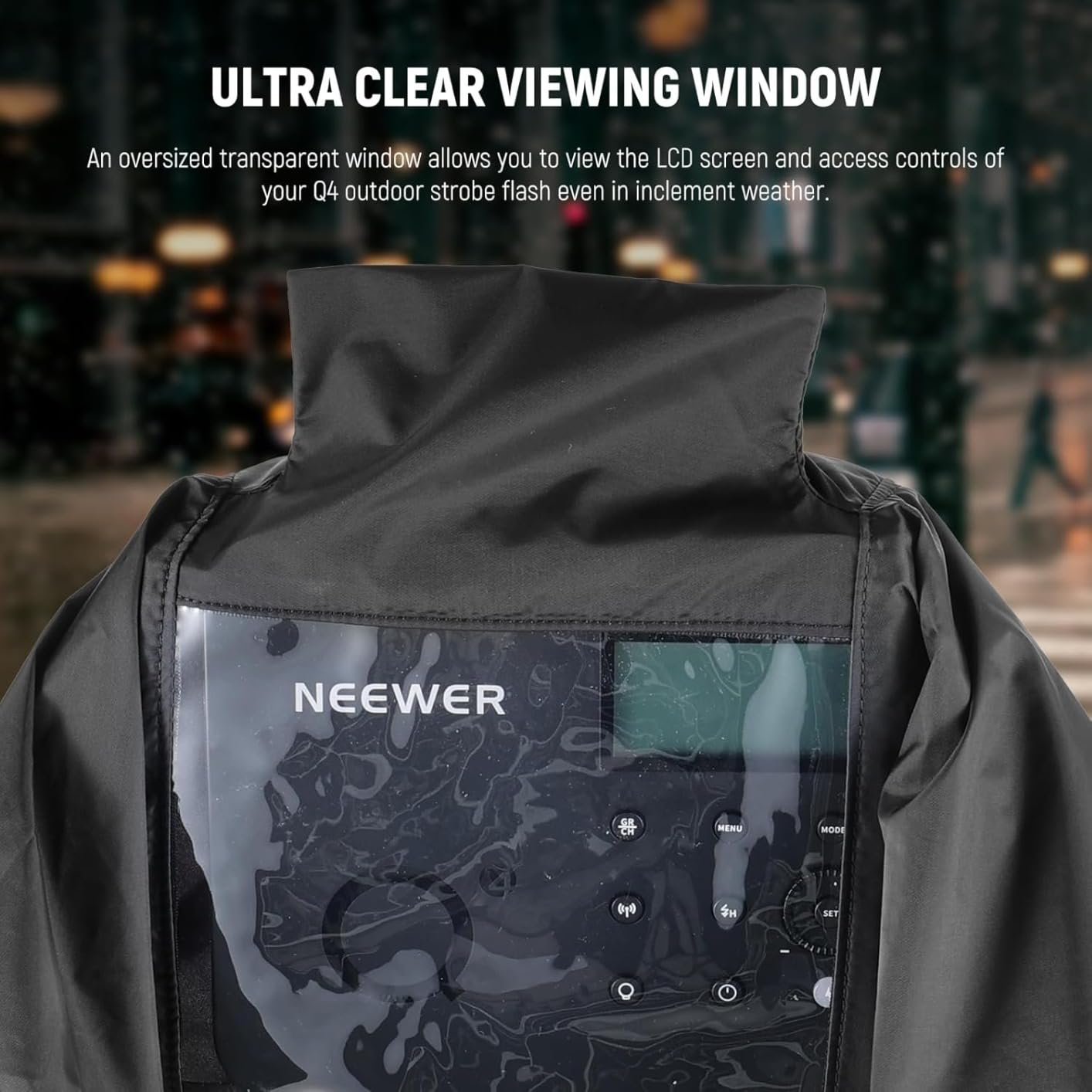
Compatibility is broad by design. It is listed against Sony a6, a7, a9, a6400 and a6600 bodies, Canon EOS R6 and T7, Nikon Z50 and D7500, and Panasonic Lumix G9 among others, and larger variants in this family are built for long telephotos.
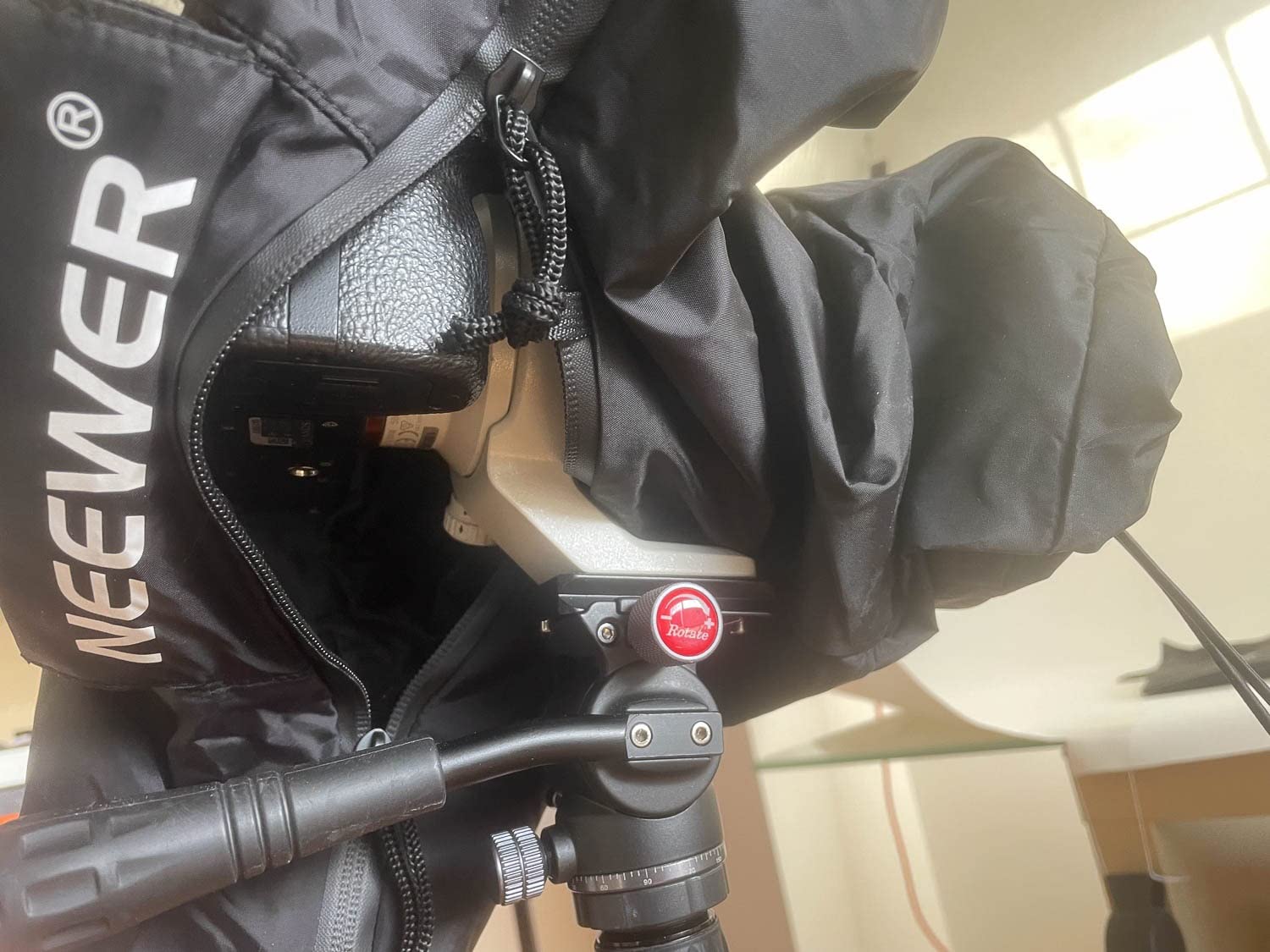
The two things that annoy owners
Interior fogging is the first complaint. Once moisture gets in, the screen view is obscured, and for a fabric cover the fix is venting rather than wiping. The second is the zipper, which some users report catching frequently enough to be distracting in cold, wet hands.
There is a third, quieter problem: the nylon rustles. If you are recording audio on location, that noise is unacceptable, and you should use one of the clear sleeves or the Vanguard TPU cover instead.
Why it suits mixed bodies
The velcro strap hole at the top lets your camera strap stay connected, which means you are not detaching and re-rigging every time the cover goes on. That small detail matters more over a full wedding or sports assignment than any spec sheet.
Size choice is the one thing to get right: pick the panel that matches your longest lens, not the one that matches your body.
10. VANGUARD Alta Rain Cover Medium – Best for Video Rigs and Condensation Control
Vanguard Alta Rain Cover – Medium for DSLR/Mirrorless Camera with 70-200mm F2.8 Lens – Portable Electronic Device Cover – Photography in Rain Conditions – Outdoor Protection – Bag
TPU window
80 g
Protects lens up to 25 cm
Fits 70-200mm f2.8
Pros
- Clear TPU window avoids the condensation problems that plague plastic sleeves
- Lightweight at 80 g and folds into a compact pouch
- Sets up in seconds when rain starts
- Reported to work for professional video camera bodies
Cons
- Listed as water resistant rather than fully waterproof
- Window can still fog in some conditions
- Thin flexible shell has less rigidity than a hard-sided cover
This is the pick most likely to solve the condensation problem that the rest of this list keeps running into. A 4.4-star average across 369 reviews comes from a photography brand product line, and reviewers consistently credit the transparent TPU window with avoiding the internal fog that cheaper plastic sleeves generate.
The Medium size protects a camera and lens up to 25 centimetres long, which is a DSLR or mirrorless body with a 70-200mm f/2.8 attached. It sets up in seconds and folds into a compact pouch at 80 grams, so it costs you almost nothing to carry.
It is also the only cover in this roundup that reviewers report repurposing for professional video camera bodies, which is why it earns the video slot. On cinematography.com, camera operators debating rain work specifically named Portabrace storm covers and noted clear ribbed shelf liner as a hardware store alternative, and this TPU window sits in the same practical space.
Read the water resistance label carefully
VANGUARD lists this as water resistant rather than fully waterproof, and buyers deduct points for it. In practice that distinction matters in a sustained downpour or a salt spray environment rather than in steady rain, but it is the reason this is not our top pick.
The window can still fog in some conditions, and the thin flexible shell gives you less rigidity than a hard-sided cover, so a large rig can move around inside it more than you might like.
Who should buy it
If your main worry is fogging on a rear screen during a long wet shoot, this is the cover to buy. Multiple sizes exist, including a youth large and an X-Large, and the TPU window keeps the control panel readable while the soft shell stays quiet for audio work.
11. Movo CRC17 Storm Raincover Small – Best for Tripod Work and Manual Focus
Movo CRC17 Storm Raincover Protector for DSLR Cameras, Lenses, Photographic Equipment (Small Size: 17 x 14.5)
Water-resistant nylon
17 by 14.5 inches
0.09 kg
One-year warranty
Pros
- Reusable fabric cover owners prefer over disposable sleeves
- Cinch bands make setup and access quick
- Bottom velcro fits a tripod mount and allows manual focusing inside
- Reported to hold off heavy rain and even waterfall spray
Cons
- Black fabric blocks the viewfinder so it must be opened to shoot
- Bulky in a small photo backpack
- Water resistant rather than fully waterproof
- Fabric rustles and is unsuitable for audio recording
A 4.4-star average across 203 reviews reflects a durable fabric cover that owners prefer specifically because it is not a disposable plastic sleeve. Users report fitting it over DSLR bodies with 70-200mm and 100-400mm zooms, and protecting gear in heavy rain.
The design detail that matters most is the velcro fastener at the bottom, which fits any tripod mount and allows manual focusing from inside the cover. Front and rear cinching bands handle fast setup and access, and the small size is 17 by 14.5 inches.
For tripod-based work that is a real advantage. You can keep the rig covered, focus through the front, and shoot without exposing anything, which is the situation most rain covers are bought for.
The viewfinder problem is the dealbreaker for many
Black fabric blocks the viewfinder. To take a shot you have to open the cover, which defeats the point for any optical or electronic viewfinder workflow and is the single most common reason buyers move on from this cover.
It is also water resistant rather than fully waterproof, and at 0.09 kg with a 17 by 14.5 inch footprint it is noticeable in a small backpack. For video audio, the fabric rustle rules it out entirely.
Who it still suits
Manual focusers on a tripod in heavy rain will appreciate the bottom velcro more than almost anyone. So will shooters who primarily meter and fire without looking, and anyone who simply wants a reusable fabric shell to stop replacing plastic sleeves.
A one-year Movo warranty comes with it.
12. NEEWER PB021 Camouflage Rain Cover – Best for Wildlife Shooting
NEEWER Camera Rain Cover, M Medium Size Waterproof Raincoat Cover Sleeve for Canon Sony Nikon Fujifilm DSLR Camera & Lenses up to 200mm, Dual Sided Camouflage Green Camo Nylon, PB021
Waterproof nylon
4.6 oz / 130 g
23.6 by 23.6 inch panel
Reversible camouflage
Pros
- Reversible dual-sided camouflage helps you blend into the field
- Soft quiet nylon that does not add noise to camera operation
- Touch fasteners hold without readjusting while relocating
- Clear rear panel allows reviewing images without removing the cover
Cons
- Bulky when folded and hard to fit a tight photo backpack
- Oversized sizes leave slack dangling around the lens
- XL is excessive for non-extending telephotos
The wildlife pick, and the only cover here designed around concealment rather than weather alone. The reversible dual-sided camouflage design lets you pick the face that suits the environment, which on a long stakeout at a waterhole can matter as much as waterproofing.
Reviewers also value the soft, quiet nylon, which does not add the rustle that rules fabric covers out of audio work, and the touch fasteners, which hold their position while you relocate without needing to readjust the whole cover mid-approach.
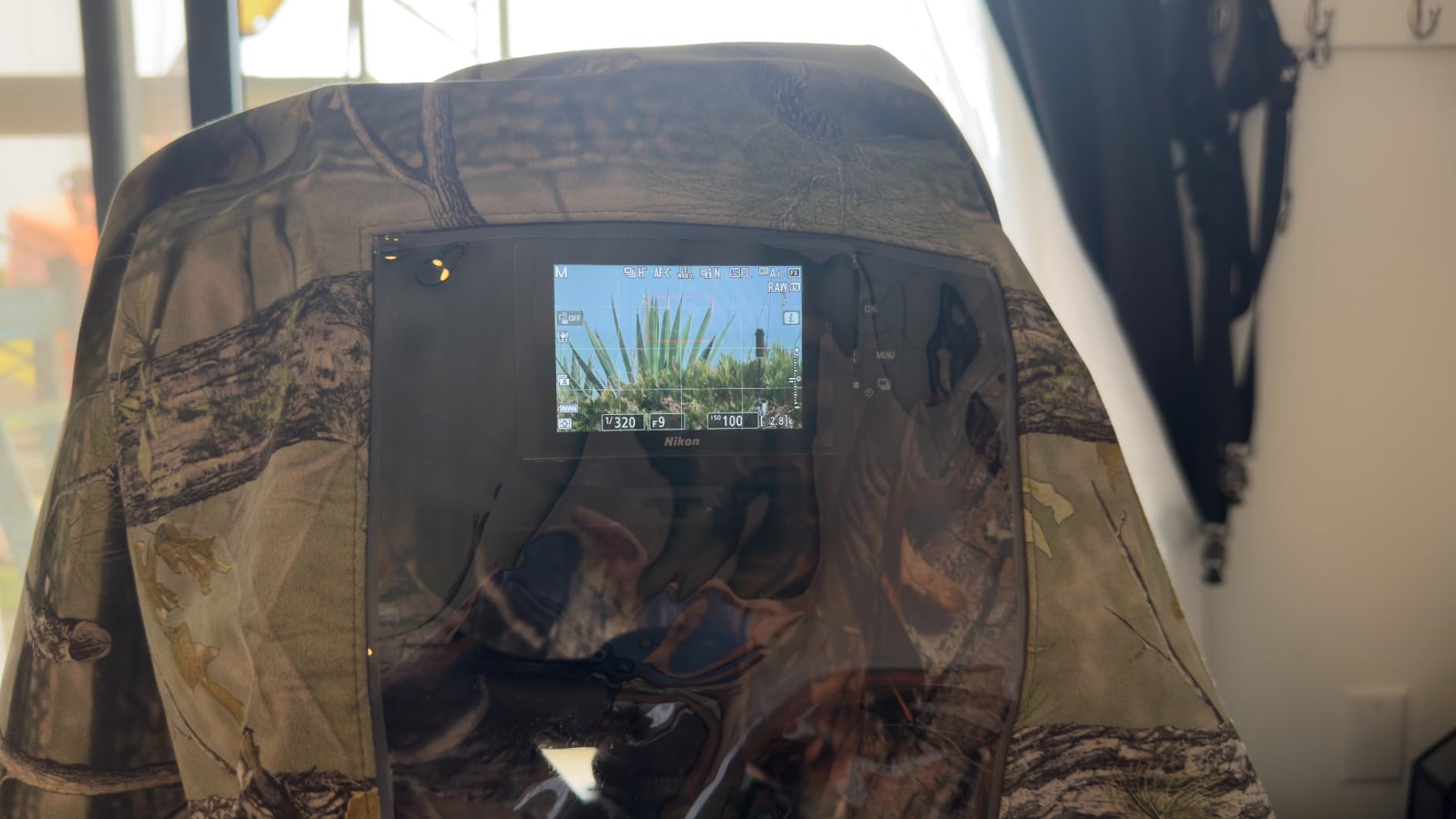
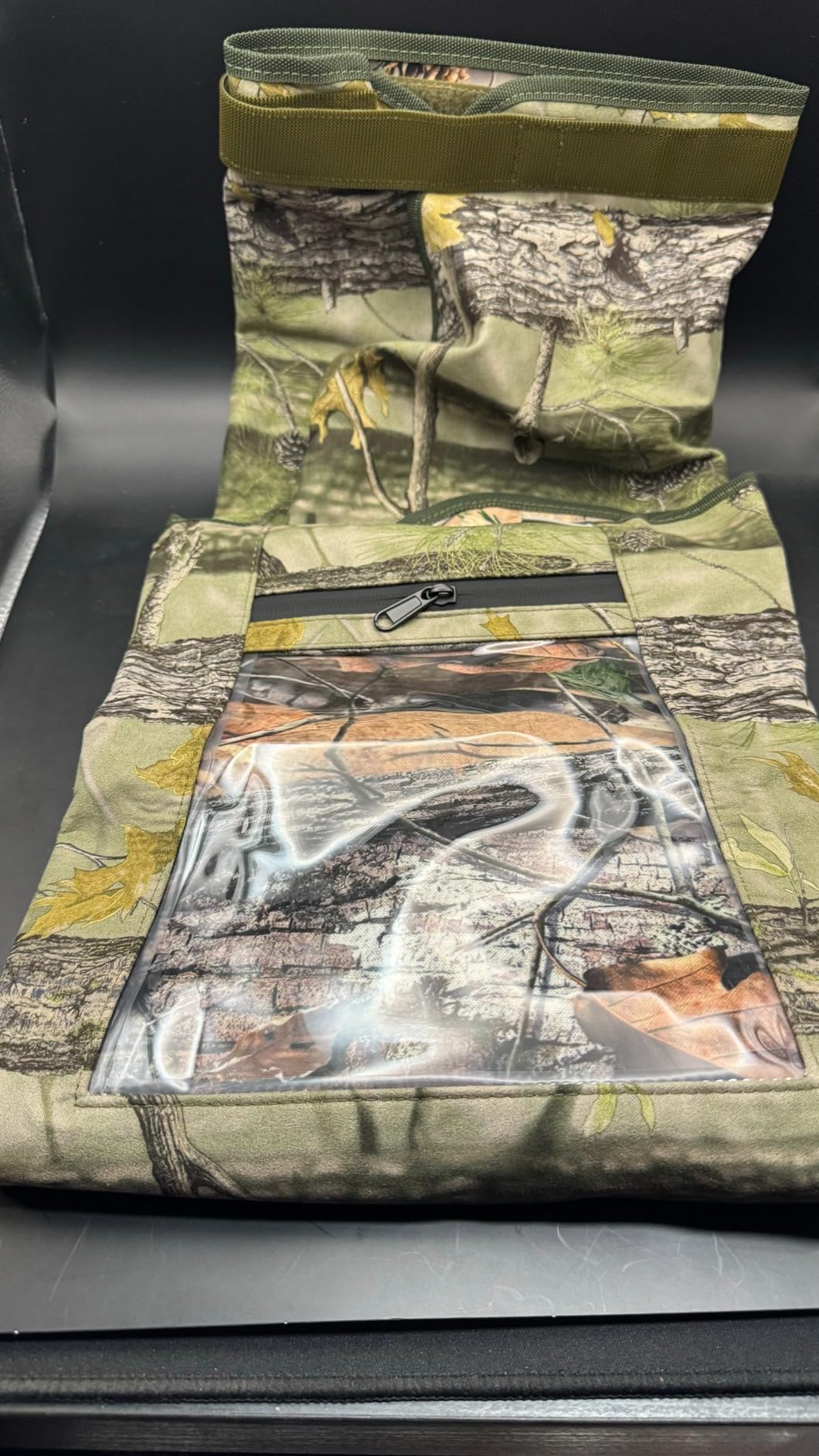
At 4.59 ounces it folds into an included storage bag, and a clear rear panel lets you review images without stripping it off. Owners report protection across an hour of moderate rain and through a tropical storm, and the roomy fit is rated for bodies with 150-600mm and 180-600mm zooms.
Size choice is where people go wrong
The recurring complaint is bulk. Folded, this is not a cover that disappears into a small daypack, and if you are carrying it alongside a long lens you will feel the volume.
Oversized sizes also leave slack material dangling around the lens, and one owner specifically regretted choosing the XL for a non-extending 400-800mm lens. Match the size to the glass you actually mount, not the glass you might mount one day.
Why wildlife shooters keep it
The fasteners stay put while you move, which matters when a heron is on the move and you cannot afford to look down and retie a cover. Combined with the quiet fabric and a rear panel for reviewing frames, it keeps your eyes and hands on the animal instead of on your kit.
L and XL sizes are also available in the range for extended telephotos and larger rigs.
How to Choose a Camera Rain Cover That Actually Works
Most rain cover buying advice is a list of brand names, which is not how the decision actually works. What determines whether a cover protects your gear is material, sizing, and whether you can operate the camera through it.
Do you need a cover if your camera is weather sealed?
Yes, if you intend to keep shooting. Weather sealing is a rating for a specific body with specific ports closed, and it degrades as rubber gaskets age. The Altura Photo cover exists because professional shooters treat sealing as a mitigation rather than a solution.
Also consider what sealing does not cover. It rarely protects the rear screen under a downpour with a strap twisted over one shoulder, the top plate, or a hot lens front element in salt spray. If all your gear lives inside a genuinely waterproof backpack and you never shoot in the wet, a cover is optional. If you shoot sports, weddings, wildlife or film on location, it is close to essential.
What size cover do I need for my lens?
Size the cover to the lens, not the body. A compact prime needs far less material than a 70-200, and a cover that fits a compact prime will not close around long glass. The rule of thumb is the longest lens you actually mount, measured in length from mount to front element, then add headroom for the hood.
Two sizing conventions appear in this category and they are not interchangeable. Sleeves are quoted by lens length and diameter, like the 18 by 7 inch envelope on the JJC pack. Fabric covers are quoted by panel size, like the 20 by 20 inch NEEWER PB003 or the 23.6 by 23.6 inch camouflage cover.
Watch the phrase “lenses up to”. Several covers here are listed for lenses up to 200mm, and one owner of the camouflage cover learned the hard way that the XL is excessive for a non-extending 400-800mm. Too large is not safer; slack material flaps, collects water and snags.
What the cover is made of matters more than the brand
Four materials dominate. Thin polyethylene and PE sleeves are the cheapest, pack flat, tear if snagged, and fog from the inside. Nylon is the sweet spot for most stills work: durable, quiet enough for video, and foldable. PVC with a TPU window gives you touch control and a better seal. TPU on its own is thinner and lighter but less rigid.
Construction beats material name. Seam-sealed construction, as on the Think Tank cover, closes the one gap that stitching cannot reliably close over time. Dual sleeves plus a full-length zipper, as on the Altura and NEEWER covers, let you reach controls without removing the cover. A drawstring alone, as on most sleeves, only closes the gap; it does not give you access.
The condensation trap and how to vent a sealed cover
This is the failure mode nobody warns you about, and it is the reason a sealed cover can damage gear the rain never touched. A non-breathable shell traps warm humid air against a cold body, and the moisture condenses on the colder surface, which is your gear.
Three practices fix it. First, cold-soak: keep the camera sealed in its bag while it acclimatises to the outdoor temperature, so nothing cold meets warm air under the cover. Second, deploy into a dry state, not a wet one, because a camera that already has moisture in it will fog inside a sealed cover no matter what you do. Third, dry-bag storage between sessions, keeping gear in a sealed dry bag with the camera powered off so residual vapour does not accumulate.
Choose a TPU window where you can. Reviewers credit the Vanguard Alta’s TPU window specifically with reducing the condensation that plagues cheaper plastic sleeves, though even that window can fog in some conditions.
Light drizzle, steady rain or downpour: what each one calls for
Matching the cover to the weather is the framework a DPReview contributor laid out for hiking trips, and it is the most useful buying logic in this whole category. Light drizzle and mist need almost nothing: a shower cap, a dry bag, or a zip-lock over a stowed camera. Steady rain over a longer period calls for a fabric or PVC cover with sleeves and a window. A sustained downpour or a storm calls for a seam-sealed nylon cover sized for your longest lens, or a dry bag and a break.
Cinematography and sports shooters have an additional constraint: noise. Any cover that rustles rules out recording audio, which narrows the field to quiet nylon or TPU. If you are also walking and not shooting, an umbrella is an underrated answer, at the cost of a second hand or a helper.
Our own advice for wet-weather hitters is layered: good footwear and a shell matter too, so have a look at our rain poncho picks for hiking and our rain boot guide if you are out for hours rather than minutes. The same dry-bag discipline that stops a tent flooding overnight, covered in our guide to keeping a tent from flooding, is worth applying to your camera kit between locations.
DIY rain covers: honest pros and cons
The clear plastic bag plus an elastic band is recommended more often in forums than any single product on this list, and it works. Its limits are equally clear: it only protects a stowed camera, not one you are operating, and the plastic rubs against the body, which can push water into seams and inside the body itself. That last point is the one that turns a free solution into an expensive one.
A shower cap is better for a walking photographer because it is reusable and never touches a control. A zip-lock inside a sewn waterproof pouch is the light-rain upgrade that one DPReview user paired with a shoulder-strap pouch for a fixed-lens camera. A dry bag beats most dedicated covers on waterproofness, simplicity and portability simultaneously, which is why the hiking consensus favours it, but you cannot shoot through one.
The honest version: use a dry bag as the transport layer and a cover as the operating layer. Together they cover the gap that neither fills alone.
Frequently Asked Questions
How to protect camera gear from rain?
What are the best camera covers for rain?
What size rain cover do I need for my lens?
Do I need a rain cover if my camera is weather sealed?
How do I stop my camera fogging up inside a rain cover?
Is a garbage bag a good enough rain cover for a camera?
The Best Rain Cover for Camera Gear in 2026
After comparing all 12, the Altura Photo Camera Rain Cover is the best rain cover for camera gear overall. It is the only cover here with more than 3,600 ratings, it holds its shape during active shooting, and the hand sleeves plus full-length double zipper mean you never have to break the seal to change a setting.
If your budget is tight, the Kiorafoto clear two-pack handles steady rain and mist for very little, and the OpTech Rainsleeve two-pack is the one to keep in a jacket pocket. If you shoot super telephoto glass, the Think Tank Emergency Rain Cover Large is the only one of these built for a 300-600mm f/4.
One last thing that matters more than the model you pick: never put a cover on a cold, damp camera. Condensation does more damage than rain, and it happens under covers, not outside them.