
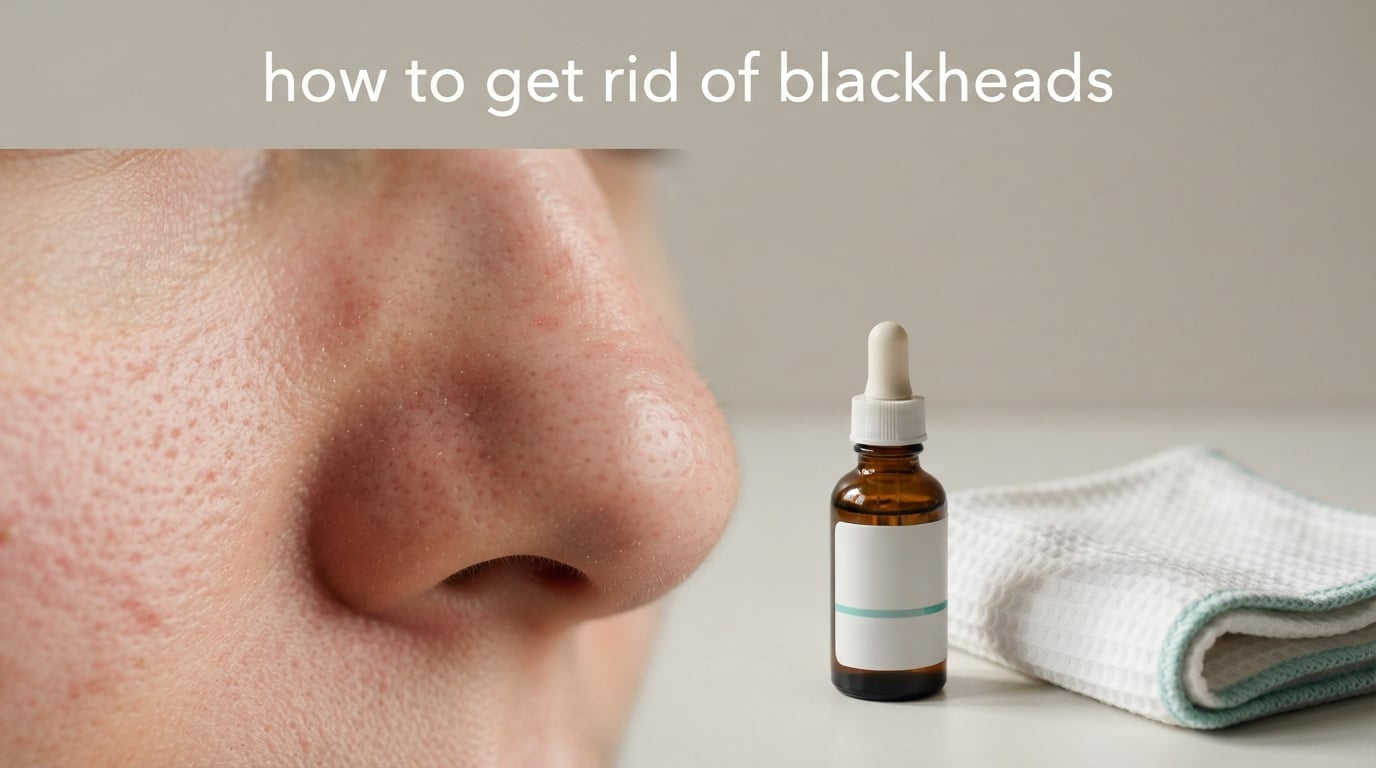
If you have ever stared at the mirror and noticed those stubborn dark specks dotted across your nose, chin, or forehead, you already know how frustrating blackheads can be. Learning how to get rid of blackheads effectively means understanding what they actually are and choosing treatments that address the root cause rather than just the surface. Most people try squeezing, scrubbing, or slapping on pore strips, only to watch those same spots reappear days later.
Our team has spent months researching dermatology sources, skincare communities, and real-world results to put together a guide that actually works. We focused on treatments backed by science and verified by people who deal with this every day. No gimmicks, no overnight promises.
Here is what you will learn: what blackheads really are (and why you might be confusing them with something else), the proven ingredients that dissolve them, methods to avoid because they make things worse, and a realistic prevention routine. Expect results over six to twelve weeks, not overnight. Consistency beats intensity every single time.
Table of Contents
What Are Blackheads?
Blackheads are small bumps on your skin that appear dark because a pore has become clogged with excess oil and dead skin cells, which then oxidize and turn black when exposed to air. They are a mild type of acne called an open comedone. Unlike whiteheads, which stay closed under the skin, blackheads have an open surface that lets the trapped material darken.
Each of your pores is actually a hair follicle connected to a sebaceous gland that produces sebum, your skin’s natural oil. When too much sebum mixes with dead skin cells and keratin, the follicle gets plugged. The top of that plug sits open at the skin’s surface, and the melanin-rich gunk inside reacts with oxygen to create that familiar dark color.
It is worth noting that the dark color is not dirt. This is one of the most common misconceptions people have about blackheads. You cannot simply wash them away with harsher scrubbing, because the discoloration comes from oxidation, not poor hygiene.
Blackheads show up most often on the nose, chin, and forehead because these areas have the highest concentration of sebaceous glands. They can also appear on your back, chest, neck, shoulders, and arms. Anywhere you have hair follicles and oil glands, blackheads can develop.
Blackheads vs Sebaceous Filaments: The Difference That Matters
Here is something most guides gloss over. A large percentage of what people call blackheads on the nose are actually sebaceous filaments, and treating them like blackheads will only frustrate you.
Sebaceous filaments are a normal, healthy part of your skin. They are the channels that line your pores and help guide sebum to the surface to keep your skin moisturized. When you look closely at your nose, those tiny grayish or yellowish dots are likely filaments, not blackheads. Everyone has them, and you cannot permanently remove them.
True blackheads are darker, larger, and feel slightly raised. They are an actual blockage, while filaments are just visible pore lining. The good news is that the treatments in this guide help both conditions by keeping pores clear and oil flowing normally. Just set realistic expectations for filaments, because they will refill and become visible again.
What Causes Blackheads to Form?
Blackheads form when four things come together: excess sebum production, rapid turnover of dead skin cells, irritation that swells the follicle, and the wrong skincare products clogging things up further.
Hormonal changes are the biggest driver of excess oil. Androgen hormones surge during puberty, which is why teenagers are so prone to blackheads. But adults get them too, especially women during menstruation, pregnancy, or menopause. Stress and certain medications can also trigger hormonal fluctuations that ramp up sebum production.
Dead skin cells are supposed to shed naturally, but sometimes they stick together and get trapped in the follicle instead of falling away. When this happens alongside heavy oil production, the combination creates the perfect plug. Oily and combination skin types are most susceptible because they already produce more sebum than dry skin.
The products you use matter more than most people realize. Thick, comedogenic moisturizers, heavy makeup, and certain hair products can all contribute to clogged pores. That is why switching to noncomedogenic (non-pore-clogging) products is one of the simplest changes you can make. Genetics also play a role, since pore size and oil gland activity run in families.
How to Get Rid of Blackheads: Proven Methods
The most effective way to get rid of blackheads combines chemical exfoliation to dissolve the plug, retinoids to speed up cell turnover, and consistent cleansing to prevent new ones from forming. No single product works overnight, but a layered routine delivers real results within six to twelve weeks.
We are going to walk through each proven method below, ranked by how much evidence supports it and how accessible it is for everyday use.
1. Salicylic Acid (The Number One Treatment)
Salicylic acid is the single most recommended ingredient for blackheads, and for good reason. It is a beta hydroxy acid (BHA) that is oil-soluble, meaning it can penetrate deep into the pore and dissolve the sebum and dead skin cells that form the plug. No other over-the-counter ingredient does this as effectively.
You will find salicylic acid in cleansers, toners, serums, and leave-on treatments. A concentration between 0.5% and 2% is ideal for daily use. Start with a lower concentration if you have sensitive skin, and apply it two to three times per week before working up to daily use.
Here is how to use it. Cleanse your face, then apply a salicylic acid toner or serum to dry skin, focusing on the nose, chin, and forehead. Follow with a lightweight, noncomedogenic moisturizer. Sunscreen during the day is essential because BHAs can increase sun sensitivity.
Our team found that consistency matters more than concentration. A gentle 1% salicylic acid used every night outperforms a harsh 2% used sporadically. Give it at least eight weeks before judging results, because the pore-clearing process takes time.
2. Topical Retinoids
Retinoids are vitamin A derivatives that speed up cell turnover and prevent dead skin cells from clumping together inside the follicle. They are one of the most heavily researched skincare ingredients in existence, and dermatologists consistently rank them among the best long-term blackhead treatments.
Over-the-counter options include adapalene (available at 0.1% strength) and retinol serums. Prescription retinoids like tretinoin are stronger and work faster but require a doctor’s guidance. Adapalene is specifically FDA-approved for acne, making it a solid starting point for blackhead-prone skin.
Apply retinoids at night, on dry skin, using a pea-sized amount for your entire face. Start with twice a week and increase gradually. Never combine retinoids with salicylic acid in the same application, because that combination can cause irritation and damage your skin barrier.
Expect an adjustment period. Many people experience mild peeling and dryness during the first two to four weeks. Push through it, because the cell-turnover benefits kick in around week six and continue improving for months. Retinoids are a long-game treatment, not a quick fix.
3. Alpha Hydroxy Acids (AHAs)
Alpha hydroxy acids like glycolic acid and lactic acid are water-soluble exfoliants that work on the skin’s surface rather than inside the pore. They do not penetrate as deeply as salicylic acid, but they are excellent for removing the dead skin layer that contributes to clogged follicles.
Glycolic acid is the most studied AHA and has the smallest molecular size, allowing it to penetrate effectively. Lactic acid is gentler and also acts as a humectant, drawing moisture into the skin. Both can improve skin texture and reduce the appearance of pores over time.
Use an AHA exfoliant one to three times per week, either as a toner, serum, or mask. Many people alternate AHAs and BHAs on different nights to get the benefits of both surface and deep exfoliation. Always follow with moisturizer and sunscreen.
4. Clay and Charcoal Masks
Clay masks absorb excess oil from the skin’s surface and can temporarily tighten the appearance of pores. Kaolin and bentonite clay are the two most common types, and both draw out impurities without being overly harsh. Charcoal masks work similarly, using activated charcoal’s porous structure to trap oil and debris.
These masks are best used as a weekly treatment rather than a daily step. Apply a thin layer to clean skin, leave it on for the recommended time (usually 10 to 15 minutes), and rinse thoroughly. Never let a clay mask dry completely to the point of cracking, because that pulls moisture from your skin.
Be realistic about what masks can do. They are supportive players, not lead actors. They absorb surface oil and make skin feel smoother, but they cannot dissolve a blackhead plug the way salicylic acid can. Use them alongside, not instead of, your core treatments.
5. The Oil Cleansing Method
The oil cleansing method is a favorite in skincare communities, especially on Reddit’s SkincareAddiction forums. The principle is simple: oil dissolves oil. By massaging a cleansing oil into your skin, you can help soften and dissolve the hardened sebum trapped inside your pores.
Mineral oil and jojoba oil are the most commonly recommended options because they are noncomedogenic and unlikely to cause breakouts. Jojoba oil closely mimics human sebum, making it particularly effective for this purpose. The method works especially well for sebaceous filaments on the nose.
Here is how to do it. Start with dry skin and dry hands. Massage a generous amount of oil onto your nose and affected areas for one to two minutes, focusing on areas with visible congestion. Place a warm, damp washcloth over your face for 30 seconds to soften the oil and open things up, then gently wipe everything away. Rinse with a gentle cleanser afterward.
Skincare enthusiasts often combine this with salicylic acid. Apply the BHA first, let it absorb, then follow with the oil massage. The acid loosens the plug, and the oil helps draw it out. Results are gradual, but many people report visibly clearer pores after several weeks of consistent use.
6. Chemical Peels
Chemical peels use higher concentrations of acids to remove the outer layer of dead skin and promote faster cell turnover. For blackheads, salicylic acid peels and glycolic acid peels are the most common choices. They go deeper than what you can achieve with daily leave-on products.
Over-the-counter peels typically contain 5% to 20% acid and can be used every one to two weeks. Professional peels performed by a dermatologist use stronger concentrations and deliver more dramatic results in a single session, but they cost more and may require downtime.
If you are using at-home peels, follow the instructions exactly and never exceed the recommended contact time. Overlapping a peel with daily retinoid or BHA use can cause serious irritation. Patch test first, and always apply sunscreen, because fresh skin is highly sensitive to UV damage.
7. Professional Extraction
Professional extraction is the process of manually removing blackheads using sterile tools and proper technique. A licensed esthetician or dermatologist uses a comedone extractor or careful manual pressure to push the plug out of the pore without damaging surrounding tissue.
This is the closest thing to immediate results, but it should only be done by a trained professional. When done correctly, extraction clears individual blackheads in a single session. When done poorly, it causes scarring, infection, and inflammation that makes things worse long-term.
Many estheticians combine extraction with steam, exfoliation, and high-frequency treatment during a facial. The results are satisfying but temporary, because new blackheads will form unless you maintain a good at-home routine. Think of professional extraction as a reset, not a replacement for daily skincare.
8. Natural Home Remedies
If you prefer a more natural approach, a few home remedies have mild evidence behind them. Tea tree oil has antibacterial properties and can help with acne-related inflammation, though it is less effective on pure blackheads than salicylic acid. Green tea extract contains antioxidants that may reduce sebum production when applied topically.
A warm compress or steam treatment before cleansing can help soften blackheads and make them easier to clear. Simply hold a warm, damp towel over your face for five minutes after showering, then follow with your regular cleanser and treatment products.
We want to be honest here. Home remedies are gentle and supportive, but they rarely match the power of well-formulated skincare ingredients. They can complement your routine, but relying on them alone usually leads to disappointment. Use them as extras, not replacements.
What to Avoid When Treating Blackheads
The methods below do not just fail to help, they actively make blackheads worse. Knowing what to skip is just as important as knowing what to use.
Do Not Squeeze or Pop Blackheads
Squeezing blackheads with your fingers is the most common mistake people make, and it causes real damage. Pressing on the skin can push the plug deeper into the follicle, rupture the pore wall, and trigger inflammation that turns a mild blackhead into an angry pimple.
Your fingernails also carry bacteria. Squeezing introduces that bacteria into an already compromised pore, increasing the risk of infection. Over time, repeated squeezing stretches the pore and can cause permanent scarring, broken capillaries, and post-inflammatory hyperpigmentation that takes months to fade.
If you absolutely must address a particularly stubborn blackhead, leave it to a professional or use a proper comedone extractor after thorough cleansing and sterilization. But honestly, chemical exfoliants do the job better and safer over time.
Why Pore Strips Make Things Worse
Pore strips are satisfying in the moment but counterproductive long-term. They rip out the top of the blackhead (and often sebaceous filaments) by adhering to the surface gunk, but they do nothing to address what caused the clog in the first place.
Multiple Reddit skincare communities report that pore strips cause irritation, strip the skin of its natural protective barrier, and can even enlarge pores over time. Some users notice increased oil production after regular use, as the skin overcompensates for the irritation. The filaments and blackheads return within days.
Think of pore strips as tweezing a weed without pulling the root. The visible part disappears temporarily, but the underlying problem is untouched. You are better off investing that time and money in a salicylic acid treatment that actually dissolves the plug.
Benzoyl Peroxide Is Not Ideal for Blackheads
Benzoyl peroxide is an excellent treatment for inflamed acne. It kills acne-causing bacteria and reduces redness. However, it does not effectively dissolve blackheads or unclog pores, because it is not keratolytic (it does not break down the dead skin cell plug).
Using benzoyl peroxide on blackhead-prone areas can dry out the skin without actually clearing the congestion. Worse, the dryness can trigger more oil production as your skin tries to compensate. If you have both inflamed acne and blackheads, use benzoyl peroxide on the active breakouts and salicylic acid on the blackhead areas.
Avoid Over-Exfoliating
More is not better when it comes to exfoliation. Using salicylic acid, glycolic acid, a clay mask, a retinoid, and a chemical peel all in the same week will damage your skin barrier and cause redness, flaking, and increased sensitivity. Damaged skin actually produces more oil, which leads to more blackheads.
Limit active ingredients to one or two per routine. If you use a BHA at night, skip the retinoid that same evening and rotate them on alternating days. Listen to your skin. If it feels tight, stinging, or looks red, scale back immediately.
How to Prevent Blackheads From Coming Back
Clearing blackheads is only half the battle. Keeping them away requires a consistent daily routine and smart lifestyle choices. Here is what actually works for prevention.
Build a Simple Daily Routine
A good blackhead prevention routine does not need a dozen steps. Cleanse twice daily with a gentle salicylic acid cleanser, apply a treatment (BHA or retinoid) at night, moisturize with a noncomedogenic product, and wear sunscreen every morning. That is the core.
Consistency is the secret. A simple routine you follow every single day will outperform a complex routine you abandon after two weeks. Our team has seen this play out repeatedly in skincare communities where people with the clearest skin almost always follow straightforward, sustainable routines.
Choose Noncomedogenic Products
Noncomedogenic means a product is formulated to not clog pores. Look for this label on moisturizers, sunscreens, foundations, and primers. While the term is not strictly regulated, most reputable brands test their noncomedogenic products to back up the claim.
Avoid heavy, oil-based products if you are prone to blackheads. This includes certain coconut oil formulations, thick cold creams, and heavy silicone-based primers. Lightweight gel or water-based moisturizers are better choices for oily and combination skin types.
Pay attention to hair products too. Heavy pomades, leave-in conditioners, and styling oils can transfer to your forehead and hairline, contributing to blackheads in those areas. If you use these products, keep your hair off your face and cleanse your hairline thoroughly.
Wash Your Face After Sweating
Sweat itself does not cause blackheads, but leaving it on your skin mixed with oil and bacteria creates an environment where clogs thrive. If you exercise, wash your face or at least rinse with water as soon as possible afterward. The same applies after wearing a hat or helmet for extended periods.
Change Your Pillowcases Regularly
Your pillowcase collects oil, dead skin cells, and hair products while you sleep. Changing it every two to three days reduces the amount of debris that transfers back onto your face overnight. This is a small habit that pays off noticeably for acne-prone skin.
Manage Your Diet and Stress
The connection between diet and blackheads is not as strong as some sources claim, but there is moderate evidence that high-glycemic foods and dairy may worsen acne in some people. If you notice flare-ups after certain foods, track them and adjust accordingly.
Stress increases cortisol, which in turn stimulates oil production. Managing stress through sleep, exercise, and mindfulness does not directly cure blackheads, but it supports the overall environment your skin operates in. Think of it as a background factor rather than a primary cause.
When to See a Dermatologist
Most blackheads respond well to an over-the-counter routine given enough time. But certain situations call for professional help.
See a dermatologist if your blackheads are deep, painful, or have not improved after twelve weeks of consistent treatment. Deep blackheads often require professional extraction or prescription-strength retinoids that are not available over the counter.
You should also seek professional care if you notice scarring, persistent redness, or if your blackheads are progressing into inflamed cystic acne. A dermatologist can assess whether something beyond standard blackheads is going on and prescribe a targeted treatment plan.
Dermatologists have access to treatments that go beyond what you can buy at a store. These include prescription retinoids, stronger chemical peels, microdermabrasion, laser therapy, and manual extraction under sterile conditions. If over-the-counter options are not cutting it, professional intervention can make a meaningful difference.
FAQ
How do you remove blackheads easily?
How do you get rid of blackheads naturally?
Can you 100% get rid of blackheads?
What is the best blackhead remover?
What pulls out blackheads immediately?
How do Koreans remove blackheads?
Final Thoughts on Getting Rid of Blackheads
Getting rid of blackheads comes down to three things: using the right ingredients consistently, avoiding the habits that make them worse, and giving your skin enough time to respond. Salicylic acid dissolves existing plugs, retinoids prevent new ones from forming, and a simple noncomedogenic routine keeps your pores clear long-term.
If you take one thing from this guide, let it be this: stop squeezing and start exfoliating. The immediate gratification of popping a blackhead is never worth the scarring, inflammation, and stretched pores that follow. Chemical exfoliants do the same job better, safer, and with lasting results.
Remember the distinction between blackheads and sebaceous filaments. If those dots on your nose keep coming back no matter what you do, you may be fighting filaments, which are a normal part of your skin. Manage them with regular cleansing and oil massage, but do not expect them to disappear forever.
Be patient. Real results take six to twelve weeks of consistent effort. Build your routine, stick with it, and adjust only if you see no improvement after two full months. If over-the-counter options are not enough after twelve weeks, a dermatologist can offer stronger solutions tailored to your skin.