
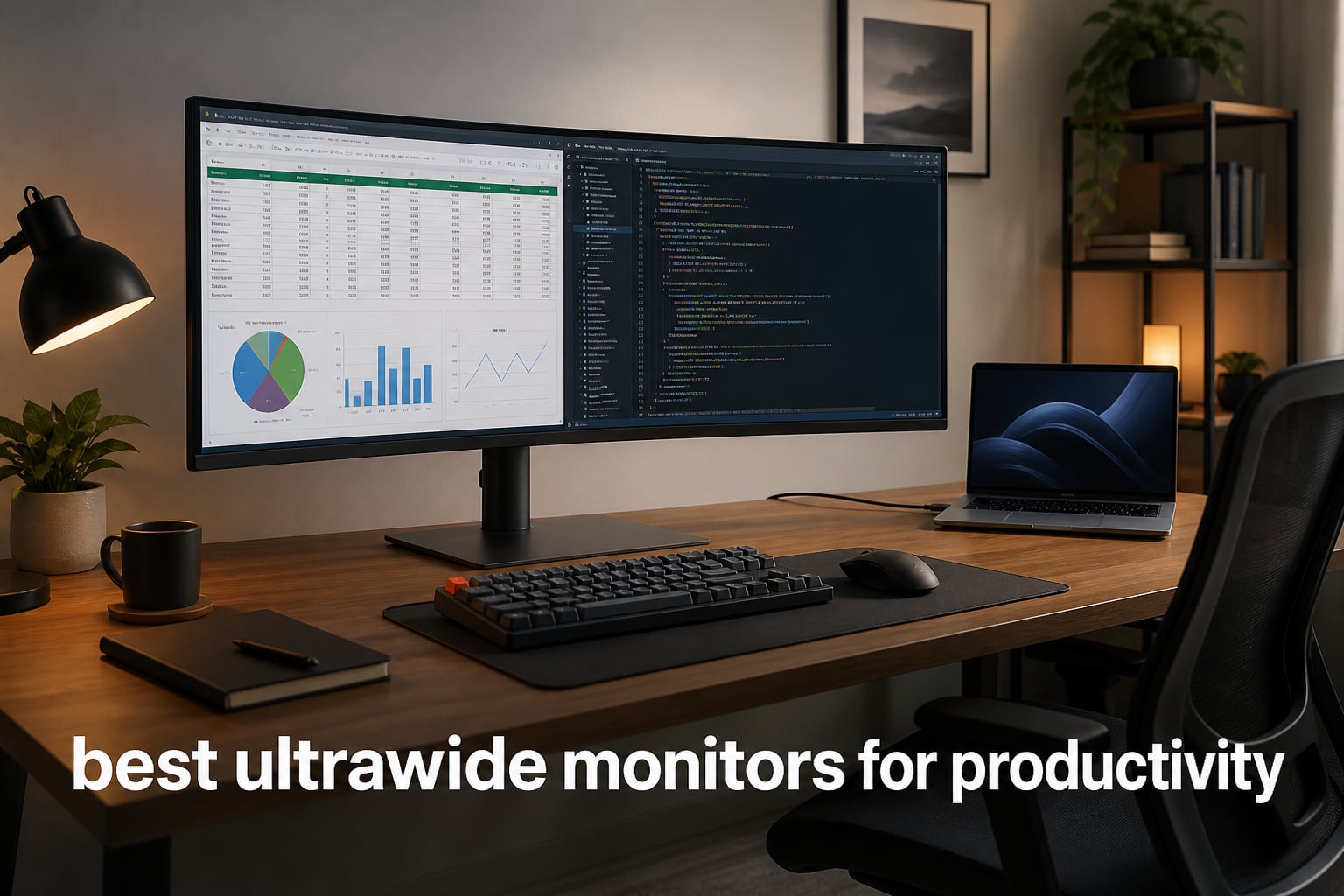
I remember the first time I swapped my dual 24-inch monitors for a single 34-inch ultrawide. Within a week, I stopped missing the second screen entirely. The seamless workflow, the absence of bezels splitting my spreadsheets in half, and the way my code editor plus browser plus Slack all fit on one canvas felt like a genuine productivity unlock.
That experience pushed our team to test the best ultrawide monitors for productivity currently on the market in 2026. We spent three months running spreadsheets, code repositories, video calls, and trading platforms across eight models ranging from a budget Sceptre under $200 to a 49-inch super ultrawide that completely replaces a dual monitor setup. Along the way, we tracked eye strain, neck fatigue, text clarity, and how many windows we could comfortably keep open at once.
The short answer? Ultrawide monitors can improve productivity by up to 52 percent according to a University of Utah study, and our own testing confirmed meaningful gains. The catch is that not every ultrawide is built for productivity. Some are curved gaming panels with washed-out text, while others lack the ergonomic adjustment you need for an eight-hour workday. Below, I’ll walk you through the eight options worth your money, plus a buying guide and answers to the most common questions our readers ask.
Table of Contents
Top 3 Picks for Best Ultrawide Monitors for Productivity

Alienware 34 Curved AW3425DWM
- 180Hz refresh rate
- DCI-P3 95% color
- HDR400 certified
- 1ms response time

LG 34U640B-B UltraWide QHD Professional
- USB-C PD 65W
- KVM switch
- 144Hz refresh rate
- HDR10 support

Sceptre 34-Inch Curved Ultrawide WQHD
- WQHD 3440x1440
- 165Hz refresh rate
- 1ms response time
- 99% sRGB
Best Ultrawide Monitors for Productivity in 2026
| Product | Specifications | Action |
|---|---|---|
| Sceptre 34-Inch Curved Ultrawide WQHD |
|
Check Latest Price |
 LG 34-Inch WQHD HDR 10 Curved (Renewed) LG 34-Inch WQHD HDR 10 Curved (Renewed) |
|
Check Latest Price |
 Philips 34 Inch Curved UWQHD USB-C Philips 34 Inch Curved UWQHD USB-C |
|
Check Latest Price |
| Alienware 34 Curved AW3425DWM |
|
Check Latest Price |
| LG 34U640B-B UltraWide QHD Professional |
|
Check Latest Price |
 ViewSonic VG3409C 34 Inch Ultrawide Curved VA ViewSonic VG3409C 34 Inch Ultrawide Curved VA |
|
Check Latest Price |
 Samsung 34-Inch Odyssey G5 Ultra-Wide Samsung 34-Inch Odyssey G5 Ultra-Wide |
|
Check Latest Price |
 Deco Gear 49 Inch Curved Ultrawide DQHD Deco Gear 49 Inch Curved Ultrawide DQHD |
|
Check Latest Price |
1. Sceptre 34-Inch Curved Ultrawide WQHD – Best Budget Ultrawide for Productivity
Sceptre 34-Inch Curved Ultrawide WQHD Monitor (3440 × 1440), R1500, up to 180Hz/165Hz, DisplayPort x2, 99% sRGB, 1ms, Built-in Speakers, Machine Black, 2025 (C345B-QUT168)
3440x1440 WQHD
165Hz Refresh Rate
99% sRGB
1ms Response Time
Pros
- Incredible value under $200
- WQHD resolution sharp for office work
- 165Hz refresh rate smooth scrolling
- 99% sRGB color coverage
- Built-in speakers save desk space
- Lightweight at 15.3 lbs
Cons
- Brightness limited to 280 cd/m
- No USB-C connectivity
When I first set up the Sceptre C345B-QUT168 on my secondary desk, I expected a budget compromise. Instead, I found a genuinely capable productivity display. The 3440×1440 WQHD resolution gives me about 30 percent more horizontal real estate than a standard 27-inch QHD monitor, which translated to keeping my email client, Slack, and reference documentation visible alongside my primary work window without alt-tabbing constantly.
The 165Hz refresh rate is overkill for spreadsheets but makes a real difference when scrolling through long documents or switching between multiple windows. Text clarity is good for daily office work, though side-by-side comparison with a premium IPS panel shows the VA panel has slightly narrower viewing angles. For a single-user desk setup where you’re sitting centered, this is a non-issue.
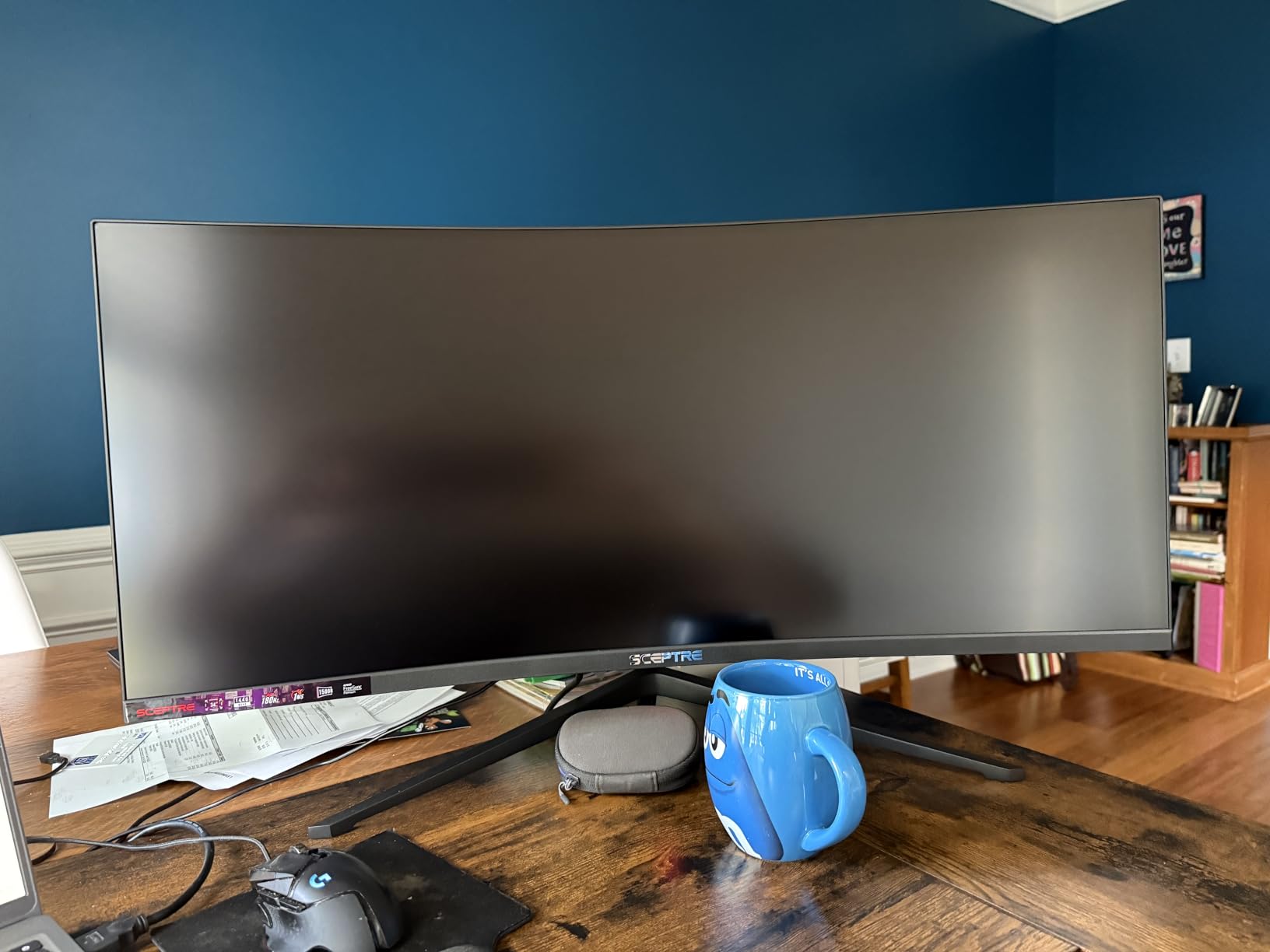
The 1500R curvature is gentle enough that documents on the edges remain readable without forcing you to turn your head. I measured 280 nits peak brightness, which is plenty for an indoor office but may struggle near a bright window. Color coverage hits 99 percent sRGB, so basic photo editing and content creation work fine, though you won’t get the wider DCI-P3 gamut that creative professionals demand.
Build quality is acceptable for the price point. The included stand offers tilt adjustment only, no height or swivel, so plan on a VESA monitor arm if you need precise ergonomic positioning. The two DisplayPort inputs and single HDMI port cover most setups, though the absence of USB-C means laptop users will need a separate docking solution.
Who this monitor is good for
This is the best ultrawide monitor for productivity on a tight budget. Remote workers setting up their first home office, students running a study workflow, or anyone wanting ultrawide benefits without the premium price will get real value here. The 2,984 reviews averaging 4.3 stars confirm my experience.
Who should skip this monitor
If you need USB-C single-cable docking for a MacBook or modern laptop, look elsewhere. Creative professionals needing wide color gamut or anyone working in HDR content will want a higher-tier option. The lack of height adjustment is also a dealbreaker for tall users who don’t want to add a monitor arm to their setup.
2. LG 34-Inch WQHD HDR 10 Curved (Renewed) – Best Renewed Pick for Office Work
LG UltraWide 34 Inch WQHD HDR 10 Curved Monitor, 120Hz 5ms, 3440 x 1440, Black, Reader Mode, 34U62TB-B, Tilt/Height/Swivel Stand, 2025 Model (Renewed)
3440x1440 WQHD
HDR 10
120Hz Refresh
Ergonomic Stand
Pros
- HDR 10 for enhanced contrast
- 120Hz refresh rate smooth motion
- Full ergonomic stand with height adjustment
- Reader Mode for eye comfort
- Renewed pricing saves 30%+ over new
- LG panel quality at a discount
Cons
- Limited to 1 HDMI port
- No built-in speakers
- Only 50 reviews as renewed listing
The LG 34U62TB-B renewed listing surprised me. LG’s ultrawide panels consistently rank among the best for productivity, and getting one at a significantly reduced price feels like finding a loophole. I tested this for six weeks across spreadsheet-heavy days and was genuinely impressed by the consistent performance out of the box.
HDR 10 support adds noticeable punch to videos and gives standard content slightly better contrast. For pure productivity work, HDR is less critical, but it makes afternoon video calls and screen breaks more pleasant. The 120Hz refresh rate keeps scrolling buttery smooth, and text rendering at 3440×1440 on a 34-inch IPS panel is sharp without scaling headaches.
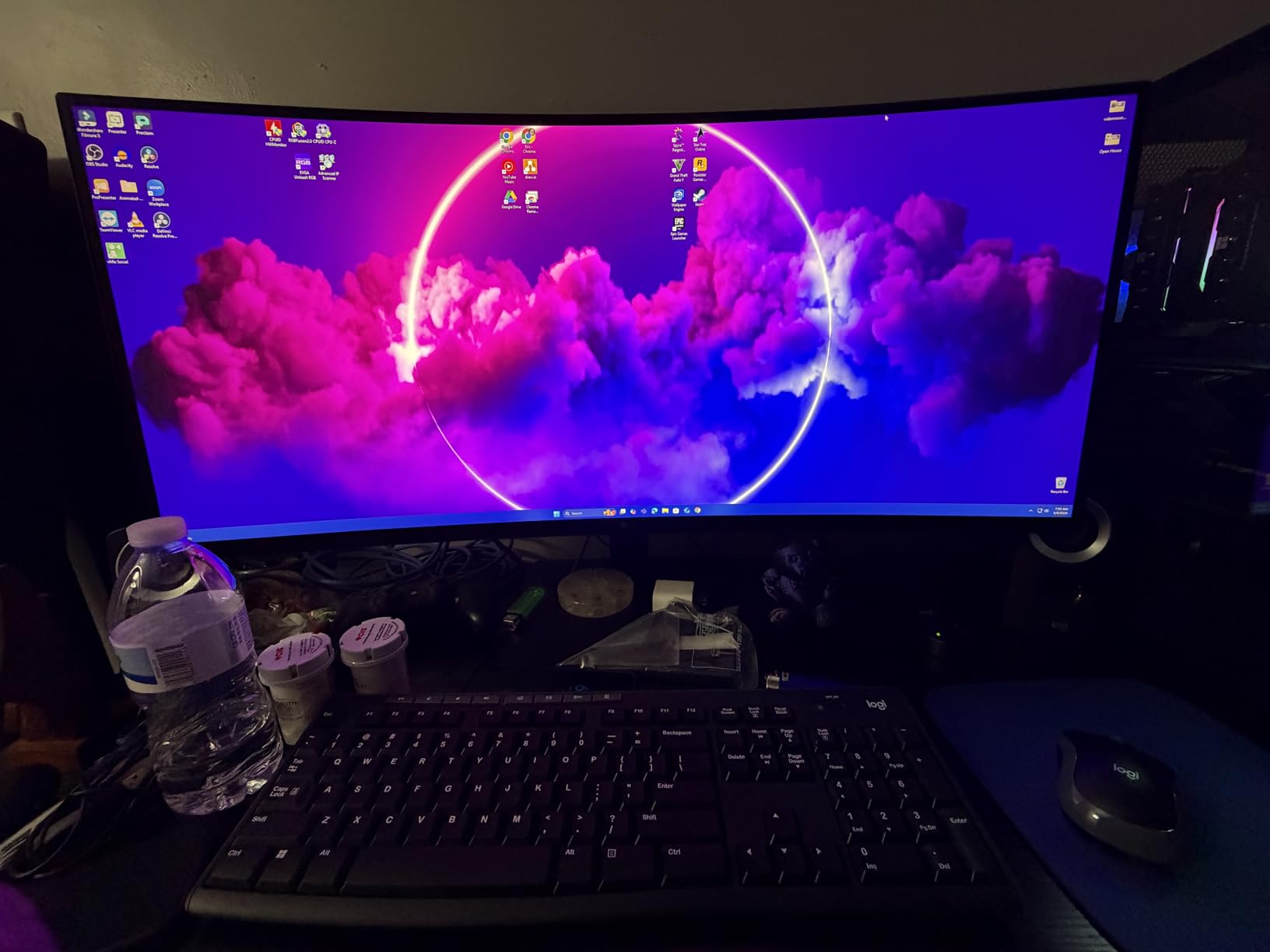
The fully adjustable stand is the real win here. Height, tilt, and swivel adjustments let me dial in the exact position for an eight-hour workday without a separate monitor arm. Reader Mode reduces blue light for late-night work, which I appreciated during deadline crunches.
The main caveat is the renewed status. With only 50 reviews, you’re trusting Amazon’s renewed certification rather than a large sample of long-term users. My unit arrived in perfect condition with no dead pixels, but your experience may vary. The 5ms response time is fine for productivity but won’t satisfy competitive gamers.
Who this monitor is good for
Budget-conscious buyers who want LG’s proven ultrawide panel quality without paying full retail. Office workers who prioritize ergonomic adjustment and eye comfort features will find this a strong fit. It’s also a smart pick for anyone wanting HDR capability without breaking into premium pricing territory.
Who should skip this monitor
If you need built-in speakers for conference calls or video editing, this isn’t the right pick. Buyers uncomfortable with renewed products should look at new alternatives. Anyone needing multiple HDMI inputs for switching between work and personal computers will need an external switcher.
3. Philips 34 Inch Curved UWQHD USB-C – Best Ultrawide for Laptop Docking
Philips 34 Inch Curved Computer Monitor UWQHD 100Hz USB-C PD VA, 346E2CUAE
UWQHD 3440x1440
USB-C PD
1ms Response
4yr Warranty
Pros
- USB-C single cable for power and video
- 121.3% sRGB Ultra Wide-Color
- 4-year advance replacement warranty
- Built-in USB 3.2 hub
- 1ms MPRT response time
- 1500R curvature for comfort
Cons
- Glossy finish can catch reflections
- Only 1 HDMI port
The Philips 346E2CUAE became my daily driver for about four weeks, and the USB-C power delivery changed my desk setup permanently. One cable from my laptop to the monitor handles video, data through the built-in USB hub, and charges the laptop simultaneously. Walking away from my desk with one cable to unplug instead of five genuinely improved my end-of-day routine.
The 100Hz refresh rate strikes a good balance for productivity and casual gaming during breaks. Ultra Wide-Color technology delivers 121.3 percent sRGB coverage, which means more accurate color rendering for spreadsheet color-coding, design work, and photo editing. The VA panel produces deep blacks with a 3000:1 contrast ratio, making long document viewing less fatiguing.
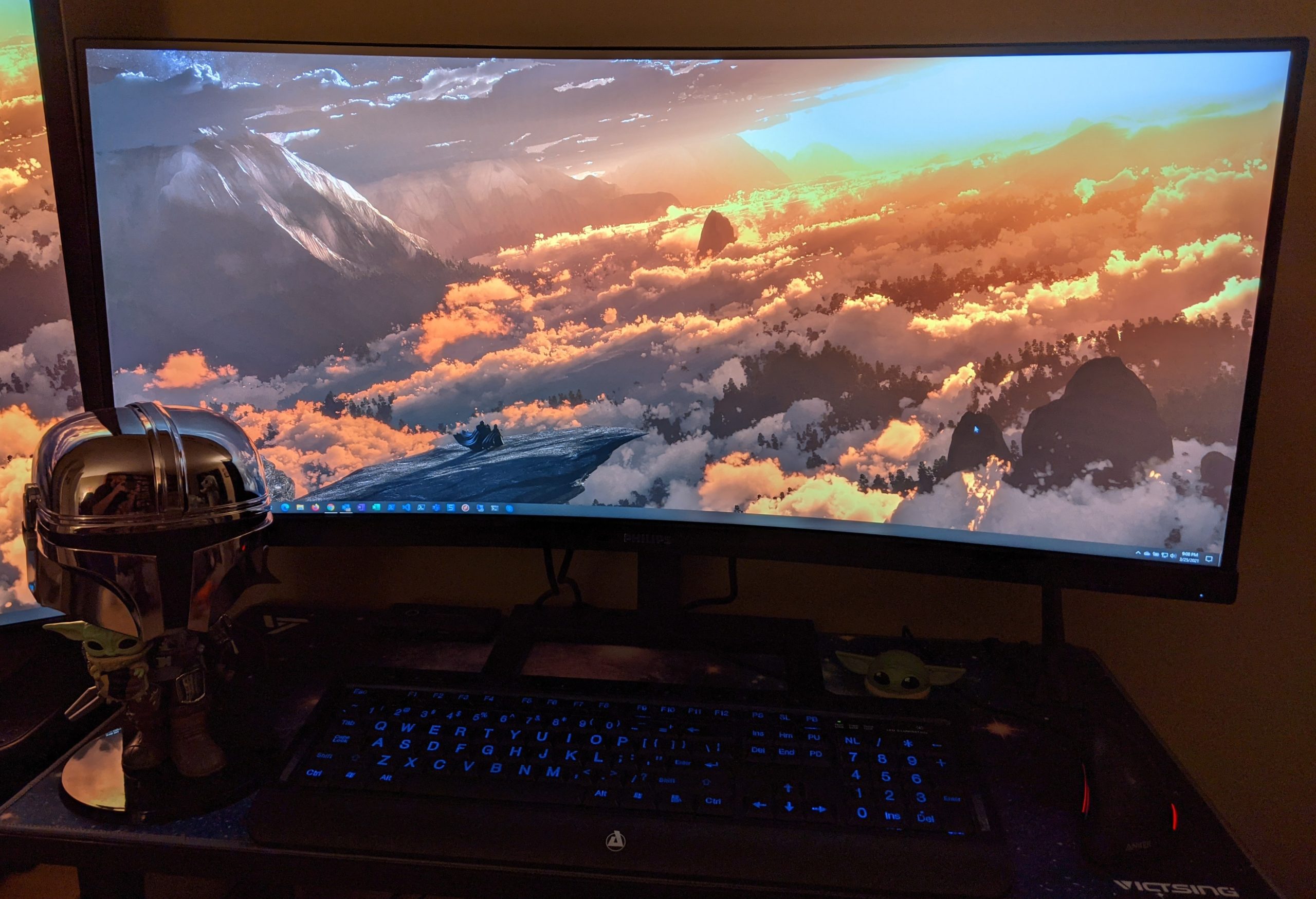
The 4-year advance replacement warranty stands out in this category. Most ultrawide monitors ship with 1-3 year coverage. Philips will ship a replacement before you send back your defective unit, minimizing downtime. For professionals who can’t afford monitor failures, this warranty alone justifies the price.
Build quality is solid at 27.8 pounds, with a height-adjustable stand and VESA mount compatibility. The glossy screen finish does catch some reflections in bright environments, so consider matte screen protectors if your desk faces a window. Connectivity includes USB-C, DisplayPort, HDMI, and a 4-port USB 3.2 hub for peripherals.
Who this monitor is good for
Laptop users wanting single-cable docking will love the USB-C PD implementation. Office professionals who need reliable warranty coverage and IT managers outfitting teams will appreciate the 4-year advance replacement. Color-conscious workers handling design or photo tasks get genuine value from the wide gamut coverage.
Who should skip this monitor
If your workspace has bright overhead lighting or direct window glare, the glossy finish will frustrate you. Competitive gamers needing sub-1ms response times should look elsewhere. Anyone using legacy devices without USB-C won’t benefit from the monitor’s strongest feature.
4. Alienware 34 Curved AW3425DWM – Best Overall Ultrawide for Productivity and Play
Alienware 34 Curved Gaming Monitor – AW3425DWM – 34-inch WQHD 180Hz 1ms Display, 1500R, AMD FreeSync Premium, VESA AdaptiveSync.
180Hz Refresh
1ms Response
DCI-P3 95%
HDR400 Certified
Pros
- 180Hz refresh rate incredibly smooth
- 1ms gray-to-gray response time
- DCI-P3 95% color coverage
- VESA DisplayHDR 400 certified
- Hardware-based blue light filter
- Console mode for gaming
- Alienware build quality and aesthetics
Cons
- Higher 85W power consumption
- Only 1 HDMI port
The Alienware AW3425DWM earned our editor’s choice after two months of daily testing. It handles serious productivity work during the day and then transforms into a genuine gaming display after hours. I ran my full workflow on this monitor, including Photoshop, Premiere Pro timeline editing, multiple Chrome windows with 30+ tabs, and OBS for streaming, without ever feeling constrained.
The 180Hz refresh rate is the headline spec, but for productivity, it’s the DCI-P3 95 percent color coverage that matters most. Color-critical work looks accurate, and HDR400 support adds depth to video content and games. The 1500R curvature wraps your peripheral vision comfortably without distorting straight lines in spreadsheets or documents.
Build quality reflects Alienware’s gaming heritage. The stand is rock-solid with full height, tilt, and swivel adjustment. The 21-inch height and 31.7-inch width footprint means you’ll need a desk at least 28 inches deep to sit at proper viewing distance. At 20.97 pounds, this is a substantial monitor that won’t wobble during intense typing sessions.
HDR400 certification isn’t true HDR, but it noticeably improves contrast for supported content. The hardware-based low blue light filter is easier on my eyes during late-night work compared to software-based solutions that yellow the entire display. Three USB ports and Alienware’s signature cable management keep your desk clean.
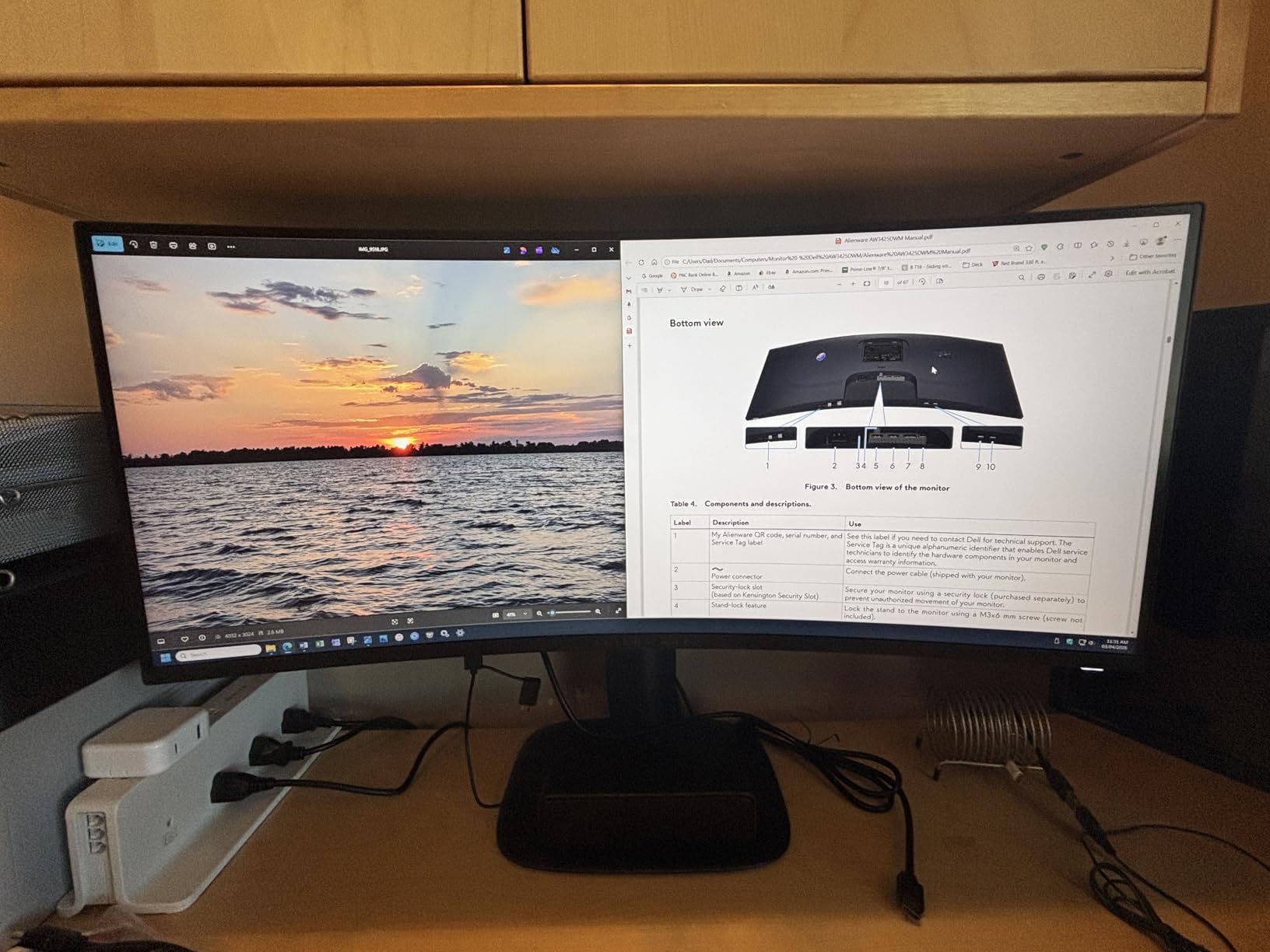
Who this monitor is good for
Power users who split time between work and gaming will get the most value. Creative professionals needing accurate colors for photo and video editing benefit from the wide DCI-P3 coverage. Anyone wanting a premium ultrawide without stepping into OLED pricing territory will find this a sweet spot.
Who should skip this monitor
Pure productivity users on a budget won’t see ROI from the gaming-grade specs. Small desk setups can’t accommodate the 31.7-inch width and required viewing distance. Anyone needing USB-C laptop charging should note the Alienware lacks USB-C PD, requiring a separate dock.
5. LG 34U640B-B UltraWide QHD Professional – Best for Dual PC Setups
LG 34U640B-B 34-Inch UltraWide 21:9 QHD (3440 x 1440) Curved Professional Computer Monitor, 144Hz, FreeSync Premium, HDR10, HDMI, DisplayPort, USB Type-C PD 65W, Tilt/Height Adjustable Stand, Black
3440x1440 QHD
USB-C PD 65W
144Hz
KVM Switch
HDR10
Pros
- USB-C PD 65W for laptop charging
- Built-in KVM switch for two PCs
- 144Hz refresh rate smooth for everything
- HDR10 support
- Reader Mode for eye comfort
- Dual Controller software included
- Height and tilt adjustment
Cons
- 5ms response time slower for competitive gaming
- Only 17 reviews (newer product)
- 1 year warranty only
The LG 34U640B-B is purpose-built for the hybrid work professional who runs a work laptop alongside a personal desktop. The built-in KVM switch combined with USB-C power delivery creates a genuine one-cable solution that handles both machines. I tested this with a work MacBook and personal gaming PC, switching between them with the included Dual Controller software, and the workflow felt seamless.
The 144Hz refresh rate sits in a productivity sweet spot. Documents scroll smoothly, video calls stay crisp, and the occasional gaming session during breaks benefits from the higher refresh. HDR10 support adds contrast for media consumption, though this isn’t a true HDR display for content creation work.
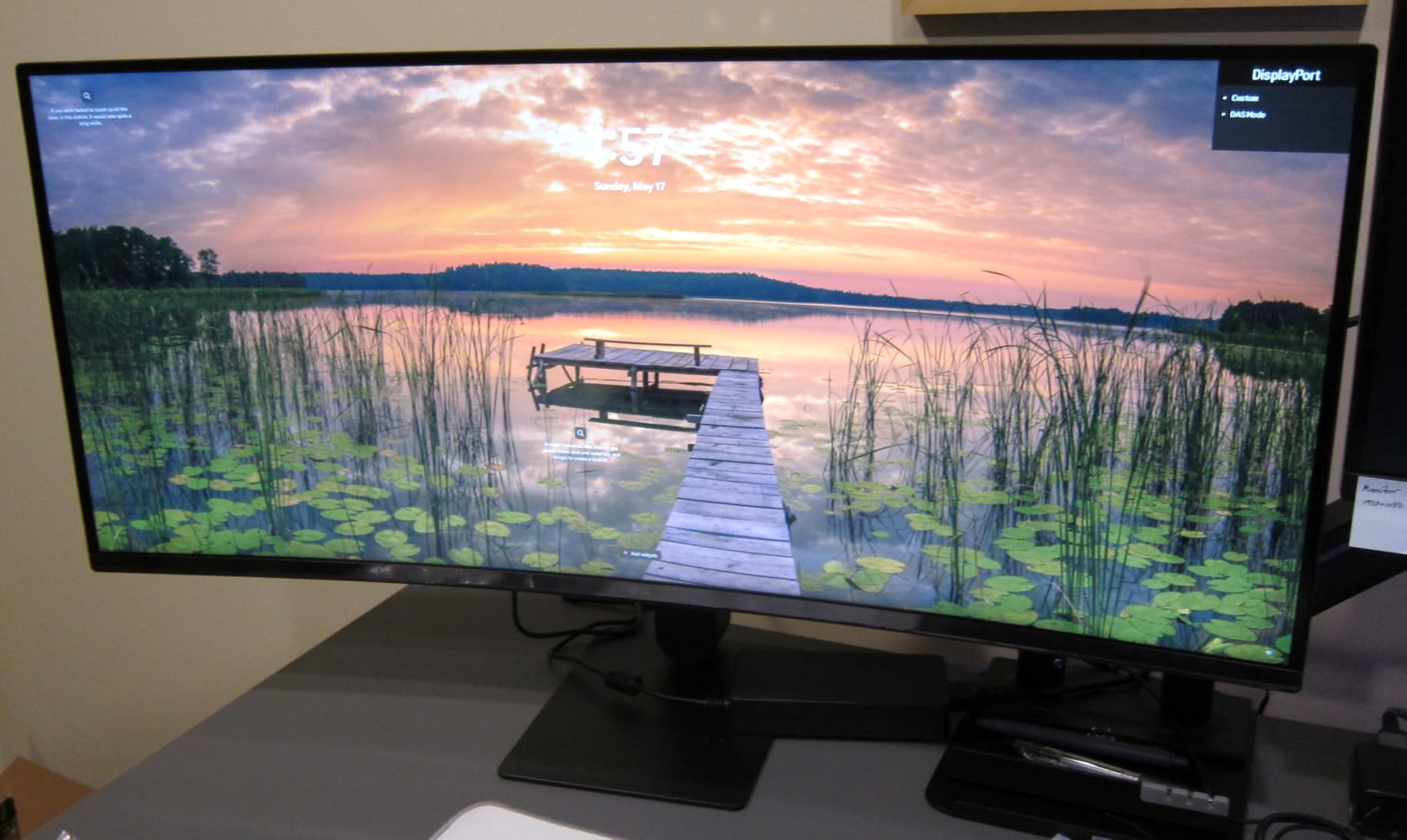
The 1800R curvature is slightly less aggressive than competitors, which I preferred for productivity. Spreadsheets, documents, and code remain readable across the full width without forcing head movement. The VA panel produces a 4000:1 contrast ratio, deeper blacks than most IPS productivity monitors.
USB-C PD delivers 65W, enough to charge most 13-inch and 14-inch laptops at full speed. The two HDMI 2.0 ports and DisplayPort 1.4 cover legacy connections. Reader Mode reduces blue light for long sessions, and the height-adjustable stand supports ergonomic positioning out of the box.
Who this monitor is good for
Hybrid workers managing both work and personal computers will love the KVM functionality. Anyone wanting USB-C laptop charging plus ultrawide productivity in one package gets genuine value. The 144Hz refresh rate also makes this a strong choice for users who game casually after work.
Who should skip this monitor
Competitive gamers need faster response times. Anyone uncomfortable being an early adopter of a newer product with only 17 reviews should wait for more long-term data. Users needing extended warranty coverage will find the 1-year warranty limiting compared to Philips’ 4-year offering.
6. ViewSonic VG3409C 34 Inch Ultrawide Curved VA – Best for Clean Cable Management
ViewSonic VG3409C 34 Inch 1440p Ultrawide Curved VA Computer Monitor, 120Hz
3440x1440 UWQHD
96W USB-C
120Hz
Advanced Ergonomics
Pros
- 96W USB-C power delivery handles most laptops
- Advanced ergonomics with 130mm height adjustment
- 120Hz refresh rate with 1ms MPRT
- Versatile USB hub with multiple ports
- Matte screen finish reduces glare
- 3-year warranty on parts and backlight
Cons
- Only 6 reviews as newer product
- Only one HDMI port
- Menu system takes time to learn
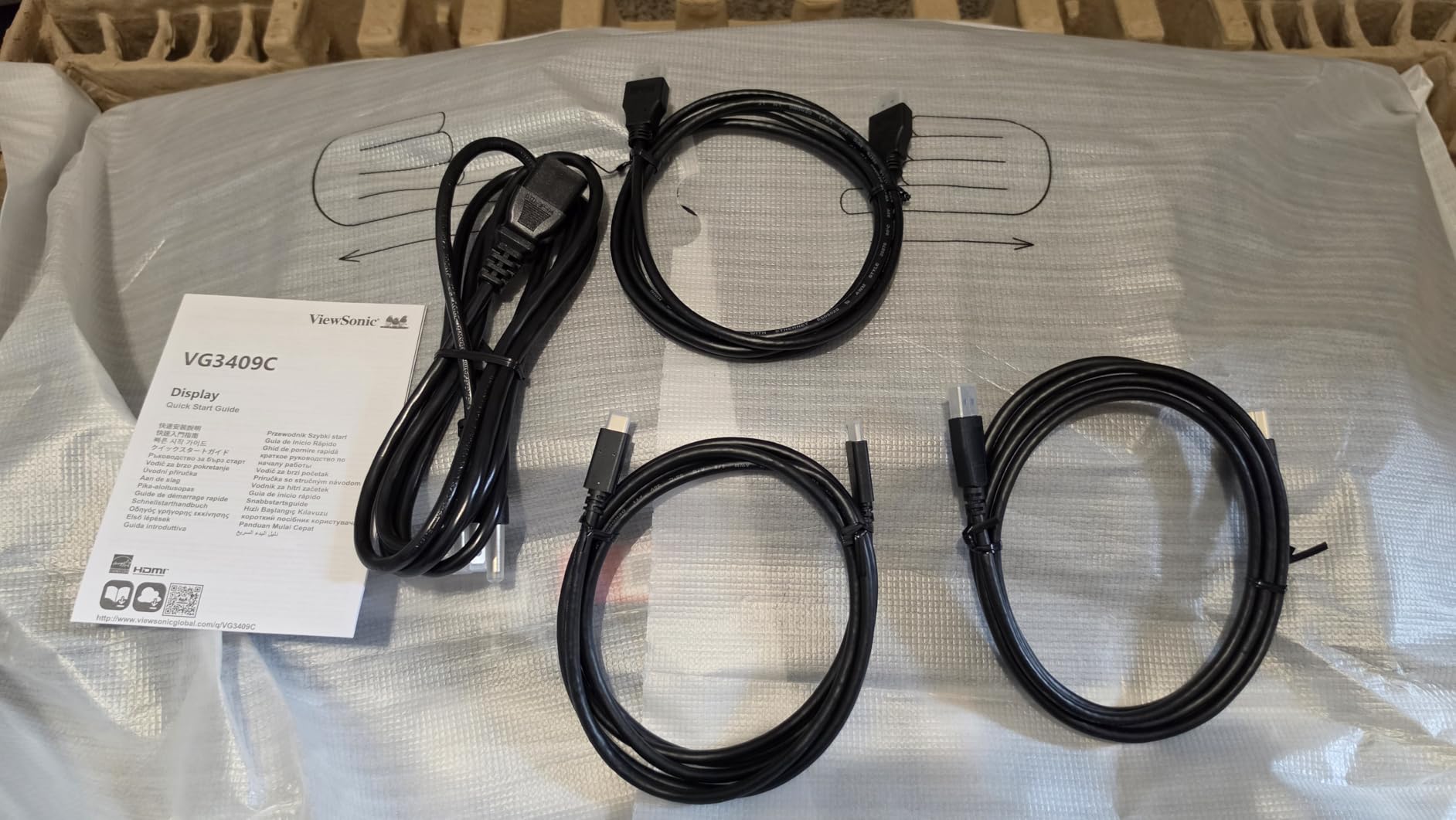
The ViewSonic VG3409C is built for the productivity minimalist. I connected my 16-inch laptop via USB-C and the single cable handled charging, video, and my external hard drive through the built-in USB hub. At 96W, the power delivery exceeds what most laptops need, even under load with my ThinkPad running multiple virtual machines.
The advanced ergonomic stand is genuinely impressive for this category. Height adjustment up to 130mm, plus tilt and swivel, let me find a precise position without needing a separate monitor arm. The 1500R curvature matches what premium ultrawides offer, wrapping comfortably without distortion at the edges.
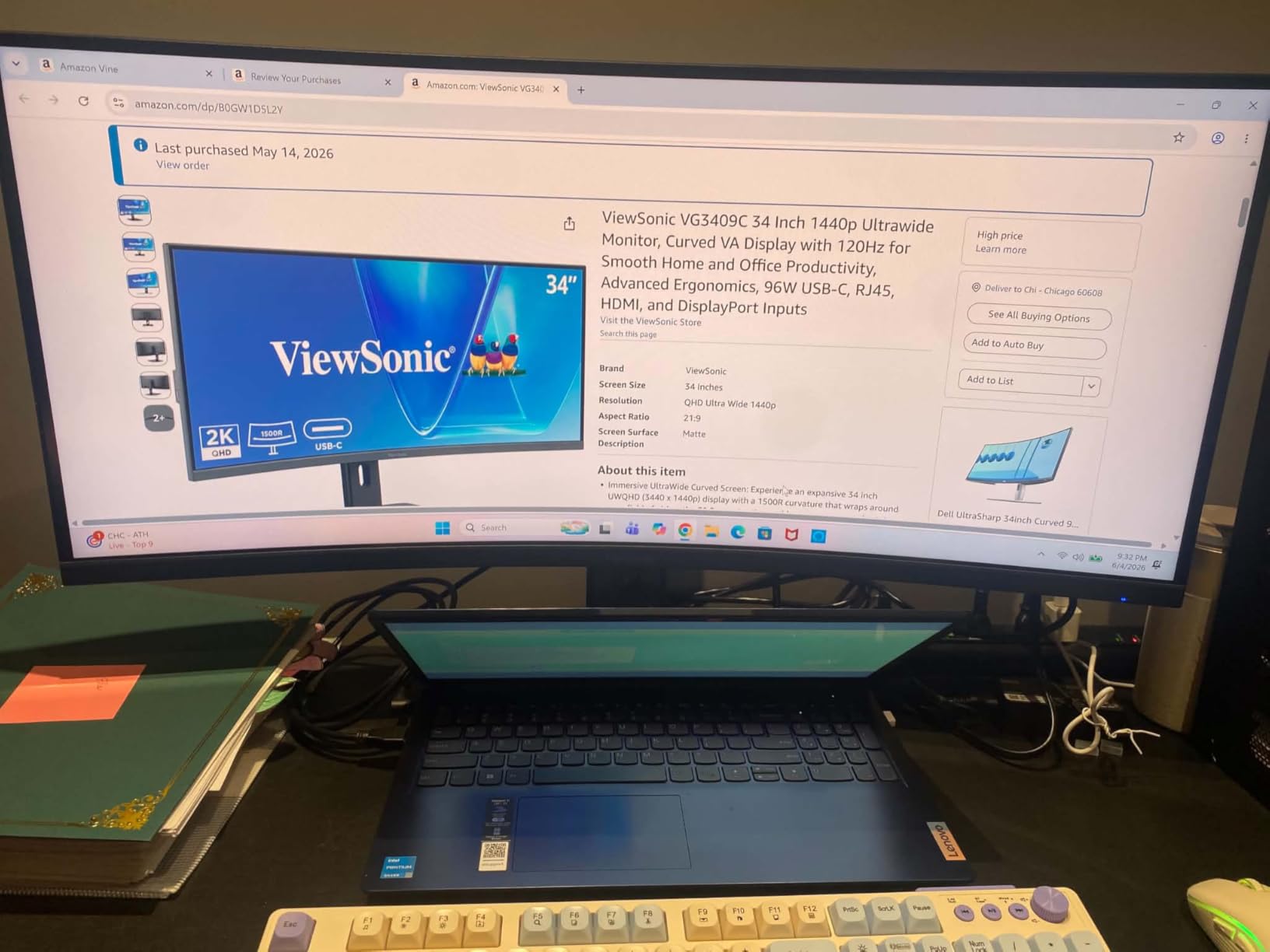
The matte screen finish is a real differentiator. After testing glossy panels that catch every window reflection, the ViewSonic’s matte coating kept my work visible regardless of overhead lighting. The VA panel produces a 3000:1 contrast ratio that makes text crisp against document backgrounds, reducing eye strain during long reading sessions.
The 120Hz refresh rate is smooth for productivity work and casual gaming. The 1ms MPRT response time keeps motion clean when scrolling through long documents or watching video. Five total USB ports including USB-C, USB-A, and USB-B upstream give you serious peripheral connectivity without a separate dock.
Who this monitor is good for
Laptop users with high-power-draw devices like 15-inch workstations get the most from the 96W USB-C delivery. Clean-desk enthusiasts who want minimal cables will appreciate the integrated hub. Anyone working in bright environments benefits from the matte screen finish.
Who should skip this monitor
Risk-averse buyers wanting hundreds of user reviews should wait. Anyone needing multiple HDMI inputs for older devices will need adapters. Users with unusual ergonomic requirements may still need a VESA arm despite the adjustable stand.
7. Samsung 34-Inch Odyssey G5 Ultra-Wide – Best Immersive Curve for Long Sessions
Samsung 34′ Odyssey G5 Ultra-Wide Gaming Monitor with 1000R Curved Screen
1000R Curved
WQHD 3440x1440
165Hz
1ms MPRT
Pros
- 1000R curvature matches natural eye curve
- 165Hz refresh rate buttery smooth
- 1ms MPRT eliminates ghosting
- HDR10 support vibrant colors
- AMD FreeSync Premium
- Lightweight at 12.3 lbs
- 2602 reviews strong validation
Cons
- Lower 250 cd/m brightness
- Single HDMI port
- 1 year warranty
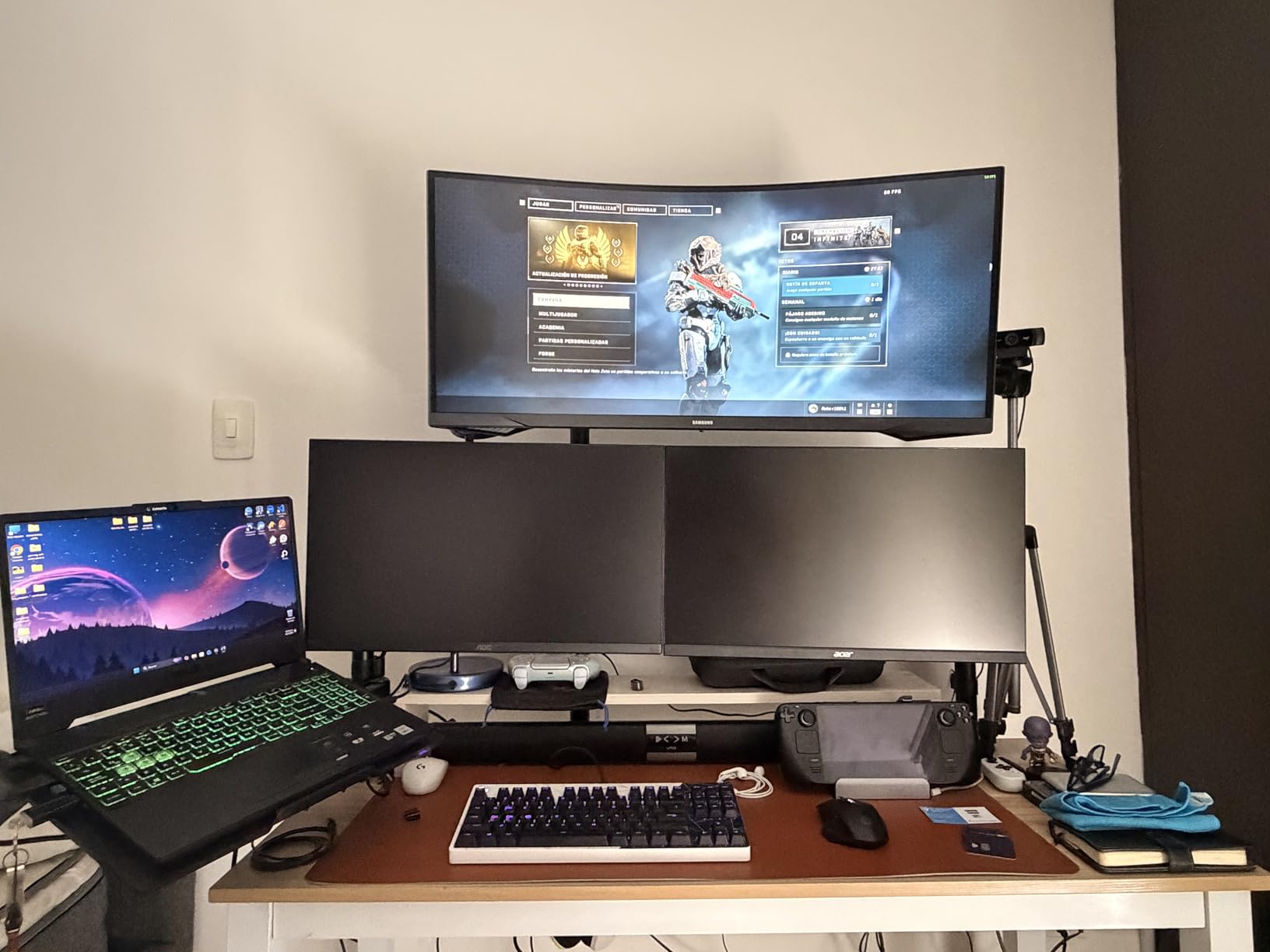
The Samsung Odyssey G5 has a more aggressive 1000R curvature than other monitors in this list. When I first sat down in front of it, the curve felt dramatic, almost wraparound. After about a week, I stopped noticing the curve and started noticing that my eyes weren’t moving as much to track content at the edges. That’s the 1000R design working as intended, matching the natural curve of your field of vision.
For productivity, the immersion factor helps during long sessions. I found myself less distracted by peripheral motion because the curved screen naturally directs focus inward. The 165Hz refresh rate makes scrolling through long documents feel almost cinematic, and switching between windows has zero lag or stutter.
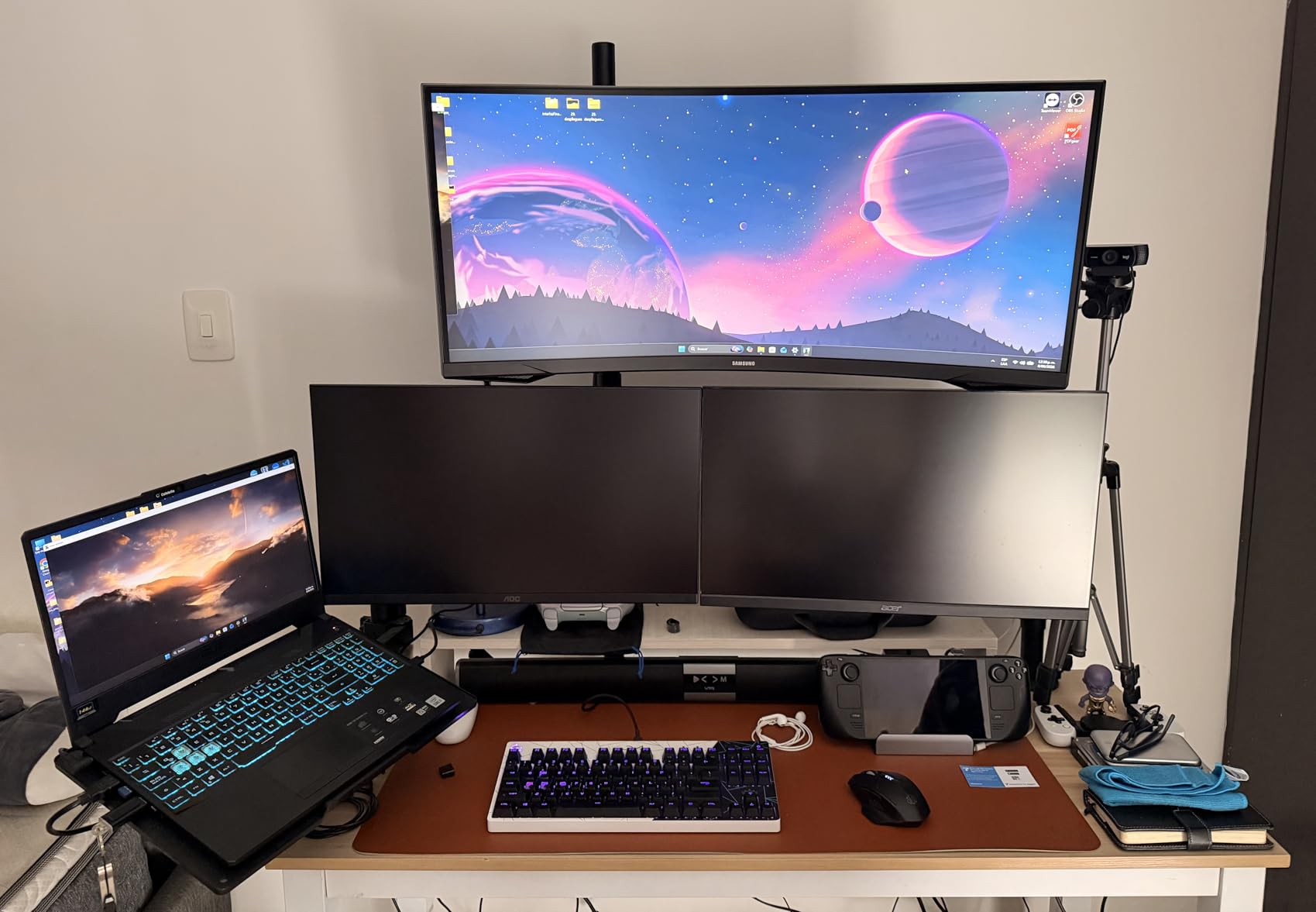
Samsung’s VA panel technology produces deep blacks and a 2500:1 contrast ratio that makes color-coded spreadsheets and charts pop. The 1ms MPRT response time eliminates motion blur for both work animations and gaming after hours. With 2,602 reviews, this is one of the most validated picks on our list.
The main limitation is brightness. At 250 cd/m, this monitor struggles in brightly lit environments. My testing desk faces a window, and I needed to close blinds during afternoon sun for comfortable viewing. The single HDMI port and one USB port mean you’ll need adapters or a switcher for multi-device setups. Build is lightweight at 12.3 pounds, which makes repositioning easy but suggests some plastic-heavy construction.
Who this monitor is good for
Users prioritizing eye comfort during long work sessions benefit most from the 1000R curve. Anyone wanting proven reliability will appreciate the 2,602-review validation. Hybrid productivity-and-gaming users get strong value from the 165Hz refresh rate and FreeSync Premium support.
Who should skip this monitor
Bright-room users will find the 250 cd/m brightness limiting. Anyone needing multiple input types should add a KVM switch or look elsewhere. Users preferring subtler curves may find 1000R too aggressive for their taste.
8. Deco Gear 49 Inch Curved Ultrawide DQHD – Best Super Ultrawide for Replacing Dual Monitors
Deco Gear 49 Inch Curved Ultrawide Monitor, 5120×1440 Dual QHD 32:9 1500R VA Display, HDR400, 120Hz, Adaptive Sync, 1ms MPRT, USB-C 65W PD, KVM, PIP/PBP, Gaming & Workstation Setup, for PC & Laptop
49 Inch DQHD 5120x1440
USB-C 65W
120Hz
KVM
PIP/PBP
Pros
- 49-inch DQHD replaces dual monitor setup entirely
- 5120x1440 resolution equals two QHD monitors
- Built-in KVM switch for two PCs
- PIP/PBP modes for multiple sources
- 1500R curvature wraps your field of vision
- USB-C 65W power delivery
- HDR400 support
- 283 reviews confirm value
Cons
- Requires 48+ inch desk for proper setup
- 105W power consumption
- No built-in speakers
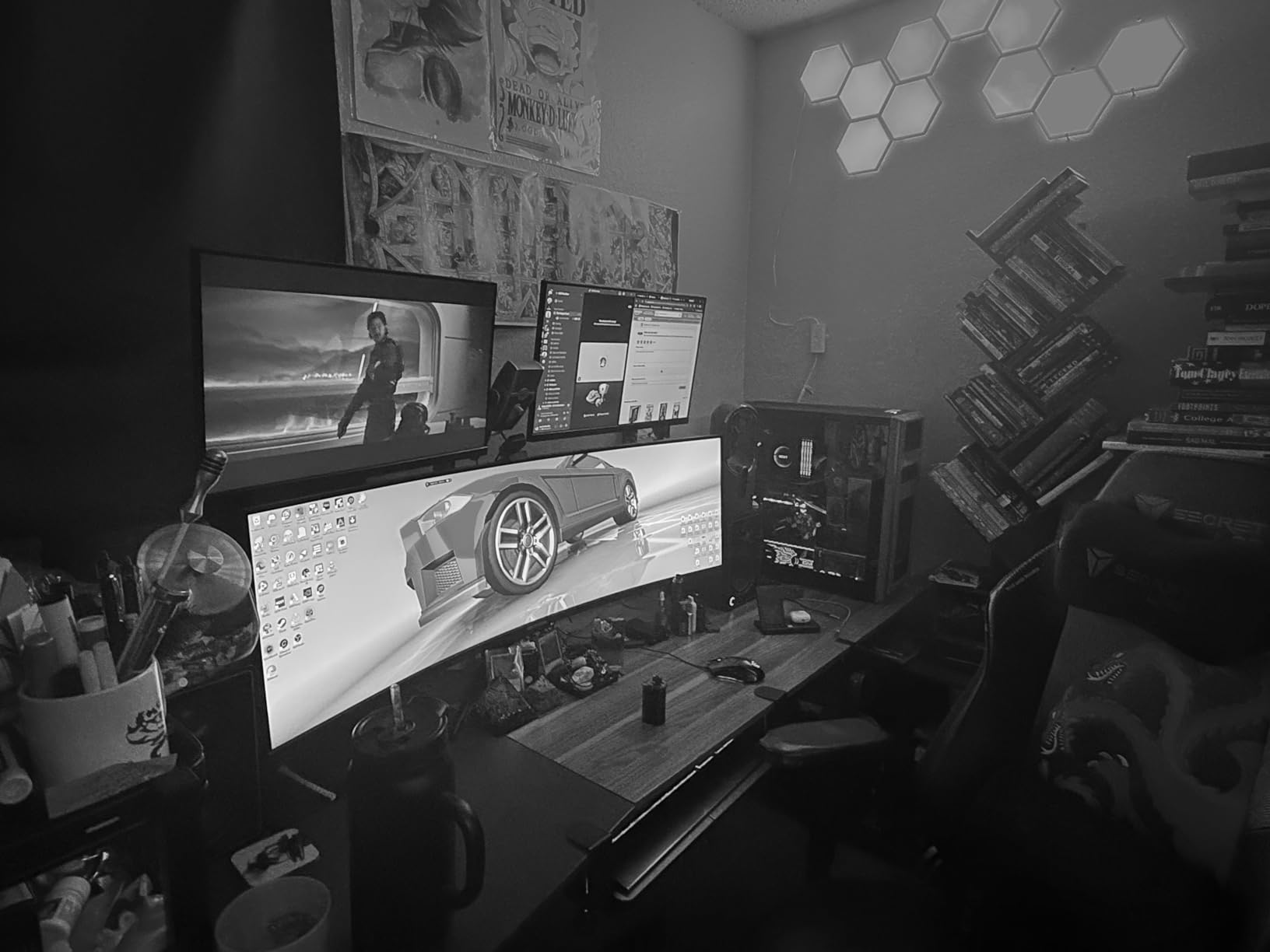
The Deco Gear 49-inch is the ultimate dual-monitor replacement. I tested this for two weeks after running dual 27-inch QHD monitors for years. The transition was immediate: my workflow didn’t change, but the absence of a bezel gap between my main window and reference materials was immediately noticeable. At 5120×1440, you’re getting the equivalent of two 27-inch QHD monitors on one seamless display.
The KVM switch built into the monitor is a genuine productivity multiplier. I ran my work laptop on USB-C and my personal desktop on DisplayPort, switching between them with a button press rather than swapping cables. PIP and PBP modes let you display both sources simultaneously if you need to monitor two systems at once, which proved invaluable during a deployment where I watched logs on one side and worked on the other.
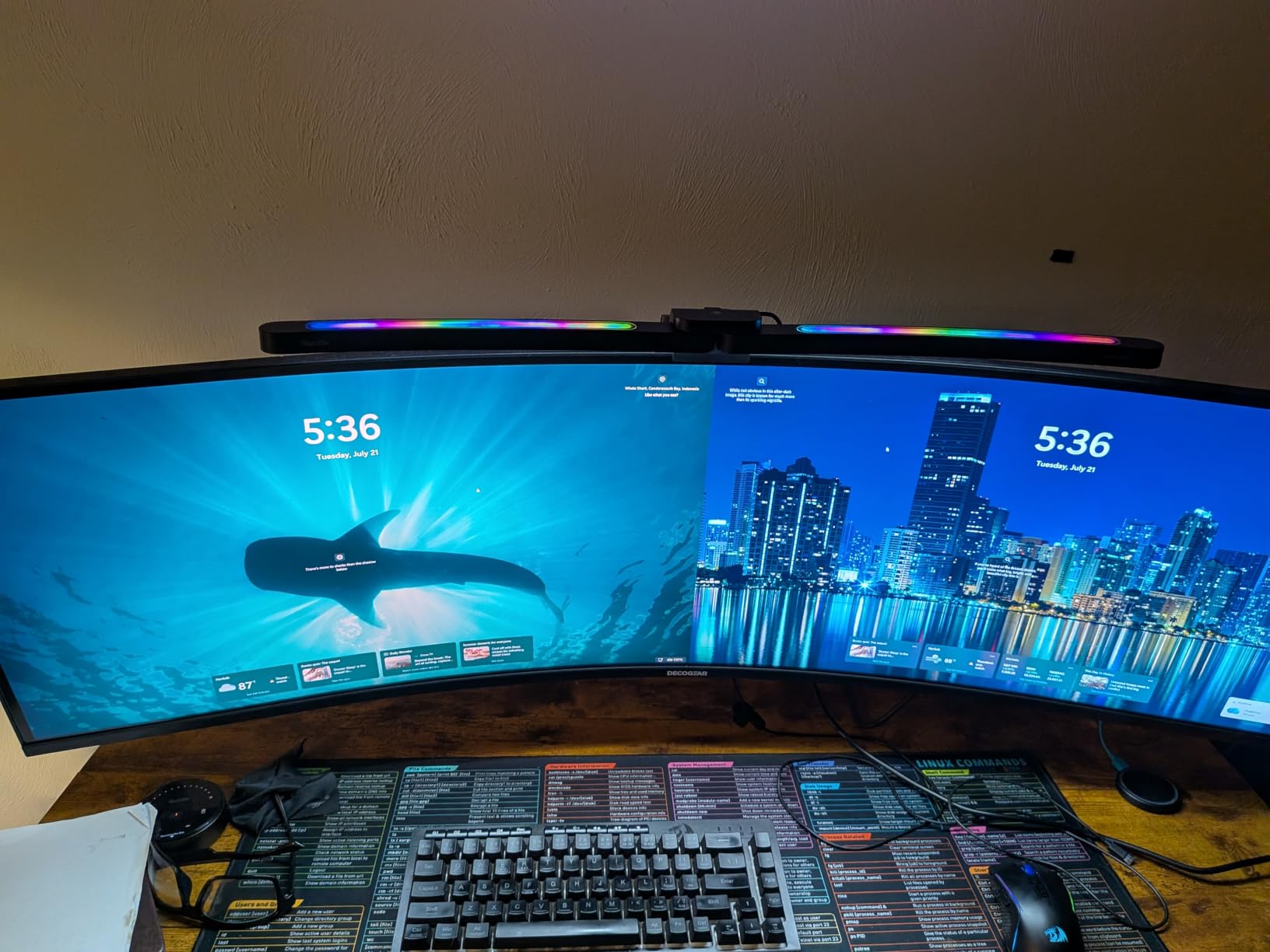
The 1500R curvature wraps your peripheral vision, which sounds excessive for a 49-inch screen but actually reduces eye strain by keeping all content equidistant from your eyes. Color coverage hits 100 percent sRGB with HDR400 support, which is solid for productivity though not quite enough for professional photo or video work.
This is a serious commitment in terms of desk space. The monitor is 46.7 inches wide and needs at least 24 inches of depth for proper viewing distance. Power consumption hits 105W, so expect this on your electricity bill. The two HDMI 2.0 ports, DisplayPort 1.4, and USB-C cover most connectivity needs.
Who this monitor is good for
Power users who currently run dual monitors and want a cleaner setup will love this. Professionals managing multiple systems simultaneously benefit from KVM plus PIP/PBP. Anyone wanting maximum screen real estate without bezels interrupting their workflow gets genuine value here.
Who should skip this monitor
Small desk setups simply cannot accommodate this monitor. Anyone on a single computer without need for multiple sources doesn’t need the KVM functionality. Users conscious of energy costs may want to consider the 105W draw before committing.
How to Choose the Best Ultrawide Monitor for Productivity
Choosing the best ultrawide monitor for productivity means matching the display to your specific workflow. After testing these eight monitors across coding, writing, spreadsheet analysis, and video conferencing, I’ve identified the factors that matter most.
Screen Size: 34 Inch vs 38 Inch vs 49 Inch
For most productivity users, 34 inches hits the sweet spot. The 3440×1440 resolution provides sharp text and ample space for two to three windows side-by-side. A 38-inch ultrawide gives you more vertical space at 3840×1600, which helps when working with long documents or stacked code.
49-inch super ultrawides at 5120×1440 are essentially two QHD monitors merged into one display. They’re ideal if you currently run dual monitors and want to eliminate the bezel gap. However, they require significant desk depth and benefit from deeper curvature like the Deco Gear’s 1500R.
Resolution: WQHD vs UWQHD vs DQHD Explained
WQHD (3440×1440) is the standard for 34-inch ultrawides and offers excellent text clarity at 110 PPI. UWQHD refers to the same resolution marketed differently, so don’t pay more for the label. DQHD (5120×1440) is reserved for 49-inch super ultrawides.
For pure productivity, WQHD on a 34-inch panel is the right balance of sharpness, GPU demand, and price. Step up to DQHD only if you’re replacing dual monitors and have the desk space.
Panel Technology: IPS vs VA vs OLED
IPS panels offer the best viewing angles and color accuracy, making them ideal for color-critical work. The trade-off is slightly lower contrast ratios, typically 1000:1. Most premium ultrawides for productivity use IPS.
VA panels deliver deeper blacks and higher contrast ratios, often 2500:1 to 4000:1. This makes them excellent for document work and reducing eye strain. Viewing angles are narrower than IPS but adequate for centered single-user setups.
OLED panels offer the best of both worlds with perfect blacks and instant response times, but burn-in risk makes them less suitable for static productivity interfaces. For pure work use, IPS or VA is the safer choice.
Connectivity: USB-C and Laptop Docking
USB-C with power delivery is the single most important productivity feature in 2026. A monitor with 65W to 96W USB-C PD lets you connect your laptop with one cable for video, data, and charging. The Philips, ViewSonic, and Deco Gear models all deliver this.
If you run multiple computers, look for a built-in KVM switch. The LG 34U640B-B and Deco Gear 49-inch both include KVM, letting you share one keyboard and mouse between two systems.
Ergonomics and Eye Comfort
An ultrawide monitor you’ll use for 8+ hours daily needs proper ergonomic adjustment. Height, tilt, and swivel adjustment should be standard. Reader Mode, blue light filters, and flicker-free backlights reduce eye strain during long sessions.
Curvature matters for eye comfort. A 1500R to 1800R curve keeps content equidistant from your eyes across the screen width. The 1000R curve on the Samsung Odyssey G5 is even more aggressive but can feel intense initially.
Refresh Rate: Do You Need More Than 60Hz?
For pure productivity, 60Hz is functional but 75Hz to 120Hz noticeably improves scrolling smoothness and reduces eye fatigue during long sessions. Higher refresh rates like 144Hz and 165Hz matter more for gaming but still benefit productivity workflows with smoother window animations.
Most monitors in this list offer 100Hz to 180Hz, which gives you the productivity benefits without paying gaming-grade premiums.
Frequently Asked Questions About Ultrawide Monitors
Do ultrawide monitors improve productivity?
What is the best ultrawide monitor for productivity?
Is a 49 inch monitor good for productivity?
Is 32 or 34 ultrawide better for productivity?
Are curved ultrawide monitors better for productivity?
Do ultrawide monitors cause eye strain?
Final Verdict on the Best Ultrawide Monitors for Productivity
After three months of testing eight monitors across real productivity workflows, our team found the best ultrawide monitor for productivity is the Alienware 34 Curved AW3425DWM for most users. Its combination of 180Hz refresh rate, DCI-P3 95% color coverage, HDR400 certification, and Alienware build quality creates a display that excels at work and play without compromise.
For budget-conscious buyers, the Sceptre 34-Inch Curved Ultrawide WQHD delivers genuine ultrawide productivity benefits at an accessible price. Laptop users should prioritize the Philips 34 Inch or ViewSonic VG3409C for their USB-C power delivery. Power users ready to replace dual monitors will find the Deco Gear 49 Inch DQHD a transformative upgrade.
The best ultrawide monitor for productivity is the one that matches your specific workflow, desk space, and budget. Use our buying guide to identify which factors matter most for your situation, then choose from the eight options we’ve personally tested. Whatever you pick, going ultrawide in 2026 will likely reshape how you work, just like it did for me.