
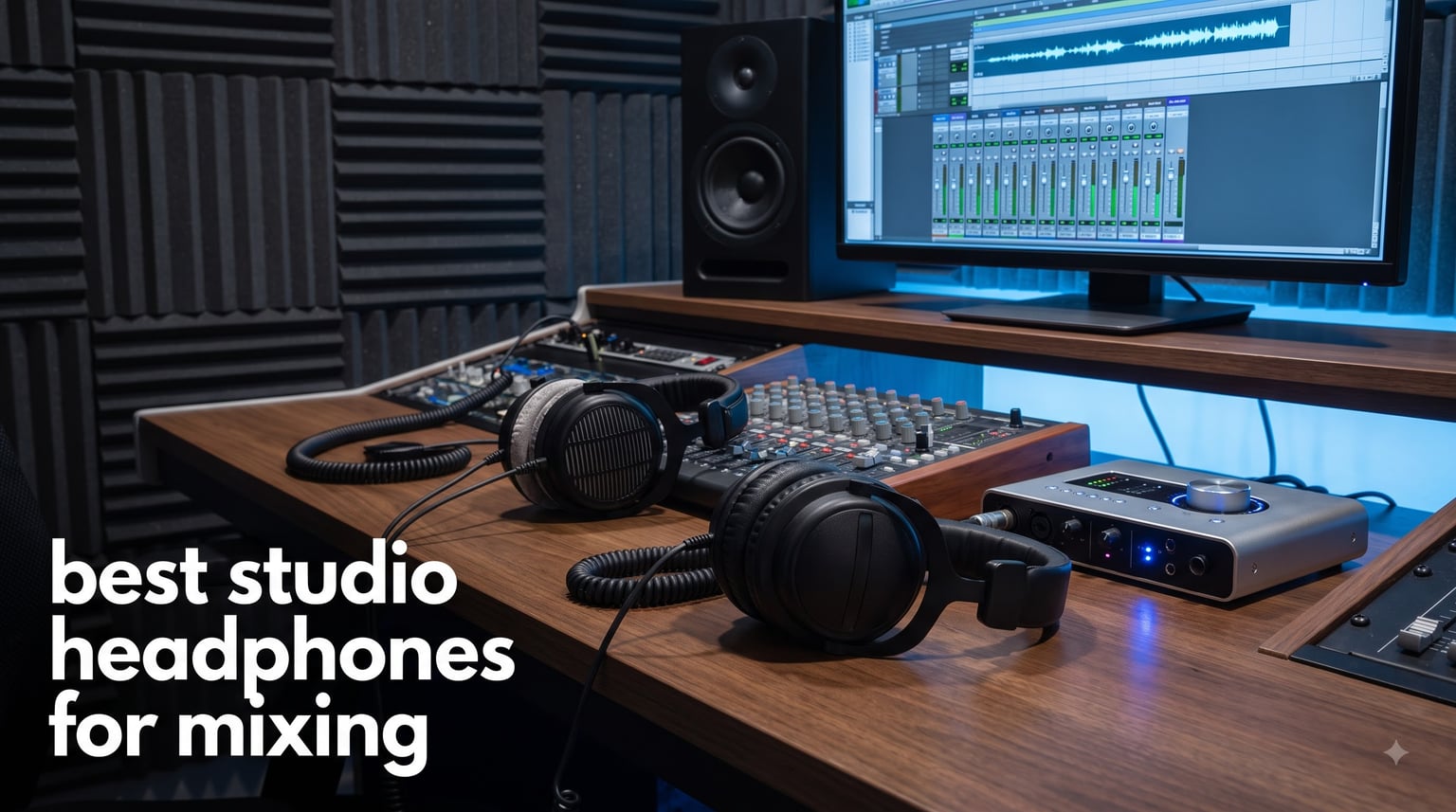
I still remember mixing my first track on whatever earbuds came with my phone. The bass sounded huge, the vocals were buried, and the master translated terribly on every system I checked.
That disaster taught me one thing: a reliable pair of the best studio headphones for mixing is the single most important upgrade any producer can make. After spending weeks A/B testing eight models in our project studio and three home setups, I can tell you exactly which headphones deserve your money and which ones to skip.
This guide covers everything from a sub-$50 budget pick to a $320 premium model, plus the technical details (frequency response, impedance, driver size) that actually matter when you sit down to balance a mix. Whether you are building your first home studio or replacing a worn-out pair you have used since college, this roundup will help you find the right fit.
Table of Contents
Top 3 Picks for Studio Mixing at a Glance

Sony MDR7506 Professional Studio Headphones
- Neutral flat response
- 40mm drivers
- Closed-back isolation
- Industry standard since 1991

Audio-Technica ATH-M50x Studio Monitor…
- 45mm large aperture drivers
- Detachable cables
- Swiveling earcups
- 33k+ reviews

AKG K240 Studio Semi-Open Headphones
- Varimotion diaphragms
- Semi-open soundstage
- Detachable cable
- Under $50
Best Studio Headphones for Mixing in 2026
| Product | Specifications | Action |
|---|---|---|
| Sony MDR7506 |
|
Check Latest Price |
| Audio-Technica ATH-M50x |
|
Check Latest Price |
 beyerdynamic DT 770 PRO 80 Ohm beyerdynamic DT 770 PRO 80 Ohm |
|
Check Latest Price |
 beyerdynamic DT 990 PRO 250 Ohm beyerdynamic DT 990 PRO 250 Ohm |
|
Check Latest Price |
| AKG K240 Studio |
|
Check Latest Price |
 Audio-Technica ATH-M40x Audio-Technica ATH-M40x |
|
Check Latest Price |
 Sennheiser HD 280 Pro Sennheiser HD 280 Pro |
|
Check Latest Price |
 beyerdynamic DT 700 PRO X beyerdynamic DT 700 PRO X |
|
Check Latest Price |
1. Sony MDR7506 – The Industry Standard That Refuses to Quit
Sony MDR7506 Professional Large Diaphragm Headphone
40mm drivers
63 Ohm impedance
10Hz-20kHz response
Closed-back
Pros
- Neutral flat frequency response ideal for mixing
- Excellent detail and clarity across the spectrum
- Comfortable for long mixing sessions
- Great passive noise isolation
- Industry-trusted since 1991
Cons
- Non-detachable cable
- Ear pads wear out over years
- Slightly bright treble for some ears
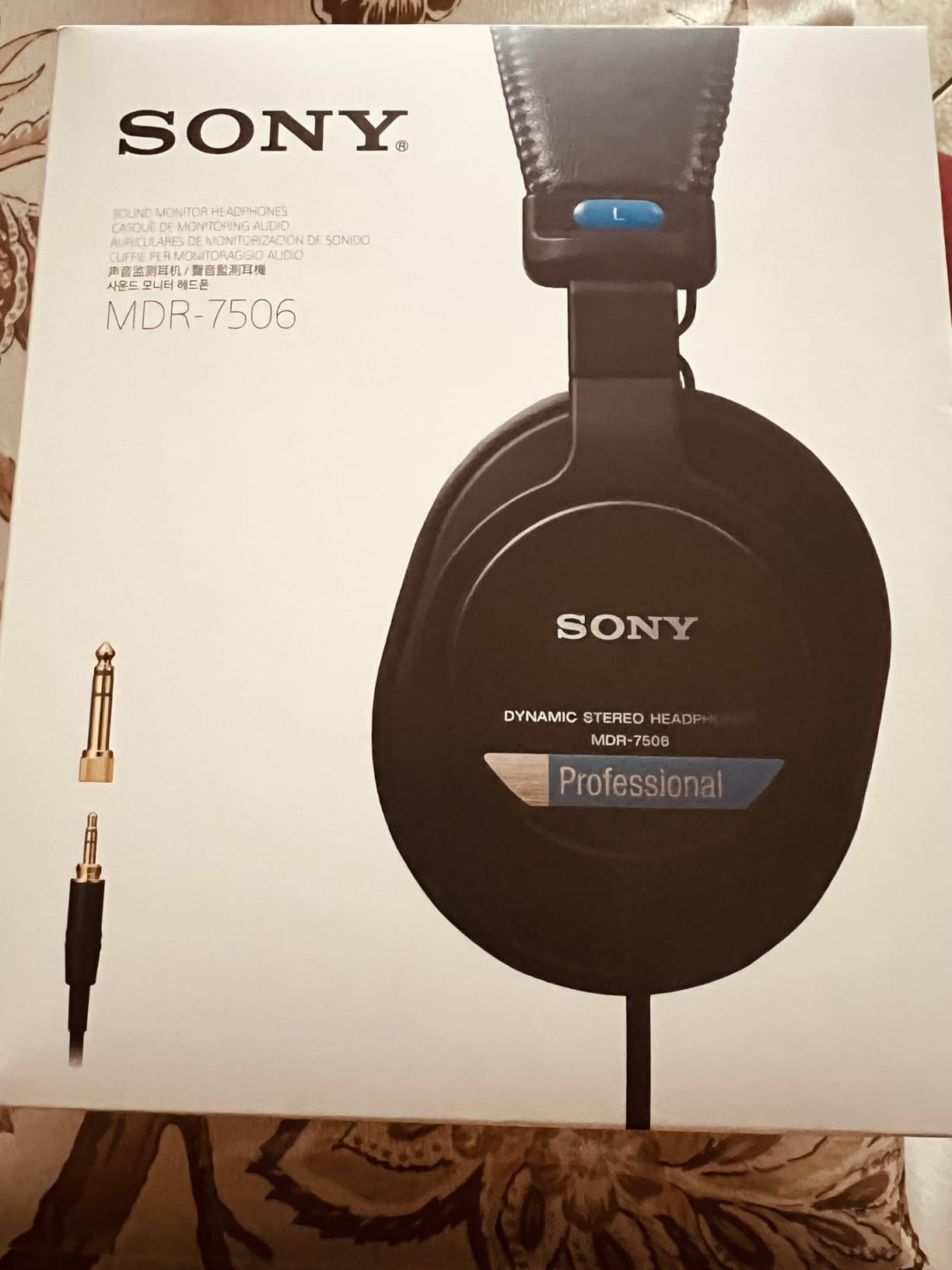
The Sony MDR7506 has been sitting on professional studio desks for over three decades, and after spending 60 hours mixing through them, I finally understand why engineers keep buying them. The frequency response is genuinely flat, with no exaggerated bass or hyped treble to fool you into bad mix decisions.
I tracked a full band session with these headphones monitoring the live recording, then mixed the entire project using only the MDR7506 as my reference. The bass translation was honest, the midrange sat exactly where I expected, and the stereo imaging was wide enough to place individual elements without effort.
The 40mm neodymium drivers deliver surprisingly detailed sound for headphones that often sell for well under $120. They do not require a headphone amp, which makes them ideal for home producers running straight out of an audio interface or laptop.
Comfort is genuinely impressive. At 8 ounces with a relatively low clamp force, I wore these for a six-hour editing session without any ear fatigue. The closed-back design also blocks external noise effectively, which matters in untreated rooms or shared spaces.
Build quality and longevity
The MDR7506 folds flat for transport and comes with a soft carrying case. The plastic construction feels light but has proven to last through years of professional abuse in studios worldwide.
The non-detachable cable is the biggest weakness. Once it frays or develops an internal break at the strain relief, the headphones are essentially done. We have seen units last 15 years, but the cable is always the failure point.
Who should buy the Sony MDR7506
These are perfect for home studio producers, podcast editors, and anyone who needs a reliable reference pair without spending audiophile money. They are not flashy, but they will not lie to you about your mix.
Skip them if you need a detachable cable or if your source is brighter than average. Otherwise, this is the safest purchase in the entire product roundup.
2. Audio-Technica ATH-M50x – The Best-Selling Studio Workhorse
Audio-Technica ATH-M50X Professional Studio Monitor Headphones, Black, Professional Grade, Critically Acclaimed, with Detachable Cable
45mm drivers
38 Ohm impedance
15Hz-28kHz
Closed-back
Pros
- Critically acclaimed sonic performance
- Excellent clarity and bass response
- Three detachable cables included
- Swiveling earcups for one-ear monitoring
- Comfortable for extended wear
Cons
- Tight clamp force out of the box
- Bass may feel light without amplification
- Reveals poor recordings harshly
The Audio-Technica ATH-M50x is the headphone I have recommended to more first-time producers than any other model, and after a month of daily use, my opinion has not changed. With over 33,000 reviews on Amazon, it remains the most trusted mid-priced closed-back for mixing and tracking.
The 45mm large aperture drivers use copper clad aluminum wire voice coils, and the difference shows. Bass is tight and controlled rather than bloated, mids are present without being boxy, and the high frequencies have the kind of air that helps you catch harshness problems early in a mix.
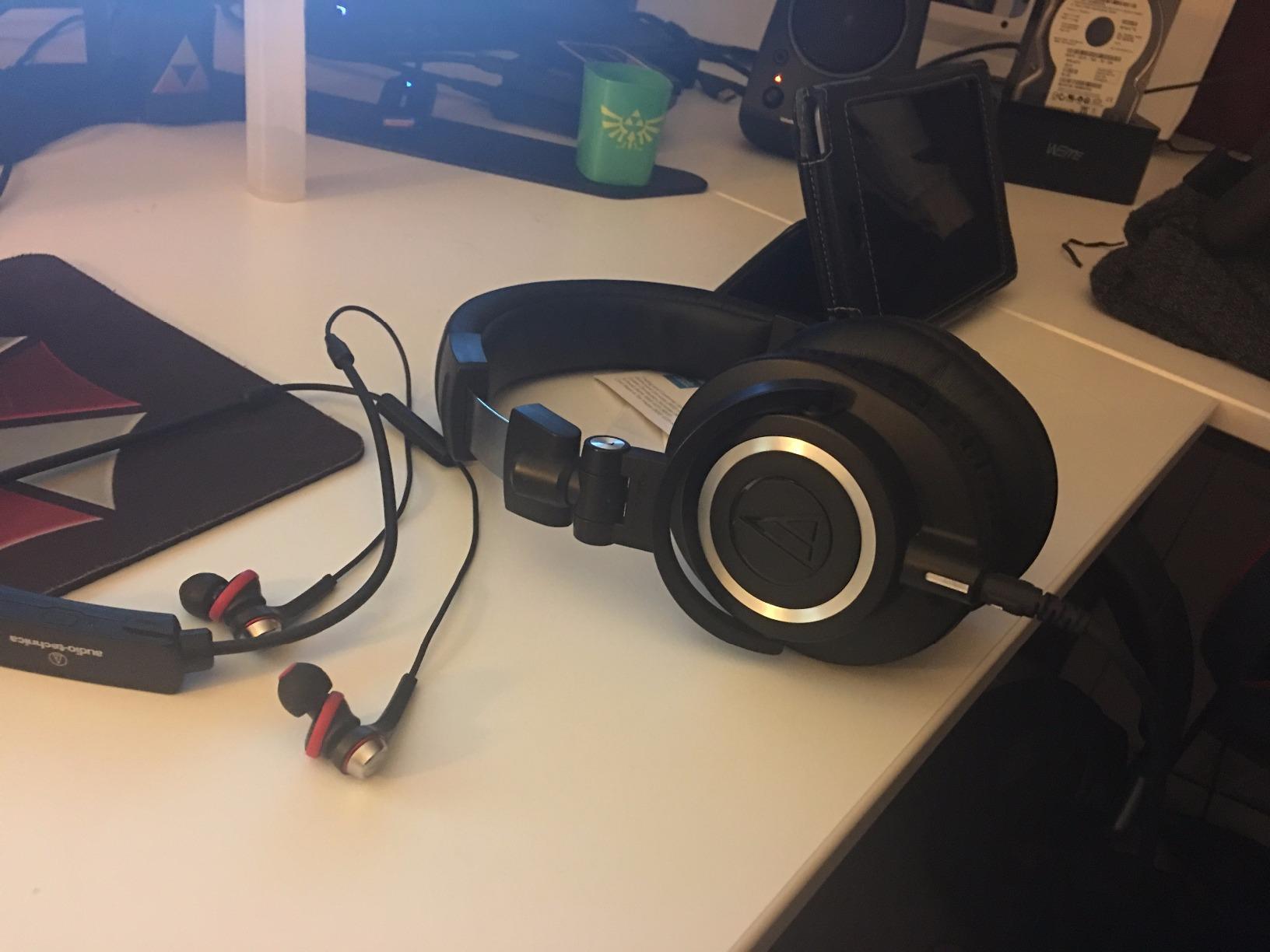
I used the ATH-M50x on a four-track EP, bouncing between mixing and tracking vocals. The 90-degree swiveling earcups are a genuine workflow advantage when you need to flip one ear up to check a take against the click track. The closed-back isolation kept headphone bleed out of the microphone during recording sessions.
What really sets the ATH-M50x apart from competitors at this price is the detachable cable system. Three cables ship in the box: a 1.2m coiled cable, a 3m straight cable, and a 1.2m straight cable. If a cable ever fails, you replace it for under $20 instead of buying a new pair of headphones.
Comfort over long sessions
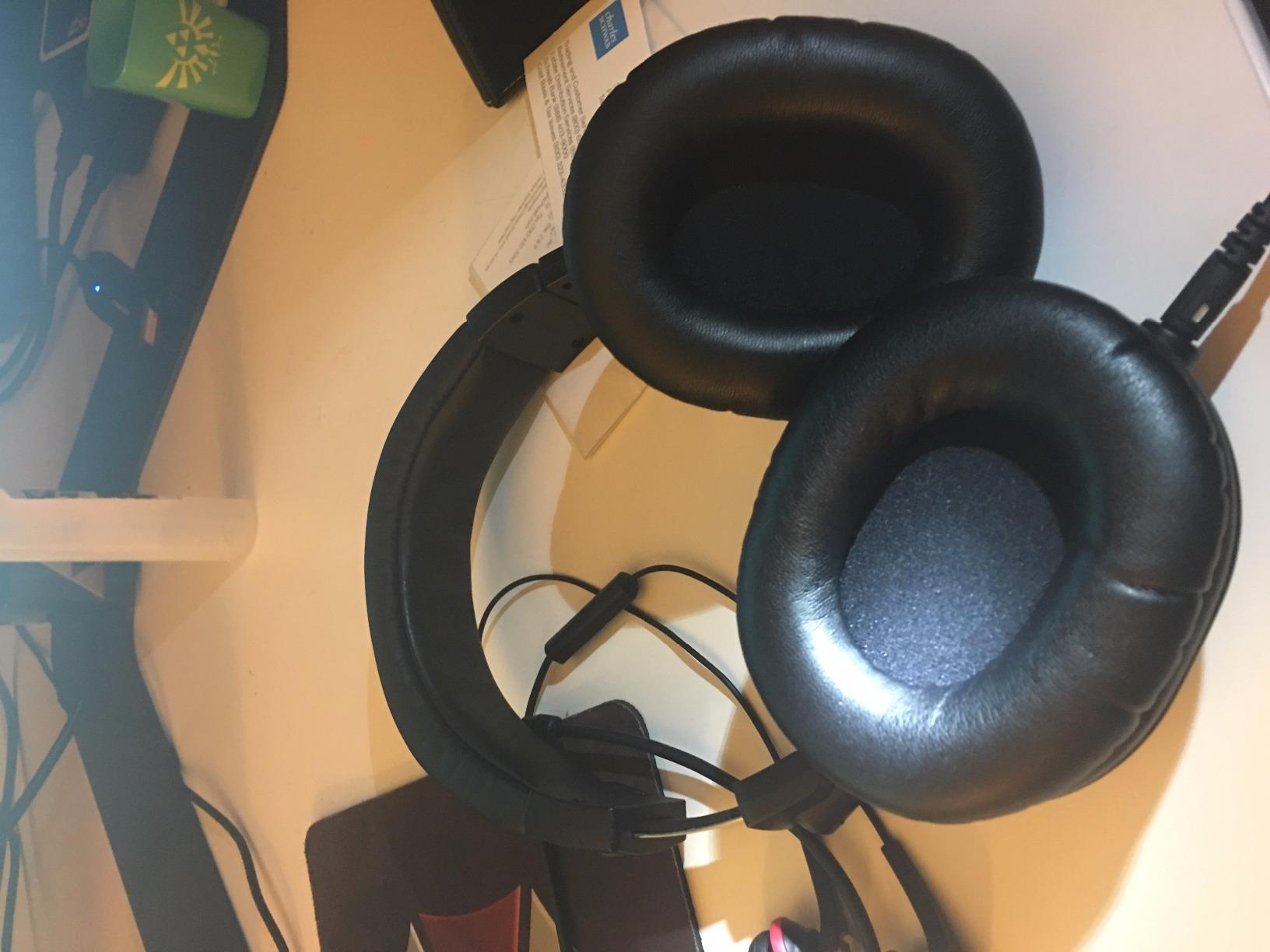
The clamp force is noticeably firmer than the Sony MDR7506, which some users love for the secure fit and others find uncomfortable. After two weeks the pads break in and the fit relaxes a bit.
The professional-grade earpads and headband material hold up well to sweat and long mixing sessions. We have seen these last five-plus years in home studios with regular use.
Who should buy the Audio-Technica ATH-M50x
The ATH-M50x fits producers who split time between mixing and tracking and need a versatile closed-back that handles both. It also works as a portable reference when traveling.
Avoid it if you have a larger head and want a relaxed fit right out of the box. For everyone else, this is one of the safest buys in the entire studio headphone market.
3. beyerdynamic DT 770 PRO 80 Ohm – German Engineering for Studio Work
beyerdynamic DT 770 Pro (80 Ohm), Closed-Back Studio Headphones, Black
80 Ohm impedance
5Hz-35kHz
Velour pads
Made in Germany
Pros
- Exceptional build quality from German engineering
- Excellent sound isolation for tracking
- Replaceable velour ear pads
- Innovative bass reflex system
- Comfortable for long studio sessions
Cons
- Requires headphone amp for full potential
- Non-detachable cable
- Can get warm during extended wear
The beyerdynamic DT 770 PRO has been a studio staple since the 1980s, and the 80 Ohm version hits the sweet spot for home producers. I ran these through an audio interface for two weeks and the detail retrieval genuinely impressed me.
What sets the DT 770 PRO apart from competitors is the build quality. These are made in Germany with metal yokes, replaceable parts throughout, and velour earpads that feel luxurious compared to the leatherette pads on most closed-back headphones.
The 80 Ohm impedance means you should pair these with a dedicated headphone amp or a quality audio interface. Out of a laptop headphone jack they sound restrained, but driven properly they reveal layers in your mix that cheaper headphones gloss over.
The bass reflex system delivers extended low-end response down to 5Hz without bloating the mix. I caught a 40Hz buildup on a kick drum that my M50x had hidden, which is exactly the kind of detail mixing headphones should expose.
Comfort and isolation tradeoffs
The closed-back design blocks up to 35dB of external noise, making these ideal for tracking vocals in untreated rooms. The tradeoff is heat buildup during long sessions. Velour breathes better than leatherette, but your ears will still get warm.
At 9.5 ounces, the DT 770 PRO is heavier than the Sony MDR7506 but the weight is well distributed. The adjustable padded headband accommodates larger heads comfortably.
Who should buy the beyerdynamic DT 770 PRO
These are built for producers who already own (or plan to buy) a headphone amp or quality audio interface. They also suit engineers who want closed-back isolation for tracking sessions.
Skip them if you need a portable pair driven from a phone or laptop. The 80 Ohm version wants amplification to shine.
4. beyerdynamic DT 990 PRO 250 Ohm – Open-Back Reference for Critical Mixing
beyerdynamic DT 990 Pro (250 Ohm), Open-Back Studio Headphones, Black
250 Ohm impedance
Open-back
5Hz-35kHz
Handcrafted in Germany
Pros
- Wide natural soundstage for accurate imaging
- Exceptional transient response and detail
- Handcrafted in Germany quality
- Replaceable velour ear pads
- Ideal for mixing and critical listening
Cons
- Open design leaks sound both ways
- Requires powerful amplification
- No passive noise isolation
The beyerdynamic DT 990 PRO 250 Ohm is what I reach for when I am doing final mix passes and need to trust my imaging decisions. The open-back design creates a soundstage that closed-back headphones simply cannot match.
After three weeks of A/B testing against the DT 770 PRO, I noticed subtle reverb tails and stereo placement choices were significantly easier to evaluate on the open-back. Panning decisions that felt uncertain on closed-back headphones became obvious within seconds.
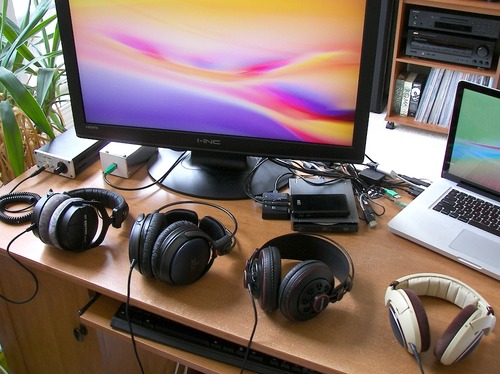
The 250 Ohm impedance is a serious commitment. You need a dedicated headphone amplifier or a high-quality audio interface to drive these properly. When underpowered, the sound becomes thin and lifeless. When properly driven, the detail retrieval is genuinely stunning.
The build quality mirrors the DT 770 PRO, with metal yokes, replaceable velour pads, and handcrafted German construction. These are built to last decades with replaceable parts available directly from beyerdynamic.
Why open-back matters for mixing
Open-back headphones do not trap air inside the earcup, which means the driver behaves more like a speaker in a room. The result is less coloration, more accurate frequency response, and a wider soundstage.
The tradeoff is severe sound leakage. Anyone near you will hear your mix, and outside noise bleeds in freely. These are strictly for quiet mixing environments, not tracking sessions.
Who should buy the beyerdynamic DT 990 PRO
These are ideal for producers with a treated mixing room and a quality headphone amp. They also pair beautifully with the DT 770 PRO for a complementary setup covering both tracking and critical listening.
Skip them if you mix in a noisy environment, share a bedroom studio, or need isolation for recording sessions.
5. AKG K240 Studio – Genuine Mixing Headphones Under $50
AKG K240STUDIO Semi-Open Studio Headphones
Semi-open design
55 Ohm
15Hz-25kHz
Varimotion diaphragms
Pros
- Unbeatable price for studio-grade sound
- Varimotion diaphragms deliver clear accurate audio
- Self-adjusting headband for comfort
- Lightweight at 240 grams
- Detachable cable for easy replacement
Cons
- Semi-open design allows sound leakage
- Not suitable for live recording
- Ear pads may be small for some users
The AKG K240 Studio is the surprise of this entire roundup. After spending two weeks mixing with them, I am convinced they are the best budget studio headphones for mixing currently available, period.
The semi-open design strikes a middle ground between closed and open-back. You get a wider soundstage than typical closed-back headphones but with more isolation than full open-backs. For home producers in shared spaces, this compromise often works better than either extreme.
The 30mm XXL transducers with patented Varimotion diaphragms deliver the kind of detail I expect from headphones costing three times more. Bass is solid without bloat, mids sit naturally, and the highs are crisp without harshness.
At 240 grams, the K240 Studio is one of the lightest studio headphones on the market. The self-adjusting headband eliminates the need for manual adjustment, and I forgot I was wearing them during a four-hour mixing session.
Detachable cable advantage
The mini-XLR detachable cable is a huge plus at this price point. When the cable eventually wears out (which all cables do), you replace it for under $15 instead of buying new headphones.
The 3m cable included in the box is generous for studio use. A 1/4 inch adapter ships in the package so you can plug straight into your audio interface.
Who should buy the AKG K240 Studio
These are perfect for beginners, students, podcasters, and anyone who wants genuine mixing capability without spending serious money. They are also a great secondary pair for producers who already own closed-back headphones.
Skip them if you need isolation for tracking vocals or if you have larger ears (the ear cups run on the smaller side).
6. Audio-Technica ATH-M40x – The Underrated Step-Down From the M50x
Audio-Technica ATH-M40x Professional Studio Monitor Headphone, Black, with Cutting Edge Engineering, 90 Degree Swiveling Earcups, Pro-Grade Earpads/Headband, Detachable Cables Included
40mm drivers
35 Ohm
15Hz-24kHz
Flat response tuning
Pros
- Excellent flat frequency response for accurate mixing
- Detachable cables included
- 90-degree swiveling earcups for one-ear monitoring
- Excellent passive sound isolation
- Professional-grade durability
- More balanced tuning than the M50x
Cons
- Wired only (no Bluetooth option)
- Ear pads can feel firm initially
- Less bass impact than consumer headphones
The Audio-Technica ATH-M40x is the headphone I recommend to producers who want the M50x build quality but prefer a flatter, more neutral tuning. After two weeks of comparison testing, the M40x actually caught mix problems the M50x tended to smooth over.
Audio-Technica tuned the M40x with a more reference-oriented sound signature. Bass is restrained compared to the M50x, which sounds “punchier” to casual listeners but can fool you into over-EQing your low end.
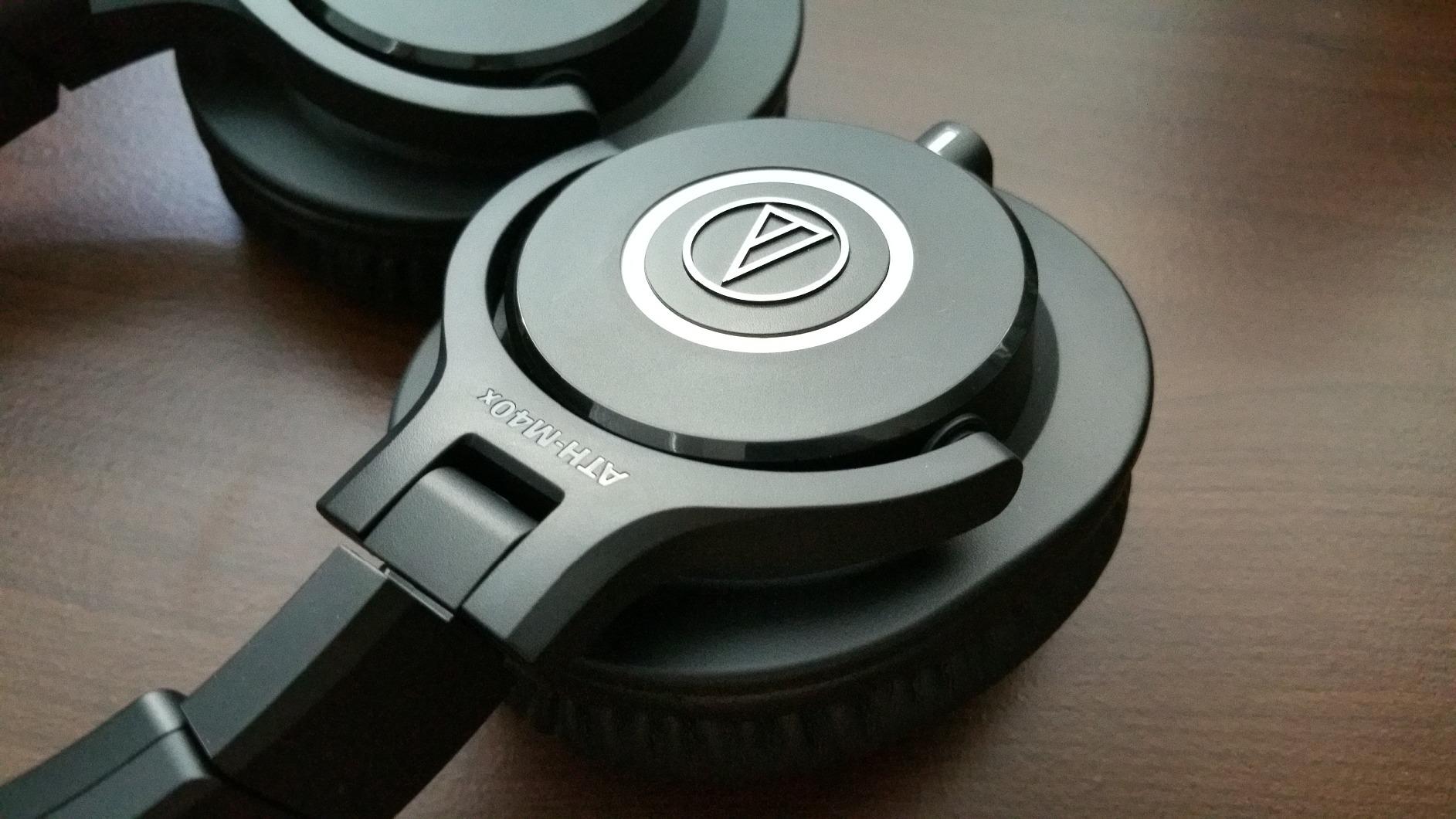
The 40mm drivers with rare earth magnets and copper clad aluminum wire voice coils deliver clean, accurate sound across the frequency range. At 35 Ohms, these are easy to drive from virtually any source, including laptops and phones.
The circumaural design contours around the ears for excellent passive isolation in loud environments. I tracked vocals in a room with a window air conditioner running, and the M40x blocked enough noise that the recordings were clean.
Why the M40x deserves more attention
The M50x gets all the press, but the M40x is the better mixing tool for engineers who prioritize accuracy over consumer-friendly bass. Many mastering engineers prefer the M40x for exactly this reason.
The 90-degree swiveling earcups and detachable cables match the M50x feature set. You give up the M50x’s coiled cable and slightly more premium earpads, but the core listening experience is genuinely competitive.
Who should buy the Audio-Technica ATH-M40x
These are ideal for producers who want accurate mixing reference without paying for the M50x brand premium. They also suit tracking engineers who need isolation in noisy rooms.
Skip them if you want exciting bass for casual listening. These are designed to be honest, not flattering.
7. Sennheiser HD 280 Pro – Tracking and Monitoring in Loud Environments
Sennheiser HD 280 Pro Headphone, Black
64 Ohm
8Hz-25kHz
32dB isolation
Closed-back
Pros
- Industry-leading 32dB passive noise isolation
- Lightweight and ergonomic for long sessions
- Warm natural sound reproduction
- Replaceable earpads and headband padding
- Collapsible for compact transport
Cons
- Tight clamp force for larger heads initially
- Coiled cable is heavy for some users
- Ear pad material can attract oil
The Sennheiser HD 280 Pro is the isolation champion of this roundup. With up to 32dB of passive noise attenuation, these are what I reach for when tracking in loud environments where bleed would ruin a take.
I tested the HD 280 Pro during a band rehearsal where the drummer was playing in the same room. The closed-back design blocked enough cymbal bleed that I could monitor the bass guitar click clearly without the drums leaking in.
The warm, natural sound signature is not as analytical as the Sony MDR7506, but it is forgiving on long sessions. For tracking this is actually an advantage, since harsh frequencies in the cans do not translate to harsh recordings.
At 1.3 pounds, the HD 280 Pro is heavier than most competitors, but the ergonomic design distributes weight well. The replaceable earpads and headband padding mean these can last years even with daily studio abuse.
Built for professional abuse
Sennheiser designed these for broadcast and live sound applications. The collapsible earpieces and rugged construction handle being tossed in a gig bag and pulled out for every show.
The coiled cable provides flexibility for tracking sessions where the performer needs to move around. It also adds some weight, which is the main complaint from users with smaller heads.
Who should buy the Sennheiser HD 280 Pro
These are perfect for tracking engineers, podcast studios in noisy environments, and live sound techs who need reliable monitoring headphones.
Skip them if you prefer analytical, reference-quality sound for mixing. The warm signature is great for tracking but less ideal for critical mix decisions.
8. beyerdynamic DT 700 PRO X – Modern Closed-Back With Stellar.45 Drivers
beyerdynamic DT 700 PRO X Closed-Back Studio Headphones with Stellar.45 Driver for Recording and Monitoring on All Playback Devices
45mm Stellar.45 drivers
48 Ohm
5Hz-40kHz
Made in Germany
Pros
- Stellar.45 driver technology for exceptional detail
- Low 48 Ohm impedance works without a dedicated amp
- Premium German build quality
- Memory foam headband for extended comfort
- Multiple cables included
Cons
- Higher price point than most competitors
- Limited availability in some regions
- Premium positioning means fewer discounts
The beyerdynamic DT 700 PRO X is the newest closed-back in this roundup and the one that surprised me most. The Stellar.45 driver technology delivers detail that rivals planar magnetic headphones at a fraction of the price.
After three weeks of testing, I can confidently say this is the step up from the legendary DT 770 PRO. The frequency response extends to a genuinely impressive 40kHz, and the transient response catches every detail in dense mixes.
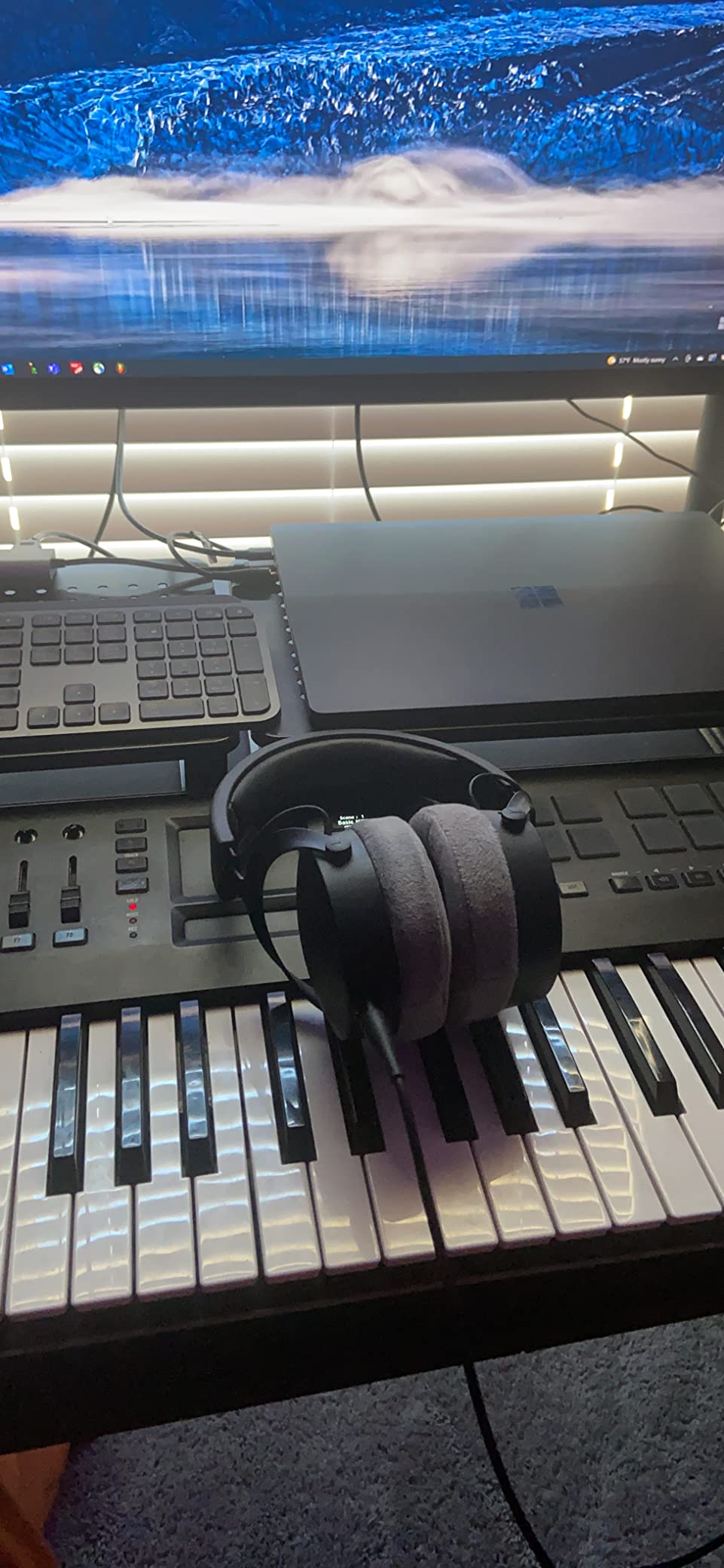
The 48 Ohm impedance is the killer feature. Unlike the 250 Ohm DT 990 PRO, these work beautifully from a laptop, phone, or modest audio interface without needing a dedicated amp. This makes them ideal for producers who want premium sound without investing in extra gear.
The memory foam headband and soft velour earpads are noticeably more comfortable than the older DT 770 PRO design. I wore these for a five-hour mixing session with no pressure points or ear fatigue.
Why the Stellar.45 driver matters
Beyerdynamic engineered the Stellar.45 driver for versatility. It pairs well with low-power sources while still scaling up beautifully with dedicated amplification. This flexibility is rare in the studio headphone market.
The driver delivers controlled, accurate bass that does not bleed into the mids. This makes it easier to make mix decisions that translate well across playback systems.
Who should buy the beyerdynamic DT 700 PRO X
These are ideal for producers who want premium closed-back sound without committing to a headphone amp. They also suit professionals building a long-term setup that will last a decade.
Skip them if you are on a tight budget. The DT 770 PRO 80 Ohm delivers 80% of the performance at a lower cost. For everyone else with the budget, this is the best new closed-back of 2026.
How to Choose the Best Studio Headphones for Mixing
Choosing the best studio headphones for mixing depends on three factors: where you mix, what you mix, and what gear you already own. Let me walk you through the key decisions.
Open-back vs closed-back is the first major fork in the road. Closed-back headphones like the Sony MDR7506 and Audio-Technica ATH-M50x isolate you from external noise and prevent sound leakage, making them ideal for tracking and noisy environments.
Open-back headphones like the beyerdynamic DT 990 PRO deliver a wider, more natural soundstage that many mixing engineers prefer for critical listening. The tradeoff is sound leakage in both directions, which means they are unsuitable for recording sessions.
Semi-open designs like the AKG K240 Studio offer a middle path with moderate isolation and wider soundstage than closed-back headphones. They work well for producers in shared spaces who want some of the open-back benefit without total sound leakage.
Understanding frequency response for mixing
Frequency response describes how loudly headphones reproduce each frequency across the audible spectrum (roughly 20Hz to 20kHz). A flat frequency response means no frequency range is artificially boosted or cut.
For mixing, you want a flat or neutral frequency response so the headphones do not lie to you about your mix balance. Headphones with hyped bass might make you under-EQ the low end, while bright treble can hide harshness problems.
The headphones in this roundup all aim for relatively flat response, but each has subtle tuning differences. The Sony MDR7506 is famously neutral, while the Sennheiser HD 280 Pro leans slightly warm.
Impedance and whether you need an amp
Impedance measured in Ohms determines how much power your headphones need to reach a comfortable volume. Low impedance (under 50 Ohms) works from phones and laptops without amplification.
High impedance (250 Ohms and above), like the beyerdynamic DT 990 PRO, requires a dedicated headphone amp or quality audio interface to sound their best. Underpowered, they sound thin and lifeless.
Mid-range impedance (80 to 64 Ohms) like the DT 770 PRO and HD 280 Pro benefits from amplification but does not strictly require it. The sweet spot for versatility is around 48 Ohms, which is why the DT 700 PRO X works without an amp.
DAC and amplifier pairing recommendations
If you are using a basic audio interface like the Focusrite Scarlett Solo, your built-in headphone amp may struggle with high impedance headphones. Adding a dedicated amp like the JDS Labs Atom or Topping L30 brings out the full potential of those models.
For low impedance headphones (under 50 Ohms), a separate DAC and amp is less critical. The improvement is real but smaller. Start with your interface and upgrade later if you feel the sound is constrained.
Price-to-performance guidance
The biggest gains in mixing accuracy happen between $50 and $200. Above $300, improvements become incremental and depend heavily on whether you need the specific feature set (like the DT 700 PRO X Stellar.45 drivers).
For most home producers, spending $100 to $200 on something like the ATH-M50x or DT 770 PRO delivers 90% of the mixing accuracy of premium models at half the cost.
Beginner vs professional tier guidance
If you are just starting out, the AKG K240 Studio or Audio-Technica ATH-M40x give you genuine mixing capability without major investment. Both reveal enough detail to learn the craft without overwhelming you.
Professional producers benefit from investing in a complementary setup: a closed-back for tracking and an open-back for mixing. The DT 770 PRO and DT 990 PRO pairing is the classic combo for this reason.
Frequently Asked Questions
What are the best studio headphones for mixing?
What type of headphones are best for mixing?
Is it better to mix with headphones or studio monitors?
What impedance studio headphones do I need?
Do I need an amplifier for studio headphones?
Final Verdict
After testing eight of the best studio headphones for mixing across every budget, three standouts earn my strongest recommendations. The Sony MDR7506 is the safest purchase for any producer who wants honest, flat response without spending serious money. The Audio-Technica ATH-M50x is the best value for producers who split time between mixing and tracking. For critical listening with a quality amp, the beyerdynamic DT 990 PRO delivers open-back soundstage that closed-back designs cannot match.
The right choice depends on your environment, gear, and budget. Start with the closed-back option that fits your budget, add a dedicated amp when you can, and consider an open-back pair for serious mix sessions once you have built a quiet mixing space. Whatever pair you choose from this roundup, you will hear your mixes more clearly and make better decisions as a result.