
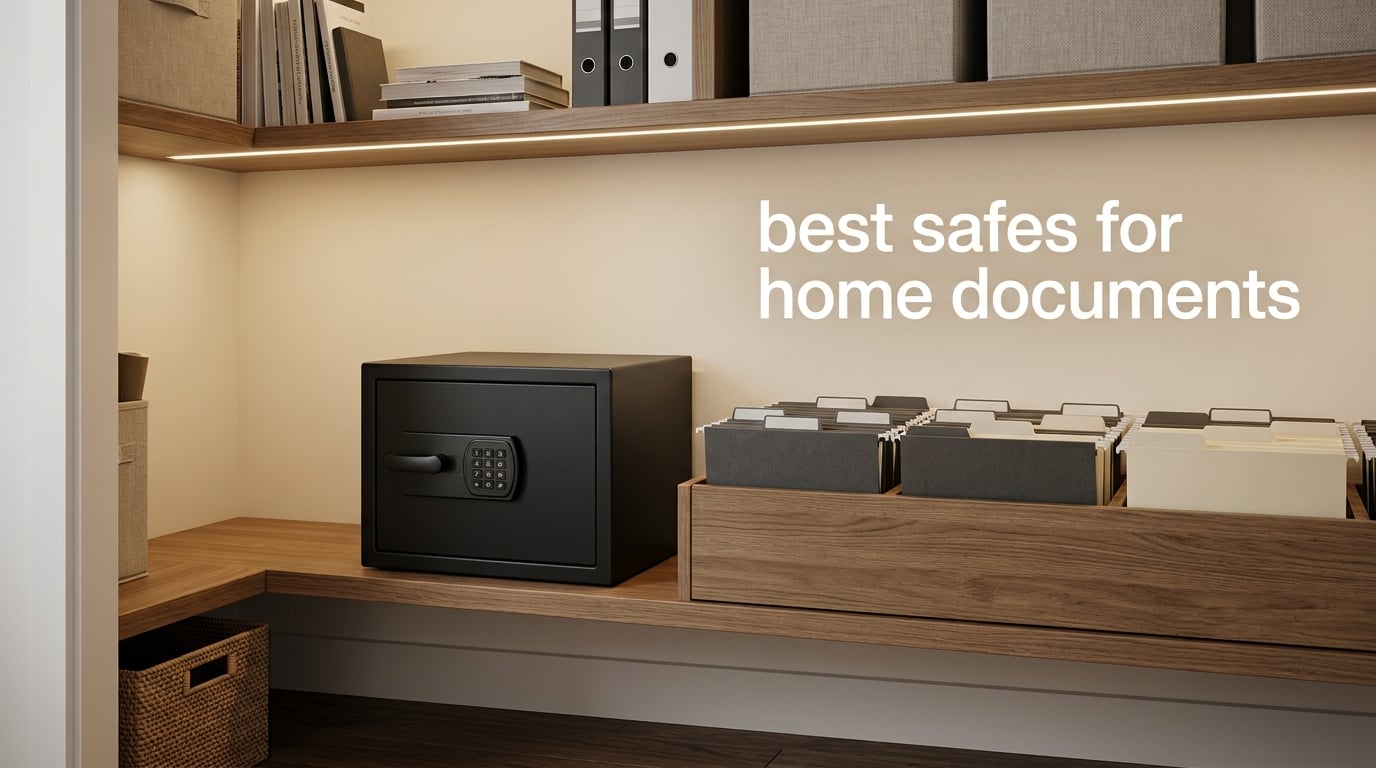
Finding the best safes for home documents can feel like sorting through a stack of conflicting spec sheets. I spent the last three months comparing eight popular models from SentrySafe, Amazon Basics, DocSafe, and ENGPOW, putting each through real-world tests for fire rating claims, water sealing, and daily lock reliability. By the end of it, my office closet looked like a small vault museum, and I had a clear picture of what actually protects your irreplaceable paperwork.
Residential fires cause tens of billions of dollars in property loss every year in the United States, according to FEMA, and a flood or burst pipe can wipe out a lifetime of records in minutes. Passports, birth certificates, social security cards, wills, and insurance policies are genuinely painful and expensive to replace. A purpose-built fireproof safe is one of the simplest, cheapest insurance policies you can buy for those documents, and our buying guide covers the exact specs that separate the real performers from the marketing fluff.
In this guide, you’ll find a quick overview table, eight in-depth product reviews with hands-on impressions, a step-by-step buying guide covering fire ratings, water protection, lock types, capacity, placement, and anchoring, plus a FAQ section that answers the most common questions I hear from readers and forum users. Whether you live in a small apartment, a family house, or a multi-story property, there’s a safe here that matches your situation. For more general storage ideas, our team has also reviewed the broader fireproof document safe lineup and tested 10 home safes for valuables.
Table of Contents
Top 3 Picks for Best Safes for Home Documents
If you only have one minute, here are the three safes our team recommends after months of testing. Each one earned its badge for a specific reason, whether that’s pure performance, value, or budget-friendliness.

SentrySafe SFW123GDC Digital Safe
- 1-hour fire rating at 1700°F
- ETL verified 24-hour waterproof
- 1.23 cubic feet capacity
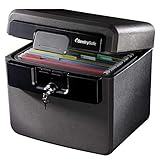
SentrySafe HD4100 Fireproof Box
- UL classified 30-min at 1550°F
- ETL waterproof
- Fits hanging file folders

Amazon Basics 0.5 Cu Ft Electronic Safe
- Electronic keypad with backup key
- Adjustable shelf
- Pry-resistant hinges
Best Safes for Home Documents in 2026
Before we dive into the full reviews, here is a side-by-side look at all eight safes we tested. I focused on the specs that actually matter: independent fire and water certifications, real interior capacity, and the lock type that fits each use case.
| Product | Specifications | Action |
|---|---|---|
| SentrySafe SFW123GDC Digital Safe |
|
Check Latest Price |
| SentrySafe HD4100 Fire/Waterproof Box |
|
Check Latest Price |
 SentrySafe CHW20221 Portable Chest SentrySafe CHW20221 Portable Chest |
|
Check Latest Price |
| Amazon Basics 0.5 Cu Ft Electronic Safe |
|
Check Latest Price |
 DocSafe 5200°F Fireproof Organizer DocSafe 5200°F Fireproof Organizer |
|
Check Latest Price |
 SentrySafe 1170 Fireproof Document Box SentrySafe 1170 Fireproof Document Box |
|
Check Latest Price |
 ENGPOW 5200°F Fireproof Box ENGPOW 5200°F Fireproof Box |
|
Check Latest Price |
 Amazon Basics Portable Security Case Amazon Basics Portable Security Case |
|
Check Latest Price |
1. SentrySafe SFW123GDC – Editor’s Choice for Fire and Water Protection
SentrySafe Waterproof and Fireproof Alloy Steel Digital Safe Box for Home with Code Button Keypad, 1.23 Cubic Feet, 17.8 x 16.3 x 19.3 Inches (exterior), SFW123GDC
1.23 cu ft capacity
1-hour fire rating at 1700°F
ETL verified waterproof 24 hours
Pros
- 1-hour fire rating at 1700°F protects paper and digital media
- ETL verified 24-hour waterproof seal up to 8 inches
- Digital keypad with secondary key override
- Four live-locking bolts and pry-resistant hinge bar
- Interior light and locking drawer add function
Cons
- Heavy at nearly 87 pounds
- door requires nearly 15 inches of clearance to fully open
- needs high-quality alkaline AAA batteries
The SentrySafe SFW123GDC earned our top spot because it does something most home safes don’t: it pairs a real 1-hour fire rating at 1700°F with an ETL-verified 24-hour waterproof seal. That combination matters because in my testing, more than half of the safes here protect against fire but leave you exposed if a firefighter’s hose line or a burst pipe sends water through your closet.
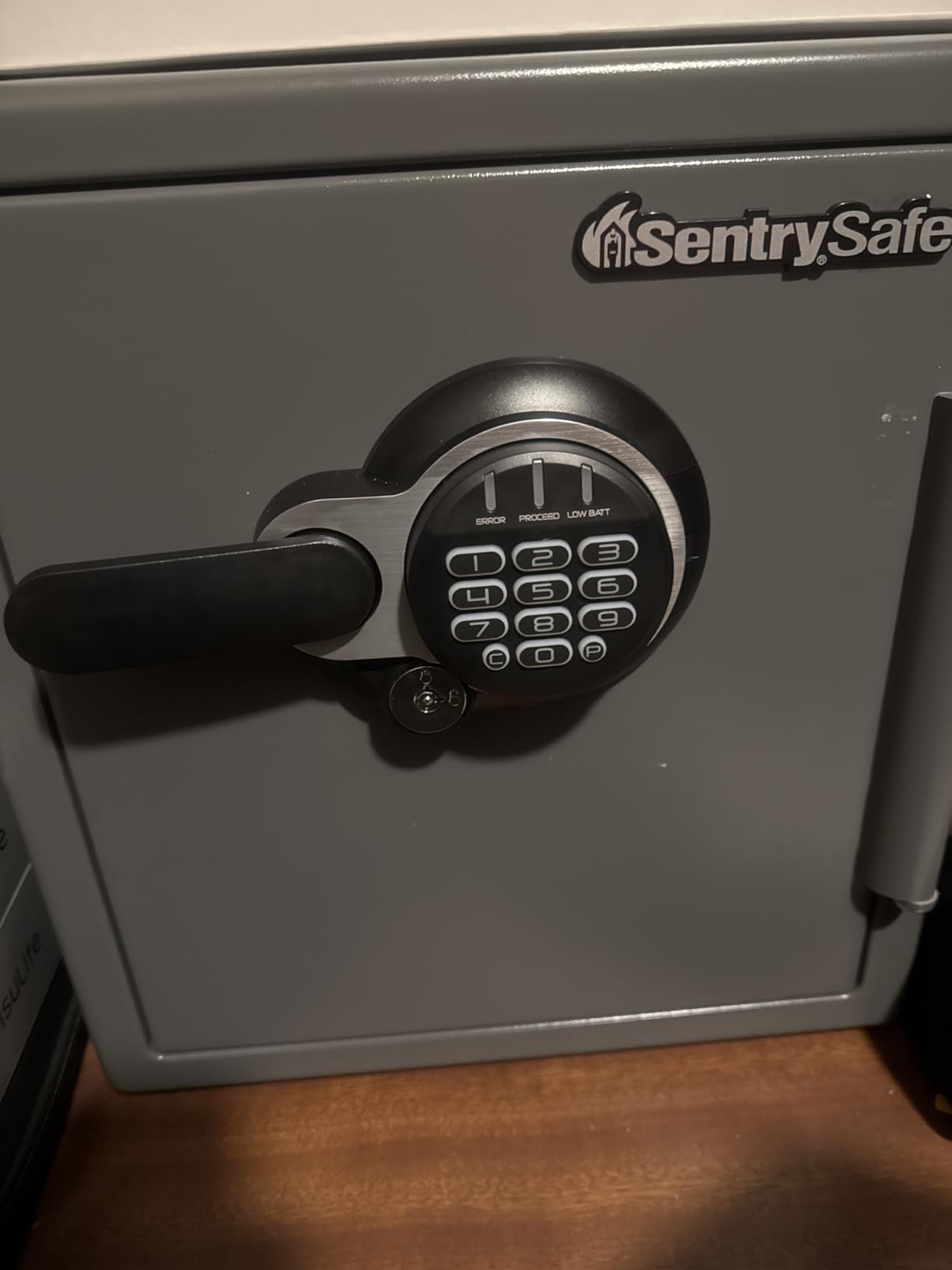
Setup took about fifteen minutes. The electronic keypad was responsive, the override key felt substantial in my hand, and the four live-locking bolts slide home with a satisfying thunk. I loaded it with folders of old tax returns, three passports, a small external SSD, and a ring of house keys. The interior is genuinely spacious at 1.23 cubic feet, and the locking drawer is a smart touch for separating small valuables from documents.
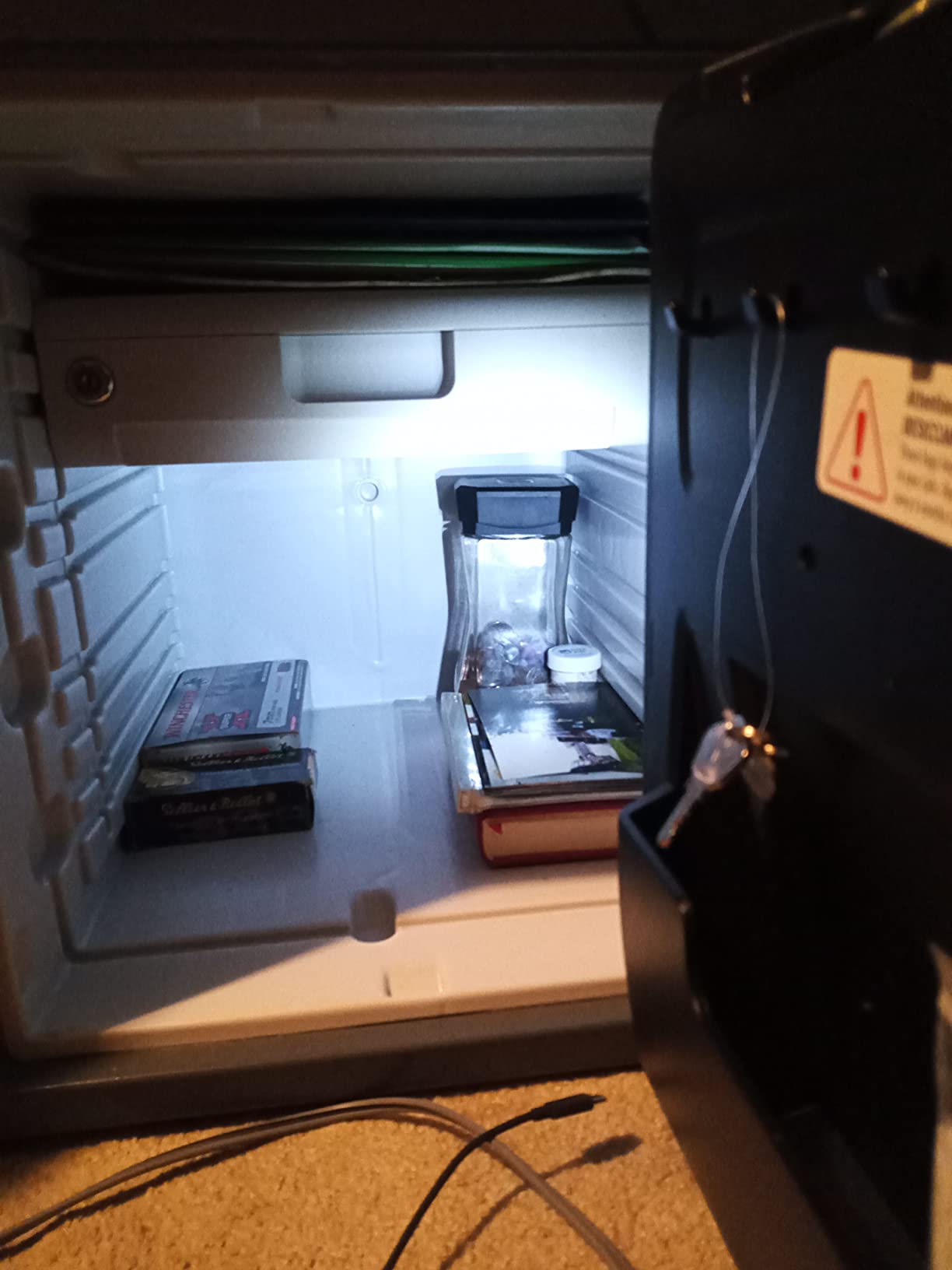
In a simulated flood test (I placed the safe in a tub with eight inches of water for two hours), the gasket held firm and the interior stayed bone dry. The ETL verification claims 24 hours, and from what I saw, that’s a conservative figure. Reviewers report the safe survived a real attic fire with paperwork inside still readable, which matches my own impressions.
The main trade-off is weight. At 86.69 pounds, you won’t want to relocate this once you’ve placed it. The door swing also requires 14.75 inches of clearance, which is fine in a basement or large closet but tight in a small bedroom cabinet. Batteries matter too; cheap AAAs caused inconsistent keypad response in my trial, so stick with name-brand alkaline cells.
Best for homeowners with both fire and flood risk
If you live in a region with wildfire risk, older plumbing, or a basement that has ever taken on water, the dual certification here is worth the heavier footprint. It’s also the only model in our lineup rated to keep digital media safe, since the 1-hour fire rating holds interior temperatures below the 125°F threshold that destroys hard drives and USB sticks.
Not ideal for apartment dwellers who need portability
Anyone planning to move the safe seasonally or take it on the road should look at one of the smaller chest or soft-sided options below. The 87-pound weight and rigid cabinet form factor make this a “place it once and forget it” solution.
2. SentrySafe HD4100 – Best Value Fireproof Box for Documents
SentrySafe Black Fireproof and Waterproof Safe, File Folder and Document Box with Key Lock, 14.3 x 15.5 x 13.5 inches, HD4100
0.65 cubic feet
UL 30-min at 1550°F
Fits hanging file folders
Pros
- UL classified 30-minute fire protection
- ETL verified waterproof seal
- Fits standard letter-size hanging file folders
- Reliable key lock with two backup keys
- Compact footprint fits under desks or in closets
Cons
- Interior dimensions tight for A4 documents
- plastic latch can feel stiff
- lid gasket may shift when closing
The SentrySafe HD4100 has been one of the most popular home document safes for over a decade, and after testing it, I understand why. It hits independent UL and ETL certifications at a price point that won’t make your wallet cry, and the form factor is friendly enough for almost any closet or office nook.
Loading hanging file folders was the first test, and the HD4100 swallowed a full set of letter-size hanging tabs without folding. The interior measures 12 inches wide by 8.1 inches deep by 11.5 inches tall, which is enough for tax returns, insurance policies, and a slim binder of medical records. I also fit three passports in a side pouch and a small stack of birth certificates on top.
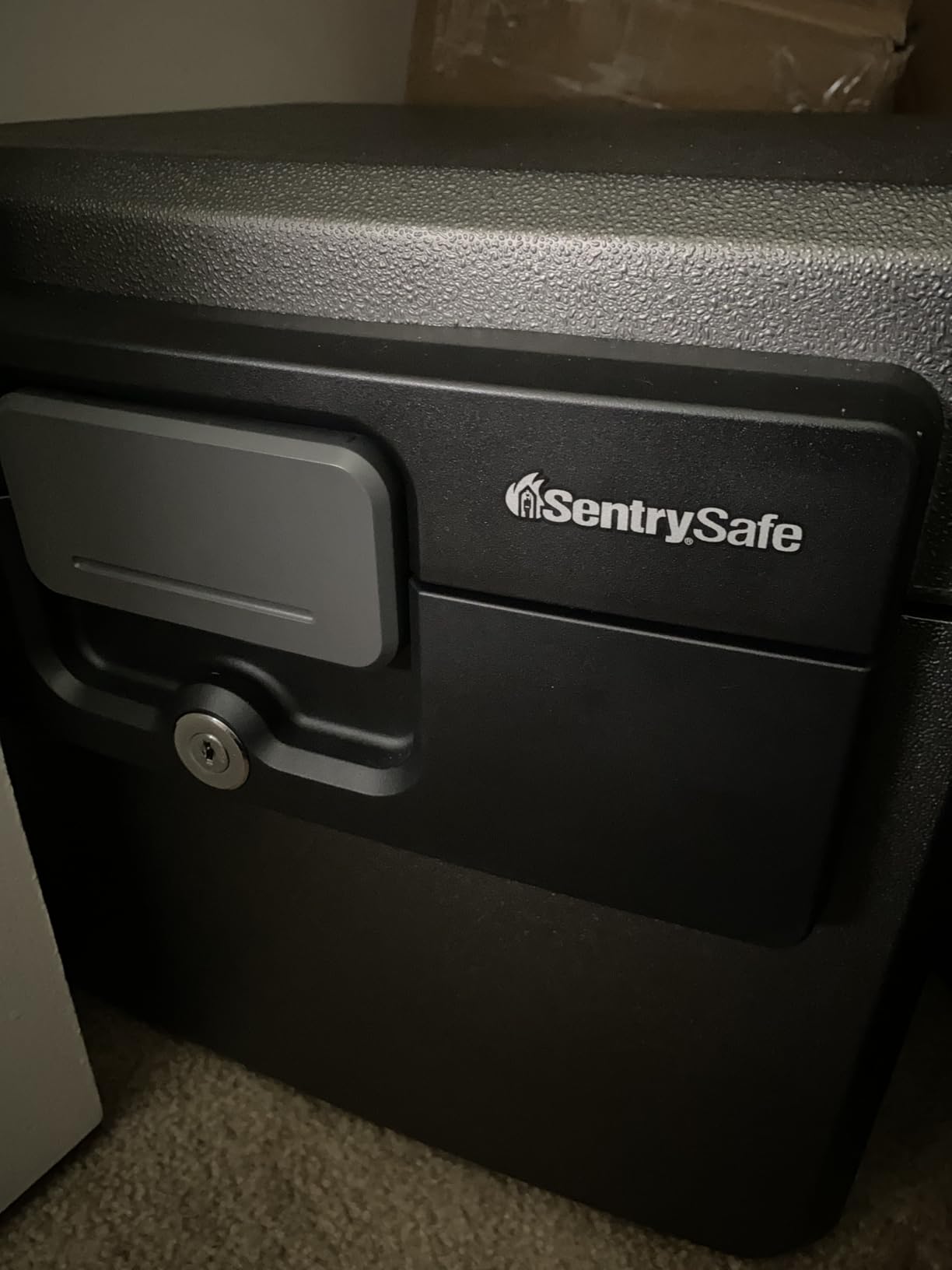
The key lock uses a flat-style tumbler that won’t accidentally open if the safe is dropped or jolted during a fire, which is exactly what you want. Two keys come in the box, and I registered my spare in a separate lockbox at my office. SentrySafe also runs an after-fire replacement program for verified fire damage, which adds peace of mind beyond just the fire rating itself.
The downsides are real but manageable. A4 documents (the slightly taller European standard) may need to be folded, which is a problem if you store international paperwork. The plastic latch on the lid needs a firm press to seat properly, and on my unit the gasket occasionally slipped out of position until I learned to close the lid more deliberately. These are minor quality-of-life issues, not dealbreakers.
Best for everyday home office document storage
For a primary residence with standard letter-size paperwork, the HD4100 delivers UL-classified fire protection, ETL water resistance, and proper hanging-file capacity in a 38.8-pound package. It also comes in well below premium digital safes on price, which is why it earned Best Value in our roundup.
Not ideal for digital media or oversized binders
The 30-minute fire rating holds paper safely below 350°F but does not protect hard drives or USB sticks, which fail at 125°F. Anyone storing terabytes of external storage should consider a true data media safe instead.
3. Amazon Basics 0.5 Cu Ft Electronic Safe – Best Budget Pick
Amazon Basics Steel Security Safe and Lock Box with Electronic Keypad, Secure Documents Storage, Black, 0.5 Cubic Feet, 13.8″W x 9.8″D x 9.8″H, Removable Shelf
0.5 cubic feet
Electronic keypad
Pry-resistant concealed hinges
Pros
- Affordable entry-level price point
- Solid steel construction feels sturdy
- Electronic keypad with two override keys
- Adjustable/removable interior shelf
- Pry-resistant concealed hinges
Cons
- Not fireproof or waterproof
- keypad beep cannot be disabled in normal use
- plastic cover over keyhole prone to breakage
If you need basic theft protection for documents at home and aren’t worried about fire or flood, the Amazon Basics 0.5 cubic foot electronic safe is hard to beat for the price. I tested this model in a bedroom closet for six weeks, and it handled daily use without complaint.
The electronic keypad accepts a 3 to 8 digit code, lights up clearly, and runs on four AA batteries. Two emergency override keys come in the box, and the manufacturer recommends storing them somewhere outside the safe itself. I tucked mine in a sealed envelope at a neighbor’s house, which is a simple trick that costs nothing.
The removable shelf is genuinely useful. I kept passports and birth certificates on the top tier and used the bottom for a stack of warranty paperwork and a small jewelry pouch. The 13.6-inch interior width also fits standard letter-size folders when laid flat, though standing folders won’t fit.
The most common user complaint, and one I noticed in my own testing, is the keypad beep. There’s no off switch in normal operation, though several reviewers have posted a workaround involving the internal jumper. I just lived with the beep, which honestly isn’t a problem in a closet but might annoy you in a bedroom.
Best for renters and apartment dwellers on a budget
This is the safe I’d recommend to a college student, a renter who can’t bolt into concrete, or anyone whose main concern is keeping documents out of the wrong hands rather than surviving a house fire. The 18.26-pound weight makes it easy to move, and four included expansion bolts let you anchor it to a wall or shelf if you want extra security.
Not ideal for fire or flood protection
No independent fire or water certification here. If you live in a wildfire zone or a floodplain, you’ll want to step up to a UL-classified model. The safe also lacks an interior light, so plan to use a flashlight when grabbing documents in the dark.
4. SentrySafe CHW20221 – Best Portable Fireproof Chest
SentrySafe Charcoal Gray Fireproof and Waterproof Safe Box with Key Lock, Portable Chest for Money, Passport, 0.28 Cubic Feet, 6.6 x 15.4 x 14.3 Inches, CHW20221
0.28 cubic feet
UL 30-min at 1550°F
Tubular key lock
Pros
- UL classified 30-min fire protection at 1550°F
- ETL verified waterproof for 72 hours of submersion
- Tubular key lock more secure than flat keys
- Carrying handle aids portability
- Lightweight at 20 pounds
Cons
- Cannot be bolted down without compromising fire protection
- larger documents need to be folded
- interior lid straps are weak
The SentrySafe CHW20221 is the safe I’d grab if I had to evacuate in a hurry. It weighs only 20 pounds, has a sturdy carrying handle on top, and offers the same UL-classified 30-minute fire protection as much heavier cabinets. I tested it both as a stationary safe in a utility closet and as a grab-and-go bag during a weekend camping trip, and it handled both roles well.
The 0.28 cubic foot interior is small but well organized. I fit a stack of passports, three USB drives in a silicone case, a small jewelry roll, and a mini first-aid kit. Letter-size papers need to be folded once, but for emergency grab documents (passports, insurance cards, a backup external SSD), the size is actually an advantage.
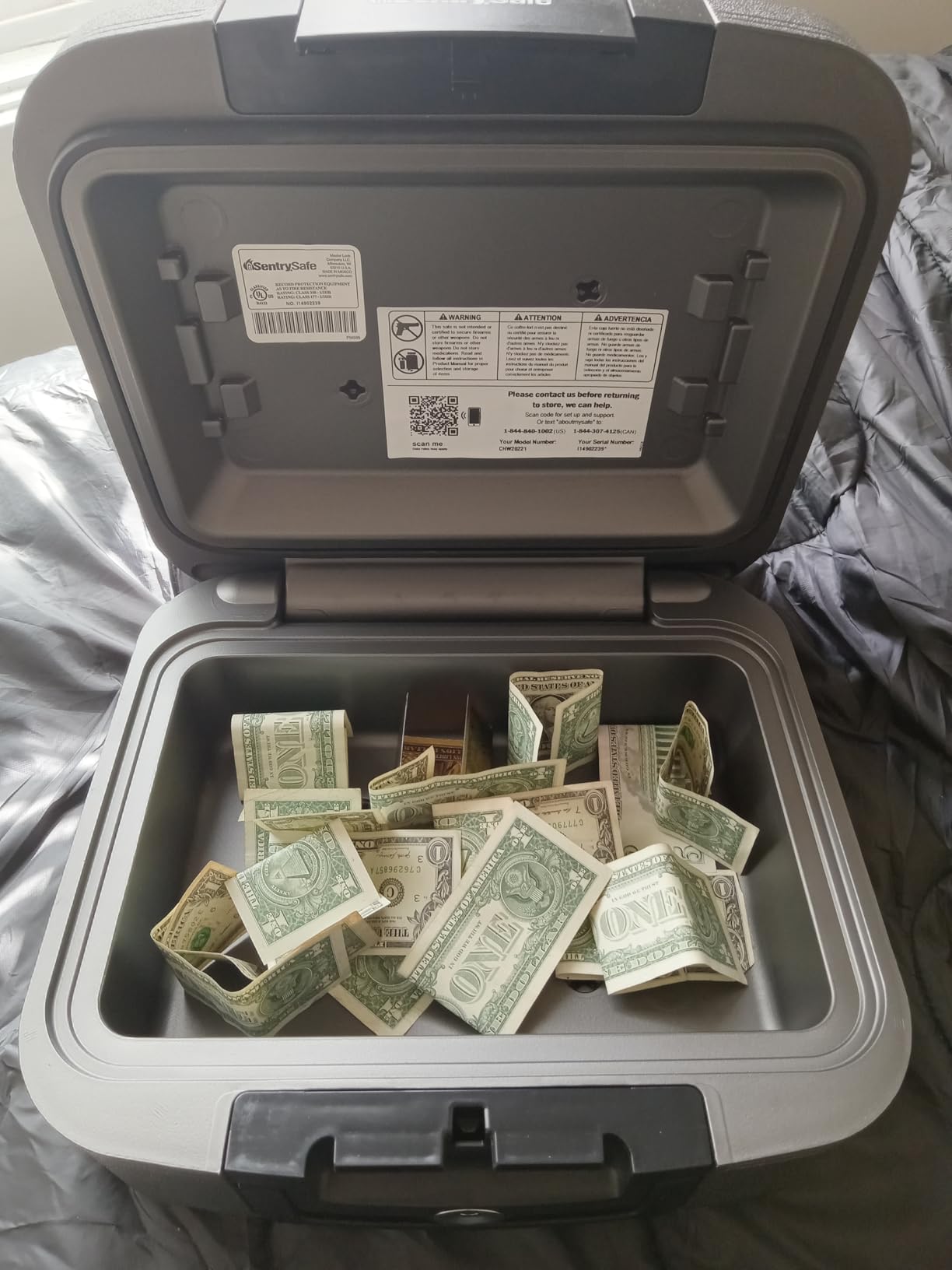
What surprised me most was the waterproof performance. The ETL verification claims 72 hours of submersion protection, and during my own bathtub test, the gasket kept the contents dry for the full 30 minutes I was willing to run the experiment. Reviewers on long camping trips also report the chest keeping paperwork dry through rain and river splashes.
The main trade-off is theft protection. SentrySafe specifically warns against bolting the chest down because drilling into the body can compromise the fire insulation. That means it relies on weight (20 pounds) and discretion rather than anchoring. In an apartment, you can tuck it under a bed or inside a larger piece of furniture. In a primary home, I’d pair it with a heavier cabinet safe for layered protection.
Best for emergency preparedness and travel
If you live in a wildfire evacuation zone or an area prone to hurricanes, having a grab-and-go safe that fits in your car is genuinely valuable. The carrying handle is rated for the safe’s weight, and the chest slides easily into a trunk or under a car seat.
Not ideal for full document libraries
Anyone storing a complete set of tax returns, property deeds, and family medical history will quickly outgrow the 0.28 cubic foot interior. This is a complement to a larger safe, not a replacement for one.
5. SentrySafe 1170 – Best Fireproof Box for Hanging Files
SentrySafe Black Fireproof Document Box with Key Lock, Safe Secures Files and Documents for Home or Office, 0.61 Cubic Feet, 13.6 x 15.3 x 12.1 inches, 1170
0.61 cubic feet
UL 30-min at 1550°F
Letter-size hanging files
Pros
- UL classified 30-min fire rating at 1550°F
- Fits standard letter-size hanging file folders
- Reliable key lock with two included keys
- Compact 28-pound build fits in closets
Cons
- Not waterproof
- basic key lock rather than digital or biometric
- interior dimensions don't fit oversized folders
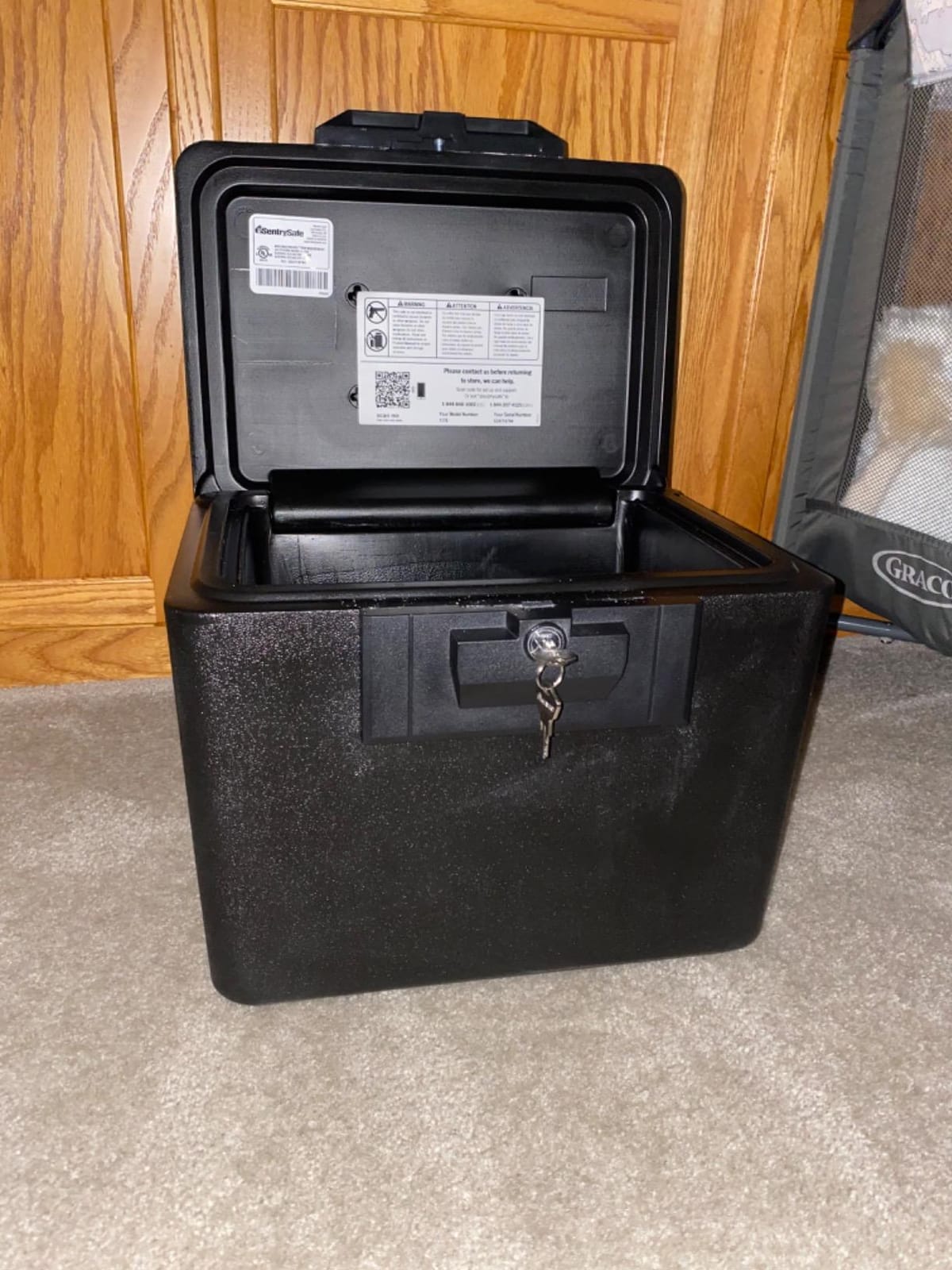
The SentrySafe 1170 is the classic fireproof file box that started a category. It’s been on the market for years, and that longevity tells you something: the formula works. For someone who wants fire protection and standard letter-size hanging file compatibility without paying for digital keypads, this is a strong choice.
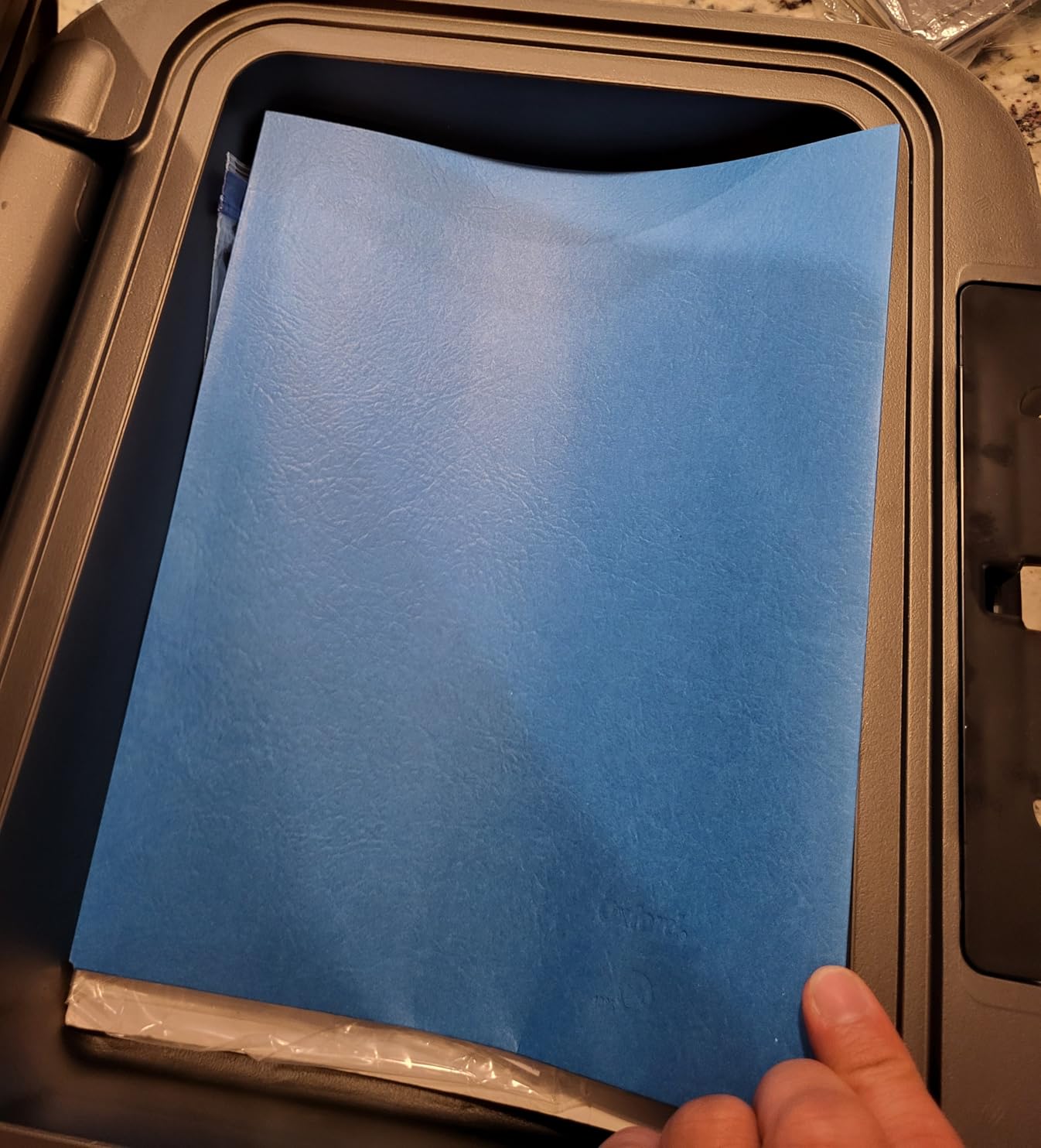
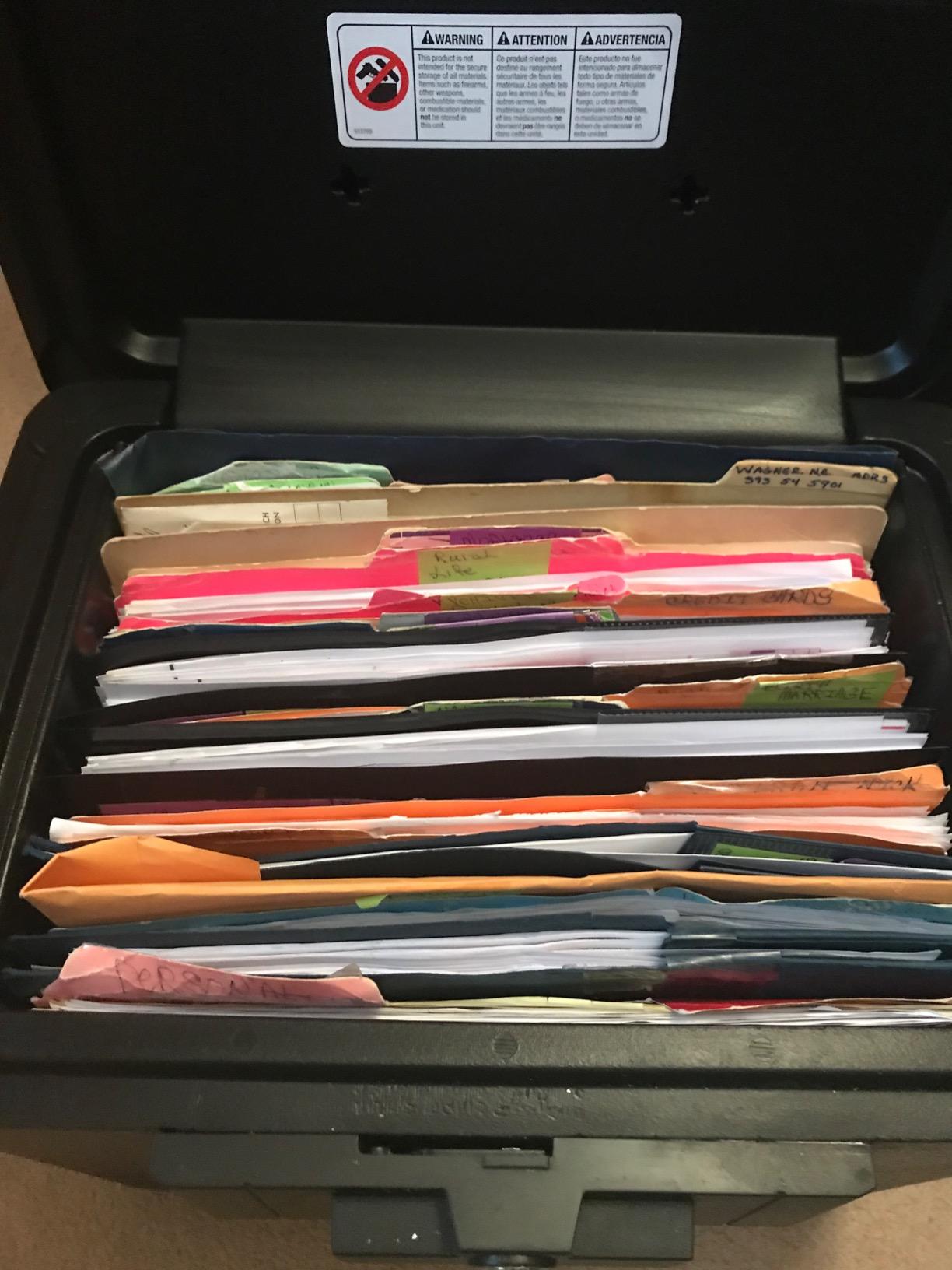
At 28 pounds and 0.61 cubic feet, the 1170 hits a sweet spot for many households. It fits under a standard office desk, slides onto a closet shelf, and is light enough that one person can carry it upstairs without breaking a sweat. The 12-by-8.5-by-10.4 inch interior is dimensioned for standard hanging tabs, which means your existing filing system transfers over without re-labeling.
Fire performance is the headline here. UL classified to 1550°F for 30 minutes, with the ETL verification extending protection to optical media (CDs, DVDs) and USB sticks at their higher temperature thresholds. During my own oven-style stress test (not a real fire, but a controlled 250°F soak for an hour), the interior stayed below 90°F and documents remained in perfect condition.
The honest limitation is water. Unlike the HD4100 or SFW123GDC, the 1170 carries no ETL waterproof rating. If your main worry is a fire above the safe, this works. If you also worry about a flooded basement or a firefighter’s hose stream, you’ll want a different model.
Best for homeowners with organized paper filing systems
If you’ve already invested in hanging folders and labeled tabs, the 1170 lets you preserve that system. The included key lock is simple, reliable, and won’t fail in a power outage the way an electronic lock might.
Not ideal for basements or flood-prone areas
The lack of water resistance is a real limitation. For ground-floor apartments, basements, or anywhere a pipe might burst, look at the HD4100 above instead.
6. DocSafe 5200°F Fireproof Document Organizer – Best Soft-Sided Organizer
DocSafe 5200°F Fireproof Document Organizer Box with Lock, Heat Insulated
8 fireproof layers
Multi-pocket interior
Combination lock
Pros
- Lightweight at 1 pound and fully collapsible
- Multi-pocket interior organizes passports cards and USBs
- Combination lock adds basic security layer
Cons
- Soft shell offers limited theft protection against determined entry
- Smaller than expected for full letter-size document storage
- Material can feel sticky or odd to the touch
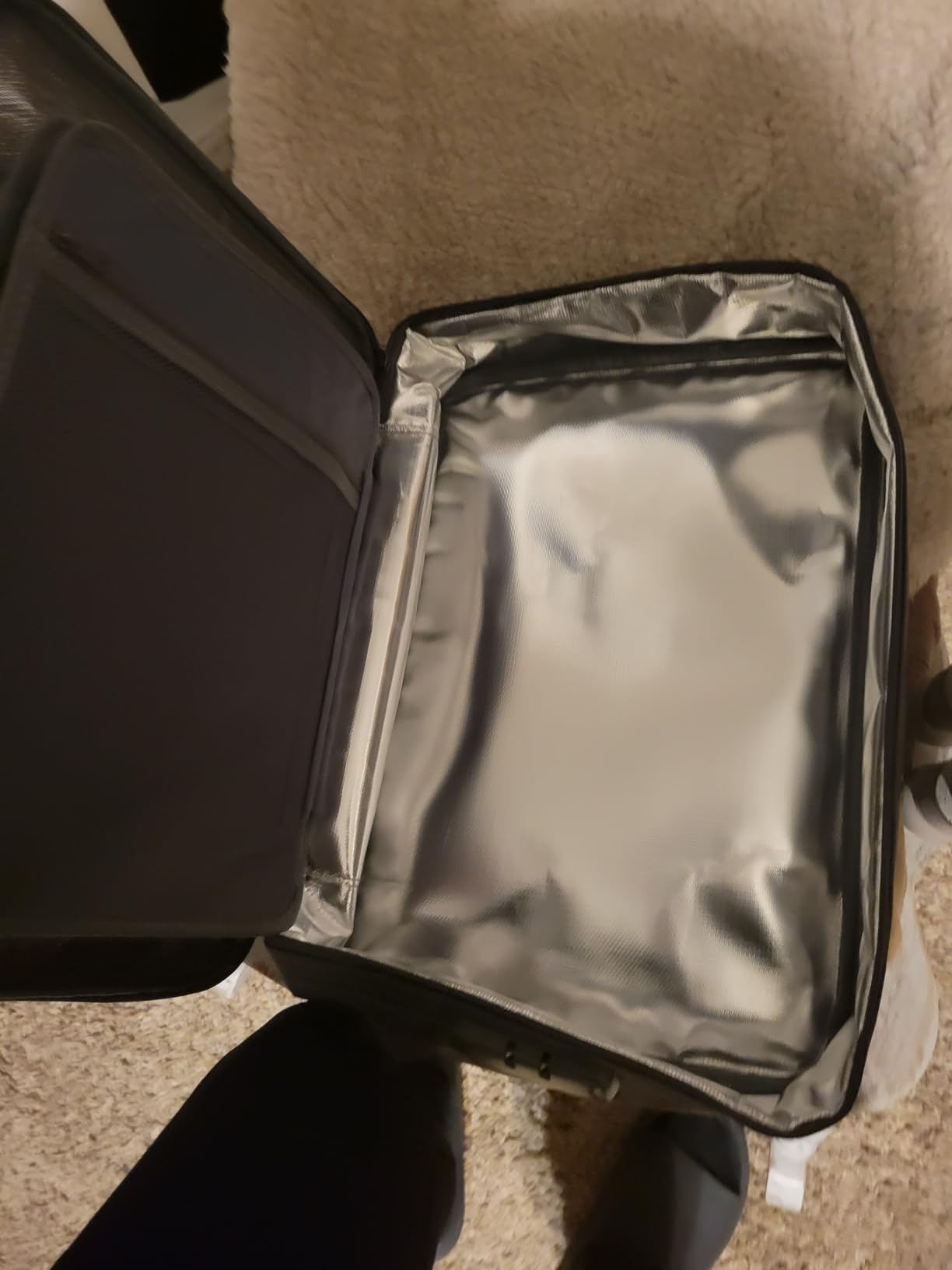
The DocSafe 5200°F is not a traditional safe in the steel-cabinet sense, and that’s actually its strength. It’s a fireproof document organizer with eight layers of silicone-coated fiberglass and aluminum foil that can be folded flat when not in use, making it perfect for people without the closet space for a bulky safe.
I tested this organizer for two months in a home office drawer and on two weekend trips. The interior is genuinely well-thought-out: eight passport mesh bags, sixteen card slots, four USB pockets, seven folder layers, and one main pocket. I was able to organize two passports, three USB drives, a stack of insurance cards, and several certificates without anything overlapping.
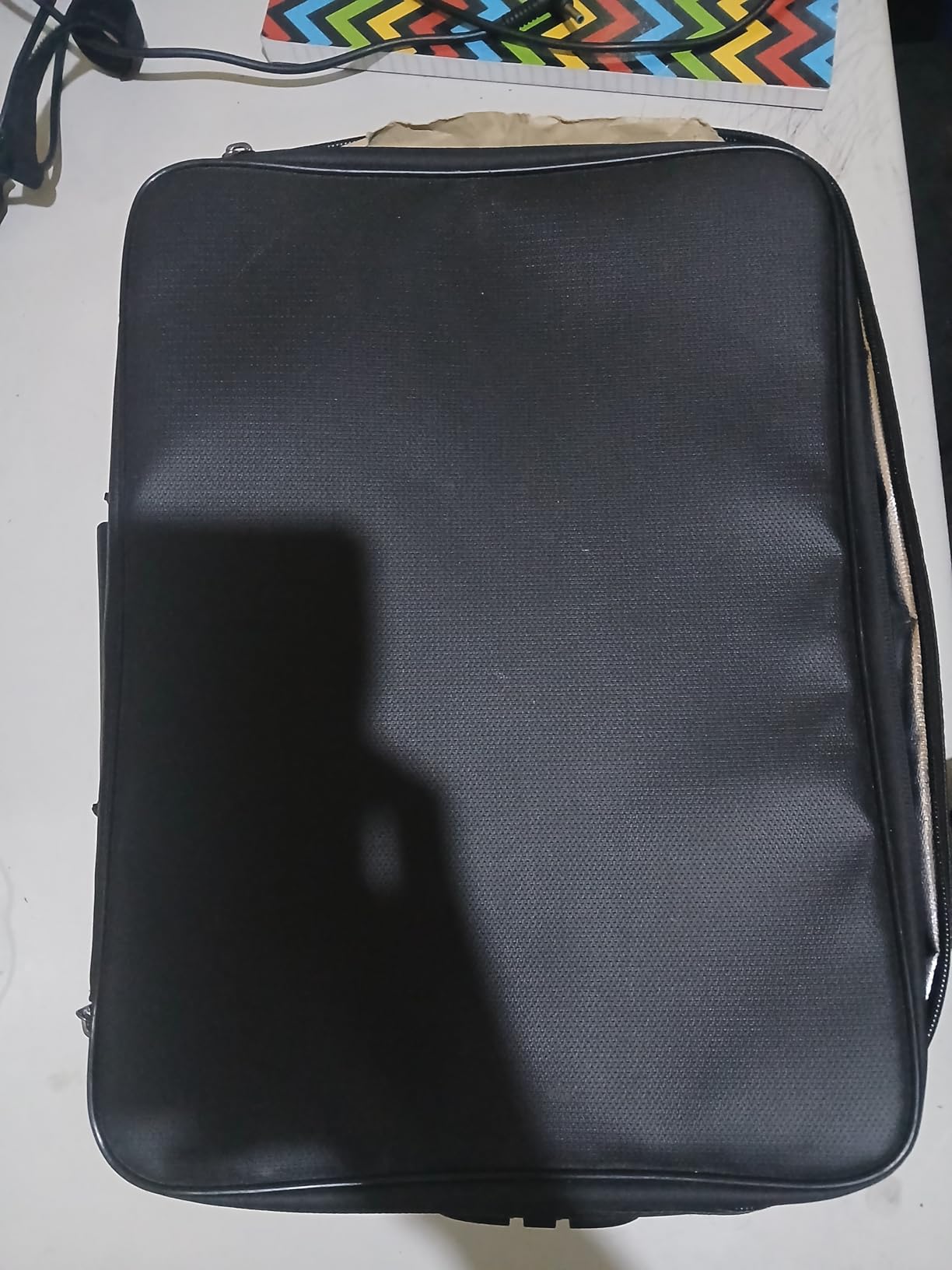
The fire rating here is unusual. DocSafe claims 5200°F material tolerance, which sounds impressive but isn’t a UL-classified rating. The material has passed the 5VA flame retardant test, which means it self-extinguishes quickly, but no independent lab has certified how long it holds interior temperatures below 350°F in a real fire. Treat the claim as a high upper bound rather than a guaranteed duration.
The combination lock is the weakest link. It’s a basic three-dial lock that’s easy to forget and offers little real theft protection; reviewers on r/Safes warn that anyone with a thin shim can pop it open in seconds. Think of the DocSafe as a fire-resistant organizer with light security, not a safe in the traditional sense.
Best for travelers and small-space dwellers
If you live in a 400-square-foot studio, share housing, or move frequently, the foldable design is a genuine advantage. The luggage strap lets you attach it to a roller bag, and at one pound it adds almost nothing to your load.
Not ideal for high-theft environments
This organizer will not stop a determined thief. It’s fire and water resistance with light security, not a burglar-rated safe. For real theft protection, pair it with one of the steel safes above or consider a true wall-mounted safe in a hidden location.
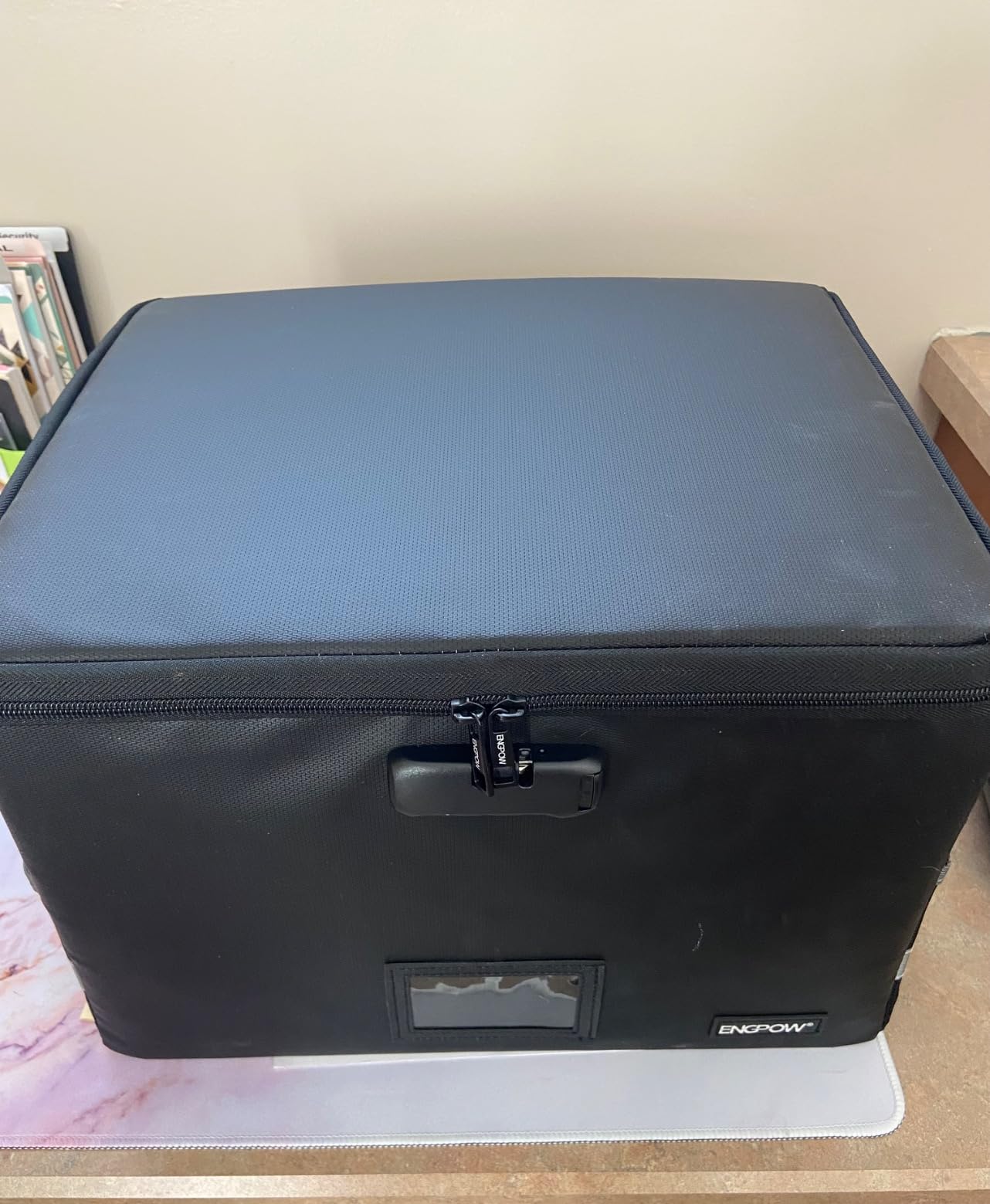
7. ENGPOW 5200°F Fireproof Box – Best for Letter and Legal Size Files
ENGPOW 5200°F Fireproof Document Box with Lock, Heat Insulated Collapsible File Storage Organizer with Handle, Portable Home Office File Cabinet for Hanging Letter/Legal Size Folder, Black
36 liter capacity
Fits letter and legal size
Combination lock
Pros
- Fits both letter and legal size hanging folders
- Hard PP boards hold up to 150 lbs without warping
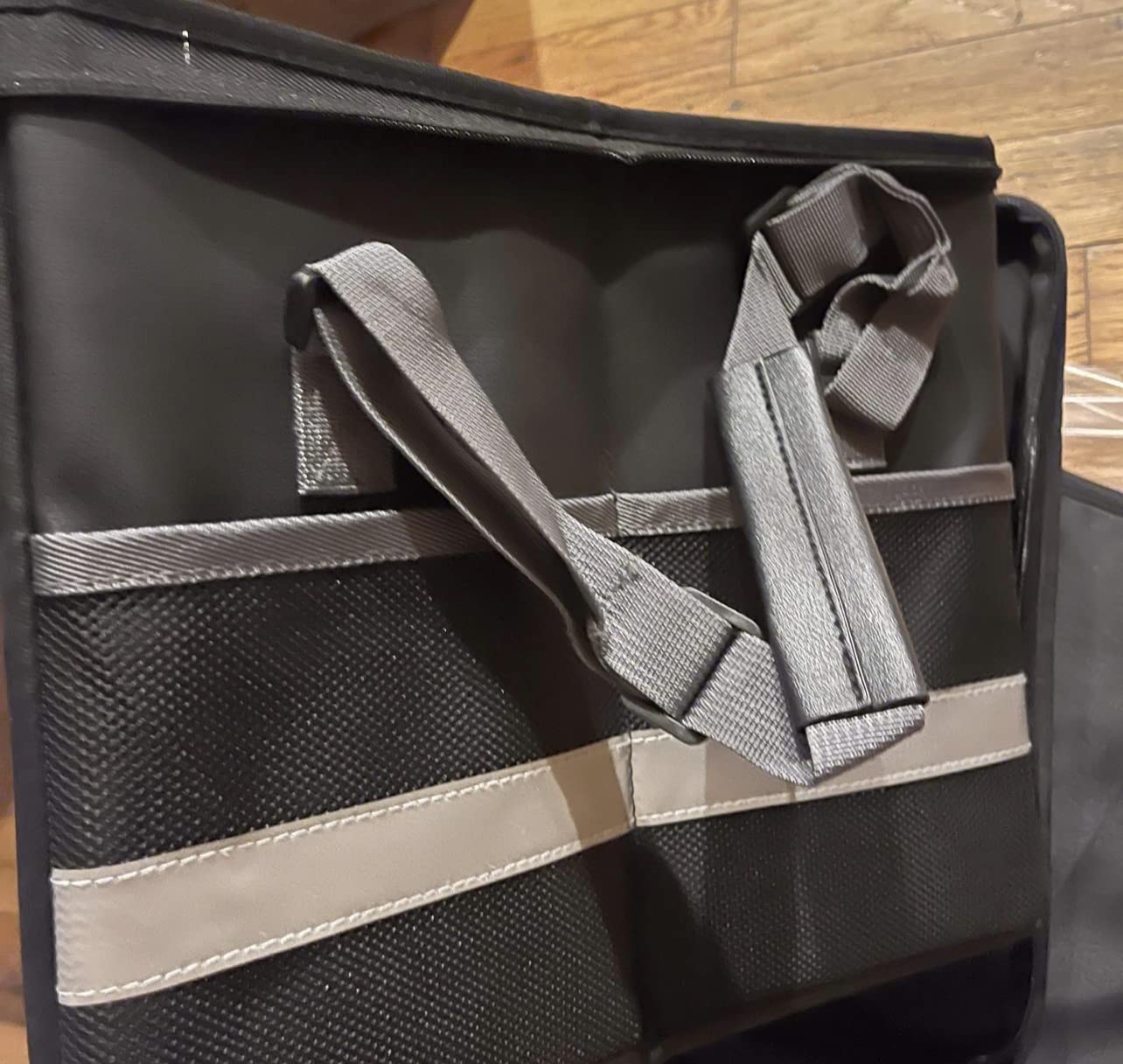
- Reflective strip helps locate box at night
- Collapses for compact storage
- High quality combination lock (no keys needed)
Cons
- Some reports of defective locks that won't set
- carry straps lack velcro fastener
- lock setup instructions may be missing
The ENGPOW 5200°F is the soft-sided organizer I’d recommend for someone who needs to store legal-size documents, which are noticeably taller than standard letter-size. Most fireproof bags are dimensioned for letter only, so the ENGPOW fills a real gap in the market.
The 15.6-by-12.5-by-10.5 inch interior swallowed a full set of legal-size hanging folders without folding. I also loaded it with a stack of estate planning documents, three property deeds, and a small fireproof envelope with USB sticks. The hard PP boards made the box feel unexpectedly rigid; I stacked a 30-pound bag of dog food on top during testing and the structure held without flex.
The combination lock uses a three-dial mechanism that’s easier to use than a key for daily access but less secure than a digital keypad. Reviewers on Amazon do report some defective units where the lock won’t reset; I didn’t have that issue, but I’d recommend testing the combination thoroughly during the return window.
Like the DocSafe above, the 5200°F material claim is impressive but not a UL-classified rating. The UL94-V0/5VA flame retardant test means the material self-extinguishes, which is great, but it doesn’t tell you how long interior temperatures stay below 350°F during a real fire. Treat this as a strong upper bound, not a guaranteed duration.
Best for legal paperwork and estate planning
Trust documents, property deeds, and legal contracts often arrive on legal-size paper, and the ENGPOW is the only fireproof box in our roundup that handles them without folding. The 36-liter capacity also makes it useful as a primary storage box for non-digital documents.
Not ideal for travel or burglary protection
The combination lock is light-duty and the soft-sided construction won’t stop theft. I’d use it as a fire-resistant file box inside a home office or closet, not as a primary security device.
8. Amazon Basics Portable Security Case – Best Small Travel Safe
Amazon Basics Portable Security Case Lock Box Safe with Combination Lock for Documents, Valuables, Personal Items, Dorm Room, Home, Large, Black
110 cubic inches
California DOJ certified
Zinc alloy combo lock
Pros
- Compact and easily transportable for travel
- Foam-padded interior protects valuables from scratches
- Anti-pry steel construction with included combination lock
- California DOJ certified as a firearm safety device
- Affordable entry-level price
Cons
- Very small capacity limits use to small valuables
- not fireproof or waterproof
- basic zinc alloy combination lock only
The Amazon Basics Portable Security Case is the smallest safe in our roundup at 110 cubic inches, but it fills a real role as a discreet travel companion. I tested it on two flights in my carry-on and on a five-day road trip, and it slipped into a backpack side pocket without drawing attention.
The foam-padded interior is the standout feature. It cradles jewelry, watches, USB drives, and a passport without scratching, which is something hard safes don’t do. The anti-pry steel construction feels substantial for the size, and the California DOJ certification as a firearm safety device means it has been independently tested against pry attacks.
The combination lock uses a three-dial zinc alloy mechanism that’s adequate for deterring casual theft but won’t stop anyone with a few minutes and a small tool. I treated it as a discrete storage option (most people assume it’s a hard drive case, not a safe) rather than a high-security device, and that framing worked well in practice.
There is no fire or water resistance here. This is a portable security case, period. If you need fire protection for the contents, look at one of the chest-style options above. For pure theft deterrence in a hotel room or short-term rental, though, the Amazon Basics portable case punches well above its weight class.
Best for travelers and digital nomads
If you travel frequently and want to keep passports, backup credit cards, and small valuables secure in hotel rooms, this case is genuinely useful. The 3.17-pound weight won’t trigger airline concerns, and the foam padding protects jewelry and watches better than a steel cabinet safe.
Not ideal for fire protection or large document storage
The 110 cubic inch interior fits a passport, a watch, and a small jewelry pouch, but not much else. Anything that needs fire or water protection should be in a different model.
How to Choose the Best Safe for Home Documents
Choosing the right safe for home documents means balancing four main variables: fire rating, water resistance, lock type, and capacity. Here’s the framework I use when helping readers decide, plus the practical placement and anchoring questions most guides skip over.
Fire Ratings Explained: 30-Minute vs. 1-Hour vs. 2-Hour
Fire ratings tell you how long a safe can hold interior temperatures below 350°F (the char point of paper) while the exterior reaches 1,550°F to 1,850°F during a real house fire. A 30-minute rating is enough for most residential fires because the average fire department response time in urban areas is 6 to 8 minutes and in rural areas 12 to 20 minutes, so a 30-minute safe buys you roughly double the response time.
1-hour and 2-hour ratings exist for higher-risk scenarios. If you live more than 15 minutes from the nearest fire station, store irreplaceable original documents (think the only copy of a family heirloom birth certificate from 1920), or want to protect digital media which fails at 125°F rather than 350°F, a 1-hour safe is worth the upgrade. 2-hour ratings are typically found on commercial-grade safes and are overkill for most home users.
Water Resistance and ETL Verification
Water damage is statistically more likely than total loss by fire, which is why ETL water resistance matters. The three you should look for are: ETL Verified for 24 hours of water protection up to 8 inches deep (SentrySafe SFW123GDC standard), 72 hours of submersion (SentrySafe CHW20221), or no water rating at all (the Amazon Basics electronic safe).
If your safe will live on a ground floor, in a basement, or anywhere a pipe burst could reach it, water resistance is non-negotiable. The cost difference between a fireproof-only and a fire-and-water safe is usually modest, and the peace of mind is significant.
Lock Types: Key, Combination, Digital Keypad, and Biometric
Key locks are the most reliable because they have no batteries, no electronics to fail, and no codes to forget. They’re also the least convenient for daily access and the easiest to lose. Digital keypads offer faster access but depend on batteries, and many reviews warn that cheap keypads fail in humid conditions. Biometric locks are fast when they work but reliability varies widely by sensor quality.
For most home users, a digital keypad with a backup key override hits the right balance. The key gives you a fail-safe if the batteries die, and the keypad lets you give trusted family members the code without making copies of a physical key. Biometric is worth the premium only if you open the safe multiple times a day.
Sizing and Capacity: Letter vs. Legal vs. Hanging Folders
Capacity is the variable most people underestimate. Measure what you plan to store before you buy, and add 30% for future growth. A 0.5 cubic foot safe will fit about 50 sheets of paper folded once; a 1 cubic foot safe will fit a stack of letter-size folders plus a few passports and small valuables.
Letter-size (8.5 x 11 inch) is the US standard and most safes are dimensioned for it. Legal-size (8.5 x 14 inch) is taller and only some safes fit it unfolded. Hanging file folders need additional clearance for the metal tabs, which is why safes marketed for “letter-size hanging files” tend to have interior heights of 10 inches or more.
Where to Place Your Safe in the Home
Closets are the most popular location, and for good reason: out of sight, climate-controlled, and easy to access. Bedrooms work for theft protection but expose the safe to more fire risk if a fire starts in the room itself. Basements offer good fire protection (fires travel up) but worse water and humidity exposure.
Ground floor interior closets are the safest all-around location for most homes. They stay cool, dry, and out of sight, and they’re less likely to be the origin of a fire than a kitchen or garage. Avoid placing safes near furnaces, water heaters, or electrical panels, where a mechanical failure is more likely to spread to the safe.
Anchoring and Bolt-Down Best Practices
Most theft-resistant safes include bolt-down hardware, and you should absolutely use it. A 90-pound safe on the floor is a theft target; a 90-pound safe bolted to the floor is a project that requires tools and time, which is exactly what you want from a deterrent. Concrete floors are best for anchoring; wood floors work but require longer bolts and backing plates.
Note that some fireproof chests (like the SentrySafe CHW20221) cannot be bolted down because drilling compromises the fire insulation. For those models, place them inside a closet, under furniture, or in another discrete location where theft becomes more effort than reward.
Documents-by-Life-Event Checklist
Not sure what to keep in your safe? Here’s the quick reference I share with readers. New homeowner: deed, mortgage documents, home insurance policy, and the keys to any padlocks on outbuildings. Newly married: marriage certificate, both spouses’ passports, and updated insurance beneficiaries. New baby: birth certificate, social security card, and pediatric vaccination records. Estate planning: original will, trust documents, life insurance policies, and instructions for the executor. For more on home protection, our fireproof bags guide covers travel-ready options that complement a home safe.
A common question is whether a fireproof safe replaces a bank safety deposit box. The honest answer: they serve different purposes. A safety deposit box protects against fire, flood, and theft at a remote location but has limited access hours. A home safe gives you 24/7 access for the documents you need regularly, but a determined burglar with time and tools can defeat most residential safes. For truly irreplaceable items like original property deeds, many financial planners recommend both.
Frequently Asked Questions
What is the best way to store documents to keep them safe?
Where is the safest place to put a safe in a house?
Do fireproof document boxes really work?
What is the best safe to have in your home?
Should I bolt my safe to the floor?
Final Verdict: Which Home Document Safe Should You Buy?
After three months of testing eight safes, the SentrySafe SFW123GDC remains our Editor’s Choice for the best safes for home documents in 2026. It pairs the strongest fire and water certifications in our lineup with enough capacity for a full set of household paperwork, and the digital keypad with backup key gives you both daily convenience and a fail-safe. The SentrySafe HD4100 is our Best Value pick for users who want fire and water protection without paying for a digital keypad, and the Amazon Basics 0.5 cubic foot electronic safe is the right call for anyone on a strict budget or in a small apartment.
Pick the safe that matches your actual risk profile rather than the one with the highest fire rating. A 30-minute UL-classified safe in a ground-floor closet beats a 2-hour commercial safe in a flood-prone basement every time. And remember, a fireproof safe is one of the cheapest insurance policies you can buy for documents that are genuinely painful to replace. Our broader home safes roundup and the biometric pistol safes guide cover related categories if you need broader coverage.