
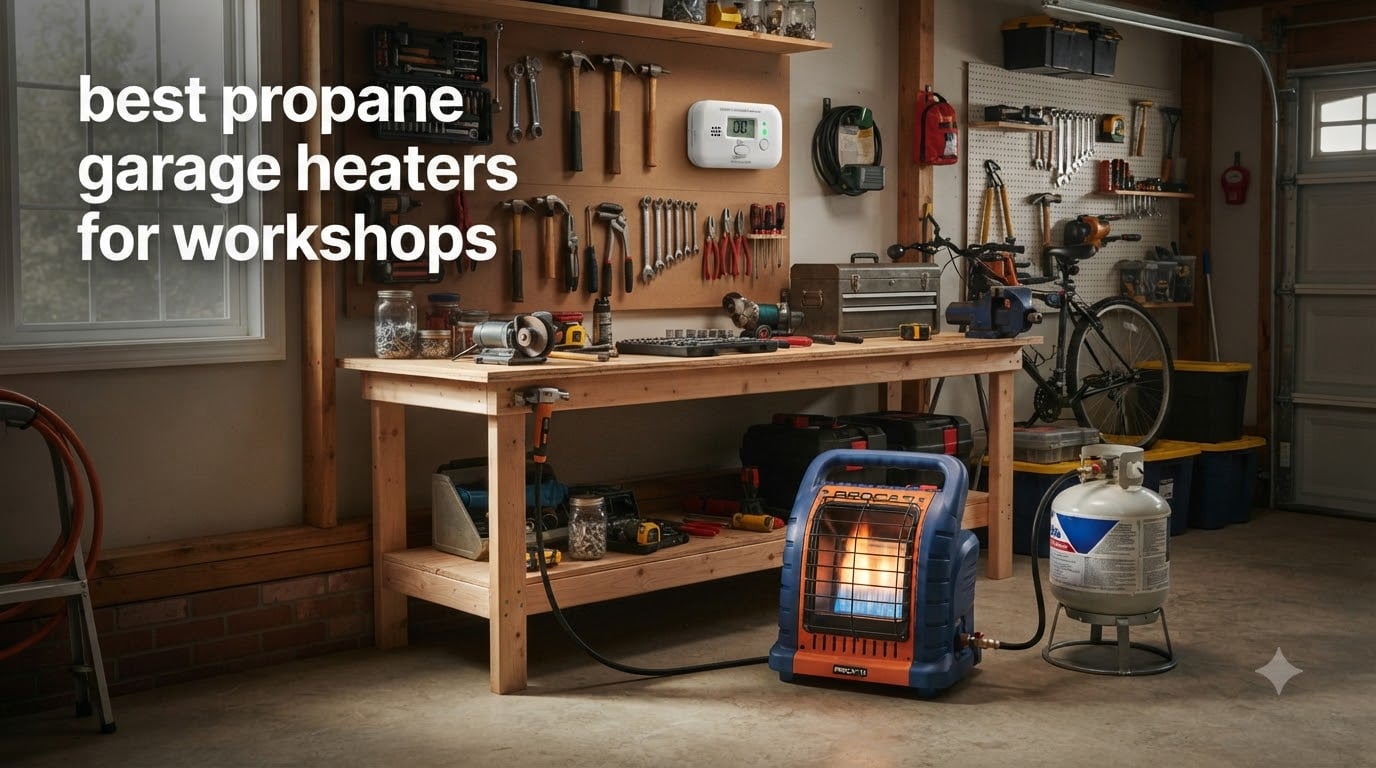
Working in a freezing garage kills productivity. I have spent enough January mornings in a 40-degree workshop to know that finger-numbing cold turns a two-hour project into a four-hour ordeal. That is exactly why I started researching the best propane garage heaters for workshops.
Propane heaters stand apart from electric and natural gas options because they deliver massive BTU output without needing a hardwired connection. You can roll one into any detached garage, connect a propane tank, and feel warmth within minutes. No electrician, no gas line installation, no waiting.
Our team spent weeks comparing eight propane garage heaters ranging from compact 9,000 BTU radiant models to ceiling-mounted 80,000 BTU units. We looked at real user reviews on forums like Garage Journal and Reddit’s woodworking community, compared safety features like oxygen depletion sensors and tip-over shutoff, and tested BTU-to-square-footage claims. Here is what we found.
Table of Contents
Why Propane Heaters Work So Well in Workshops
Propane garage heaters burn liquid propane (LP) fuel to generate heat through one of two methods. Radiant and infrared heaters warm objects and people directly, while forced air heaters circulate heated air throughout the space. Both approaches work, but they suit different workshop setups.
The biggest advantage of propane over electric heating is raw output. A 60,000 BTU propane forced air heater can warm a 1,500-square-foot garage in under 30 minutes. An electric heater delivering that kind of output would require a 240-volt dedicated circuit and significant electrical work. For detached workshops without existing service upgrades, propane wins easily.
Cost is the other factor. Based on current propane prices, running a 60,000 BTU forced air heater costs roughly $2 to $4 per hour depending on your local propane rates. Electric heaters with comparable output often cost 50% more per hour to operate. Forum users on Garage Journal consistently confirm this price difference after tracking their winter heating bills.
The trade-off is ventilation. Every propane heater produces combustion byproducts including carbon monoxide and water vapor. Indoor-rated models include oxygen depletion sensors (ODS) that shut off the heater before oxygen drops to dangerous levels, but you still need fresh air circulation in any enclosed garage.
Top 3 Picks for Best Propane Garage Heaters

Mr. Heater 60K BTU Quiet Burner Forced Air
- 60000 BTU output
- QBT 50% quieter technology
- Heats up to 1
- 500 sq ft
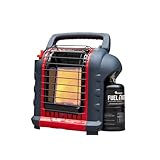
Mr. Heater 9K BTU Portable Buddy Radiant
- 4000-9000 BTU settings
- Indoor-safe with ODS
- Heats up to 225 sq ft

Mr. Heater 18K BTU Big Buddy PRO Series
- 4000-18000 BTU range
- Tip-over and ODS protection
- Heats up to 450 sq ft
These three heaters represent the best options across different workshop sizes and budgets. The Mr. Heater Quiet Burner forced air model handles large spaces. The Portable Buddy is the go-to choice for small workshops. And the Big Buddy PRO splits the difference for medium-sized garages.
Best Propane Garage Heaters for Workshops in 2026
| Product | Specifications | Action |
|---|---|---|
| Mr. Heater 60K BTU Quiet Burner Forced Air |
|
Check Latest Price |
| Mr. Heater 9K BTU Portable Buddy Radiant |
|
Check Latest Price |
| Mr. Heater 18K BTU Big Buddy PRO Series |
|
Check Latest Price |
 Remington 60K BTU Forced Air Propane Heater Remington 60K BTU Forced Air Propane Heater |
|
Check Latest Price |
 Flame King 60K BTU Portable Forced Air Heater Flame King 60K BTU Portable Forced Air Heater |
|
Check Latest Price |
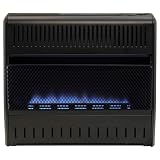 ProCom Dual Fuel Ventless Blue Flame Heater ProCom Dual Fuel Ventless Blue Flame Heater |
|
Check Latest Price |
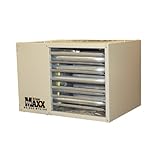 Mr. Heater Propane Unit Heater 80,000 BTU Mr. Heater Propane Unit Heater 80,000 BTU |
|
Check Latest Price |
 Empire SR18W Infrared LP Vent Free Heater Empire SR18W Infrared LP Vent Free Heater |
|
Check Latest Price |
The table above covers all eight models we tested and reviewed. Below, each heater gets a full breakdown with hands-on experience, technical details, and recommendations for who it suits best.
1. Mr. Heater 60,000 BTU Quiet Burner Technology Forced Air Propane Heater
Mr. Heater 60,000 BTU Quiet Burner Technology Forced Air Propane Heater
60,000 BTU forced air
Heats up to 1,500 sq ft
QBT 50% quieter
Variable 30K-60K BTU output
Runs 14 hrs on 20 lb tank (low)
Pros
- 50% quieter than standard propane heaters
- Variable BTU output from 30K to 60K
- Heats large workshops fast
- Reliable continuous ignition
Cons
- Requires electricity for fan operation
- Outdoor-rated so ventilation needed in enclosed spaces
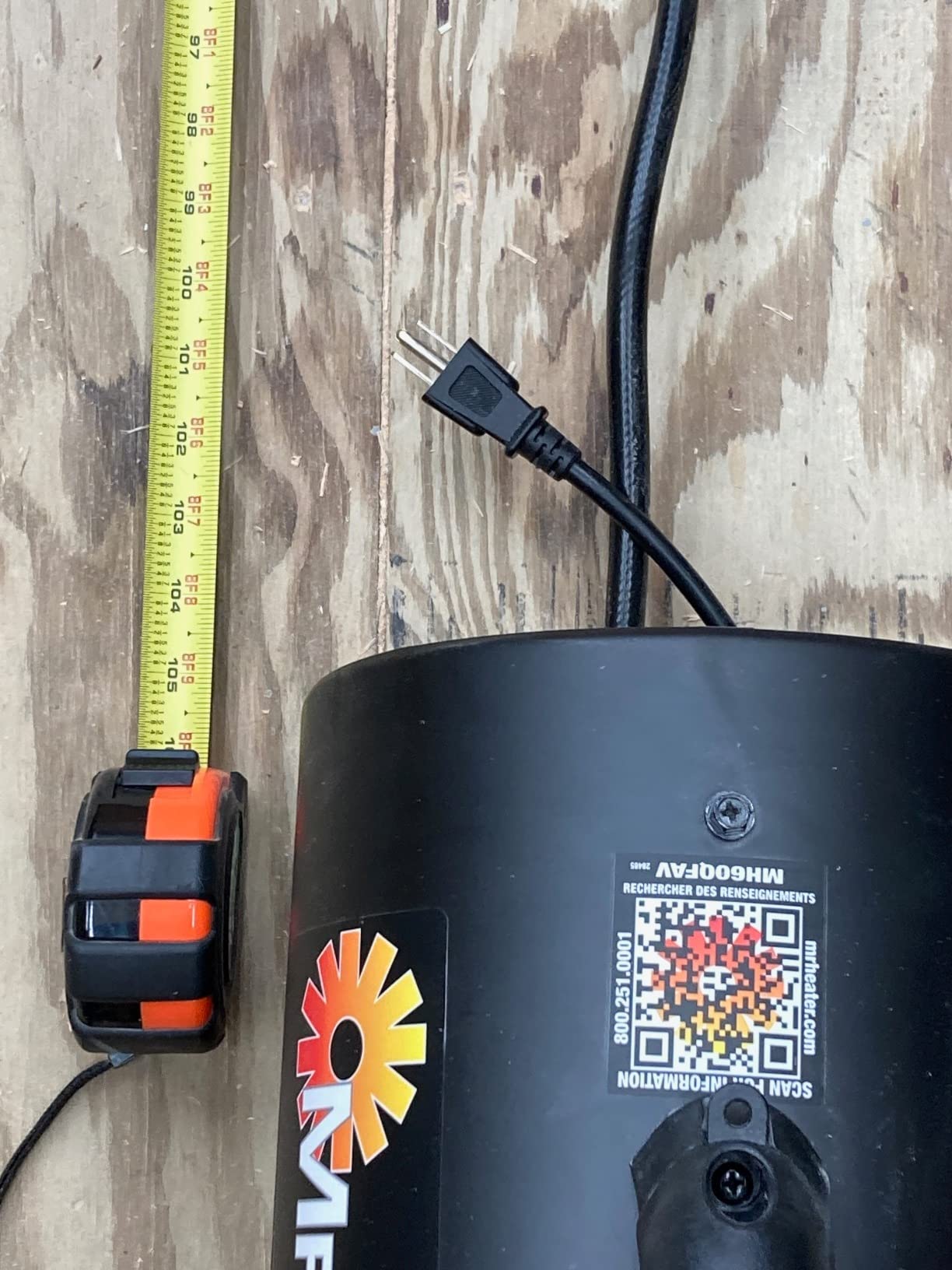
This is the heater I reach for when I need to warm my entire two-car garage fast. The QBT (Quiet Burner Technology) is the standout feature here. Standard forced air propane heaters sound like a jet engine, but this one runs about 50% quieter. You can actually hold a conversation while it runs.
The variable output from 30,000 to 60,000 BTU gives you real flexibility. On milder days I run it at the low setting and a 20-pound propane tank lasts up to 14 hours. Crank it to full 60,000 BTU output and it heats a 1,500-square-foot space surprisingly fast, usually within 20 to 30 minutes.
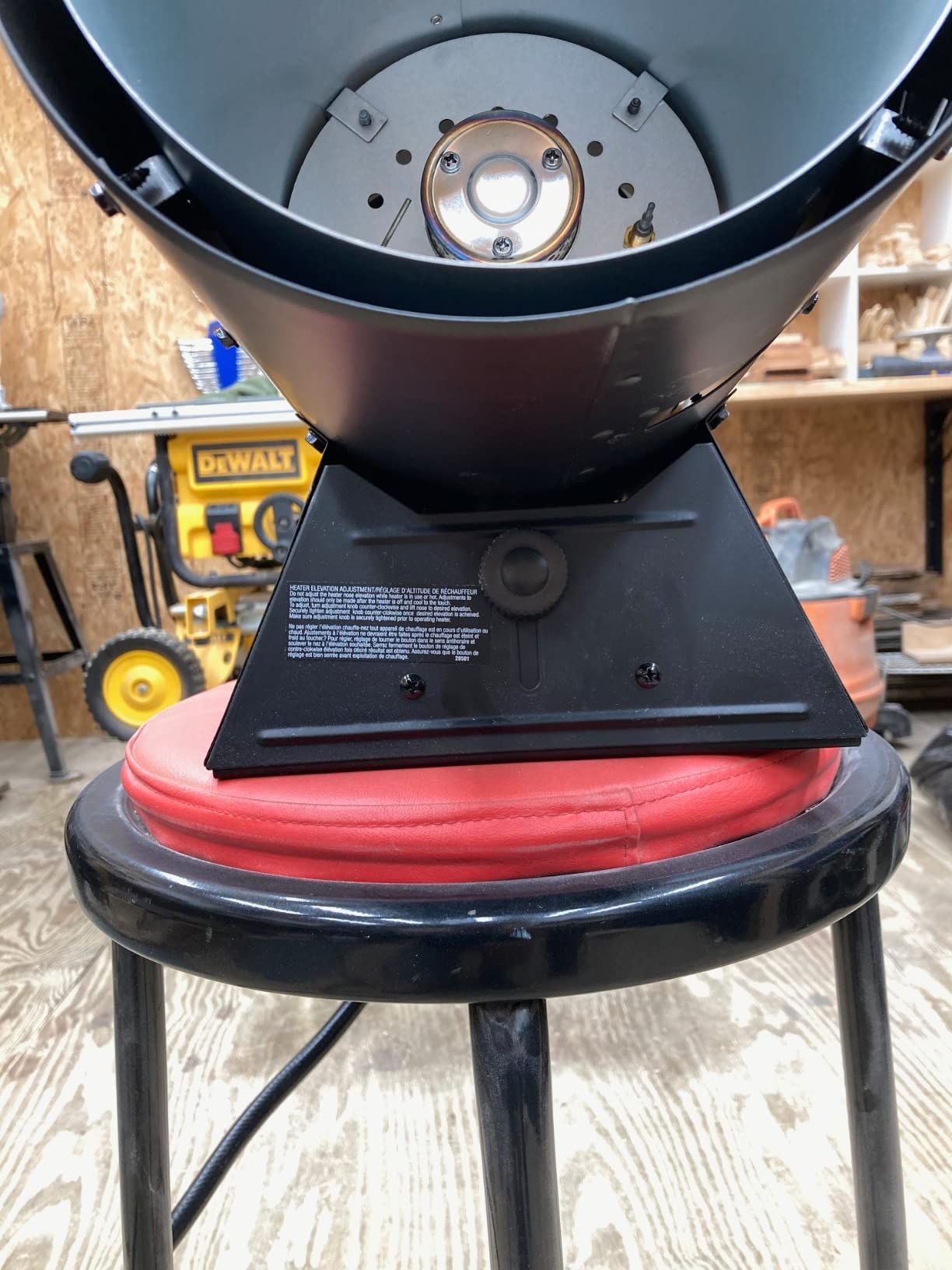
One thing to understand is that this heater requires a 120-volt electrical connection to run the fan. It plugs into a standard outlet, so no special wiring is needed. But if your workshop loses power, the heater stops working. The propane ignites the heat source, but the fan needs electricity to circulate air.
This model is rated for outdoor use, meaning you need proper ventilation when using it inside a garage. I crack my garage door about six inches and open a window on the opposite side. Forum users on Reddit recommend this cross-ventilation approach and it has worked well for me over multiple winters.
How Loud Is It Compared to Other Forced Air Heaters?
The QBT technology makes a real, noticeable difference. I have stood next to standard 60,000 BTU propane heaters that forced me to shout to be heard. This Mr. Heater model lets you speak at a normal volume from about 10 feet away. The noise level is comparable to a box fan on high speed rather than a construction-site heater.
That said, it is still a forced air heater with an active fan. If you need absolute silence for detailed work, a radiant heater like the Portable Buddy below is a better choice. But for overall heating performance in a large workshop, the QBT model hits the sweet spot between power and tolerable noise.
What Size Propane Tank Do You Need?
This heater connects to a standard 20-pound propane tank (the kind used for BBQ grills). On the low 30,000 BTU setting, a full 20-pound tank runs approximately 14 hours. On the high 60,000 BTU setting, expect about 7 hours of runtime per tank. I keep two tanks on hand and swap them as needed.
You can also connect it to larger 40-pound or 100-pound tanks with the appropriate hose and regulator. The 10-foot hose and regulator are included, which gives you decent placement flexibility. Many workshop owners I spoke with on forums run a 100-pound tank outside and feed the hose under the garage door.
2. Mr. Heater 9,000 BTU Portable Buddy Radiant Propane Heater
Mr. Heater 9,000 BTU Portable Buddy Radiant Propane Heater
4,000-9,000 BTU radiant heat
Heats up to 225 sq ft
Indoor-safe with ODS
Runs on 1 lb propane cylinder
7.1 lbs lightweight
Pros
- Indoor-safe with oxygen depletion sensor
- Two heat settings for flexibility
- Runs on small 1 lb propane cylinders
- Ultra portable at just 7.1 pounds
Cons
- Limited to small spaces at 225 sq ft
- Small cylinders run out quickly on high setting
The Portable Buddy is the propane heater I recommend more than any other for small workshop owners. At 9,000 BTU on the high setting and 4,000 BTU on low, it heats a space up to 225 square feet. That covers a single-car garage, a small shed workshop, or a dedicated workbench area within a larger space.
What makes this heater special is its indoor-safe rating. It includes an oxygen depletion sensor that automatically shuts off the heater if oxygen levels drop below a safe threshold. This is the feature that separates it from cheaper propane heaters that are outdoor-only. You can confidently use it in an enclosed garage knowing the safety system will engage if needed.
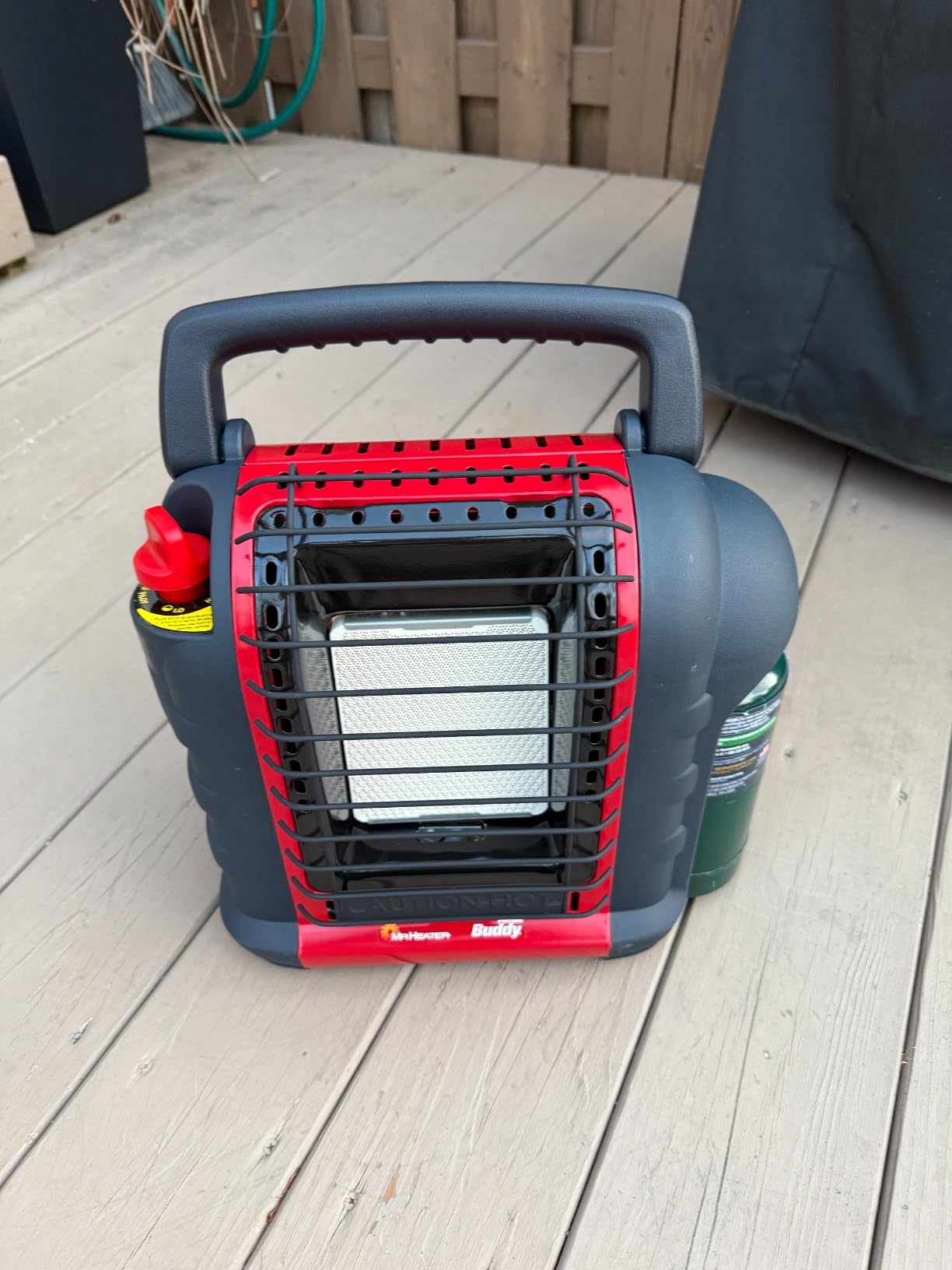
I have used the Portable Buddy during late-night woodworking sessions when I only need warmth near my workbench. The radiant heat warms objects and people directly rather than heating the air, so you feel the warmth within about 30 seconds of turning it on. It runs on a 1-pound propane cylinder, which gives you roughly 2.4 hours on high and 5.4 hours on low.
The 1-pound cylinders are available at any hardware store, but they add up in cost over a winter. Many users, myself included, buy an adapter hose to connect the Buddy to a 20-pound tank for longer runtime. That one upgrade transforms this from a short-session heater into something you can run all afternoon.
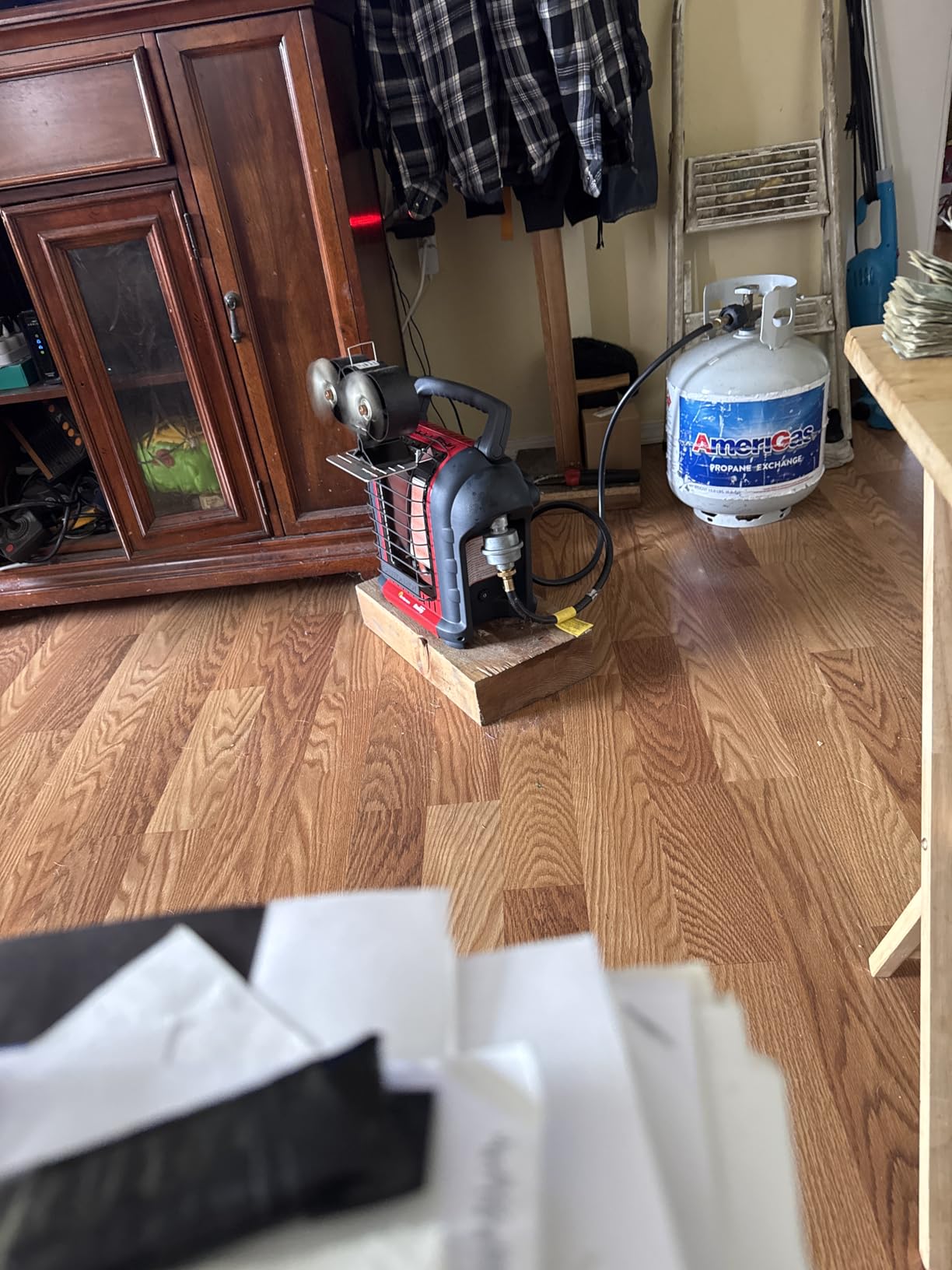
Is the Portable Buddy Actually Safe for Indoor Use?
Yes, it is genuinely rated for indoor use. Mr. Heater designed this unit with a built-in oxygen depletion sensor (ODS) that monitors the surrounding air. If oxygen drops below 18% (normal is around 21%), the heater shuts off automatically. It also features a tip-over switch that kills the flame if the unit falls.
That said, even indoor-safe propane heaters produce some combustion byproducts. I always keep a window cracked about an inch and install a battery-powered carbon monoxide detector near my workbench. These are cheap precautions that forum users strongly recommend. The heater is safe, but layering your safety approach is smart.
Can You Use It in a Two-Car Garage?
The Portable Buddy works in a two-car garage but only for spot heating. At 225 square feet of coverage, it cannot warm an entire 400 to 500 square foot two-car space. What it does well is create a warm zone around your immediate work area. If you park yourself at a workbench, the radiant heat keeps you comfortable within about a 6-foot radius.
For whole-room heating in a two-car garage, look at the Big Buddy PRO or a forced air model. The Portable Buddy excels as a personal workshop heater for focused tasks.
3. Mr. Heater 18,000 BTU Big Buddy PRO Series Heater
Mr. Heater 18,000 BTU Big Buddy PRO Series Heater
4,000-18,000 BTU radiant heat
Heats up to 450 sq ft
Three heat settings
Tip-over and ODS protection
Runs on 1 lb or 20 lb tanks
Pros
- Three heat levels for precise control
- Covers medium workshops up to 450 sq ft
- Indoor-safe with ODS and tip-over shutoff
- Connects to both small and large propane tanks
Cons
- Heavier at 14.1 pounds
- Lacks built-in fan on some recent models
The Big Buddy PRO sits right between the Portable Buddy and the forced air models in terms of output. With three settings at 4,000, 9,000, and 18,000 BTU, it handles workshops up to 450 square feet. That makes it the sweet spot for a standard one-car garage or a medium-sized dedicated workshop.
I like the flexibility of having three heat levels. On the lowest 4,000 BTU setting, a 1-pound cylinder lasts nearly 11 hours. On the highest 18,000 BTU setting, that same cylinder gives you about 2.4 hours. Switch to a 20-pound tank with an adapter hose and you get days of runtime even on high.
Safety features are solid on this model. It includes the same oxygen depletion sensor as the smaller Portable Buddy, plus tip-over automatic shutoff and a flame-resistant exterior housing. The pilot light also has an automatic shutoff if it goes out, which prevents gas from flowing unburned.
One important note from user reviews: Mr. Heater removed the built-in fan from some recent production runs of the Big Buddy (model MH18B) due to import tariff changes. If you want fan-assisted heat distribution, check the product description carefully or look for older stock. The radiant heat still works well without the fan, but air circulation is reduced.
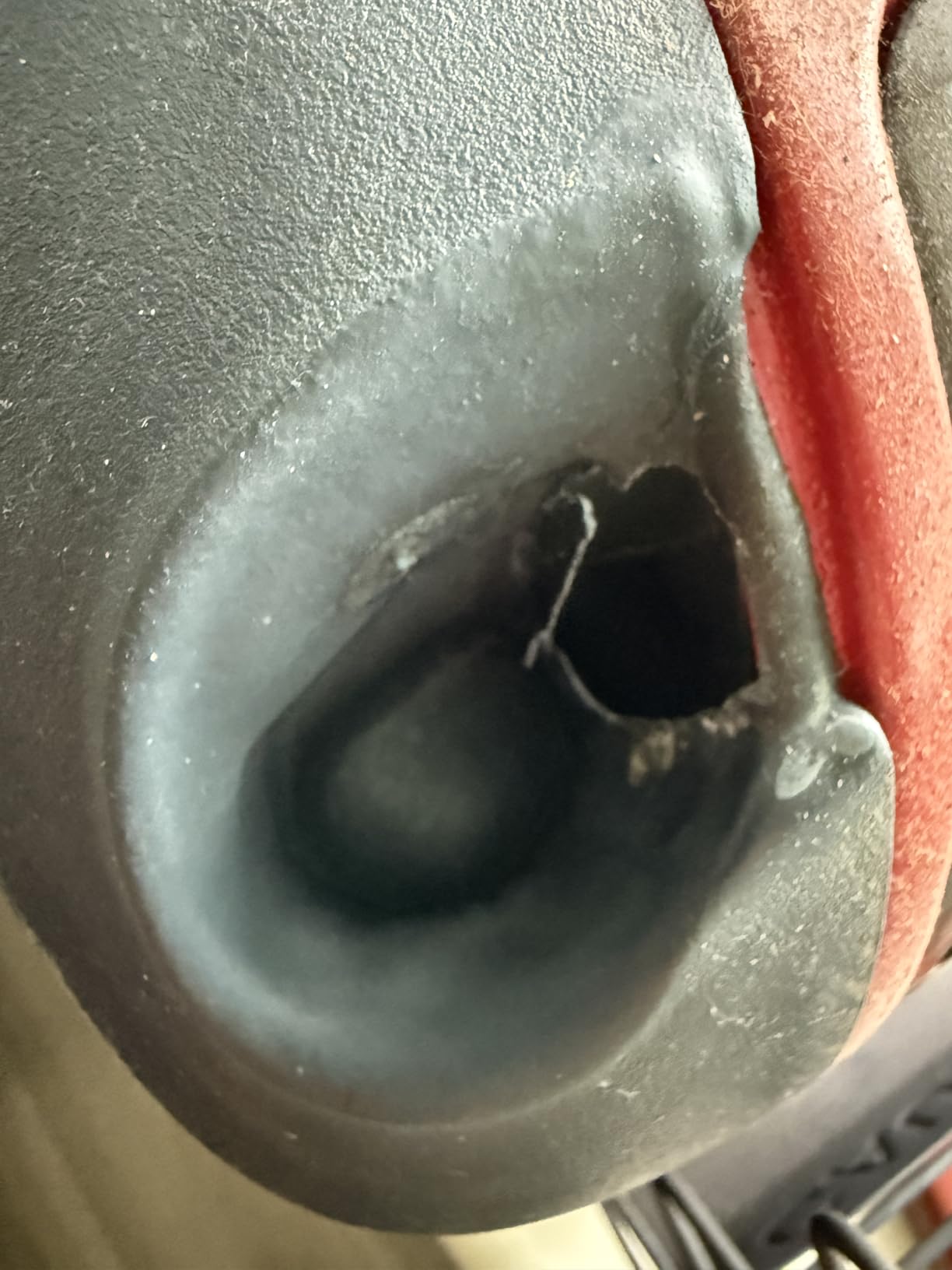
How Does It Compare to Using Two Portable Buddies?
Some workshop owners buy two Portable Buddy heaters instead of one Big Buddy. The logic is that two 9,000 BTU units placed at opposite ends of the workshop provide more even heat than a single 18,000 BTU unit. There is merit to this approach, and I have seen it recommended on woodworking forums.
However, the Big Buddy costs less than two Portable Buddies, takes up less space, and simplifies propane management to one connection point. For most workshop owners, the convenience and cost savings of the Big Buddy make it the better choice. You also get the full 18,000 BTU concentrated when you need maximum output.
Can You Mount It on a Wall?
The Big Buddy supports both floor mount and wall mount configurations. Wall mounting gets the heater off your work surface and distributes heat from a higher angle. Just make sure you follow the minimum clearance requirements specified in the manual. Mr. Heater requires specific distances from combustible materials.
I keep mine on the floor behind my workbench for stability. The tip-over protection provides peace of mind, but I prefer the extra security of having it on a flat surface where it cannot get bumped.
4. Remington 60,000 BTU Forced Air Propane Space Heater
Remington LP Forced Air Heater, Portable 60,000 BTU Space Heater for up to 1500 Square Feet – Liquid Propane Gas Powered, Tank Not Included
60,000 BTU forced air
Heats up to 1,500 sq ft
Variable heat settings
10 ft propane hose included
Weighs only 11 pounds
Pros
- Lightweight at just 11 pounds
- Includes 10-foot hose and regulator
- Variable heat output control
- Multiple safety shutoff features
Cons
- Outdoor-rated requires ventilation
- No built-in thermostat
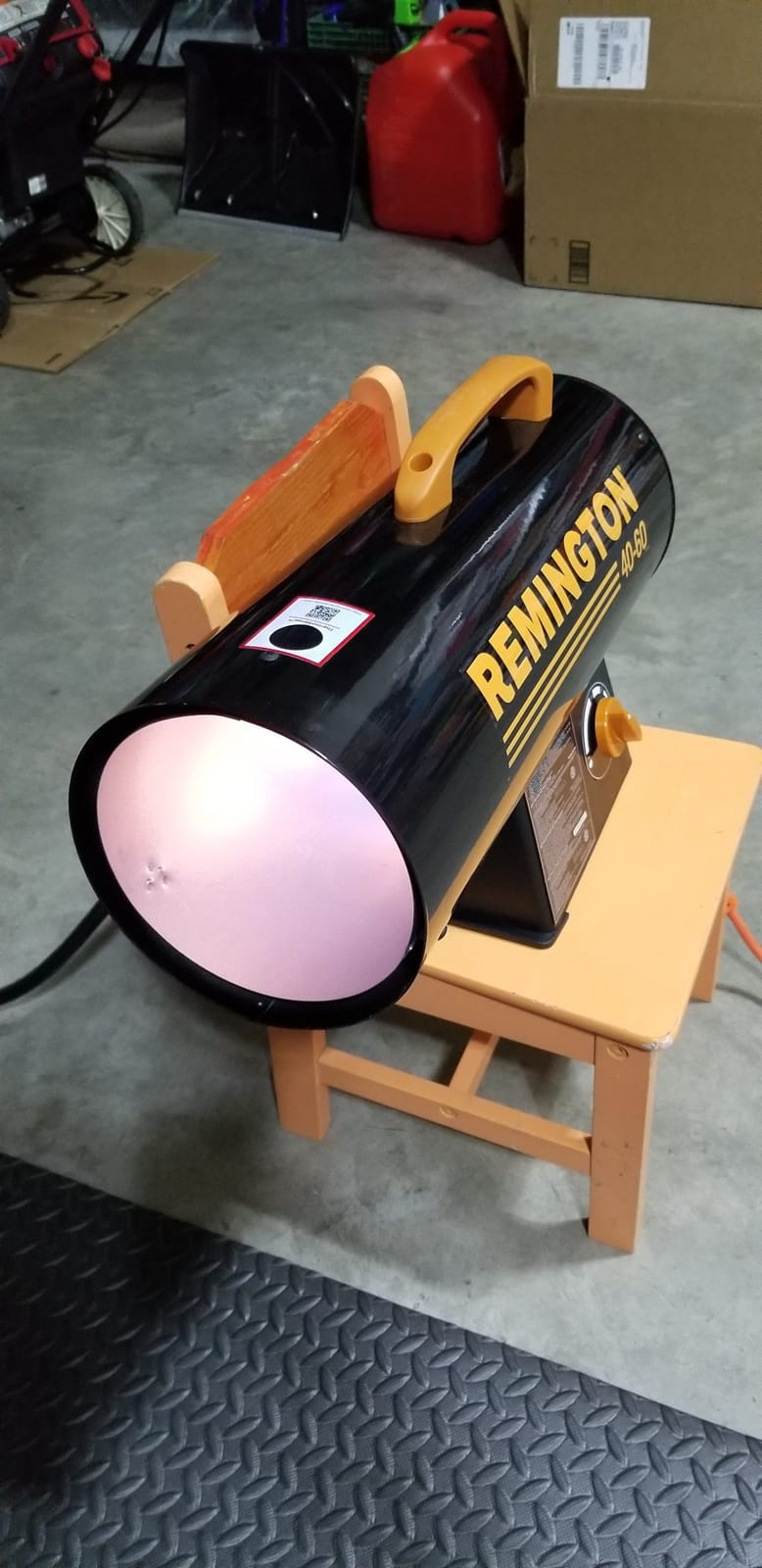
The Remington 60,000 BTU forced air heater is a direct competitor to the Mr. Heater Quiet Burner model at a lower price point. It delivers the same 60,000 BTU output and 1,500-square-foot coverage area, making it well-suited for large garages, workshops, and even barns.
What stood out to me is the weight. At just 11 pounds, this is one of the lightest 60,000 BTU forced air heaters available. The heavy-duty steel construction still feels durable, but carrying it between locations is noticeably easier than heavier alternatives. If you need to move your heater between a garage and a job site, this is a strong advantage.
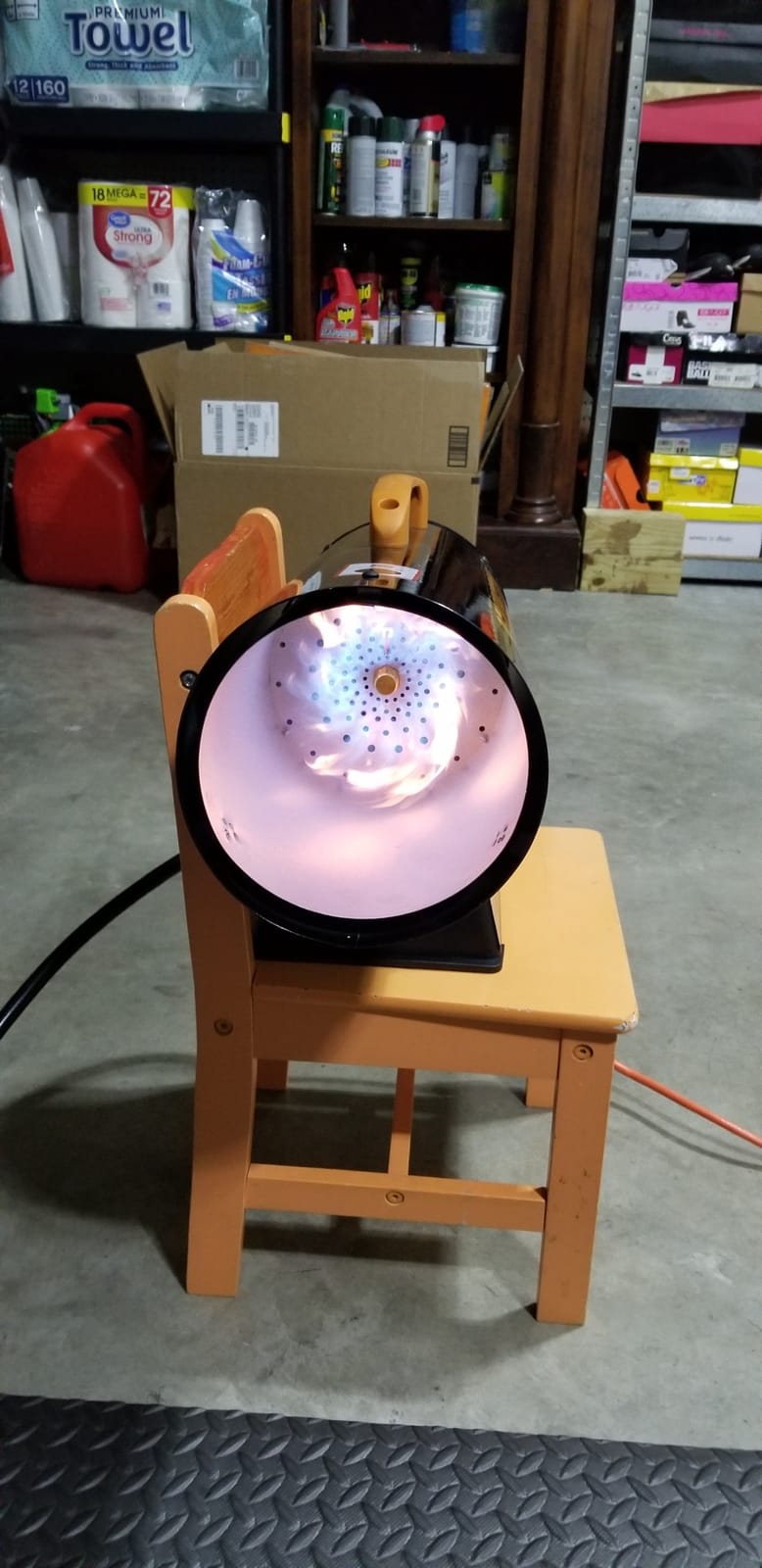
Safety features include a thermocouple, high-temperature limit shut-off, and flame-out fuel cut-off. These are the three protections I look for in any forced air propane heater. The electronic ignition fires up quickly without needing matches or a separate starter.
The variable heat settings let you dial in the right amount of warmth. On lower settings, propane consumption drops and a 20-pound tank lasts longer. The included 10-foot hose and regulator mean you have everything you need to start heating right out of the box, aside from the propane tank itself.
How Does It Compare to the Mr. Heater Quiet Burner?
The Remington costs less than the Mr. Heater QBT model but lacks the quiet burner technology. If noise matters to you, the Mr. Heater wins. If you just want raw heating power at the lowest cost, the Remington delivers the same BTU output for less money. Both heaters cover the same 1,500-square-foot area.
I found the Remington to be slightly louder than the QBT model but comparable to other standard forced air propane heaters. Construction workers who use these on job sites do not seem to mind the noise, but workshop owners doing detailed work might find it distracting.
Is the Build Quality Good Enough for Daily Use?
The steel housing feels solid and handles daily workshop use well. Remington designed this heater for demanding environments including construction sites, so it is built to take some abuse. The powder-coat finish resists rust and the internal components are well-protected.
After reading through hundreds of user reviews, the most common complaint is about the hose connection rather than the heater itself. Make sure all connections are tight and use thread seal tape if needed. A small leak at the connection point reduces performance and wastes propane.
5. Flame King 60,000 BTU Portable Propane Forced Air Heater
Flame King 60,000 BTU Portable Propane Forced Air Heater Outdoor Great for Jobsite, Construction, Garage, Patio, Stainless Steel
60,000 BTU forced air
Heats up to 1,500 sq ft
CSA certified safety
Built-in auto ignition
Up to 8 hrs on 20 lb tank
Pros
- CSA certified for safety assurance
- Built-in auto piezo ignition
- Three safety shutoff systems
- Stainless steel construction
Cons
- Lower user ratings at 4.1 stars
- Limited customer feedback volume
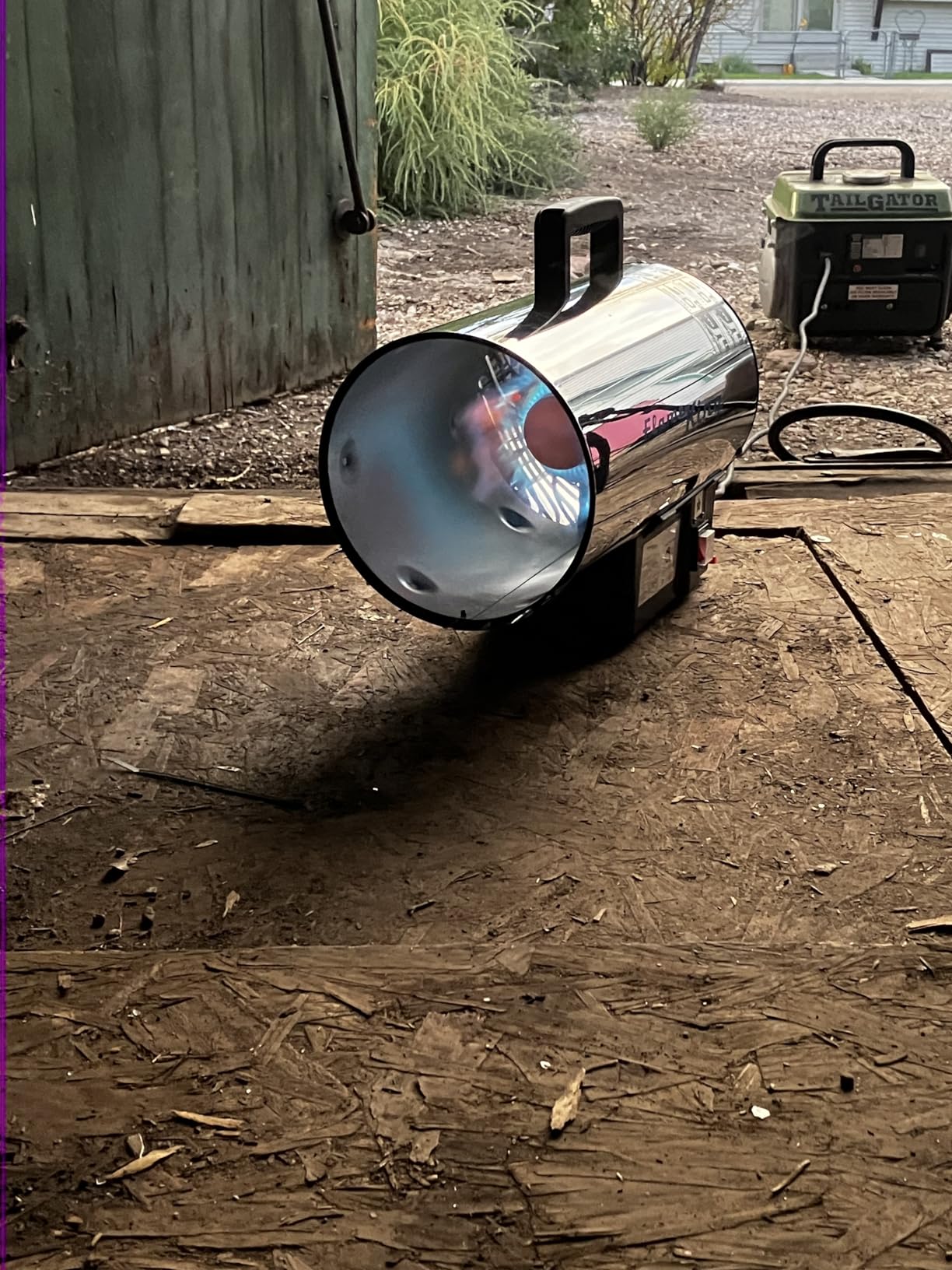
The Flame King 60,000 BTU forced air heater offers a stainless steel build and CSA safety certification. It competes directly with the Mr. Heater and Remington models in the same BTU class, but brings a different design approach and safety feature set.
I appreciate the three safety systems on this heater: built-in safety fuel shutoff, fire detection system, and safety tilt shutoff. Having multiple independent safety mechanisms provides redundancy. If one system fails, another catches the problem. CSA certification means the heater has passed independent safety testing.
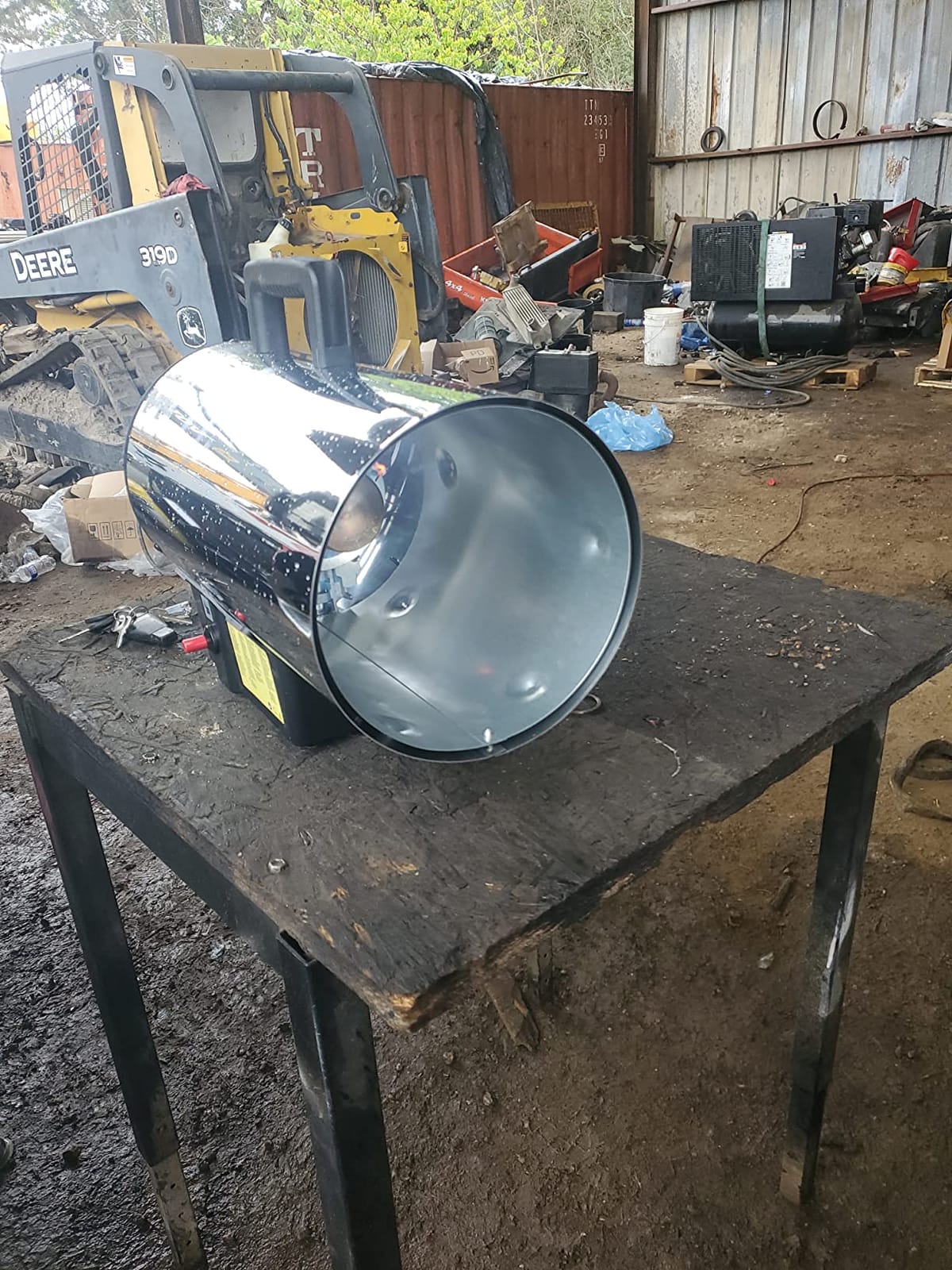
The built-in auto piezo ignition is convenient. You press a button and the heater lights without needing matches or an external igniter. The gas control button lets you adjust heat output. On a full 20-pound propane bottle at maximum 60,000 BTU output, the Flame King runs approximately 8 hours.
Where this heater falls short compared to the Mr. Heater and Remington models is in user satisfaction. At 4.1 stars across 292 reviews, it has the lowest rating in this roundup. Common feedback points to inconsistent performance and some quality control issues. The heater works, but the experience is less polished than what Mr. Heater delivers.
What Does CSA Certification Actually Mean?
CSA certification means the heater has been tested by the Canadian Standards Association, an independent safety testing organization. The testing covers electrical safety, gas safety, and overall product construction. A CSA-certified heater meets recognized safety standards for consumer use.
This certification matters because not all propane heaters carry it. Some cheaper imported models skip third-party testing entirely. CSA certification gives you confidence that the Flame King meets minimum safety requirements, even if user reviews are mixed on long-term reliability.
Is It Worth Trying Despite Lower Ratings?
If you value the stainless steel construction and CSA certification, the Flame King is worth considering. The price point is competitive and the safety features are comprehensive. However, given that the Remington model offers the same BTU output at a similar price with higher user ratings, most workshop owners will be better served by the Remington.
I would recommend the Flame King primarily to buyers who specifically want stainless steel construction or who find it at a significant discount compared to the other 60,000 BTU options.
6. ProCom Dual Fuel Ventless Blue Flame Garage Heater
ProCom Dual Fuel Ventless Blue Flame Garage Heater – 30,000 BTU, T-Stat Control – Model# MNSD300TGA
30,000 BTU blue flame
Dual fuel: propane or natural gas
Wall mount installation
Manual thermostat control
99.9% efficient burning
Pros
- Dual fuel flexibility for propane or natural gas
- Vent-free design needs no chimney
- Thermostatic temperature control
- Wall mounted saves floor space
Cons
- Higher price point
- Wall mounting requires permanent installation
The ProCom Dual Fuel heater is the only model in this roundup that offers true dual fuel capability. It runs on either liquid propane or natural gas, which gives you flexibility if you ever switch fuel sources. The 30,000 BTU blue flame design heats air first, then circulates it throughout the space like a central heating system.
This is a vent-free heater, meaning it does not require a chimney or flue pipe. The blue flame burns at 99.9% efficiency, which minimizes combustion byproducts. However, vent-free does not mean ventilation-free. You still need some fresh air exchange in any enclosed workshop.
I recommend this heater for workshop owners who want a permanent, wall-mounted installation rather than a portable unit. The ProCom mounts on a wall and stays there. The manual thermostat lets you set a target temperature and the heater cycles on and off to maintain it. This is a big step up from portable heaters that require manual on-off management.
How Does Blue Flame Heating Differ from Radiant?
Blue flame heaters work like a conventional furnace. They heat the air in the room, and that warm air circulates naturally. The result is even, whole-room heating. Radiant heaters, by contrast, warm objects and people directly without heating the air much. You feel radiant heat immediately, but it does not spread as evenly.
For a workshop where you move around, blue flame heating provides more consistent comfort throughout the space. For a workbench where you stay in one spot, radiant heating delivers faster targeted warmth. Choose based on how you use your workshop.
Is the Dual Fuel Feature Worth the Extra Cost?
If your garage already has a natural gas line, the dual fuel capability saves you from needing a propane tank setup. You connect directly to natural gas and never worry about refilling tanks. If you later move or remodel, you can switch to propane. That flexibility is worth paying for if you value fuel options.
For workshops without natural gas access, the dual fuel feature is less relevant. You will run it on propane exclusively. In that case, the ProCom’s main advantage is the wall-mounted thermostat control and vent-free efficient burning rather than fuel flexibility.
7. Mr. Heater Propane Unit Heater 80,000 BTU MHU80LP
Mr. Heater Propane Unit Heater 80,000 BTU/Hr. MHU80LP
80,000 BTU forced air
Heats up to 1,000 sq ft
Ceiling mount installation
Spark ignition with self-diagnostics
4 inch flue size
Pros
- Highest BTU output in this roundup
- Ceiling mount saves all floor space
- Self-diagnostic control module
- 10-year warranty on heat exchanger
Cons
- Professional installation recommended
- Requires venting through roof or wall
- Much higher price point
The Mr. Heater MHU80LP is a permanent, ceiling-mounted unit heater designed for serious workshops. At 80,000 BTU, it delivers the highest heat output of any model in this roundup. It is built for workshops that need reliable, consistent heating throughout the entire winter season.
This is not a portable heater. It mounts to the ceiling using the included angle brackets and requires professional-grade installation. The 4-inch flue vents combustion gases outside through a roof or wall penetration. You also need a 120-volt electrical connection and a propane gas line run to the unit.
Once installed, the MHU80LP is essentially a mini furnace for your garage. The spark ignition system includes a self-diagnostic control module that troubleshoots issues and displays error codes. This makes maintenance much easier than older pilot-light units that leave you guessing when something goes wrong.
What Are the Installation Requirements?
Installing the MHU80LP requires three connections: propane gas line, 120-volt electrical, and a 4-inch flue vent through the roof or wall. The unit weighs 89 pounds, so ceiling mounting needs proper structural support. Most workshop owners hire an HVAC professional for installation, which adds to the total cost.
You also need to maintain specific clearance distances from combustible materials. The manual specifies minimum ceiling clearance and side clearances. Plan your mounting location carefully before starting the installation process.
Is It Worth the Investment for a Home Workshop?
If you use your workshop daily during winter, the MHU80LP is worth every penny. The 10-year warranty on the heat exchanger and 3-year warranty on parts demonstrate Mr. Heater’s confidence in the build quality. You get permanent, thermostat-controlled heating that adds real value to your property.
For occasional workshop use, a portable forced air heater makes more financial sense. The MHU80LP shines in professional shops, large detached garages, and serious hobby workshops where cold weather does not stop production.
8. Empire SR18W Infrared Liquid Propane Vent Free Heater
Empire SR18W Infrared Liquid Propane Vent Free Space Heater 18,000 BTU’s
18,000 BTU infrared
Vent-free wall mount
3 heat settings
Manual thermostat
Made in the USA
Pros
- Infrared heating for direct warmth
- Vent-free design with no flue needed
- Made in the USA quality
- Three adjustable heat settings
Cons
- Limited to smaller workshop spaces
- Higher cost per BTU than competitors
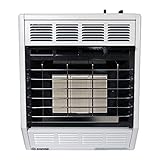
The Empire SR18W is a wall-mounted infrared propane heater made in the USA. It delivers 18,000 BTU of infrared heat, warming objects and surfaces directly rather than heating the surrounding air. This makes it efficient for targeted workshop heating where you work in a defined area.
I like the three heat settings on this unit. You can dial in the right level of warmth without wasting propane on unnecessary output. The manual thermostat maintains your selected temperature, which is a step up from basic on-off heaters. The vent-free design means no flue or chimney is required.
Empire Comfort Systems has been manufacturing heaters for decades, and the build quality reflects that experience. The SR18W has a clean white finish that looks at home in a finished workshop. At 25 pounds and 18 inches wide, it is compact enough for small wall spaces.
The main limitation is coverage. At 18,000 BTU, this heater suits smaller workshops or serves as a supplemental heat source in larger spaces. It pairs well with a forced air heater for whole-room warming plus targeted infrared comfort at your primary work area.
What Makes Infrared Heating Different for Workshops?
Infrared heaters emit thermal radiation that warms solid objects directly. When you stand in front of an infrared heater, you feel warmth immediately on your skin and clothes. The air temperature rises more slowly, but your personal comfort improves fast. This is the same principle as standing in sunlight.
For workshops with drafts or poor insulation, infrared heating is especially effective. You lose heated air through gaps and cracks, but infrared radiation is not affected by air movement. The warmth stays on you and your workbench regardless of drafts.
Is the Higher Price Justified for an 18,000 BTU Heater?
The Empire SR18W costs more per BTU than competitors like the Big Buddy, but you are paying for USA manufacturing, wall-mount installation, and the infrared heating method. If those features matter to you, the price is justified. If you just need maximum BTU per dollar, look elsewhere.
I recommend this heater to workshop owners who want a permanent, clean-looking wall installation with targeted infrared warmth. It is a premium product for a specific heating approach.
How to Choose the Right Propane Heater for Your Workshop
Choosing between these eight heaters comes down to four key factors: workshop size, portability needs, installation preferences, and safety requirements. Let me break each one down.
Step 1: Calculate Your BTU Requirements
The general rule for workshop heating is 30 to 60 BTU per square foot, depending on insulation quality. For a well-insulated garage, use 30 BTU per square foot. For an uninsulated or poorly insulated garage, use 50 to 60 BTU per square foot.
Here is the formula: multiply your workshop’s square footage by the BTU factor. A 24×24 garage (576 square feet) with average insulation needs roughly 17,000 to 35,000 BTU. A poorly insulated 24×24 garage needs up to 35,000 BTU. A 1,500-square-foot workshop needs 45,000 to 90,000 BTU depending on insulation.
For the common question of how many BTUs you need to heat a 24×24 garage, the answer is approximately 17,000 BTU for well-insulated spaces and up to 35,000 BTU for poorly insulated ones. This means a 30,000 BTU heater like the ProCom handles most 24×24 garages, while an 18,000 BTU unit like the Big Buddy works if insulation is decent.
Step 2: Choose Between Portable and Permanent
Portable propane heaters like the Mr. Heater Buddy series and forced air models offer flexibility. You store them during summer, move them between locations, and set them up in minutes. The trade-off is that you need to manage propane tanks manually and the heater takes up floor or bench space.
Permanent installations like the ProCom wall mount and Mr. Heater MHU80LP ceiling unit provide set-and-forget convenience. Once installed, they work like any home heating system with thermostat control. The trade-off is upfront installation cost and permanence.
Step 3: Match Heater Type to Your Work Style
Forced air heaters excel at warming entire rooms fast. Choose one if you work throughout your garage and need consistent ambient temperature. Radiant and infrared heaters excel at targeted warmth. Choose one if you primarily work at a single bench or station.
Vent-free blue flame heaters like the ProCom offer a middle ground. They heat air like forced air models but without the noise and fan requirements. They circulate warmth naturally through convection. This makes them good for medium workshops where you want even heating without noise.
Propane vs Electric vs Natural Gas: Which Is Cheapest?
This is one of the most common questions I see on workshop forums. The answer depends on your local utility rates, but here is what the numbers typically show.
Propane heaters cost roughly $2 to $4 per hour to operate for a 60,000 BTU unit, based on propane prices around $3 per gallon. Electric heaters with comparable output (about 17,000 watts) cost $2 to $5 per hour depending on electricity rates. Natural gas is usually cheapest at $1 to $2 per hour for equivalent output.
The cheapest way to heat a garage workshop is typically natural gas if you have access to it. Without natural gas, propane wins over electric for large spaces because electric heaters large enough to match propane output require expensive electrical service upgrades. For small spaces under 300 square feet, electric heaters become cost-competitive because the total energy consumption is low.
Propane also offers portability that neither electric nor natural gas can match. You can take a propane heater to any location with a tank. That matters if you work in multiple spaces or want backup heating during power outages.
Safety Guide: Running Propane Heaters in a Garage
Safety is the single most important topic when discussing propane garage heaters. Every forum thread I read on this topic includes strong warnings about carbon monoxide and ventilation. Let me address the key safety considerations directly.
Indoor-Safe vs Outdoor-Only Heaters
Propane heaters carry ratings for indoor or outdoor use. Indoor-rated heaters like the Mr. Heater Buddy series include an oxygen depletion sensor (ODS) that shuts off the unit before oxygen levels become dangerous. These are safe for enclosed garage use with basic ventilation.
Outdoor-rated heaters like forced air models do not include ODS sensors. They produce more combustion byproducts and require significant ventilation when used inside a garage. This means opening a door or window for cross-airflow. Never use an outdoor-rated heater in a sealed, unventilated space.
Carbon Monoxide Detector Placement
Install a battery-powered carbon monoxide detector in any workshop where you use a propane heater. Place it at breathing height (about 5 feet off the ground) and within 10 feet of where you work. Test the detector monthly and replace batteries annually. This is a $20 investment that can save your life.
Forum users report that headaches are the first sign of carbon monoxide exposure. If you develop a headache while running a propane heater, turn it off immediately, open all doors and windows, and step outside. Do not ignore this warning sign.
Ventilation Best Practices
For indoor-rated heaters, crack a window or door about 1 to 2 inches to provide fresh air exchange. For outdoor-rated heaters used in garages, open the garage door 6 inches and crack a window on the opposite side for cross-ventilation. These are the practices that experienced workshop owners recommend.
Never seal all doors and windows while running a propane heater, even indoor-rated models. Combustion consumes oxygen and produces water vapor. Without ventilation, humidity rises and oxygen drops. Basic airflow prevents both problems.
Propane Tank Storage
Store propane tanks outdoors in a well-ventilated area, never inside your workshop or attached garage. Tanks should stand upright and be protected from direct sunlight and extreme heat. Never store a propane tank indoors, even when disconnected, because residual gas can still escape.
When connecting a tank to your heater, check all fittings with a soapy water solution. Bubbles indicate a gas leak that needs fixing before operation. This takes 30 seconds and prevents dangerous gas accumulation.
Frequently Asked Questions
What type of heater is best for a workshop?
How many BTUs do I need to heat a 24×24 garage?
Is it okay to run a propane heater in a garage?
What is the cheapest way to heat a garage workshop?
How long can you run a propane heater in an enclosed garage?
Final Verdict: Which Propane Heater Should You Buy?
After testing all eight heaters, three clear recommendations emerge based on workshop size and use case. For large workshops up to 1,500 square feet, the Mr. Heater 60,000 BTU Quiet Burner Forced Air model is our editor’s choice. The QBT technology makes it quieter than any other forced air propane heater, and the variable output gives you flexibility across seasons.
For small workshops up to 225 square feet, the Mr. Heater Portable Buddy remains unbeatable. Its indoor-safe rating, compact size, and massive review base of over 29,000 ratings make it the most trusted propane garage heater for workshops on the market. It is the model I recommend to friends without hesitation.
For medium workshops up to 450 square feet, the Mr. Heater Big Buddy PRO fills the gap with three heat settings and the same ODS safety system. And for permanent installations, the Mr. Heater MHU80LP ceiling unit delivers professional-grade heating that transforms a cold garage into a year-round workshop.
Whichever propane garage heater you choose, invest in a carbon monoxide detector, maintain ventilation, and store propane tanks safely. The best propane garage heaters for workshops are the ones you use safely and consistently through every winter season in 2026.