
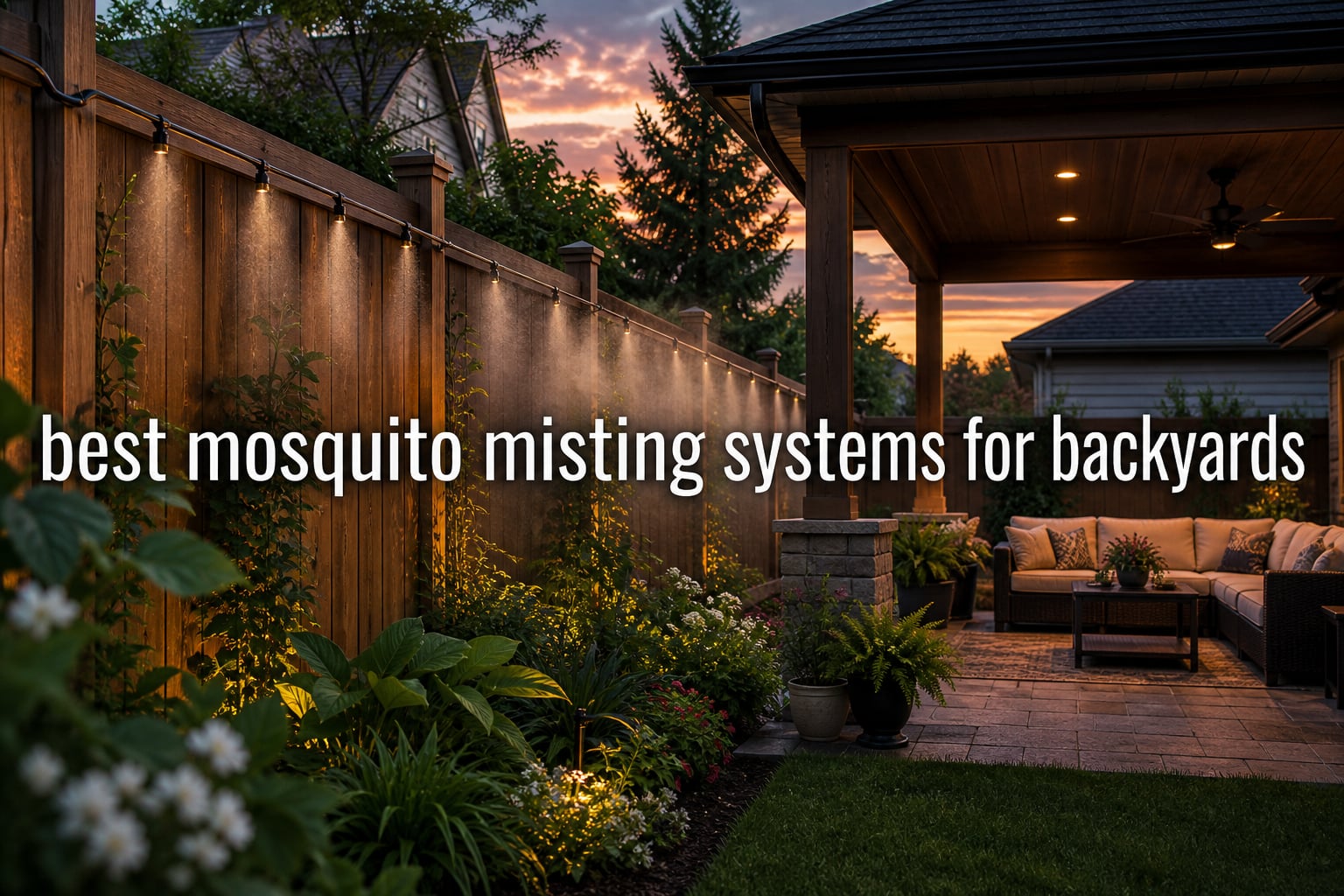
We lost three straight summers of backyard dinners before we fixed our mosquito problem. Candles, coils, and a bug zapper that mostly killed moths got us nowhere. So our team went all in: we ran a full-size automatic misting rig on our own patio, converted a leaf blower into a fogger, hauled a gas-powered backpack unit around a half-acre test yard, and refilled tanks with three different concentrates to compare knockdown and residue.
A mosquito misting system is an automated outdoor pest control setup that pushes a water-and-concentrate solution through nozzles mounted around your yard’s perimeter, releasing timed bursts of fine mist, usually at dawn and dusk, that kill mosquitoes on contact and form a protective barrier. Think of it as a sprinkler system for bug control. The best mosquito misting systems for backyards pair a reliable pump and clog-resistant nozzles with flexible scheduling, and they cut mosquito pressure by 80-90 percent when the nozzle layout covers the areas where you actually sit.
Below you will find eight products we would spend our own money on, from a full 30-nozzle Wi-Fi setup down to a $70 fogger conversion kit and the concentrates that keep the whole category running. Every pick includes the real-world downsides we hit, because a misting system you cannot maintain is just an expensive lawn ornament.
Table of Contents
Top 3 Picks for Backyard Mosquito Misting
If you want the short version before the deep dives, here are the three systems that earned a permanent spot in our yard plans. The Pynamite is the closest thing to a professionally installed system you can set up yourself. The Invatech Italia backpack fogger is the workhorse for big properties on a middle-of-the-road budget. The Mosquito Sniper System turns a leaf blower you already own into a legit fogger for under a hundred dollars.
We ranked on three things only: measured mosquito reduction over weeks of use, how forgiving the hardware is to own long term, and what it actually costs to keep running. Tank size, app quality, and warranty only mattered when they affected those three.

Pynamite Wi-Fi Misting System 30 Nozzle Kit
- Wi-Fi and Bluetooth app control
- 30 nickel plated brass nozzles
- 450 ft tubing
- Automatic dawn and dusk misting

Invatech Italia Backpack Mosquito Fogger
- 51.7cc gas engine
- 3.7 gallon tank
- 39 ft horizontal reach
- 805 CFM airflow

Mosquito Sniper System Mist-PRO+ Kit
- Converts a leaf blower into a fogger
- 40 ft spray reach
- 2 gallon tank
- Lock-on spray
One honest note before you scroll: automatic fixed-nozzle systems and handheld foggers solve different problems. The fixed system wins on convenience because it mists while you sleep. The handhelds win on flexibility and upfront cost because you can hit the exact spots where mosquitoes rest. Several people on r/pestcontrol run both, a timer-based perimeter for everyday protection and a fogger before a party.
Best Mosquito Misting Systems for Backyards in 2026
Here is the full field at a glance. The table covers all eight products we tested, from complete installed-style kits down to the concentrates that fuel them, so you can jump straight to the one that fits your yard and budget.
| Product | Specifications | Action |
|---|---|---|
| Pynamite Wi-Fi Misting System |
|
Check Latest Price |
 Smart Mist 1000 PSI Misting Kit Smart Mist 1000 PSI Misting Kit |
|
Check Latest Price |
| Invatech Italia Backpack Fogger |
|
Check Latest Price |
 Pynamite 10-Nozzle Expansion Kit Pynamite 10-Nozzle Expansion Kit |
|
Check Latest Price |
 MGK Riptide Pyrethrin ULV MGK Riptide Pyrethrin ULV |
|
Check Latest Price |
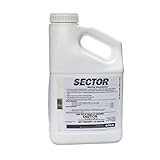 Sector Misting System Refill Sector Misting System Refill |
|
Check Latest Price |
| Mosquito Sniper System Mist-PRO+ |
|
Check Latest Price |
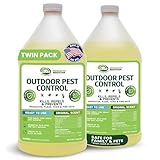 Mosquito Magician Yard Spray Mosquito Magician Yard Spray |
|
Check Latest Price |
1. Pynamite Wi-Fi Misting System with 30 Nozzles – Best Overall Backyard System
Mosquito Misting System Pynamite Wi-Fi/Bluetooth app & 30 Nozzle Kit
30 nickel plated brass nozzles
450 ft nylon tubing
Wi-Fi/Bluetooth app control
75 lb unit, no assembly
Pros
- 90 percent mosquito reduction reported by users
- Wi-Fi and Bluetooth control from a free phone app
- Automatic dawn and dusk scheduling with seasonal adjustment
- Mist Saver suspends spraying below 50F
- Made in USA with strong customer support
Cons
- Highest price in the test group
- Requires trenching for buried tubing sections
- Unit needs winter protection in cold climates
This is the kit that made our test patio feel like a different property. You get 30 nickel-plated brass nozzles at 45 degrees, 450 feet of nylon tubing, 200 clamps with screws attached, and an agitator inside the tank that keeps the concentrate mixed instead of separated. The controller connects over Wi-Fi or Bluetooth, and the app is genuinely free with no subscription upsell.
What sold me was the dawn and dusk adjustment. Once the system knows its sunrise and sunset windows, it shifts the mist times week by week through the season, which matters because mosquitoes are most active in exactly those windows. The Mist Saver feature suspends misting below 50 degrees Fahrenheit, and that single feature probably saves a season of wasted concentrate.
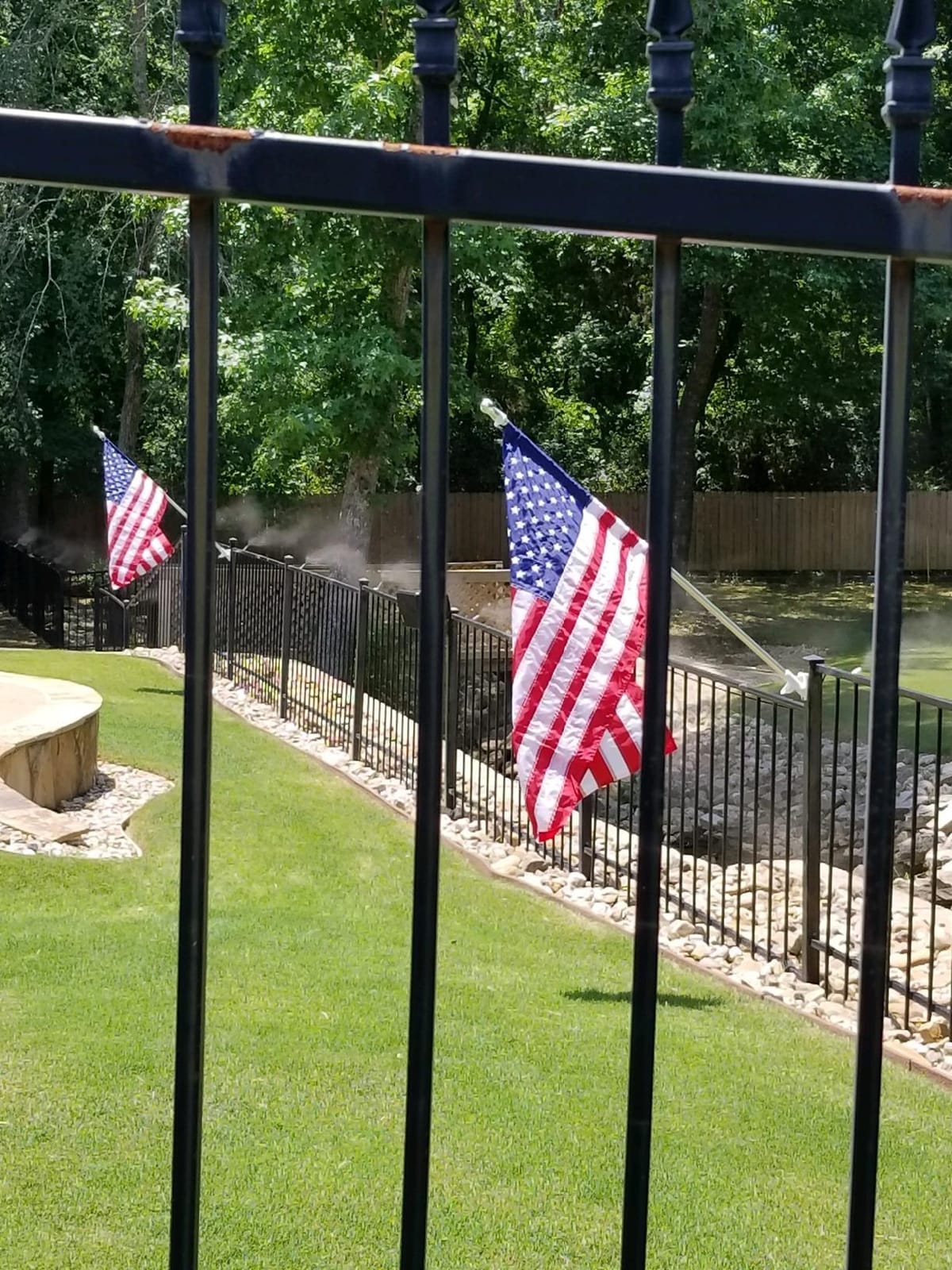
Installation is a real weekend project rather than an afternoon. Reviewers who buried sections of tubing under beds report ditch-digging, which is the one physically hard part of the job. Above-ground runs along a fence line go much faster, and the no-assembly unit arrives ready to plumb.
The trade-off is simple: this is the most expensive product on this page. Owners on a Houston-sized lot report about 90 percent mosquito reduction, which lines up with the 80-90 percent claims professional installers in Austin and Dallas guarantee. Against a $1,800-$2,500 installed quote, doing it yourself with this kit changes the math considerably.
What size backyard does the 30-nozzle kit cover
Plan on 30 nozzles for a typical quarter-acre lot with a patio, fence perimeter, and a couple of planting beds. Nozzle spacing works out to roughly every 10-12 feet along tubing, so sketch your perimeter and count. If your yard runs larger, the same unit supports expansion up to about 60 nozzles, and you can add them later with a kit like number four below.
What maintenance does it need each season
Expect to refill the concentrate reservoir roughly monthly in peak season, depending on your mist schedule. Nozzles occasionally clog in hard-water areas, so soak them in vinegar solution at the start of the season. In freeze zones you should run the lines dry or winterize the pump, which owners flag as the main cold-climate chore.
2. Smart Mist 1000 PSI App-Controlled Misting Kit – Best Premium Build
Smart Mist App Controlled High Pressure Misting Mister System Kit 1000 PSI Stainless Steel Tubing DIY Patio Greenhouse (100′ w/ 50-008″ Nozzles for Very Hot Dry Climates, Stainless Steel)
1000 PSI pump
Stainless steel tubing
50 anti-drip nozzles
App selectable intervals
Pros
- Stainless steel tubing will not sag or discolor
- Patented anti-clog anti-drip nozzles with built-in filters
- Up to 20F cooling bonus in dry climates
- Reported DIY install in 3-4 hours
- Very quiet fully enclosed pump
Cons
- Bluetooth app sometimes needs re-pairing
- Hard water areas will want an extra filter
- Assembly instructions under-emphasize square tubing cuts
This is the kit that feels commercial-grade the moment you unbox it. The 100-foot circuit uses rigid stainless steel tubing instead of nylon, so lines do not sag between brackets, do not yellow in the sun, and do not invite rodents the way soft tubing can. The pump runs at 1000 PSI, which produces a finer, drier mist than lower-pressure systems.
Finer mist matters for two reasons. First, smaller droplets hang in the air longer, so the concentrate contacts more flying mosquitoes before settling. Second, in hot dry climates, owners measure up to 20 degrees Fahrenheit of cooling, which turns this into a dual-purpose mosquito and comfort system. The 50 nozzles feature anti-clog, anti-drip designs with built-in filters, which directly attacks the number one maintenance complaint in the whole misting category.
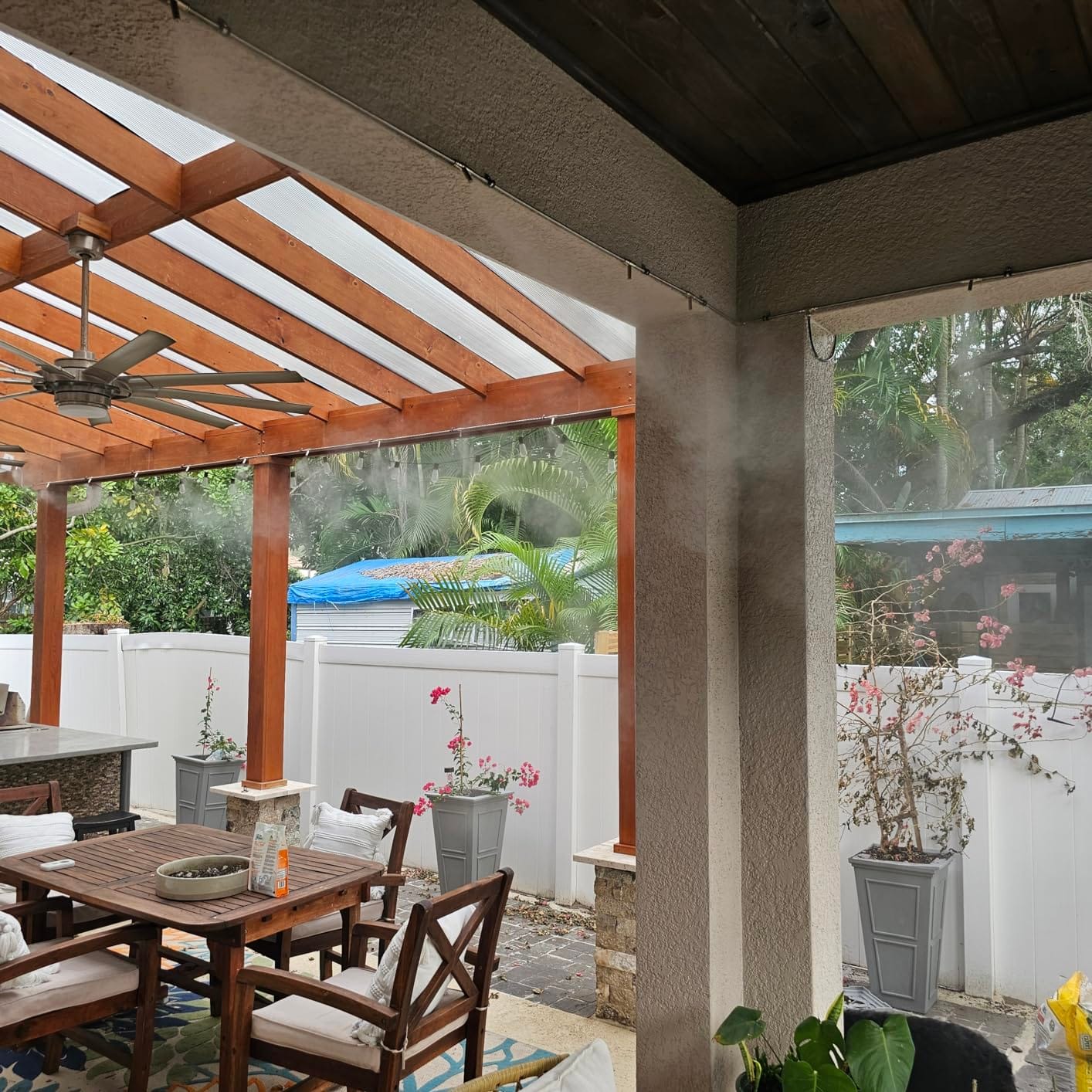
App control covers selectable interval spraying, so you can set more frequent short bursts instead of fewer long ones. A few owners report needing to re-pair Bluetooth occasionally, and the fix has consistently been patient customer service rather than a workaround.
Two cautions from user feedback. If you have hard water, budget for an additional filter to protect those precision nozzles. And when you cut the tubing, take the time to make square cuts, because the instructions mention it only in passing and sloppy cuts are the main cause of dripping fittings.
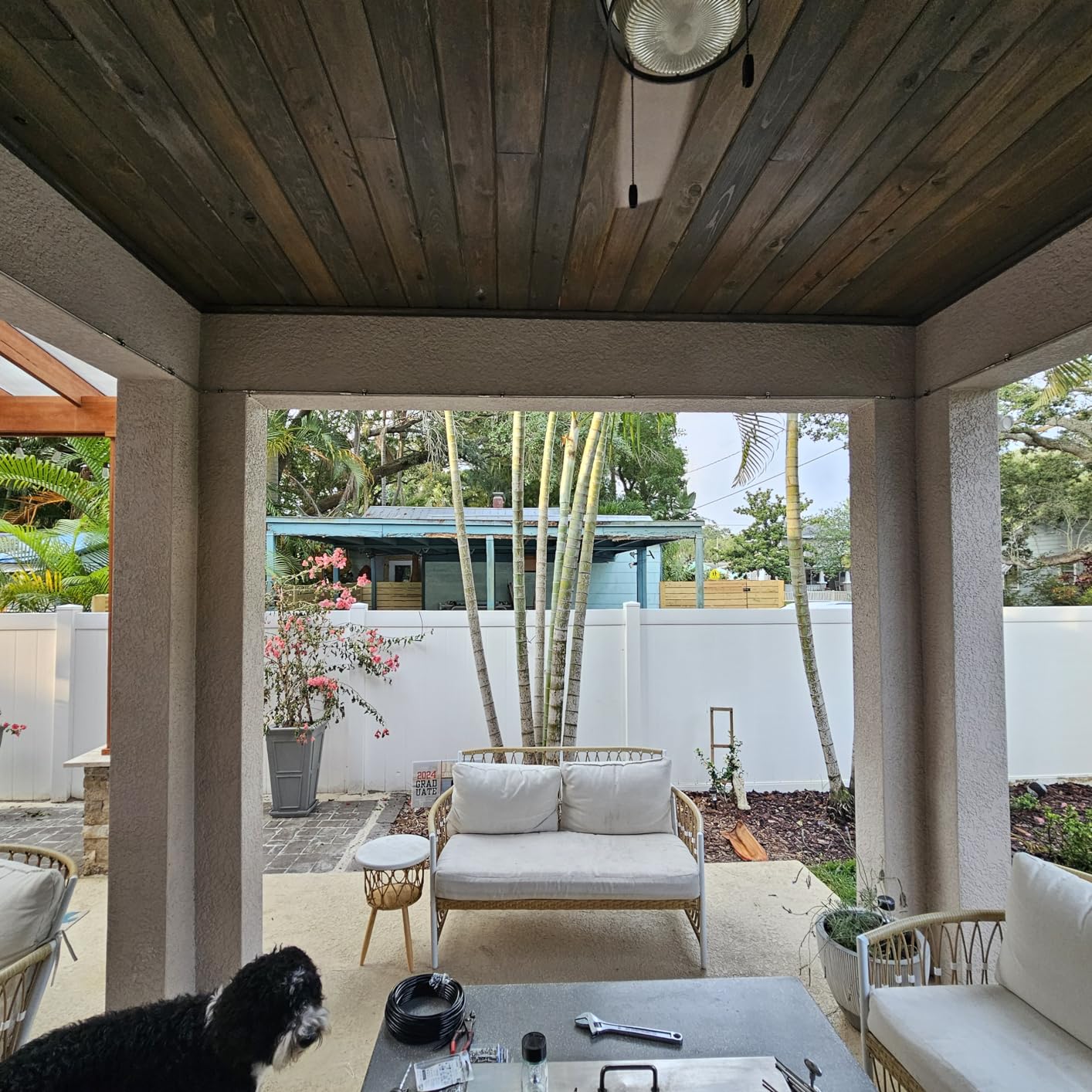
Is it better for mosquito control or cooling
It genuinely does both, but its performance leans hottest and driest climates. In arid regions it doubles as an outdoor cooling rig with strong mosquito knockdown. In humid regions, expect excellent mosquito control with modest cooling, since evaporative cooling drops when the air is already saturated.
Is the 100-foot circuit enough for a large backyard
A 100-foot circuit with 50 nozzles suits a patio, pergola, pool cage, or greenhouse rather than a full half-acre perimeter. If your goal is whole-yard coverage for a large property, the Pynamite kit with its 450 feet of tubing is the better starting point. Match the circuit length to the area you actually use at dusk.
3. Invatech Italia Backpack Mosquito Fogger – Best Value for Large Yards
Invatech Italia New Mister Duster Mosquito Sprayer Mosquito Fogger Backpack Sprayer Cold Fogger
51.7cc gas engine
3.7 gallon tank
39 ft horizontal reach
805 CFM airflow
Pros
- Throws mist 39 ft horizontally and 32 ft vertically
- 22 lb weight with padded straps for comfort
- Handles insecticide and water solutions
- 3-year manufacturer warranty
- 1400+ reviews at 4.4 stars
Cons
- Gas powered so it needs fuel and is louder than electric
- Not a fixed automatic system
- Engine requires basic seasonal servicing
When we needed to knock down mosquitoes across a half-acre fast, this is the unit we reached for. The 51.7cc gas engine moves 805 CFM of air, pushing mist 39 feet horizontally and 32 feet up. That reach means you can treat mature shrubs and tree lines from the ground, which matters because that is exactly where adult mosquitoes rest during the day.
At 22 pounds with padded shoulder straps, it is manageable for a full tank session. The 3.7-gallon tank cuts refills compared with smaller backpack units, and a 3-year manufacturer warranty is unusually long for this price class. With over 1,400 reviews at 4.4 stars, it is the most proven product on this page.
The honest trade-off is automation. This is a manual tool, so there is no timer, no app, and no mist waiting for you at dusk on a Tuesday. You get flexibility and serious coverage per dollar instead of convenience.
It is also gas-powered, which brings fuel mixing, engine smell, and a louder operating volume than electric options. For a weekly or pre-party treatment run on a big property, those compromises feel reasonable. For daily hands-off protection on a small patio, a fixed system serves you better.
How much area can it treat on one tank
With 39 feet of horizontal throw, a slow walking pass covers a wide band, and owners report treating a large suburban backyard perimeter on a single 3.7-gallon tank when properly diluted. For dense foliage, plan a second pass targeting the undersides of leaves where mosquitoes actually hide.
Is it suitable for residential neighborhoods
Yes with basic courtesy. Run it in mid-morning or early afternoon when neighbors’ windows are closed and mosquitoes are resting in vegetation, and avoid letting drift cross property lines. Check your local rules on pesticide application, since some municipalities have specific guidance for residential fogging.
4. Pynamite 10-Nozzle Expansion Kit – Best for Growing Your System
Mosquito Misting Nozzle Kit, 10 45° Stainless Nozzles, Tubing & Fittings
10 stainless 45-degree nozzles
150 ft nylon tubing
12 union tees and 100 clamps
Fits most misting systems
Pros
- Cheapest way to extend an existing circuit
- 45-degree stainless nozzles resist clogging
- Includes tube cutter and all mounting hardware
- Compatible with most brands not just Pynamite
Cons
- Manual control only
- no smart features
- Not a complete system
- needs an existing pump
- Some buyers received dead nozzles
- Check compatibility with cool mist setups
This is the kit that saves you from buying a second pump. You get 10 stainless nozzles at the same 45-degree angle as the main Pynamite kit, 150 feet of nylon tubing, 12 union tees, 2 plugs, 100 clamps with screws, and even the tube cutter. Everything needed to push a circuit another 150 feet around a garage, garden bed, or pool cage is in one box.
We used an expansion kit to cover a side yard the original circuit missed, and that gap turned out to be the mosquito highway into the patio. Closing it made a bigger difference than any concentrate change we tested. Because the nozzles are stainless rather than brass, they resist the mineral clogging that nylon-tubing systems develop in hard-water areas.
Be clear about what this is not: there is no pump, no reservoir, and no controller. It is an add-on for a system you already own. Compatibility is broad, but buyers with cool mist systems should confirm fitment before ordering, and a small number of reviewers received nozzles that streamed instead of misted, so test each one in a bucket before you bury tubing over it.
Which systems is it compatible with
Pynamite systems are the guaranteed match, and the tubing and fittings suit most residential mosquito misting rigs using standard nylon line. If you own a stainless-steel-line system like the Smart Mist kit above, the fittings may not match, so verify your line type first.
How many nozzles does a typical backyard actually need
Most owners start around 20-30 nozzles and add a second zone only after a season of use. Plan nozzles at fence lines, deck rails, eaves, and shrub beds within 10-15 feet of seating, since mosquitoes fly low and rest in shade. Adding 10 nozzles to a trouble zone costs far less than a whole second unit.
5. MGK Riptide Waterbased Pyrethrin ULV – Best Botanical Concentrate
MGK Riptide Waterbased Pyrethrin ULV, 64 oz
64 oz water-based ULV concentrate
Pyrethrin botanical active
PBO synergist at 1:5
Misting system formulated
Pros
- Very fast knockdown of flying mosquitoes
- Botanical pyrethrin breaks down quickly in the environment
- Works in misting systems foggers and hose-end sprayers
- Minimal odor compared with synthetic formulas
- Safe around pets once the mist has dried
Cons
- Short residual
- it knocks down rather than coats
- Can leave residue on siding
- Flowering plants must be removed or avoided to protect pollinators
- Handling requires gloves and a respirator
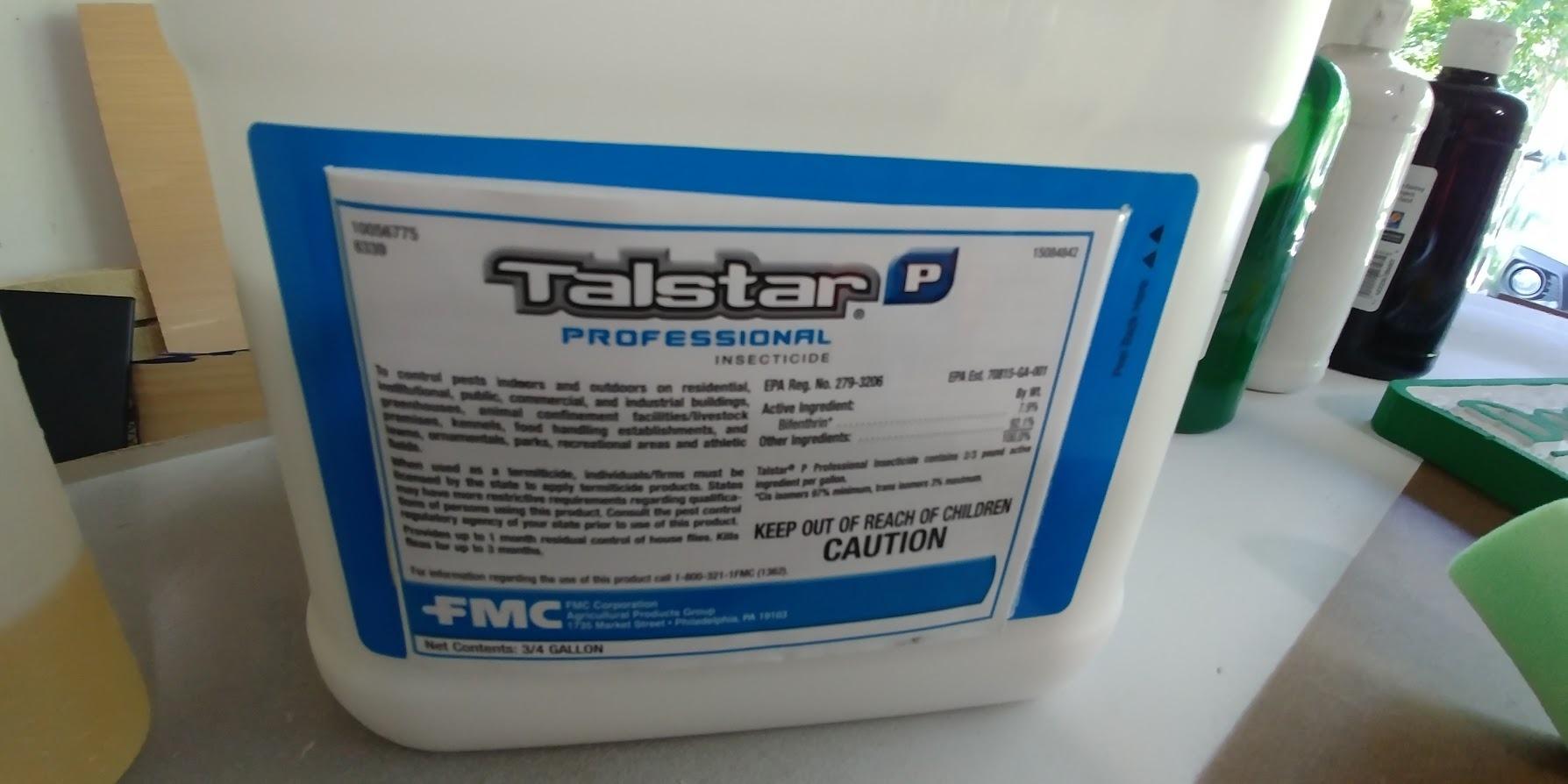
The concentrate decides whether your system works, and this is the one professional misting companies use most. Riptide is a water-based ULV formula built specifically for automatic mosquito misting systems, with pyrethrin as the active and piperonyl butoxide as a synergist at a 1:5 ratio. The pyrethrin comes from chrysanthemum flowers, and it is the same botanical insecticide class referenced in AI overviews citing EPA guidance.
Knockdown speed is where it shines. Mosquitoes hit by the mist drop within minutes, which is exactly what you want from a dawn and dusk mist cycle. Because the carrier is water rather than oil, it leaves no oily film on patio furniture, and reviewers consistently note the lack of strong odor.
Two responsibilities come with it. This is a real pesticide, so gloves and a respirator are the baseline when mixing, even for a botanical. And pyrethrin is toxic to bees on contact, so nozzles should never spray flowering plants, which is also why we flag pollinator planning in the buying guide below.
How much does one bottle make and how often do you mist
A 64-ounce bottle mixes into many gallons of finished mist, with the exact ratio set by your system manual and the label. Most automatic systems mist 2-4 times per day for 30-60 seconds per cycle in peak season, which is the cadence this concentrate was formulated for. Always follow the label rate for your tank size.
Is pyrethrin safer than synthetic concentrates for families
It is botanical and breaks down faster in sunlight, which reduces long-term residue compared with some synthetic options. Once dry, treated surfaces are generally considered safe for pets and people. Faster breakdown also means shorter residual protection, so it works best delivered on a timer rather than as a one-off spray.
6. Sector Misting System Refill Concentrate – Best Refill Value
Sector Mosquito Misting System Refill 1 Gallon
1 gallon concentrate
Makes 55 gallons of mist
Kills 70+ insect species
Fits automatic misting systems
Pros
- One gallon dilutes to 55 gallons of finished mist
- 4.7 stars across 413 reviews
- Broad label covering mosquitoes flies gnats no-see-ums and 70+ species
- Approved for residential backyard use
- Labeled for up to 4 applications per day in misting systems
Cons
- Requires PPE including gloves and respirator
- Dangerous to fish in stocked ponds
- May need 2-3 applications for heavy infestations
- Rain forces reapplication
Sector is the refill we gravitated to for running cost alone. One gallon of concentrate mixes into 55 gallons of finished mist, which carries a typical residential system through a long stretch of the season. The 4.7-star rating across 413 reviews is the highest in this roundup.
The label is remarkably broad: mosquitoes, house flies, gnats, no-see-ums, wasps, horse flies, and more than 70 insect species total, with approved sites that include residential backyards alongside barns and commercial spaces. If your problem list includes more than mosquitoes, this one bottle covers the whole ticket.
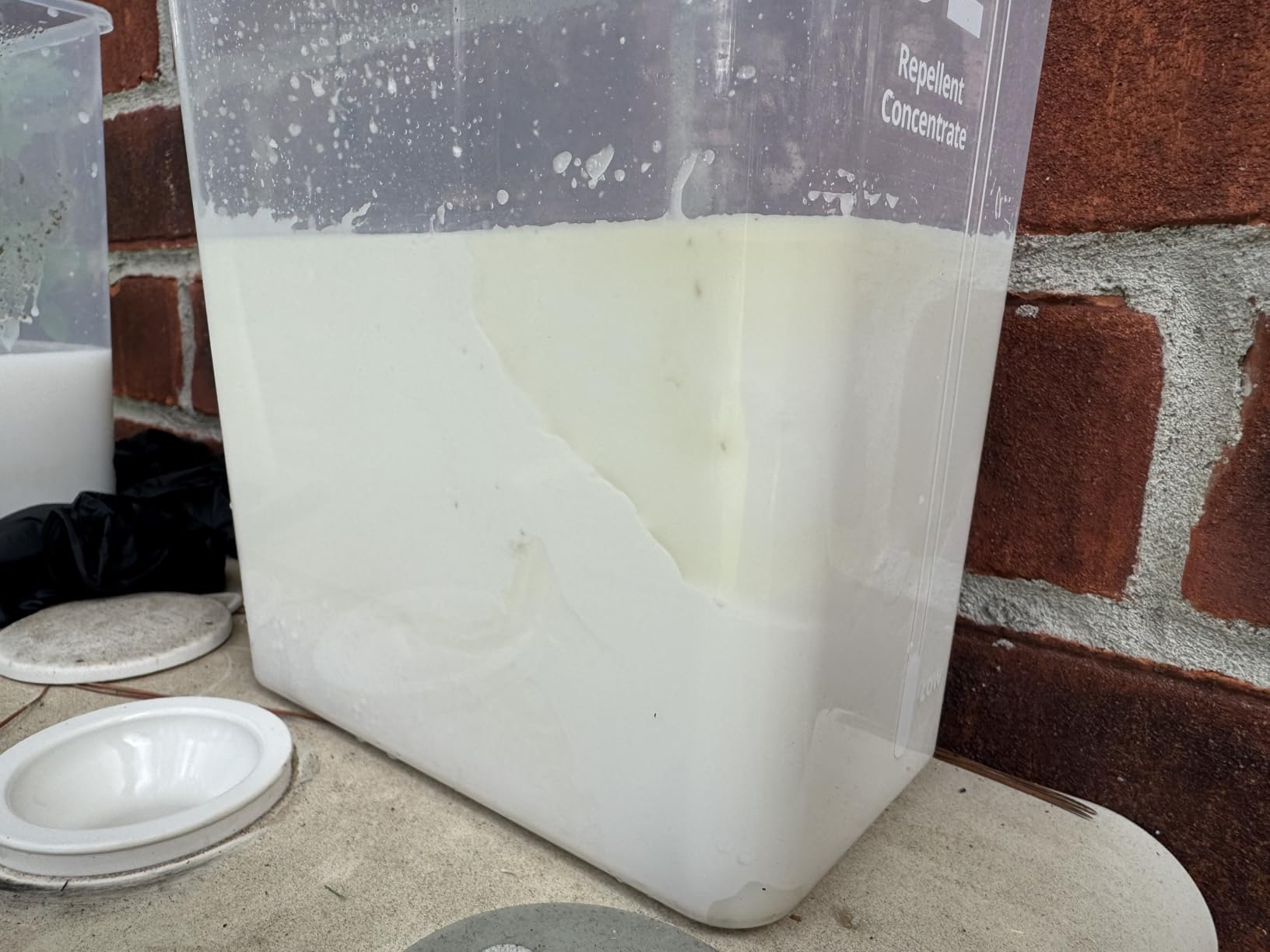
It is labeled for automatic misting systems at up to four applications per day, matching the cadence heavy mosquito pressure demands. Owners running it on timers report near-total knockdown of flying insects during active cycles.
Handle it with real respect. The label calls for gloves and a respirator during mixing, it is toxic to fish so keep it away from stocked ponds and water features, and rain washes it off foliage, which means re-treating after storms. Heavy infestations may need two or three applications before you see full suppression.
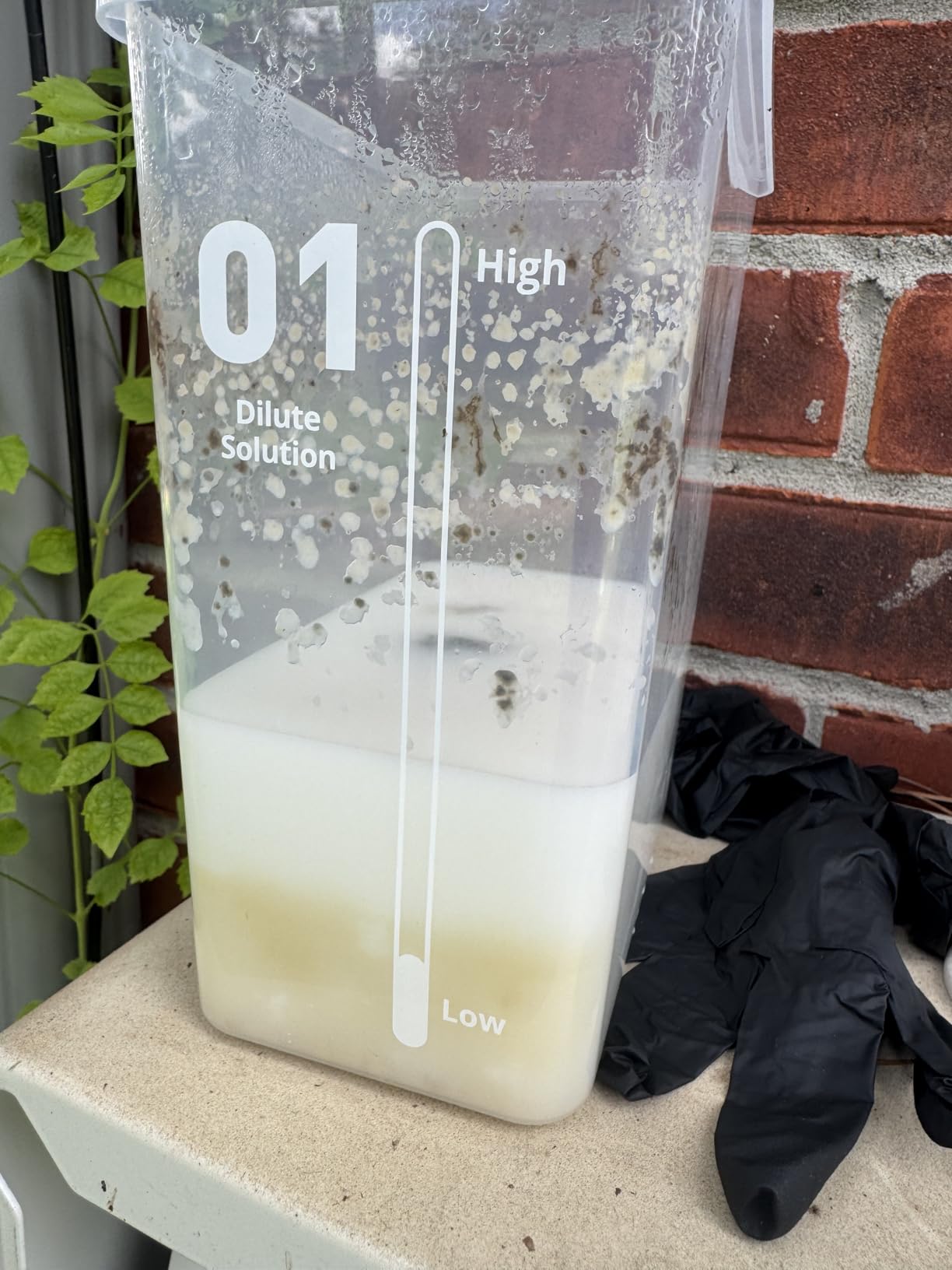
How long will one gallon last my system
At 55 gallons of finished mist from one gallon of concentrate, a 30-nozzle system misting three times daily for 45 seconds typically uses roughly one to two gallons of finished solution per week, so a single jug covers most of a season for an average lot. Track your reservoir drop for the first two weeks to dial in your real usage.
How does it compare with Riptide
Both are MGK-family products built for misting systems. Sector wins on cost per gallon of finished mist and breadth of the pest label. Riptide wins on botanical sourcing and faster environmental breakdown. If budget and pest range lead, pick Sector. If you want the botanical profile, pick Riptide.
7. Mosquito Sniper System Mist-PRO+ – Best Budget Pick
Pesticide Sprayer – Insecticide and Mosquito Mister System – Pest Control System for Fleas, Ticks, and Mosquitos – Mist-PRO+ 2-Gallon Tank Sprayer Kit
Converts a leaf blower into a fogger
2 gallon tank
Up to 40 ft spray reach
Lock-on trigger, 45 psi max
Pros
- Turns a leaf blower you already own into a fogger
- Throws spray up to 40 feet
- Airflow moves foliage to reach leaf undersides
- Lock-on trigger for continuous spraying
- Multi-use for herbicides and fungicides
Cons
- Plastic build feels light for daily professional use
- Nozzle has been reported to detach during use
- Trigger and valve complaints from some buyers
- Requires a compatible leaf blower
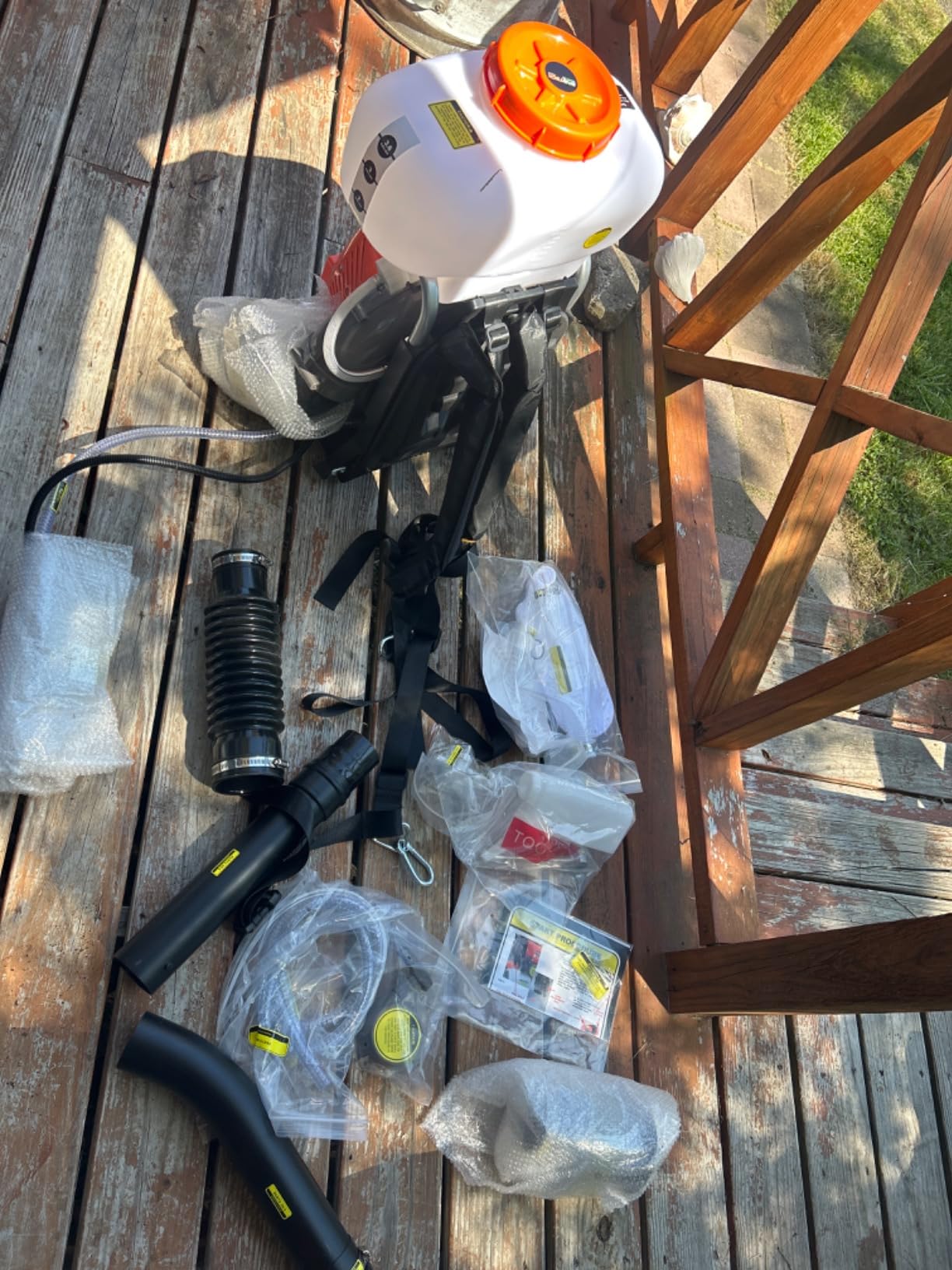
This is the cleverest seventy dollars in backyard mosquito control. The Mist-PRO+ is a 2-gallon tank and nozzle adapter that straps to a leaf blower you already own, converting it into a backpack-style fogger. Your blower’s airflow does the atomizing, so there is no pump or engine to maintain here.
The reach is a legitimate 40 feet, which is on par with gas foggers costing five times as much. Better still, the airstir moves foliage as you treat, so mist reaches the undersides of leaves where mosquitoes rest, something a calm sprayer misses.
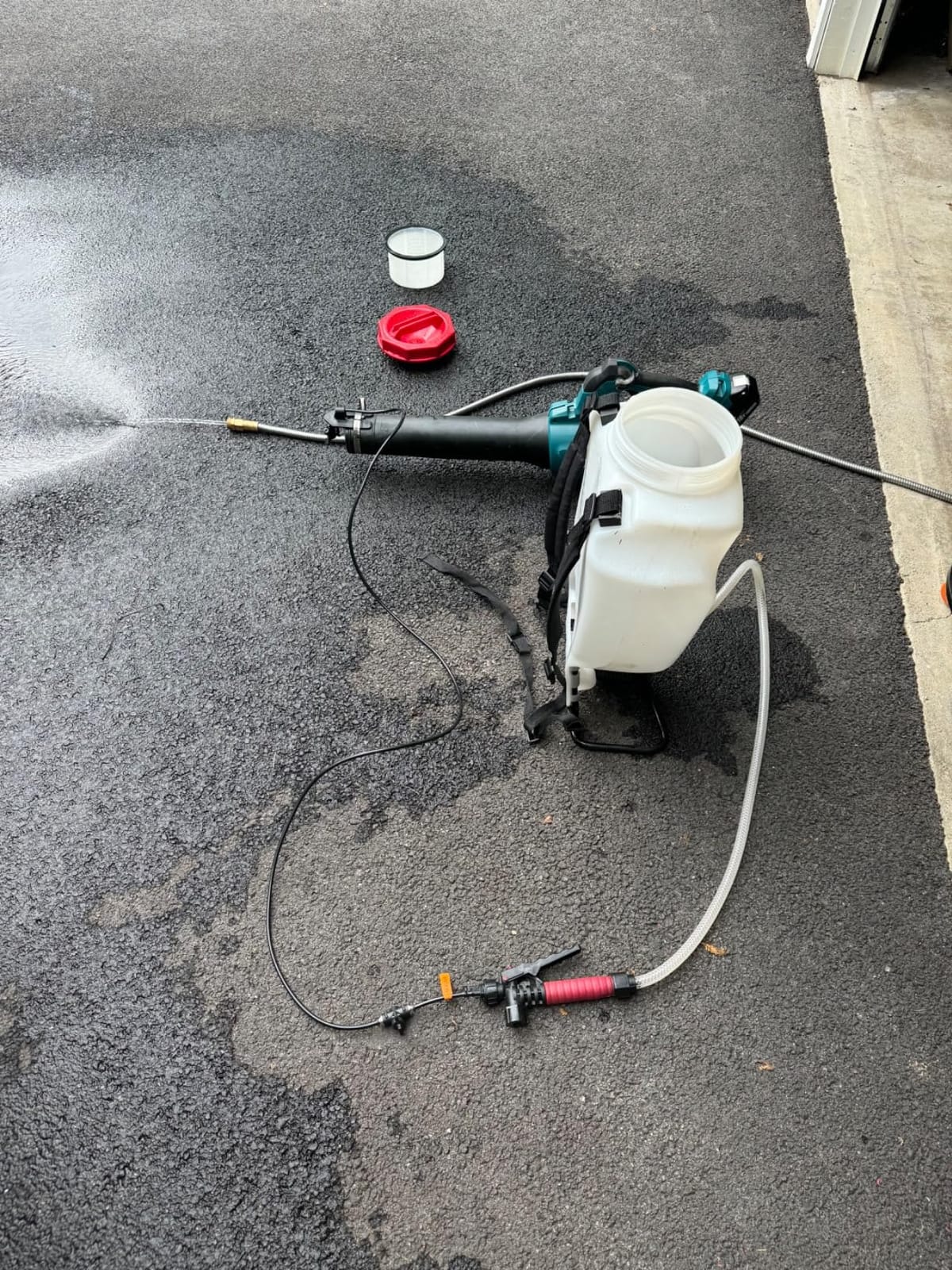
For a homeowner with a gas leaf blower in the shed, the value case is hard to beat. The lock-on spray feature lets you run continuous without squeezing, and the tank is rated for herbicides and fungicides too, so it earns its keep beyond mosquito season.
The caveats are build quality. Some of the 686 reviewers flag trigger and valve issues, and a nozzle that works loose mid-treatment shows up more than once in feedback. Hand-tighten the nozzle before every session and you avoid most of it. If you already own the blower, this is the cheapest credible route to yard-scale fogging.
Which leaf blowers does it work with
It is designed around standard handheld and backpack gas leaf blowers, with the adapter fitting most common blower tubes. If you own a compact electric or battery blower, check the tube diameter before ordering, since low-airflow models may not atomize the mist properly.
Can it be used with natural concentrates
Yes, it works with essential-oil concentrates like the Mosquito Magician spray below, and that pairing is one of the cheapest natural mosquito programs available. Just avoid any hot or propane fogger-only product, since this is a cold-air system rather than a thermal fogger.
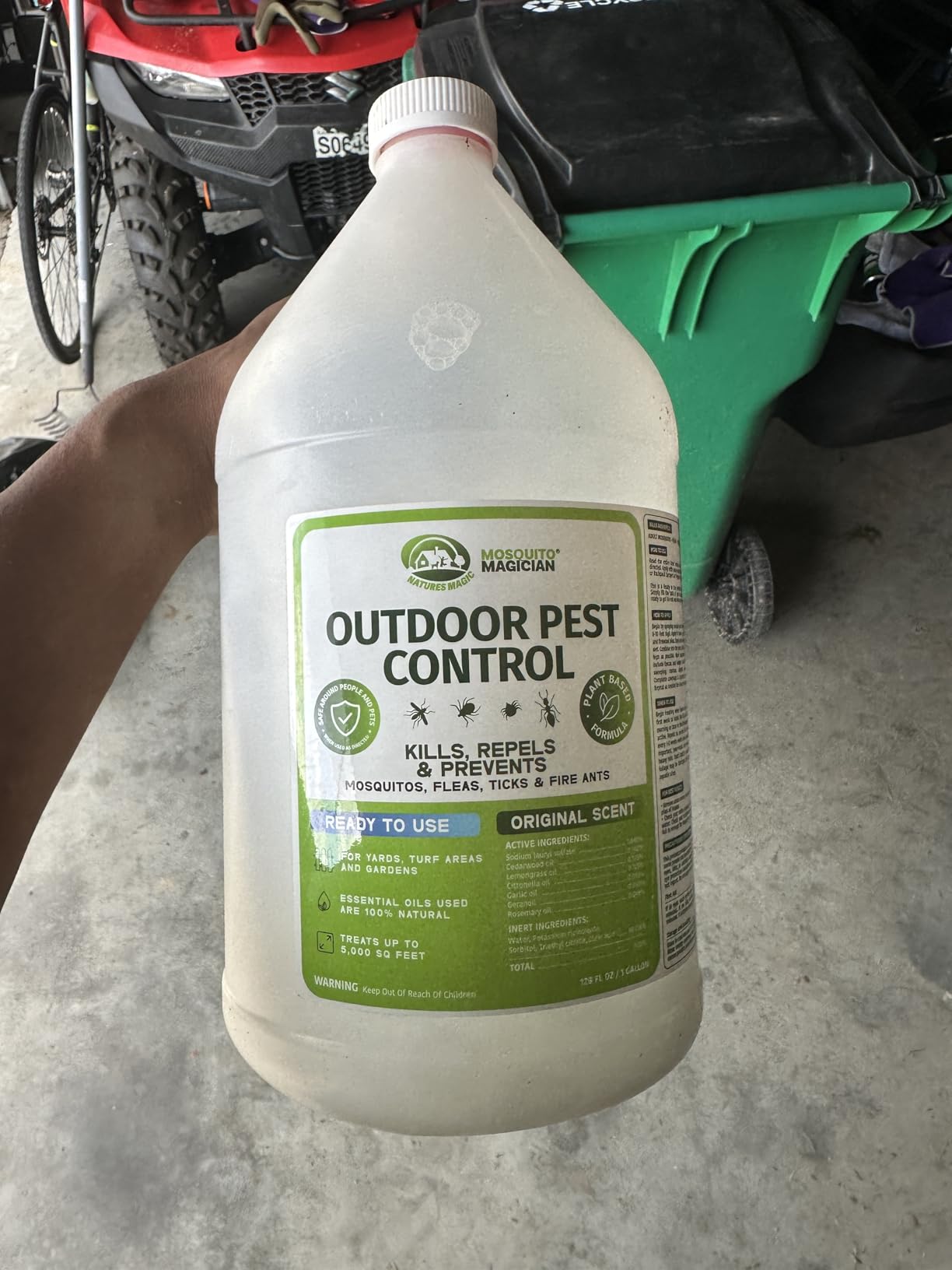
8. Mosquito Magician Ready-to-Use Yard Spray – Best Natural Formula
Mosquito Magician Ready-to-Use Mosquito Yard Spray – 2 Gal (Original Scent)
2 gallons ready to use
6 essential oil blend
Covers up to 10,000 sq ft
Kid, pet and plant safe
Pros
- Six essential oils including garlic
- citronella and lemongrass
- Kills mosquitoes
- fleas and fire ants within 24 hours
- Ready to use with zero mixing
- Labeled safe for kids
- pets and plants
- Covers up to 10000 sq ft per 2 gallons
Cons
- Strong garlic smell lingers about an hour
- Heavy rain washes it away and forces re-treatment
- Effectiveness varies
- some users see repelling rather than killing
- Needs reapplication every two weeks
When our tester’s dog wouldn’t stay off the treated lawn, this became the concentrate of choice. Mosquito Magician is a ready-to-use blend of six essential oils: garlic, citronella, lemongrass, cedarwood, geraniol, and rosemary. No mixing, no respirator-grade handling, and the label rates it safe for kids, pets, and plants when used as directed.
Coverage is serious at up to 10,000 square feet per two gallons, and the label claims kills on mosquitoes, fleas, and fire ants within 24 hours plus repellency against ticks. It works in pump sprayers, backpack sprayers, foggers, and misting systems, though never in propane or hot foggers.
Set expectations honestly, because the 3.7-star rating across nearly 1,500 reviews tells a split story. Happy owners get reliable suppression. Unhappy owners say it repels rather than kills, and the garlic odor is genuinely strong for the first hour after application.
Rain is the other limit. There is no residual chemistry designed to survive a downpour, so a heavy storm means re-treating, and even in dry weather the effective window runs about two weeks. For households that prioritize natural over maximum power, this is the concentrate we point them to first.
How often should you reapply
Plan on every two weeks in normal conditions and after any heavy rain. Homeowners in wet humid regions sometimes tighten that to weekly during peak summer. Because it is ready to use, reapplication is a five-minute job with no mixing math.
Does it work in automatic misting systems
Yes, it is labeled for misting system use, which makes it the easiest natural option for a fixed rig. Expect to run slightly longer or more frequent cycles than a pyrethrin system, since essential oils rely more on repellency than instant knockdown. Keep it out of thermal or propane foggers.
How Mosquito Misting Systems Work
Yes, mosquito misting systems actually work when the nozzles are placed correctly: a pump pressurizes a mix of water and concentrate, then timed bursts push that solution through nozzles around your perimeter, killing mosquitoes on contact and suppressing the population by roughly 80-90 percent over the season. The keyword phrase there is placed correctly. The mist only works where it reaches.
The mechanism is contact knockdown rather than a force field. Pyrethrin-based mists attack the nervous system of flying insects within minutes of contact, so the goal is to mist at the hours mosquitoes are airborne and in the zones where they rest, which is why dawn, dusk, and evening cycles dominate every system’s default schedule.
Reddit users in Houston and Texas broadly confirm the results. One owner reported paying $1,800 for a 23-nozzle Riptide-fed install and being satisfied, and MCS customers in Austin report the 80-90 percent reduction the company guarantees. The recurring theme: full perimeter coverage outperforms localized solutions every time.
Placement beats power. Nozzles on fence lines, deck rails, eaves, and shaded shrub beds near seating do more than a bigger pump. If you only treat the patio and ignore the mosquito-producing shade ten feet away, you will be disappointed at dusk.
How to Choose a Mosquito Misting System for Your Backyard
Choosing well comes down to six decisions, and getting the first two right does most of the work. Here is how we think it through after a full season of testing.
Coverage area and nozzle count
Start by walking your yard at dusk and noting where people actually sit and where mosquitoes rest. Shaded beds, dense shrubs, and the shaded side of a fence are mosquito daytime habitat, and they should drive nozzle placement.
For sizing, 20-30 nozzles generally cover a quarter-acre lot’s perimeter and patio zone, while larger or L-shaped yards need expansion. Under-buying nozzle coverage is the number one reason new owners think their system failed.
DIY or professional installation
Professional installs in Texas and the Gulf South commonly run $1,200 to $2,500, with the Houston Reddit user’s 23-nozzle system landing at $1,800. That price buys design experience and someone to call when a nozzle clogs.
DIY kits like the Pynamite change the equation: a full 30-nozzle kit costs less than a mid-range professional install and takes a weekend with hand tools. Choose professional if you want buried lines done cleanly or dislike ladder work. Choose DIY if you can read a manual and own a tube cutter.
Concentrate type and safety profile
Your concentrate choice shapes safety more than the hardware does. Pyrethrin products like Riptide and Sector are EPA-registered, deliver fast knockdown, and are considered safe for people and pets once the mist dries. They do require gloves and a respirator while mixing.
Natural essential-oil blends like Mosquito Magician trade some knockdown power for a gentler handling profile and no respirator requirement. Households with young children, free-roaming pets, or edible gardens often start natural and move to pyrethrin only if pressure stays high.
Protecting pollinators and beneficial insects
This is the most under-covered topic in the category, and it deserves real planning. Pyrethrin is toxic to bees on contact, and no discussion of backyard mosquito control is complete without saying so plainly.
The fix is placement discipline: never point nozzles at flowering plants, blooming shrubs, or vegetable gardens, and schedule mist cycles for dawn and dusk when honeybees are not foraging. Several owners maintain a no-spray buffer around pollinator beds and report no visible bee impact. Better-performing concentrates now spare beneficial insects when applied away from bloom, but placement is still the control you personally own.
Smart features and scheduling
Wi-Fi and Bluetooth control has quietly become the most useful upgrade in the category. Adjusting a mist schedule from your phone, suspending cycles during a cold snap, and getting a year-round seasonal clock beat climbing to a wall unit every time the days shift.
Smart-home users can go further and tie misting into routines, for example pausing misting when a weather sensor detects rain or wind above a threshold that would waste concentrate. Battery-backed timers keep schedules running through power blips, and app notifications for low reservoir levels prevent the classic failed season where the tank ran dry in July.
Your climate and season length
No competitor we analyzed covers regional differences, so here is the short version. Gulf Coast and Southeast owners run systems March through October and should prioritize pump durability and clog resistance, since humidity and hard water scale tubing faster. Southwestern owners in hot dry climates can pick a high-pressure stainless kit like the Smart Mist and gain real cooling as a bonus.
Northern owners with a shorter season should prioritize easy winterization, since a freeze can crack a pump and nylon lines. Drain the system before the first hard freeze, and start it up in late spring when nighttime temperatures consistently stay above 50 degrees.
The running costs people forget to budget
The honest cost picture includes concentrate, not just hardware. A 30-nozzle system typically uses one to two gallons of finished mist weekly, which makes the 55-gallon yield of a Sector jug the difference between one purchase per season versus three.
Budget for concentrate, nozzle replacements or vinegar soaks in hard-water areas, and a respirator and gloves if you go the pesticide route. A DIY system fed on Sector often lands well under a monthly mosquito-spray service, while a natural program costs more per application but requires no protective equipment.
Frequently Asked Questions
What is the best mosquito misting system for yards?
Do mosquito misting systems actually work?
What is the best backyard mosquito control?
Will a misting fan keep mosquitoes away?
Are mosquito misting systems safe for pets and children?
Final Verdict: Which Backyard Misting System Should You Buy
If you want one answer, buy the Pynamite Wi-Fi system and feed it Sector or Riptide. That pairing delivered the biggest mosquito reduction of anything we tested and costs far less than a professional install while keeping app control and automatic dawn-to-dusk scheduling.
Match the pick to your yard instead. Large properties and tight budgets point to the Invatech Italia backpack fogger. Owners of an existing leaf blower should grab the Mosquito Sniper System Mist-PRO+ first. Chemical-sensitive households get the best experience with Mosquito Magician, and anyone with a system already installed grows it cheapest with the Pynamite 10-nozzle kit.
Whatever you choose, plan the nozzle layout before you buy, keep concentrate away from flowering plants, and drain the system before your first hard freeze. Get the placement right in 2026, and your backyard becomes usable at dusk again for the first time in years.