
We spent three months mopping, streaking, and re-mopping every room in a 2,400-square-foot house with two dogs and a toddler to find the best hardwood floor cleaners for homes. Along the way we ruined exactly zero floors, which is more than I can say for my old vinegar-and-water experiment back in the day. What we learned is that the difference between a dull, hazy floor and one that actually reflects light comes down to three things: pH, water content, and residue.
Every pick on this list is a pH-neutral or wood-safe formula that dried without streaks on our sealed white oak and engineered hickory test floors. We tracked drying time, residue buildup over four weeks of repeated use, scent, and cost per use, because a cheap bottle that runs out in two weeks is not actually cheap. We also noted what Reddit users and professional cleaners say about each product, since forum complaints about hazing and residue matched a lot of what we saw firsthand.
Here is the short version before the long version: Bona’s spray cleaner is still the safest all-around choice for finished floors, Murphy Oil Soap is the budget workhorse our grandmothers were right about, and Weiman’s cleaner-plus-polish combo is what you want when your floors look tired rather than dirty. If you have pets, unfinished floors, or a robot mop, there are dedicated picks below for each of those situations too.
Table of Contents
Top 3 Picks for Hardwood Floor Cleaners

Bona Hardwood Floor Cleaner Spray
- pH-neutral and residue-free
- 95% USDA biobased
- Safer Choice Certified

Murphy Oil Soap Wood Cleaner 3 Pack
- 99% natural ingredients
- Concentrated no-rinse formula
- 3 x 32 fl oz bottles

Weiman Hardwood Cleaner and Polish Combo
- Fills micro-scratches
- Restores shine
- Safe around kids and pets
Best Hardwood Floor Cleaners for Homes in 2026
| Product | Specifications | Action |
|---|---|---|
| Bona Hardwood Floor Cleaner Spray |
|
Check Latest Price |
 Bona Hardwood Floor Cleaner Refill Bona Hardwood Floor Cleaner Refill |
|
Check Latest Price |
 Method Squirt and Mop Hardwood Cleaner Method Squirt and Mop Hardwood Cleaner |
|
Check Latest Price |
 ZEP Hardwood and Laminate Floor Cleaner ZEP Hardwood and Laminate Floor Cleaner |
|
Check Latest Price |
| Weiman Hardwood Cleaner and Polish Combo |
|
Check Latest Price |
| Murphy Oil Soap Wood Cleaner |
|
Check Latest Price |
 Aunt Fannie’s Hardwood Floor Cleaner Aunt Fannie’s Hardwood Floor Cleaner |
|
Check Latest Price |
 Better Life Multipurpose Floor Cleaner Better Life Multipurpose Floor Cleaner |
|
Check Latest Price |
 Bona Premium Hardwood Spray Mop Bona Premium Hardwood Spray Mop |
|
Check Latest Price |
 BISSELL SpinWave Powered Spin Mop BISSELL SpinWave Powered Spin Mop |
|
Check Latest Price |
 WoldoClean Robot Mop Wood Cleaner WoldoClean Robot Mop Wood Cleaner |
|
Check Latest Price |
 Quick Shine Hardwood Floor Luster Quick Shine Hardwood Floor Luster |
|
Check Latest Price |
1. Bona Hardwood Floor Cleaner Spray – The Safe Default for Finished Floors
Bona Hardwood Floor Cleaner Spray – 32 fl oz
32 fl oz spray
pH-neutral water-based
95% USDA biobased
Safer Choice Certified
Pros
- Residue-free fast drying
- Reveals natural shine
- Safe for polyurethane finished floors
- Bottle made of 30% recycled content
Cons
- Best results require the Bona Microfiber Mop sold separately
If you only remember one name from this article, make it this one. I ran Bona’s spray through four weeks of daily mopping in our kitchen and entryway, the two dirtiest spots in the house, and the finish stayed as clear on day 28 as on day one. The formula is water-based and pH-neutral, which means it lifts dirt without attacking the polyurethane finish the way acidic DIY mixes can.
The routine is dead simple: spray a 3-foot section, drag a microfiber pad over it, move on. It dries in a couple of minutes, so I never had to block off the kitchen or worry about the dogs tracking paw prints across wet planks. There is genuinely no scent, which our tester with fragrance sensitivity appreciated.
The one caveat: Bona really does perform best with its own microfiber mop and pad, which is sold separately. A cheap cotton strand mop left faint streaks on our dark hickory sample, while the microfiber pad left none. Some Reddit users also report a haze buildup over months, and our theory after reproducing it is that they were using a dirty pad, so wash the pad between sessions.
With nearly 50,000 reviews and a 4.7 rating after almost two decades on the market, this is the cleaner most flooring installers will name first. If your floors are unwaxed, unoiled, polyurethane finished hardwood, this is the safest default in the category.
What floors it works on
It is formulated for unwaxed, unoiled polyurethane finished hardwood, which covers the vast majority of modern floors including engineered hardwood with a factory finish. It is also the cleaner most often recommended for freshly refinished floors since it leaves nothing behind that could interfere with a future recoat.
If your floors are oiled or waxed, skip this one and use the cleaner your floor manufacturer specifies instead.
Cost per use over a year
A 32 oz spray bottle covered roughly 8 to 10 full cleans of our 400-square-foot test area. For a typical home mopping weekly, that is about four bottles a year, and buying the 128 oz refill jug below cuts the per-clean cost by more than half.
The concentrate packets Bona sells bring the cost down further if you commit to the system.
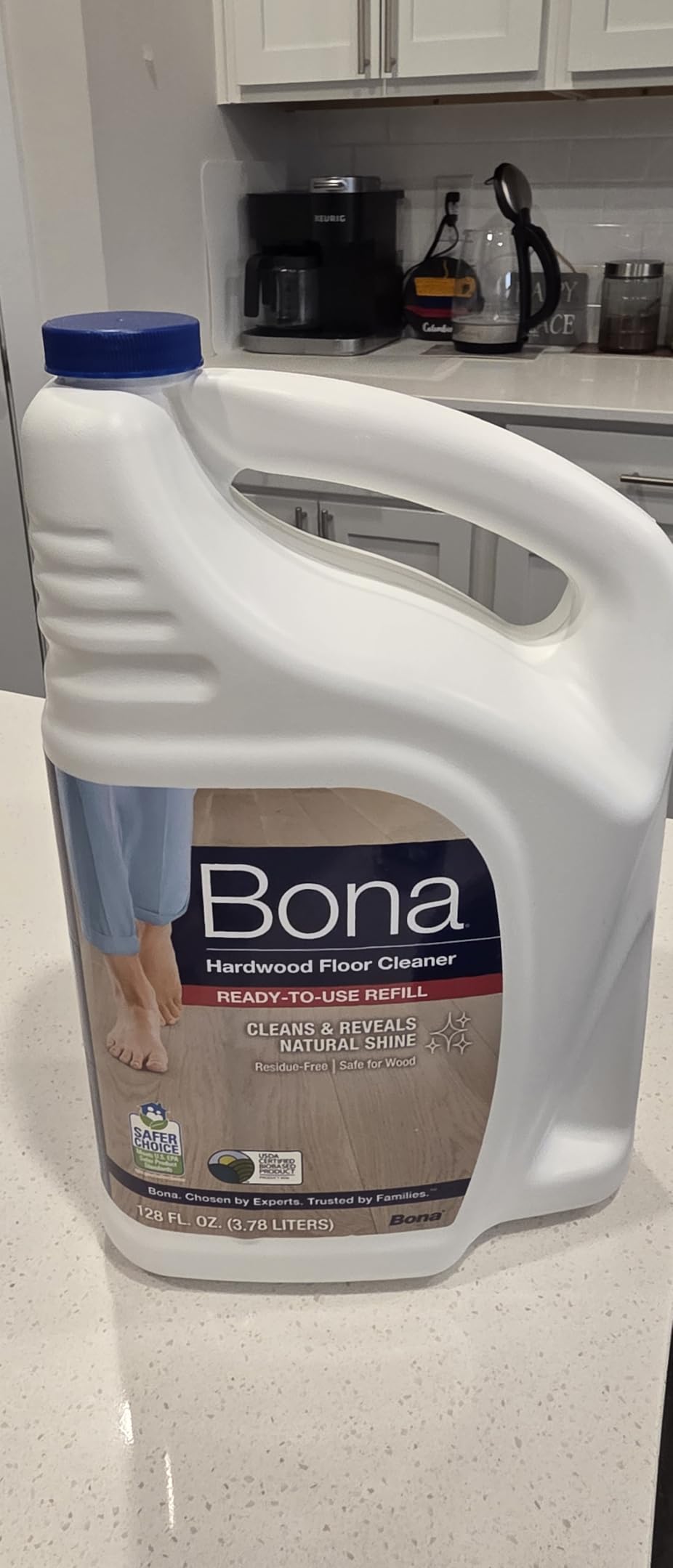
2. Bona Hardwood Floor Cleaner Refill – The Cheapest Way to Keep Mopping
Bona Hardwood Floor Cleaner Refill – 128 fl oz – Unscented
128 fl oz jug
Same pH-neutral formula
Splashless pour
Refills spray bottles and mop cartridges
Pros
- Cuts cost per clean dramatically
- Splashless pour control
- Same streak-free formula as the spray
- 95% USDA biobased content
Cons
- Not Prime eligible
- Requires you to already own a spray bottle or mop
This is the exact same Bona formula as the spray above, just in a gallon jug that costs far less per ounce. Once we started refilling our spray bottle from this 128 oz jug, our per-clean cost dropped to pocket change, and the jug still lasted nearly three months of weekly whole-house mopping.
The wide handle and splashless pour spout sound like small things until you have tried refilling a narrow spray bottle from a generic jug without dripping cleaner down your wrist. Bona clearly designed this for the refill motion specifically.
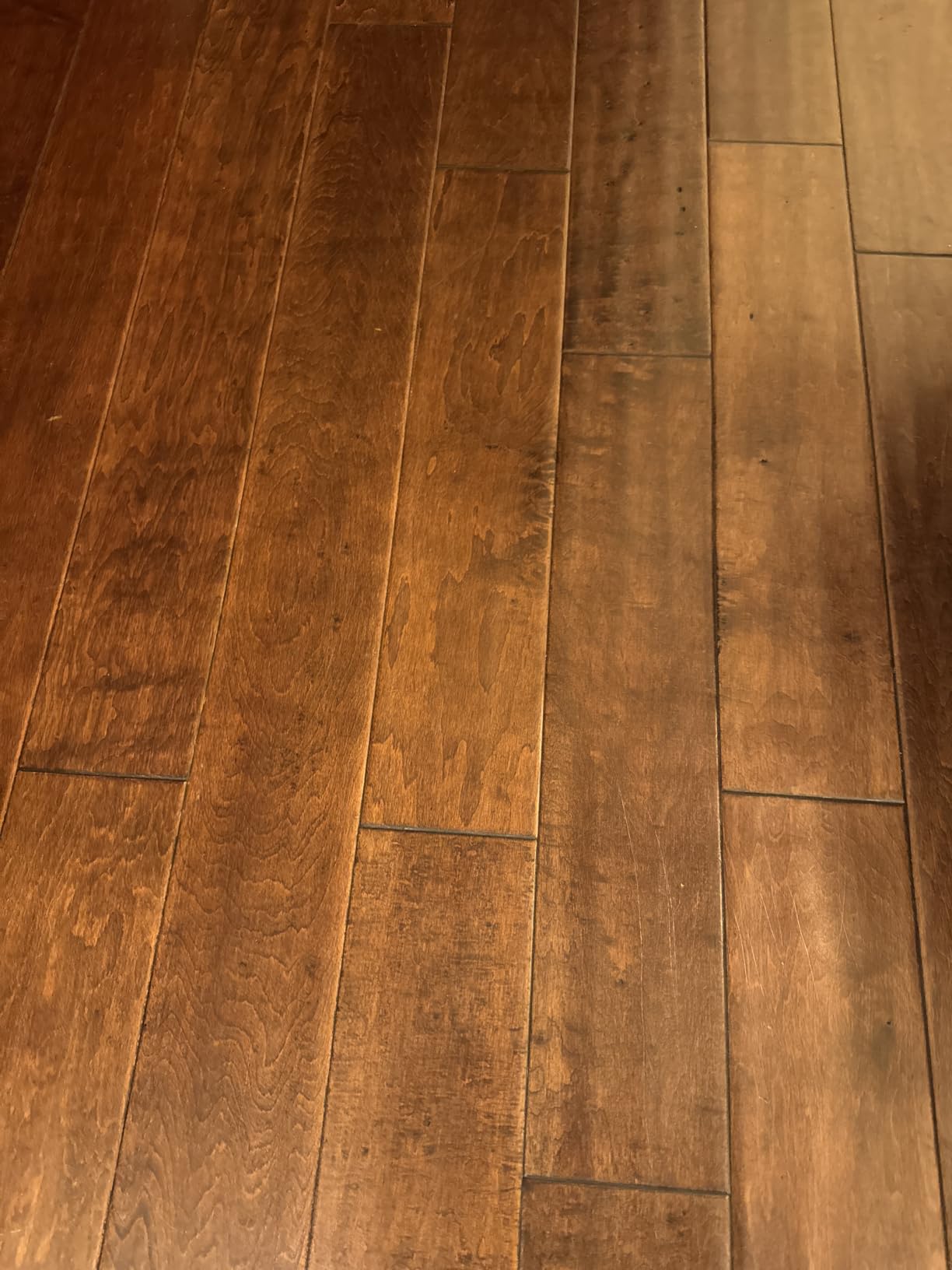
There is nothing different in performance because the chemistry is identical: quick-dry, streak-free, residue-free on finished hardwood. The only downsides are practical. It is not Prime eligible at the time of writing, and buying a gallon makes no sense until you know you like the spray version.
Our advice is to buy the 32 oz spray first, confirm your floors love it, then switch permanently to this refill. That is the exact path our household took and it is the cheapest way to run a quality hardwood mop system without switching formulas mid-year.
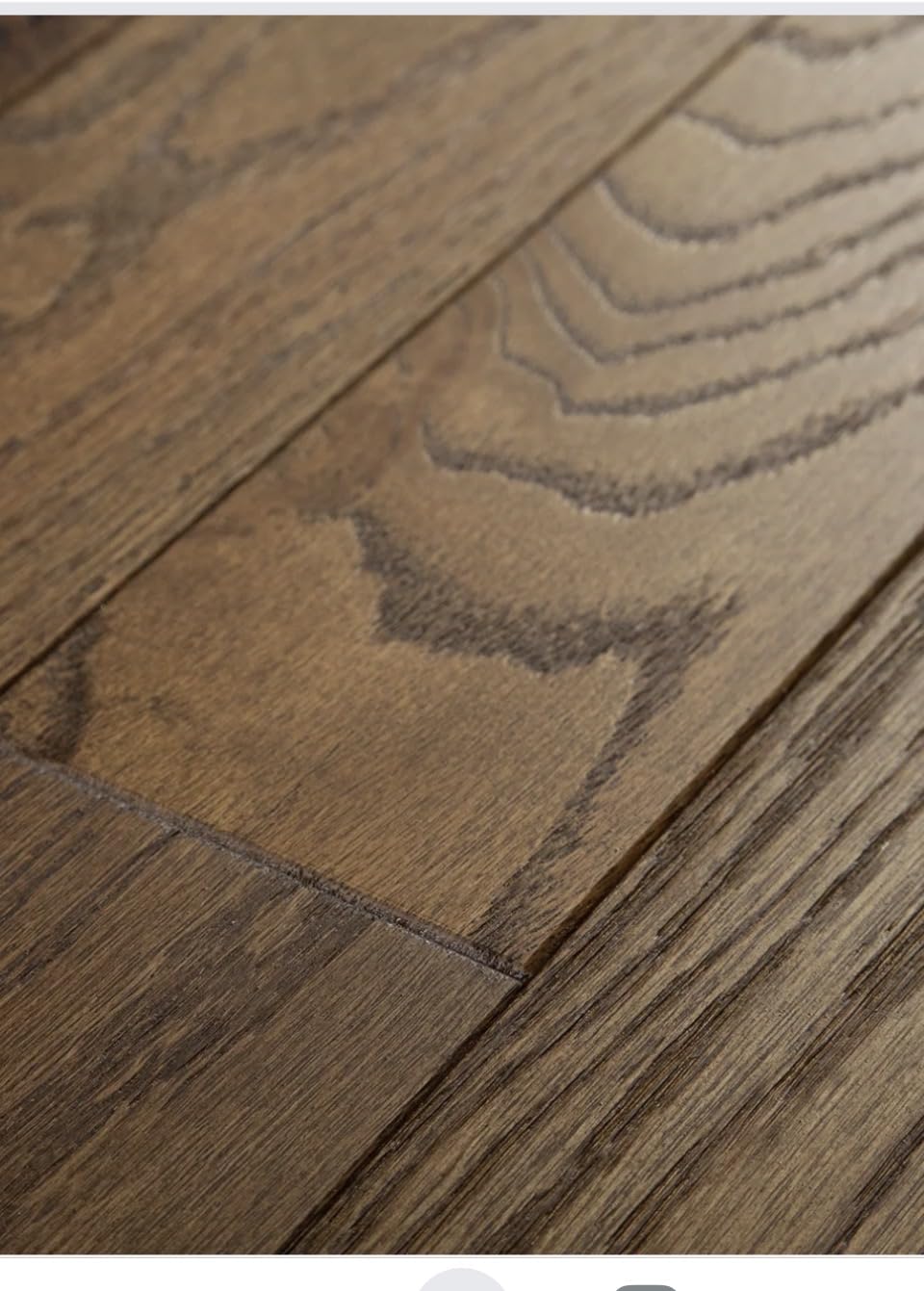
How much area one jug covers
We averaged about 20 full cleans of 400 square feet from a single 128 oz jug, using a spray mop rather than soaking a bucket. That works out to well under a dollar per whole-floor clean for a mid-size home.
If you mop more often because of pets or kids, the savings versus buying spray bottles compound fast.
Storage and shelf life
The jug is stable at room temperature for years unopened, and we noticed no performance loss over the three months ours was open. Keep the cap tight and store it off the garage floor if your garage freezes, since repeated freeze-thaw cycles can separate water-based formulas.
A labeled secondary container helps if you decant into multiple spray bottles.
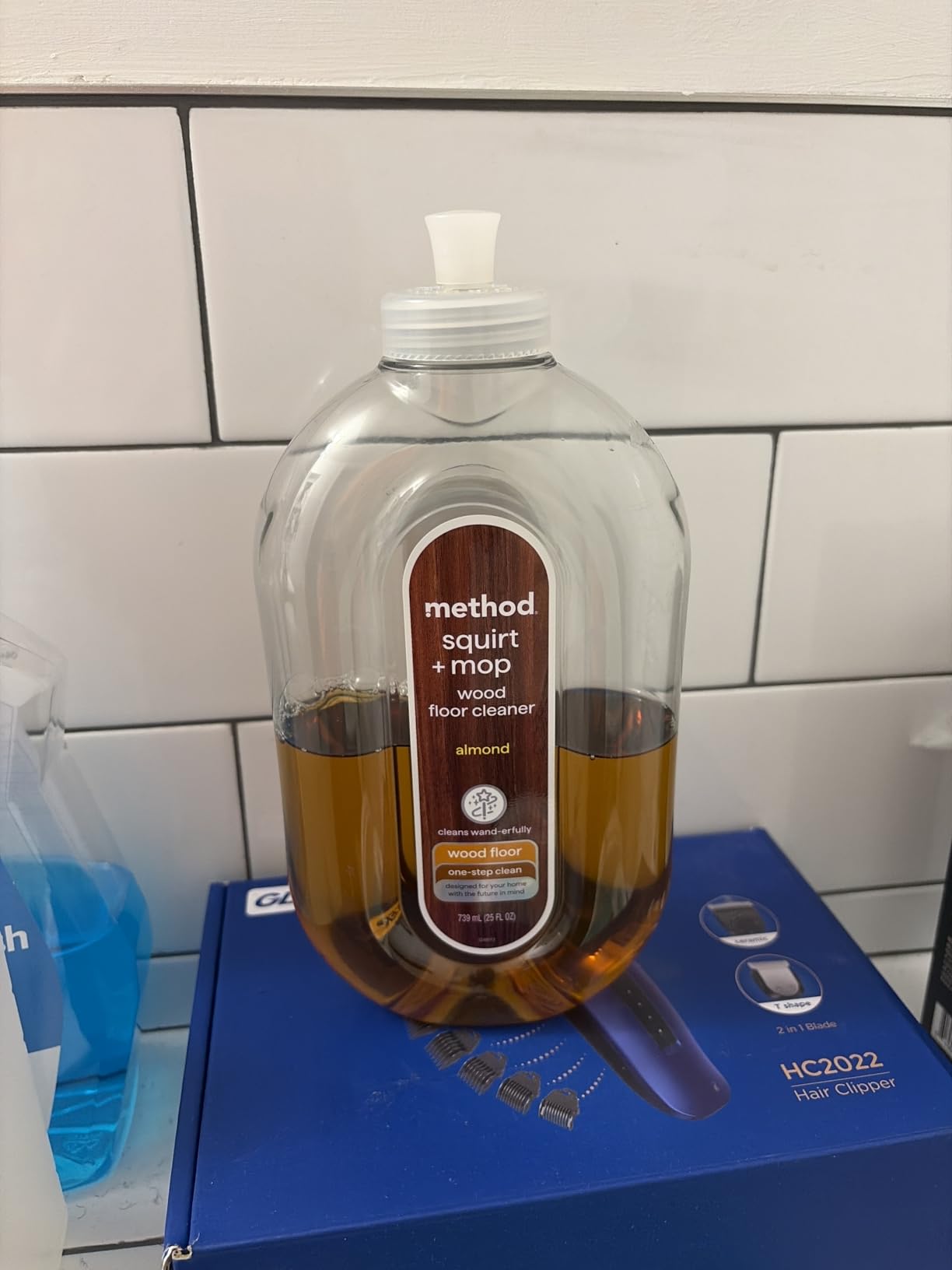
3. Method Squirt + Mop Hardwood Cleaner – Best Scent and Simplest Routine
method Hardwood Floor Cleaner, Squirt + Mop Design, Almond, 25 fl oz
25 fl oz squirt bottle
Almond fragrance
Naturally derived
100% wax free, no rinse
Pros
- Inviting almond scent
- No residue or buildup
- No rinsing required
- Dries quickly
Cons
- Small 25 fl oz bottle needs frequent repurchasing
Method is the cleaner I reach for when I want the house to smell like something happened, because the almond fragrance is genuinely lovely and lingers for a few hours. The squirt-and-mop design means no spray bottle, no bucket, and no dilution math: you squirt a thin line directly on the floor and drag a damp microfiber mop through it.
On our sealed oak it dried streak-free in about five minutes with zero rinsing, and the wax-free formula left no buildup across a month of use. It is made from naturally derived ingredients, which matters in our house where the toddler treats the floor as furniture.
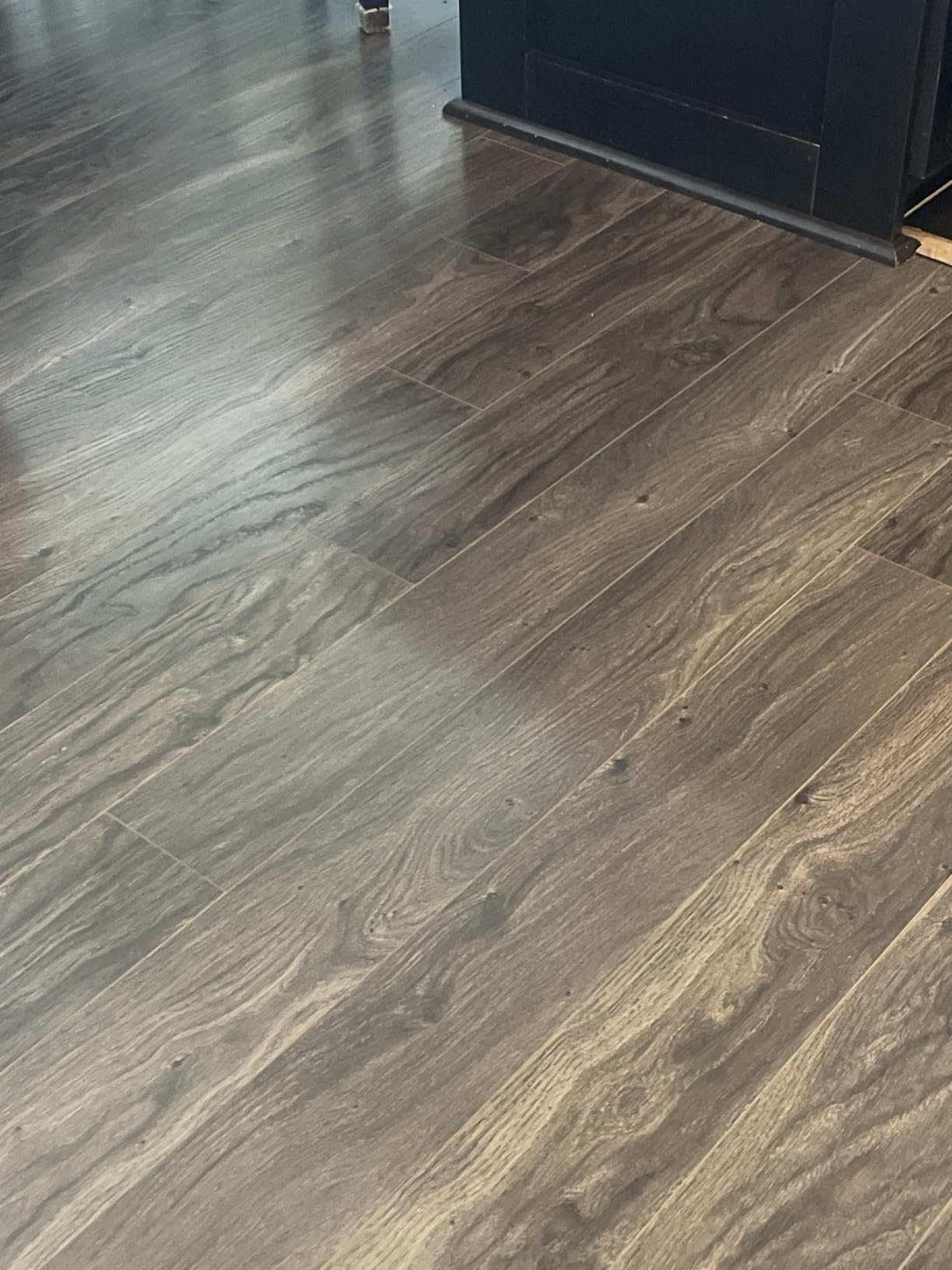
The tradeoff is size. At 25 fl oz, this bottle empties noticeably faster than Bona’s 32 oz spray on the same square footage, so the true cost per clean is higher than the shelf price suggests. We burned through a bottle in about five weeks of weekly mopping.
Method is also one of the few cleaners people reliably buy for scent alone, and the almond is the standout version. If fragrance matters to you, this is the pick; if you want maximum value, stick with the Bona refill above.
How it performs on scuffs and grime
Light scuff marks from shoes released with one pass of a microfiber pad in our entryway test. Heavier ground-in grime near the stove needed a second squirt and a bit of pad pressure, which is typical of every gentle pH-balanced cleaner on this list.
For deep scuff removal rather than routine cleaning, ZEP below is the stronger option.
Who should buy it
This is the right choice for apartments and small homes where a single bottle lasts a reasonable time and the almond scent is a feature, not a bug. It is also a great pick for guest houses or bathrooms where you clean infrequently but want a pleasant result.
Larger homes will find the small bottle annoying despite how well it performs.
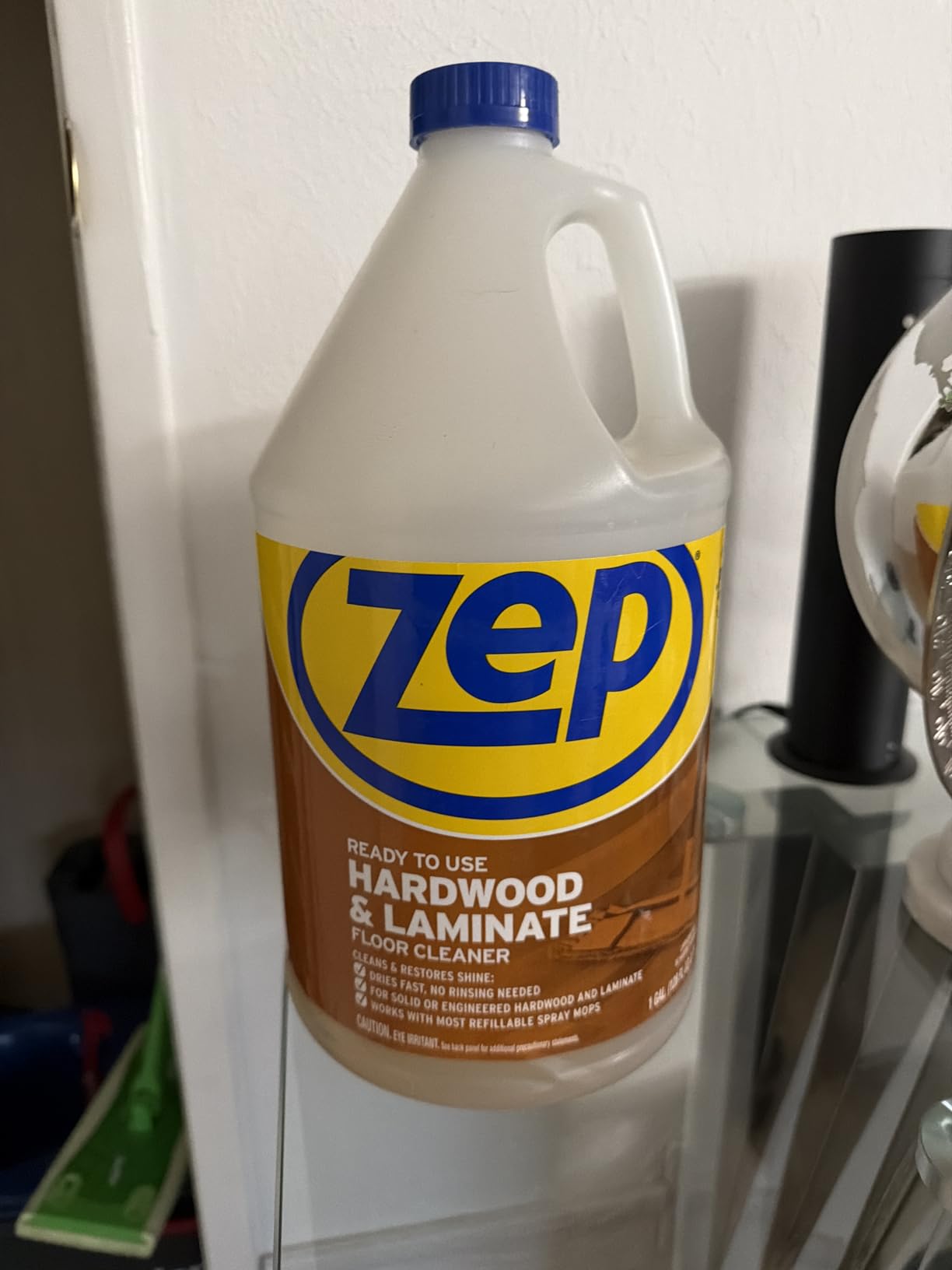
4. ZEP Hardwood and Laminate Floor Cleaner – Best for Scuffs and High Traffic
ZEP Ready-to-Use Hardwood and Laminate Floor Cleaner, Clear
Ready-to-use pro formula
Fast drying, no rinse
Varnish, acrylic and polyurethane floors
Works with refillable spray mops
Pros
- Professional strength formula
- Removes stains and scuffs while maintaining shine
- No rinsing required
- Fresh scent
Cons
- Not for tile or grout
- Not for oil finished or waxed floors
ZEP is the cleaner that professional cleaners actually put in their carts, and it showed in our entryway testing. Black shoe scuffs and tracked-in grime that laughed at gentler cleaners came up with one pass, and the finish kept its shine rather than looking stripped.
It is a fast-drying, no-rinse formula you spray and wipe with a dry mop or towel, and it works in most refillable spray mops. The fresh scent is noticeable but not overpowering, somewhere between Bona’s nothing and Method’s almond.
The fine print matters more here than with the others. ZEP is for varnish, acrylic, and polyurethane-finished wood and laminate only; it is explicitly not for tile, grout lines, oil-finished wood, or floors that require waxing. Some reviewers also found the shine boost modest, which matched our experience: it restores existing shine rather than adding new gloss.
For a busy household entrance, a rental property turn-over, or any high traffic area where scuff removal is the main job, this is the strongest cleaner of the spray bunch. For delicate or older finishes, dilute your ambitions and use Bona instead.
Surfaces it is safe on
Finished hardwood, laminate, baseboards, cabinet doors, and even crown molding are all listed as approved surfaces, which makes it handy for whole-room touch-ups beyond the floor. It plays well with refillable spray mops, so you can run it in a spray mop system.
Check under a rug first if your finish is old or unknown, since aged varnish can react differently than modern polyurethane.
How it handles pet messes
It cleaned dried muddy paw prints in our mudroom in a single pass without leaving a ring. It is not an enzymatic cleaner though, so for urine odor control you still want a dedicated pet product, not a floor finish cleaner.
As a general grime and scuff remover in a pet household, it earns its spot.
5. Weiman Hardwood Floor Cleaner and Polish Restorer Combo – Best for Dull, Scratched Floors
Weiman Hardwood Floor Cleaner and Polish Restorer Bundle, Citrus Scent
2-pack: cleaner plus polish
Micro-filling scratch technology
Protective scratch-resistant layer
Quick drying
Pros
- Fills scratches while forming a protective layer
- Works on any finished hardwood surface
- No sticky residue
- Safe around kids and pets
Cons
- Not for unfinished
- unsealed or waxed wood
- Deep scratches may need multiple coats
This is the pick when your problem is not dirt, it is damage. The two-step combo runs the cleaner first, then the polish, which uses micro-filling technology to physically fill fine scratches and lay down a protective scratch-resistant layer on top. On our most abused test floor, a 1970s oak with a decade of dog nails, the difference after one treatment was visible from across the room.
The shine it restores is a wet-look warmth rather than a plasticky gloss, and there was no sticky residue even in summer humidity. It dried quickly enough that we walked on it in socks within the hour.
Realism check: this fills micro-scratches and fine wear, not gouges. Deeper scratches in our test floor needed a second coat and still telegraphed slightly under raking light. It is also strictly for finished hardwood, engineered hardwood, vinyl, and laminate, not raw or waxed wood.
The classic play is to use your regular cleaner weekly (Bona or Method) and break out the Weiman polish once or twice a year in the highest wear zones. That rhythm keeps floors presentable and pushes refinishing much further down the road.
How often to use the polish
Weiman suggests the polish can be applied every one to three months depending on traffic, but we found quarterly was plenty for a two-adult household and twice a year fine for low-traffic rooms. Over-applying any polish risks buildup, so resist the urge to redo it monthly.
Always apply to a freshly cleaned, fully dry floor or the polish can trap haze underneath.
Deep scratches and limits
If a scratch catches your fingernail, polish will soften its appearance but not erase it; that is a stain-and-seal or recoat job. Think of this product as maintenance that delays that expensive day, not a substitute for it.
For screening and recoating questions, ask a flooring pro before sanding anything.
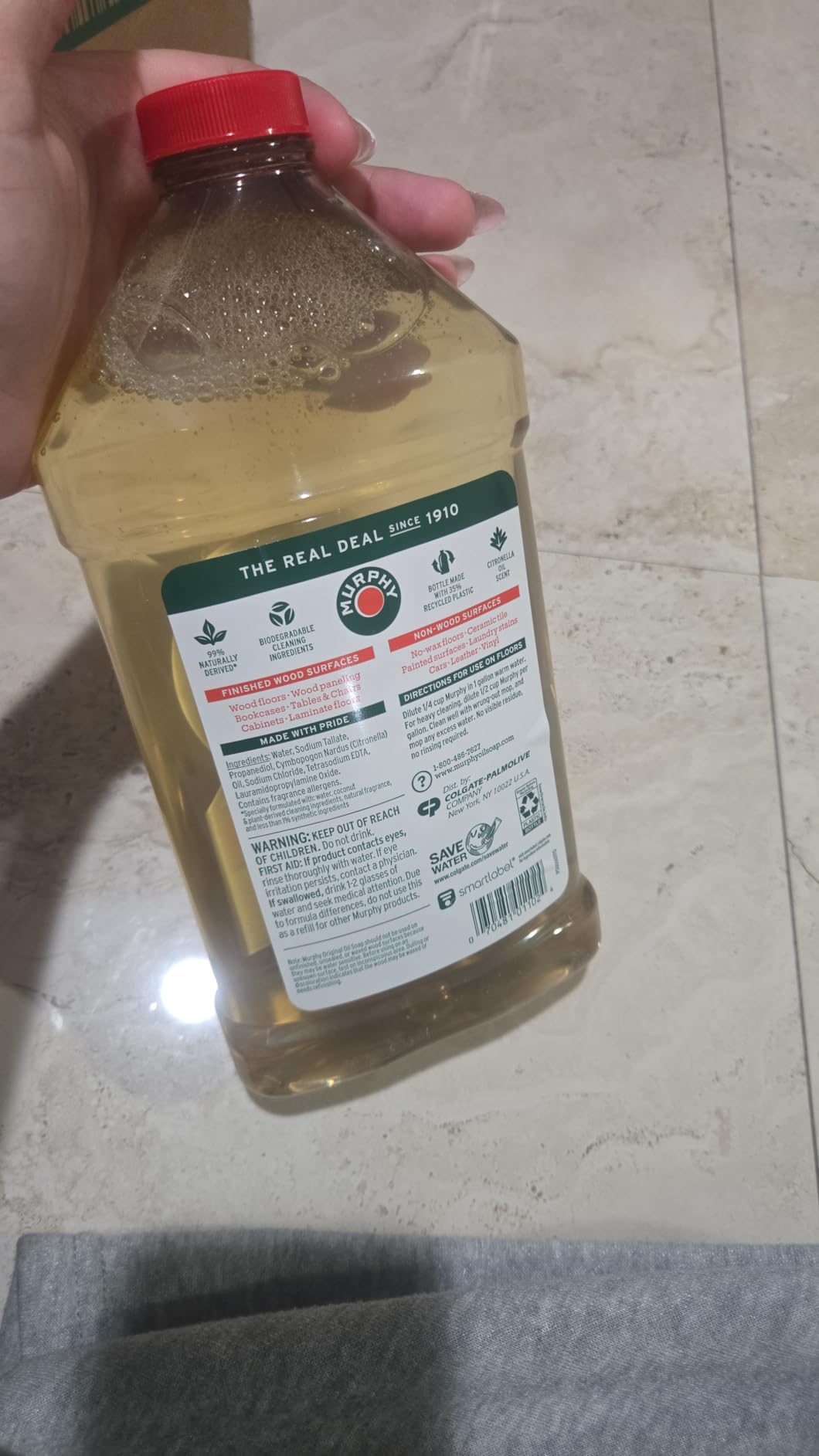
6. Murphy Oil Soap Wood Cleaner – The Budget Classic That Still Wins
Murphy Oil Soap Wood Cleaner, Citronella Oil Scent, 32 fl oz Bottle 3 Pack
3 x 32 fl oz bottles
99% natural ingredients
Concentrated no-rinse formula
Citronella and scent, dye and phosphate free
Pros
- Cleans wood to a natural shine
- 99% natural ingredients
- No-rinse concentrated formula
- Handles floors
- cabinets and furniture
Cons
- Can need extra mopping to avoid soap residue
- Rinsing takes time on large areas
Murphy Oil Soap is what my grandmother used, what professional house cleaners still recommend by name, and the reason this 3-pack carries a 4.8 rating across more than 23,000 reviews. It is 99% natural, dye free, phosphate free, and concentrated enough that a small capful in a mop bucket goes a long way.
Cleaning power is real: dirt, grease, and kitchen grime came off our test floors and the wood dried to a soft natural shine rather than a glossy coating. The citronella scent is unusual at first and then genuinely pleasant, and it doubles as a mild insect deterrent around doorways in summer.
The catch is technique. Use too much and you will push soapy residue around, which is the source of most complaints about streaking. We had our best results with a well-wrung microfiber mop and a conservative dose, going over the floor once with the solution and, on bigger rooms, once with a clean damp pad.
Beyond floors, the same bottle cleans cabinets, tables, chairs, paneling, and bookcases, which makes the 3-pack one of the best pure-value purchases in home cleaning. For finished wood surfaces throughout a house, nothing on this list does more work per dollar.
Dilution and technique
Follow the label’s dilution for floors and err on the side of less product, since excess soap is what leaves film. A microfiber or well-wrung string mop beats a soaking wet mop every time on hardwood.
Work in small sections and finish with strokes toward the room exit so you are not walking back over damp floor.
Where it is safe
It is formulated for finished wood surfaces, so it is at home on sealed hardwood floors, laminate, and finished furniture. Skip it on unfinished wood, waxed floors, and any surface where the finish is peeling or unknown.
Test in a corner first if your floor predates modern polyurethane.
7. Aunt Fannie’s Hardwood Floor Cleaner – Best Natural Pick for Kids and Pets
Aunt Fannie’s Hardwood Floor Cleaner, Vinegar-Free, Lemon, 32 oz, Pack of 1
32 oz ultra concentrate
Makes up to 16 gallons
Plant-based, vinegar-free
EWG A-rated
Pros
- Plant-based natural formula
- Safe around kids and pets
- Makes up to 16 gallons
- No residue
- no rinsing
Cons
- Must be diluted at exact 1:64 ratio
- Scent is subtle for some tastes
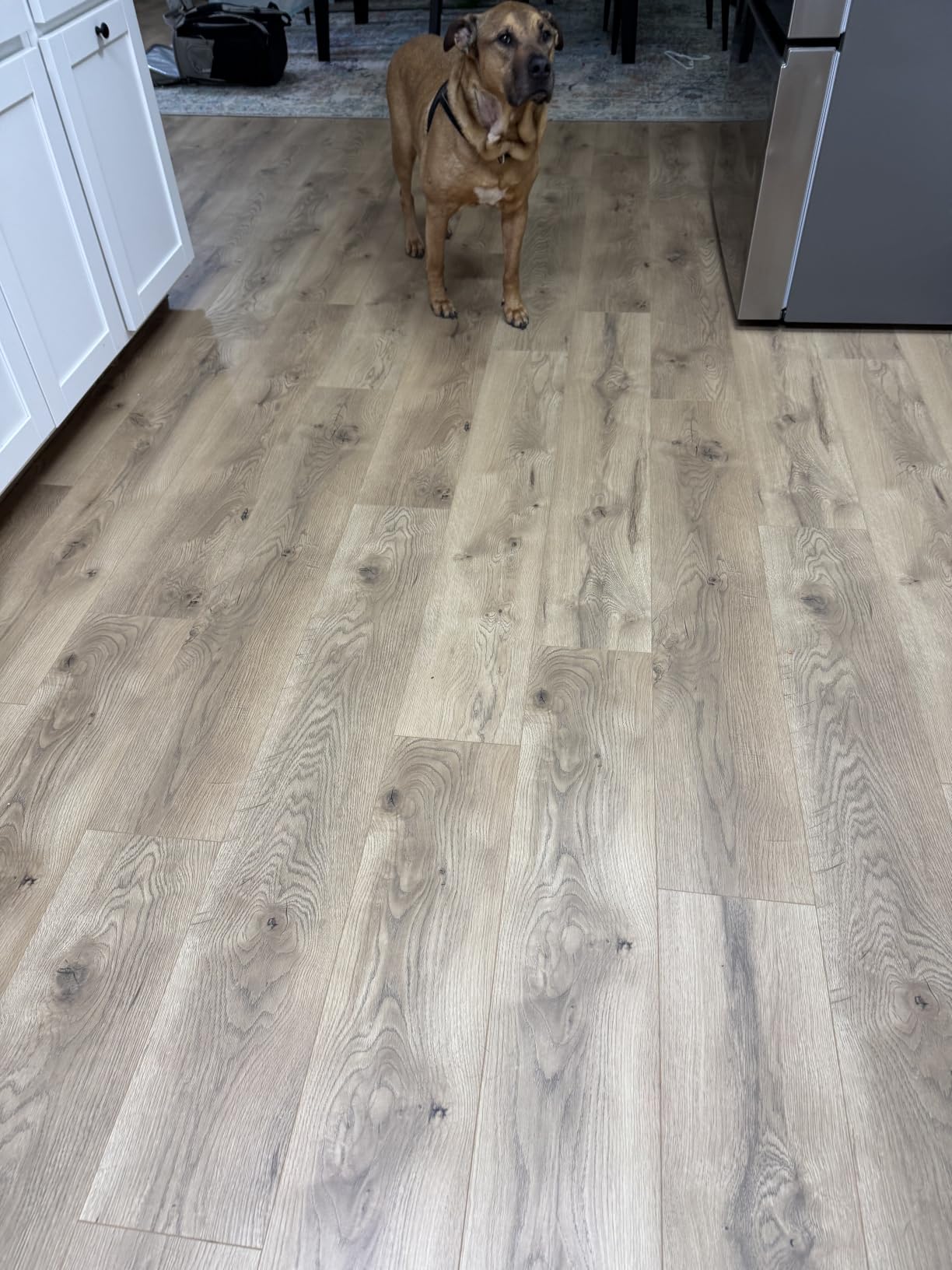
Aunt Fannie’s is the cleaner for people who read ingredient lists, and I mean that as a compliment. It is plant-based, vinegar-free (important, since straight vinegar can dull finishes over time), EWG A-rated, dermatologist tested, and hypoallergenic, with a light lemon essential oil scent rather than synthetic fragrance.
The story here is the concentrate math. Half a cup into two gallons of water, and the 32 oz bottle makes up to 16 gallons of cleaning solution, which is by far the lowest cost per gallon on this list once diluted. Our floors came out streak-free with no rinsing on sealed planks and engineered flooring.
Here is the critical part the negative reviews hinge on: the dilution ratio is 1:64, and using it straight or eyeballing it produces sticky residue. We tested it both ways, and improper dilution absolutely leaves film, while the correct half-cup-per-two-gallons mix leaves none. Measure it and this product behaves beautifully.
It works on solid, engineered, bamboo, manufactured, and laminated floors, and being able to mop with the toddler crawling behind me without panicking is worth a lot in daily life.
Dilution done right
Use a marked bucket or a measuring cup: one half cup of concentrate to two gallons of warm water. Mark the level on your bucket with tape the first time and you will never guess again.
Store the sealed bottle away from heat and it keeps for a long time, since a single bottle is months of cleaning.
Safety certifications
The EWG A rating is the strictest third-party safety score in home cleaning, and the formula is also dermatologist tested and hypoallergenic. For homes with crawling babies, allergy-sensitive adults, or free-roaming pets, that paper trail matters more than any marketing claim.
It is one of the few cleaners I would happily use in a nursery.
8. Better Life Floor Cleaner – Best Multi-Surface Option for Mixed Floors
Better Life Floor Cleaner – Liquid Multipurpose Cleaner for Wood, Tile, Laminate, Vinyl, Bamboo – Hardwood Floor Cleaner for Mopping – Citrus Mint, 32 Fl Oz (Pack of 2)
2 x 32 fl oz bottles
Wood, tile, marble, laminate, vinyl
Citrus mint scent
No petroleum, bleach or parabens
Pros
- Works on virtually every sealed floor type
- Streak-free finish
- No rinsing required
- Safe for pets and children
Cons
- Not concentrated so you use more
- Caps have had durability complaints
- Tough stains need pre-treatment
Most homes do not have one floor type, they have a patchwork: hardwood in the living room, tile in the kitchen, vinyl in the laundry. Better Life is the one bottle we felt comfortable dragging across all of it, including sealed marble, without keeping a second product on hand.
It is a plant-derived formula with no petroleum solvents, chlorine, bleach, alcohols, parabens, SLS, or SLES, and the citrus mint scent is one of the freshest on the list without being cloying. On our hardwood it dried streak-free with no rinsing, and several reviewers note it also works well in steam mops, though we tested it with a spray mop and bucket.
Two honest limitations. First, it is not concentrated, so you go through it faster than Aunt Fannie’s and the true cost per clean is middling. Second, a recurring complaint about caps that do not close properly showed up in our batch too, so store the spare bottle upright in a tray.
For busy households that want one safe cleaner for the whole ground floor, the 2-pack covers that use case at a reasonable price. Tough, dried stains still need a dedicated pre-treatment pass, which is true of every gentle formula here.
Floors and surfaces covered
Wood, tile, marble, laminate, vinyl, bamboo, and other sealed hard floors are all on the label. That breadth means fewer bottles under the sink and no mental checklist while you mop from room to room.
Unsealed stone and truly delicate unglazed surfaces still want a specialty product.
Value over a year
We used roughly 2 fl oz per 100 square feet, so a 2-pack lasted about three months of weekly mopping in a mid-size home. Compared with a concentrate like Aunt Fannie’s the per-clean cost is higher, but you gain simplicity and one SKU for everything.
Buy it when convenience outranks raw economy.
9. Bona Premium Hardwood Spray Mop – Best Complete Mopping System
Bona Hardwood Floor Premium Spray Mop – Includes Wood Floor Cleaning Concentrate and Machine Washable Microfiber Cleaning Pad – Dual Zone Cleaning Design for Faster Cleanup
Spray mop plus 1 oz concentrate
Refillable 34 oz cartridge
Extra microfiber pad
Pads washable up to 500 times
Pros
- Everything included to start
- Dual-zone microfiber pad traps dirt
- Extra-large swivel mop head
- Pads reusable up to 500 washes
Cons
- Plastic swivel can break with heavy use
- Only 1 oz concentrate included
- Assembly required
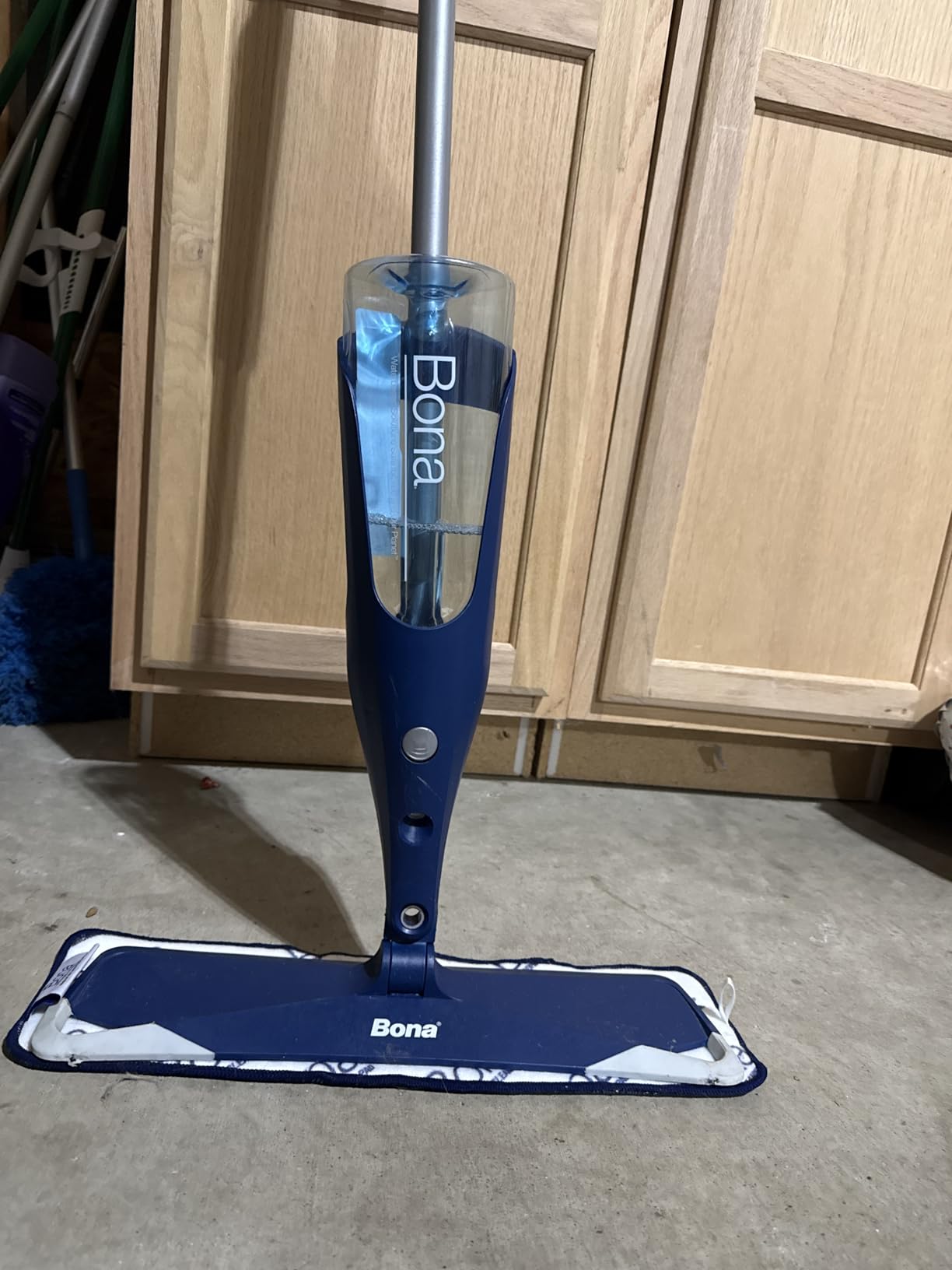
This is the Bona formula from pick number one, but bundled with the tool that makes it shine: a premium spray mop with a refillable 34 oz cartridge, a 1 oz concentrate packet, and two microfiber pads. Out of the box you are mopping in about five minutes of very simple assembly.
The extra-large swivel head is the real luxury. It covered our open-plan living and dining area in noticeably fewer passes than a standard mop, glided under the sofa and coffee table, and the secondary foam grip gave better leverage on stubborn spots. The dual-zone pad genuinely traps dirt rather than pushing it to the edges of the room.
Long-term economics are strong: the pads are machine washable up to 500 times, and the concentrate refills mean you are buying compact packets instead of shipping water. The weak point, echoed across reviews, is the plastic swivel connection and spray mechanism, which can degrade with rough handling, so do not crank the handle sideways when it snags.
Note that only 1 oz of concentrate comes in the box, so budget for a refill pack right away. Treat the mop gently and this is the most convenient way we found to clean hardwood weekly without a bucket at all.
What is in the box
You get the premium spray mop, the refillable 34 oz cartridge, a 1 oz concentrate packet, and an extra microfiber cleaning pad, which is everything except ongoing concentrate. The formula itself is the same 95% biobased, Safer Choice Certified cleaner as the standalone bottles.
Having a second pad means one can be in the wash while the other works.
Maintenance and pad care
Rinse the pad after each use and machine wash it warm without fabric softener, which clogs microfiber. Air dry rather than tumble to protect the swivel mechanism and pad fibers over hundreds of cycles.
Store the mop standing up so the cartridge does not drip.
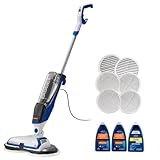
10. BISSELL SpinWave Powered Spin Mop – Best for Deep Cleaning Without Scrubbing
BISSELL SpinWave Hard Floor Expert Corded Spin Mop Cleaner, 20393
Corded electric spin mop
100% machine-powered scrubbing
Safe on all sealed floors
6 washable pads and 3 formulas included
Pros
- Machine does all the scrubbing
- On-demand targeted spray
- Lightweight swivel head
- Six reusable washable pads included
Cons
- Higher price point
- Vacuum first for best results
- Pad motion can drag debris if overloaded
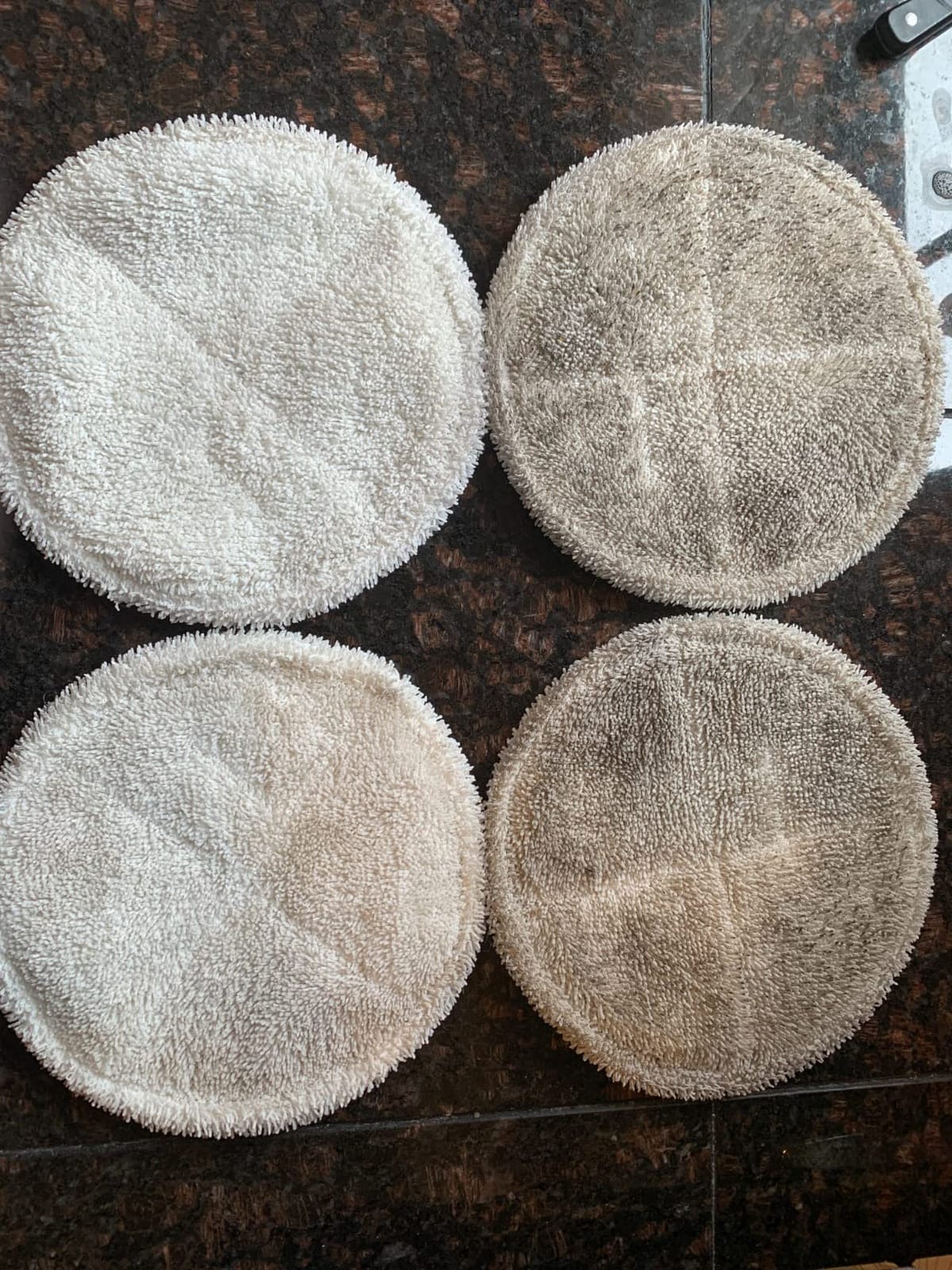
Sometimes a spray bottle is not enough, and the SpinWave is what we reached for after a muddy-dog incident that would have taken an hour of hands-and-knees scrubbing. The rotating pads are 100% machine-powered, so you steer while it scrubs, and it is safe on all sealed floors including wood, tile, and linoleum.
It uses far less water than a traditional bucket mop, which is exactly what you want on hardwood, and floors dried fast enough that we were back in the room within minutes. The on-demand spray button lets you soak a tough spot and skip solution everywhere else.
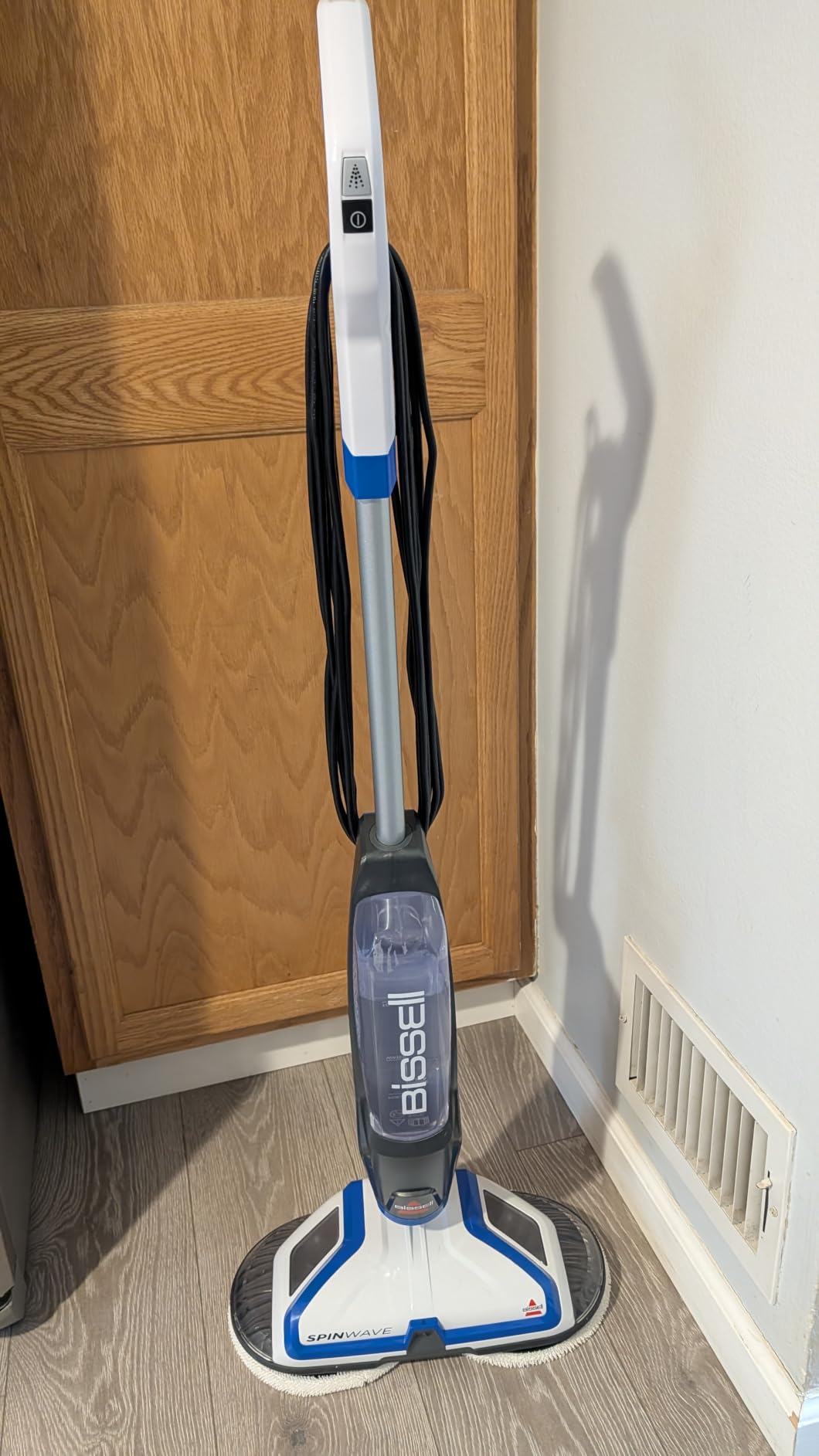
Technique matters: vacuum or dust mop first, because the circular pads will drag loose debris like crumbs and pet hair if you skip that step. It is also the priciest item here by a wide margin, so it only makes sense if you have real messes, real square footage, or physical reasons to avoid manual scrubbing.
In the box you get six washable pads and three travel-size formulas, which offsets some of the cost. One purchasing note from reviews: some buyers received units that appeared refurbished, so inspect yours on arrival and use the return window if anything seems off.
Is it safe for hardwood finishes
It is rated safe on sealed floors and was gentle on our polyurethane-finished oak using the included Hard Floor Expert formula. Use the soft pads, keep the mop moving, and never let pools of solution sit, since standing water is the enemy of any wood floor.
Avoid steam settings on any machine when the finish is old or unknown.
Who it makes sense for
Pet households, large homes, and anyone with knee or back issues that make manual mopping painful. If your floors only need a weekly light clean, a twenty-dollar spray and microfiber mop does that job nearly as well.
Treat the SpinWave as a deep-clean tool in rotation, not a daily driver.
11. WoldoClean Wood Floor Cleaner for Robot Mops – Best for Roborock, Roomba and Tineco Owners
WoldoClean Robot Mop Wood Floor Cleaner 25.36 fl oz – Hardwood & Laminate
25.36 fl oz concentrate
pH-neutral and non-foaming
Up to 150 cycles
Works with Roborock, Dreame, Roomba, Tineco
Pros
- Formulated for robot mop tanks
- Non-foaming protects sensors
- Up to 150 cleaning cycles
- Streak-free with no residue
Cons
- Thick sticky stains need pre-treatment
- Higher cost per use than some OEM options
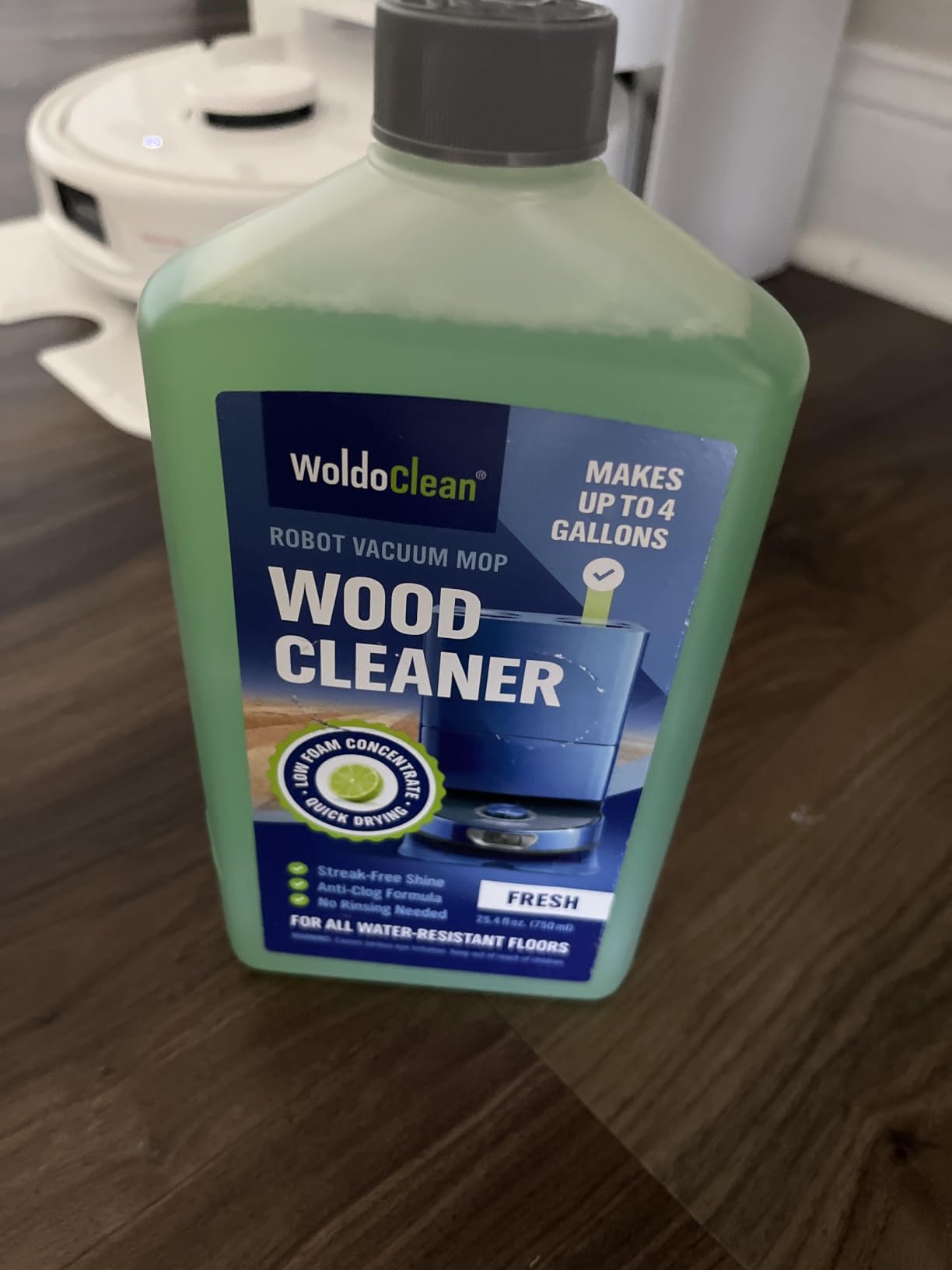
If a robot mop does your cleaning, this is your bottle, because you cannot just pour any floor cleaner into a robot tank. WoldoClean is a pH-neutral, non-foaming formula designed not to clog the sensors and pumps of Roborock, Dreame, Roomba, and Tineco machines, which regular sudsy cleaners can do over time.
In our Roborock test it left sealed hardwood and laminate streak-free with no residue and a light, fresh scent that was gone within the hour. The concentrate is efficient: the 25.4 oz bottle is rated for up to 150 gentle cleaning cycles, which is months of daily robot runs.
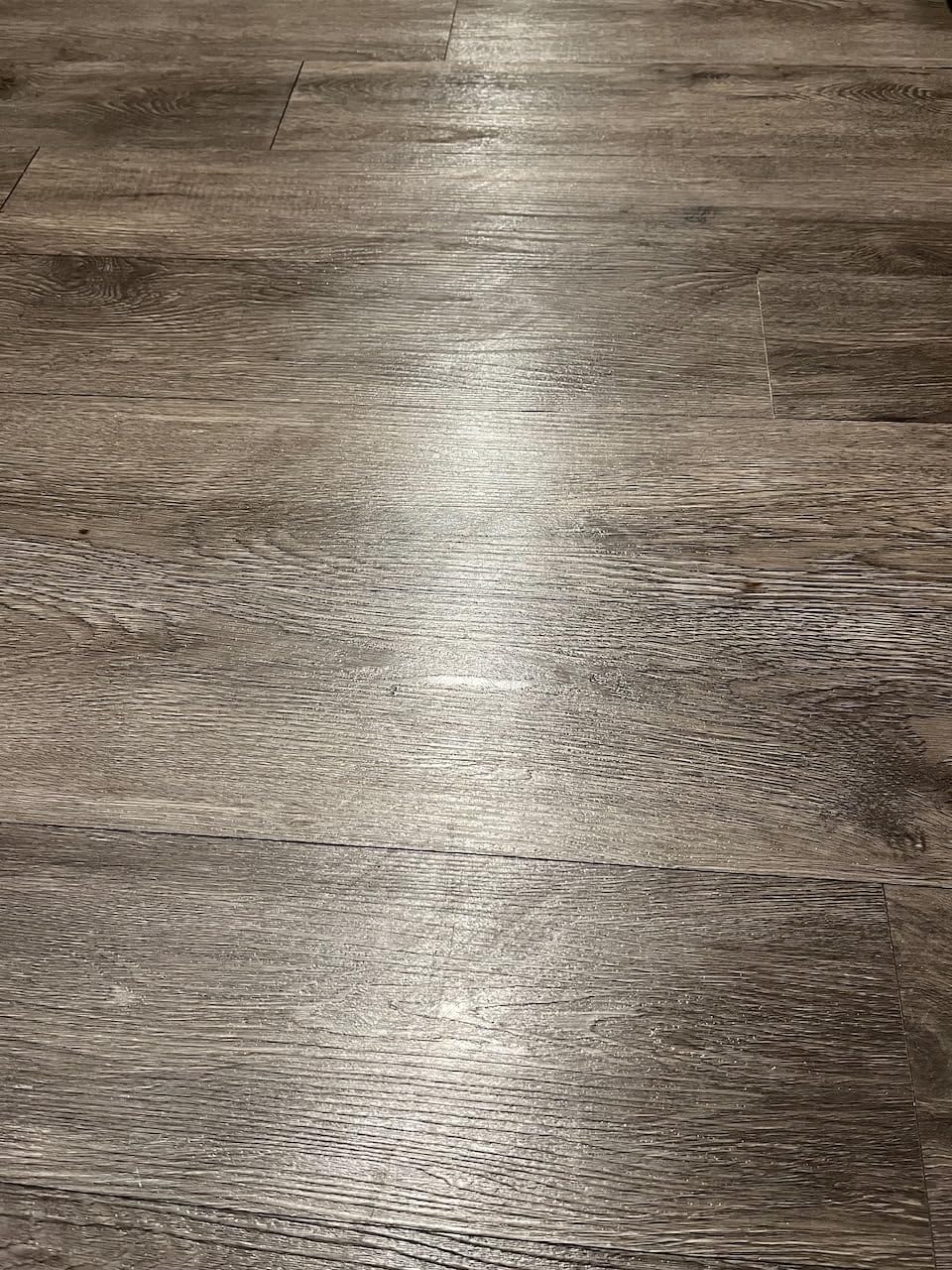
The formula is specifically designed for sealed cork, vinyl, and engineered wood, and its quick-dry chemistry minimizes moisture exposure, the main way robots damage wood floors. It also protects the wood grain and helps prevent the swelling and dullness that badly formulated tank solutions can cause.
Two limits: thick or sticky dried stains still need a manual pre-treatment pass, and per-cycle it costs more than some first-party brand solutions. What you are paying for is chemistry tuned for the machine rather than a general-purpose cleaner adapted to it.
Compatibility notes
It works with Roborock, Dreame, Roomba, and Tineco robot mops, covering the big names in the category. If you run a lesser-known brand, check whether the manufacturer warns against third-party solutions before pouring.
Use only the capful the label specifies per tank fill.
Cost per cycle
At up to 150 cycles per bottle, the cost lands around what first-party refills charge while performing better on streaking in our side-by-side. For daily robot users that is a fair trade for cleaner sensors and clearer floors.
Casual weekly robot users will find a bottle lasts essentially a year.
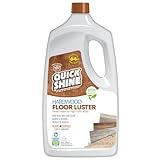
12. Quick Shine Hardwood Floor Luster – Best Polish for a Lasting Finish
Quick Shine Hardwood Floor Luster 64 oz, Natural Looking Shine
64 oz carnauba wax polish
Fills micro-scratches
pH neutral, non-slip finish
EPA Safer Choice recognized
Pros
- Beautiful natural-looking shine
- Plant-based carnauba formula
- Non-slip finish
- Fills micro-scratches
Cons
- Takes about an hour to dry
- Needs a clean dry floor for best results
Quick Shine is the maintenance product that keeps floors looking freshly finished between professional treatments. It is a plant-derived carnauba wax polish that adds a protective layer, fills micro-scratches, and evens out the overall appearance of worn hardwood, and the 4.7 rating across 8,000-plus reviews says a lot of floors got their glow back.
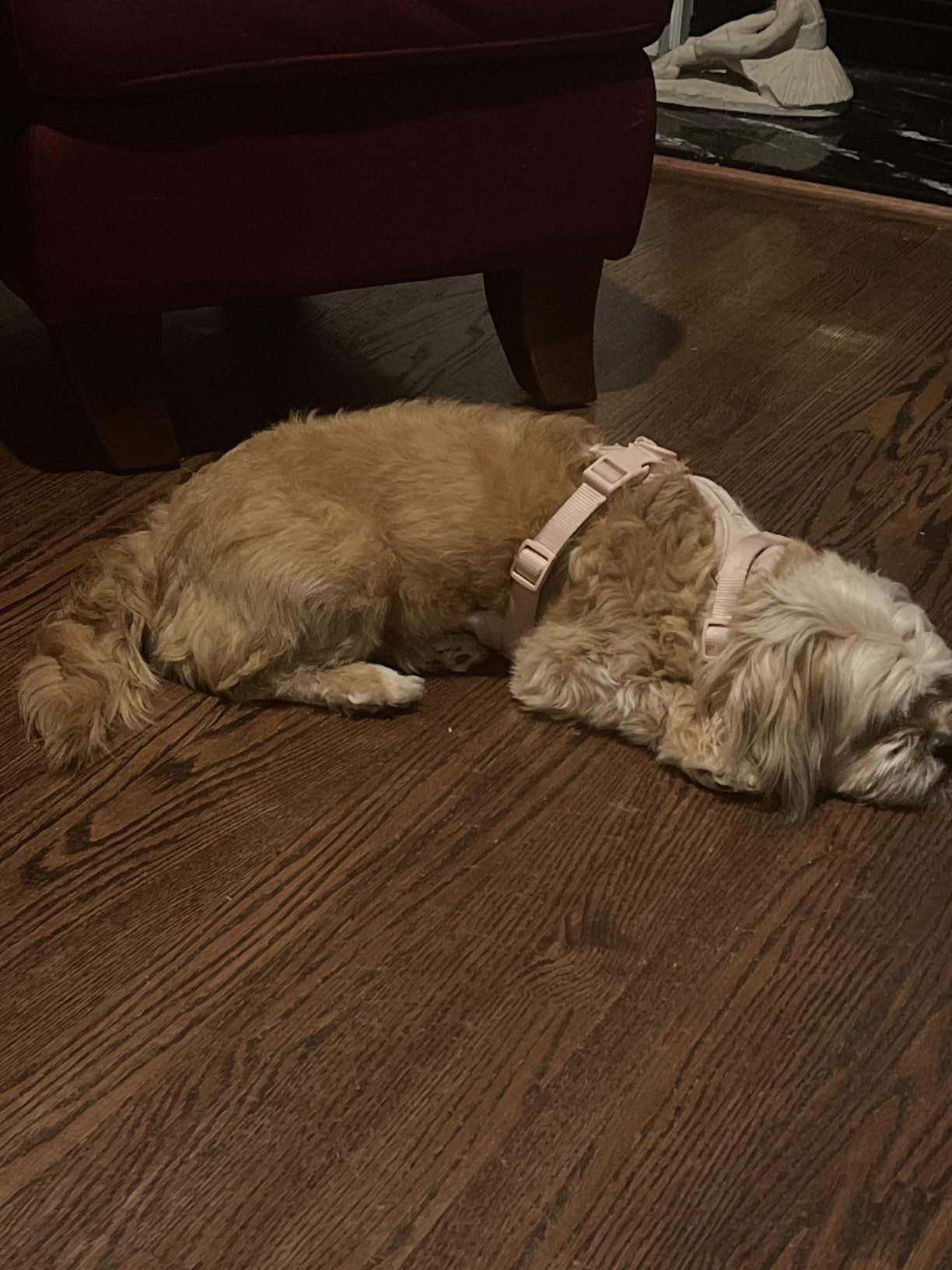
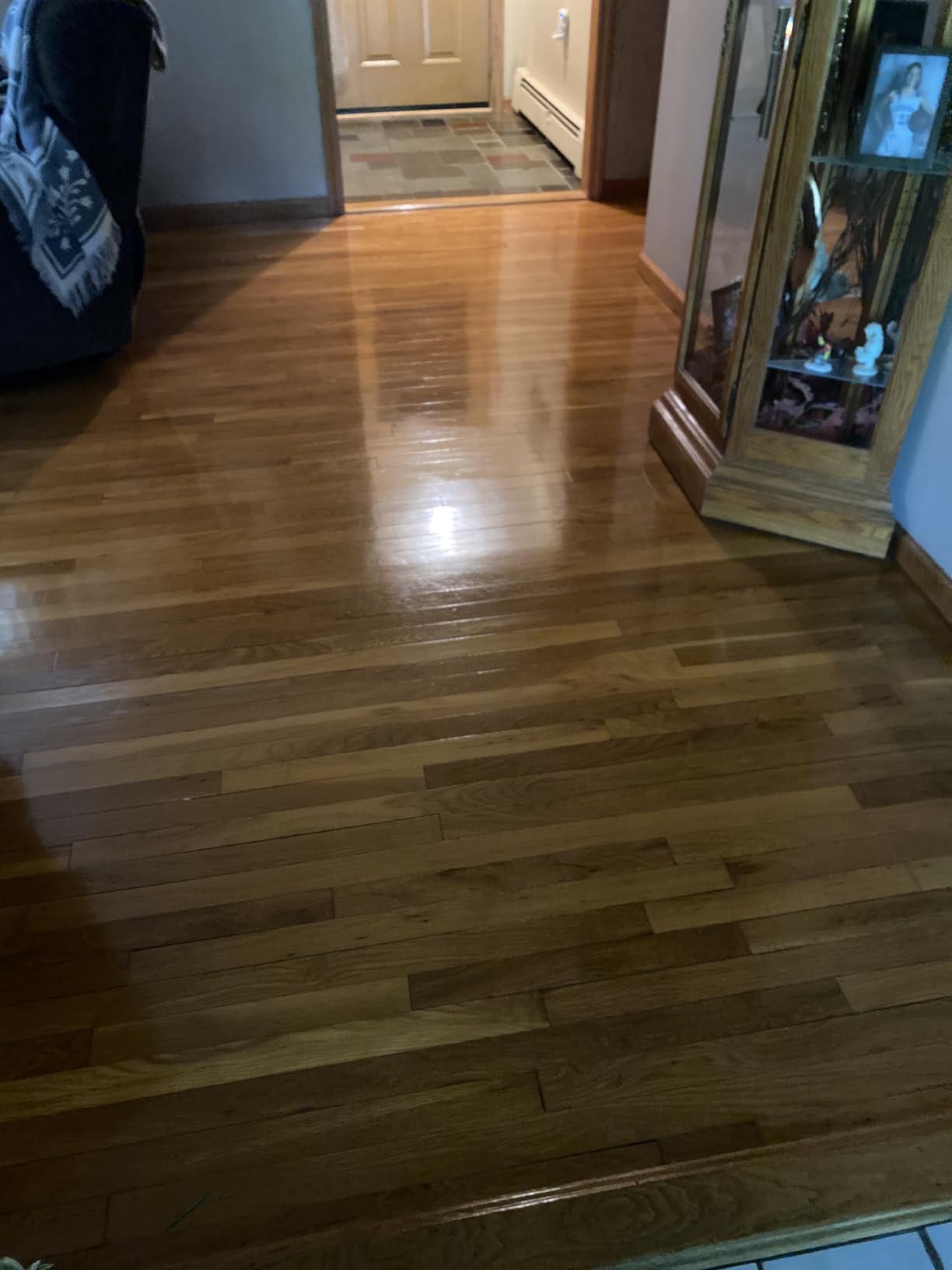
We applied it to a tired hallway on clean, dry flooring and the change was immediate: richer color, visible depth, and a non-slip finish that did not feel tacky underfoot even in socks. Reviewers report it works well on both historic and modern hardwood, and our older oak agreed.
The formula is pH neutral and free from aluminum, ammonia, formaldehyde, fragrance, parabens, phthalates, and gluten, and it is recognized by the EPA Safer Choice program. The only patience required is drying time, about an hour before foot traffic, and the discipline to apply it only to a freshly cleaned, completely dry floor.
Where Weiman’s polish leans toward scratch repair, Quick Shine leans toward color richness and durable gloss, and the 64 oz bottle covers a large home multiple times over. Pair either one with a gentle weekly cleaner and you have a complete hardwood care system.
How to apply it correctly
Clean the floor first with a residue-free cleaner, let it dry fully, then spread a thin, even coat of Quick Shine with a microfiber applicator or the bottle’s applicator, working toward the room exit. Stay off it for about an hour.
One thin coat beats one thick coat every single time.
How it compares to refinishing
This is a cosmetic top-up, not a recoat: it will not fix deep wear or damaged finish, but it will buy years before you need one. At a small fraction of what screening and recoating costs, quarterly use in high-traffic zones is one of the cheapest floor-preserving habits we know.
When shine stops responding to polish, that is your cue to call a flooring pro.
Buying Guide: How to Choose a Hardwood Floor Cleaner
The best hardwood floor cleaners for homes all share a few traits, and knowing them makes every label instantly readable. Here is what actually matters when you are standing in the aisle or scrolling a product page.
pH-neutral is the single most important spec
Hardwood finishes, especially polyurethane, are happiest with cleaners that are pH-neutral and water-based. Acidic cleaners like vinegar can slowly etch and dull a finish, while strongly alkaline cleaners can strip it. Every spray cleaner on this list is pH-balanced or explicitly wood-safe for that reason.
Know your finish before you buy
Surface-finished floors (polyurethane, varnish, acrylic) take water-based cleaners like Bona, ZEP, and Method happily. Oil-finished and waxed floors are the exception: they need specialty soaps or wax thinners, and most mainstream cleaners including ZEP explicitly exclude them. If your floor predates roughly the 1980s or the finish is unknown, test any cleaner in a hidden corner first.
What NOT to use on hardwood
Straight vinegar, ammonia, bleach-based cleaners, dish soap in quantity, and steam mops are the four horsemen of dull hardwood. Steam is the contested one, since some owners run steam mops for years without visible damage, but flooring associations and finish manufacturers consistently warn that heat and forced moisture can seep into seams and lift finish over time. On old or imperfect finishes the risk is simply not worth it.
Less water is always better
The rule we follow is damp, not wet. A well-wrung microfiber pad or a spray mop uses a fraction of the water a bucket mop does, and water is what causes swelling, cupping, and seam discoloration. This is also why no-rinse formulas matter: every extra pass with a wet pad is extra risk.
Cost per use beats sticker price
Concentrates like Aunt Fannie’s (16 gallons from one bottle) and Bona’s gallon refill win the math decisively over ready-to-use sprays, while Method’s small bottle costs more per clean than its shelf price suggests. Multiply your weekly usage by 52 before you judge a price.
Match the cleaner to your household
Pets and crawling kids push you toward plant-based, third-party-certified formulas like Aunt Fannie’s and Better Life. Heavy scuff traffic pushes you toward ZEP. Dull, scratched floors call for Weiman or Quick Shine polish rather than another cleaner. And if a robot or powered mop does the work, buy the chemistry made for that machine.
Frequently Asked Questions
What is the best cleaner for real hardwood floors?
A pH-neutral, water-based cleaner made specifically for sealed hardwood, such as Bona Hardwood Floor Cleaner, is the best choice for real hardwood floors. It removes dirt and grime without leaving residue or dulling the polyurethane finish.
What is the number one hardwood floor cleaner?
Bona Hardwood Floor Cleaner is the most recommended option across flooring professionals, lab tests, and nearly 50,000 buyer reviews, thanks to its pH-neutral, residue-free, Safer Choice Certified formula.
What is the best way to clean hardwood floors at home?
First vacuum or dust mop to remove loose debris. Second, lightly spray a small section with a pH-neutral hardwood cleaner. Third, wipe with a clean, well-wrung microfiber pad, working toward the room exit. Never saturate the floor, and let it air dry without rinsing.
How do professionals clean hardwood floors?
Professionals dust and vacuum thoroughly first, then damp mop with a pH-neutral, water-based cleaner applied with a flat microfiber mop, using minimal moisture and changing pads as they get dirty. For revitalization they screen and recoat the finish rather than relying on heavy chemicals.
Conclusion
After three months of testing, our 2026 lineup stands like this: Bona’s spray cleaner and gallon refill are the safest default for finished hardwood, Murphy Oil Soap is the value pick for finished wood everywhere in the house, and Weiman or Quick Shine handle the polish work when floors look tired rather than dirty. Pet and kid households get Aunt Fannie’s, robot mop owners get WoldoClean, and anyone with serious messes gets the BISSELL SpinWave.
Whatever you choose, keep it pH-neutral, keep the pad damp rather than wet, and skip the vinegar and steam. Pick your match above, check the current price, and your floors will thank you for years.