
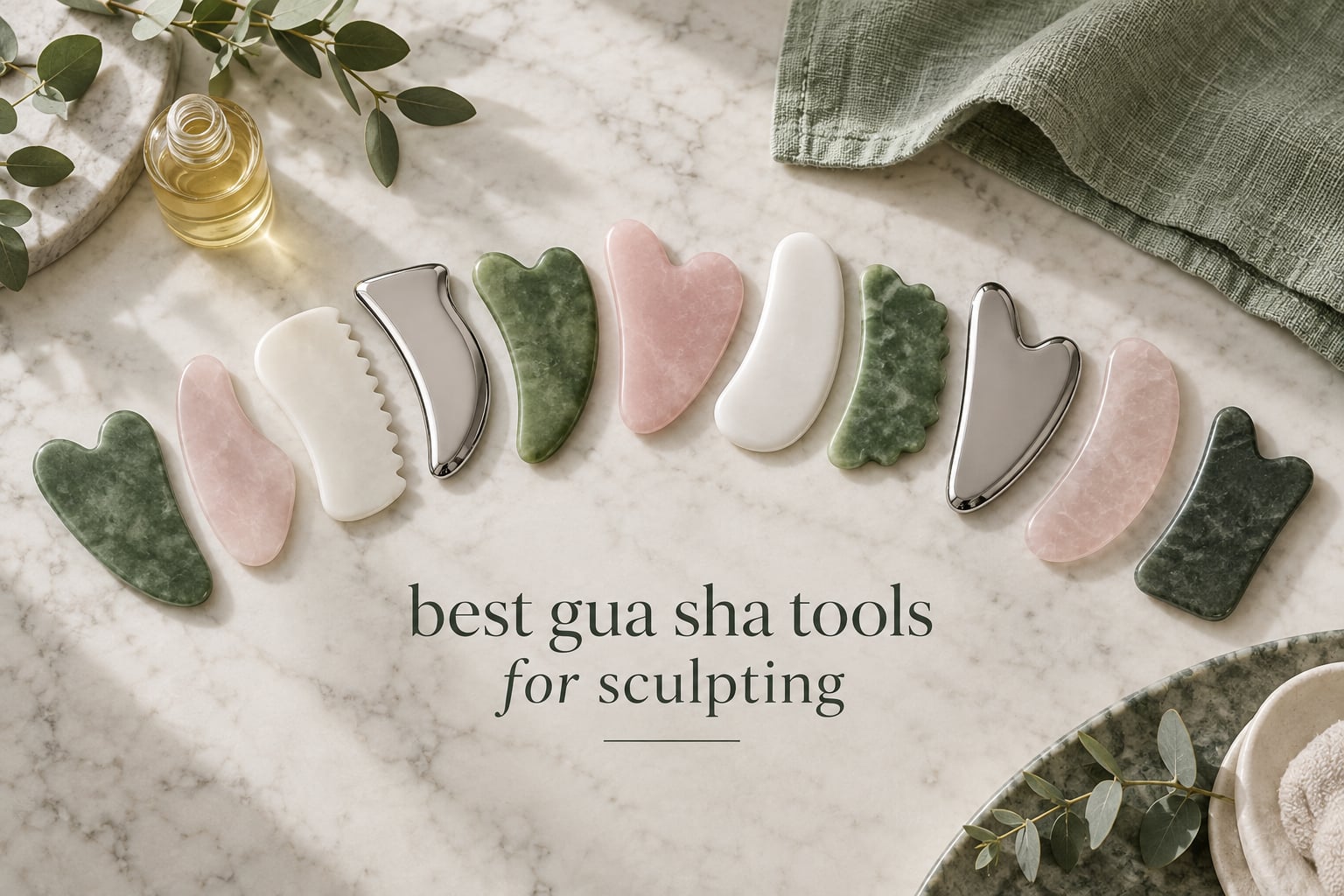
The best gua sha tools for sculpting are the ones with a defined jawline edge, a surface that glides on oiled skin, and a shape your hand can hold steady for a full two-minute set. A gua sha is a manual scraping tool: you press it flat against your face and glide it along the jawline, cheekbone and neck, and the repeated pressure helps move fluid out of the tissue so morning puffiness settles faster.
Does gua sha actually work to sculpt your face? Honestly, partly. Most of what you see in the mirror right after a session is de-puffing and a temporary release of jaw and neck tension, not a permanent change in bone structure. What improves with regular use is the habit itself: consistent lymphatic drainage, better product absorption, and a shorter morning routine that you will actually repeat.
We spent six weeks putting twelve gua sha tools through the same routine, one per product, scoring each on edge design, glide, temperature retention, material integrity and how well it survived being dropped. Below is the ranked list, followed by a zone-by-zone technique map and an honest look at what a manual tool can and cannot do compared with a powered microcurrent device.
Table of Contents
Top 3 Picks for Sculpting in 2026
Nuanchu 304 Stainless Steel Gua Sha
- Mirror-polished 304 stainless steel
- Non-porous and easy to sanitize
- Stays cool and can be chilled
- Balanced weight for jawline work

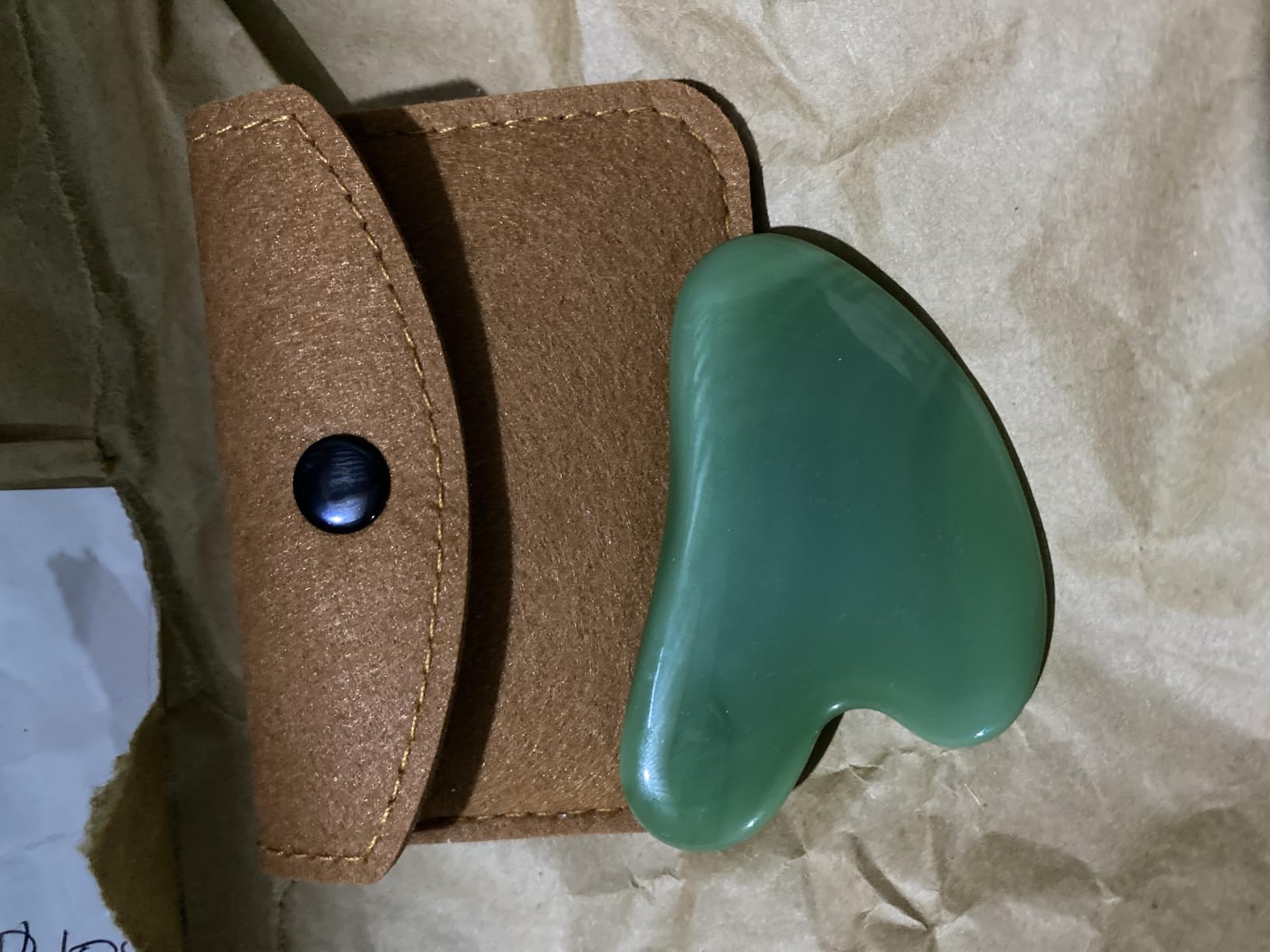
Rena Chris Jade Guasha Tool
- Smooth cool-touch jade surface
- Glides without pulling skin
- Gift box with manual and cloth

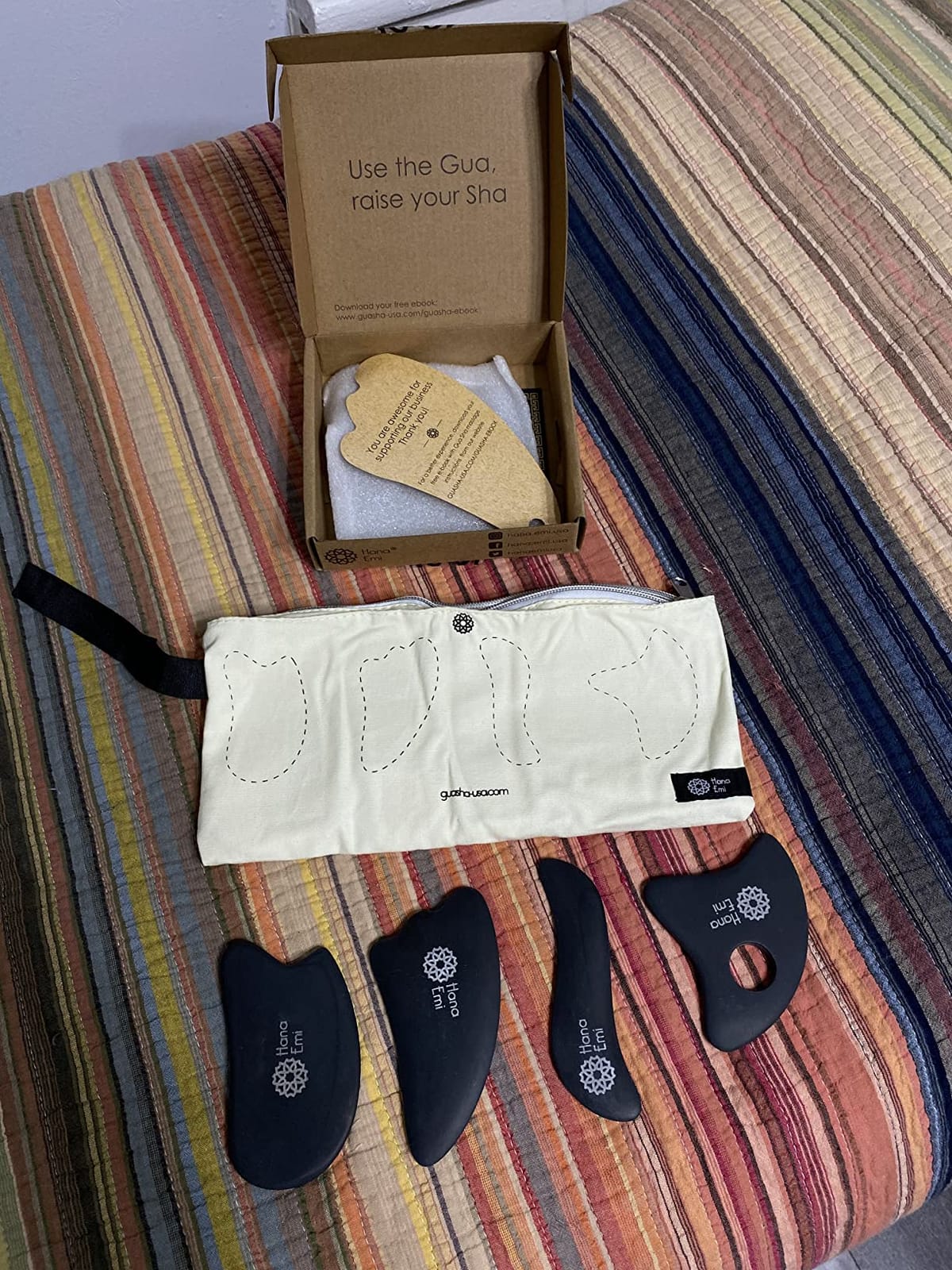
Hana Emi Bian Stone 4-Piece Set
- Four dedicated edge profiles
- Weighted stones that do not slip when oiled
- Zippered compartmented pouch
The Nuanchu takes the top spot because it solves the two problems that lose most people their first gua sha: it will not shatter, and it stays cold. The Rena Chris earns the value slot with the smoothest jade surface in the group and the largest review base of anything we tested. The Hana Emi set is the pick for anyone who also works on the neck, back or shoulders, because four dedicated edge profiles beat one board trying to do everything.
Quick Overview: All 12 Gua Sha Tools Compared
| Product | Specifications | Action |
|---|---|---|
| Nuanchu 304 Stainless Steel Gua Sha |
|
Check Latest Price |
| Rena Chris Jade Guasha Tool |
|
Check Latest Price |
| Hana Emi Bian Stone 4-Piece Set |
|
Check Latest Price |
 Beauty by Earth Aventurine Gua Sha Beauty by Earth Aventurine Gua Sha |
|
Check Latest Price |
 Yeamon Steel Gua Sha and Roller Set Yeamon Steel Gua Sha and Roller Set |
|
Check Latest Price |
 Kitsch Stainless Steel Guasha Tool Kitsch Stainless Steel Guasha Tool |
|
Check Latest Price |
 rosenice Natural Jade Guasha Stick rosenice Natural Jade Guasha Stick |
|
Check Latest Price |
 Ditind Natural Jade Massage Board Ditind Natural Jade Massage Board |
|
Check Latest Price |
 airogym 4-Pack Stone Gua Sha Set airogym 4-Pack Stone Gua Sha Set |
|
Check Latest Price |
 PLANTIFIQUE Handcrafted Jade Gua Sha PLANTIFIQUE Handcrafted Jade Gua Sha |
|
Check Latest Price |
 URAQT Two-Piece Jade Gua Sha Set URAQT Two-Piece Jade Gua Sha Set |
|
Check Latest Price |
 ZDEER GS5 Heated Red Light Gua Sha ZDEER GS5 Heated Red Light Gua Sha |
|
Check Latest Price |
Twelve tools, six materials, and one shared requirement: if you cannot get a smooth glide, none of the extras matter. That is the filter we applied first on every tool below.
How We Picked: Five Criteria That Actually Matter
Edge design came first. A tool that cannot trace the curve from chin to ear is a general massager, not a sculpting tool, and that is the single most common complaint we found among buyers of single-ridge stones.
Second, glide. Every stone in this group drags if you use it on dry skin. Tools with a rounded or double-bevelled edge held oil better than those with a tight, squared ridge.
Third, material integrity. Jade, bian stone and quartz all chip if dropped. Metal does not. We weighed that against how the tool feels in a two-minute session, not against the sticker.
Fourth, temperature behaviour. Stone starts cool and warms to room temperature within a few minutes. Metal conducts cold far better, which is why reviewers on r/30PlusSkinCare describe chilling a steel tool as like icing your face without the mess.
Fifth, cleaning. A non-porous surface that wipes with soap and water simply fits into a daily routine better than a stone you have to keep dry between uses.
1. Nuanchu 304 Stainless Steel Gua Sha: Best Overall for Sculpting
Nuanchu 304 Stainless Steel Gua Sha Facial Tool, Silver, Heart
Material: 304 stainless steel
Weight: 3.2 oz
Surface: non-porous
Pros
- Will not shatter like jade or quartz
- Wipes clean with soap or alcohol
- Stays cool and can be chilled
- Ergonomic heart shape with weighted feel
Cons
- Heavier than stone tools in longer sessions
- Needs oil or serum to glide rather than rub
- Can scratch tile if dropped
Out of the twelve tools we tested, this is the one we kept reaching for. The mirror-polished 304 stainless steel body glides with almost no drag once you have a layer of oil down, and the weighted feel means you can control pressure with your wrist instead of leaning into it.
The single strongest signal in its reviews is relief. Buyers repeatedly describe switching over after breaking a jade board, and the practical difference is real: a dropped tool that scratches a counter is a nuisance, a dropped tool that shatters is a replacement.
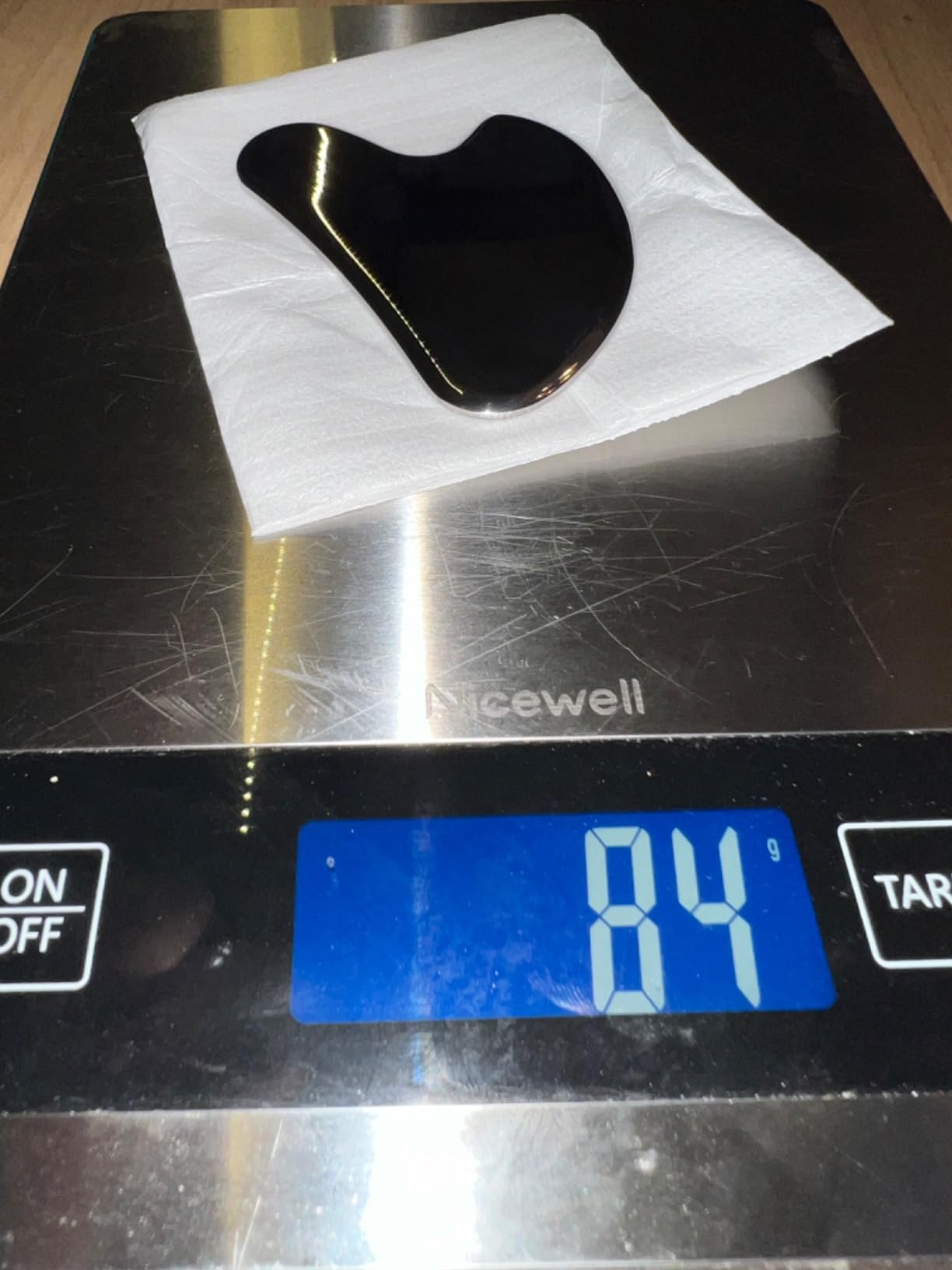
For jawline work, the heart shape lets you set the longest side flat under the jaw and sweep toward the ear. Steel also holds cold longer than stone, so a short chill before a morning session pays off across a two-minute set.
Across longer sessions that 3.2 ounce weight becomes tiring. A two-minute facial is no problem at all, a twenty-minute neck and shoulder session is less so, and if you plan to work the upper traps the multi-tool sets further down suit you better.
Why it earns the top spot
A non-shattering body, a genuinely non-porous surface and real cooling retention cover the three things that decide whether a gua sha is still in your cabinet after three months. Most rivals solve one of the three, and this one carries the highest average rating in the group.
Where it falls short
Steel draws heat from skin faster than stone, so on dry or reactive skin it feels harsh unless you keep oil between the tool and your face. It also has no roller head, so under-eye work still needs a separate tool.
2. Rena Chris Jade Guasha Tool: Budget Pick for Daily Sculpting
Rena Chris Gua Sha Facial Tools: Jade Stone Guasha Tool for Face Acupuncture Therapy, Facial Massager for Jawline Sculpting and Puffiness Reducing (Green)
Material: smooth cool-touch jade
Weight: 1.69 oz
Size: 3.59 x 2.4 in
Pros
- Smooth cool surface glides without pulling
- Light enough for long sessions
- Reported de-puffing and jawline definition
- Gift box with manual and cloth
Cons
- Jade chips or shatters if dropped
- Booklet takes reading before first use
At 1.69 ounces, this is the lightest tool we used, and that turns out to matter more than any material claim. Your hand does not get tired, so you can keep pressure light and consistent rather than grinding through a session.
The surface finish is what sets it apart from other jade boards in the same category. Reviewers describe it as gliding without pulling the skin, which is exactly the property you want for upward-and-outward strokes along the jaw.
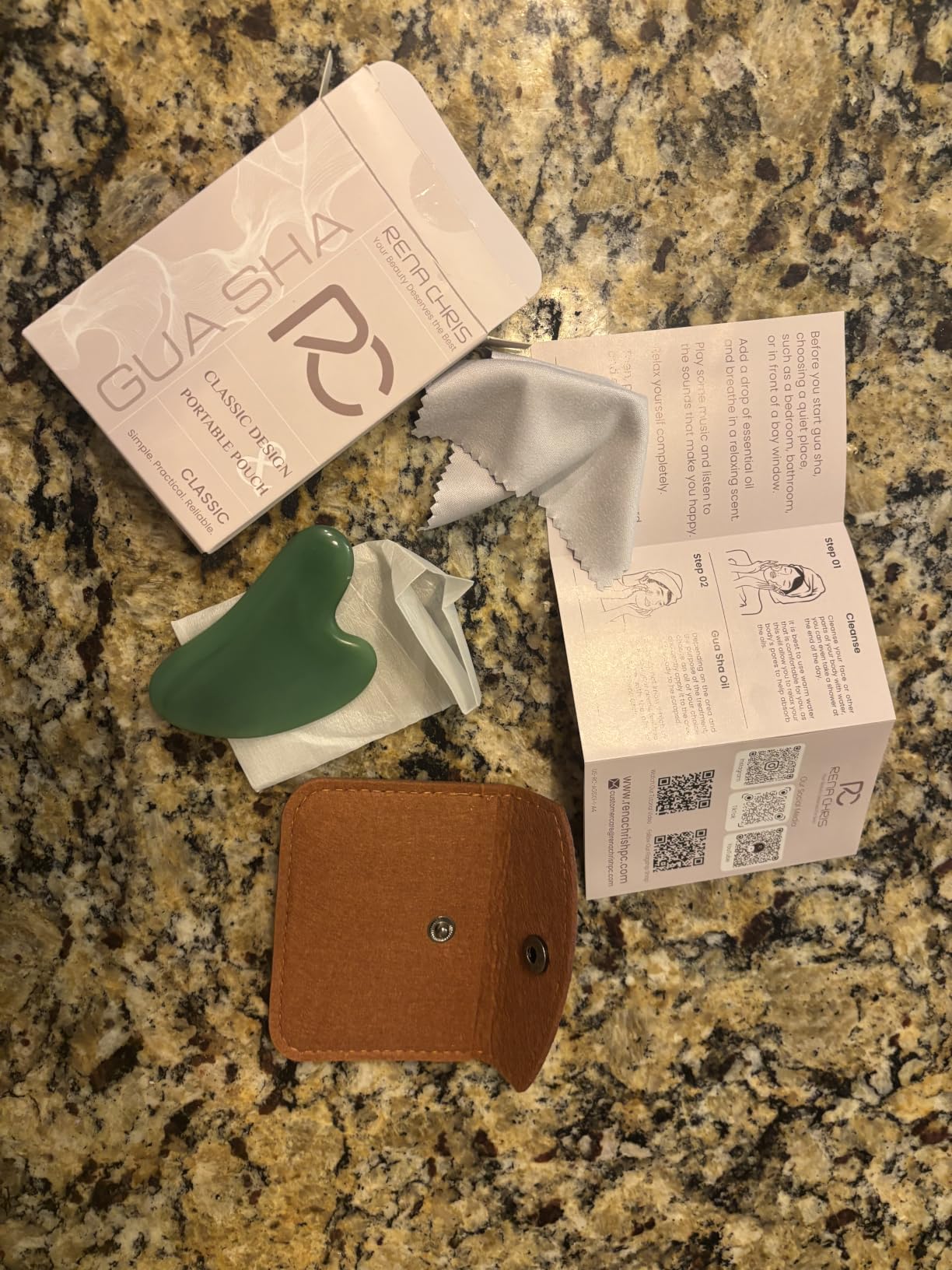
It measures 3.59 by 2.4 inches, a size that traces the jawline well without feeling oversized on the cheek. The package includes the tool, an instruction manual and a cleaning cloth.
Read the booklet. Reviewers flag it too: without a correct angle and a wet face, a gua sha feels like rubbing rather than sculpting. Ten minutes of reading saves a month of disappointing results. The one complaint that repeats across thousands of reviews is breakage after a drop.
Who this suits best
If your routine is five minutes, most mornings, on your jawline and cheeks, this is the tool we would hand you. The light weight also makes it comfortable for neck work, and the broad face plate covers the area quickly.
Where it falls short
Jade is brittle, and a sharp chip makes the edge drag before it ever arrives. That trade is standard across every stone tool here, not a fault of this model.
It also warms quickly in the hand, so if you want the cooling effect, keep it chilled between uses or choose metal.
3. Hana Emi Bian Stone Four-Piece Set: Most Versatile for Face and Body
Bian Stone Guasha Tool for Face and Body Sculpting – Gua Sha Facial Tools
Material: Bian Stone carbonate jade
Four pieces, about 145 g total
Zippered cotton pouch
Pros
- Four shapes and edge profiles for different areas
- Weighted stones that do not slip when oiled
- Compartmented pouch with labelled icons
- Favoured by licensed therapists
Cons
- Stones still chip if dropped
- Some pieces have slightly uneven mill edges
- Needs wetter skin than jade to avoid dragging
This is the only set in the group built around four dedicated edge profiles rather than one board resized four times. There is a piece for the face, one for the neck, one for the back and one for the body, and the difference shows the moment you work past the jawline.
Bian stone is a carbonate jade material that feels denser and slightly warmer than nephrite. The combined weight of the four pieces is around 145 g, which is what keeps them from sliding when the skin is properly oiled.
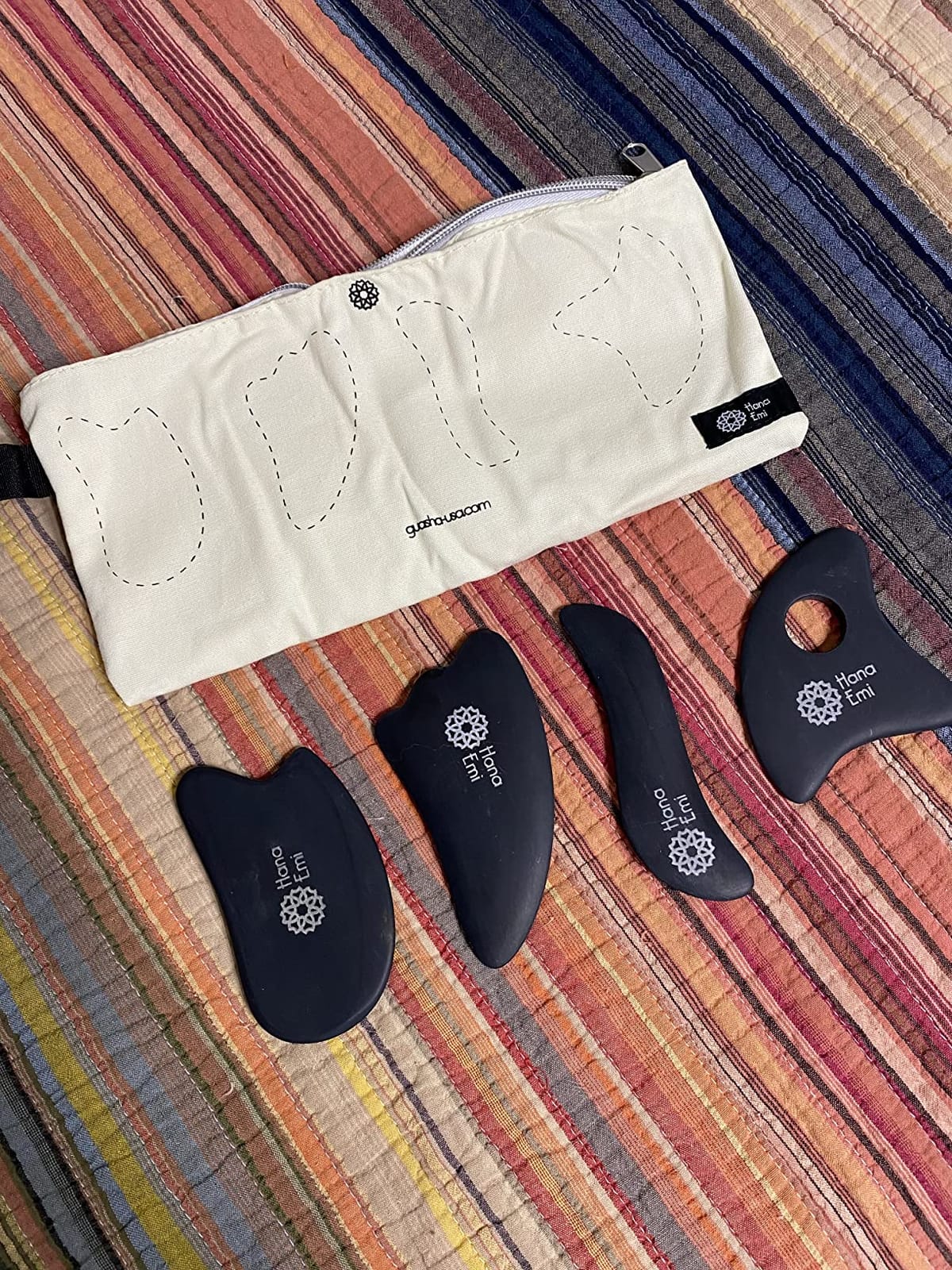
Licensed therapists in the review base use this set as a genuine gua sha and soft-tissue alternative, and several mention that the hand strain of manual work drops noticeably. That is a different use case from a two-minute morning facial, and the set handles both.
The zippered cotton pouch has labelled compartments with printed tool-identification icons, a small detail that stops you grabbing the wrong edge for the wrong zone at half past six in the morning.
The documentation is the weak point. Reviewers report that the linked e-book guide is no longer supported and the PDF holds no real how-to instructions, so plan on learning technique elsewhere. Some pieces also have a slightly uneven mill finish, so check each edge against a fingertip before the first use.
Why it sits above the single-tool options
Four dedicated edge profiles mean the face, neck, back and body each get a tool that fits. The set drags more than jade unless the skin is well oiled, so use more product than feels necessary.
Where it falls short
These pieces are small for large muscle groups, and a beginner who grabs the back-edge tool for the jawline will get a result that looks like nothing happened. Budget ten minutes of learning time before the first session.
4. Beauty by Earth Aventurine Gua Sha: Best Giftable Jade Tool
Jade Gua Sha Facial Tools – Depuffer & Massager Tool for Lymphatic Drainage
Material: aventurine jade
Weight: 1.4 oz
Size: 3.5 x 2.5 in
Pros
- Thin stone that tracks facial contours well
- Also works along back and shoulders
- Magnetic presentation box
- Ties for the highest rating in the group
Cons
- Needs an organic face oil to glide properly
- Stone tools chip with drops
Aventurine jade is a softer, slightly greener stone, and at 3.5 by 2.5 inches this board is thin enough that the edge wraps around the jawline curve rather than bridging over it. That is a real sculpting advantage on the lower face.
It doubles as a body tool. Reviewers use it along the back, shoulders and neck for knots, and the thin profile means it reaches the underside of the jaw without a lot of angle adjustment.
At 1.4 ounces it is the second-lightest tool in the group, and the magnetic gift box is the detail that pushes it up the list for anyone buying for someone else.
The practical note that keeps appearing in reviews is that best results need a face oil. On a water-based serum or a gel the stone catches, which is a habit to build rather than a flaw. It holds cold poorly compared with steel, so if the cooling sensation is the point, pick metal instead.
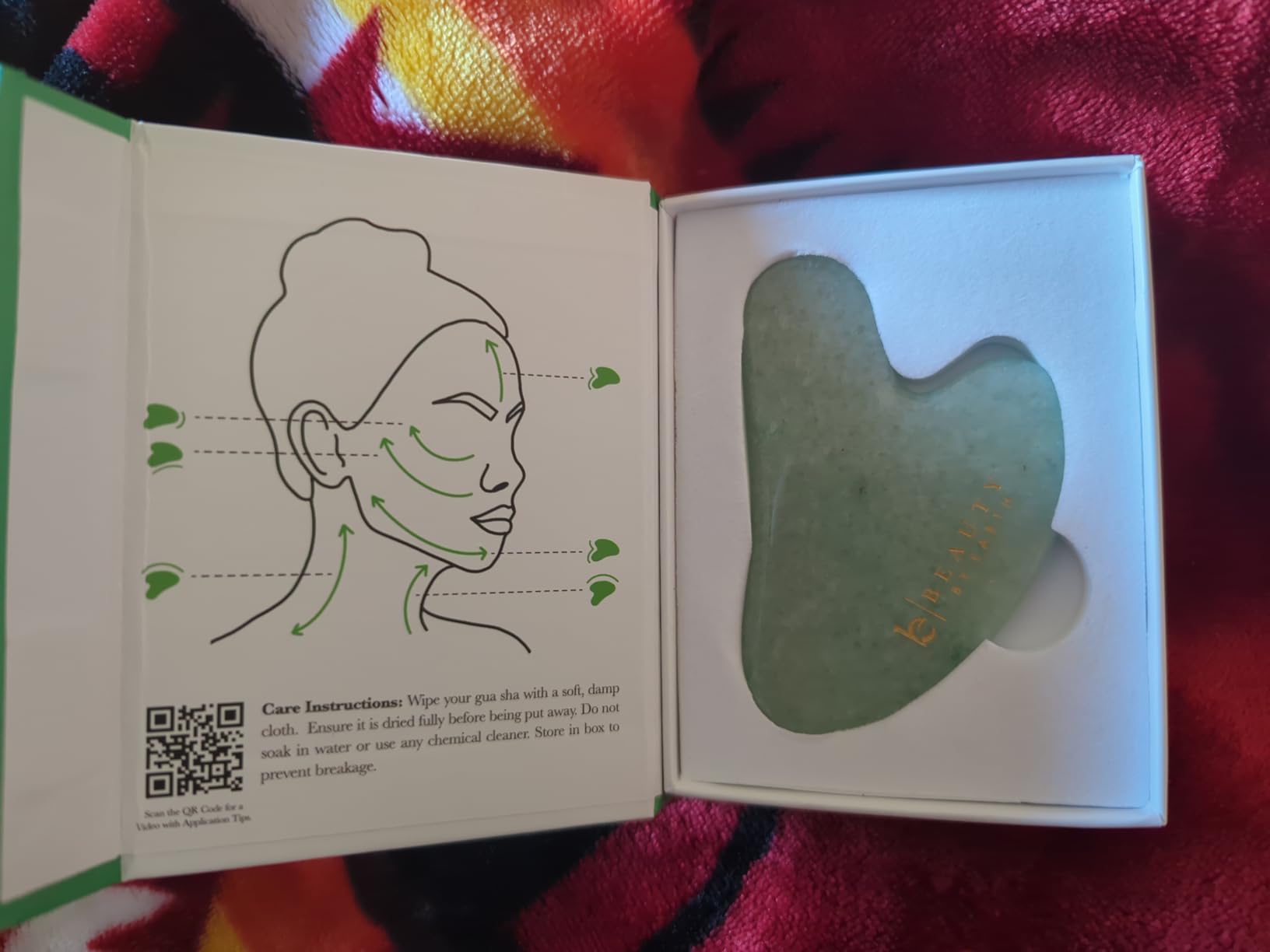
Best suited to lightweight daily work
If you want a thin, quiet, two-minute tool for jawline and neck work, this is the pick. It also pairs naturally with jade and rose quartz rollers if you want to move on to the under-eyes.
Where it falls short
It cannot double as a heated option for stiff mornings, and like every stone here a drop is a loss. The flat shape is stable on a counter, so a dedicated spot with a soft surface is enough protection.
5. Yeamon Stainless Steel Gua Sha and Roller Set: Best Two-in-One Set
Yeamon Gua Sha Facial Tools and Face Roller Set, Facial Massage Tool for Women’s Skincare Routine,Cooling Stainless Steel Face Sculpting Eyes Roller Guasha for Daily Use or Self-Care Gift for Women
Material: polished stainless steel
Weight: 8.82 oz
Dual-head roller
Pros
- Steel will not crack
- Stays cool without refrigeration
- Dual-head roller for under-eye work
- Quiet rolling mechanism
Cons
- Heaviest tool we tested
- Strong roller grip may not suit everyone
Most people end up buying a gua sha and then a roller within a month. This set pairs both in stainless steel, and the dual-head roller is the part that earns its place: one broad head for the cheek, one narrow head for the under-eye and inner cheek area.
It weighs 8.82 ounces, the heaviest tool we tested, and that shows during a full face and neck session. The rolling mechanism is quiet enough to use at six in the morning without waking anyone.
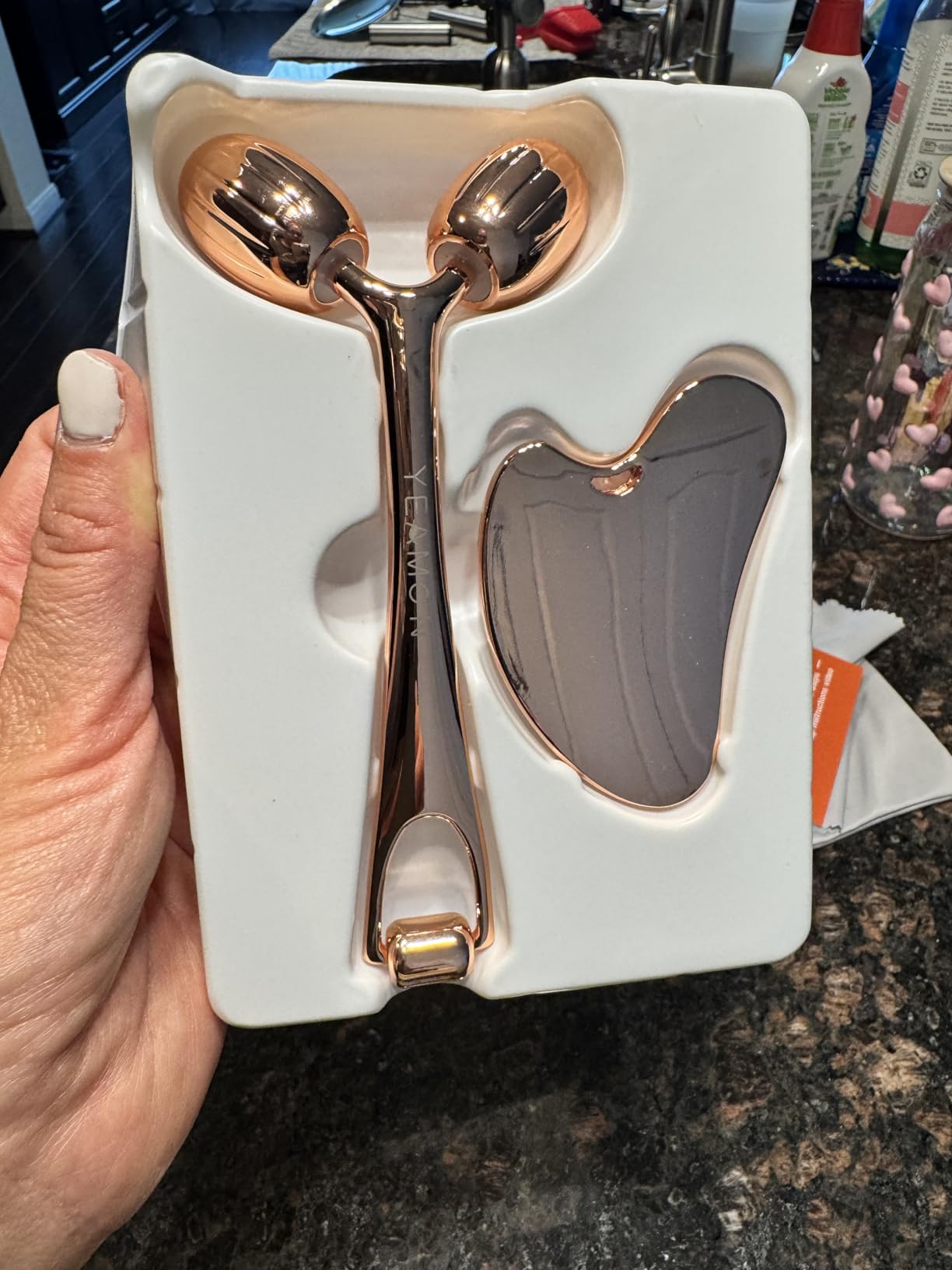
Reviewers repeatedly frame it as the durable replacement for a quartz or jade roller that broke, and the non-porous surface does not absorb product, so it needs no separate cleaning solution.
Options include silver, rose gold, gold and gunmetal grey. One caveat worth reading: the grip on the rollers is strong, so start with the narrow head and light pressure.
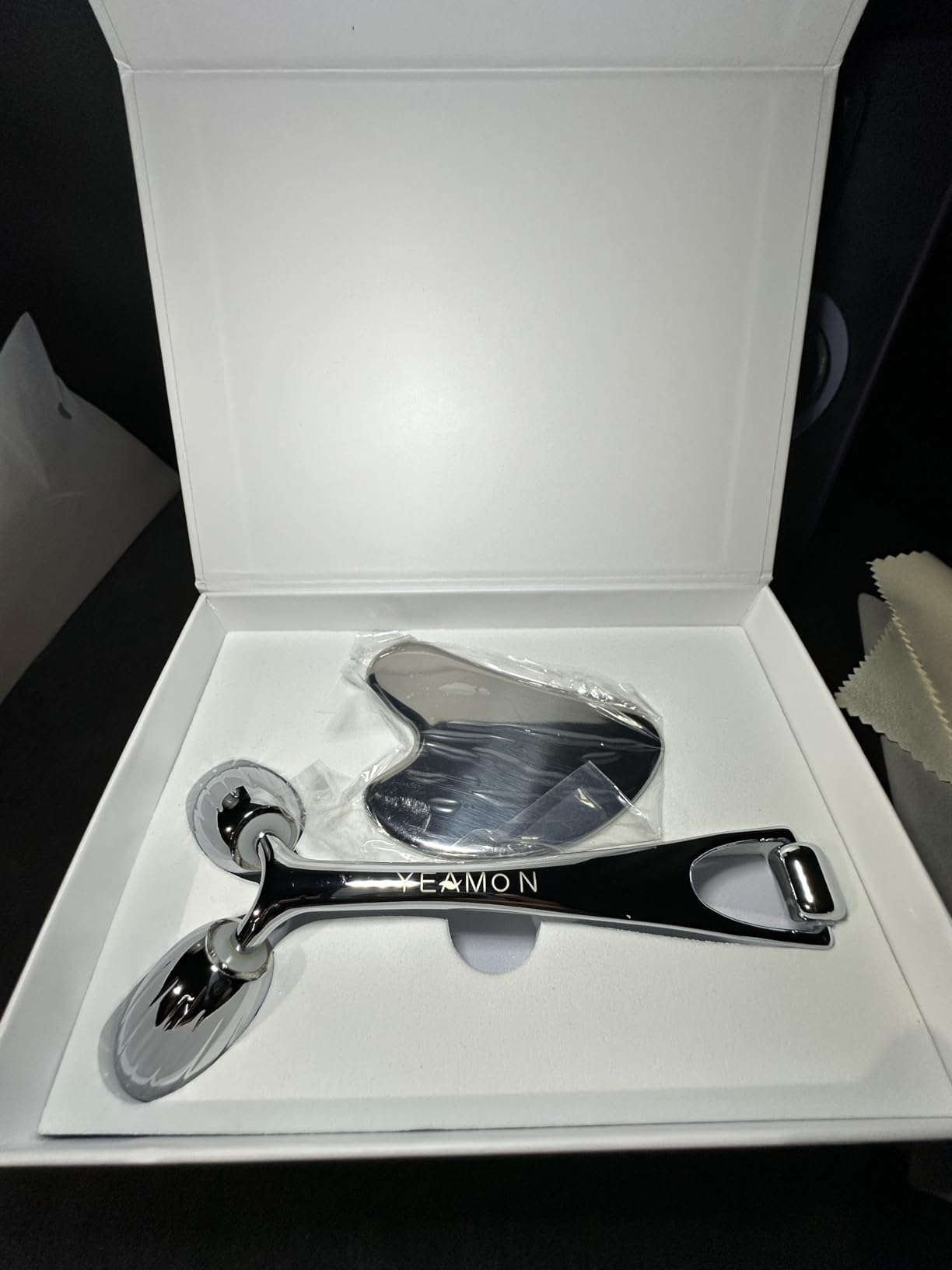
Why the roller head matters for sculpting
Depuffing under the eyes responds well to rolling rather than scraping, and a narrow stainless head moves fluid without dragging the skin. Combine it with the gua sha half and you cover two of the three areas most people want from facial sculpting.
Where it falls short
The 8.82 ounce weight is the honest drawback. A lighter stone tool is easier for a beginner working alone-handed for ten minutes, and if you only want jawline definition a single steel plate does the same job.
6. Kitsch Stainless Steel Guasha Tool: Best Slim Steel Tool
Kitsch Stainless Steel Guasha Tool for Face – Silver
Material: high-grade stainless steel
Weight: 3.14 oz
Thickness: 0.13 in
Pros
- Rust and tarnish resistant
- Non-absorbent and easy to sanitize
- Usable cool or gently warm
- Balanced weight for jawline control
Cons
- Slim profile feels different from broad stone tools
- Needs oil or serum to avoid rubbing
The 0.13 inch profile is the distinguishing detail. It is thinner than most stone boards, so the edge sits closer to the skin and traces a jawline contour with less wrist angling than a thick melon-shaped scraper.
At 3.14 ounces it carries enough weight to generate pressure without leaning, and the non-absorbent surface sanitizes with soap and water. No special cloth, no drying ritual between uses.
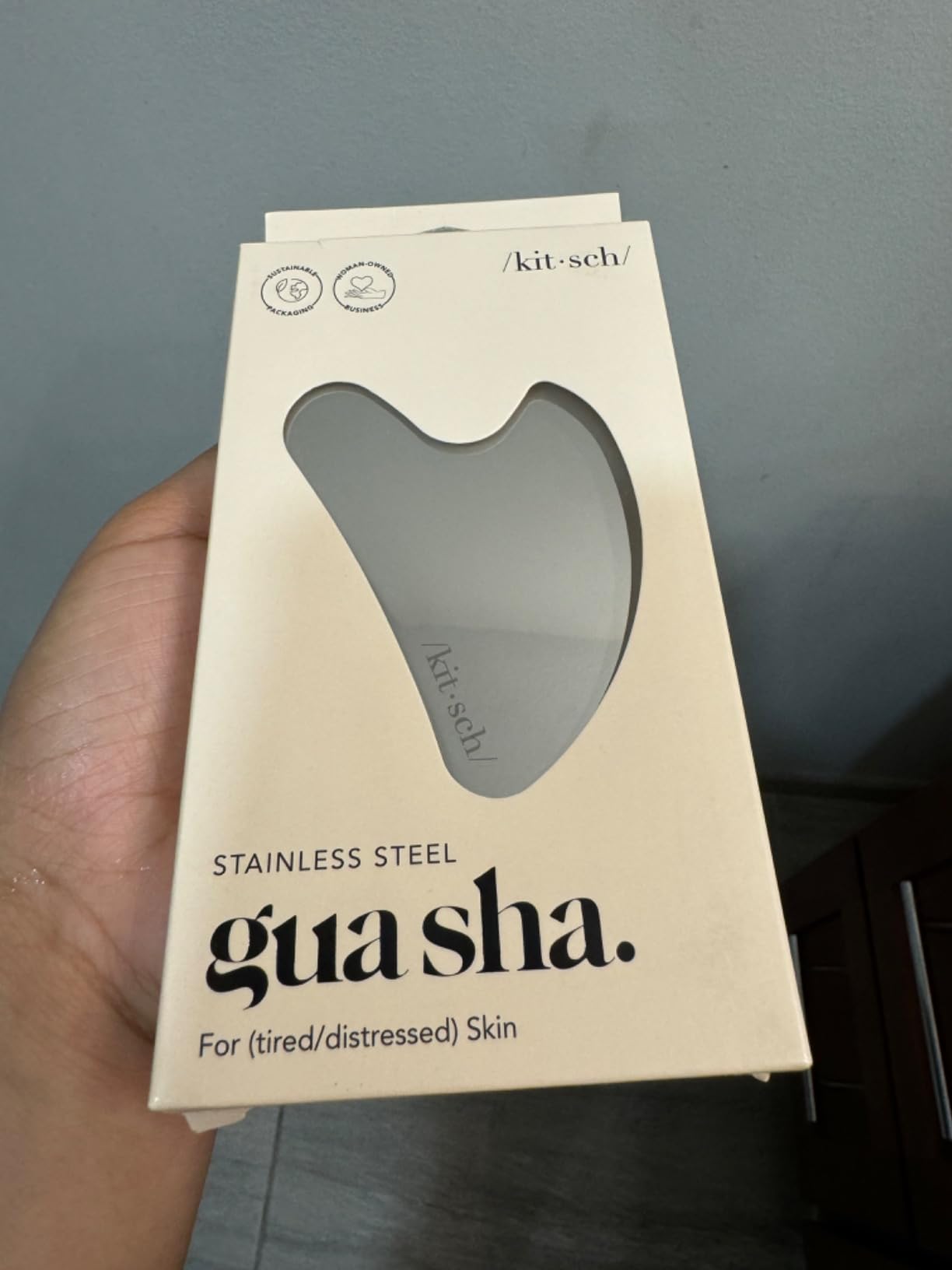
It can be used chilled or gently warmed, which suits both ends of a routine: cold in the morning for puffiness, warm in the evening for neck tension.
The slim profile is the trade-off. Less surface area means the broad face and forehead are quicker on a wider board, and the thin plate can grab on a dry face, so apply the oil first and wait a few seconds.
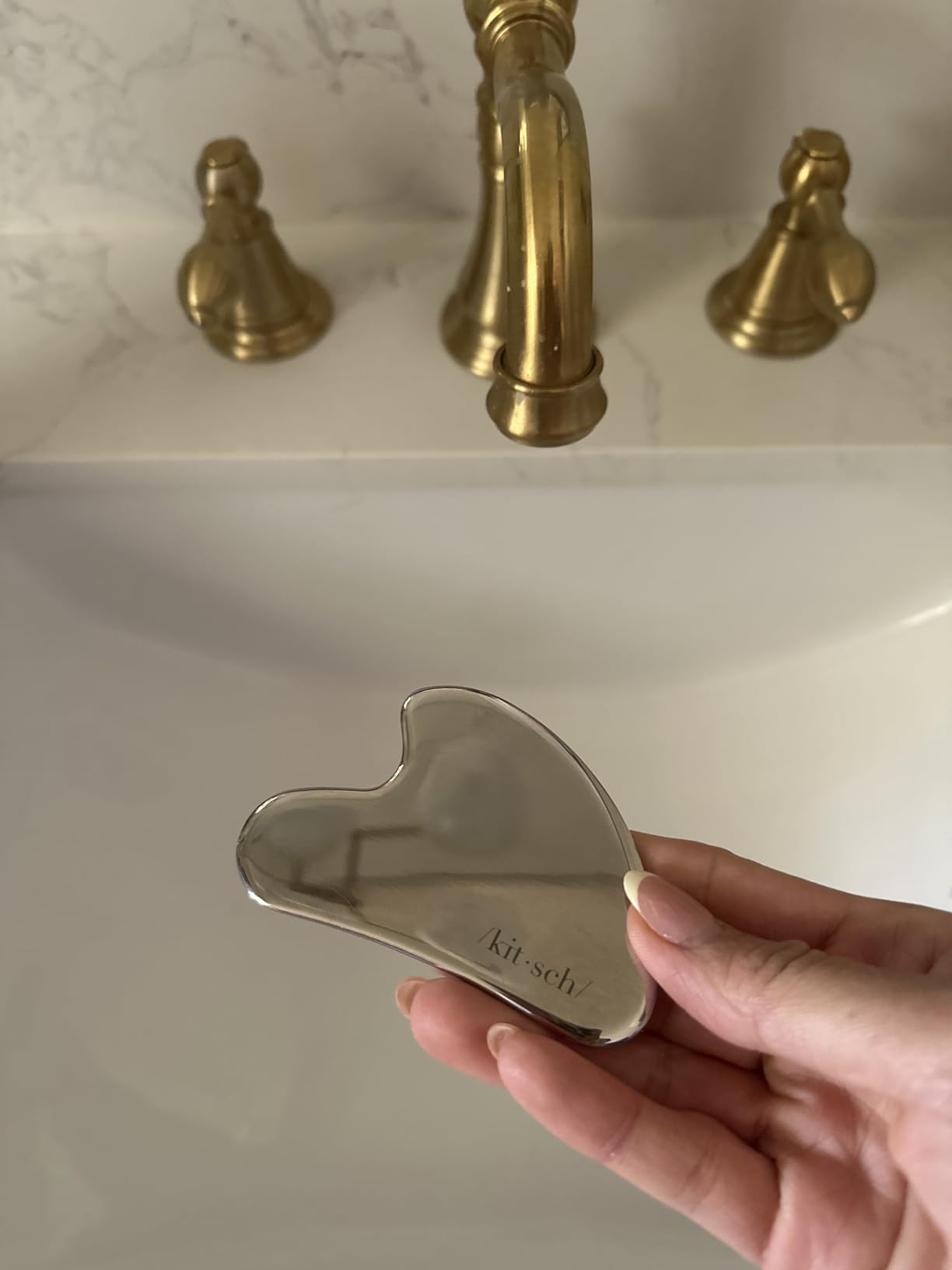
Best for a jawline-focused routine
If you mostly want definition under the chin and along the jaw, thin and light beats broad and heavy. The polished finish is rated well, with reviews describing smooth contact and no dragging once oil is applied.
Where it falls short
There is no chilled storage or dedicated cooling chamber, so the cold effect fades faster than on a heavier steel tool. Silver, matte black and iridescent finishes are all available on the same body.
7. rosenice Natural Jade Guasha Stick: Best Rounded-Edge Jade Pick
rosenice Gua Sha Facial Tools Guasha Tool Gua Sha Jade Stone Manual Massage Sticks for Jawline Sculpting and Puffiness Reducing for Face Body Tensions Reduce Festive Gifts
Material: natural jade stone
Weight: 1.59 oz
Size: 3.07 x 2.36 in
Pros
- Rounded ridges that do not catch the skin
- Comfortable weight and defined ridges
- Visible de-puffing within about a week
- Popular as a gift
Cons
- Brittle if dropped
- Some buyers question the material
- Heart-like shape rather than classic form
The defining feature is the rounded ridge profile. Instead of a squared edge that can catch, the ridges are rolled, and reviewers repeatedly describe this as the smoothest-feeling stone they have used.
At 1.59 ounces it is light in the hand and the weight feels well distributed rather than bottom-heavy. The 3.07 by 2.36 inch footprint covers the jawline in a few passes.
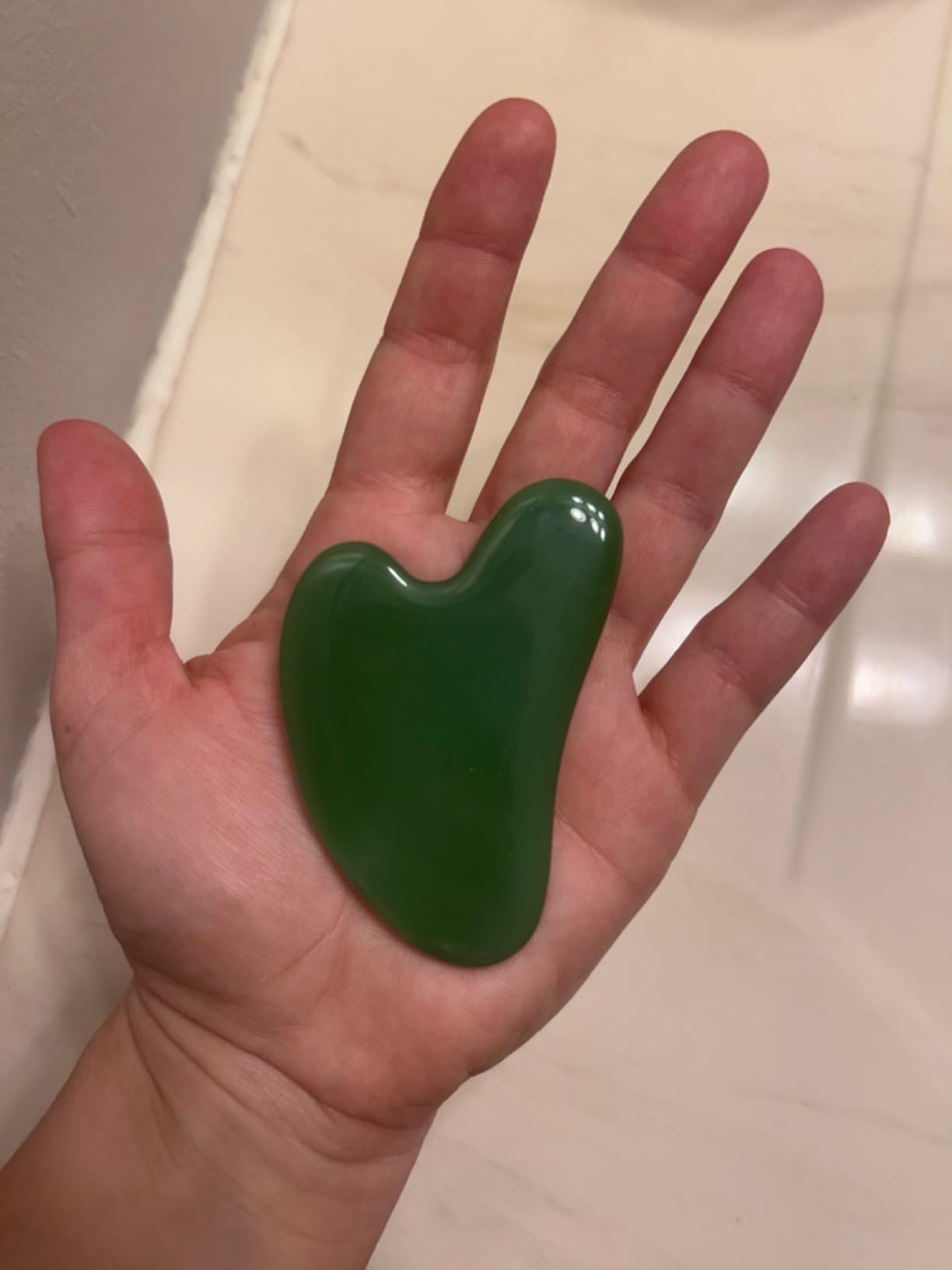
Reviewers report visible de-puffing and jawline definition within about a week of daily use, which is roughly the pace we saw as well. This is a long-standing seller with a large repeat-purchase base.
It ships in a plastic protective box with a foam insert, which is better protection than a bare box and better than nothing.
The honest criticism is material authenticity. Some buyers say it feels more like plastic than stone, and a few describe a sharper, heart-shaped profile rather than the classic gua sha form. Test the feel before committing to a daily routine.
Like all jade here, it needs oil or cleanser to glide. Dry, it will pull.
Best for beginners and sensitive skin
Rolled edges mean a lower chance of a nick on a thin area like the brow or the side of the nose. If you are new to scraping, this is a forgiving place to start.
It is also a good body tool for the neck and shoulders, where the rounded ridges spread pressure more comfortably than a sharp corner.
Where it falls short
It is the most breakage-prone profile in the group because the ridges are thin. Handle it the way you would handle a phone case you care about.
And it warms fast. For a cooling effect, choose metal.
8. Ditind Natural Jade Massage Board: Best for Face and Body
Ditind Gua Sha, Jade Stone Gua Sha Massage Tool, Guasha Tool for Face and Body Skin Massage. Gua Sha Set for Toxins Prevents Wrinkles for SPA Acupuncture, Therapy Trigger Point Treatment.
Material: 100 percent natural jade
Weight: 1.8 oz
Size: 2.2 x 3.2 in
Pros
- Shape follows facial contours
- Very smooth cool surface
- Works for face and body trigger points
- Foam-padded container
Cons
- Fragile if dropped
- Occasional reports of cracked stone on arrival
- Some see no change after two weeks
This board is the one we reach for past the face. The broader, flatter profile works along the back of the neck and shoulders where a small sculpting tool is too fiddly, and reviewers use it on knees and other trigger points.
The contour-following shape is the reason it works for sculpting at all. At 2.2 by 3.2 inches, the long axis follows the jawline and the shorter axis handles the cheek and brow.
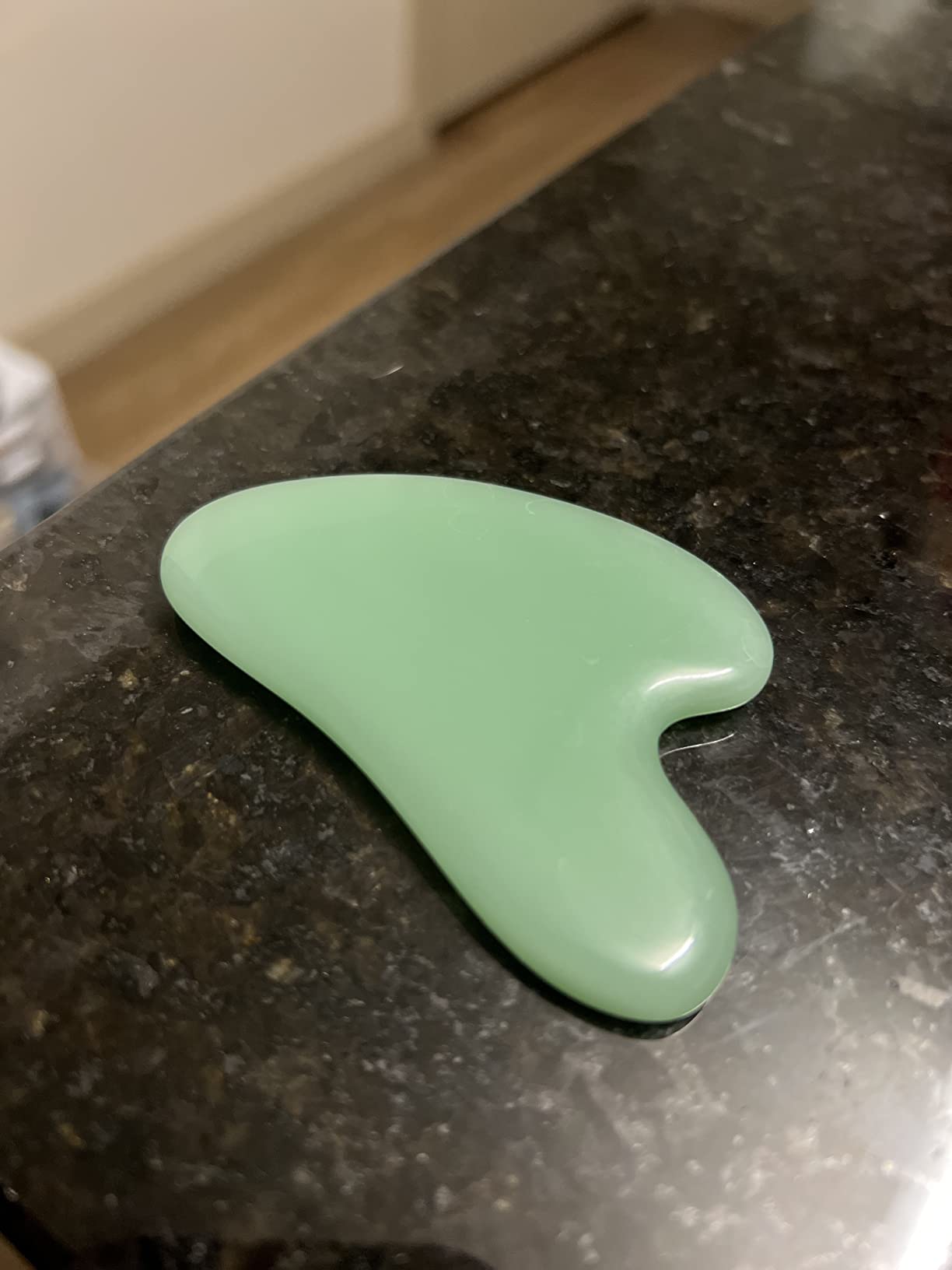
It arrives in a protective container with a foam pad, which addresses the transit damage we see with stone tools. Several reviewers also compare the finish favourably to rougher competitors, and it is available in green, black, pink and purple.
A few users report no visible change after a couple of weeks. That is usually a pressure or technique issue rather than a tool issue, but it is worth knowing that results depend on doing it daily.
Best for neck and shoulder tension
Broad flat edges let you work the upper traps and the base of the skull in long strokes, which a small heart-shaped tool does poorly, and the same strokes work above the collarbone after a workout.
Where it falls short
Fragility is the repeated complaint, and one reviewer reported a cracked and scratched stone on arrival, so inspect the edge the day it arrives. It also holds no cold and comes with no travel pouch.
9. airogym Four-Pack Natural Stone Gua Sha Set: Best Starter Set
airogym 4 Pack Gua Sha Scraping Massage Tool, Natural Stone Gua Sha Board for Face and Body, Facial Tool Set for SPA Acupuncture Therapeutic Massage, Relieve Stress & Pain Treatment
Material: natural stone
Four boards, about 50 g each
Thickness: 5 mm
Pros
- Four sizes cover face and body
- Double-bevelled rounded edges
- Instruction booklet for beginners
- Gift box and storage bag
Cons
- Natural stone chips if dropped
- Needs oil for best glide
Four boards in different sizes and shapes, each about 50 g and 5 mm thick. That range is the reason to buy this as a set: a larger board for the back and thighs, smaller ones for the face and neck.
The double-bevelled, slightly rounded edges are the best-behaved edges in the group. They stay comfortable during longer trigger point work and are unlikely to catch on a thin edge of skin.
An instruction booklet is included, and that matters for a first-timer because choosing the wrong size for a zone is the most common beginner mistake. It ranks near the top of Acupuncture Products, so it is being used in a treatment context as well as at home.
Stone fragility applies, and so does the oil requirement. Neither is unusual in this category, but four pieces means four things to break, so store them in the included pouch rather than loose in a drawer.
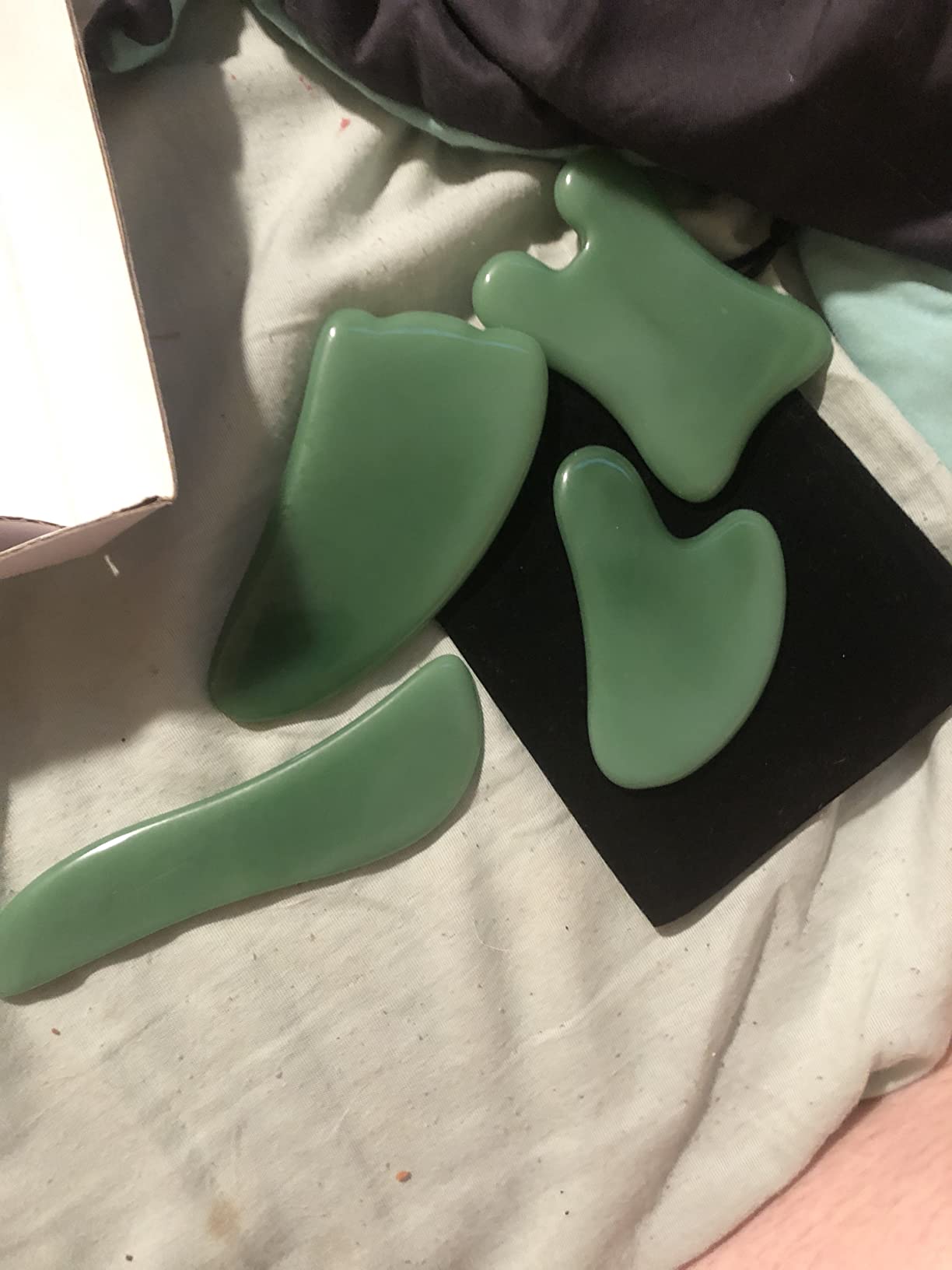
Best for face plus body use
If you want one purchase to cover facial sculpting and post-workout body work, the size range here does the job without buying separately, and the gift box makes it an easy present.
Where it falls short
With four options, beginners can pick the wrong one, so read the booklet before the first session rather than guessing from shape alone.
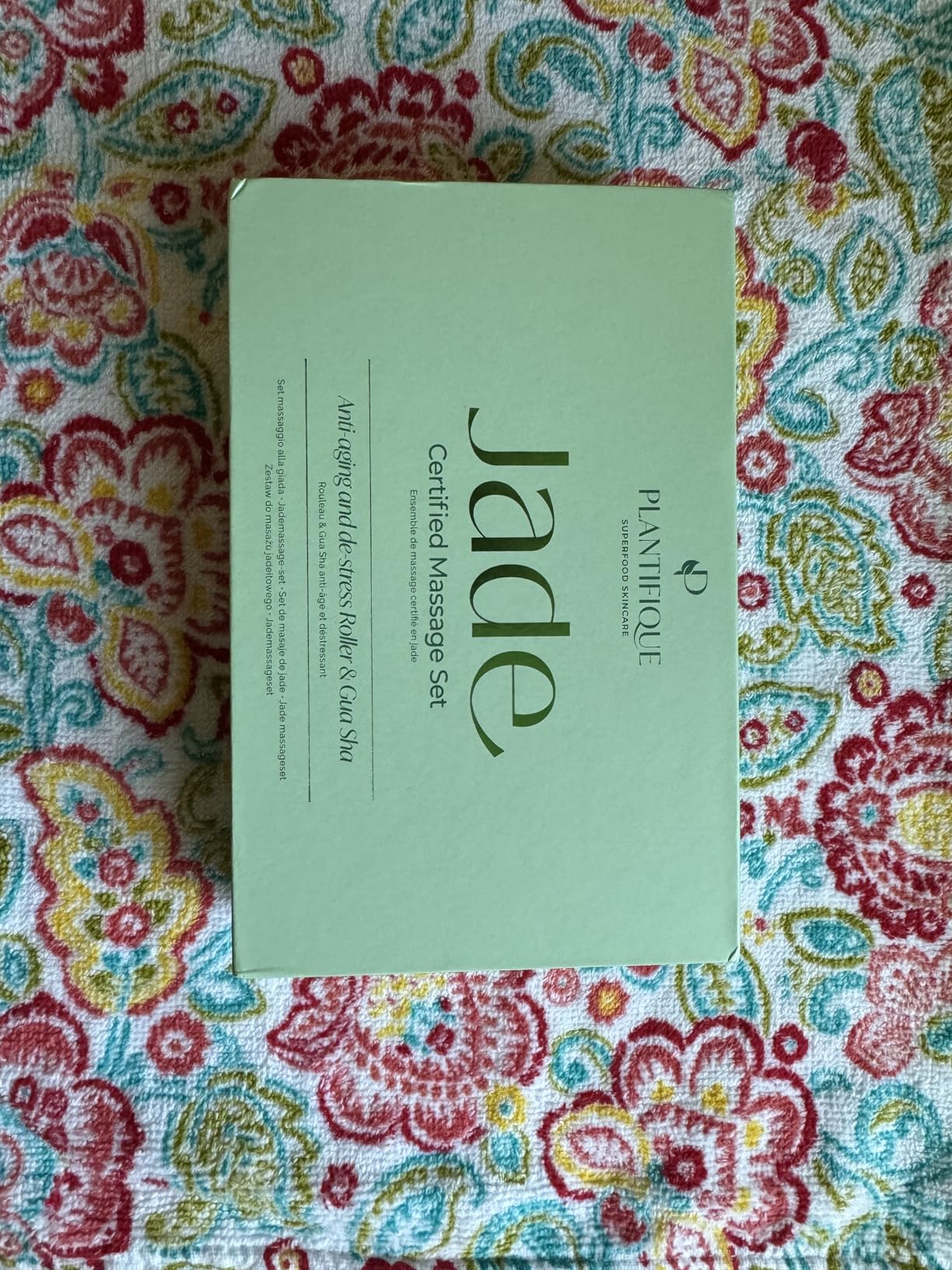
10. PLANTIFIQUE Handcrafted Jade Gua Sha: Best Thin Jade With a Guide
PLANTIFIQUE Gua Sha Facial Tools | Gifts | Massage Tool | Jawline Sculptor | Face Sculpting Tool for Your Skin Care Routine | Jade Guasha
Material: authentic handcrafted jade
Weight: 2.12 oz
Size: 1.97 x 3.19 in
Pros
- Thin light stone for facial contours
- Offered in jade rose quartz and steel
- Handcrafted with quality inspection
- Detailed usage guide included
Cons
- Lowest average rating among these picks
- Some buyers say results take longer
At 1.97 by 3.19 inches and 2.12 ounces, this is a thin, light, hand-shaped board. The thinness is the point: it fits between the jaw and the ear without the bulk of a larger melon-shaped scraper.
It comes with a detailed usage guide, and that is a genuine advantage for beginners. Of the stone tools we tested, it ships with the most usable instruction material.
The same tool body is offered in jade, rose quartz and stainless steel, in single and twin packs, which is a low-risk way to test whether you prefer warm jade, cool quartz or cold steel before committing to a more expensive single tool.
The 4.4 average is the lowest of this group, with 7 percent one-star reviews. The critical mass is not about feel or breakage, it is about results that took longer than people expected, which points to technique and frequency rather than a bad tool. Handcrafting is a modest advantage, and thin stone still chips if you drop it.
Best for someone still choosing a material
It is one of the better first purchases for a beginner, because the guide shortens the learning curve that makes most people give up.
Where it falls short
The rating spread is the widest here. At 2.12 ounces it is also heavier than the other jade picks while being thinner, so the weight sits closer to the fingertips and the balance point feels different.
11. URAQT Two-Piece Natural Jade Gua Sha Set: Best Value
URAQT Gua Sha Massage Tool, 2 Pcs Natural Jade Gua Sha Board, Quartz Jade Stone Gua Sha Facial Tool, Face Scraping Massager, Anti Aging Massage Beauty Tool for Face, Eye, Neck
Material: natural jade, two pieces
Weight: 3.21 oz
Size: 4.72 x 2.76 in
Pros
- Two jade boards in one pack
- Thicker than typical melon scrapers
- Static free and easy to store
- Suits face neck and body
Cons
- Brittle if dropped
- Needs cream or oil for best results
- Smallest review base here
Two jade boards in one pack, and they are thicker than the melon scrapers most people picture. That extra body gives a firmer glide and takes more pressure without flexing, which helps on the jawline.
It is also the biggest board in the group at 4.72 inches long, so it covers the neck and shoulders quickly. Reviewers use it on the face, neck, shoulders, arms and legs.
Available in light green and dark green, both static free and easy to store. Two boards also means you can dedicate one to the face and keep the other for body work.
The 4.5 average comes from the smallest review base here, so treat it as a snapshot rather than a settled record. Buyers like getting two boards and the thicker jade.
Best for neck and body coverage
At 3.21 ounces and 4.72 inches long, this is the tool for the front of the neck and the trapezius area. The size covers ground quickly and the thickness does not flex under pressure.
Where it falls short
Thick jade is heavy for a face-only routine, and with the thinnest review base here, long-term durability feedback is limited. Test the edges carefully, because a thick board that chips can catch.
12. ZDEER GS5 Electric Heated Gua Sha Tool: Best Powered Heated Option
ZDEER GS5 Electric Heated Gua Sha Tool, Red Light Face Massager, Pink
Material: brass heating plate
Weight: 174 g
Red light: 620-640 nm
Pros
- Heat and vibration reduce needed hand pressure
- Brass head warms quickly and glides well
- Quiet simple button controls
- Balanced handle for jaw and neck
Cons
- Not recommended for sensitive skin
- Firm head needs care over the collarbone
- Some reports of missing accessories
This is the only powered tool in the group, and it changes the proposition. Heat and gentle vibration mean you need much less hand pressure, which makes it a realistic option if manual scraping is uncomfortable or you already have joint issues in your hands.
The brass heating plate has three heat levels from 33 to 48 C and warms quickly. It glides well with oil or cream, and the contoured edges and balanced handle make jaw, cheek and neck passes comfortable.
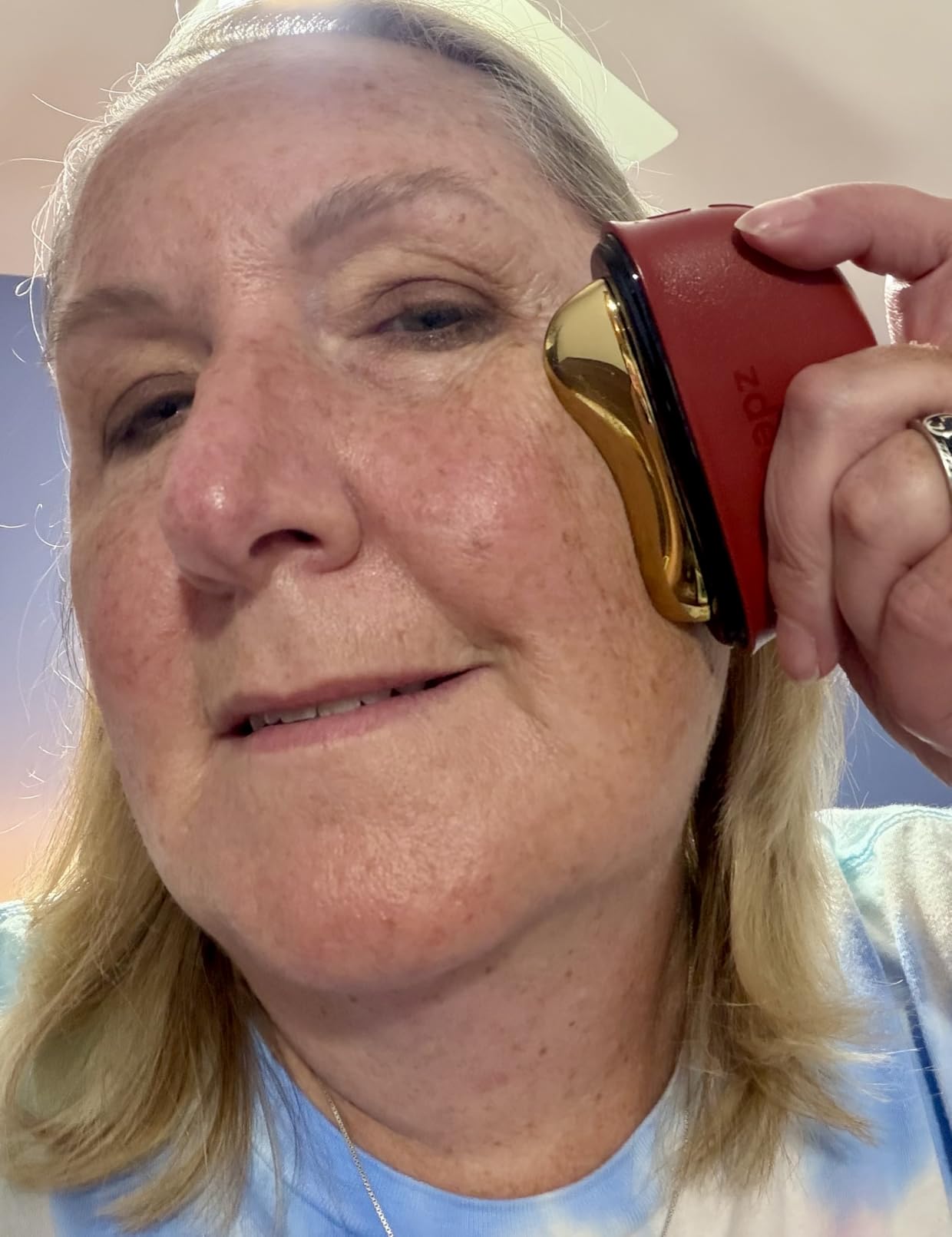
It also carries eight red light beads at 620 to 640 nm and three vibration levels. The 800 mAh battery takes about 1.5 hours to charge and gives roughly 1.5 hours of use, which covers several sessions.
At 174 g it is lighter than most stone tools, and the simple button controls are easy to work in the morning without looking.
Expect some noise complaints. A few buyers report units arriving broken or a box with no instructions or power cord, so check the contents on arrival and keep the packaging until you have tested it.
Why pick a powered tool at all
For morning puffiness in someone with hand or wrist limitations, heat and vibration do work you would otherwise have to generate yourself. Owners who get a working unit tend to find it more relaxing and less effortful than a manual stone.
Where it falls short
Charging, storing and cleaning a device is more maintenance than wiping a stone cloth, and the manufacturer advises against sensitive skin, which rules it out for the readers who want a gua sha because their skin is reactive. A rounded-edge manual stone is the safer first purchase there.
Does Gua Sha Really Work? An Honest Look at the Timeline
Yes, with a caveat: the visible change is mostly de-puffing and temporary muscle release, not permanent restructuring. Anyone promising a permanent change to the shape of your face from a manual tool is overselling it.
Day one, you will notice warmth, a flushed look and a temporary reduction in morning puffiness. Some people feel the jaw joint release immediately. Nothing structural has changed.
By week one, if you have used it daily, puffiness after waking tends to settle faster and your serum sinks in more readily. Most reviewers describe this window as when results become noticeable to other people.
By month one, the habit is established and the difference is consistency rather than intensity. This is also the point where tools get dropped and shattered, so this is where material choice starts to matter.
By month three, most of the benefit is temporary relief maintained by repetition. The honest summary is that this is maintenance, not transformation. A manual gua sha cannot do what a powered microcurrent device does, and it is not trying to.
Reviewers on skincare forums describe the same pattern: results fade quickly after stopping, and consistency matters more than brand prestige. If you will not use a tool daily, a cheap stone is the right purchase.
Is Jade or Stainless Steel Better? The Material Guide
Stainless steel is better for durability, hygiene and cooling. Jade is better for feel, weight and tradition. Neither sculpts better than the other, because the result comes from your technique and frequency, not the rock.
Jade, including xiuyan and nephrite varieties, is dense, feels cool at first and warms slowly in the hand. It is the traditional choice and many users find its weight more satisfying on the jawline. The downside is fragility and a porous surface that needs a dry store.
Bian stone is a carbonate jade material that feels denser and slightly warmer, and it usually comes in multi-piece sets with dedicated edge profiles. Useful when you work beyond the face.
Rose quartz is the softest and lightest of the stones, popular for its look and gentle glide. It scratches more readily than jade and is the least durable of the stone options.
Aventurine is a harder green stone that some sellers label as jade. It glides well and is a good compromise between weight and durability.
Stainless steel, in the 304 grade used by most tools here, is non-porous, wipes clean, will not shatter and conducts cold far better than any stone. The trade-off is weight and a colder contact on bare skin.
Ceramic is the fourth option, sitting between stone and steel on hardness and cooling. None of the twelve tools we tested used it, so treat ceramic claims as marketing until you can hold the tool.
The question comes up constantly, and the answer from most people who own both is that material matters far less than edge shape and whether you use the tool at all.
How to Gua Sha for Sculpting: Step by Step
Start clean and slightly wet. Apply a generous layer of facial oil or a thick serum. A dry face is the fastest route to a dragging, ineffective pass and an unhappy review of an otherwise good tool.
Set the tool at roughly a 45-degree angle to the skin. Flat-on, you get pressure without the glide. Perpendicular, you scrape. Forty-five degrees gives you both.
Work upward and outward only. Every stroke starts at the centre of the face and moves toward the ear and down the neck. Never push downward against lymph flow.
Keep pressure light to medium. You should feel a stretch, not pain. If you see petechiae, the small red pinprick marks, you are pressing too hard and should stop for that session.
Spend two to five minutes daily. Two minutes on the jawline and cheeks is enough for most people. Frequency beats intensity every time, and the users who report the best results are the ones who did it daily rather than hard.
Chilling a steel tool for a few minutes before a morning session adds a de-puffing effect that stone cannot match. Do not freeze it solid, and do not use a chilled tool on sensitised skin.
By zone, the sequence is straightforward. For the jawline, set the long edge under the chin and sweep toward the ear, five to eight passes per side. For the cheekbones, angle the tool up under the cheek and sweep toward the temple.
For the neck, work downward from the chin along the front of the neck, then outward to the shoulders. For the brow, use the short edge with very light pressure, outward from the bridge of the nose. For the forehead, use the broad edge in long sweeps from the centre out to the hairline.
Clean and store the tool after each use. Wipe, rinse, dry fully, and put it somewhere it cannot be knocked off a counter. That habit prevents more broken tools than any other single precaution.
While we are on maintenance, the same durability thinking applies to any tool you keep on a shelf: if you compare our guide to the best power carving tools for woodworkers, the storage logic is identical, protective cases beat optimism.
Safety: Who Should Skip Gua Sha
There is a downside to gua sha, and it is not the tool. It is the pressure. Pushing hard enough to bruise is the fastest way to end up with marks, broken capillaries and a routine you abandon.
Skip it or ask a professional first if you have active acne, a skin infection, an open wound, or have had injectables very recently. Fresh filler and aggressive scraping do not mix.
Rosacea and reactive skin need care. Rounded or double-bevelled edges and light pressure are safer, and the heated powered tool in this list carries an explicit manufacturer warning against sensitive skin.
If you take blood thinners, or bruise easily, keep the pressure minimal. Nuanchu-style light passes and a chilled tool do more for puffiness than a hard scrape does.
And the device question, which comes up often: a manual gua sha is not microcurrent. Manual tools move fluid and relax tissue. Powered devices stimulate muscle. Expecting one to deliver the other is how people end up disappointed with a perfectly good tool.
Store your tools safely too, especially if you have a workshop habit of clearing surfaces. We covered the same reasoning in our oscillating multi tool guide, and it applies to a stone sliding across a bathroom counter just as much as to a bit spinning on a bench. If counter space is the real problem, our best garage storage cabinets for tools roundup covers the ways people actually keep small, breakable kit off the work surface.
Frequently Asked Questions
Does gua sha actually work to sculpt your face?
Does it matter which gua sha tool you use?
Which gua sha is most recommended?
Is jade or stainless steel gua sha better?
What do dermatologists think of gua sha?
Is there a downside to gua sha?
Final Verdict: Which Gua Sha Tool Should You Buy?
For most people, the Nuanchu 304 stainless steel tool is the safest single purchase, because breakage, hygiene and cooling are the three things that decide whether a gua sha is still in your bathroom cabinet after three months. If you prefer the feel of stone and will keep it in one safe spot, the Rena Chris jade tool is the value pick and the smoothest surface we tested.
Work on the neck and body too, and the Hana Emi four-piece bian stone set earns its place with dedicated edge profiles per zone. Want under-eye coverage in the same tool, and the Yeamon steel and roller set does both. New to all of this and want instructions, the PLANTIFIQUE set ships with the best guide we saw.
Whichever you choose, remember that the tool decides comfort while your consistency decides results. Use it on oiled skin, at a 45-degree angle, upward and outward, for two to five minutes a day. That routine is the best gua sha tools for sculpting actually deliver, and 2026 is a fine year to start it.