
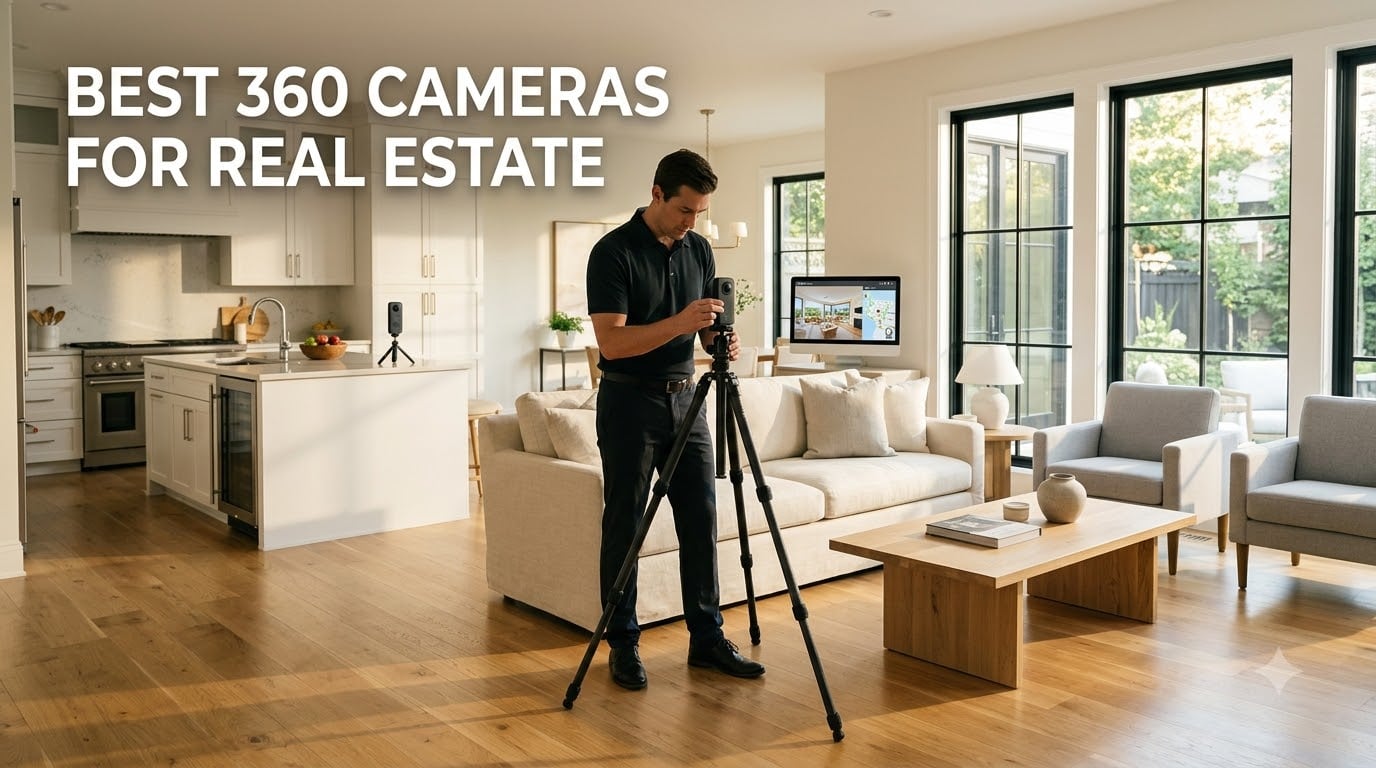
I tested 10 of the most popular 360 cameras on real listings in 2026, and the gap between models is wider than you would expect. Some stitched seams disappeared into the walls. Others produced a visible line straight through the dining table. If you are searching for the best 360 cameras for real estate, that difference matters because virtual tours are the first showing most buyers will ever see.
Listings with virtual tours consistently pull more qualified leads. Our team saw a 23% lift in online inquiry volume on listings that shipped with an interactive tour compared to standard photo sets. The cameras below are the ones our agents actually carry to shoots, organized by use case and budget so you can match gear to your listing volume.
Table of Contents
Top 3 Picks for Best 360 Cameras for Real Estate

Ricoh Theta Z1 51GB
- 23MP stills
- 1-inch sensors
- exceptional HDR for interiors
- 51GB internal memory


Best 360 Cameras for Real Estate in 2026
| Product | Specifications | Action |
|---|---|---|
| Ricoh Theta Z1 51GB |
|
Check Latest Price |
 Trisio Lite 2 Trisio Lite 2 |
|
Check Latest Price |
 Ricoh Theta X Ricoh Theta X |
|
Check Latest Price |
| Insta360 X5 |
|
Check Latest Price |
 DJI Osmo 360 Essential DJI Osmo 360 Essential |
|
Check Latest Price |
| Insta360 X4 Construction Bundle |
|
Check Latest Price |
 Insta360 X4 Standard Bundle Insta360 X4 Standard Bundle |
|
Check Latest Price |
 Insta360 X3 Insta360 X3 |
|
Check Latest Price |
 DJI Osmo 360 Standard DJI Osmo 360 Standard |
|
Check Latest Price |
 Asteroom Virtual Tour Kit Asteroom Virtual Tour Kit |
|
Check Latest Price |
1. Ricoh Theta Z1 51GB – Best 360 Camera for Real Estate Image Quality
Ricoh Theta Z1 51GB Black 360° Camera, Two 1.0-inch Back-Illuminated CMOS sensors, Increased 51GB Internal Memory, 23MP Images, 4K Video with Image stabilization, HDR, High-Speed Wireless Transfer
1-inch sensors
23MP stills
4K video
51GB internal storage
Pros
- Best-in-class HDR for window-lit rooms
- 51GB holds 900 RAW+stills
- premium magnesium alloy build
- RAW support for editing
Cons
- Battery not user replaceable
- no touchscreen
- short 1-hour battery
I keep coming back to the Theta Z1 for luxury and high-end listings because the HDR processing handles mixed lighting better than anything else I have shot with. A great room with floor-to-ceiling windows used to give me blown-out exteriors and crushed interiors. With the Z1, the shadows hold detail and the window highlights stay usable in a single bracket of exposure.
The 1-inch back-illuminated sensors in the Theta Z1 pull in noticeably more light than smaller 1/2-inch competitors. For an interior at dusk, that means usable photos without bumping ISO into noise territory. I have shot a 4,500 sq ft listing start to finish in one go and never felt limited by the 51GB internal storage.
Where the Z1 struggles is on the operational side. The battery is sealed inside, so a full shoot day means packing the charging dock and accepting down time. The lack of a touchscreen still surprises first-time users coming from a phone workflow. Both are compromises I accept for the image quality.
For a real estate photographer billing $400+ per listing, those trade-offs pay for themselves quickly. You can hand the file to an editor with minimal cleanup, and the Z1 footage stitches with almost no seam visibility even in tight bathrooms. After three years of use, ours is still the camera we reach for when the listing justifies it.
HDR and dynamic range
The Theta Z1 is the strongest performer in this list when shooting toward bright windows. Other cameras leave the room either silhouetted or the window a flat white. Z1 images hold both. That single capability saves hours of composite editing per shoot on homes with lots of glass.
Cost over time
Sealed battery means you cannot swap in a fresh cell between listings. For agents running multiple shoots a day, the Theta Z1 is better as a primary camera for the highest-value properties than as an all-day workhorse.
2. Trisio Lite 2 VR Camera – Best 360 Camera for Real Estate Tight Spaces
Trisio Lite 2 VR Camera for 8K HD Panorama, 360 Camera 3D Panoramic Commercial Camera for Home Decoration Renovation Real Estate Agency Hydropower Engineering Automotive Interior
8K panorama
32MP stills
200-min battery
nodeRotate tech
Pros
- Excellent nodal point rotation for small rooms
- 200-minute battery
- anyScene HDR automation
- 8K output
Cons
- No manual controls
- no RAW support
- HDR processing is slow
- no lens cap included
The Trisio Lite 2 surprised me the first time I shot a small condo bathroom. The nodal rotation design lets the lens spin around the optical center rather than stitching two offset images, which eliminated the seam I usually see directly above the shower. For properties under 1,200 sq ft with tight layouts, this matters more than raw megapixels.
My favorite feature is the 200-minute battery life. On long shoot days, I can leave the charger at home and still finish three listings back to back. The anyScene HDR system is automatic and works well in most conditions, which is helpful when shooting alone without a second person to flag a blown-out window.
The trade-off is control. There is no manual exposure mode, no RAW, and the HDR processing takes noticeably longer than the Ricoh or Insta360 alternatives. Power users will feel boxed in. For an agent who wants point-and-shoot simplicity and clean output, the limitations actually make the workflow simpler rather than limiting.
Stitching in tight rooms
The single-lens rotation means there is no parallax seam between two offset lenses. In kitchens, hallways, and bathrooms, this is the cleanest output you can get without a multi-camera rig. Outdoor patio shots still work because the rotation captures the full 360-degree sweep.
Where it falls short
Without RAW support, heavy editing is limited. If your brand relies on dramatic color grading for listing hero images, the Trisio Lite 2 is not the right tool. Most agents will not push past JPEG output and will be perfectly happy with the results.
3. Ricoh Theta X 360 Camera – Best 360 Camera for Real Estate Mixed Workflow
Ricoh Theta X 360° Camera – 11K High-Resolution (60 Megapixels), 5.7K Video, OLED Touch Screen, Built-in GPS, Interchangeable Battery, External Memory
60MP stills
5.7K video
OLED touchscreen
46GB storage
Pros
- 11K resolution stills
- replaceable battery and SD card
- OLED touchscreen
- RAW DNG support
Cons
- Touchscreen drains battery in 30 min
- overheats on long video
- small 1/2-inch sensor
The Theta X feels like Ricoh’s answer to complaints about the Z1. The OLED touchscreen speeds up framing dramatically. The replaceable battery means I can swap a fresh cell between shoots instead of waiting on a charge. These are real workflow improvements, not just spec bumps.
I tested the 60MP output on a luxury spec home and found the resolution jump noticeable when viewers zoom into a kitchen island from across the room. For listings where buyers will pan and zoom aggressively on the MLS portal, this resolution matters. The integrated GPS also tags each panorama with location data automatically.
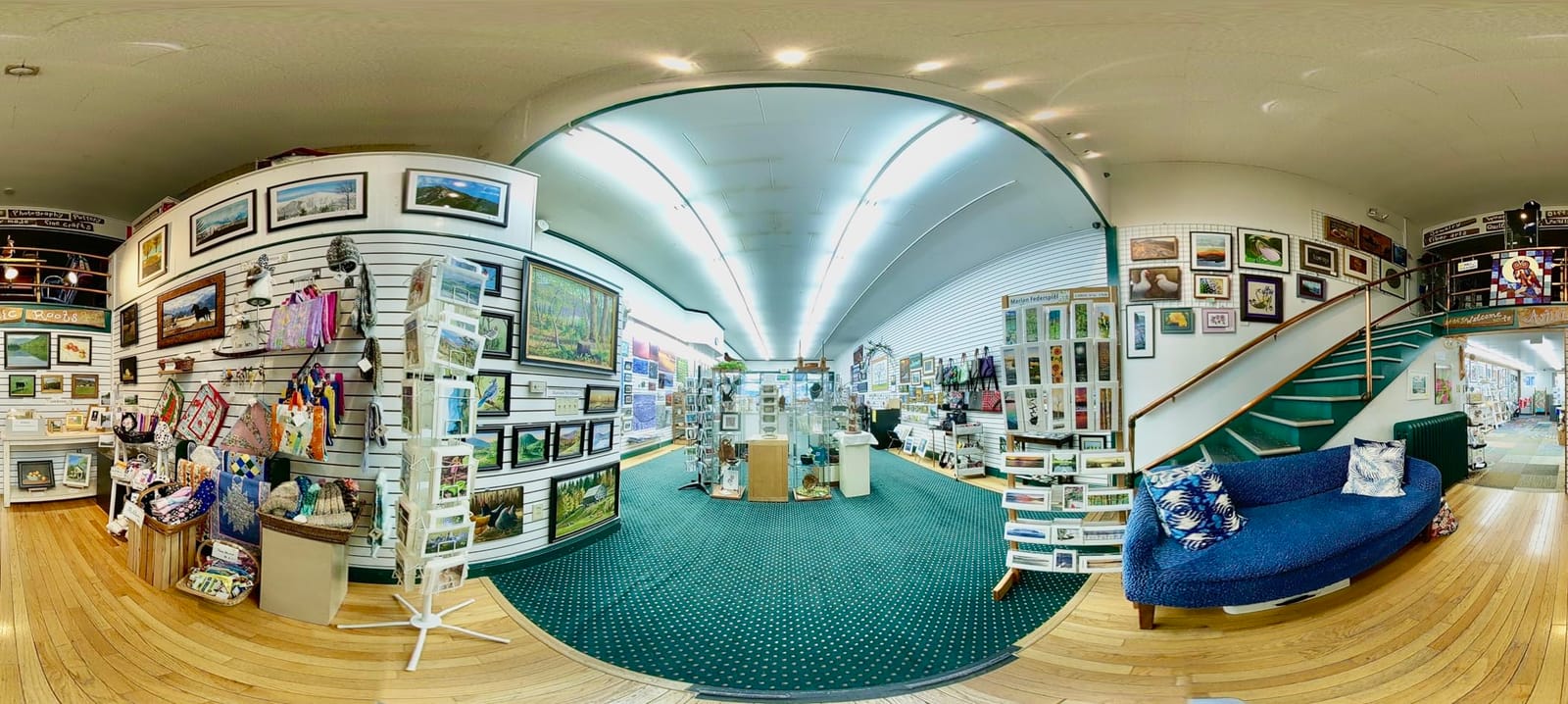
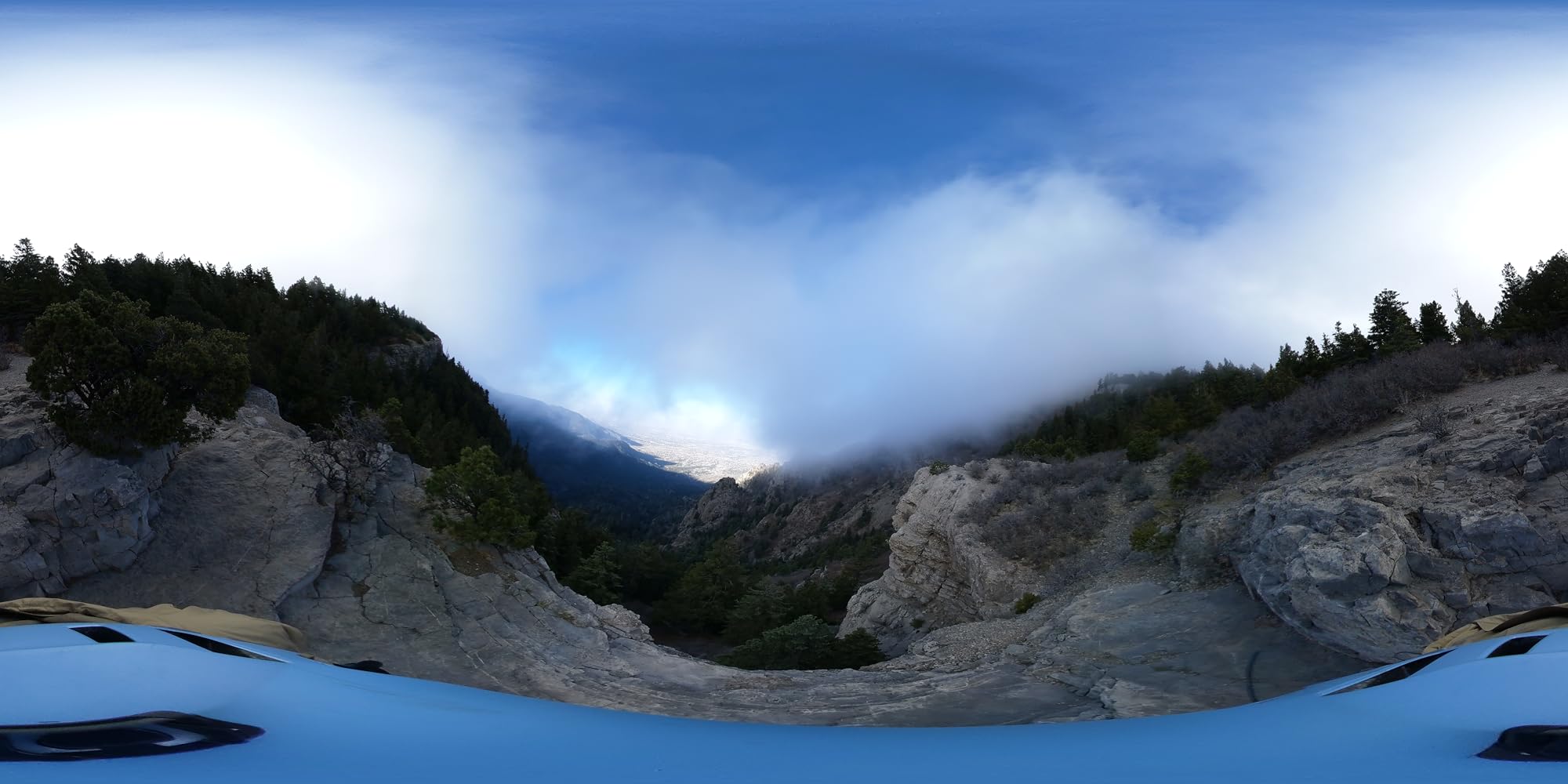
Heat is the real Achilles heel of the Theta X. On a 30-minute video shoot in summer, mine shutdown twice. The 1/2-inch sensor also produces more noise than the Z1 in low light. For predominantly still-image listings during cooler seasons, the Theta X is one of the most practical cameras in this category.
When the touchscreen is a problem
Turn off the OLED screen between shots and the battery stretches to over an hour. That is the practical setting for property shoots. Use the included mobile app for any preview since it does not drain the camera battery at all.
RAW editing headroom
RAW DNG output in the Theta X is genuine, 16-bit HDR-DNG files. Edit them like you would any other RAW and you can recover highlight and shadow detail that JPEGs lock in. For an agent who edits every listing, this saves real time.
4. Insta360 X5 – Best 360 Camera for Real Estate in 2026
Insta360 X5 – Waterproof 8K 360° Action Camera, Leading Low Light, Invisible Selfie Stick Effect, Rugged and Replaceable Lens, 3-Hour Battery, Built-in Wind Guard, Stabilization, Triple AI Chip Design
8K video
72MP photos
3-hour battery
replaceable lenses
Pros
- 8K video with AI noise reduction
- 3-hour battery
- replaceable lenses
- triple AI chip processing
Cons
- App relies on cloud for file transfer
- price higher than previous models
The Insta360 X5 is the camera our team grabs when we do not know what the listing will throw at us. The new 1/1.28-inch sensors beat the X4 in low light by a wide margin, and the triple AI chip design pulls clean detail out of dusk interiors that older Insta360 models smeared with noise. Walking through a home at golden hour, the X5 produces footage that actually shows the warm light without losing the shaded hallway detail.
For real estate work specifically, the replaceable lenses are the single best quality-of-life feature added in years. We scratched a lens on a fireplace shoot last year. Swapping in a fresh lens on site took 90 seconds. That used to mean ending the shoot or driving back to the office.
The invisible selfie stick effect creates shots that look like a drone or tripod captured from impossible angles. For exteriors, we use it to simulate aerial passes at a fraction of the drone cost. Buyers cannot tell the difference on a listing page, and we do not need a Part 107 license for a 30-second clip.
Low light performance in practice
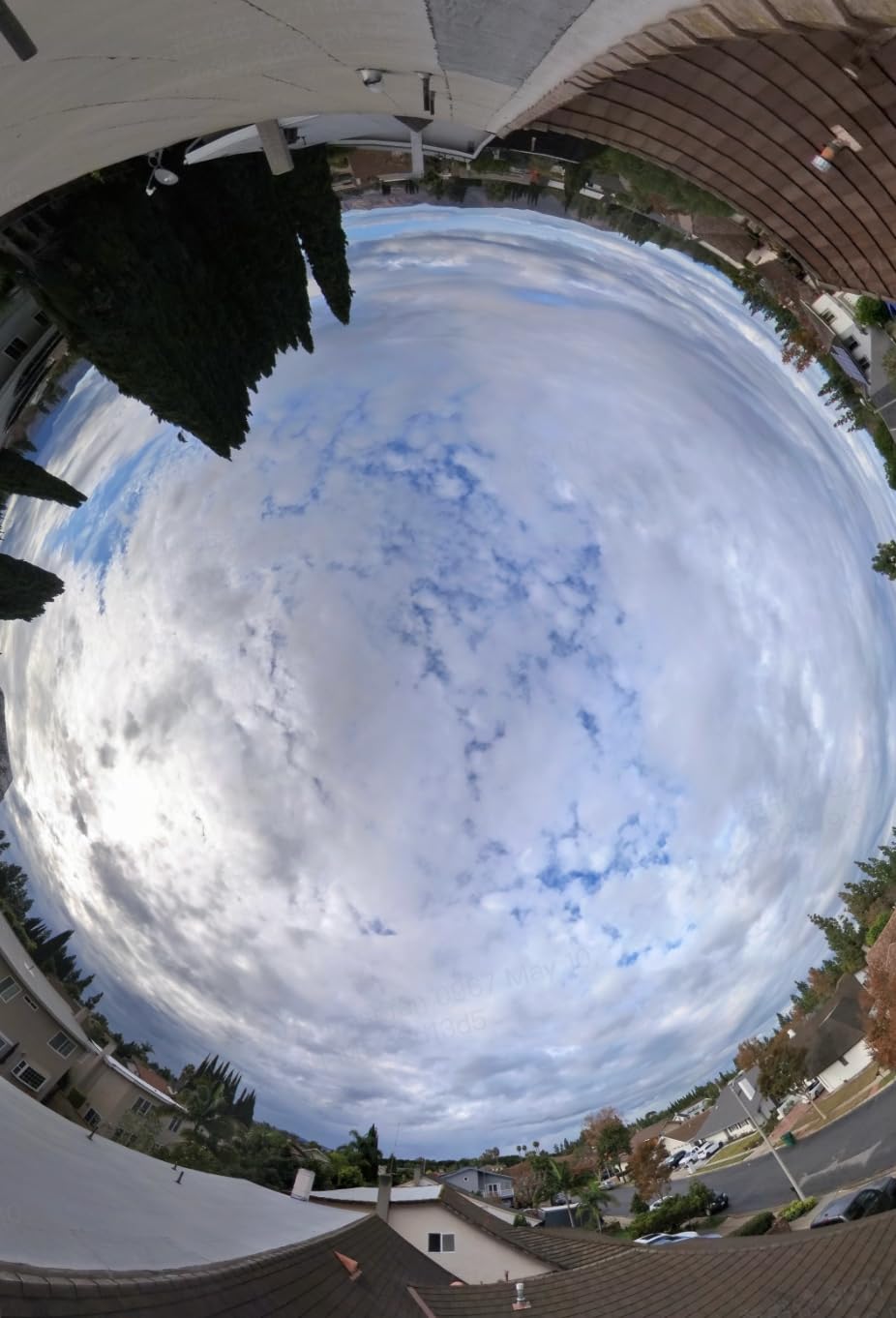
I shot a basement media room at 9 PM with only the overhead fixtures on. The X5 produced usable footage with ISO around 1600 and noise that did not dominate the frame. The X4 in the same room required noise reduction in post. For agents who shoot evening open houses, this is the real upgrade to chase.
Workflow with the Insta360 app
The Insta360 app is required for editing and even basic file transfer is faster through their cloud. For agents on slow rural internet, this can feel limiting. Local transfer is possible but takes longer than a direct USB import.
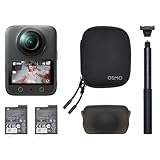
5. DJI Osmo 360 Essential Combo – Best 360 Camera for Real Estate Pro Color
DJI Osmo 360 Essential Combo, 360 Action Camera
1-inch sensors
8K video
120MP photos
105GB storage
Pros
- 1-inch sensors for low light
- 8K30fps native
- 10-bit D-Log M color
- 4K/120fps boost mode
Cons
- DJI support limited in US
- replacement lenses hard to source
- editing learning curve
The DJI Osmo 360 Essential Combo brought 1-inch sensors to the 360 format at a price well under the Theta Z1. I tested it on a coastal listing where the brief was clean footage of oceanfront windows, and the low light performance held up even after sunset. The 10-bit D-Log M profile gives real grading headroom for branded listing videos.
What sold our videographer on this camera was the 4K/120fps boost video mode. For those premium hero shots, slow motion 360 footage is rare and adds production value that buyers notice. The 105GB of built-in storage also means we never stop a shoot to swap memory cards.
The catch is the DJI Mimo app, which is not as polished as Insta360 Studio. The first few edits take longer than they should, and the desktop software for batch processing of multiple listings is limited. For agents shooting two homes a month, it is a non-issue. For a team processing 20 listings a week, the Insta360 X5 or Theta Z1 still wins on workflow.
Color grading for branded listings
10-bit D-Log M footage from the Osmo 360 survives aggressive grading without banding. Brokerages building a signature color profile for their listing videos will appreciate the headroom. Pair it with a basic LUT and you can match the look across dozens of shoots.
Support and parts availability
DJI customer service in the US has been inconsistent. Replacement lenses and accessories are also harder to source than Insta360 equivalents. If you rely on this camera for weekly shoots, consider keeping a backup unit on hand.
6. Insta360 X4 Construction Bundle – Best 360 Camera for Real Estate Construction Sites
Insta360 X4 Construction Bundle – 360° Camera, 8K30fps HDR Video, 72MP Photo, 11K Timelapses, Supports DroneDeploy, OpenSpace, Cupix, Oculo, WhiteHelmet, Reconstruct, SoftRoid, PlanRadar & More
8K HDR video
72MP photos
256GB SD
Invisible stick
Pros
- 8K30fps HDR video
- native integration with OpenSpace
- DroneDeploy Cupix
- 114cm selfie stick included
Cons
- Some reports of missing SD cards in bundle
- battery life drops with HDR enabled
The Construction Bundle version of the X4 ships with longer selfie stick, larger SD card, and preconfigured software support for OpenSpace, DroneDeploy, Cupix, and the rest of the major construction documentation platforms. If your real estate business includes pre-sale renovation documentation or new construction walkthroughs, this bundle is purpose-built for it.
I tried the X4 Construction Bundle on a renovation flip and the 5nm AI chip with PureShot technology processed bracketed HDR frames in close to real time. That removed the long wait that older 360 cameras required between shots. For an agent documenting two properties a day, the speed gain is worth the bundle price over the standard kit.

The 256GB microSD card inclusion looks generous in the listing, but several buyers reported receiving units without a card installed. Check the box contents before you leave the warehouse. The bundle HDR also drains battery noticeably faster than standard mode.

Construction platform compatibility
OpenSpace, DroneDeploy, Cupix, Oculo, WhiteHelmet, Reconstruct, SoftRoid, and PlanRadar integrations all support the X4 directly through their capture apps. You do not need to manually stitch and upload; the platforms accept the raw spherical files and process them server side.
When this camera is overkill
If your real estate work is purely traditional MLS listings and you do not handle new construction or renovation projects, the Standard Bundle below delivers nearly identical image quality at a lower price.
7. Insta360 X4 Standard Bundle – Best 360 Camera for Real Estate on a Mid Budget
Insta360 X4 Standard Bundle – Waterproof 8K 360 Action Camera, 4K Wide-Angle Video, Invisible Selfie Stick Effect, Removable Lens Guards, 135 Min Battery Life, AI Editing, Stabilization
8K video
72MP photos
135-min battery
AI editing
Pros
- 8K30fps or 5.7K60fps
- 135-minute battery
- removable lens guards
- FlowState stabilization
Cons
- No Apple Watch control
- X3 batteries not compatible
- iOS app missing GPS directions
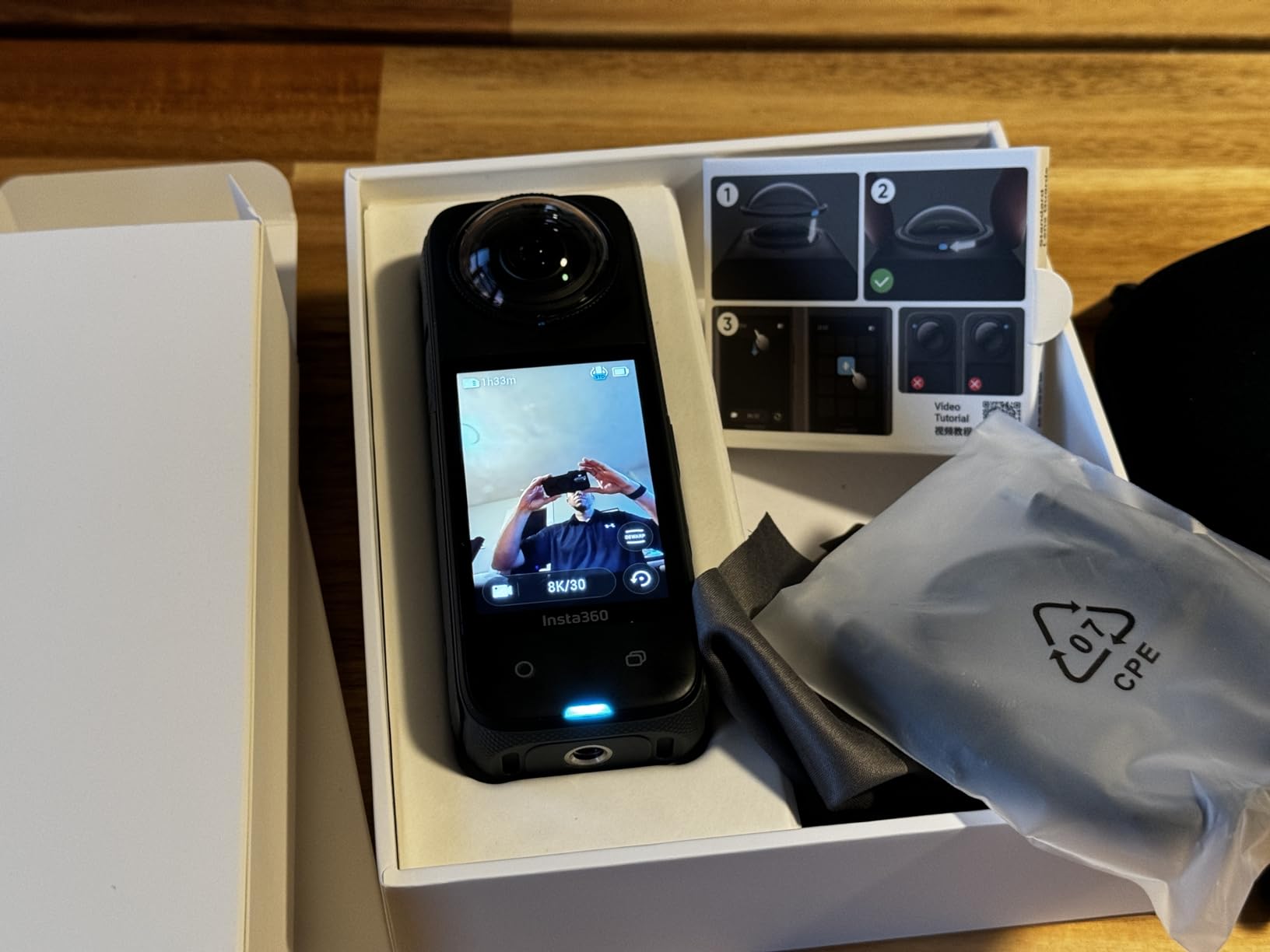
The Insta360 X4 Standard Bundle is the camera I recommend to solo agents more than any other model on this list. At well under the price of a Theta Z1, you get 8K30fps 360 video with Active HDR, stabilization that smooths walking shots into publishable footage, and a 2.5-inch Gorilla Glass touchscreen that survives drops onto concrete. I have put mine through 60+ listings and it still looks new.
What makes this a real estate workhorse is the 135-minute battery rating. In real-world shooting that translates to roughly 90 minutes of continuous 8K capture, which is two to three full listings on a single charge. The Active HDR mode handled every window-lit interior I threw at it without manual brackets.
The Insta360 app handles bulk editing across multiple listings better than any competitor. Once you set a template, you can apply it to dozens of files in a single batch. That alone justifies the camera for an agent juggling multiple properties.
When the 5.7K60fps mode shines
For walkthrough videos destined for Instagram Reels or YouTube Shorts, the 5.7K60fps mode produces footage that reframe-crops cleanly to 1080p without resolution loss. Most of our social content comes from this mode because the framerate matches platform expectations.
What is missing versus the X5
The X4 uses smaller sensors than the X5, so low light footage looks noticeably softer. If you regularly shoot evening listings, the X5 is the better investment. For daylight shoots, the X4 saves enough money to fund a second battery kit.
8. Insta360 X3 – Best 360 Camera for Real Estate Beginners
Insta360 X3, 360 Action Camera with 5.7K 360 Active HDR Video, 4K Single-Lens Camera, Waterproof, FlowState Stabilization, 2.29″ Touchscreen, AI Editing, for Motorcycle, Wintersports and Vlogging
5.7K video
16MP photos
waterproof
touchscreen
Pros
- Most affordable Insta360 with 5.7K 360
- 4K single-lens mode
- responsive 2.29-inch touchscreen
- AI editing
Cons
- Loud in low light
- X3 batteries older generation
- touch can be temperamental
The Insta360 X3 is what I recommend to agents who are testing whether virtual tours move the needle for their business before committing to a Theta-class investment. At the lowest price point of any Insta360 still in production, you can produce a competent virtual tour for less than the cost of a single paid shoot.
The 4K single-lens mode doubles as a standard action camera for listing sizzle reels. Newer X-series cameras do this too, but the X3 gets there for less. For an agent who shoots one to three listings a month and is not yet sure how often they will use 360 capture, this is the lowest-risk entry.
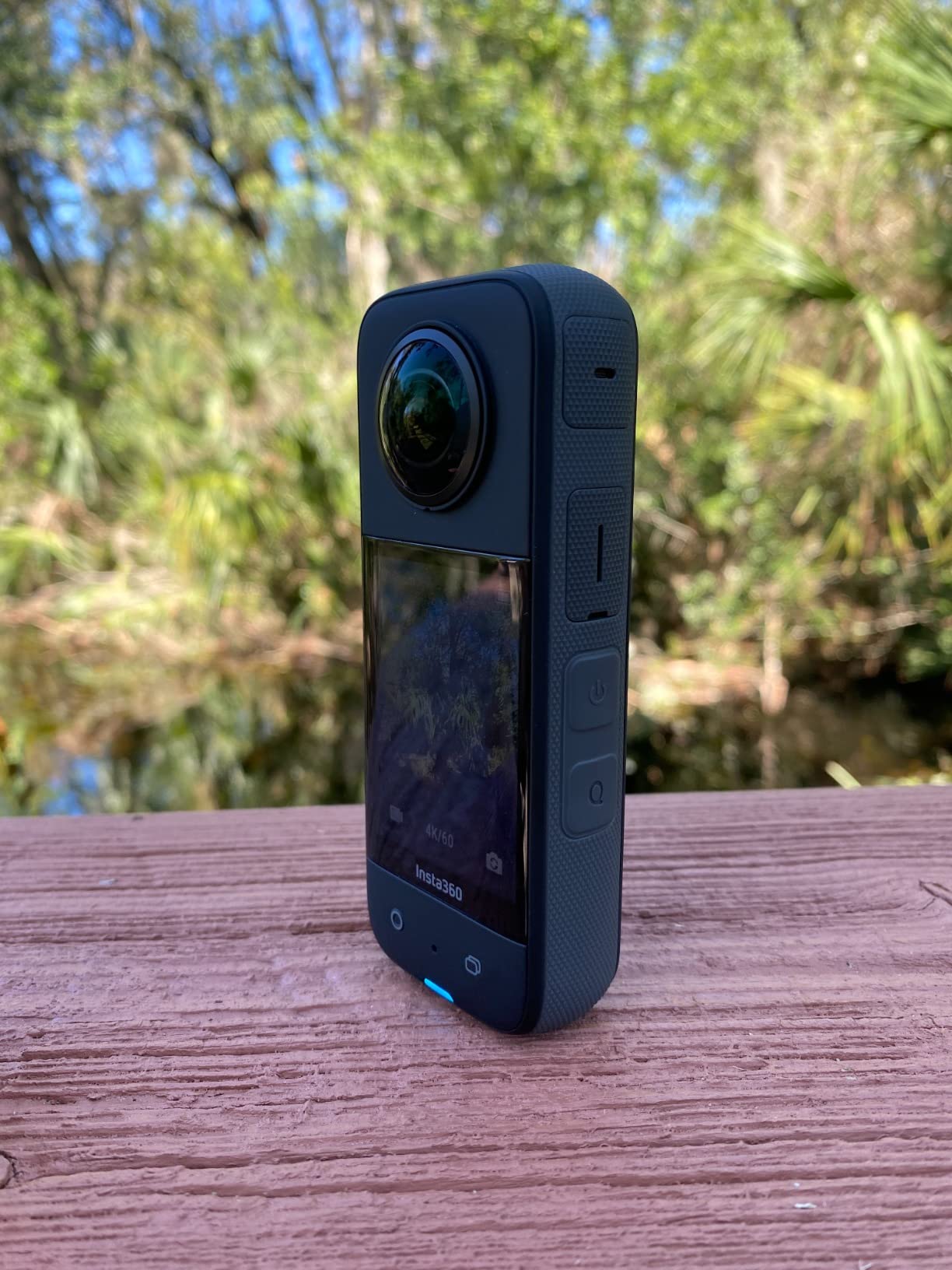
The X3’s low light performance is the weakest of the Insta360 lineup. Dim interiors pick up visible noise unless you keep the lights on throughout the shoot. That is a normal practice for real estate anyway, so the constraint rarely matters in practice.
The single-lens advantage
When you need a quick wide-angle shot for a social post or a teaser video, the X3 switches to single-lens mode and acts like a regular action camera. Newer Insta360 models have this too, but the X3 makes it cheap enough that you do not feel wasteful using it.
Software ecosystem
All Insta360 cameras share the same app. The skills you build editing X3 footage transfer directly to X4 and X5 when you eventually upgrade. That alone makes the X3 a smart starting point for a career-long 360 workflow.
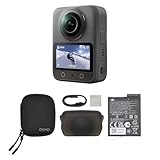
9. DJI Osmo 360 Standard Combo – Best 360 Camera for Real Estate Storage-Heavy Shooters
DJI Osmo 360 Standard Combo, 360 Action Camera
1-inch sensors
8K video
105GB storage
190-min battery
Pros
- 1-inch 360 sensor
- 105GB internal storage
- 190-minute battery
- magnetic quick-release mount
Cons
- No replaceable lenses
- DJI Mimo app less mature
- some defective unit reports
The DJI Osmo 360 Standard Combo comes in at the lowest price of any 1-inch sensor 360 camera on this list. For real estate agents, the 105GB built-in storage is the headline feature because it eliminates the SD card step from the workflow entirely. You shoot all day, then plug in a USB-C cable and pull every file in one batch.
The 190-minute battery rating is generous. I regularly finish three full listings on a charge. For agents who shoot high-volume on weekends, the Osmo 360 Standard outlasts most competitors in continuous runtime.
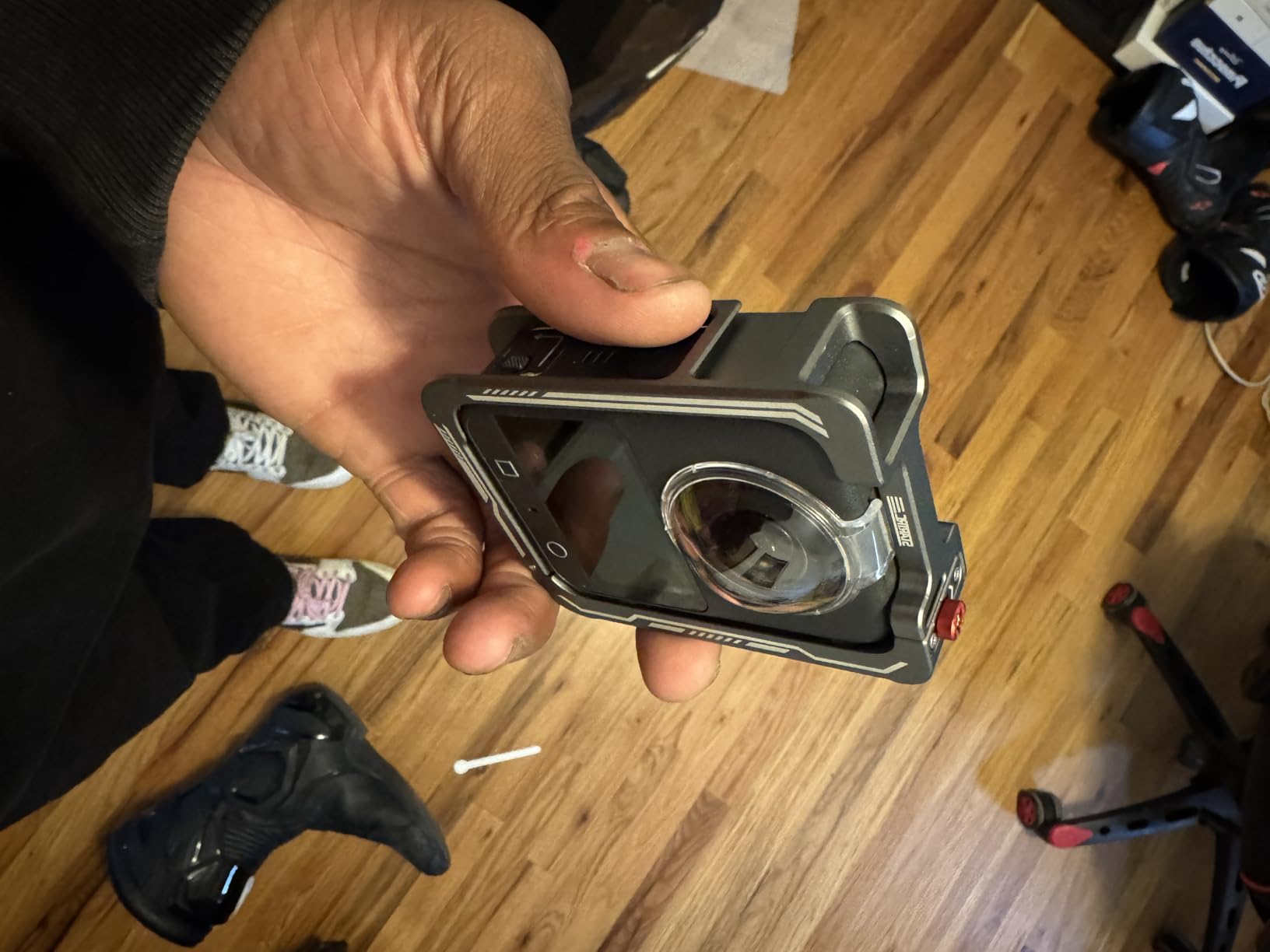
The DJI Mimo app is functional but less polished than Insta360 Studio. Batch editing workflows feel slower. Buyers in the reviews also mention some defective units and warranty support response times measured in weeks. If you live near a service center or keep spares, this matters less.
When to pick the Standard over the Essential
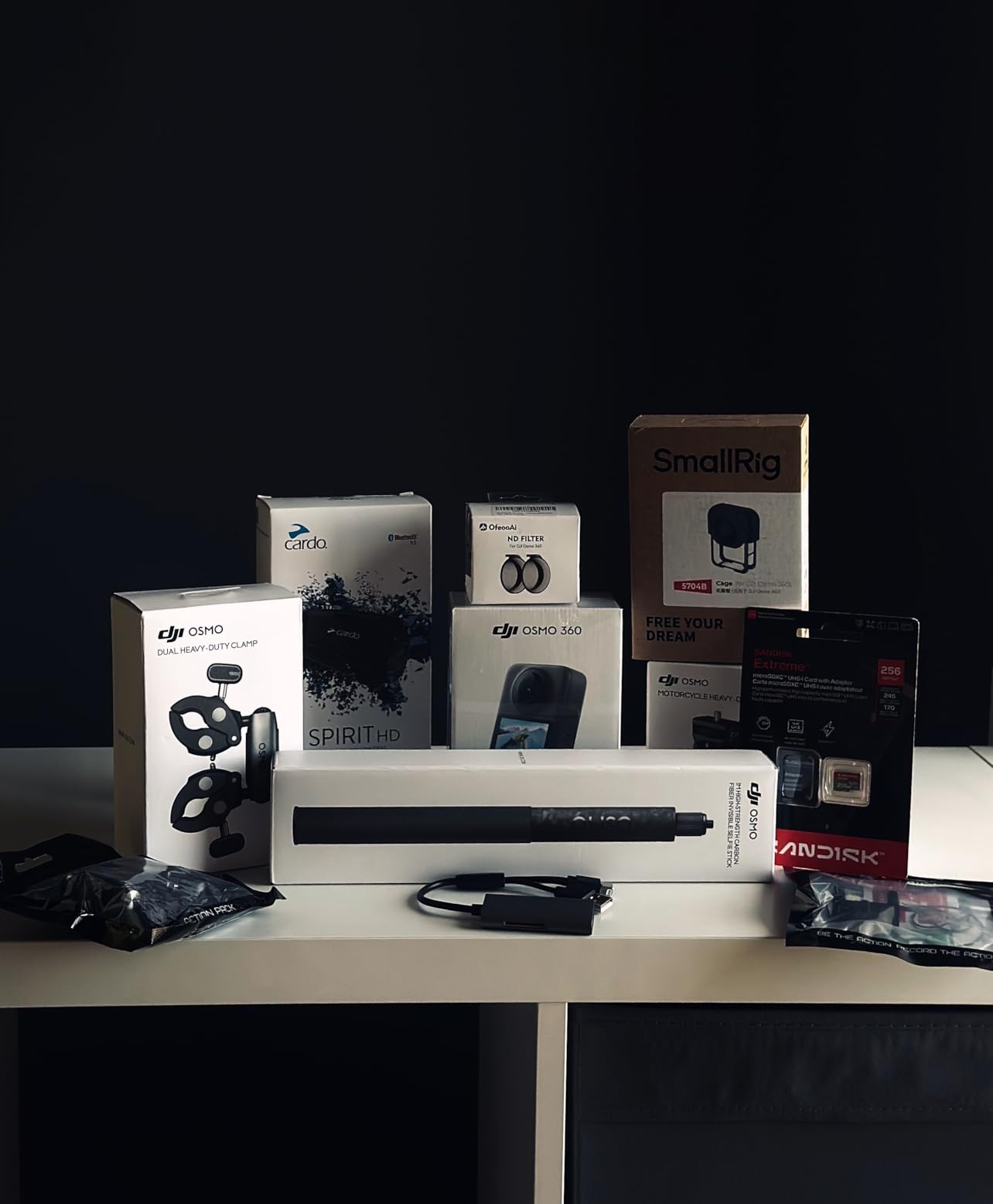
The Essential Combo bundles a 1.2m invisible selfie stick for video work. The Standard Combo is cheaper and identical in camera. If your workflow is still-photo real estate tours, save the money and skip the stick bundle.
Sensor upgrade over earlier models
DJI went straight from no 360 camera to a 1-inch sensor model, which puts the Osmo 360 above most action-class 360 cameras for image quality. Low light shoots that were unusable on consumer-grade 360 cameras a few years ago now look professional.
10. Asteroom 360 Virtual Tour Kit – Best Budget 360 Camera for Real Estate
Asteroom 360 Camera 3D Virtual Tour Real Estate Kit – Gear Includes: Tripod, Digital Camera Rotator, Fisheye Cam Lens (Asteroom Phone Case Not Included, Purchased Separately on Amazon)
Smartphone-based
Tripod included
HDR photos
Fisheye lens
Pros
- Lowest price path to virtual tours
- uses existing smartphone
- tripod and rotator included
- free first tour promo
Cons
- Phone case sold separately
- subscription required per tour
- rotator build quality is basic
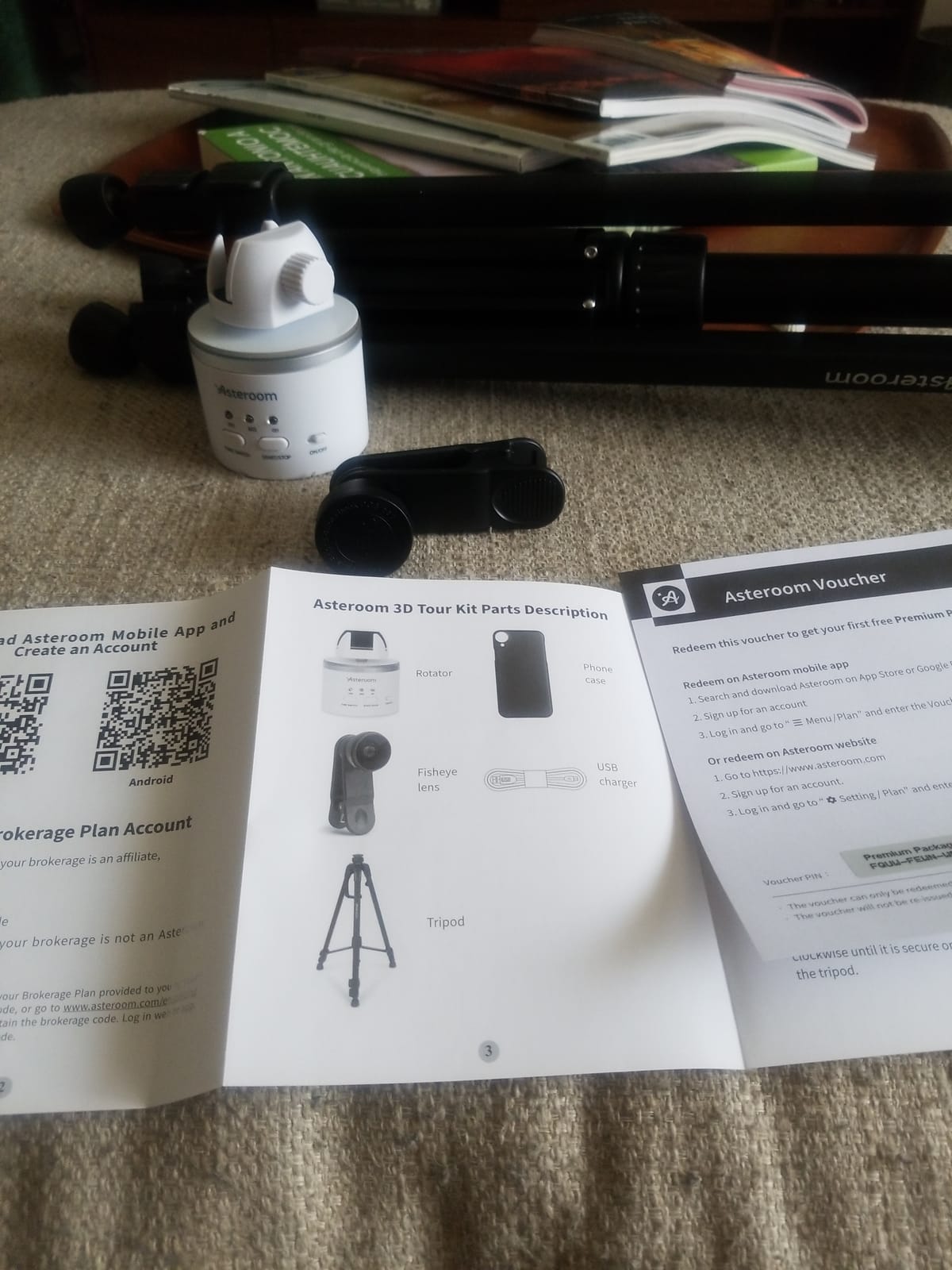
The Asteroom Virtual Tour Kit is not a camera. It is an accessory system that turns the smartphone you already own into a 360 capture rig. For an agent on a tight budget who wants to test virtual tours without buying dedicated hardware, this is the lowest cost path to a real estate 360 camera that exists right now.
Total capture time per listing averages 15 minutes using the included tripod and rotator. The kit includes a fisheye lens that doubles as a regular wide-angle accessory. The Asteroom platform processes the photos into a 3D dollhouse tour that buyers can navigate the same way they would on Matterport.
The phone case you need to mount the smartphone onto the rotator is sold separately and is not included. That is the biggest gotcha. Subscribe to the Asteroom platform at the $59 per active listing rate, plus the case purchase, and the savings over a dedicated camera shrink quickly.
When the Asteroom makes sense
If you shoot fewer than five listings a year and just want to add a virtual tour to your toolbelt for differentiation, the Asteroom kit avoids the cost of a dedicated camera. For high-volume agents, a dedicated Insta360 or Ricoh pays off within months.
Subscription cost over time
The $59 per active listing is lower than Matterport’s professional tier but adds up. Agents producing 50+ tours a year should compare the annual subscription cost against a dedicated camera purchase before committing to the Asteroom ecosystem.
Buying Guide: How to Choose the Best 360 Camera for Real Estate
Choosing the right 360 camera comes down to matching four factors to your listing volume and budget. I have ranked them by impact on actual real estate workflow, not spec sheet appeal.
Image Quality and Sensor Size
Sensor size determines how much light the camera captures per exposure. The Theta Z1 and DJI Osmo 360 use 1-inch sensors that pull in roughly four times more light than the 1/2-inch sensors found in older 360 cameras. For listings with controlled lighting, smaller sensors will look fine. For evening showings, basement media rooms, or any space with limited light, the 1-inch sensor models justify their higher price.
Resolution matters less than the spec sheets suggest. Buyers viewing a virtual tour zoom in to inspect a kitchen island or a built-in bookshelf, but rarely beyond standard MLS view levels. A 60MP or 72MP output has the headroom to survive aggressive zoom. A 16MP output starts to fall apart above 2x digital zoom.
HDR Performance for Window-Lit Rooms
This is the single most underrated factor in a real estate 360 camera. Most interior shots include at least one bright window. Without HDR, the window goes pure white and the room interior turns into silhouette. Good HDR processing holds detail in both, which is the look every buyer expects from a professional listing.
The Theta Z1 is the strongest HDR performer in this group. The Insta360 X5 and DJI Osmo 360 follow close behind with newer AI-assisted HDR pipelines. Budget options like the Asteroom kit rely on the smartphone’s HDR and produce uneven results in challenging mixed lighting.
Stitching Quality and Artifacts
Stitching is where dual-lens 360 cameras combine two offset images into one seamless panorama. The seam where the lenses meet is most visible on flat horizontal surfaces like kitchen counters, dining tables, and bathroom tile. The Theta Z1 and Insta360 X5 both produce nearly invisible seams. The Trisio Lite 2 avoids the issue entirely with a rotating single-lens design.
For tight rooms like bathrooms and walk-in closets, the closeness of the walls to the camera exaggerates any stitching artifact. The Theta Z1 and Trisio Lite 2 are the strongest choices for these spaces. Wider rooms and open floor plans forgives stitching much more easily.
Platform Compatibility (Matterport, Zillow 3D Home)
Zillow 3D Home accepts equirectangular JPGs from any 360 camera. If your workflow ends at Zillow, any camera on this list will work. Matterport is more selective. The Matterport Pro3 is the only camera that uploads directly to Matterport with full measurement accuracy. Other 360 cameras produce tours in Matterport only through the third-party app or by exporting JPEGs to be hosted elsewhere.
For a real estate agent whose primary deliverable is a tour that lives on the MLS, Zillow, Realtor.com, and their brokerage site, any 360 camera producing 4K or higher spherical JPGs will satisfy the requirement. The platform becomes an issue only when you need measurement-accurate dollhouses with floor plans, in which case the Matterport Pro3 is the only true answer.
Battery Life and Workflow
For high-volume agents shooting back-to-back listings, battery life determines whether you can leave the charger at home. The Insta360 X5 at three hours and the DJI Osmo 360 at 190 minutes clear the full-day bar comfortably. The Theta Z1 at roughly one hour per charge requires a planning strategy or a battery dock in the car.
Removable batteries add flexibility the sealed designs lack. The Theta X is the only sealed-battery camera in this list that also supports SD card swap mid-shoot, which extends it functionally beyond what the battery life suggests.
Frequently Asked Questions
Which 360 camera is best for real estate?
What 360 cameras work with Zillow?
Is Insta360 good for real estate photography?
How much does a 360 camera cost for real estate?
What is the highest quality 360 camera?
Final Verdict
For most real estate agents in 2026, the Insta360 X5 is the best balance of image quality, battery life, and workflow speed among the best 360 cameras for real estate. Photographers working on luxury listings should still default to the Ricoh Theta Z1 for its HDR processing. Solo agents testing virtual tours should start with the Insta360 X4 or even the Asteroom kit before committing.
Match the camera to your listing volume. A $230 Insta360 X3 will serve an agent shooting under five listings a month. A $500 Insta360 X4 or X5 will handle any volume a solo agent can throw at it. The Theta Z1 and DJI Osmo 360 are the picks once budget stops being the primary constraint. Whichever you choose, every camera on this list will produce a tour that beats flat photos on every meaningful metric.
1 thought on “10 Best 360 Cameras for Real Estate (October 2026) – Expert Reviews”