
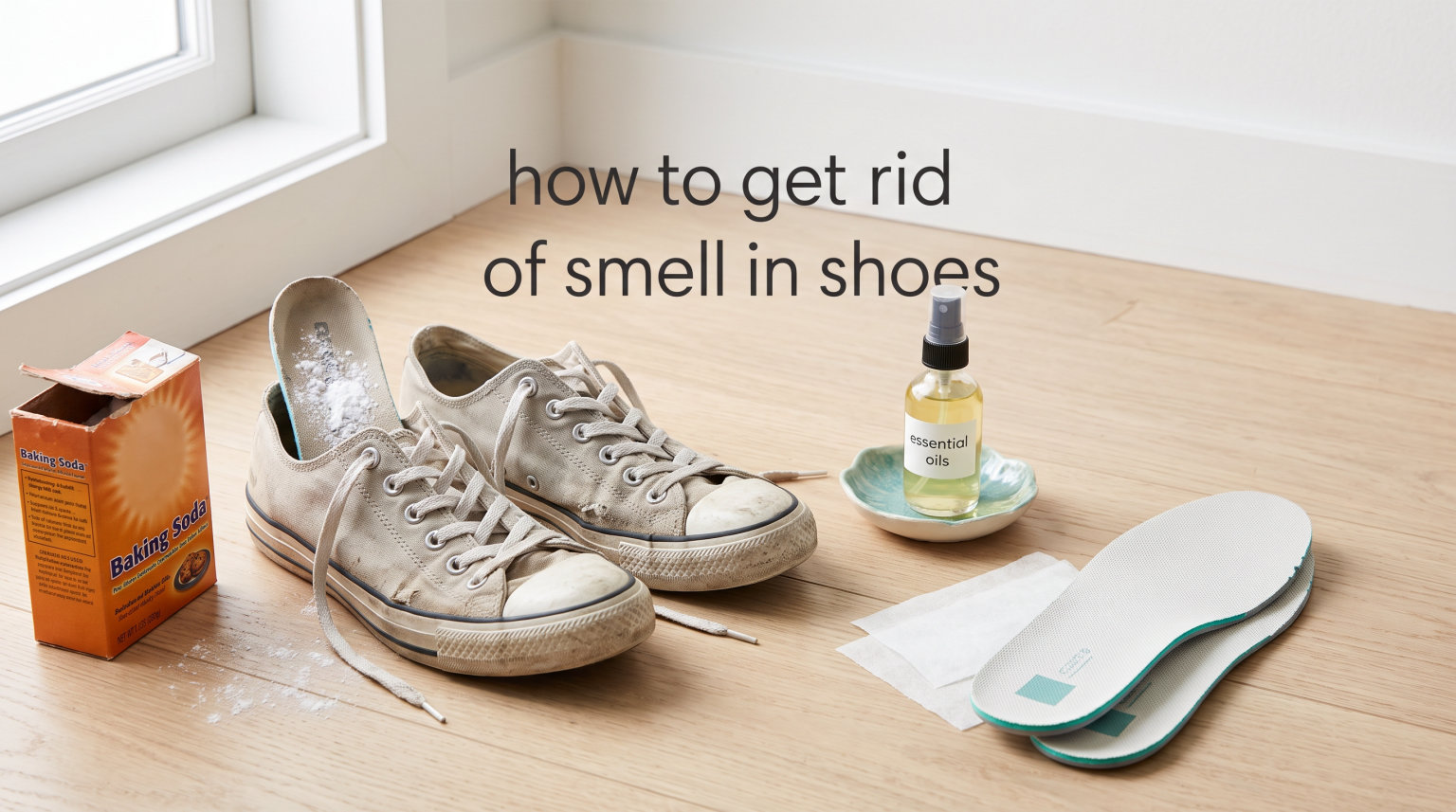
There is nothing worse than pulling off your shoes at the end of a long day and getting hit with a wave of foot odor. If you are wondering how to get rid of smell in shoes, you are in good company. Millions of people deal with stinky shoes, and the good news is that almost every case is fixable with items you already have at home.
Our team has tested dozens of deodorizing methods across running shoes, leather boots, canvas sneakers, and everyday work footwear. Some home remedies work overnight, others take just five minutes. We tracked what actually eliminates the smell versus what just masks it temporarily.
This guide covers the science behind shoe odor, eight proven methods to remove it, quick fixes for when you need results fast, overnight treatments, material-specific care tips, and long-term prevention strategies. Whether your shoes are slightly musty or could clear a room, you will find a solution here.
Table of Contents
Why Shoes Smell in the First Place
Before you can fix the problem, it helps to understand what causes it. Shoe odor is not just trapped sweat. It is the result of bacteria breaking down that sweat and producing smelly byproducts.
Your feet have roughly 250,000 sweat glands, making them one of the most productive sweat zones on your body. When you wear shoes for hours, that sweat has nowhere to go. The warm, dark, moist environment inside your shoes becomes the perfect breeding ground for bacteria.
As bacteria feed on sweat and dead skin cells, they produce organic acids as waste. Two of the main culprits are isovaleric acid and propanoic acid. Another compound called methanethiol contributes a sulfur-like smell. These are the molecules that make your nose wrinkle when you take off your shoes.
Moisture is the real enemy here. Without dampness, bacteria cannot multiply rapidly. That is why shoes that dry completely between wears rarely develop stubborn odor. Shoes worn daily without drying time are far more likely to smell.
Understanding this bacteria-moisture connection matters because it tells you exactly what to target. Methods that kill bacteria, neutralize acidic molecules, or remove moisture will all help. The best approaches combine all three.
How to Get Rid of Smell in Shoes: 8 Proven Methods
Here are eight methods we have tested and confirmed work for removing shoe odor. Each one targets the problem differently, so you can pick the approach that fits your shoes, your timeline, and the supplies you have on hand.
1. The Baking Soda Sachet Method
Baking soda is the gold standard for shoe deodorizing because it absorbs moisture and neutralizes acidic odor molecules at the same time. It is cheap, safe for all shoe materials, and requires zero effort.
For the best results, pour 2 to 3 tablespoons of baking soda into a clean coffee filter or a small piece of cloth. Tie it shut with a rubber band or elastic band to create a sachet. Place one sachet in each shoe and leave it overnight.
You can also sprinkle baking soda directly into shoes if you do not mind shaking it out later. Direct application works faster but can leave white residue on dark interiors. The sachet method keeps things clean while still delivering results.
Timeline: Leave baking soda in for at least 8 hours for mild odor, or 24 to 48 hours for shoes that smell strongly. Replace the baking soda every few weeks if you use this as an ongoing prevention strategy.
2. White Vinegar Solution Spray
Vinegar is a natural antibacterial agent that kills the bacteria causing odor. Its acidic nature also helps break down the organic compounds that create the smell. The vinegar smell itself dissipates as it dries.
Mix equal parts white vinegar and water in a spray bottle. Remove the insoles if possible and spray the interior of each shoe until lightly damp, not soaking wet. Spray the insoles separately on both sides.
Place the shoes in a well-ventilated area or near a fan to dry completely. This typically takes 4 to 6 hours. Do not wear the shoes until they are fully dry, as trapping moisture will restart the bacterial growth cycle.
For stubborn odor, add a few drops of tea tree oil to the vinegar solution. Tea tree oil has natural antifungal and antimicrobial properties that boost the bacteria-killing power of this method.
Timeline: Vinegar spray needs about 30 minutes of contact time to kill bacteria, plus drying time. Plan for a total of 5 to 6 hours before wearing.
3. Rubbing Alcohol Spray
Rubbing alcohol (isopropyl alcohol) is one of the fastest bacteria killers you can use on shoes. It evaporates quickly, which means it would not leave your shoes damp the way vinegar does.
Fill a spray bottle with 70 percent rubbing alcohol. You can use it full strength or dilute it with an equal amount of water for delicate materials. Lightly mist the inside of each shoe, focusing on the toe box and insole area where bacteria concentrate.
Alcohol works on contact, so it kills bacteria within minutes. The fast evaporation means your shoes could be wearable in as little as 30 minutes. This makes it one of the best quick fixes available.
One caution: avoid using alcohol on leather or suede, as it can dry out and damage these materials. Stick to canvas, mesh, and synthetic shoes for this method.
Timeline: Works in as little as 30 minutes including drying time. Ideal for a same-day fix.
4. Essential Oils for Odor Control
Essential oils do more than add a pleasant scent. Several oils have genuine antimicrobial properties that help kill odor-causing bacteria. The right oils can leave your shoes smelling fresh for days.
Tea tree oil is the strongest antibacterial option. Peppermint oil provides a clean, cooling scent. Lavender oil offers antibacterial benefits with a calming fragrance. Eucalyptus oil fights both bacteria and fungi.
Add 5 to 10 drops of your chosen oil to a tablespoon of baking soda or coarse salt. Mix well and place the mixture in a small cloth pouch or coffee filter. Put one pouch in each shoe overnight.
You can also add a few drops of essential oil to cotton balls and tuck them into your shoes. This is a great option for shoes you cannot get wet, like suede boots or leather dress shoes.
Timeline: Essential oil treatments work best when left overnight, giving the oils time to penetrate and the antimicrobial compounds time to act.
5. Sunlight and Fresh Air
Sunlight is a surprisingly powerful deodorizer. Ultraviolet rays naturally kill bacteria, and the heat helps evaporate trapped moisture. Best of all, this method costs nothing and requires zero supplies.
Remove the laces and insoles from your shoes. Place the shoes outside in direct sunlight with the tongues pulled open to maximize airflow. Angle them so the sun reaches deep inside.
Leave them out for 2 to 4 hours on a sunny day. The combination of UV light, heat, and air circulation attacks odor on multiple fronts. This is especially effective for athletic shoes and canvas sneakers.
Avoid leaving leather or colored shoes in direct sun for more than an hour, as prolonged UV exposure can fade and crack the material. For these shoes, choose a shaded but breezy outdoor spot instead.
Timeline: Noticeable improvement in 2 to 4 hours of direct sunlight. Combine with a sachet method for stubborn cases.
6. The Freezer Method
It sounds odd, but freezing your shoes can kill bacteria. Extreme cold temperatures destroy the bacterial colonies that produce odor. This method is popular in forums and works well as part of a combination approach.
Place each shoe in a sealed plastic bag or pillowcase. This protects your food and prevents the shoes from absorbing freezer odors. Leave them in the freezer overnight, or for at least 8 hours.
The freezer method works best when combined with another treatment. For example, freeze the shoes first to kill bacteria, then use baking soda sachets to absorb any remaining moisture and neutralize lingering odor molecules.
One important note: freezing kills bacteria but does not remove the existing odor molecules. You still need an absorbent treatment like baking soda or activated charcoal to pull out the smell that is already there.
Timeline: Requires 8 hours minimum in the freezer, plus an additional treatment to absorb residual odor.
7. Newspaper and Dryer Sheets
Crumpled newspaper is an old-school trick that still works remarkably well. Paper is highly absorbent and pulls moisture out of shoe interiors overnight. Many forum users swear by this method for shoes that got wet.
Stuff each shoe with loosely crumpled newspaper, filling the entire interior. Replace the paper after a few hours if it feels damp, and stuff fresh paper in again. Repeat until the paper comes out dry.
Dryer sheets add a fresh scent layer and can be placed inside shoes overnight alongside the newspaper. Some people combine dryer sheets with a light dusting of baby powder for a double-action approach that absorbs moisture and adds fragrance.
This method is particularly useful for leather and suede shoes that cannot tolerate liquid treatments. The paper and dryer sheets would not damage any material.
Timeline: Newspaper absorbs moisture overnight. Replace every 12 hours for heavily wet shoes until fully dry.
8. Cedar Shoe Trees
Cedar shoe trees are the premium prevention method. Natural cedar wood absorbs moisture, neutralizes odor, and releases a pleasant woody scent. Unlike temporary fixes, shoe trees work continuously every time you store your shoes.
Insert cedar shoe trees immediately after each wear. The wood wicks away moisture from the day while the natural cedar oils combat bacteria. This prevents odor from developing in the first place rather than treating it after the fact.
For shoes that already smell, pair cedar shoe trees with a one-time baking soda or vinegar treatment. Once the initial odor is gone, the shoe trees keep it from coming back. This combination is what podiatrists and shoe care professionals recommend.
Refresh your cedar shoe trees every few months by lightly sanding the surface. This opens the wood grain and releases fresh cedar oils. You can also add a few drops of cedar essential oil to boost the aroma.
Timeline: Shoe trees work preventively with daily use. They are not a quick fix but the best long-term solution for keeping shoes fresh.
Quick Fixes: How to Remove Smell From Shoes in 5 Minutes
Sometimes you do not have hours or overnight to deodorize your shoes. You need a fix that works right now. These quick methods can reduce odor noticeably in under five minutes.
Spray the inside of your shoes with rubbing alcohol from a spray bottle. Alcohol kills bacteria on contact and evaporates within minutes. You can put the shoes back on almost immediately.
Sprinkle a heavy layer of baby powder or foot powder directly into each shoe. Tilt the shoe to distribute it evenly, especially in the toe area. The powder absorbs sweat instantly and adds a clean scent.
Wipe the inside of the shoes with a dryer sheet. This would not kill bacteria, but it masks the smell quickly and leaves a fresh fragrance that lasts several hours.
For a quick spray option, mix 1 tablespoon of rubbing alcohol with 3 tablespoons of water and 5 drops of peppermint oil in a small spray bottle. Mist the inside of each shoe and let it sit for two minutes before wearing.
How to Fix Smelly Shoes Overnight
Overnight treatments are where the real magic happens. You go to sleep with smelly shoes and wake up to fresh ones. Our team found that combination methods work far better than any single treatment alone.
Here is the overnight method that forum users and our testing both rank as the most effective. Start by spraying the inside of each shoe lightly with equal parts white vinegar and water. This kills surface bacteria.
Next, fill two clean socks or coffee filters with 3 tablespoons of baking soda each. Add 5 drops of tea tree oil to each sachet. Tie them shut and place one in each shoe.
Stuff any remaining empty space with crumpled newspaper to absorb moisture overnight. Leave the shoes in a well-ventilated room with a fan blowing if possible.
By morning, the vinegar has killed bacteria, the baking soda has neutralized odor molecules and absorbed moisture, the tea tree oil has provided antimicrobial action, and the newspaper has pulled out any remaining dampness. This combination addresses every cause of shoe odor simultaneously.
For shoes that are extremely smelly, repeat this treatment for two or three consecutive nights. Deeply embedded odor can take multiple rounds to fully eliminate. Most shoes show dramatic improvement after just one night.
Shoe Material Matters: Special Care Tips
Not all shoes can handle the same treatments. Using the wrong method on a sensitive material can cause permanent damage. Here is how to approach different shoe types safely.
Leather Shoes and Boots
Leather needs moisture to stay supple, but too much moisture causes odor and damage. Avoid soaking leather shoes with any liquid spray. Instead, use dry methods like baking soda sachets, newspaper stuffing, or cedar shoe trees.
If you must treat the interior, use a very light alcohol spray and let it dry immediately. Never put leather shoes in the washing machine or soak them in water. Condition the leather regularly to prevent cracking.
Suede Shoes
Suede is the most sensitive material on this list. Water stains suede permanently, so avoid all liquid treatments entirely. Stick to dry sachets, essential oil cotton balls, and freezing methods.
Use a suede brush to clean the interior surface and remove dead skin cells that feed bacteria. Cedar shoe trees are excellent for suede because they deodorize without any liquid contact.
Canvas and Athletic Shoes
Canvas sneakers and mesh running shoes are the most forgiving materials. They can handle vinegar sprays, alcohol sprays, sunlight, and even machine washing. These shoes are also the most likely to develop odor due to their breathable but absorbent construction.
For canvas shoes, machine washing on a cold gentle cycle with mild detergent works well. Remove insoles and laces first. Air dry only, never use a dryer, as heat can warp the soles and shrink the fabric.
Work Boots
Work boots take more abuse than any other shoe type. They absorb sweat for 8 to 12 hours a day and often get wet on top of that. Start by removing and replacing the insoles, as boot insoles trap the most bacteria.
For the boot interior, use a combination of baking soda sachets and newspaper stuffing overnight. Treat the exterior with a leather conditioner after cleaning to prevent the material from breaking down.
How to Prevent Shoe Odor From Coming Back
Getting rid of shoe smell is only half the battle. Keeping it from returning requires some habit changes. These prevention strategies address the root causes so you do not have to repeat the treatment cycle.
Wear the Right Socks
Socks are your first line of defense against shoe odor. Choose moisture-wicking socks made from synthetic blends, merino wool, or bamboo. Avoid 100 percent cotton socks, which absorb sweat but hold it against your skin instead of wicking it away.
Change your socks daily, or more often if you sweat heavily. Some athletes and outdoor workers benefit from changing socks midway through the day. Fresh socks mean less sweat reaching your shoes.
Never wear shoes without socks unless they are specifically designed for barefoot wear. Without socks, sweat goes directly into the shoe lining, creating the ideal environment for bacteria.
Rotate Your Shoes
Never wear the same pair of shoes two days in a row. Shoes need at least 24 hours to dry completely between wears. If you wear the same shoes daily, moisture never fully evaporates and bacteria keep multiplying.
Own at least two pairs of everyday shoes and alternate them. For athletic use, have two pairs of running shoes and switch between them. This single habit prevents most recurring odor problems.
Practice Good Foot Hygiene
Wash your feet daily with antibacterial soap, paying attention to the areas between your toes. Dry your feet completely before putting on socks and shoes. Even slightly damp feet contribute to shoe odor.
If you have naturally sweaty feet, consider using an antiperspirant on your feet, not just your underarms. Foot antiperspirants reduce sweat production at the source. Some people also find success with foot powder applied before putting on socks.
Trim toenails regularly and remove dead skin with a pumice stone. Bacteria feed on dead skin cells, so reducing this food source limits their growth.
Replace Insoles Regularly
Insoles absorb the most sweat and bacteria of any part of your shoe. Even with good care, they eventually become saturated with odor-causing compounds. Replace your insoles every 3 to 6 months for daily-wear shoes.
Consider upgrading to antimicrobial or activated charcoal insoles. These are designed specifically to fight odor and cost far less than replacing entire shoes. Washable insoles are another great option because you can clean them regularly.
Seasonal Considerations
Summer heat increases sweating, so step up your prevention routine during hot months. Use foot powder daily and rotate shoes more frequently. In winter, boots trap more moisture, so stuff them with newspaper after every wear.
If your shoes get wet from rain or snow, dry them immediately with newspaper and place them near, not on, a heat source. Never put wet shoes in a closet or enclosed space, as this locks in moisture and guarantees bacterial growth.
FAQ
How do you get the stink out of shoes?
How to remove smell from shoes in 5 minutes?
How to fix smelly shoes overnight?
What is the best odor eliminator for shoes?
Why do my shoes smell even with socks?
How long does it take for shoes to stop smelling?
Final Thoughts on Getting Rid of Shoe Smell
Learning how to get rid of smell in shoes comes down to three principles: kill the bacteria, neutralize the odor molecules, and remove the moisture that lets bacteria thrive. No single method does all three perfectly, which is why combination treatments work best.
Start with an overnight treatment using vinegar spray, baking soda sachets, and newspaper stuffing. This addresses all three causes at once and handles most odor problems in a single night. Then build prevention habits like shoe rotation, moisture-wicking socks, and regular insole replacement to keep the smell from returning.
Your shoes do not have to stink. With the right methods and a few simple habit changes, you can keep every pair in your closet smelling fresh and clean all year long.