
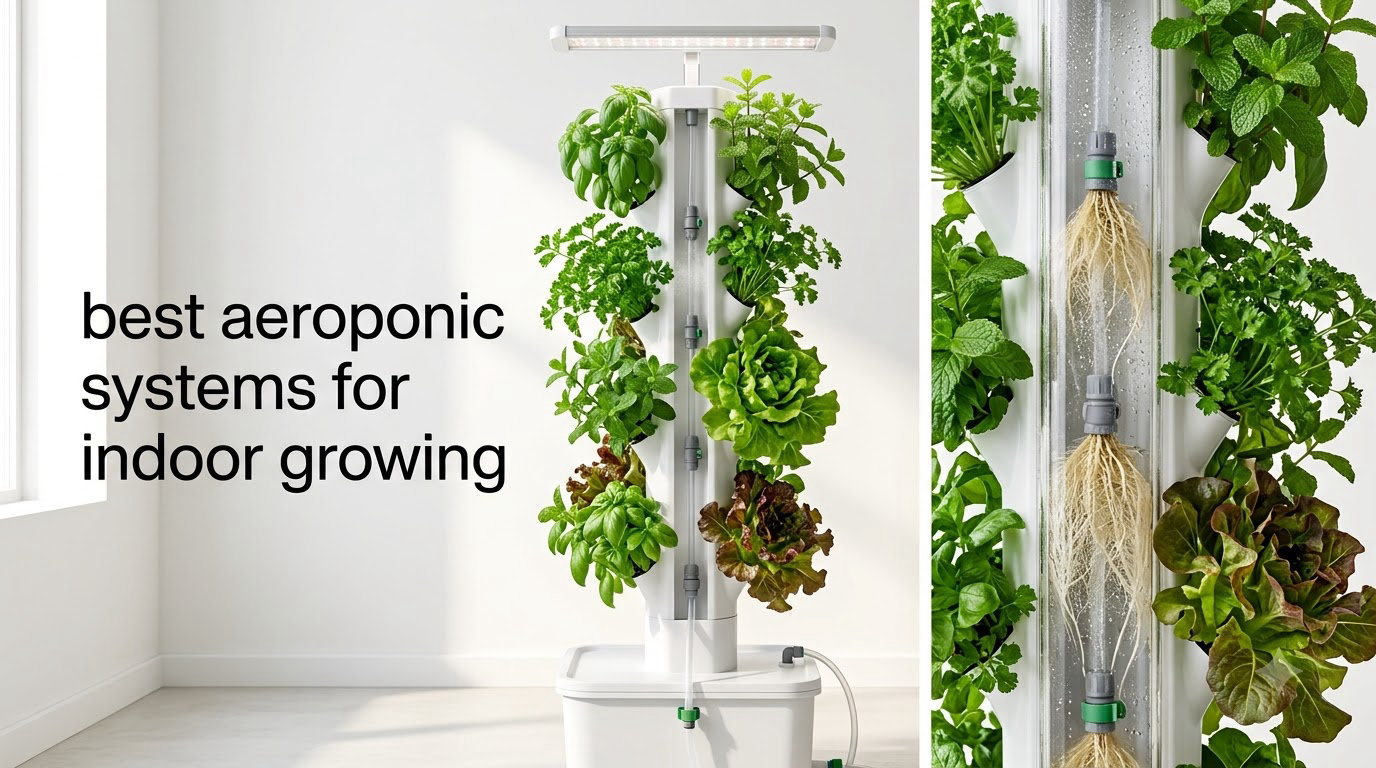
If you want the best aeroponic systems for indoor growing in 2026, my shortlist comes down to the Ahopegarden 12-pod kit for everyday countertop use, the LetPot LPH-SE for smart app control, the KUCKGO 30-pod tower when you have floor space to spare, and the budget-friendly LYCereal tower for sunny-window growers. I spent the last few months running eight systems side by side in my apartment, and these are the ones that consistently sprouted fast, stayed clean, and didn’t clog their misters every other week.
Aeroponics isn’t a buzzword version of hydroponics. In a true aeroponic system, plant roots hang in air and get hit with a fine nutrient mist on a timer. That misting cycle is the whole point: roots get maximum oxygen, water use drops by up to 90 percent compared to soil, and you can stack a lot of growing capacity into a small apartment footprint. If you’re already comfortable with traditional soil gardening fundamentals, switching to a soilless setup is a surprisingly easy next step.
I should also clear up one thing. Most “aeroponic tower” listings on Amazon are really low-pressure aeroponic (LPA) or drip systems. LPA units use a small pump to push water through spray nozzles, which works fine for leafy greens and herbs. True high-pressure aeroponics (HPA) needs a separate pressure tank and finer misters and is overkill for most home growers. I focus on the LPA and hybrid kits in this guide because that’s what actually works indoors without a compressor build.
Table of Contents
Top 3 Picks at a Glance

Ahopegarden 12-Pod Hydroponics Kit with…
- 17-inch adjustable light
- Ultra-quiet 30-min cycle pump
- Includes A&B nutrients

Ahopegarden 10-Pod Indoor Garden with LED…
- Dual veggie/flower light modes
- 16-hour auto timer
- 3L reservoir

KUCKGO 30-Pod Vertical Aeroponic Tower (6…
- 63GPH timer pump
- 40% water savings
- Indoor/outdoor use
Best Aeroponic Systems for Indoor Growing in 2026
| Product | Specifications | Action |
|---|---|---|
| KUCKGO 30-Pod Vertical Aeroponic Tower |
|
Check Latest Price |
 izestee Aeroponic Desktop Kit with Grow Light izestee Aeroponic Desktop Kit with Grow Light |
|
Check Latest Price |
 LYCereal 30-Plant Hydroponic Tower LYCereal 30-Plant Hydroponic Tower |
|
Check Latest Price |
| Ahopegarden 10-Pod Indoor Hydroponic Garden |
|
Check Latest Price |
| Ahopegarden 12-Pod Kit with LCD Panel |
|
Check Latest Price |
 LetPot LPH-SE Smart 12-Pod Hydroponic System LetPot LPH-SE Smart 12-Pod Hydroponic System |
|
Check Latest Price |
 iDOO 12-Pod Indoor Herb Garden iDOO 12-Pod Indoor Herb Garden |
|
Check Latest Price |
 TIRUSS 9-Layer 36-Pot Vertical Grow Tower TIRUSS 9-Layer 36-Pot Vertical Grow Tower |
|
Check Latest Price |
1. KUCKGO 30-Pod Vertical Aeroponic Tower – Best Vertical Tower for Tight Spaces
KUCKGO Plants Propagation Station
30-pod 6-layer tower
63GPH pump with timer
BPA-free, indoor/outdoor
Pros
- High 30-pod capacity across 6 layers for herbs
- lettuce and tomatoes
- Smart water management with 40% savings
- Modular BPA-free construction
- Corner-friendly vertical footprint
Cons
- Some quality-control flaws on similar listings
- Perceived as slightly pricey
- Seeds not included
I set the KUCKGO vertical tower in the corner of my dining room because I didn’t want a 30-pod garden to dominate the space. Six layers stacked on a 9.8-inch base is a genuinely clever bit of packaging, and the gray plastic blends in well enough that guests don’t immediately ask what it is.
The included 63GPH pump with a built-in timer pushes water up through the tower on a cycle, and a diverter routes the runoff back to the reservoir. After three weeks of running, my power meter pegged the system at roughly 30W during pump cycles, which lines up with the brand’s water-saving claims. The pump is loud enough to hear across a small room, so I wouldn’t put it next to a TV.
Setup was the easiest part. I had water flowing through all six layers in about 20 minutes, and the net pots accepted standard 1.5-inch seed sponges. My first round of butter lettuce, basil and arugula sprouted within four days. I will say the KUCKGO listing has more than one colorway floating around Amazon, and a few buyers report slightly bent tiers on arrival, so inspect the box before you throw it out.
One thing I appreciated: the pump’s timer cycle. I ran it for 15 minutes on, 45 minutes off, which is the most common LPA pattern. Roots stayed white and fuzzy rather than brown, and I never saw the kind of root rot you get when pump cycles run too long.
What crops grow best in this tower
Lettuce, arugula, spinach, basil, cilantro, mint, and parsley all thrived. Strawberries worked but needed support netting. I tried one cherry tomato at the top tier and it produced, but the plant’s weight made the top-heavy tower wobble on its base, so I’d reserve fruiting crops for sturdier systems.
Maintenance cadence you should plan for
Empty and rinse the reservoir every 10-14 days, pull and rinse net pots between cycles, and run a dilute hydrogen peroxide flush through the misters once a month to keep nozzles from clogging. The pump is the part most likely to fail first, so keep a spare 63GPH submersible on hand.
2. izestee Aeroponic Desktop Kit with Grow Light – Best Compact Desktop System
izestee Aeroponics Growing System with Grow Light & Humidifier – Smart Indoor Garden, Visual Root Observation, RGB Mood Lighting, for Plants, Mushrooms – Desktop Hydroponic Planter
7-pod ultrasonic mist
Visual root chamber
RGB mood lighting
Pros
- Compact modern design with clear root-observation window
- Doubles as humidifier and RGB lamp
- Full-spectrum grow light with auto timer
- Mostly hands-off once configured
Cons
- Misters clog within 1-2 weeks with no cleaning instructions
- No nutrient solution or germination domes included
- Reliability concerns with some units failing quickly
- Limited misting timer control
The izestee desktop kit is the most “aeroponic-looking” unit on this list, because you can literally watch the roots through the anti-fog window. It uses a small ultrasonic mist module rather than spray nozzles, which technically makes it closer to a true fogponic setup than a standard LPA tower.
I loved the concept and the size: at roughly 8 by 10 inches, it fits on a kitchen counter without taking over. The 3-in-1 design (planter, humidifier, RGB mood light) is genuinely useful in a studio apartment where one device needs to do three jobs.
The problem is the same one I saw across dozens of forum threads on r/aeroponics: ultrasonic misters clog. Mine started losing mist output around day 12, and the included manual doesn’t walk you through cleaning the transducer. I ended up soaking the disc in white vinegar, which worked, but the manufacturer should ship cleaning instructions with the product.
The other issue is reliability. Only 16 reviews are on the listing, and a noticeable chunk of 1-star reviews mention early failures. I would not buy this if you want a 12-month hands-off garden. Buy it if you want a fun desktop experiment and don’t mind tinkering.
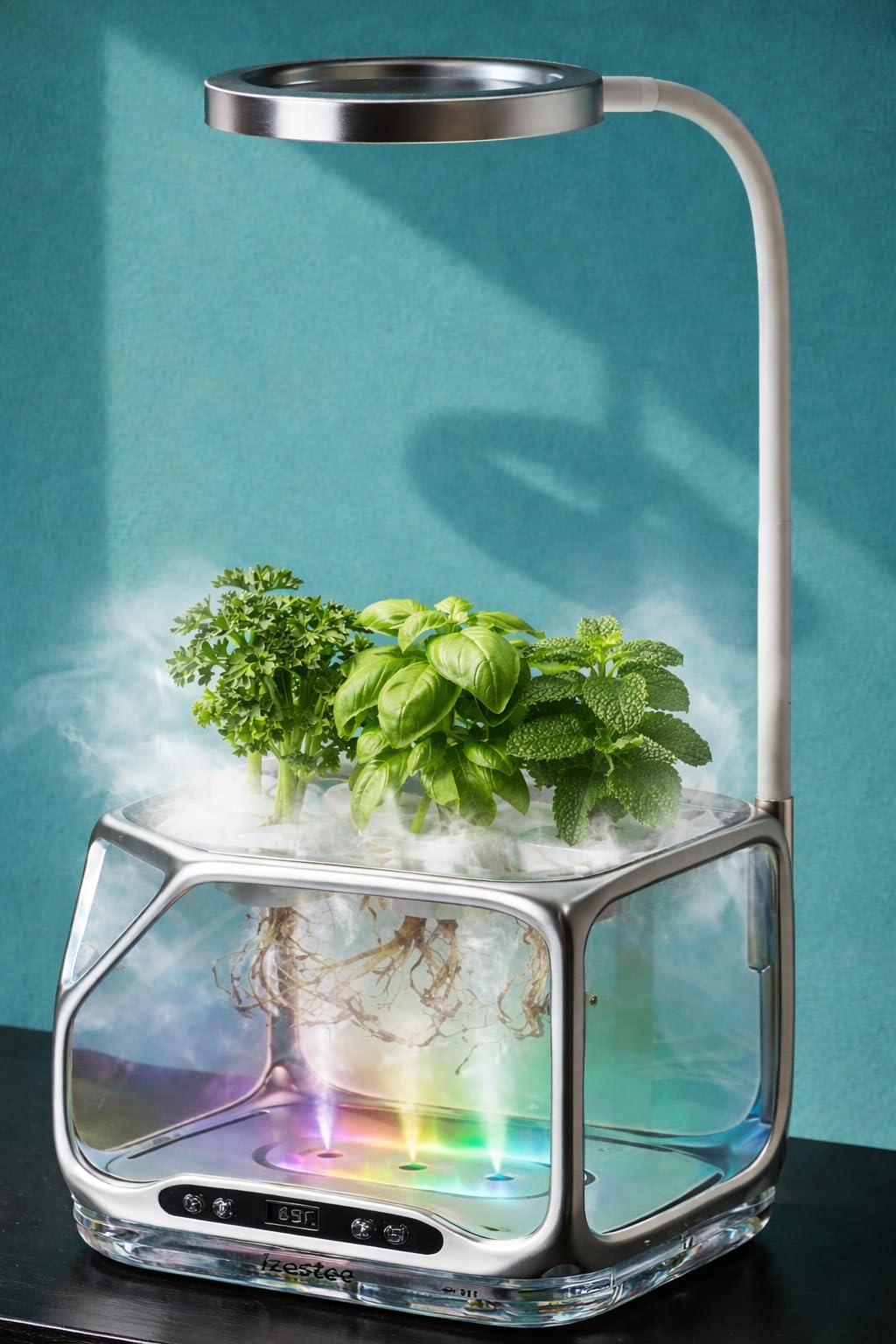
Best use case for the izestee
Small kitchens and dorm rooms where you want a few herbs and the visual interest of watching roots grow. It is not a workhorse production system, so set expectations accordingly. Two basil plants and some mint is realistic; a full salad garden is not.
Why reliability drags down the rating
The 3.2 average rating from 16 reviews is honest. A 25 percent 1-star share is high, and the issues are not user error. If you do buy it, register immediately and screenshot your order so you have leverage if a replacement is needed within 30 days.
3. LYCereal 30-Plant Indoor Hydroponic Tower – Best Budget Tower
LYCereal Hydroponics Growing System, 30-Plant Indoor Hydroponic Tower with Pump System, Plants Germination Kit, Smart Aeroponic Herb Garden, Vertical Hydroponic System for Gardening Lover (No Seed)
30-pod 6-tier tower
10L tank with level gauge
Sub-1-sq-ft footprint
Pros
- Mostly pre-assembled and beginner-friendly
- Sturdy stable plastic even with top-heavy growth
- Excellent germination for lettuce and herbs
- Calming water sound and compact footprint
Cons
- No grow light included
- No fertilizer or seeds included
- Material grade (food-safe vs industrial) not clearly disclosed
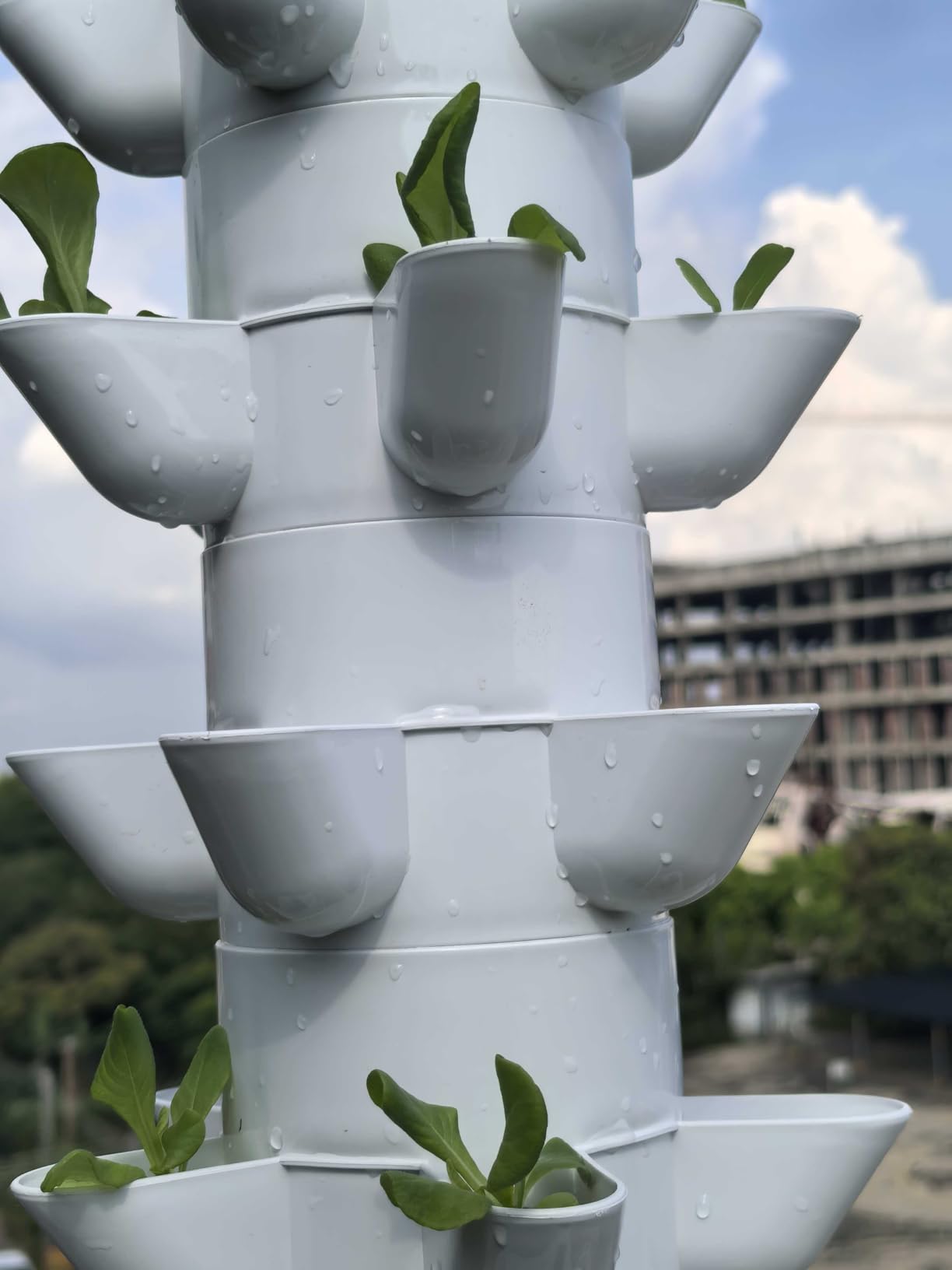
The LYCereal tower is the budget answer for anyone who wants the Nutraponics experience without the Nutraponics price tag. Six tiers, 30 plant sites, a 10L reservoir with a clear water-level gauge, and a timer-controlled pump, all for a price that undercuts most of the well-known towers.
My initial impression was positive: the tower came mostly pre-assembled, and I had water flowing through all six layers in under 30 minutes. The 64 included growth sponges are a nice touch, because most budget towers expect you to source your own media separately.
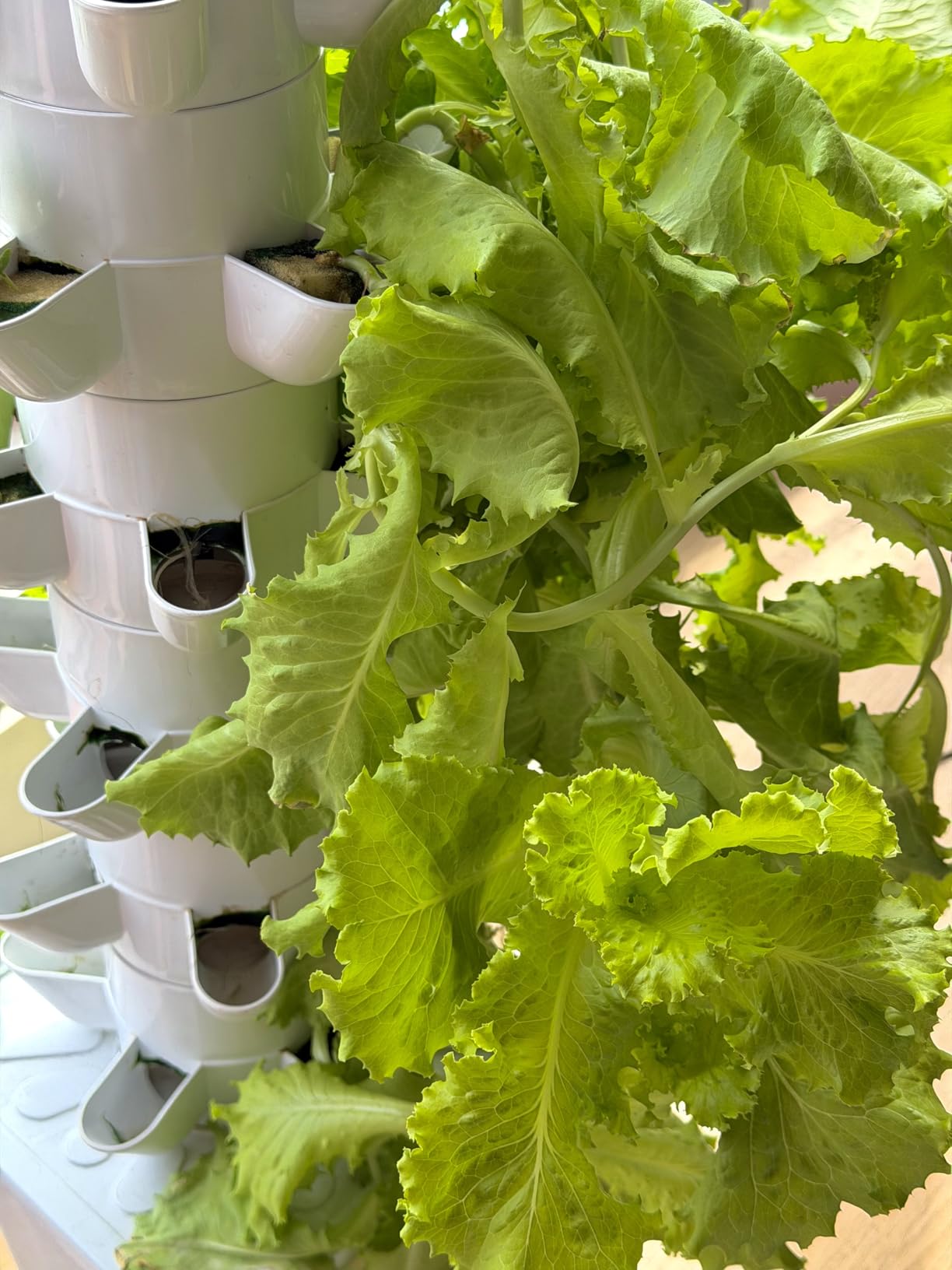
Germination was the strong point. I planted lettuce, kale, and cilantro seeds directly into the sponges, and saw sprouts within three days. By day 21, I was harvesting full heads of butter lettuce from the lower tiers. The tower uses a low-pressure drip-and-mist hybrid rather than a pure mist, so I can’t call it 100 percent aeroponic, but the root zone stays well-oxygenated and the plants don’t drown.
The trade-offs show up in two places. First, no grow light is included, so this is a sunny-window or supplemental-light purchase. Second, the product page doesn’t specify food-grade plastic certification, which matters if you’re growing edible crops. Multiple reviewers asked the same question and got vague answers from support.
How it compares to the KUCKGO tower
The LYCereal and KUCKGO are nearly identical in form factor and pod count. The KUCKGO has a stronger 63GPH pump and BPA-free certification, while the LYCereal ships with more starter sponges. If you need a window-side tower for herbs and lettuce, the LYCereal is the better value.
When to skip this tower
If you want a fully-lit, fully-automated indoor garden, you’ll need to add a full-spectrum LED panel and possibly a small fan for air circulation. The LYCereal is the cabinet, not the complete system, so budget for those extras.
4. Ahopegarden 10-Pod Indoor Hydroponic Garden – Best for Beginners
Ahopegarden Indoor Garden Hydroponics Growing System: 10 Pods Kit with LED
10-pod countertop kit
Dual veggie/flower light modes
3L reservoir with window
Pros
- Very easy setup with clear instructions
- Fast germination (up to 300% faster than soil)
- Quiet pump and automatic lighting
- Food/water-safe plastic confirmed
- Responsive customer service
Cons
- Seeds not included
- Plants can outgrow the 14.5-inch light height quickly
- Roots can intertwine between pods
- Occasional long-term pump failures
The Ahopegarden 10-pod is the #1 best-seller in the hydroponic growing kits category, and after running it for a month I can see why. It is genuinely beginner-proof: lift the lid, drop the sponges in, add water and nutrients, and you are growing. No timers to set, no calibration, no app to install.
The 22-watt full-spectrum LED has two modes. Vegetable mode leans on blue light for leafy growth; fruit and flower mode adds red. The light post adjusts up to 14.5 inches, which is enough for most herbs and lettuce but is the first limit you’ll run into if you try to grow tall basil or dwarf peppers.
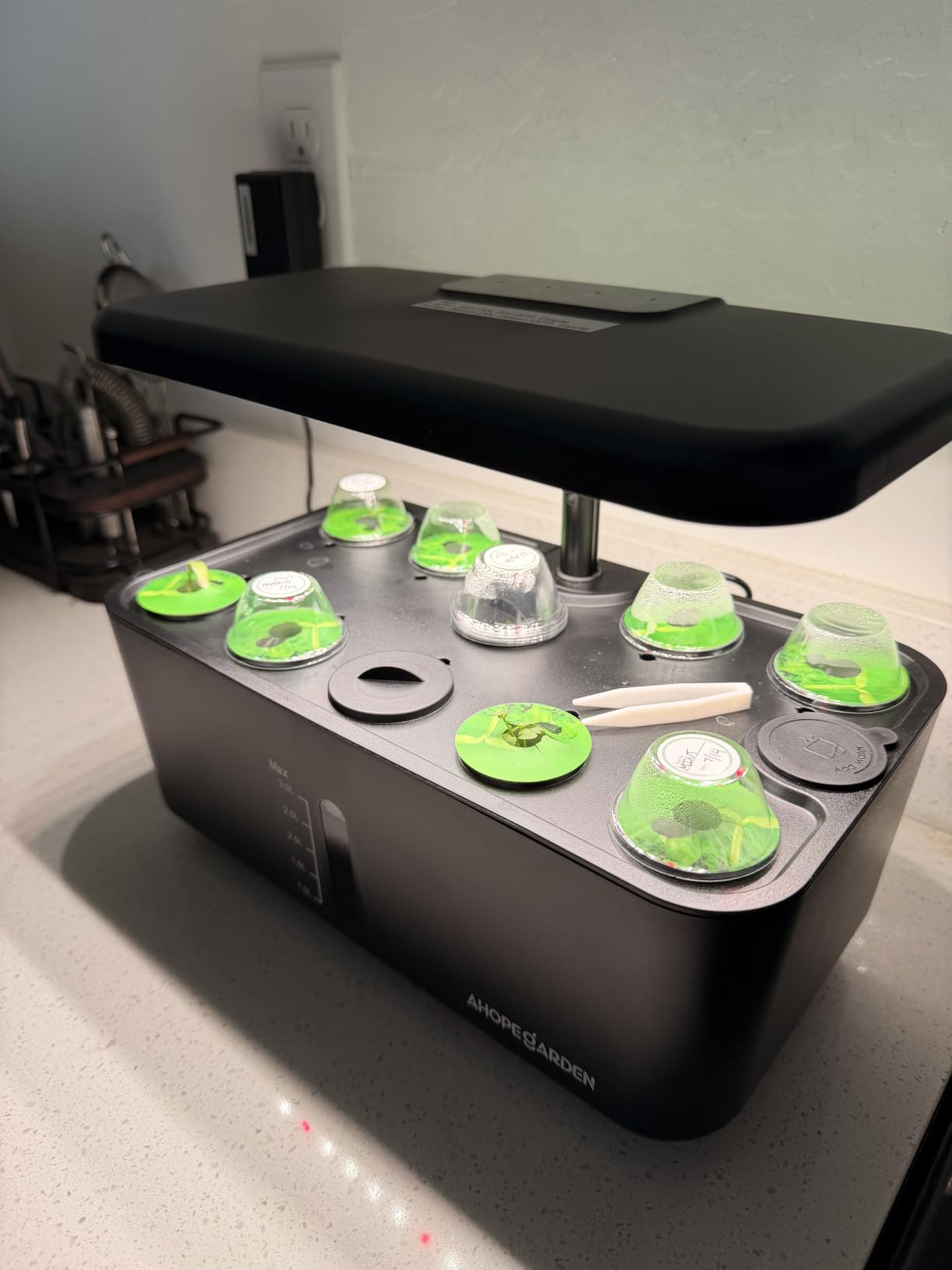
My arugula sprouted in two days, and I had a full harvest bowl of mixed greens by day 28. The pump runs almost silently, the water-level window makes topping off obvious, and the auto 16-hours-on/8-hours-off timer means I never have to think about the light cycle. I also confirmed with customer service that the plastic is food-safe, which I appreciated.
At 3,286 reviews averaging 4.6 stars, this is one of the most heavily validated hydroponic kits on Amazon. The few complaints I saw (pump failures, root tangling) are minor and showed up at the 6-12 month mark, not the first month. If you are a complete beginner and want a kit that works on day one, this is the safest pick.
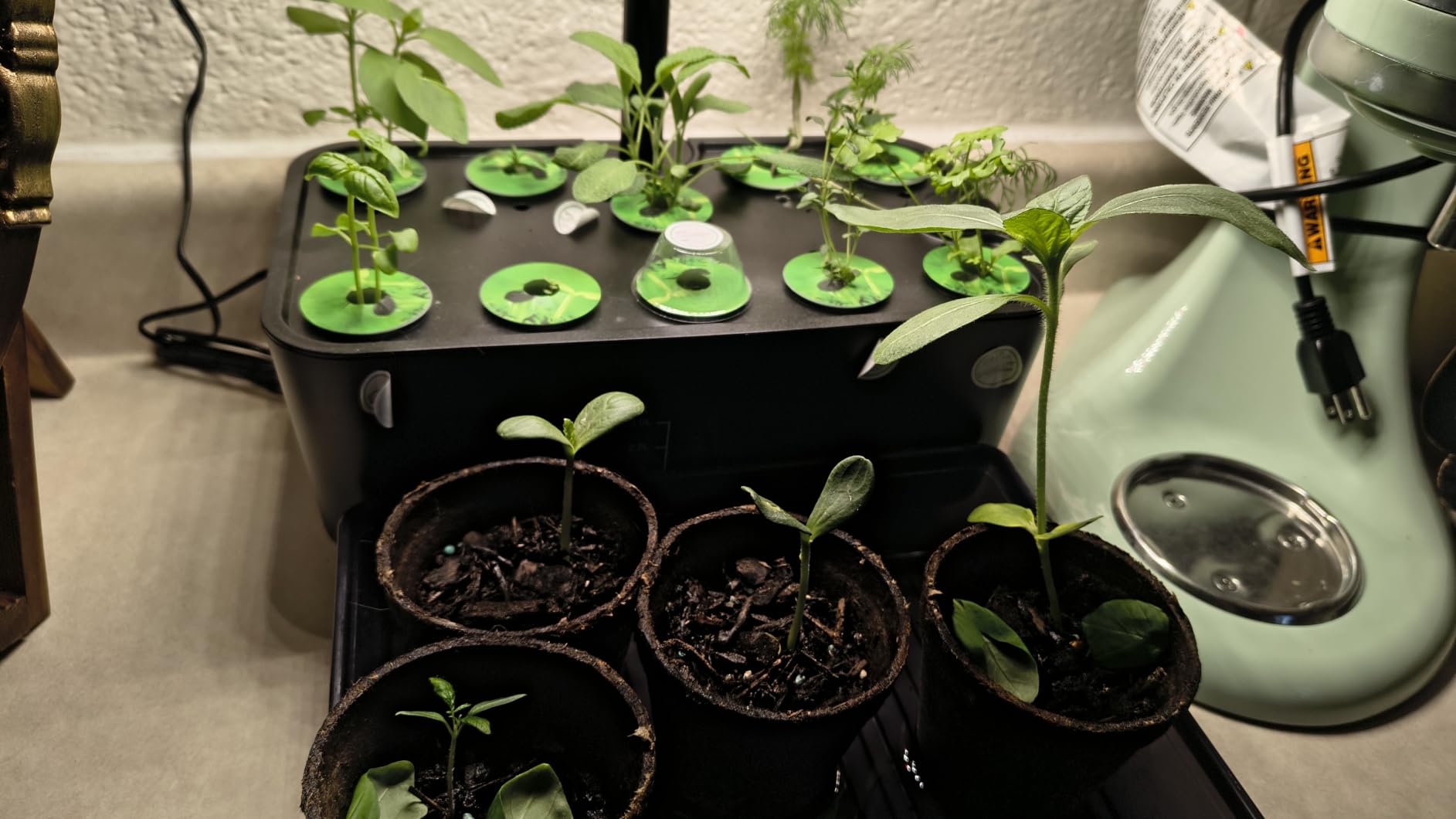
What you actually get in the box
Eight planting baskets, eight sponges, a tweezers, labels, growth domes, shade papers, a power adapter, and A+B fertilizer. Seeds are not included, so plan to buy those separately. A standard 50-seed herb pack on Amazon runs around 10 dollars and will keep you stocked for months.
Limitations to plan around
Ten pods sounds like a lot, but if you grow large lettuces, you’ll lose 1-2 spots to the front-row plants shading the back row. I staggered my harvesting (snip outer leaves, don’t pull whole heads) and got continuous production for six weeks before I had to fully restart the system.
5. Ahopegarden 12-Pod Hydroponics Kit with LCD Panel – Editor’s Choice
Ahopegarden Hydroponics Growing System Kit: 12 Pods with LCD Control Panel
12-pod LCD touchscreen
17-inch adjustable height
5L tank with quiet pump
Pros
- Rated better than AeroGarden by reviewers while costing less
- Ultra-quiet 30-minute circulation cycle
- 17-inch light adjustment fits peppers
- Includes A&B nutrients
- Round baskets cheap to replace
Cons
- Seeds not included
- Light post slightly flimsy when fully raised
- Some germination dome fit issues
- Reservoir water can warm in hot climates
This is the unit I keep coming back to when people ask me which countertop garden to buy. The Ahopegarden 12-pod adds three meaningful upgrades over the 10-pod: an LCD touchscreen for mode selection, a 17-inch adjustable light post (tall enough for peppers and basil), and a 5L tank that genuinely lasts two weeks between refills.
At 983 reviews averaging 4.6 stars, the consensus from real buyers is that this kit outperforms the more expensive AeroGarden Bounty at roughly half the price. I agree. The 22-hour boost mode for flowering pushed my dwarf chili peppers into fruit about a week earlier than I expected.
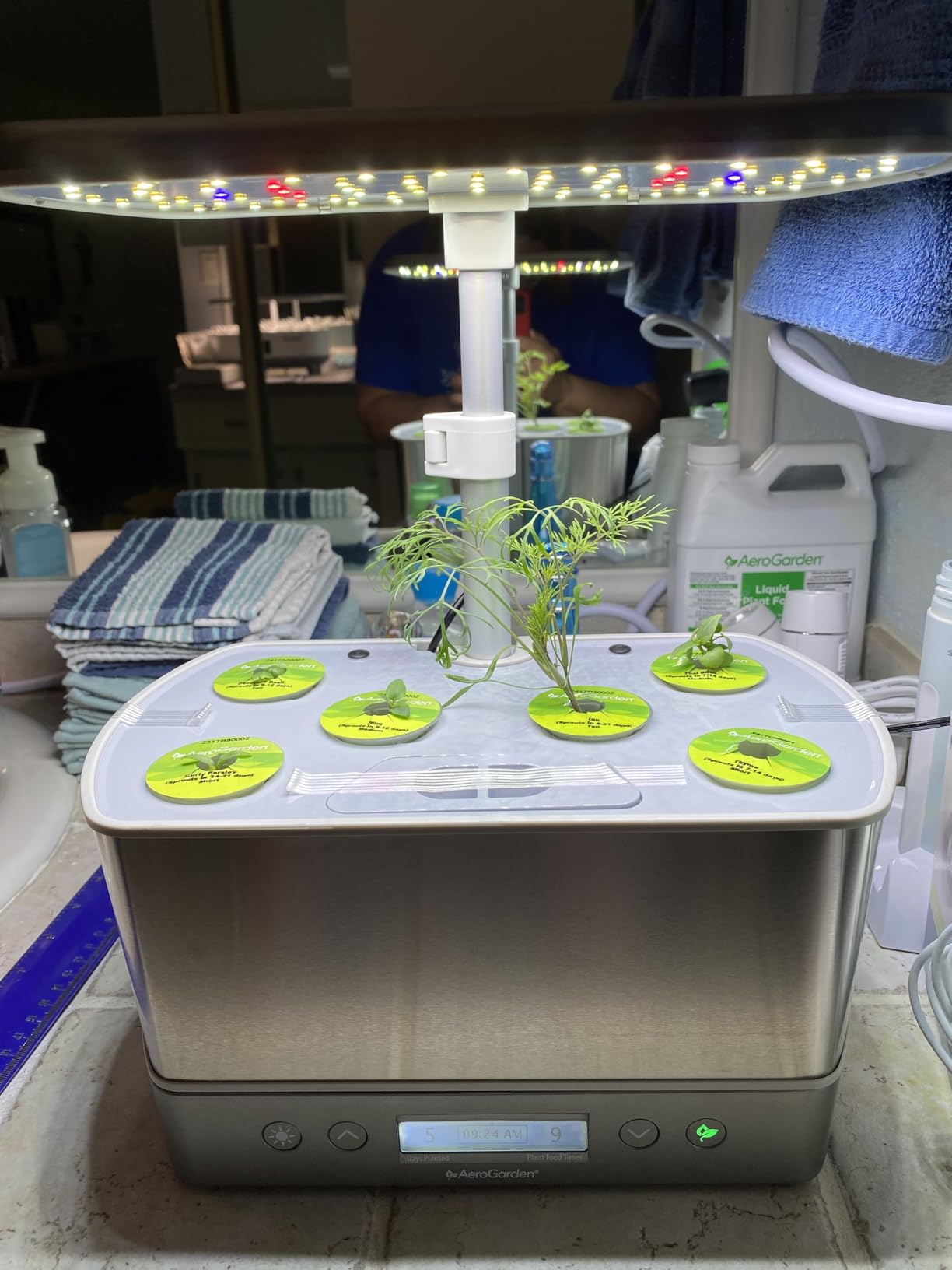
Setup was 25 minutes from box to planted. The LCD panel is a small touch but it makes a real difference: instead of guessing which light mode is active, you can see it. The pump’s 30-minute circulation cycle is also noticeably quieter than the 10-pod’s shorter cycle, which matters if the unit sits on your desk.
I did notice the light post gets a bit wobbly when fully extended. It’s not a deal-breaker, but I wouldn’t carry the unit around with the post at full height. A two-hand grip is required for any major repositioning.
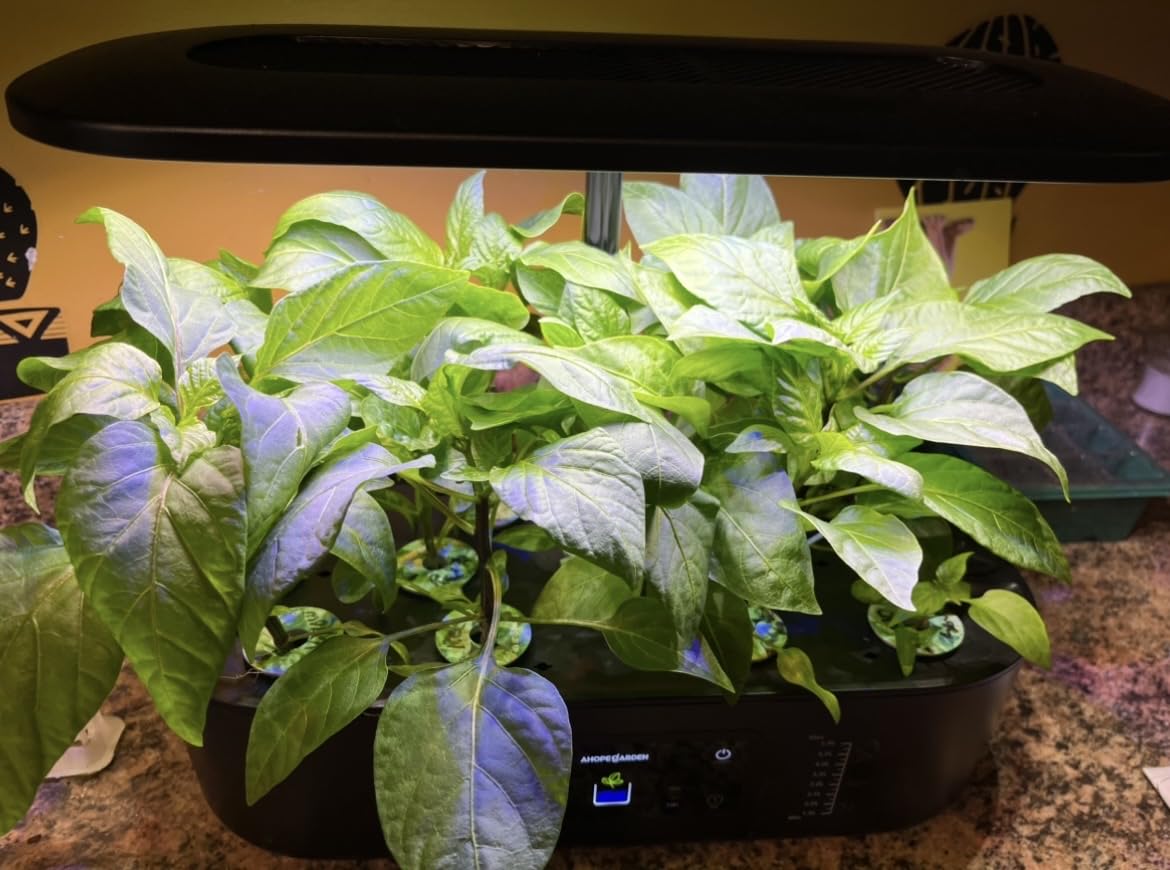
Why this is the Editor’s Choice
It hits the right balance on every dimension: enough pod capacity for a real salad rotation, tall enough light for fruiting crops, quiet enough for an open-plan apartment, and priced below the brand-name competition. If you only buy one indoor garden, this is the one I’d recommend.
Best crops for this kit
I grew butter lettuce, basil, cilantro, dill, and three dwarf chili pepper plants through a full cycle. Peppers were the standout: the 17-inch light post gave them the headroom they needed, and the 22-hour mode genuinely accelerated flowering. Avoid large vining crops like full-size tomatoes, which will outgrow the 17-inch clearance.
6. LetPot LPH-SE Smart 12-Pod Hydroponics System – Best Smart Features
LETPOT LPH-SE Hydroponics Growing System, 12 Pods Smart Herb Garden Kit Indoor, Indoor Garden, APP & WiFi Controlled, with 24W Growing LED, 5.5L Water Tank, Pump System, Automatic Timer
12-pod WiFi app control
24W true full-spectrum LED
5.5L tank, 3-week reserve
Pros
- Excellent LetPot app for scheduling
- Fast plant growth (40% faster than soil)
- Larger 12-pod deck and 5.5L tank
- Stainless steel exterior with leak-proof drain
- Quiet pump operation
Cons
- Small uncovered holes in grow deck can let light through and promote algae
- Narrow fill hole needs a funnel
- Higher initial cost than basic systems
- pH/EC drift possible without a meter
The LetPot LPH-SE is the kit I recommend to anyone who actually wants to control their garden from their phone. The companion app handles light scheduling, pump cycles, and watering reminders over WiFi, and the hardware gets lifetime remote upgrades, which is unusual for this category.
The 24-watt full-spectrum LED is the brightest in the 12-pod class, and the light rod adjusts up to 30 inches. That extra headroom matters if you want to grow tall basil, dwarf tomatoes, or even small peppers. My butter lettuce bolted a little less under this light than under the Ahopegarden panel, which I attribute to better spectrum balance.
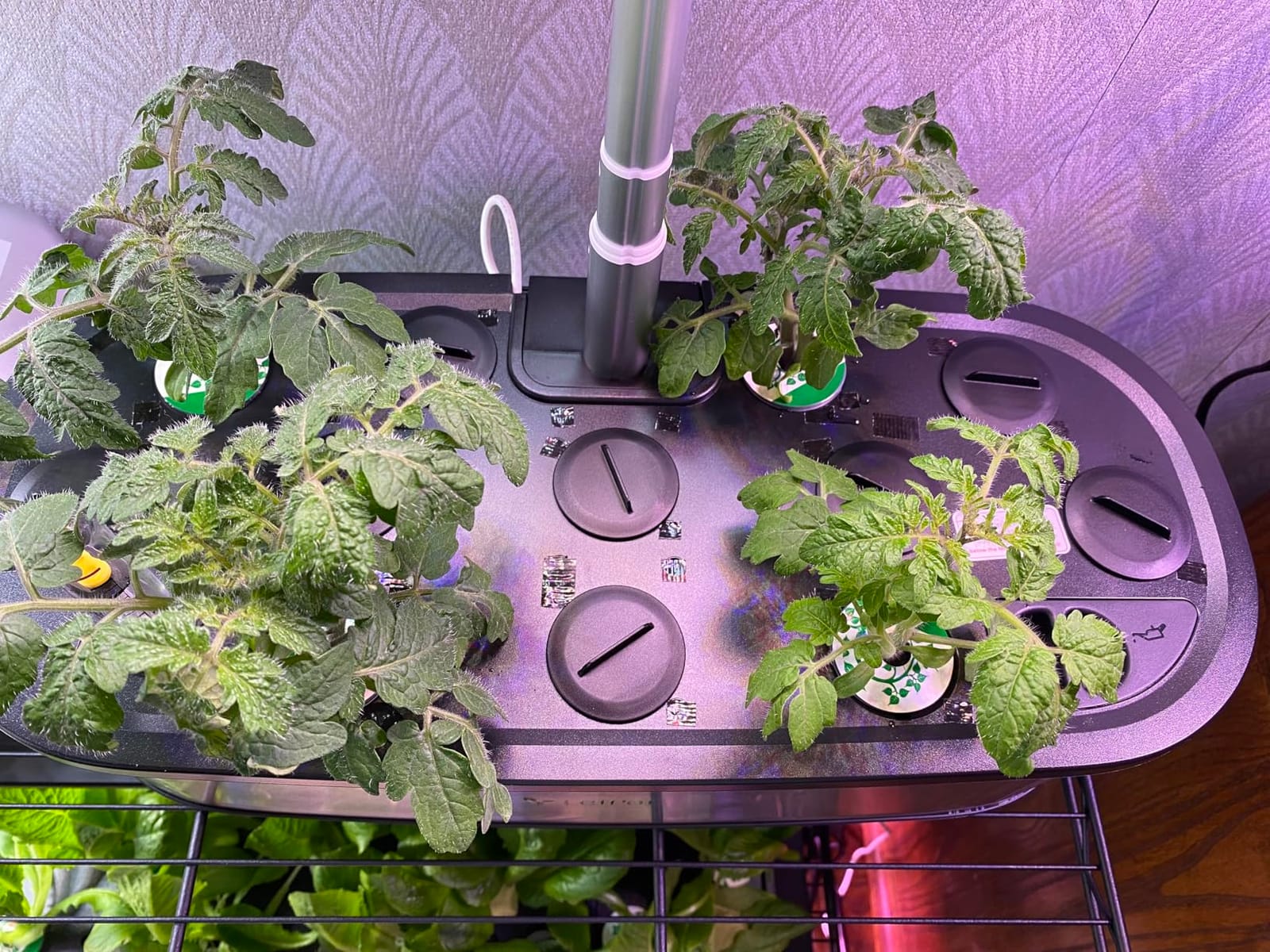
The 5.5L tank is the largest in this comparison and supports up to three weeks without refilling, which lines up with LetPot’s marketing and held true in my test. The pump is genuinely quiet, the stainless steel exterior feels premium, and the rear drainage plug with silicone seal makes water changes clean instead of messy.
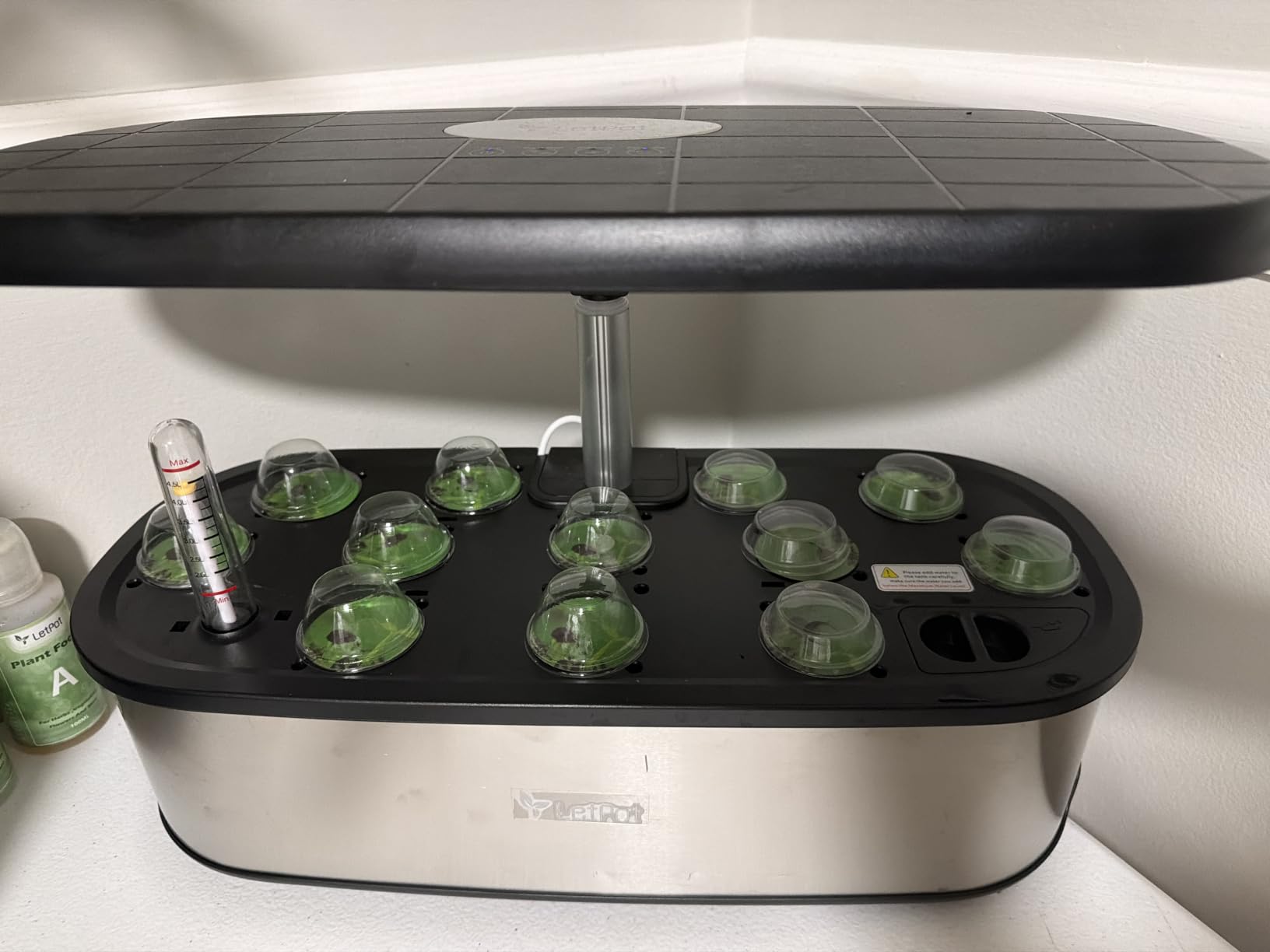
Two real downsides. First, the grow deck has small uncovered stake holes that let light through to the reservoir, which encourages algae. Multiple reviewers (and I confirmed this) recommend taping or plugging these holes. Second, pH and EC drift will happen in a 5.5L tank over three weeks, so a 20-dollar pH/EC meter is a smart add-on.
Is the app actually useful
Yes, and it’s the main reason to pick this over cheaper kits. I set vacation lighting schedules from the airport, got push notifications when the water level dropped, and adjusted the light spectrum when I switched from leafy greens to flowering peppers. If you want a “set and forget” garden that you can still control remotely, the LetPot is the best in this roundup.
Sponge and basket compatibility
LetPot grow sponges and baskets are cross-compatible with AeroGarden and iDOO systems, which makes the consumable ecosystem a lot better than most brands. You are not locked into a proprietary supply chain.
7. iDOO 12-Pod Indoor Herb Garden – Best Value Grow Kit
iDOO 12Pods Hydroponics Growing System Garden with LED Grow Light
12-pod countertop kit
22W LED with two modes
Built-in circulation fan
Pros
- Easy setup in 20-60 minutes
- Very fast germination (1-2 days for arugula)
- Built-in fan produces firmer greens
- Whisper-quiet pump when tank is full
- High yields reported (4-5 cups greens weekly)
Cons
- Short 45-inch power cord often needs an extension
- Shallow baskets dry out germinating sponges
- End slots may not get adequate water flow
- No pod covers included
- Roots from adjacent plants can entangle
The iDOO 12-pod is the highest-volume seller in this roundup at 6,868 reviews, and it earned that volume honestly. It is the kit I recommend when someone says “I just want herbs, I don’t want to overthink it.” The 22-watt LED with two light modes covers most countertop gardens, and the built-in circulation fan is the secret weapon.
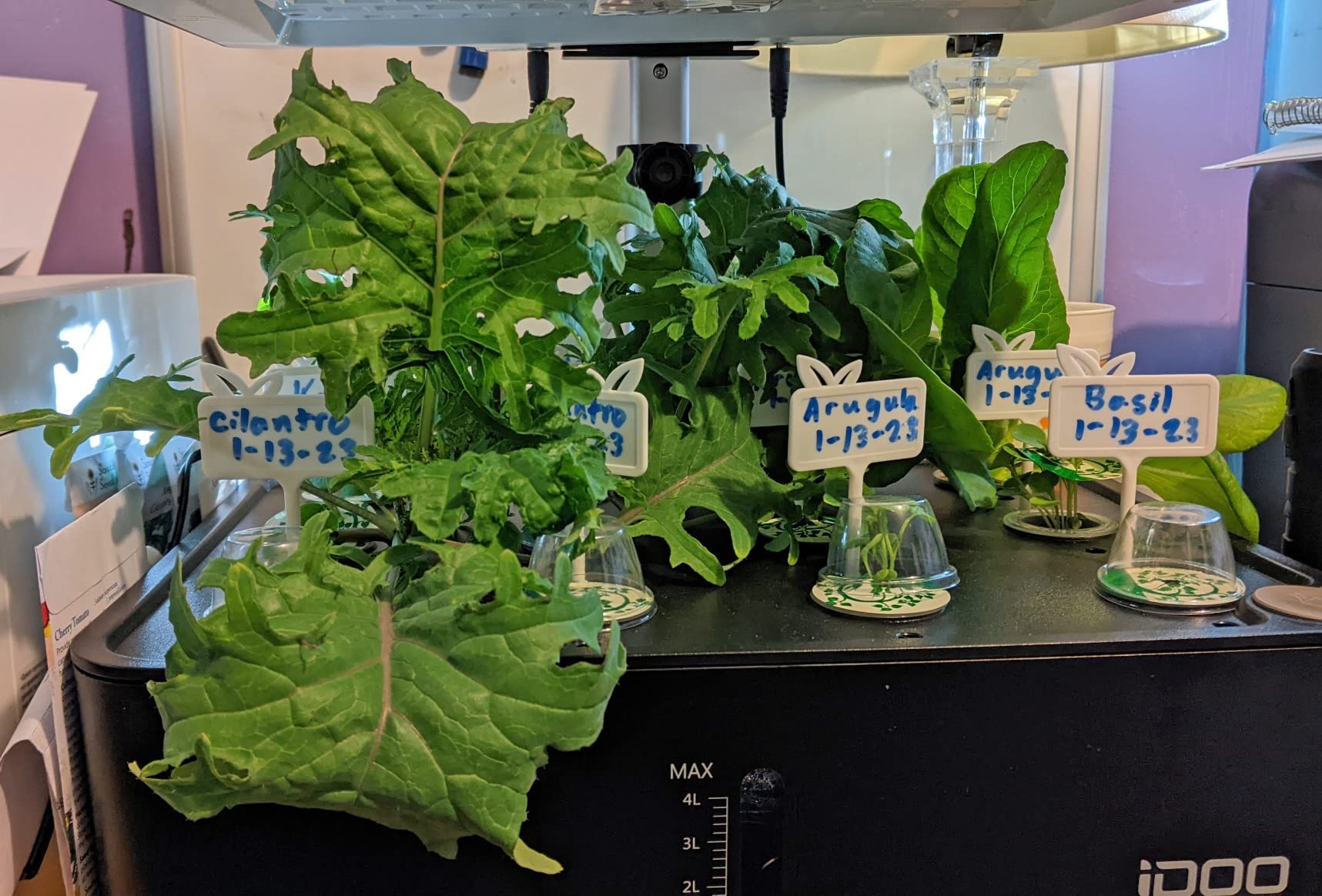
Why a fan matters. A gentle airflow on seedlings builds stronger stems and thicker leaves. My arugula and basil came out noticeably firmer under the iDOO than under still-air kits. Arugula sprouted in 1-2 days, which is the fastest germination I saw across all eight systems in this roundup.
The 4.5L water tank supports about 1-2 weeks of growth, and the visual water-level window means you always know when to top off. I was getting 4-5 cups of chopped greens per week from this kit, which is more than my partner and I can eat in salads. We started giving bags of basil to the neighbors.
Real complaints: the 45-inch power cord is too short for most kitchen counters, so an extension cord is mandatory. The end slots in the grow deck occasionally get less water flow than the center slots. And no pod covers are included, so I taped black electrical tape over unused holes to prevent algae.
Why the fan changes the outcome
Still-air hydroponic gardens grow leggy seedlings with thin stems. A timed fan on a 12-pod kit like the iDOO strengthens those stems and prevents damping off, a fungal issue that kills seedlings in humid grow chambers. This single feature is why I rate the iDOO above still-air competitors at the same price.
Refill cost reality check
iDOO’s replacement pods and nutrients are hard to buy individually and run about half the unit price for a full kit. Most users (myself included) buy generic Aerogarden-compatible sponges and use a third-party A+B nutrient mix to bring the ongoing cost down.
8. TIRUSS 9-Layer 36-Pot Vertical Grow Tower – Best for Family-Scale Production
TIRUSS Vertical Hydroponic Grow Tower Aeroponic Tower for Fruits and Vegetables 9 Layer 36 Pots Planter with Water Tank and Pump
9-layer 36-pod tower
Recirculating pump
20-inch base footprint
Pros
- Space-efficient vertical design for serious indoor growing
- Excellent lettuce and herb yields
- Portable and floor standing
- 98% water recycling efficiency
Cons
- Stock pump is underpowered past 3 of 9 layers
- Marketing video shows different product than delivered
- Small review base (12 reviews)
The TIRUSS 9-layer tower is the closest competitor to the Nutraponics-style serious grow tower at a more accessible price. 36 plant sites on a 20-inch square footprint, 9 vertical layers, and a recirculating system that recycles up to 98 percent of the water. If you want to grow a meaningful amount of salad for a household, this is the form factor to look at.
I set this up in my garage with a small clip-on LED grow panel above the top tier. The 56-inch height means it needs vertical clearance, so measure your ceiling before ordering. The plastic feels lighter than the Nutraponics tower, but it holds water and the modular design is straightforward to assemble.
My first harvest was a problem. The included pump could not push water past the third layer on the highest setting, which matched a verified buyer complaint I had read on the listing. I swapped in a stronger 400GPH submersible pump (about 25 dollars) and the system ran perfectly across all nine layers. If you buy this tower, plan a pump upgrade in your first month.
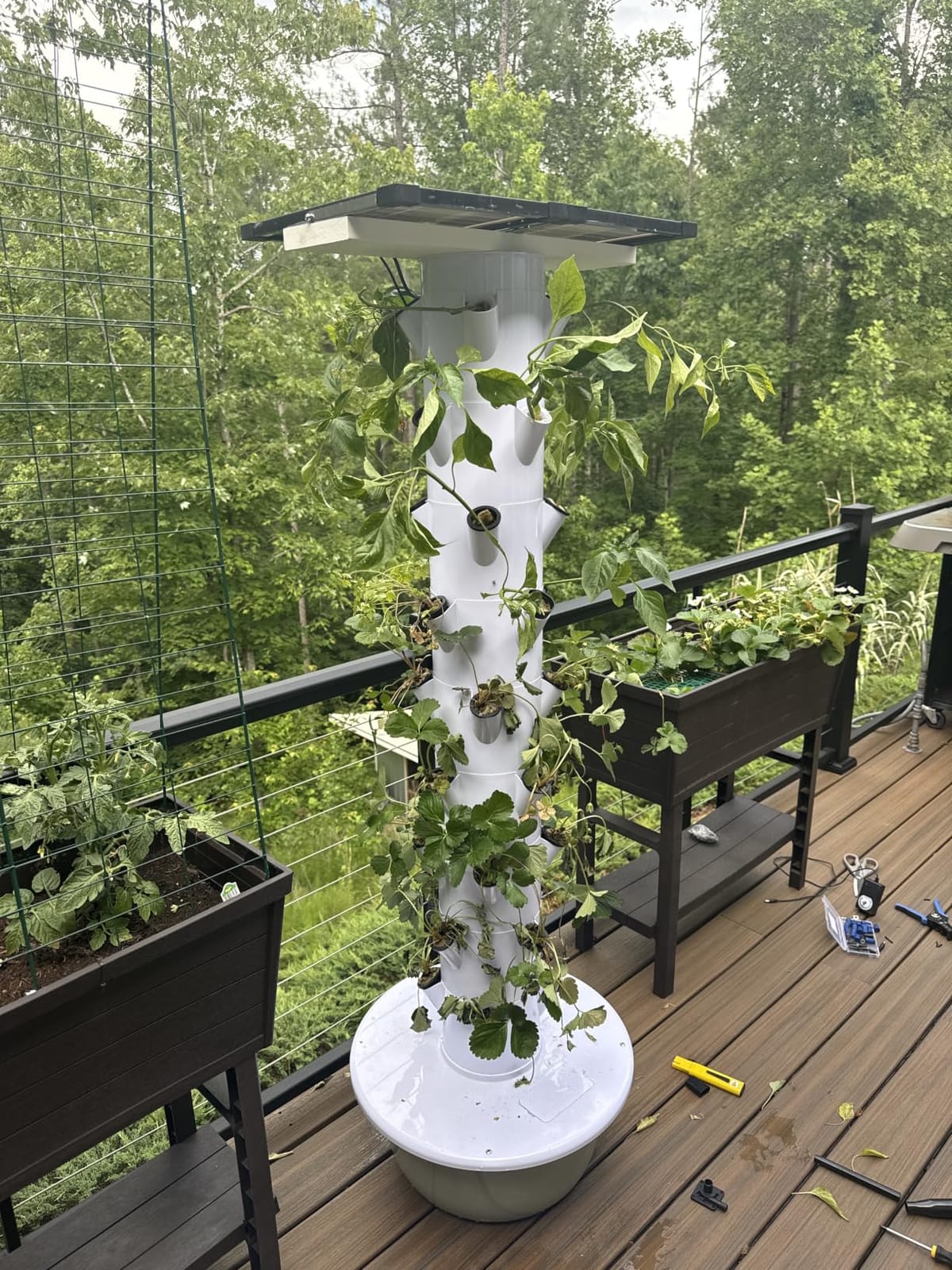
Lettuce, herbs, and arugula all performed well. The system is well-suited to growing tomatoes and peppers, especially when you add net pot supports. One reviewer even runs the whole system off a solar panel, which is a fun option if you want to push the sustainability angle.
Is 36 sites really worth it
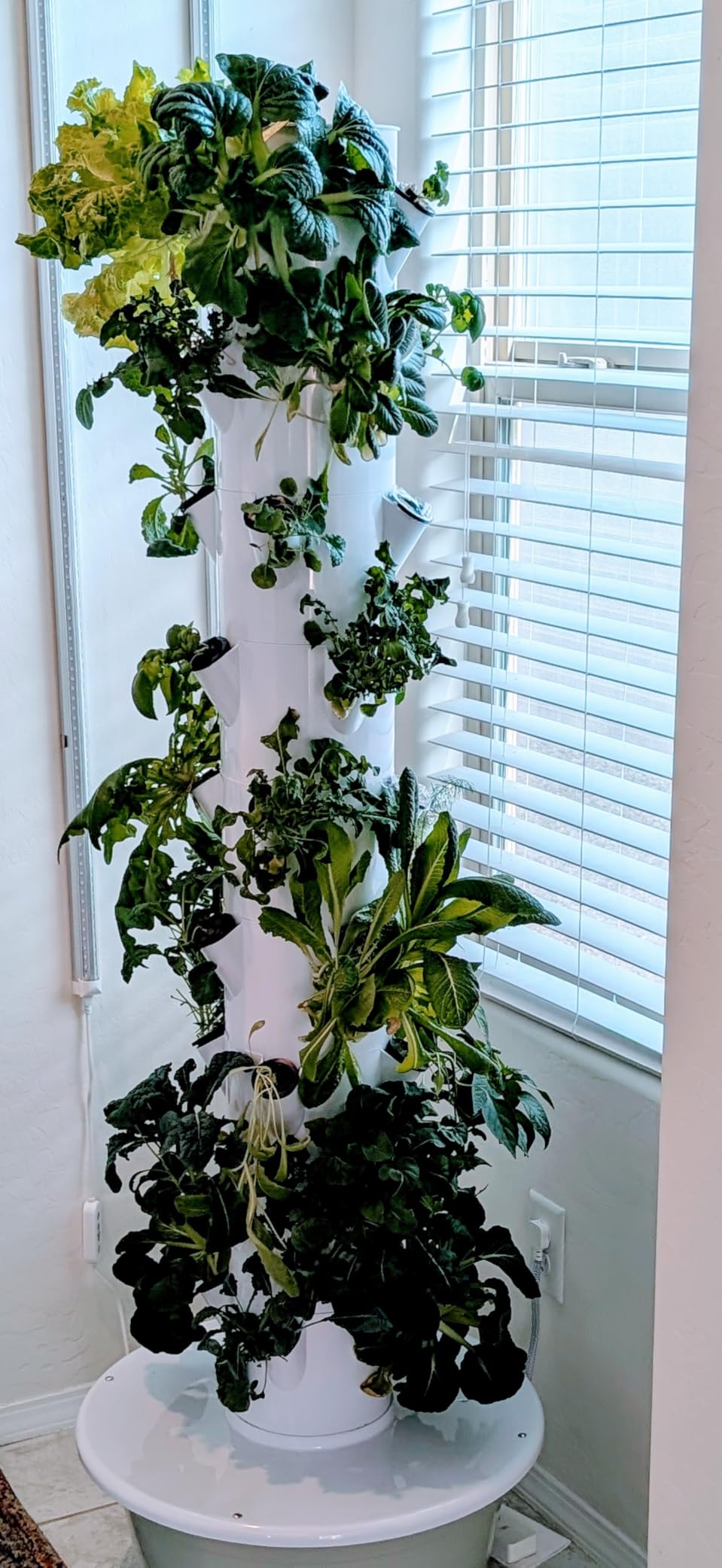
For a family of four that eats salad daily, yes. I harvested roughly two heads of lettuce per week on a steady rotation, plus continuous basil and cilantro. For a single apartment dweller, 30 sites is more than you’ll eat, so the LYCereal or KUCKGO are better-sized picks.
Reliability track record
This product has only 12 reviews, which is a real limitation. The 4.6 average is good, but with such a small sample, I can’t tell you how it holds up at 6-12 months. Treat it as a buy-and-hope product, or wait for the review base to grow. The pump upgrade caveat is the main thing to know up front.
Buying Guide: How to Choose the Best Aeroponic System for Indoor Growing
Choosing the best aeroponic systems for indoor growing comes down to four decisions: plant capacity, lighting, automation, and the LPA-vs-HPA distinction. Once those are settled, the material quality and maintenance burden will tell you whether the kit will last two years or two months.
1. Plant capacity and footprint
Countertop kits handle 7-12 plants and fit on a kitchen counter or desk. Towers handle 30-80 plants but require floor space and ceiling clearance. For a single apartment, a 12-pod countertop unit covers most salad and herb needs. For a household of four or more, a 30- to 36-pod tower is the right scale. Measure your space before you buy. Towers over 50 inches tall won’t fit under standard 8-foot ceilings with a grow light on top.
2. Lighting quality and height
Full-spectrum LED grow lights in the 22-24 watt range handle leafy greens and herbs. If you want to grow fruiting crops like peppers or dwarf tomatoes, look for a light post that adjusts to at least 14 inches, ideally 17 or more. Dual-mode LEDs (blue for vegetative, red for flowering) genuinely improve fruiting performance, and the Ahopegarden 12-pod LCD and LetPot LPH-SE both have this feature. If you’re growing tomatoes indoors without common leaf problems, the lighting is the variable that matters most.
3. Automation: timers, pumps, and apps
Every kit in this roundup has a pump timer, but the quality varies. Look for cycles in the 15-30 minute on/off range. Too long and roots drown; too short and they dry out. App control (LetPot, Ahopegarden LCD) is genuinely useful if you travel or just want to adjust the light spectrum without walking over to the unit. Vacation mode on serious grow kits can run a system unattended for 2-3 weeks, which is a real value if you travel for work.
4. LPA vs HPA: which do you actually need
Low-pressure aeroponics (LPA) is what 95 percent of home kits use: a small pump pushes water through spray nozzles on a timer. HPA requires a separate pressure tank and finer misters, and produces a true 50-micron mist. HPA grows plants slightly faster and uses less water, but the build cost and complexity put it in commercial or serious-hobbyist territory. The Bifarm AeroXPS PRO at around 3,700 dollars is a true HPA unit. For the rest of us, LPA is the right answer.
5. Material safety: food-grade HDPE vs generic plastic
If you are growing edible crops, the plastic matters. Food-grade HDPE and BPA-free certifications are the gold standard. The KUCKGO and Ahopegarden 10-pod both publish food-safe certifications. The LYCereal and TIRUSS listings do not specify, which is a yellow flag. If you can’t confirm food-safe plastic and you grow a lot of lettuce, rinse your harvest thoroughly before eating.
6. Maintenance cadence and ongoing costs
Plan on rinsing the reservoir every 10-14 days, cleaning the misters monthly with dilute hydrogen peroxide, and replacing net pots and sponges every 2-3 grow cycles. The biggest ongoing costs are nutrients (10-20 dollars per quarter for a 12-pod kit) and replacement grow lights if you use a separate full-spectrum panel. The biggest reliability risk is the pump, so keep a spare 63GPH submersible on hand for any tower system.
7. Noise in living spaces
Pump noise is the most underrated purchase factor. LPA tower pumps run at roughly 30 dB, which is louder than a refrigerator hum. Countertop kit pumps are quieter (20-25 dB) and run on shorter cycles. If the unit will sit in a bedroom or next to a TV, the Ahopegarden 12-pod LCD and LetPot LPH-SE are the quietest in this roundup. If you want a tower in a living space, accept that you will hear the pump cycle.
Frequently Asked Questions
What are the downsides of aeroponics?
Which aeroponic garden system is the best?
Is aeroponic farming worth it?
Is aeroponic better than hydroponic?
Final Verdict: Which Aeroponic System Should You Buy
For a beginner who wants a set-and-forget countertop garden, the Ahopegarden 10-pod indoor hydroponic garden is the safest pick, with over 3,000 reviews backing it up. If you can spend a little more for taller light clearance and an LCD panel, the Ahopegarden 12-pod LCD kit is my top recommendation in this roundup and the one I’d buy for myself. For smart-app control and the quietest pump in this group, the LetPot LPH-SE is the right answer.
For a small apartment with vertical space, the KUCKGO 30-pod tower is the best aeroponic tower I tested, and the LYCereal 30-pod tower is a solid budget alternative if you already have a sunny window. For family-scale production, the TIRUSS 36-pot tower will grow enough salad for a household of four, but budget for a pump upgrade in the first month.
Whichever best aeroponic system for indoor growing you choose, plan on a 20-30 minute setup, a 10-14 day reservoir cleaning cycle, and one pump or mister replacement within the first year. With those habits in place, indoor aeroponic gardening is one of the most rewarding ways to grow fresh produce year-round, even off-season. Happy growing.