
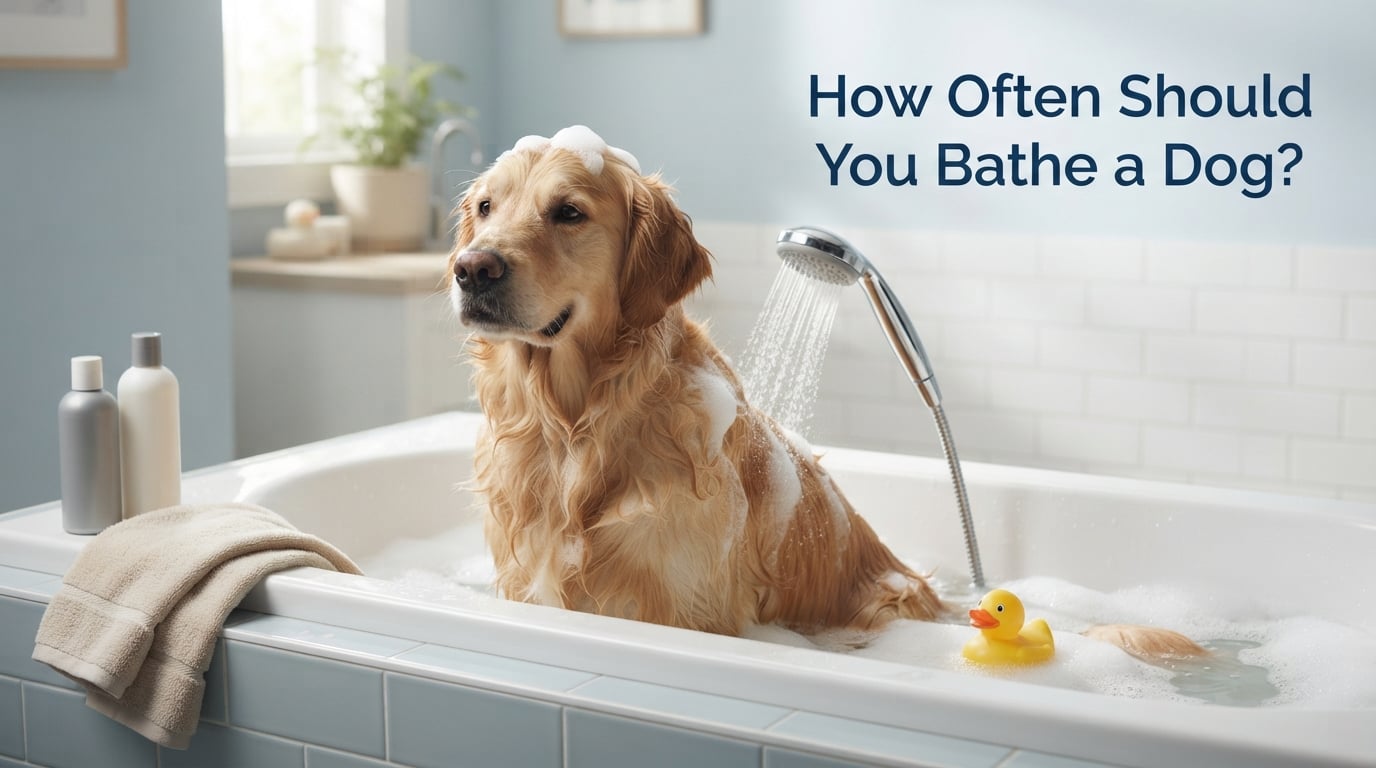
If you have ever stood in the bathroom with a wet, shaking dog wondering whether you are bathing them too often or not enough, you are not alone. The question of how often should you bathe a dog is one of the most debated topics among pet owners, vets, and professional groomers. Our team dug into veterinary research, groomer recommendations, and hundreds of real owner experiences from breed-specific communities to bring you a clear, practical answer.
The short version: most dogs need a bath every 1 to 3 months. But that range changes dramatically based on your dog’s coat type, activity level, skin health, age, and even the season. Bathing too frequently can strip your dog’s natural oils and cause dry skin, while bathing too rarely can lead to matted fur, bacterial buildup, and that unmistakable doggy odor.
In this guide, we break down everything you need to know about dog bathing frequency so you can build the right schedule for your specific dog. We cover coat types, breeds, health conditions, puppies, seniors, seasonal adjustments, and the most common mistakes owners make.
Table of Contents
General Bathing Frequency: The Quick Answer
Most veterinarians agree that the average dog should be bathed every 1 to 3 months. This baseline applies to healthy adult dogs with normal activity levels and no skin conditions. The goal is to keep your dog clean without disrupting the natural oils that protect their skin and coat.
Several factors push that frequency higher or lower. Coat length and texture play the biggest role, but your dog’s lifestyle, health status, age, and even your local climate all matter. A short-haired indoor dog that rarely gets dirty might only need 2 or 3 baths per year. An active outdoor dog that loves swimming and rolling in mud might need a bath every 2 to 4 weeks.
The key is observing your dog rather than following a rigid calendar. If your dog smells fine, has a shiny coat, and shows no signs of skin irritation, your current schedule is probably working. If you notice odor, excessive scratching, or dull fur, it may be time to adjust.
How Often Should You Bathe a Dog by Coat Type
Coat type is the single biggest factor in determining bathing frequency. Here is a breakdown of how often you should bathe a dog based on their coat.
Short-haired breeds: Every 2 to 3 months. Dogs like Beagles, Boxers, and Dobermans have short coats that naturally repel dirt. Over-bathing can dry out their skin quickly.
Long-haired breeds: Every 4 to 6 weeks. Breeds like Golden Retrievers, Collies, and Afghan Hounds trap more dirt and debris in their fur, requiring more frequent washing.
Double-coated breeds: Every 1 to 3 months, with heavy brushing in between. Huskies, German Shepherds, and Samoyeds have protective undercoats that should not be stripped by frequent washing.
Curly and wavy coats: Every 3 to 6 weeks. Poodles, Bichon Frises, and Doodles need regular bathing combined with professional grooming to prevent matting.
Hairless breeds: Every 1 to 2 weeks. Chinese Cresteds and other hairless dogs lack the natural protection of fur and require frequent washing with gentle, moisturizing products.
Oily-coated breeds: Every 3 to 4 weeks. Breeds like Basset Hounds naturally produce more oil and benefit from more frequent bathing to prevent that greasy feel and strong odor.
Keep in mind that these are starting points. You should always adjust based on what you observe with your own dog’s skin and coat health.
Breed-Specific Bathing Guidelines
Different breeds have unique grooming needs that affect how often they should be bathed. Here are some of the most commonly searched breeds.
Golden Retrievers: Bathe every 4 to 6 weeks. Their long double coats trap dirt and debris, especially if they are active outdoors. Golden Retriever owners on breed-specific forums report that monthly baths keep the coat manageable and reduce shedding around the house.
Labradors: Bathe every 2 to 3 months. Labs have short, dense double coats that naturally shed dirt. Unless your Lab is swimming in lakes or rolling in something smelly, they need surprisingly few baths.
Shih Tzus: Bathe every 3 to 4 weeks. Their long, flowing hair mats easily and requires consistent grooming. Many Shih Tzu owners combine bath day with a thorough brushing session.
Beagles: Bathe every 2 to 3 months. Their short coats are low maintenance, but their love for tracking scents means occasional spot cleaning between baths is common.
Poodles and Doodles: Bathe every 3 to 6 weeks and schedule professional grooming every 6 to 8 weeks. Their curly coats are prone to severe matting if not maintained regularly.
Health Conditions That Affect Bathing Frequency
Health issues can significantly change how often your dog needs a bath. If your dog has any skin condition, your veterinarian should guide the bathing schedule.
Skin allergies and atopic dermatitis: Dogs with allergies often need medicated baths once or twice a week during flare-ups. Your vet may prescribe a therapeutic or antimicrobial shampoo specifically formulated for allergic skin.
Dry skin: If your dog has dry, flaky skin, bathing less frequently is usually better. When you do bathe, use a moisturizing, oatmeal-based shampoo and lukewarm water. Over-bathing is one of the leading causes of dry skin in dogs.
Hot spots and bacterial infections: Active skin infections may require medicated bathing 2 to 3 times per week until the infection clears. Always follow your vet’s instructions for medicated shampoos.
Flea treatment timing: If you use topical flea treatments, wait at least 48 hours before and after bathing. Water can wash away the medication and reduce its effectiveness. Oral flea preventatives are not affected by bathing.
Seborrhea: Dogs with seborrhea produce excessive oil or flaky skin and may need specialized shampoos every few days. This condition requires a vet-directed bathing protocol.
Age-Based Bathing Guidelines
Age matters when it comes to bathing frequency. Puppies and senior dogs have different needs than healthy adult dogs.
Bathing Puppies
Puppies under 8 weeks old should not be bathed with shampoo. Their bodies cannot regulate temperature properly, and bathing can cause dangerous chilling. Spot clean with a warm, damp cloth instead.
Once your puppy is over 8 weeks old, you can start bathing them every 2 to 3 months unless they get into something messy. Use a gentle, puppy-specific shampoo that is pH balanced for young dogs.
The 7-second rule for dogs is a simple safety check: when bathing, test the water temperature on your wrist for 7 seconds. If it feels comfortably warm, not hot, it is safe for your dog. This is especially important for puppies, whose skin is more sensitive than adult dogs.
Bathing Senior Dogs
Older dogs may need more frequent bathing if they develop incontinence or mobility issues that make it harder to stay clean. However, senior dogs also have more fragile skin and may chill easily. Bathe every 4 to 6 weeks with a gentle, moisturizing shampoo, and make sure they are completely dry afterward.
For arthritic seniors, consider waterless shampoo or grooming wipes between full baths to reduce the stress of getting in and out of a tub.
Activity Level and Lifestyle Factors
How your dog spends their day has a direct impact on how often they need a bath. An active lifestyle means more exposure to dirt, allergens, and odors.
Active outdoor dogs: Dogs that hike, run, or spend hours outside may need bathing every 2 to 4 weeks. Dirt, pollen, and debris accumulate quickly in active coats. Brushing thoroughly between baths helps remove loose dirt and extends the time between washes.
Swimming dogs: If your dog swims in pools, lakes, or the ocean, rinse them with fresh water after every swim. Chlorine, salt, and lake bacteria can irritate skin if left in the coat. A full bath with shampoo is needed every 2 to 3 weeks during swimming season.
Indoor dogs: Dogs that spend most of their time inside and have minimal outdoor activity often only need bathing every 2 to 3 months. Their coats stay cleaner simply because they are exposed to less dirt.
Service and therapy dogs: These working dogs may need more frequent bathing, sometimes weekly, because they interact closely with the public. Using a gentle, pH-balanced shampoo prevents skin irritation from frequent washing.
Seasonal Bathing Considerations
The time of year affects both how often your dog needs a bath and how you should approach it.
Summer: Dogs typically need more frequent baths during warmer months. Higher temperatures mean more sweating, more outdoor activity, and more exposure to allergens, mud, and pests. Aim for every 3 to 4 weeks during summer, and always check for ticks and fleas after outdoor adventures.
Winter: Reduce bathing frequency during cold months unless your dog gets visibly dirty. Cold air combined with indoor heating already dries out skin, and frequent bathing makes it worse. When you do bathe in winter, use warm water, a moisturizing shampoo, and dry your dog completely before letting them outside.
Shedding seasons: During spring and fall shedding periods, regular baths combined with de-shedding tools help remove loose undercoat fur. This reduces hair around your home and prevents matting in double-coated breeds.
Signs Your Dog Needs a Bath
Rather than relying solely on a calendar, watch for these telltale signs that your dog is ready for a bath.
Noticeable odor: The classic doggy smell that lingers even after brushing is a clear sign it is bath time.
Visible dirt or stains: Mud, food, or mysterious stains on the coat mean a bath is overdue.
Excessive scratching: If your dog is scratching more than usual, dirt or allergens in the coat may be the culprit.
Dull or greasy coat: A healthy coat should look shiny. If it looks flat or feels oily, a bath can refresh it.
Matted or tangled fur: Mats trap dirt and moisture. A bath followed by thorough brushing can help, though severe matting needs a professional groomer.
Flaky skin or dander: Visible flakes may indicate that dirt is irritating the skin. A gentle bath can help, but persistent flakes warrant a vet check.
Common Bathing Mistakes to Avoid
Even with the right bathing frequency, certain mistakes can harm your dog’s skin and coat. Here are the most common errors our team sees owners make.
Using human shampoo: Human skin has a different pH level than dog skin. Human shampoo, even baby shampoo, can disrupt your dog’s acid mantle and cause irritation, dryness, and rashes. Always use a shampoo formulated specifically for dogs.
Over-bathing: Washing your dog too frequently strips the natural oils from their skin, leading to dryness, flaking, and sometimes increased oil production as the skin tries to compensate. Stick to the frequency guidelines above unless your vet advises otherwise.
Water that is too hot: Dogs have more sensitive skin than humans. Water that feels warm to you might be too hot for your dog. Use the 7-second wrist test and aim for lukewarm temperatures.
Incomplete rinsing: Leftover shampoo residue is one of the most common causes of post-bath itching and skin irritation. Rinse thoroughly until the water runs completely clear, then rinse one more time.
Skipping ear protection: Water in the ear canal can lead to painful ear infections. Place a cotton ball gently in each ear before bathing, and always clean and dry the ears after a bath.
Not drying thoroughly: Leaving your dog damp can cause hot spots and skin infections, especially in thick-coated breeds. Towel dry first, then use a dog-safe dryer on a low, warm setting.
DIY vs Professional Grooming
Many owners wonder whether they should bathe their dog at home or take them to a professional. The answer depends on your dog’s coat type, your experience, and your budget.
When home bathing works: Short-haired dogs and straightforward coats are easy to manage at home. If your dog is comfortable in the tub and you have the right shampoo, a DIY bath every 1 to 3 months is perfectly adequate. Home bathing costs roughly $10 to $20 per bath when you factor in shampoo and supplies.
When to see a professional: Long-haired breeds, double-coated dogs in shedding season, and dogs prone to matting benefit from professional grooming every 6 to 8 weeks. A groomer can handle breed-specific cuts, express anal glands, clean ears thoroughly, and trim nails. Professional grooming sessions typically range from $40 to $90 depending on breed and coat condition.
For dogs with skin conditions: If your dog requires medicated baths, your vet or a grooming professional experienced with medical shampoos can make sure the treatment is applied correctly.
FAQ
Is it okay to give a dog a bath once a week?
How long can a dog go without a bath?
What is the 7 second rule for dogs?
How do you know when your dog needs a bath?
Conclusion: Finding the Right Bathing Schedule
Figuring out how often should you bathe a dog comes down to understanding your specific dog rather than following a universal rule. The baseline is every 1 to 3 months for a healthy adult dog, but coat type, breed, health conditions, age, activity level, and season all shift that range.
Start with the general guideline for your dog’s coat type, then adjust based on what you see and smell. Use dog-specific shampoo, protect their ears, rinse thoroughly, and dry completely. When in doubt, ask your veterinarian for a recommendation tailored to your dog’s individual needs.
Our team found that the best bathing schedule is one that keeps your dog’s coat clean and shiny without causing dryness or irritation. Trust your observations, stay consistent, and your dog will stay fresh and comfortable all year round.