
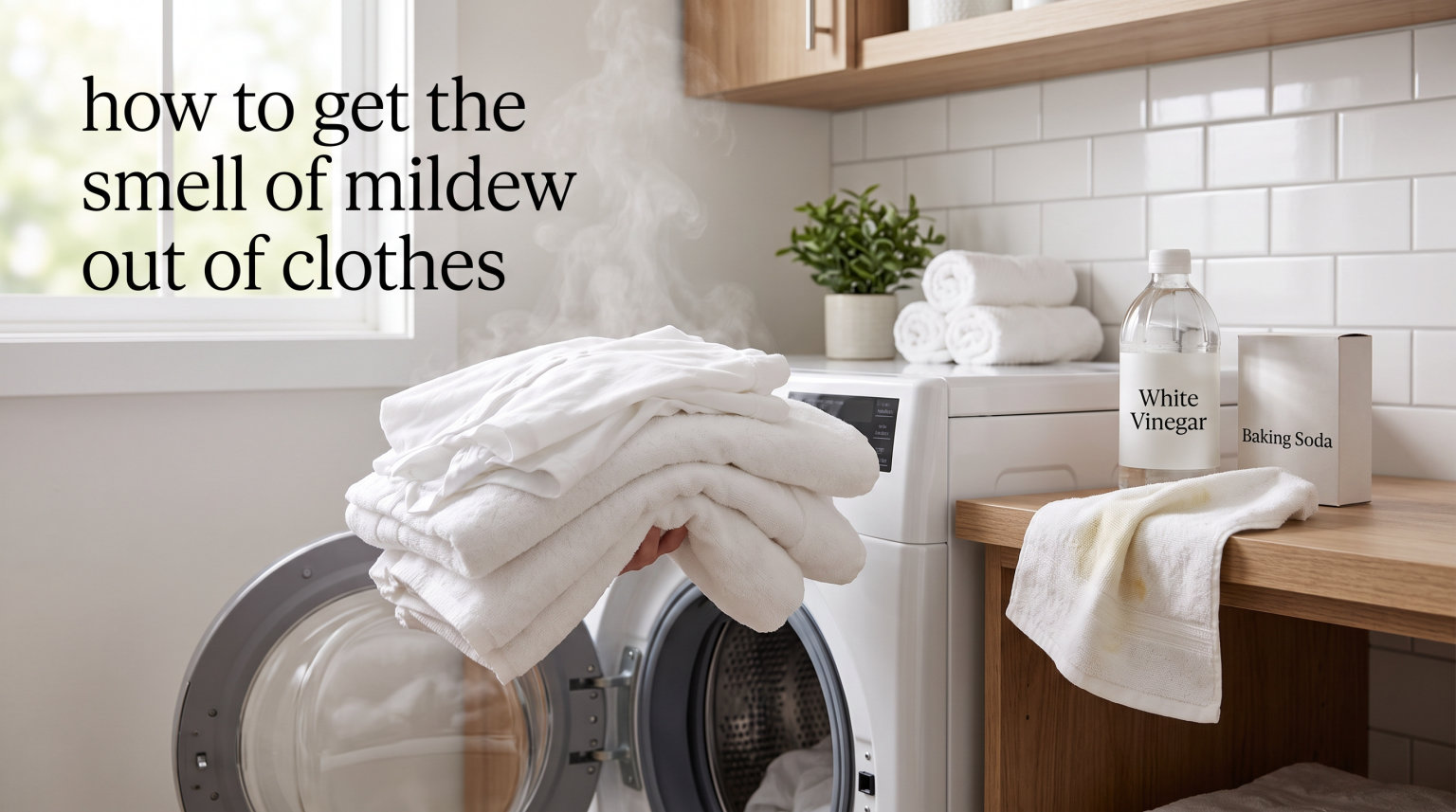
That sour, damp odor hitting you the moment you pull a shirt from the closet is more than just annoying. It means mildew has taken hold in the fabric fibers, and a regular wash cycle is not going to cut it. Learning how to get the smell of mildew out of clothes the right way saves garments that might otherwise end up in the trash.
I have dealt with this problem more times than I care to admit. Forgotten loads left overnight in the washer, gym bags that sat closed too long, and seasonal clothes pulled from a damp basement closet. After testing every method I could find across laundry forums, manufacturer guides, and expert recommendations, I narrowed down what actually works.
This guide covers the most effective ways to remove mildew smell from clothes using ingredients you likely already have. You will learn why the smell develops in the first place, step-by-step treatment methods with exact measurements, how to keep it from coming back, and what to do when home remedies fall short. If you are also dealing with stained garments, our guide on removing stains from clothes pairs well with what follows.
One important note before we start: never put clothes in the dryer until the smell is completely gone. Heat can permanently lock mildew odors into fabric fibers, making them nearly impossible to remove later. Air dry or sun dry until you are certain the odor has been eliminated.
Table of Contents
What Is Mildew and Why Does It Smell So Bad?
Mildew is a type of fungus that thrives in warm, humid environments with poor air circulation. It belongs to the same family as mold but tends to grow in flat, surface-level patches rather than the fuzzy clusters associated with larger mold colonies. When it takes hold on clothing, it feeds on organic matter trapped in the fabric, including body oils, sweat, detergent residue, and lint.
The musty smell itself comes from volatile organic compounds, or VOCs, that the mildew releases as it grows and breaks down organic material. These compounds include chemicals like geosmin and 2-methylisoborneol, which the human nose can detect in extremely small concentrations. That is why even a tiny patch of mildew can produce a smell that seems to fill an entire room.
The real challenge is that these odor compounds do not just sit on the surface of your clothes. They penetrate deep into the weave of natural fibers like cotton, linen, and wool, binding to the fiber structure itself. This is why a quick wash cycle often fails. The detergent cleans the surface, but the VOC molecules remain trapped inside the fabric.
To actually remove the smell, you need treatments that can either break down those compounds chemically or kill the fungus producing them. That is where acidic solutions, enzymatic cleaners, and alkaline boosters come into play. Each works through a different mechanism, which is why combining methods often produces better results than using any single one alone.
Left untreated, mildew does more than create an unpleasant smell. It can cause fabric degradation over time, weakening fibers until garments develop holes and tears. It can also trigger allergic reactions and respiratory irritation in sensitive individuals. Addressing it promptly protects both your wardrobe and your health.
Why Mildew Develops on Clothes
Understanding the root cause is half the battle. Mildew needs three things to grow: moisture, warmth, and a food source. Your laundry provides all three, which is why certain situations repeatedly lead to that musty smell.
The most common cause is wet laundry left sitting in the washing machine. Even a few hours in a damp, enclosed drum creates perfect growing conditions. The moisture from the wash cycle, combined with body warmth from the clothes and organic residue trapped in the fibers, gives mildew everything it needs to multiply rapidly. Many people discover the smell only after transferring a forgotten load to the dryer, at which point the heat has already set the odor.
Front-load washers are notorious for causing mildew problems. Their design uses a rubber door gasket that traps water and detergent residue, creating a hidden breeding ground for fungus. If you own a front-load machine, the smell may not be coming from your clothes at all but from the washer itself transferring odor to every load.
Gym clothes are another frequent victim. Synthetic performance fabrics wick moisture away from your skin during workouts, but they also trap bacteria and organic compounds in their fibers. When these garments sit in a gym bag or hamper while still damp, mildew takes hold quickly. The tight weave of performance fabrics makes the smell particularly stubborn to remove.
Stored clothing is the third major culprit. Seasonal garments packed away in basements, attics, or closets without proper ventilation often develop mildew during months of storage. The combination of trapped humidity, stagnant air, and dust settling on fabric creates an ideal environment for slow fungal growth.
How to Get the Smell of Mildew Out of Clothes: Method Overview
Several effective methods exist for removing mildew odor, and most use inexpensive household ingredients. Here is a quick breakdown of the main approaches before we dive into detailed steps:
White vinegar — Add 1 cup of distilled white vinegar to the wash cycle or soak items in a 1:4 vinegar-to-water solution for several hours. The acetic acid kills fungus and neutralizes odor compounds.
Baking soda — Add 1/2 cup of baking soda to the wash along with your regular detergent. It absorbs odors and boosts cleaning power, especially when combined with vinegar.
Borax — Add 1/2 cup of borax with detergent in a warm or hot wash. Highly rated by laundry forum users for stubborn smells.
Enzyme cleaners — Use an enzymatic detergent or presoak to break down the organic matter feeding the mildew. Effective on protein-based residues.
Oxygen bleach — Use on white and colorfast items to kill fungus and remove stains. gentler than chlorine bleach and safe for most fabrics.
Sun drying — UV rays naturally kill mildew spores and neutralize odors. Air circulation during line drying also helps release trapped compounds.
For most cases, combining two of these methods produces the best results. Vinegar followed by baking soda is the most praised combination across laundry forums, while borax is frequently cited as the most effective single ingredient for tough smells.
Method 1: White Vinegar Treatment (Step-by-Step)
White vinegar is the most widely recommended mildew treatment, and for good reason. Its acetic acid content kills the fungus at the source while breaking down the VOCs responsible for the smell. It is cheap, safe for most fabrics, and something most households already have on hand.
Here is the step-by-step process that works for most clothing:
Step 1: Sort your affected clothes and separate whites from colors. Check care labels to confirm each item is safe for the treatment. Vinegar is generally safe for all washable fabrics, but delicate items may need a gentler soak concentration.
Step 2: For surface-level smells, add 1 cup of distilled white vinegar directly to the washing machine drum before loading clothes. Do not pour it in the detergent dispenser, as some machines route that compartment directly to parts that vinegar can degrade over time.
Step 3: For deeper, more stubborn smells, pre-soak the items first. Mix one part white vinegar with four parts water in a tub or sink, submerge the clothes fully, and let them soak for at least 30 minutes to several hours depending on severity.
Step 4: Run the wash cycle on the hottest temperature the fabric allows. Heat helps activate the vinegar and kill remaining spores. Add your regular detergent as usual.
Step 5: Skip the dryer. Instead, hang the clothes outside in direct sunlight if possible. UV rays kill residual mildew spores, and fresh air circulation helps flush out any remaining odor compounds. If outdoor drying is not an option, use an indoor drying rack in a well-ventilated room.
Step 6: Do the smell test before storing or wearing. Hold the fabric to your nose while it is still slightly damp, since odors are easier to detect in moist fabric. If any musty smell remains, repeat the process before the item touches heat from a dryer.
One caution worth mentioning: some appliance experts, including those at Consumer Reports, advise against frequent use of vinegar in washing machines because the acid can degrade rubber seals over time. If you use this method regularly, consider running an empty hot cycle afterward to rinse any vinegar residue from internal components.
Method 2: Baking Soda Wash (Step-by-Step)
Baking soda works differently from vinegar. Rather than killing fungus through acidity, it absorbs odor molecules and acts as an alkaline booster that enhances your detergent’s cleaning power. It is especially effective when used in combination with vinegar, since the two together attack the problem from multiple angles.
Here is how to use baking soda for mildew smell removal:
Step 1: Load your affected clothes into the washing machine as you normally would. Do not overload the drum, since clothes need room to agitate freely for proper cleaning.
Step 2: Add your regular detergent to the dispenser. Use the full recommended amount for a heavily soiled load, since mildew-affected clothes need thorough cleaning.
Step 3: Add 1/2 cup of baking soda directly to the drum with the clothes. For large loads or severe odors, you can increase this to 1 cup.
Step 4: For the best results, combine methods by also adding 1 cup of white vinegar. Pour the vinegar into the fabric softener dispenser or directly into the drum before starting the cycle. The combination of baking soda and vinegar creates a cleaning reaction that lifts trapped compounds from deep within the fibers.
Step 5: Wash on the hottest water temperature safe for the fabric. Check care labels first, since some synthetics and delicates require cold water.
Step 6: Line dry in sunlight whenever possible. As with the vinegar method, avoid machine drying until you have confirmed the smell is gone.
Many users on laundry forums report that this vinegar-and-baking-soda combination successfully removed mildew smells that survived multiple previous wash cycles. The two-step chemical approach handles both the fungal growth and the trapped odor compounds, making it more effective than either ingredient used alone.
Method 3: Borax for Stubborn Mildew Smells
When vinegar and baking soda are not enough, borax is the next line of defense. Across multiple laundry forums, borax is consistently praised as the single most effective ingredient for eliminating persistent mildew odors that refuse to budge. It is a naturally occurring mineral that works as a fungicide, deodorizer, and detergent booster all at once.
Borax is particularly effective because it inhibits fungal growth directly rather than just neutralizing the smell. This means it treats the root cause, not just the symptom. It also breaks down into hydrogen peroxide when dissolved in water, which provides additional cleaning and whitening power.
Here is how to use borax for mildew removal:
Step 1: Load clothes into the washing machine and add your regular detergent.
Step 2: Add 1/2 cup of borax directly to the drum with the clothes. For heavy loads or severe odors, increase to 3/4 cup.
Step 3: Set the water temperature to warm or hot. Borax dissolves best in water above 77 degrees Fahrenheit, so cold water reduces its effectiveness significantly.
Step 4: Run a full wash cycle, then check the smell before drying.
Step 5: If the smell persists after one borax treatment, try a pre-soak. Dissolve 1/2 cup of borax in a gallon of warm water, submerge the clothes, and let them soak for 30 to 60 minutes before running a full wash cycle.
One important safety note: borax is not the same as boric acid and is safe for use in laundry, but it should be kept away from children and pets. Always wash your hands after handling it in its powdered form, and store it in a sealed container.
Method 4: Enzyme-Based Cleaners and Oxygen Bleach
When household remedies are not enough, commercial products offer more targeted solutions. Two categories stand out for mildew odor removal: enzyme-based cleaners and oxygen bleach.
Enzyme-based cleaners contain specific enzymes that break down the organic compounds mildew feeds on. Body oils, sweat proteins, and food residues trapped in fabric provide a food source for fungal growth. By eliminating these residues, enzyme cleaners remove the conditions that allow mildew to thrive and produce odor. They are particularly effective on gym clothes and activewear, where synthetic fibers trap organic compounds deep within their weave.
To use an enzyme cleaner, look for laundry detergents or presoak products labeled as enzymatic or biological. Add the recommended amount to your wash cycle, or create a presoak solution and submerge affected items for 30 to 60 minutes before washing. Enzyme cleaners work best in warm water, since cold temperatures slow enzyme activity.
Oxygen bleach, also called sodium percarbonate, is a gentler alternative to chlorine bleach that is safe for most colored fabrics. When dissolved in water, it releases hydrogen peroxide, which kills fungus and lifts stains without the harsh fumes or fabric damage associated with chlorine bleach. Add 1/2 cup of oxygen bleach to your wash cycle along with regular detergent, and use the hottest water the fabric allows.
For white items that have visible mildew staining alongside the odor, a paste made from oxygen bleach powder and a small amount of water can be applied directly to stained areas before washing. Let it sit for 15 minutes, then wash as usual.
Laundry sanitizers are another commercial option designed specifically to kill odor-causing bacteria and fungi. These products are added during the rinse cycle and do not require hot water to work, making them useful for delicates and cold-water-only items.
The Hidden Cause: Washing Machine Maintenance
Here is something most mildew removal guides skip entirely. If your clothes keep coming out of the wash smelling musty, the problem may not be your clothes at all. It may be your washing machine.
Washing machines, especially front-load models, are prime breeding grounds for mildew. The rubber door gasket traps moisture and detergent residue. The detergent dispenser can develop hidden mold growth. The drum itself can harbor biofilm that transfers odor to every load you run. No amount of vinegar or borax in your laundry will permanently solve the problem if the machine itself is contaminated.
Front-load washers deserve special attention. Their horizontal drum design means water pools in the lower portion of the gasket after every cycle. Over time, this standing water combined with warm laundry room temperatures and trapped organic matter creates ideal conditions for fungal growth. If your Samsung, LG, Whirlpool, or other front-load washer is making your clothes smell, the rubber gasket is almost certainly the culprit.
To address this, you need to clean your washing machine regularly. Wipe down the rubber gasket after each use, leave the door open between cycles to allow air circulation, and run a monthly cleaning cycle with a machine cleaner or hot water with vinegar. Remove and clean the detergent dispenser drawer, since mold often grows in the dark, damp channels behind it.
Forum users frequently report that their persistent mildew smell problems disappeared completely after deep-cleaning their machines. Many had been blaming their laundry techniques when the real issue was a contaminated washer transferring odor to every load. If you have tried every treatment method and the smell keeps returning, this is likely your answer.
Also check your dryer vent and lint trap. A clogged vent reduces airflow and can leave clothes slightly damp even after a full dry cycle, creating conditions for mildew to develop between the dryer and your closet.
How to Prevent Mildew Smell from Returning
Removing the smell is only half the job. Keeping it from coming back requires changing the habits that allowed mildew to develop in the first place. The good news is that prevention is straightforward once you understand what mildew needs to grow.
First, never leave wet laundry sitting in the washing machine. Transfer clothes to the dryer or drying rack immediately after the cycle finishes. If you cannot be home to handle it, use your washer’s delay-start feature so the cycle finishes when you return. Even a few hours in a damp drum is enough for mildew to begin growing.
Second, leave your washing machine door open between uses. This allows the drum and gasket to dry completely, eliminating the moisture that mildew needs. For front-load washers, this is the single most effective preventive habit you can adopt.
Third, control humidity in your storage areas. Closets, especially those on exterior walls or in basements, can trap moisture from the surrounding environment. Use a dehumidifier in damp rooms, and consider placing moisture absorbers like silica gel packets or charcoal in your closets. Keep stored clothing off the floor and away from exterior walls.
Fourth, make sure clothes are completely dry before storing them. Even slightly damp garments packed into a drawer or closet will develop mildew over time. If you air-dry your laundry, give items extra time on the rack during humid weather. A moisture meter can help you confirm fabrics are fully dry before storage.
Fifth, wash gym clothes and activewear promptly after each use. Do not let sweaty workout gear sit in a closed gym bag or hamper. Synthetic fabrics trap moisture and organic compounds that fuel mildew growth, so prompt washing prevents odors from setting in.
Sixth, air out seasonal clothing before storing it for long periods. Wash or dry-clean garments before packing them away, since body oils and residue left on fabric provide food for mildew during months of storage. Use breathable storage containers rather than plastic bags, which trap moisture.
Seventh, improve air circulation in your closet. Avoid cramming clothes tightly together, since packed garments restrict airflow and trap humidity. Leave space between items, and consider installing a small fan or leaving closet doors open periodically to promote ventilation.
Fabric-Specific Tips and Quick Fixes
Different fabrics respond differently to mildew treatments. Tailoring your approach to the material can improve results and prevent damage.
For delicate fabrics like silk and wool, avoid harsh treatments like borax and oxygen bleach. Instead, use a mild enzymatic detergent or a gentle vinegar soak at lower concentrations. A vodka-and-water spray mixed at 50/50 is a forum favorite for refreshing delicate items between washes. The alcohol kills mildew spores on contact without damaging sensitive fibers.
For cotton and linen, the standard vinegar and baking soda methods work well. These natural fibers absorb mildew odors deeply but also respond well to treatment because their open fiber structure allows cleaning agents to penetrate effectively.
For gym clothes and activewear, enzyme cleaners are your best bet. Synthetic performance fabrics are designed to wick moisture, but their tight weave traps bacteria and organic compounds that feed mildew. Enzyme-based detergents break down these trapped residues more effectively than standard detergents. Wash in warm water, since cold water does not activate the enzymes fully.
For towels, which seem to hold onto mildew smells stubbornly, try the borax method first. Towels have a dense, looped pile that traps odors deep within the fabric. A borax wash followed by sun drying typically resolves even the most persistent towel odors.
For a quick fix when you cannot run a full wash cycle, a 70 percent ethanol spray can neutralize mildew odor on the surface of garments. This is not a replacement for proper washing, but it works in a pinch for lightly affected items. Similarly, hanging clothes outside in direct sunlight for a few hours can reduce mildew smell significantly, thanks to UV rays that kill spores naturally.
Another forum-recommended combination involves apple cider vinegar with washing soda crystals and a biological detergent. This three-pronged approach tackles odor from acidic, alkaline, and enzymatic angles simultaneously, making it effective for items that have resisted other treatments.
When to Seek Professional Help
Most mildew smell problems can be solved at home with the methods described above. However, there are situations where professional help is the better choice.
Valuable or sentimental items, such as wedding dresses, vintage clothing, or heirloom textiles, deserve professional care. A specialist cleaner experienced with delicate and historic fabrics can remove mildew odor without risking damage that home treatments might cause. The cost of professional cleaning is often far less than the cost of replacing an irreplaceable garment.
If you notice visible mold growth on clothing, meaning you can see dark spots or patches rather than just smelling the odor, the situation may require more aggressive treatment. Extensive visible mold on porous fabrics can be difficult to fully eliminate, and spores can spread to other items in your wardrobe. In severe cases, professional cleaning services that offer ozone treatment can neutralize deeply embedded odors that home methods cannot reach.
If mildew smell persists after you have tried multiple treatment methods and cleaned your washing machine, there may be a broader moisture problem in your home. A professional mold inspection can identify hidden moisture sources behind walls or under flooring that are contributing to chronic humidity issues.
FAQ
Can mildew smell be washed out of clothes?
Will mildew smell go away once dry?
How to get rid of moldy smell on clothes?
What kills the smell of mildew?
Final Thoughts on Removing Mildew Smell
Getting the smell of mildew out of clothes is entirely doable with the right approach and a few common household ingredients. The key is understanding that the odor comes from volatile organic compounds embedded deep in the fabric, which means a standard wash cycle will not cut it.
Start with the vinegar method for most cases, since it is effective, affordable, and safe for most fabrics. If that does not work, move to the vinegar-and-baking-soda combination or try borax for stubborn odors. Enzyme cleaners and oxygen bleach round out your options for commercial-strength treatment.
Remember to address the root cause, whether that is a forgotten load, a humid closet, or a washing machine that needs cleaning. Treating the odor without fixing the underlying condition means the smell will keep coming back no matter how many times you rewash.
And always, always air dry until you are certain the smell is gone. Once heat from a dryer locks that odor in, removal becomes significantly harder. With the methods in this guide, you can rescue mildew-affected clothes and keep them smelling fresh for the long haul.