
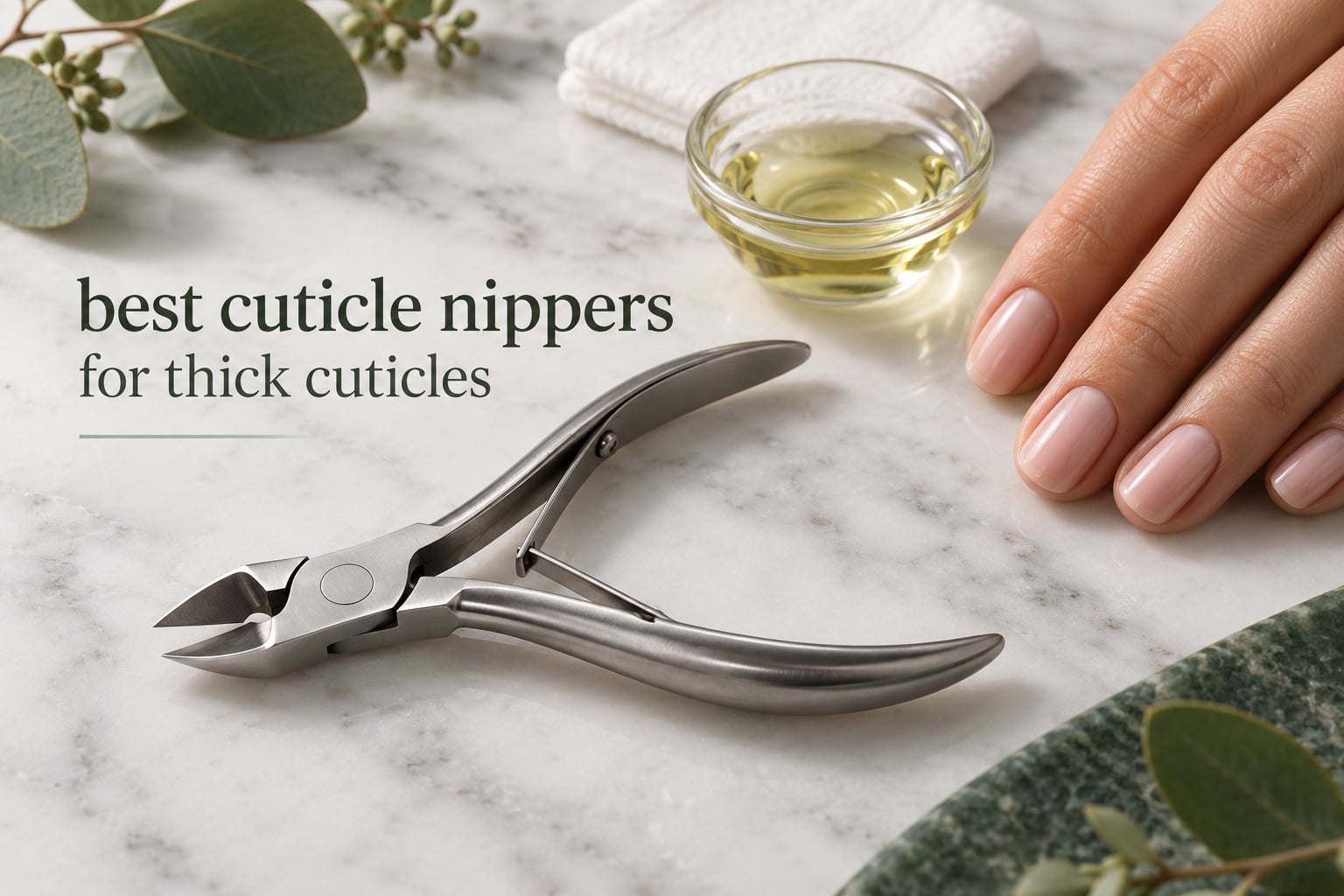
Thick, hardened cuticle tissue does not respond to a small precision jaw. It resists the cut, the edge crushes and tears instead of shearing, and you are left with a ragged, sometimes bloody cuticle fold. That is the single reason most people cycle through three or four cheap pairs of cuticle nippers in a year and conclude that trimming at home does not work.
So the honest answer to best cuticle nippers for thick cuticles is not the brand with the prettiest handle. It is a wider full or three-quarter jaw, a longer blade, a double spring for mechanical advantage, and stainless steel that holds an edge. And it only works on tissue that has been softened first. Get those four things right and one squeeze is usually enough. Get them wrong and no amount of squeezing will help.
We compared eight nippers built for exactly this job, from a 16mm-bladed pedicure tool to a 1/2-jaw precision nipper, and rated them on cutting power, control, grip and how well they cope with hard tissue. Every pick below has a full jaw, a heavy jaw, or a blade length that gives you real leverage. We also cover how to soften thick cuticles before you cut, and who should not be trimming them at all. If you have not got a pusher yet, start with our guide to the best cuticle pushers for at home manicures, because pushing softened tissue back is the safer first move.
Table of Contents
Top 3 Cuticle Nippers for Thick Cuticles in 2026
opove X7 3/4 Jaw Nipper
- 3/4 jaw
- surgical-grade stainless steel
- hand-filed ultra-thin blades
- double spring
- lifetime replacement coverage

FERYES 6mm Full Jaw 2-in-1
- 6mm full jaw
- medical-grade stainless steel
- built-in pusher
- double spring
- anti-slip handles

FAMILIFE 16mm Blade Nipper
- 16mm hand-filed blades
- eagle-mouth shape
- single spring
- compact 4.69 inch body
All 8 Cuticle Nippers Compared in 2026
Every nipper in the table below was selected because its jaw or blade width suits hardened tissue rather than fine finishing work. Blade figures are the ones the manufacturers publish.
| Product | Specifications | Action |
|---|---|---|
| opove X7 Cuticle Trimmer 3/4 Jaw |
|
Check Latest Price |
 Tweezerman Rockhard 1/2 Jaw Tweezerman Rockhard 1/2 Jaw |
|
Check Latest Price |
| FERYES 2-in-1 6mm Full Jaw |
|
Check Latest Price |
| FAMILIFE Cuticle Nippers 16mm Blades |
|
Check Latest Price |
 FVION 9mm Full Jaw Cuticle Clippers FVION 9mm Full Jaw Cuticle Clippers |
|
Check Latest Price |
 Staleks Classic 10 8mm Staleks Classic 10 8mm |
|
Check Latest Price |
 NGHIA D-07 Jaw 16 NGHIA D-07 Jaw 16 |
|
Check Latest Price |
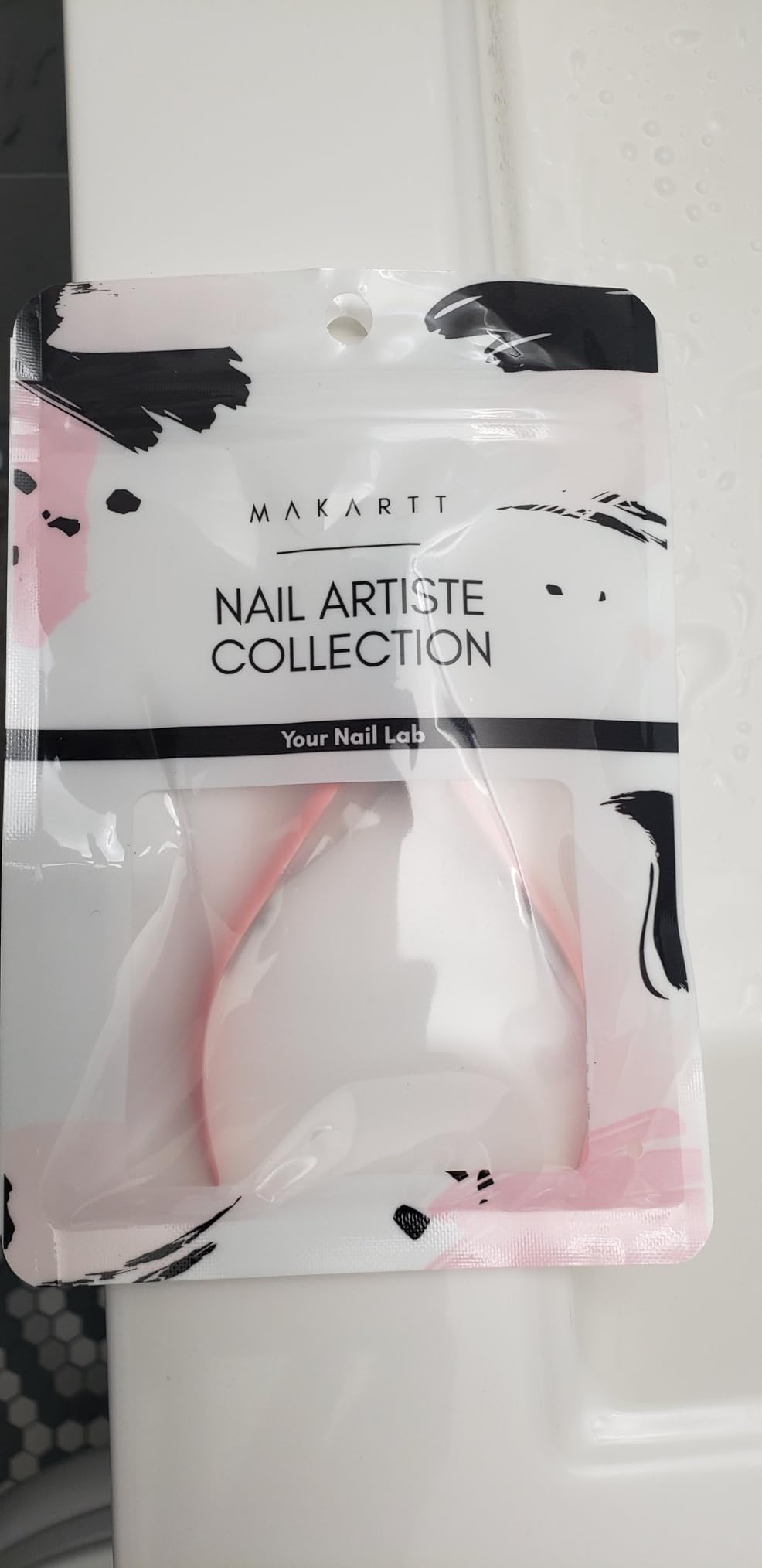
 Makartt Pink Full-Jaw Nipper Makartt Pink Full-Jaw Nipper |
|
Check Latest Price |
1. opove X7 Cuticle Trimmer: Best Overall for Thick Cuticles
Cuticle Trimmer 3/4 Jaw Extremely Sharp Cuticle Nippers Scissors Stainless Steel Clippers Cutter Remover Pedicure Manicure Nail Tool, opove X7, Space Gray
3/4 jaw
Surgical-grade stainless steel
Double spring
4.69 inch body
Lifetime replacement coverage
Pros
- Widest cutting capacity in this group
- hand-filed ultra-thin blades that shear instead of crush
- protective coating that resists rust
- ergonomic coated grip
- 15450 owner reviews
- lifetime replacement coverage
Cons
- Body is larger than a drugstore nipper
- a minority of owners say the edge is not as sharp as they expected
The X7 is the one we kept reaching for. Its three-quarter jaw is the widest cutting surface among the eight, and width is what stops a nipper from skating sideways on hardened tissue. Blades are hand-filed ultra-thin, so the two edges meet cleanly rather than pinching, and the double spring supplies enough closing force that thick cuticle tissue parts in a single squeeze.
It is built from surgical-grade stainless steel with a protective coating that cuts friction and adds corrosion resistance, and the coated ergonomic grip stayed comfortable through repeated pedicure work without slipping. At 4.69 inches long and 3.84 ounces it is a substantial tool, not a delicate one.
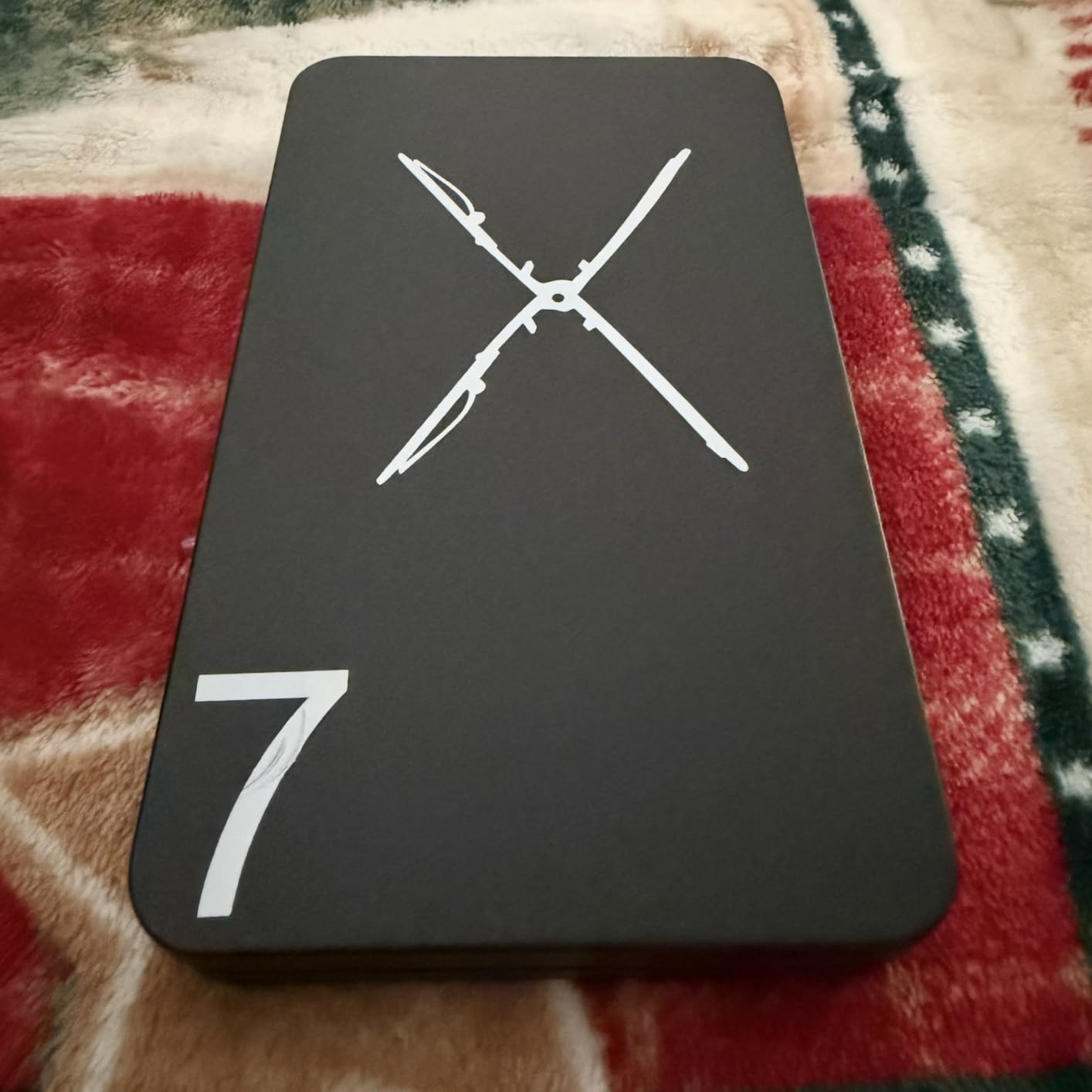
Owners consistently report two years or more of regular service with the edge still working, and the product comes with lifetime replacement coverage, which is rare in this category. It holds a 4.6 rating across more than fifteen thousand reviews, the largest owner base of any nipper we tested, and it sits in the top ten of its category on Amazon.
Two honest drawbacks. The body is longer and wider than a standard drugstore nipper, so it is less precise in the tight corners beside the nail plate. And a minority of reviewers say the edge, while clearly sharp, is not quite as fine as a dedicated half-jaw tool on finishing detail work.
Is the wide jaw harder to control on soft tissue?
It is, slightly. A three-quarter jaw takes more of the cuticle edge in at once, so on soft tissue that has been properly softened you want shallower bites. Work in short strokes along the fold rather than closing the handles fully on the first pass. On genuinely hard tissue that width is exactly what you need, because a narrower jaw will fold and tear before it cuts.
Who should skip this one
If you are a beginner who is nervous about cutting too deep, a full-width jaw is intimidating and this is not the tool to learn on. It is also the wrong shape for reach into the tight side corners of the nail, where you want a pointed half jaw. For pedicure work and thick hand cuticles, though, the cutting capacity outweighs those concerns.
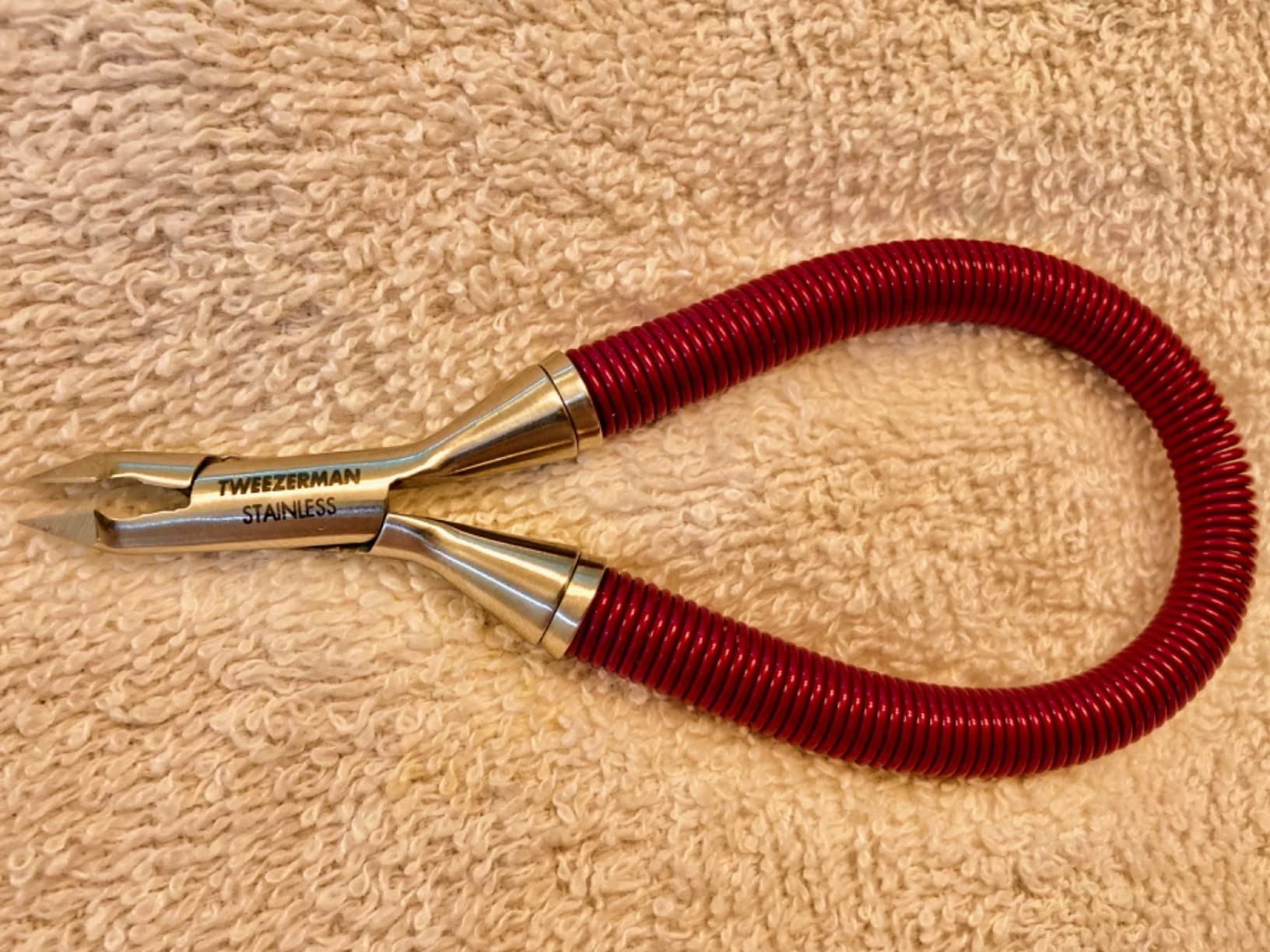
2. Tweezerman Rockhard 1/2 Jaw: Best for Hangnails and Tight Corners
Tweezerman Rockhard Cuticle Nipper 1/2 Jaw Stainless Steel
1/2 jaw size
Double-spring action
Hand-filed tips
Stainless steel
0.8 ounce weight
Pros
- Sharp pointed tips that reach tight corners without snagging
- double-spring action needing very little pressure
- works equally well for either hand
- 6026 owner reviews
- very light at 0.8 ounces
Cons
- Jaw opening is narrower than full-jaw models
- handle can feel slippery in larger hands
- spring does not always fully retract
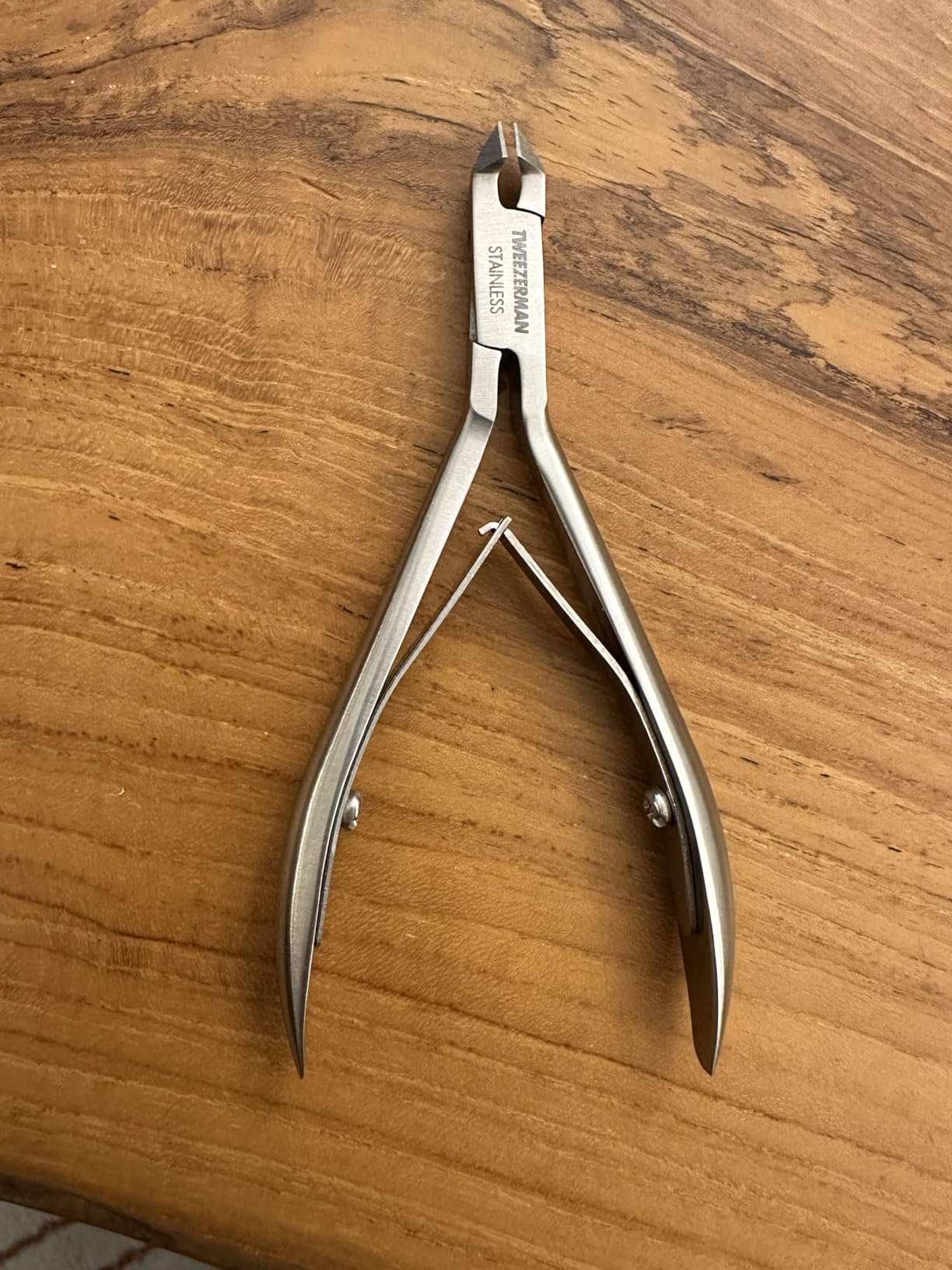
This is the precision pick, and it earns its place for a specific job. The half jaw gives you a narrow, pointed tip that fits into the side corners of the nail fold, the exact spot where torn hangnails keep reappearing and where a full jaw simply cannot reach. Owners report that the hand-filed tips shear the hangnail off cleanly instead of dragging it sideways.
The double-spring action is unusually light. You can trim with the faintest pressure, which gives you control rather than force, and at 0.8 ounces with 5.5 inch dimensions it is the lightest tool in this group. The brand specifies it for both right- and left-handed use, and the stainless steel body has held up for over two years of regular service according to owners.
Forum users on r/RedditLaqueristas repeatedly discuss this brand against larger-jaw alternatives, and the recurring argument favours tools that come in several jaw sizes, because one head cannot cover both hangnail corners and a wide fold. That is a reasonable argument, and it is why we list this as a complement rather than a replacement for a heavy-jaw tool.
The honest limit is capacity. Reviewers note the jaw does not open as wide as a full-jaw model, and if your problem is bulk hardened cuticle rather than a torn corner, you will make several passes instead of one. Larger hands also report the slim handle can feel slippery in a wet hand.
Can a half jaw handle really thick cuticles?
It can take on thick cuticles, but it is the wrong tool for the first pass. The half jaw gives precision and access, not cutting power. Our approach is to knock back the bulk with a wide full jaw on softened tissue, then use this to clean up the side corners and any hangnail that wide jaws cannot reach. Trying to bite a thick fold with a half jaw is how edges get crushed and torn.
What is the spring behaviour like
Owners like how lightly it closes, though some report the spring does not always retract fully after many years, which leaves the tips slightly open when you set it down. The effect is cosmetic rather than functional. It is a spring-loaded tool, not a scissors-style nipper, so it never needs a separate sharpening of the pivot, only of the edges themselves.
3. FERYES 2-in-1 6mm Full Jaw: Top Rated Two-in-One
FERYES 2 in 1 Professional Cuticle Trimmer,Cuticle Clipper with Pusher, 6mm Full Jaw Cuticle Nipper, Stainless Steel Cuticle Remover Tool
6mm full jaw
Medical-grade stainless steel
Double spring
Built-in pusher
5.51 inch body
Pros
- Full 6mm jaw covers a wide strip of the cuticle fold in one cut
- medical-grade stainless steel that holds its sharpness
- built-in pusher removes a separate tool from the kit
- anti-slip textured asymmetrical handles
- metal storage case included
Cons
- Sharp enough that beginners report it feels aggressive
- the two-in-one format makes the pusher end the first thing to wear
The FERYES tool is the one we recommend when you want one object to do the whole job. The 6mm full jaw is genuinely full width, and the manufacturer describes the steel as medical-grade, built to work on rigid nails while holding its sharpness. The double spring gives a consistent, precise cut rather than a springy one.
The built-in pusher on the opposite end is the practical part. It means you can soak, push the fold back, and trim with a single instrument in one hand, and it saves carrying a separate metal pusher. The asymmetrical, carved, anti-slip handles are textured for accuracy, and it comes with a metal storage case that helps keep the edge from getting knocked about.
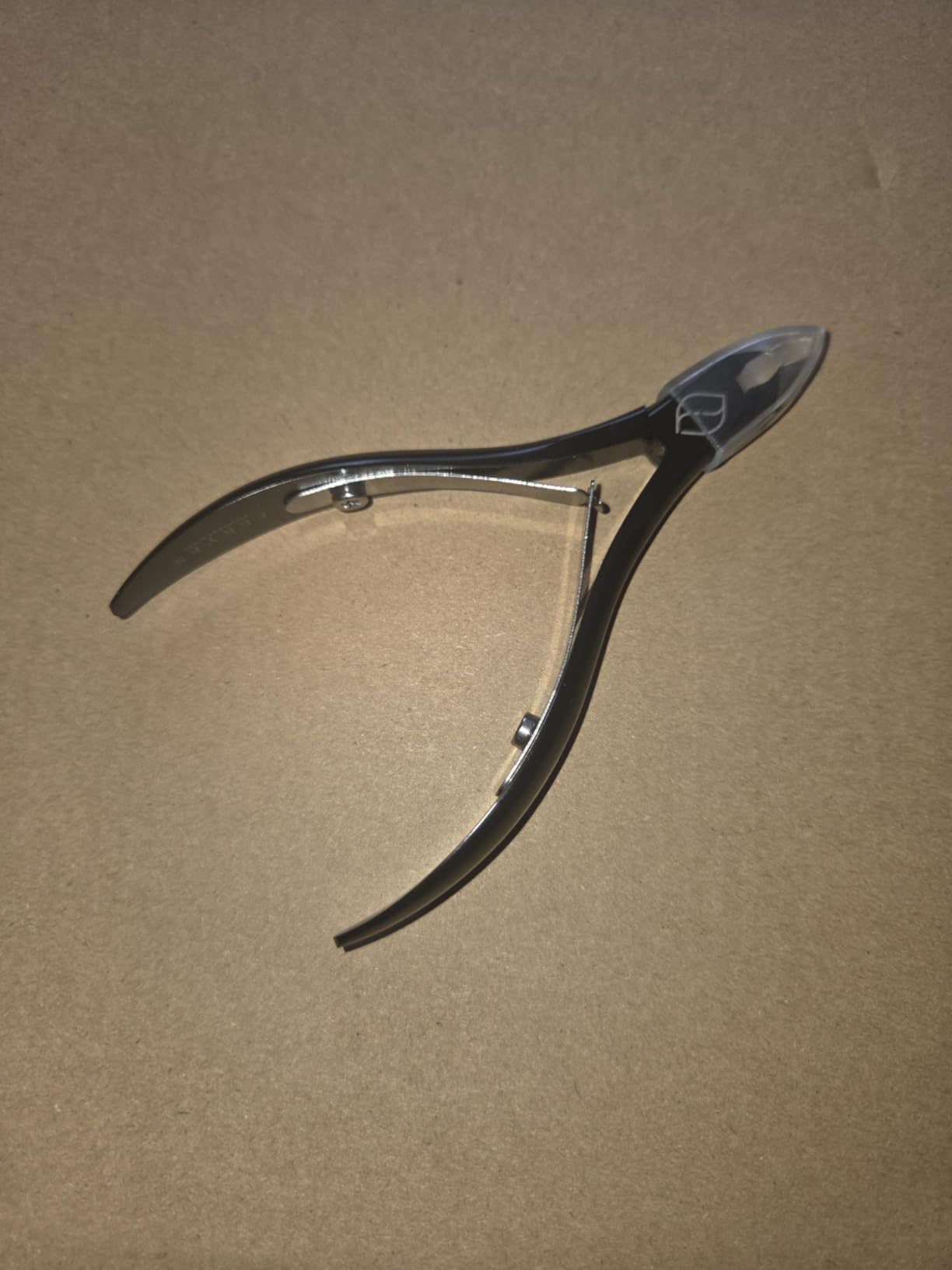
Across 3972 owner reviews it holds a 4.7 average, and the summary reviewers return is consistent: sharp, precise, and recommended by both home users and professionals. The stated package weight is 4.16 ounces on a 5.51 by 3.27 inch body, so it is a mid-size tool rather than a pocket one.
What owners flag most is that it is sharp. Beginners sometimes describe it as too sharp for personal use, which is really a warning to move slowly rather than a flaw. If you have arthritis or limited hand strength, however, a heavy double spring can be harder to control than a lighter tool.
Is the built-in pusher actually useful or just a gimmick
It is useful, and it is the reason this tool suits a beginner better than a heavy professional nipper. Pushing softened cuticle back before you touch the metal is the safest sequence, and having the pusher on the same handle removes the temptation to improvise with a pen or a nail file edge. In practice the flat end does most of that work fine.
How does a 6mm jaw compare with a 3/4 jaw
They are in the same weight class. A 6mm full jaw and a three-quarter jaw both trade a little corner access for a much wider bite, and both handle hardened tissue in a single pass. The deciding factors are handle feel and whether you want the pusher. If you trim pedicure work or thick folds often, both will satisfy you.
4. FAMILIFE 16mm Blades: Best for Thick Nails and Ingrown Toenails
FAMILIFE Cuticle Nippers Scissors – Professional Stainless Steel Cuticle Trimmer for Thick Nails, Ingrown Toenails & Seniors, Sharp Durable Blades with Ergonomic Handle for Salon & Home Use
16mm 0.63 inch blades
Eagle-mouth blade shape
Single spring
4.69 inch tool
2.08 ounce weight
Pros
- Longest blade length in this group for the biggest bite on hard tissue
- eagle-mouth blades lift dead skin and hangnails without pulling
- single spring keeps the action light so you control pressure
- compact enough for a kit or handbag
- metal case included
Cons
- Some owners find the body smaller than expected
- the file portion is not a substitute for a proper nail file
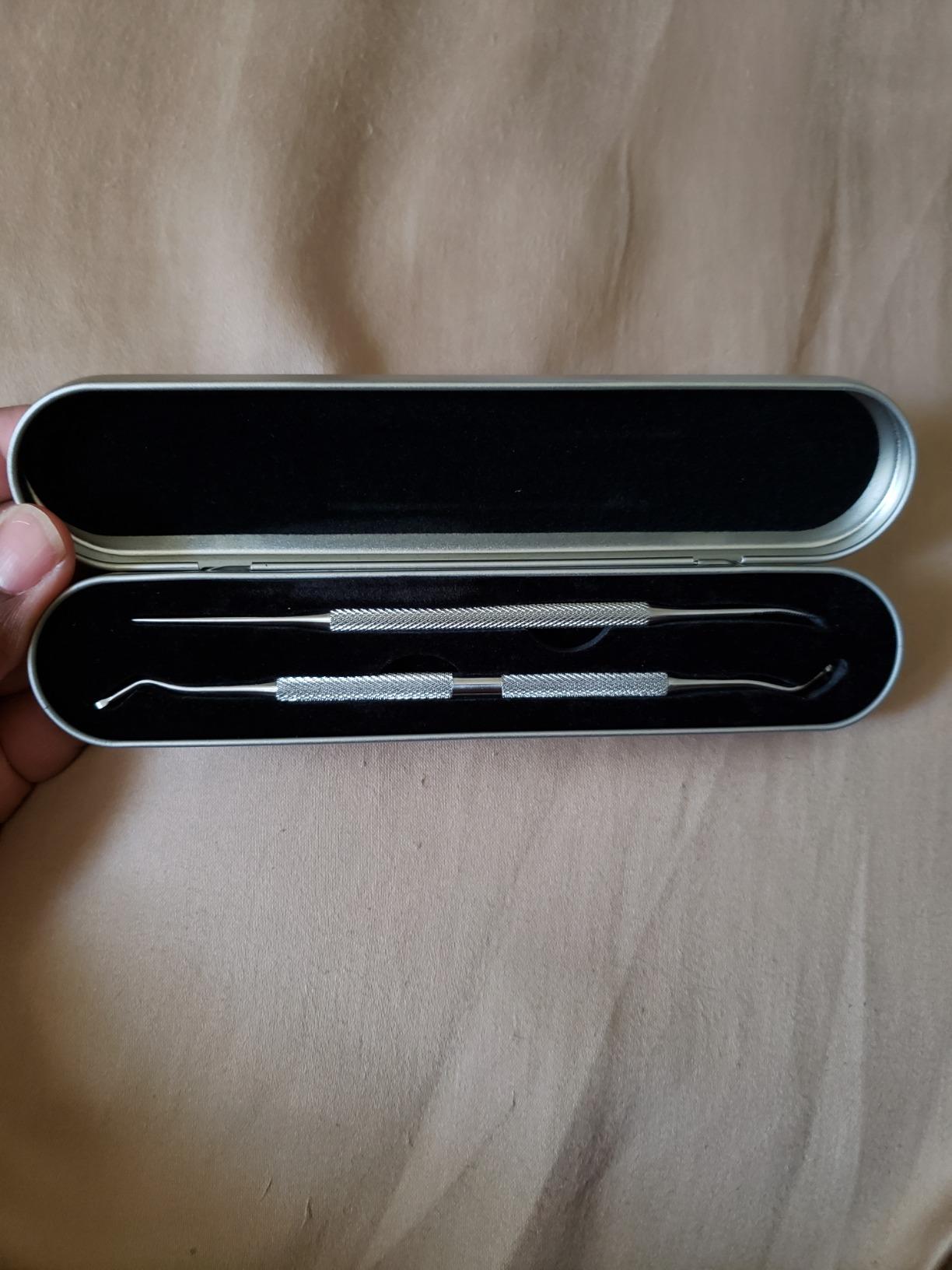
This is our pick when the cuticle is not the only problem. Its blades measure 16mm, which is 0.63 inch, the longest cutting length of the eight tools here, and they are hand-filed into an eagle-mouth shape that bites down and lifts rather than sliding. On thick or stubborn cuticles that combination is the strongest cutting action in the group.
It is also marketed and categorised for ingrown toenails and for users who struggle with thick nails, and owners with recurring ingrown issues rate it highly. The eagle-mouth geometry is the reason: it can get under a lifted edge of skin without taking a large bite out of the surrounding fold.
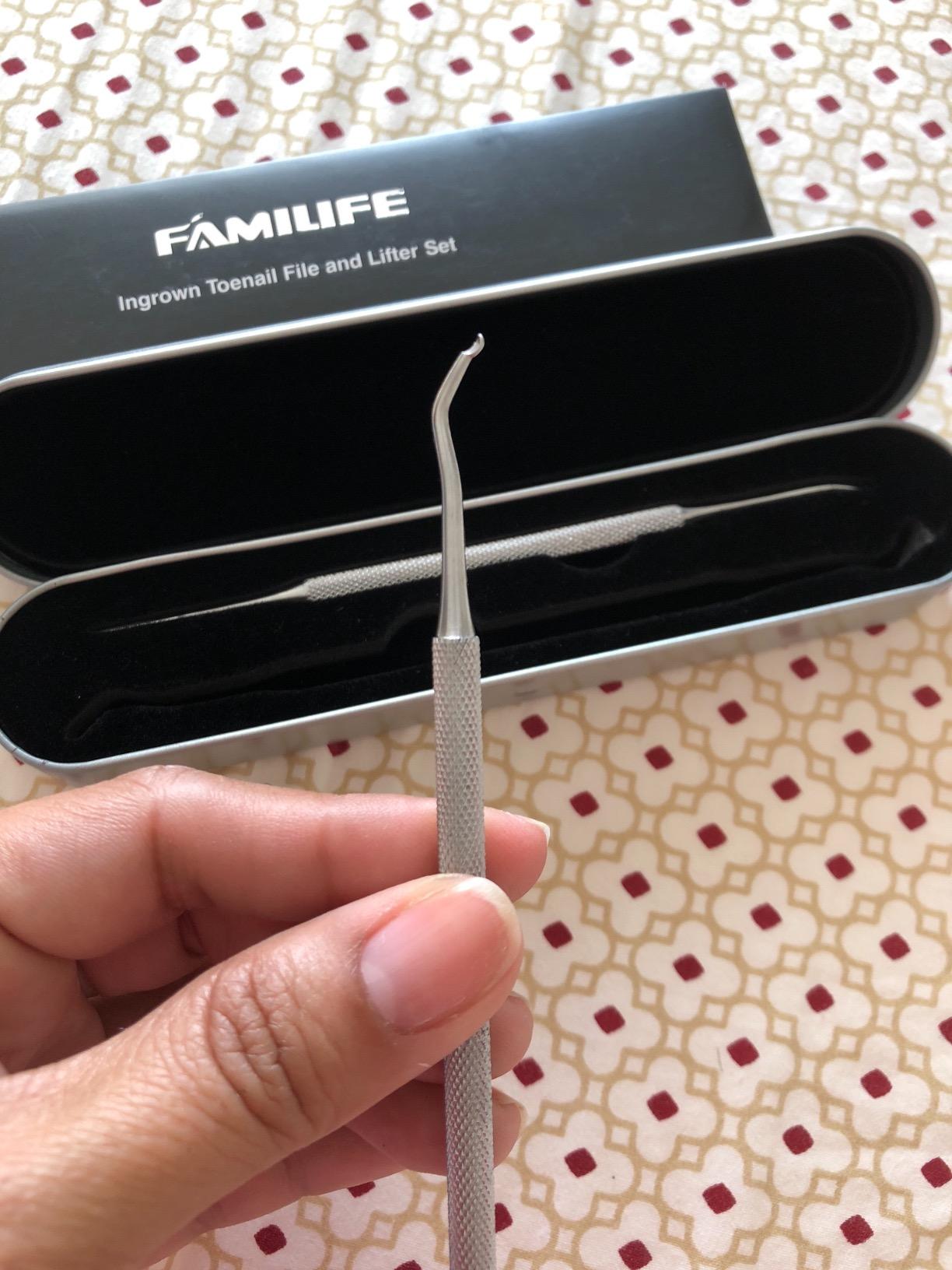
The ergonomic handle is described as reducing hand fatigue, and the smooth single spring gives a controlled, deliberate stroke rather than a fast snap, which suits people who are nervous about cutting. Maintenance is simple. Wipe the blades with alcohol or water after each use, and put a drop of paraffin oil on the joint now and then to keep the action smooth.
At 4.69 inches long with a 0.24 inch blade width and 2.08 ounces, it is compact despite the long cutting edge. The one complaint that comes up repeatedly is that some buyers find the tool smaller than they pictured from the listing, so check the dimensions before you commit.
Is a 16mm blade safe for a beginner
The edge length is not the risk factor, the position is. That much steel in the jaw means the tool can take a larger bite than you intend if you close the handles fully on the first pass. Treat it as a wide tool: shallow bites, move along the fold, and only close fully when the tissue is already softened and separated from the nail plate.
Why is the single spring a benefit here
A single spring returns less force than a double spring, so the tool does most of the work through your hand rather than through the mechanism. That gives you finer control on a hard fold, where too much force means a deep cut. The trade is that you may need two squeezes on the thickest sections rather than one, and the action feels slower than a double-spring tool.
5. FVION 9mm Full Jaw: Best for Small Hands
FVION Cuticle Clippers – Full Jaw Cuticle Trimmer with Rubber-Coated Handle, Sharp Nail Cuticle Cutter for Manicure and Dead Skin Removal – 9mm
9mm full jaw
Rubber-coated long handle
Rebound spring
Premium stainless steel
4.92 inch body
Pros
- 9mm full jaw covers a large area of the cuticle fold for faster trimming
- long rubber-coated handle gives a secure grip in a wet hand
- compact body suits small hands and small toiletry bags
- rebound spring returns smoothly
- 1593 owner reviews
Cons
- Smaller than expected for some owners
- very sharp for a tool at this level
- lower review volume than the leaders
The FVION solves a problem that gets overlooked. A full jaw is what thick cuticles need, but most full-jaw tools are long and heavy, and that combination is exactly what people with small hands struggle with. This one is 4.92 inches by 3.15 inches at 3.74 ounces with a long rubber-coated handle, and the coating is what gives you purchase on a wet or oily hand.
The rebound spring is described as providing a comfortable trim and easy use, and owners generally rate the stainless steel blades as very sharp. The stated purpose of the 9mm full jaw is speed, covering a larger cuticle area per cut, which matters if you are doing a whole foot rather than tidying up.
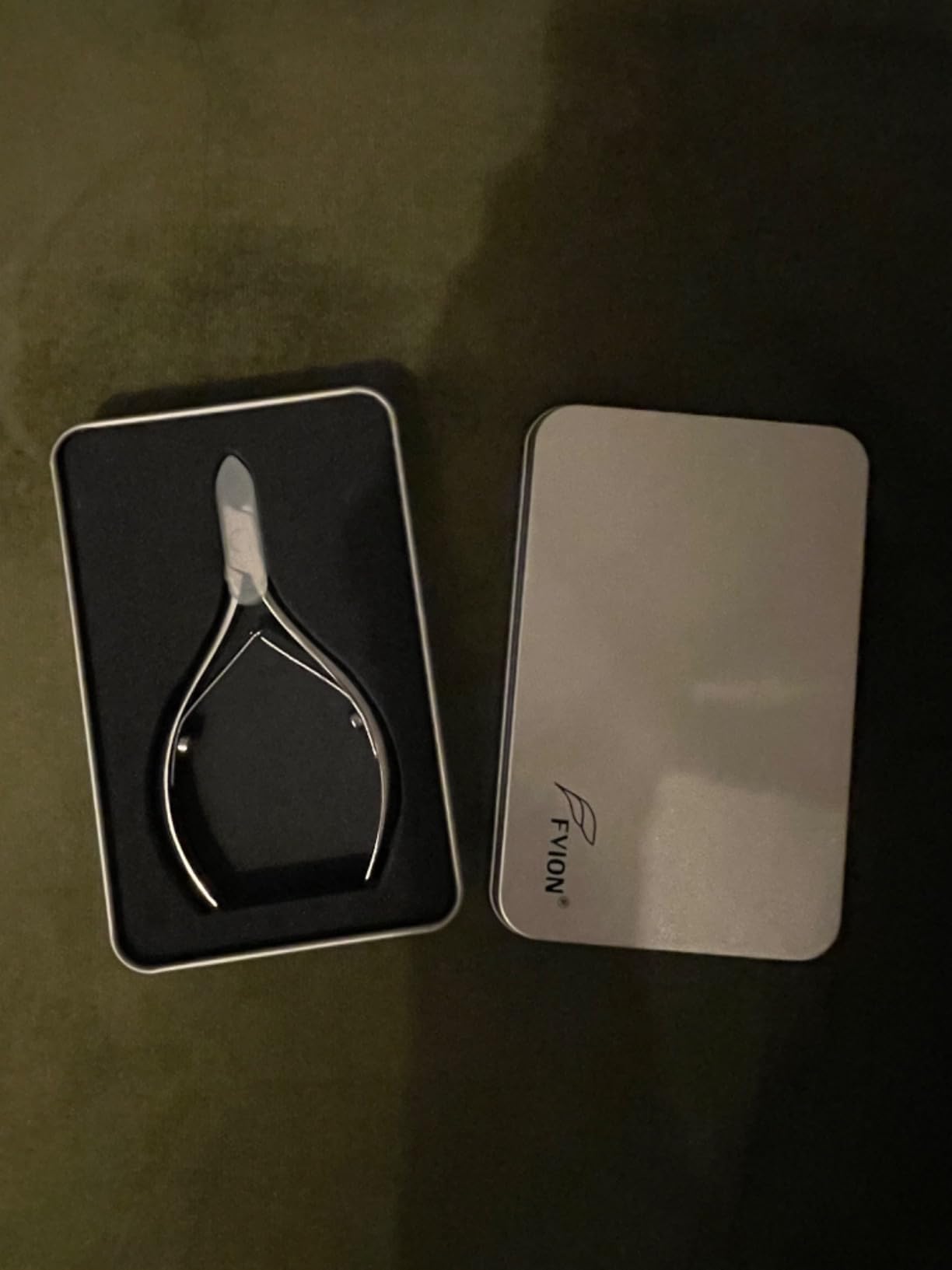
Across 1593 reviews it holds a 4.6 average, with the recurring positives being sharpness and grip. Colour variants include green, silver and black. The recurring complaint is size, with some owners saying the body feels smaller than the listing photos suggest, so if your hand is very small this is a good fit, and if you want more leverage per squeeze it is not.
It is also a sharp tool, and some beginners report that the edge is more aggressive than they expected. That is a handling point rather than a defect, but it does mean the first few passes should be on dead skin away from the nail edge while you get used to the bite.
Will a 9mm jaw manage very hard cuticle tissue
It will, provided the tissue has been softened. A 9mm full jaw sits between a 6mm full jaw and a 3/4 jaw in bite width, and the wider contact area means less force is needed to shear the tissue. On untreated hard cuticle, though, no jaw width saves you, because the tissue itself is the problem. Soak first, then trim.
Is this the right tool if you already have a bigger nipper
If you own a heavier full-jaw tool, this is the one to keep in the bathroom rather than the kit bag. Small body, coated grip and a light feel make it easy to reach for without thinking, which is exactly the frequency where a light full-jaw tool earns its place. It also suits travel, where a 4.92 inch body fits a handbag better than a longer professional nipper.
6. Staleks Classic 10 8mm: Best for Beginners
STALEKS CLASSIC 10 Cuticle Nippers, 8 mm, Inclined Edges with Heel
8mm cutting length
Inclined edges with heel
Medium M handles
Double spring
34 gram weight
Pros
- Inclined cutting edges with a protruding heel help you position the jaw accurately around the fold
- medium M handles give a stable grip for a beginner
- hand-sharpened edges and double spring give a soft consistent stroke
- same tool is available in 11mm and 14mm for growth ambidextrous
Cons
- Rated for home care
- the manufacturer does not intend this tool for professional sterilisation
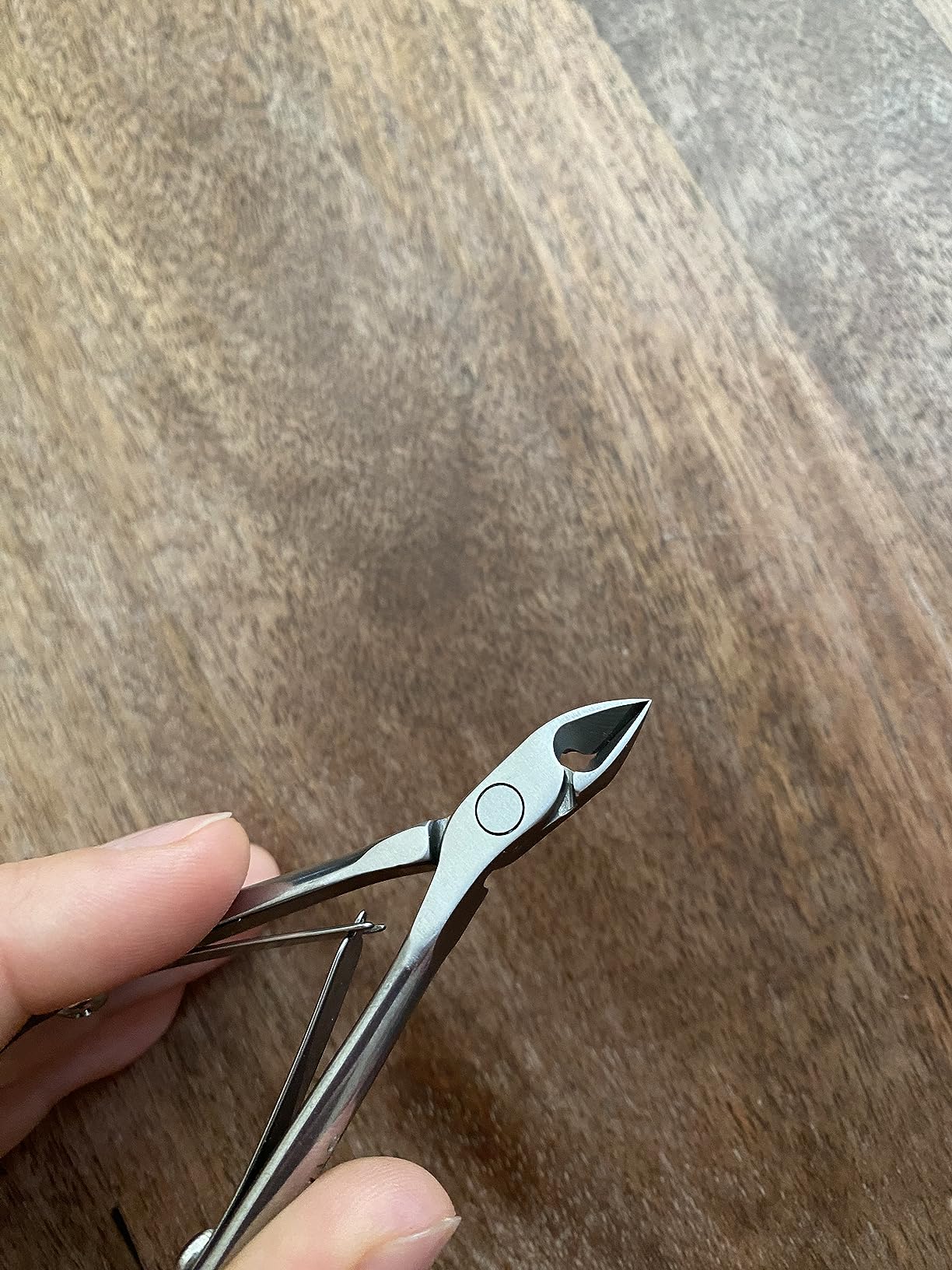
The Staleks is the calmest tool here to learn on, and the reason is geometry rather than softness. The cutting edges are inclined and carry a small protruding heel, which gives the jaw a natural stop and helps you line the tip up against the cuticle fold instead of guessing at the angle. That positioning cue is what makes a full-width tool manageable for a first-time user.
The 8mm cutting length is a sensible middle size. It is wider than a half jaw so it handles ordinary thickening, and narrower than a 3/4 jaw so it stays controllable. Owners also like the medium M handles, which give a stable grip, and the double spring, which produces a soft, consistent stroke rather than a sharp snap.
Blades are manually sharpened and the body is glossy stainless steel with GOI polishing for corrosion resistance, rated at 34 grams. Nail technicians with many years of experience recommend this model, and across 1031 reviews it holds a 4.7 average with repeated praise for the precision tip in tight corners. It is also sold in 11mm and 14mm versions, so the same tool grows with your cuticles.
There is one limitation to be honest about. The manufacturer specifies this model for home care with suitable disinfectants and states it is not intended for professional sterilisation, so if you are a working technician handling multiple clients you will want a tool with a higher sanitising rating instead.
Why is this the safest first nipper to buy
Two reasons, both practical. The inclined edge and heel give you a visual and physical reference for where the jaw sits, which reduces the chance of taking a live-tissue bite. And the double spring is tuned for a soft stroke, so the tool does not punish you for pressing slightly too hard on a first attempt.
Should you upgrade to the 11mm or 14mm version
If your cuticles are genuinely hard rather than just untidy, yes, and it is worth doing so later rather than at the start. Work with the 8mm while you build control, then move up one size when the trimming stops feeling uncertain. Several owners report multiple years of service, so there is no rush to change sizes early.
7. NGHIA D-07 Jaw 16: Best Jaw 16 for Salon Pedicure Work
NGHIA Cuticle Nipper – D-07 JAW 16 | Stainless Steel | Durable and Sharp | Ergonomic Design | Grey Plated | Ideal for Salons and Home Use
Jaw 16 at 6.5-7.5mm
Surgical-grade stainless steel
Double spring
3.94 inch short handle
Protective cap
Pros
- Jaw 16 is the widest head in the three-size D-07 range and cuts pedicure-scale tissue
- surgical-grade stainless steel with high anti-rust components
- hand-filed ultra-thin eagle mouth blades
- short handle suits smaller hands
- protective cap included
Cons
- Costs more than every other tool in the roundup
- the fine tip can be damaged if the tool is dropped
- smaller review base than the leaders
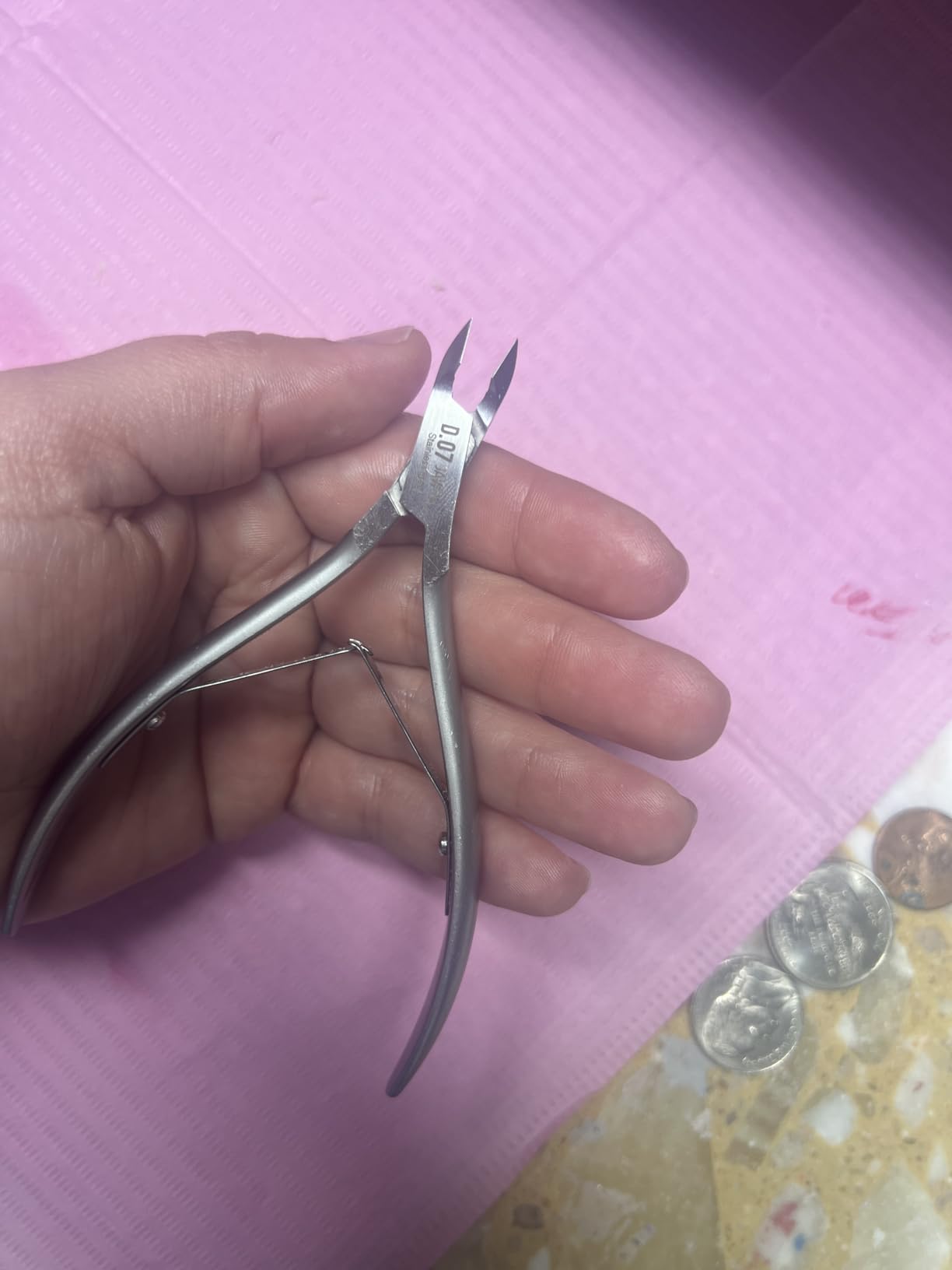
Jaw 16 is the number pedicure work is built around, and the D-07 is the tool that delivers it properly. The specified jaw width is 6.5 to 7.5mm, and the blades are hand-filed ultra-thin in an eagle-mouth shape, so the jaw bites into hardened tissue and lifts it rather than pushing it sideways. That is the difference between a clean cut and a torn one on a thick fold.
The steel is described as surgical-grade with high anti-rust components, which matters for a tool that lives near warm water, and the double spring gives a smooth, consistent opening and closing motion. Owners report roughly six months of professional daily use before the edge needs attention, and the manufacturer states the model is chosen by professional nail technicians.
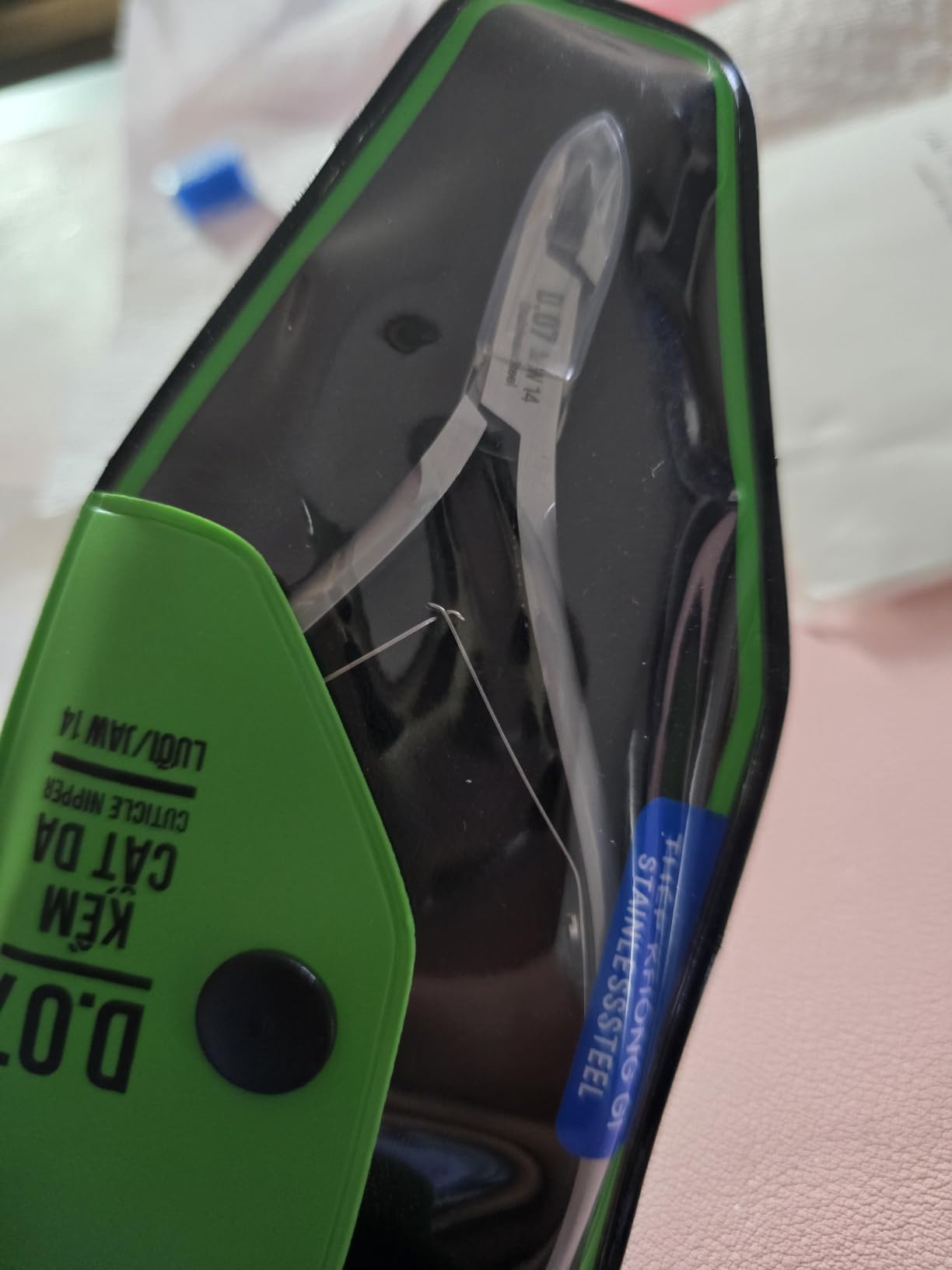
Owners rate this 4.8 across 561 reviews, the highest average in our group, and the same D-07 body is available in Jaw 12, Jaw 14 and Jaw 16, so you can match the head to the job rather than replacing the whole tool. It comes with a protective cap, and the short 3.94 inch handle is a specific benefit for smaller hands that struggle with longer pro bodies.
Two cautions. It is one of the costlier tools in the roundup, and the ultra-thin tip is the first thing to damage if you drop the tool onto a hard floor, so a case matters more here than with a blunter head. On r/Nails and r/RedditLaqueristas the same model is frequently described as sharp and well priced relative to other pro nippers.
Is Jaw 16 too aggressive for soft hands cuticles
For fingers, yes in the sense that it is overkill. A Jaw 16 is sized for toenail folds and genuinely hard tissue, and on a soft hand cuticle you would be using a lot of steel to remove very little material, which is how people end up cutting too deep. Many technicians use it for feet only and switch to a smaller head for fingers.
How long does the edge stay sharp
Owners with professional daily use report around six months before the edge needs work, which is a reasonable cycle for a tool in constant service. Test the edge on a scrap of dead skin or on a piece of tough paper rather than on your own cuticle. If it tears instead of shearing, it is time to have it sharpened rather than pressing harder.
8. Makartt Pink Full-Jaw Nipper: Budget Pick
Makartt 1-Pack Pink Cuticle Nipper, Precision Full-Jaw Trimmer
Full jaw eagle mouth blades
Double spring
Sterilizable stainless steel
4.2 inch body
0.3 inch cutting blade
Pros
- Full jaw eagle mouth blades that are hand-filed ultra-thin
- stainless steel can be sterilized without rusting
- compact 4.2 inch body suits travel and a handbag
- double spring keeps the action smooth
- lightweight at 1.76 ounces
Cons
- Some owners report breakage after about a month
- durability does not match the premium brands
- small 504-review base
This is the option for occasional trimming, a travel kit, or anyone who wants to try cuticle nippers without committing to a pro tool. Despite the entry level, the blades are a genuine full jaw in an eagle-mouth shape, hand-filed ultra-thin, and the double spring gives smooth action with an ergonomic grip for control while cutting.
Owners like that the stainless steel can be sterilized without rusting, and the maintenance routine is simple. Wipe the blades with alcohol or water after use, and occasionally lubricate the moving joint with paraffin oil to keep it smooth over time. At 4.2 inches long, 2.3 inches wide with a 0.3 inch cutting blade, and 1.76 ounces, it is the most portable tool here.
It also comes in several colour and pack variants, which makes it easy to find a two-pack if you want one in the bathroom and one in a kit. Across 504 reviews it holds a 4.5 average, and the recurring positives are sharpness and how easy it is to live with.
The durability feedback is the honest limitation. Some owners report pieces breaking after about a month, and compared with the surgical-grade tools higher up the list the edge retention and build are clearly a tier below. Treat it as a replaceable occasional tool rather than a buy-it-for-life purchase.
Do cheap nippers dull quickly
They dull at the edge rather than bending, and the edge is the part that matters. If it crushes and tears instead of cutting, the tool has lost its bite and pressing harder will only hurt you. This is the most common reason owners report a bad experience with budget nippers, and it is the reason we rank build and steel grade first in this roundup.
When is this the right choice
Pick it if you trim once a month, if you travel, if you want a spare in a second bathroom, or if you are not yet sure you will keep up a routine. It is not the choice if you trim every week or if hand fatigue is a concern, because light tools need less force but also do less per squeeze.
How to Choose a Cuticle Nipper for Thick Cuticles
A cuticle nipper is a small spring-loaded tool for trimming dead cuticle tissue and hangnails around the nail fold. A nail nipper or clipper is for cutting the nail plate itself, which is much harder. If your problem is the skin around the nail, a cuticle nipper is the right category of tool. If your problem is a nail that will not cut, you need a heavy nail clipper or nippers, and no cuticle tool will help.
Jaw size is the factor that decides whether a nipper cuts or crushes
Jaw size is quoted either as a model number or as a cutting length in millimetres. Half jaw and 3/4 jaw describe how much of the cutting edge is usable, while 8mm, 9mm, 6mm and 16mm describe blade length. For genuinely thick, hardened tissue, go as wide as your control allows.
Half jaw, roughly 4 to 5mm: hangnails and tight side corners, not thick folds.
Jaw 12 and 8mm class tools: routine maintenance and moderate thickening.
Jaw 14, 9mm and 6mm full jaw: the sweet spot for most people with thick cuticles.
Jaw 16, 6.5 to 7.5mm: the pedicure and very hard tissue end of the range.
16mm blade length: unusually long cutting edge for bulk removal and ingrown edges.
Forum discussion in r/C8NailSupply reflects a preference among professional users for a thicker handle combined with a smaller jaw, which is worth weighing against the widest-head advice. Our compromise: wide jaw for bulk, narrow jaw for corners, two tools.
Full jaw vs half jaw: which one you should buy
A full jaw bites a wide strip of the cuticle fold in one squeeze and needs less force. A half jaw gives you a narrow pointed tip for reach and control. For thick cuticles, full jaw wins. For beginners, a mid-size jaw with inclined edges and a heel, such as the 8mm Staleks, is the easiest place to start.
Full jaw and half jaw are not the only design variable. The lap joint, the area where the two blades overlap, is described as semi-circle, square or round. A semi-circle lap joint is the most common on these nippers and gives a gradual bite, which is forgiving on thick tissue. Square and round joints change where the tips meet and shift the feel of the cut.
Stainless steel, carbon steel and Solingen steel compared
Every one of the eight tools here is stainless steel, and for thick cuticles that is the right call. Stainless resists rust, survives repeated disinfection and does not need oiling to prevent corrosion. Carbon steel holds an edge marginally longer but rusts quickly if it is not dried after use, and Solingen steel is a premium German designation associated with hand finishing and a higher build cost.
The thing that separates premium tools is not the steel name but the finishing. Hand-filed ultra-thin blades and hand-sharpened cutting edges line up cleanly and shear. Machine-finished cheap blades leave a small misalignment that shows up as crushing. Judge an edge by whether it cuts or tears, not by the label.
Single spring vs double spring and handle shape
A double spring adds closing force, so thick tissue parts in one squeeze and hand fatigue drops on pedicure work. A single spring gives a lighter, slower, more controlled stroke, which some owners with arthritis or a shaky grip prefer. Handles come in straight, semi-curved and curved shapes; the curved M-style handles on the Staleks and Nghia models are chosen to sit in the palm rather than be pinched.
One more practical point: keep a cuticle nipper for the fold and a separate pusher for pushing back. Our cuticle pusher guide covers the metal, wooden and glass options, and the sequence matters, because pushing softened tissue back before trimming removes most of what you would otherwise have to cut.
How to Soften Thick Cuticles Before You Cut
Hardened cuticle resists any blade, and this is where most disappointing trimming experiences start. Softening is not optional for thick tissue, and the more of this routine you do, the less metal you need to touch.
Soak or shower. Ten minutes of warm water softens the fold and is the single most effective step. Work straight out of the shower with towel-dry hands, which is also the timing that nail professionals on r/Nails consistently recommend.
Apply a cuticle oil, cream or gel remover. Massage it into the fold for a minute and leave it while you do something else. Gel remover formulas are designed to break down dead cuticle tissue rather than just lubricate it.
Dry the hand properly. Wet skin cuts badly and a wet handle is slippery. Pat the fingers and the fold completely dry before you pick up any tool.
Push the softened fold back. A metal pusher or an orange stick moves loose dead tissue away from the nail plate without cutting anything, and it removes a large share of what you were about to trim.
Trim only what stands proud. Take small bites along the edge with the wide jaw, then finish the corners with a half jaw. Stop as soon as the tissue stops being loose.
Stop rules. Stop if the tissue does not lift away cleanly, if you feel resistance that suggests you are near the nail bed, if you are bleeding, or if the skin around the nail is red, swollen or hot. Bleeding that does not stop after ten minutes of firm pressure needs medical attention, and redness spreading from the nail fold is a reason to see a professional the same day.
Two groups should not be cutting cuticles at all. If you have diabetes, poor circulation, reduced feeling in your hands, or a current infection anywhere near the nail, book a professional instead. For everyone else, a recurring message on r/Nails is that nippers are the wrong default tool at home, and a pusher, cuticle oil and a gentle trim only when the tissue is already loose is the safer long-term routine. A wider jaw makes the job easier, but it also makes a mistake bigger.
Frequently Asked Questions
What is the best jaw size for a cuticle nipper?
What are the key differences between a full jaw cuticle nipper and a half jaw cuticle nipper?
What cuticle nippers do professionals use?
Does cutting cuticles make them thicker?
I cut my cuticle too deep. What should I do?
What are the risks of using cuticle nippers?
Final Verdict: The Best Cuticle Nippers for Thick Cuticles in 2026
For thick, hardened cuticles the opove X7 with its three-quarter jaw and hand-filed stainless blades is our pick for 2026, backed by the largest owner base in the category. Add the FERYES 6mm full jaw if you want the built-in pusher, the NGHIA D-07 Jaw 16 for pedicure work, and the Tweezerman half jaw for side corners.
Whichever you choose, soften the tissue first, trim only what is loose, and stop when it tears.