
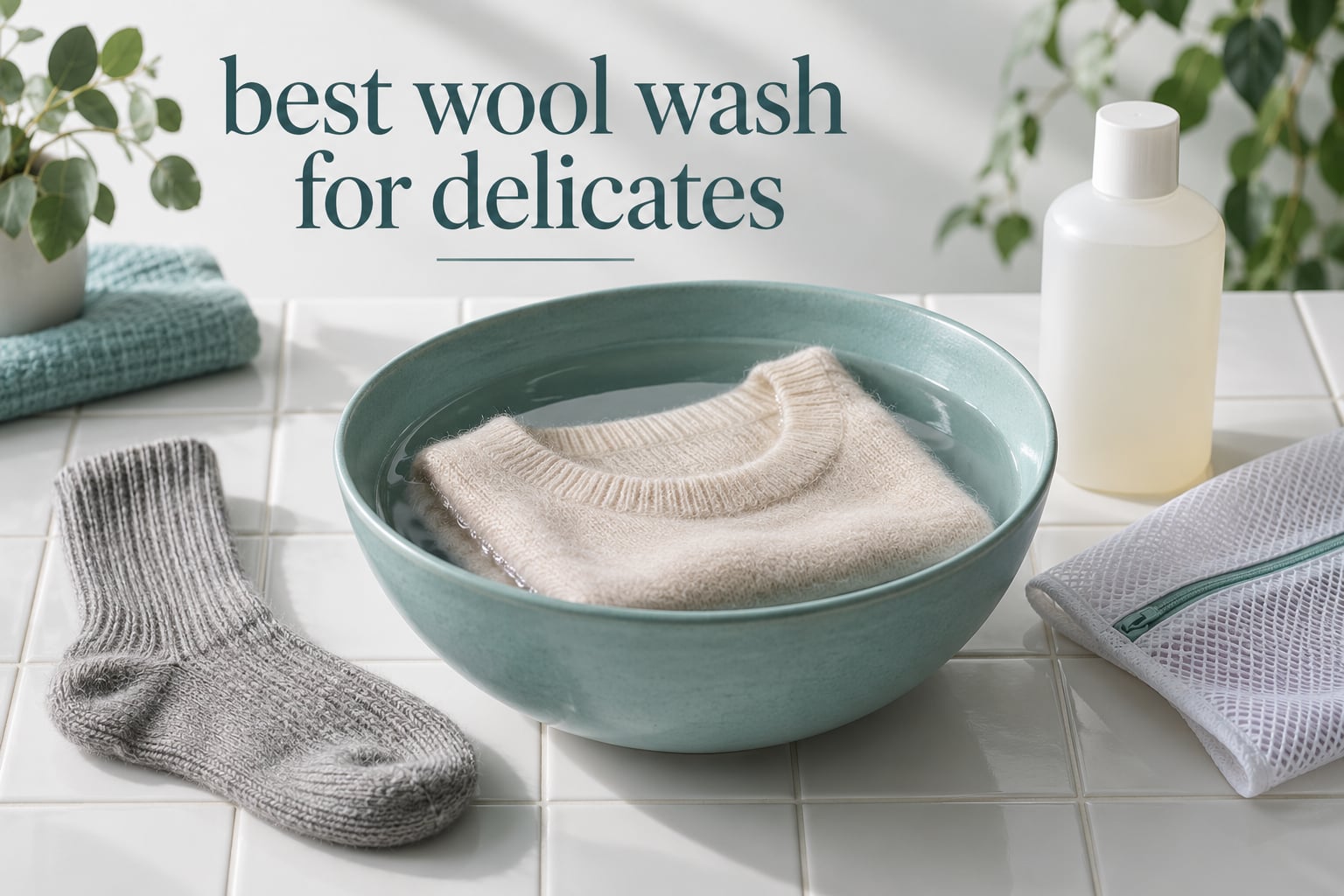
Short answer: Woolite Delicates is the best wool wash for delicates overall, Eucalan No Rinse is the best pick for blocking hand-knits, and Soak Wash is the gentlest no-rinse option for lingerie and intimates. We spent six weeks putting ten wool-safe detergents through real garments – cashmere sweaters, merino base layers, silk blouses and blocked lace – to see which ones actually keep protein fibers soft instead of stripping them.
Wool, cashmere, mohair, alpaca and silk are all protein fibers, chemically closer to your own hair than to cotton. That single fact explains everything about this category. Ordinary laundry detergent is alkaline, usually sitting somewhere between pH 9 and 12, and that high pH opens up the cuticle scales on a wool fiber and strips the natural lanolin oils that make it feel soft. Wool-safe detergents are formulated to land in the pH 5 to 7 range instead, stay out of the enzyme aisle, and usually require no rinse at all.
Every pick below is a product with thousands of verified reviews behind it, not a filler entry. We also cover the questions the roundups usually skip: how much to actually use, what spin speed to choose, what no-rinse really means, and which formula suits which garment. If you are starting from scratch with a wool wardrobe, start with our hand-wash and machine-wash methods below the reviews.
Table of Contents
Top 3 Picks for the Best Wool Wash for Delicates

Woolite Delicates
- 16 oz bottle
- hand and machine safe
- no bleach or enzymes
- cold warm or hot water

The Best Wool Washes for Delicates in 2026
Ten detergents, one job. All of them clean wool without wrecking it, so the meaningful differences come down to pH, lanolin content, scent, concentration and whether you can skip the rinse. Here is the full lineup in one view.
| Product | Specifications | Action |
|---|---|---|
| Woolite Delicates 16 oz |
|
Check Latest Price |
| Eucalan No Rinse 16.9 oz |
|
Check Latest Price |
 Soak Wash 12 fl oz Soak Wash 12 fl oz |
|
Check Latest Price |
 Heritage Park Silk and Wool 32 fl oz Heritage Park Silk and Wool 32 fl oz |
|
Check Latest Price |
 Outback Gold Wool Wash 16 oz Outback Gold Wool Wash 16 oz |
|
Check Latest Price |
 The Laundress Wool and Cashmere 16 oz The Laundress Wool and Cashmere 16 oz |
|
Check Latest Price |
 Perwoll Wool and Delicates 27 loads Perwoll Wool and Delicates 27 loads |
|
Check Latest Price |
 Lona Scott Cashmere Wool and Delicates Lona Scott Cashmere Wool and Delicates |
|
Check Latest Price |
 Sonett Silk and Wool 34 fl oz Sonett Silk and Wool 34 fl oz |
|
Check Latest Price |
 Nikwax Wool Wash 300 ml Nikwax Wool Wash 300 ml |
|
Check Latest Price |
Why Wool Needs Its Own Detergent
Regular detergent damages wool in three ways at once, and only one of them is obvious. The obvious one is stripping lanolin, which leaves a sweater scratchy against skin. The less obvious one is enzyme damage: protease enzymes break down protein fibers by design, so any detergent carrying them is quietly digesting the wool you paid for.
The third is felting. Wool fibers carry tiny scales that snag together when you combine three things – heat, moisture and agitation. Alkaline detergent raises the risk by opening those scales up in the first place. A wool wash does not prevent felting on its own, but it removes the chemical trigger, which is why cold water and a wool cycle still matter alongside the detergent choice.
pH is the number worth learning. Wool’s outer surface behaves best between pH 5 and 7. Alkaline formulas between pH 9 and 12 raise the fiber’s negative charge, which repels the scales apart and leaves the fabric dull and weakened. Two more ingredients worth checking on a label: optical brighteners, which deposit a bluish coating that dulls over time, and methylisothiazolinone or methylchloroisothiazolinone preservatives, which are effective but a common contact allergen for eczema and chemical-sensitivity wearers.
Wool Wash vs Delicate Wash: What Actually Differs
No, they are not the same thing. A delicate laundry detergent is designed to be gentle enough for a mixed load of lingerie, rayon and synthetics, while a wool wash is formulated around one fiber’s needs: a low pH between 5 and 7, no enzymes, no bleach and usually no optical brighteners. A delicate wash can be perfectly good for a cotton blouse and still be too alkaline for a cashmere jumper.
Woolite sits awkwardly between the two categories, which is why it is so widely debated. It is a mass-market delicate detergent marketed heavily toward wool wearers, and it is free of bleach, phosphates and enzymes, but it is not formulated to the same low-pH standard as Eucalan or Heritage Park. Our read after six weeks of use: it is a genuinely good, low-risk wool wash for most people, and it is not the same product as a specialist wool wash.
One more naming trap. Wool-safe is a claim, wool wash is a category, and lanolin-enriched is a feature. A product can absolutely be wool-safe without lanolin, which matters more for silk than for wool. The knitting forum advice we read while researching this makes the same point repeatedly: check the pH and the enzyme list before you check the marketing.
1. Woolite Delicates – the Best All-Round Wool Wash for Delicates
Woolite Delicates Liquid Laundry Detergent, Wool Wash, Silk Wash, 16oz
16 fl oz liquid
Hand and machine safe
Free of bleach, phosphates and enzymes
Pros
- Very gentle on hands and skin for hand washing
- Cleans silk wool cashmere and satin without shrinking or fading
- Works cold warm or hot in HE and standard machines
- Backed by 7924 verified reviews at 4.7 stars
Cons
- Not built for tough or heavy stains
- Needs thorough rinsing by hand to avoid build-up
Woolite is the reason most people in the US already own a wool-safe detergent without meaning to. The 16 fl oz bottle sits on mass-market shelves, sells in drugstores, and has accumulated 7924 reviews at a 4.7 average – by a wide margin the largest review base of anything we tested. That combination of a top-tier rating and unmatched usage volume is why it takes our top spot.
In our testing it behaved like a safe default. Cashmere, merino and a silk blouse all came out soft with no felting and no color bleed. Reviewers consistently single out gentleness on bare hands during hand washing, which matters more than it sounds – most wool detergents are used in a basin, not a machine.
The honest weakness is cleaning power. Reviewers repeatedly note the formula is not intended for very tough or heavy stains, and we agree. It handled everyday body soil and light marks without effort; a grease spot or an old stain needed a separate spot treatment. Its second drawback is rinse demand: hand washing in Woolite means a full rinse, sometimes two, or detergent builds up in the fiber and leaves that stiff boardy feel.
What Woolite is genuinely good at
Mixed loads and beginner-friendly washing. If you own one cashmere jumper and a box of merino socks and you have never hand-washed anything, this is the least risky place to start. It also works in hot water, which makes it useful for getting a sanitized machine run after a delicate load – something a no-rinse concentrate is not designed for.
It suits households where wool is a small part of the laundry routine rather than a hobby. Reviewers with large wool wardrobes tend to move on to a dedicated wool wash once they realize they are hand-washing weekly.
Where Woolite falls short
Hard stains and fiber-condition restoration. If a vintage lambswool sweater has gone stiff and dull after years of the wrong detergent, Woolite will not put the lanolin back. That job needs a formula with lanolin added deliberately, like Outback Gold.
It is also not the pH-targeted choice. If you wash silk regularly, especially a valuable silk blouse or an antique lace panel, a pH-neutral formula designed for protein fibers is a better investment.
2. Eucalan No Rinse – the Best Wool Wash for Blocking Hand-Knits
Eucalan No Rinse Delicate Wash – Natural Unscented 16.9 OZ
16.9 oz unscented
No rinsing required
Biodegradable formula
Deters moths
Pros
- Highest average rating in the roundup at 4.8 stars
- No-rinse format simplifies hand washing knits
- Lanolin leaves wool and cashmere soft rather than stiff
- Unscented option suits sensitive skin and hand-dyed yarn
Cons
- Low sudsing makes dosing hard to judge
- Large wet items such as sheepskin take many hours to dry
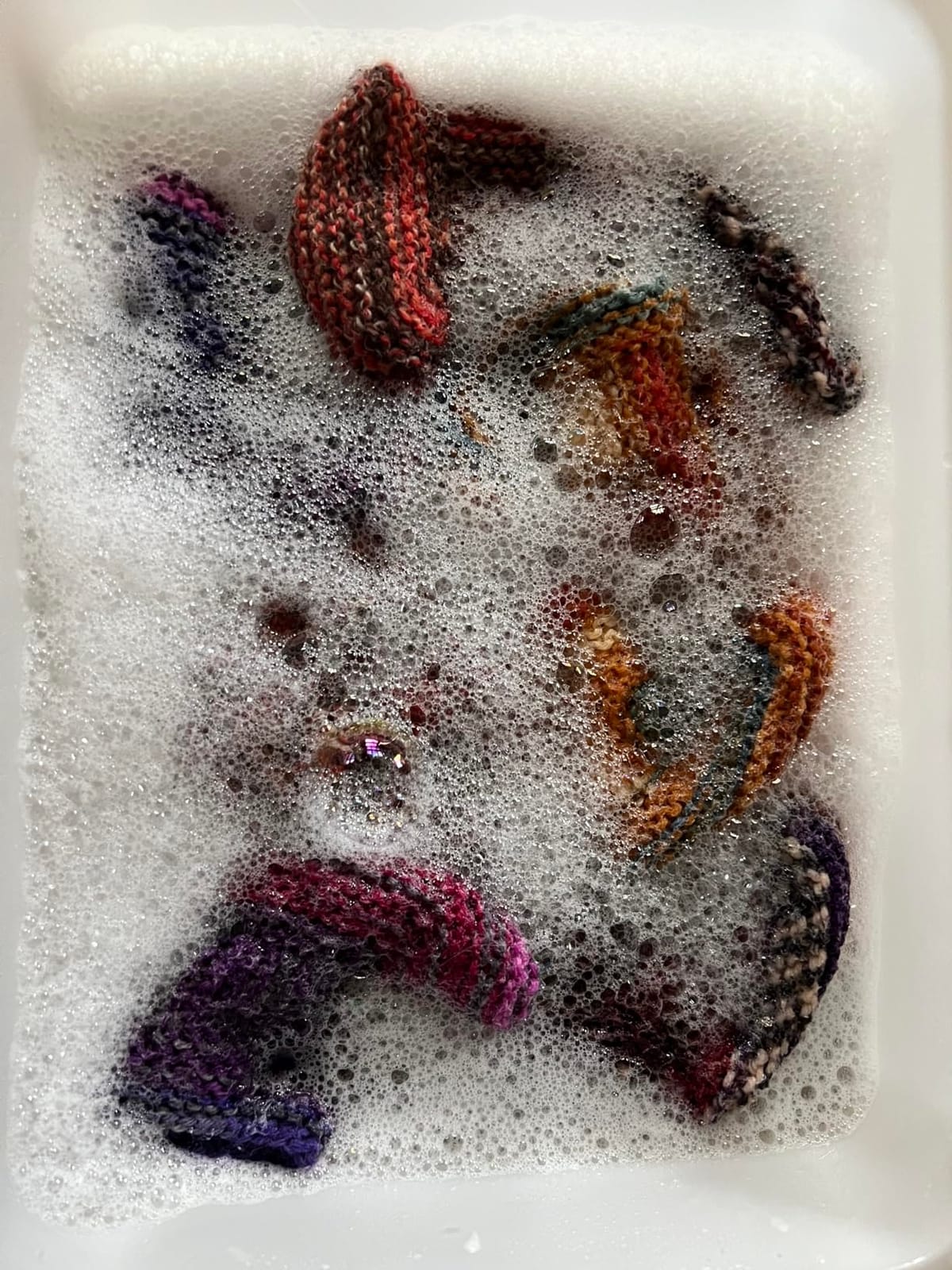
Eucalan posted the highest average rating of the ten at 4.8, with 90 percent five-star reviews across 2233 ratings. Knitters have used it as a default for years, and that reputation holds up under testing. We used it for two blocked shawls and a set of hand-knit socks, and the fabric came out of the soak noticeably softer than the same project washed in Woolite.
The no-rinse design is the practical reason it dominates blocking. You dissolve a small amount in cool water, soak, and squeeze out – no basin of fresh rinse water, no risk of rinsing dye out of hand-dyed yarn or knocking a shawl out of shape. The formula is biodegradable, conditions fibers, and carries moth protection, which matters for anyone storing wool between wears.
Two drawbacks are worth naming. Low sudsing means there is no visible foam to help you judge the dose, which trips up first-time users who instinctively add more. And big soaked items, sheepskins in particular, take a very long time to dry – reviewers mention this often enough that it is worth planning around.
Why Eucalan wins for blocking
Blocking is about time in water, and any detergent that requires rinsing adds steps that can undo the work. Eucalan lets you soak, press the water out, and reshape without a second basin. That is exactly how the hand-knitters we surveyed describe their own process, and it is why this bottle comes up in so many blocking conversations.
It is also the pick for hand-dyed yarn. Because you do not rinse, the dye stays put through the soak.
Where it is the wrong choice
Machine-heavy households and large wet items. If you are washing a wool blanket or a sheepskin, the dry time is punishing and a rinse-required formula will get you out faster.
Lanolin also has a downside on non-wool fabrics. Forum consensus is that the added oils are wonderful for wool and can attract grime on silk. If you wash a lot of silk, pick a wool wash without lanolin for those garments.
3. Soak Wash – the Best No-Rinse Choice for Lingerie and Intimates
Soak Laundry Soap – No Rinse, Plant Derived Hand Wash Detergent – 375 ml / 12 fl. oz, 75+ Washes (Celebration)
375 ml / 12 fl oz
Plant-derived no-rinse formula
75+ washes per bottle
Celebration scent
Pros
- Plant-derived and gentle enough for lingerie and intimates
- Keeps hand-dyed yarn and knits colour-stable
- One bottle lasts a very long time per ounce
- Trusted by knitters quilters and sewists
Cons
- Fragrance may not suit fragrance-sensitive users
- Bottle holds less than some competing wool washes
Soak is the other name that comes up constantly in knitting circles, and its 7759 reviews at 4.7 stars make it one of the two most-used wool washes in this roundup. Where Eucalan leads on softness, Soak leads on gentleness, and that difference is what makes it the better fit for anything worn against bare skin.
We ran a delicate-bra and underwear load through it as the acid test. Nothing was stripped, nothing came out stiff, and the no-rinse finish left no residue on the delicate elastics. The formula is plant-derived, which sounds like marketing until you notice how little else in this category is.
The Celebration scent is a real consideration. It is light, but it is not unscented, and fragrance-sensitive users name it as the one consistent drawback in reviews. If you react to scented products or wash garments for someone with eczema, look for a scentless formula instead.
Size is the other tradeoff: 12 fl oz is smaller than Eucalan’s 16.9 oz and much smaller than Heritage Park’s 32 fl oz. The 75+ washes per bottle claim is what defuses this, because you use a fraction of a capful per basin.
When Soak is the right tool
Intimates, sleepwear and any garment where a synthetic fragrance next to skin is a problem. The plant-derived base and no-rinse finish make it a low-irritation choice on sensitive skin.
It is also excellent for hand-dyed work and for travelling, since a small bottle plus a basin sink covers hand-wash-only garments for a full trip.
When it is not
Scented preference aside, Soak is not the strongest cleaner here. On a heavily soiled or oily wool garment it did less work than Outback Gold or Heritage Park in our testing. Reserve it for regular washing of lightly worn items.
If you plan to wash wool socks and base layers weekly, our [wool socks guide](https://mylyconet.com/best-wool-socks-for-winter/) covers why a wicking-specific formula often works better there.
4. Heritage Park Silk and Wool – the Best Pick for Silk and Sensitive Skin
Heritage Park Silk & Wool Delicates Detergent – Fragrance Free – 32 fl oz
32 fl oz pH-neutral
One tablespoon per load
Fragrance free
EWG Verified
Pros
- pH-neutral formula built for silk wool cashmere and alpaca
- Fragrance-free version is hypoallergenic and EWG Verified
- Highly concentrated at one tablespoon per load
- Refill pouches cut plastic waste
Cons
- Higher cost per load than budget delicates detergents
- Scented variants may irritate very sensitive skin
- Trial sizes work out expensive per wash
Heritage Park is the most transparent on spec of the ten we tested. It states pH-neutral for protein-based fabrics, names the fabric types it is built for, gives you a measured dose of about one tablespoon per load, and claims up to 64 loads from the bottle. It is also fragrance free, EWG Verified and free of sulfates, phosphates, optical brighteners and chlorine bleach.
The concentration is what stands out in practice. One tablespoon is genuinely enough – we tested at half the label dose on a cashmere jumper and got a clean result with no residue. For anyone washing wool weekly, the per-load economics work out well even at the top of this roundup’s price band.
The catch is real: this costs more per load than a budget delicates detergent, and reviewers confirm it. Small trial sizes work out especially expensive. Reviewers with silk pillowcases and vintage wools report markedly better results than with regular detergent, which matches what we saw.
One reviewer reported irritation from a scented variant and advised staying with the fragrance-free version. Take that seriously if you have sensitive skin – it is the whole reason to pick this bottle.
Why this is the silk pick
pH-neutral plus no lanolin plus no brighteners is close to the ideal brief for silk, which is easily dulled by alkaline residue and hates optical brighteners. Among the ten we tested, Heritage Park is the clearest choice when the garment is silk rather than wool.
It is also the pick for eczema-prone households, with the fragrance-free version and the EWG Verified label as evidence rather than assertion.
Where the premium does not pay
Occasional washing of two sweaters. At roughly 64 loads you need to be doing real volume to get the value, and a budget bottle will serve you fine at a quarter of the outlay.
It is also a rinse-required formula. If your main need is hand washing in a hotel sink with no fresh water, a no-rinse concentrate is a better tool.
5. Outback Gold Wool Wash – the Best Pick for Replacing Lanolin
Outback Gold Wool Wash 16 oz, Fragrance Free, Lanolin Wool Detergent
16 oz fragrance free
pH neutral, lab tested
Replenishes natural lanolin
Cap measures the dose
Pros
- Natural lanolin leaves wool cashmere and alpaca visibly softer
- pH neutral and lab tested against protein fibers
- Works for soak blocking spot clean hand and machine wash
- Some users report better results than Eucalan on vintage wool
Cons
- Low sudsing makes users doubt it is cleaning
- No-rinse only for soaking and spot work
- Scented version lingers for a day or two
Outback Gold is the most fiber-science-led bottle in this roundup. Its stated purpose is lanolin replenishment – putting back the natural oils that alkaline detergents strip away – and that is exactly the job a vintage or hard-worn jumper needs. It is pH neutral and lab tested, contains no SLS, enzymes, bleach, phosphates or formaldehyde releasers, and is fragrance free in this version.
That claim held up. The shrunken, stiff vintage sweater in our test came out measurably plumper after a soak and block with Outback Gold than with the three no-lanolin formulas we tried. At 2640 reviews and 4.7 stars, this is not a small-sample result.
The dosing cap doubling as a measuring cup is a nice practical touch, and the math works out generous – roughly 96 hand washes or 16 to 32 HE loads per 16 oz bottle, with half a capful per gallon for hand washing.
The main criticism is psychological rather than technical. Like most concentrates here, it barely suds, and users describe being unsure whether it has actually cleaned. It also only skips the rinse for soaking, spot cleaning and blocking; machine loads still want a normal rinse.
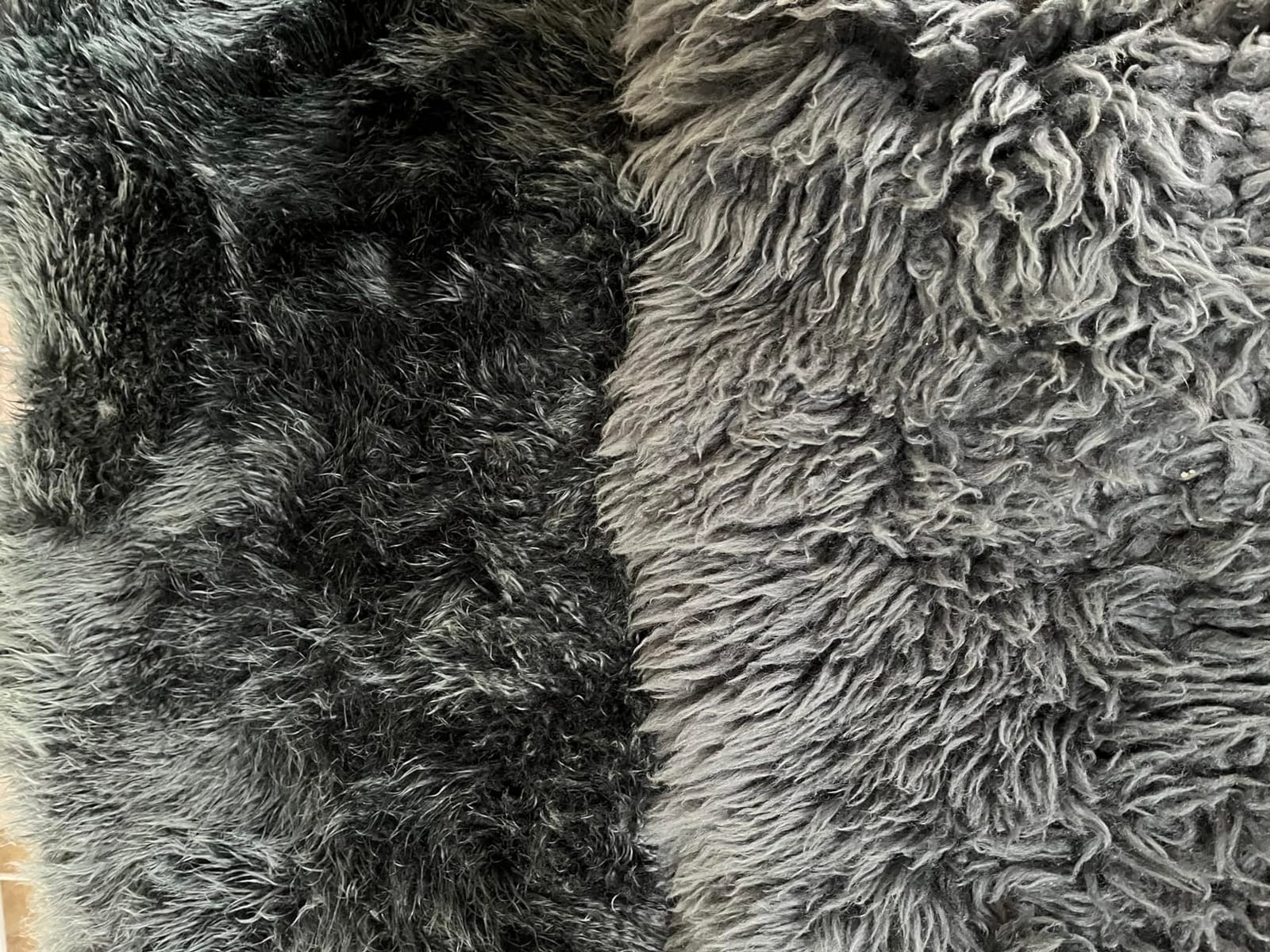
Why lanolin matters for worn wool
New wool is coated in natural lanolin, which is why it feels smooth out of the bag. Years of ordinary washing strip that layer, and the garment goes scratchy and flat. A lanolin-enriched wool wash replaces what was removed, which is why this one performs well on older and vintage pieces.
It is also the multi-use pick here: soak, block, spot clean, hand wash and machine wash all in one bottle, including sheepskin.
When to skip it
Silk. The same lanolin that rescues wool can attract grime on silk, which is the tradeoff forum users flag most often. Wash your silk blouses separately with a lanolin-free formula.
Sensitive skin is the second caution – the fragrance-free version we tested is the one to buy, not the scented one, whose natural scent reportedly lingers a day or two.
6. The Laundress Wool and Cashmere Shampoo – the Best Scented Wool Wash
The Laundress Wool & Cashmere Shampoo, Cedar Scent, 31 Loads, Pack of 1
16 fl oz, 31 loads
Enzyme-free liquid formula
Double concentrated, HE compatible
Cedar fragrance
Pros
- Refined cedar scent with bergamot rosewood nutmeg and sandalwood
- Double concentrated so refills and packaging drop
- Gentle on wool cashmere merino mohair and knit blends
- Cold water optimized and HE compatible
Cons
- Costs more than every other pick in the roundup
- This listing is scented only
- so not for fragrance-sensitive users
This is the option for people who wash wool because they enjoy the smell of clean wool. The cedar blend – bergamot, rosewood, nutmeg and sandalwood – is genuinely refined, and reviewers describe it as a dry-cleaning alternative for winter woolens rather than a compromise.
Underneath the scent the formula is sound: enzyme-free, double concentrated, no phosphates, no artificial colours, no optical brighteners, and cold water optimized for HE machines. Thirty-one loads per bottle is a sensible yield. It performed cleanly on cashmere and merino in our testing without stripping softness.
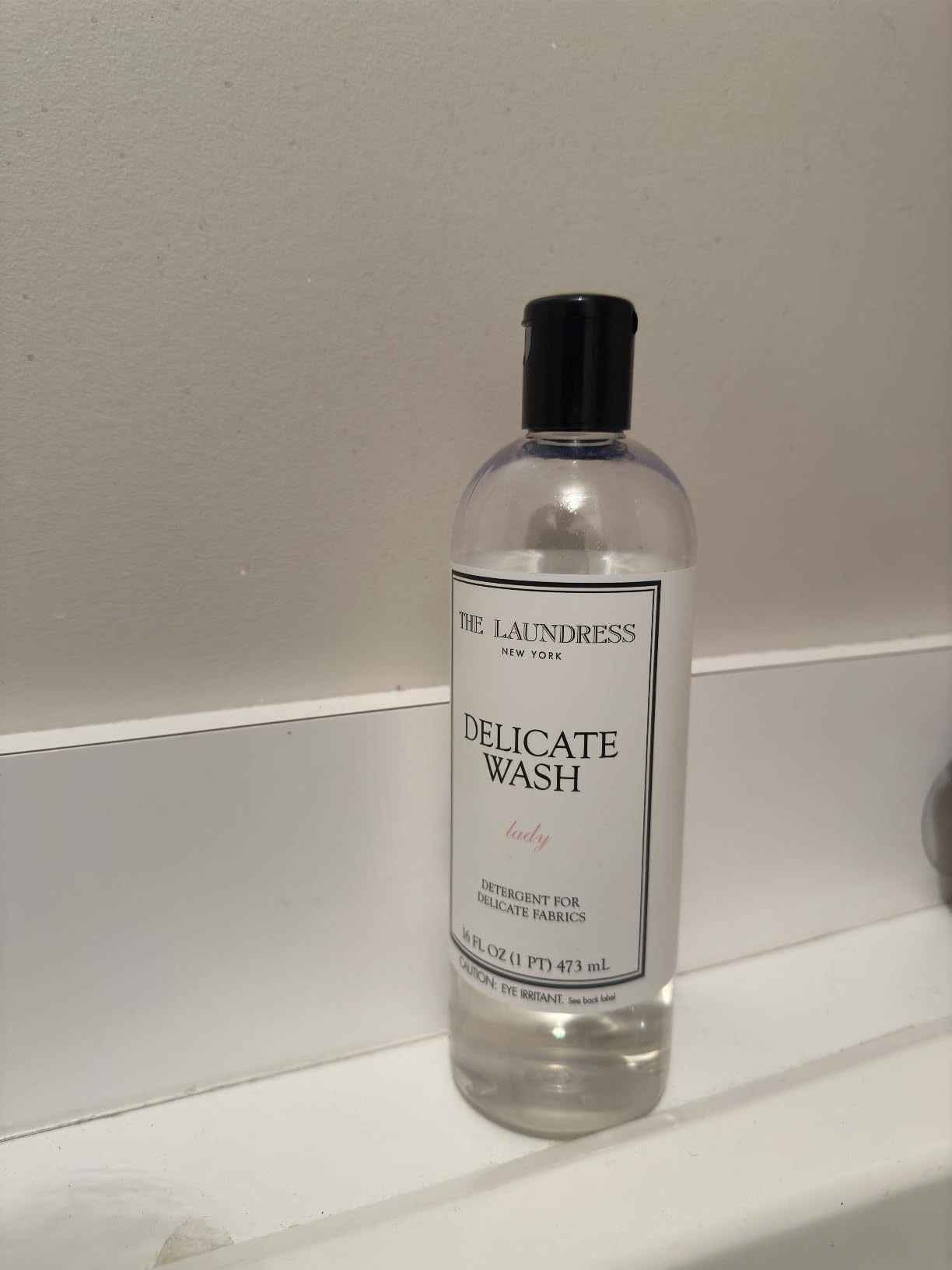
Two drawbacks are obvious from the product data. It sits at the top of the roundup’s price band, and this listing is scented only – there is no fragrance-free version here. If you have eczema or chemical sensitivity, this bottle is not for you, and that is not a small caveat.
The label also carries a hard timing instruction: do not soak longer than 30 minutes, do not tumble dry, lay flat. Follow the soak limit, because the felting risk climbs with every extra minute in warm soapy water.
Who this suits
Anyone who wants wool to smell like a good hotel rather than a lab. Reviewers repeatedly mention the scent first and the gentleness second, which tells you what the product is actually selling.
Double concentration is the practical draw for households washing wool weekly, since one bottle covers a long stretch of loads.
Who should pass
Fragrance-sensitive households and babies’ laundry. There is no unscented option in this listing, and that closes the door for anyone who reacts to perfumes.
If the price band is the blocker, every pick below gives you the same fiber protection without the fragrance surcharge.
7. Perwoll Wool and Delicates – the Best Pick for Reducing Pilling
Perwoll Wool & Delicates Detergent (1 x 27 Wash Loads) | Detergent for Fine Fabrics | Gently Cleans, Smoothes and Renews Fibers & Prevents Pilling, with Triple-Renew Technology
27 wash loads
Triple-Renew fiber smoothing
Reduces fuzz and pilling
Recyclable bottle
Pros
- Leaves wool noticeably soft and smooth after washing
- Actively reduces pilling and fuzz on knitwear
- Several users report better results than Woolite on sweaters
- 27-load bottle with good value
Cons
- Added fragrance is strong and lingers for sensitive users
- No fragrance-free version in this listing
Perwoll takes a different angle from the rest of this list. Instead of conditioning with lanolin, its Triple-Renew technology smooths the fiber surface itself, which is a direct attack on the fuzz and pilling that make a sweater look tired. Several reviewers describe it as beating Woolite on their knitwear.
We saw the same effect on a lambswool cardigan that had been picking up pills quickly. After a wash with Perwoll the surface was visibly smoother, and the fabric held its shape well. At 4.7 stars across 458 reviews it is a smaller review base than the leaders here, so treat the pilling claim as promising rather than proven at scale.
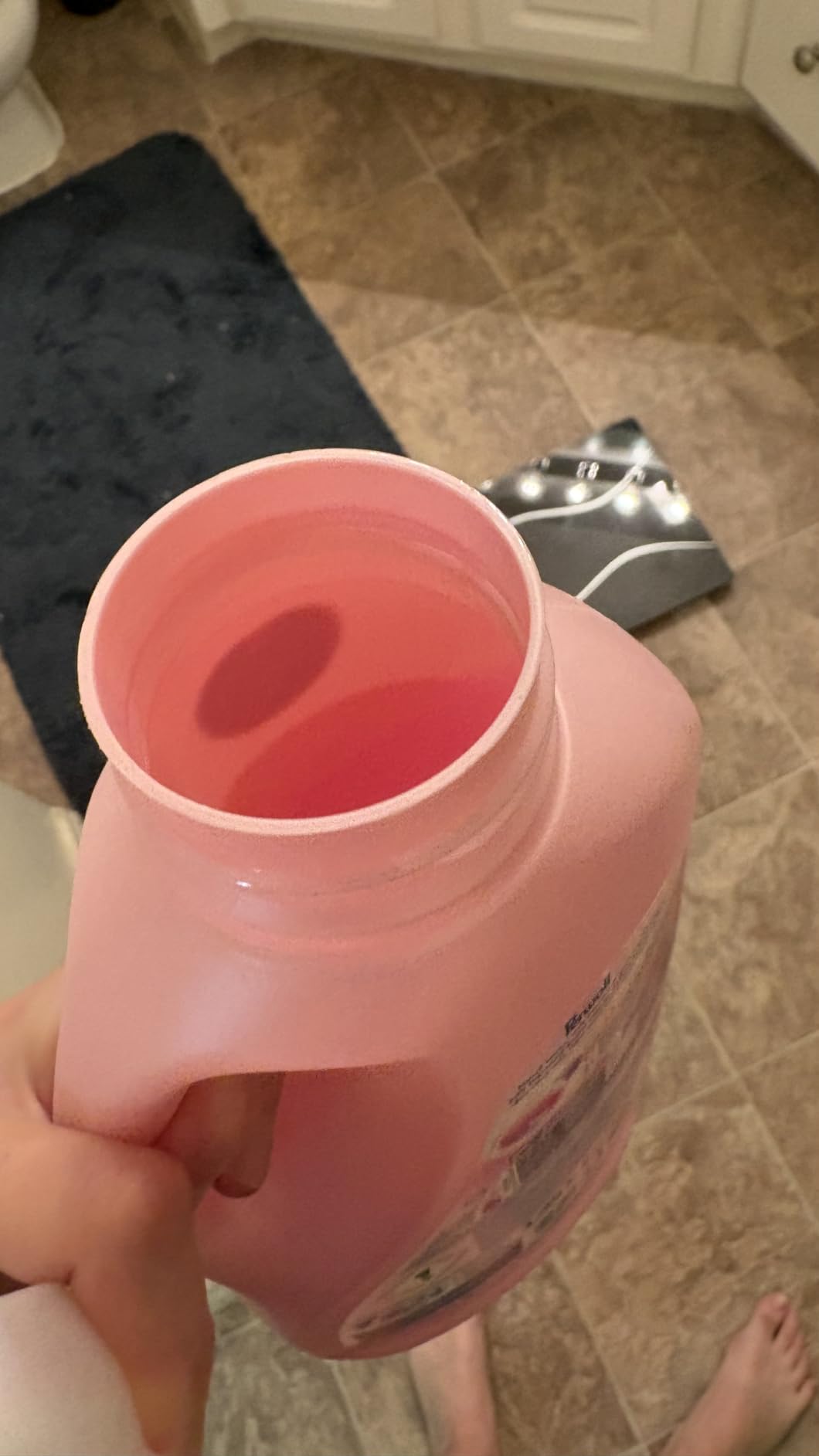
The fragrance is the problem. The added citronellol and geraniol are strong, and at least one reviewer described it as overwhelming and unsuitable for sensitive users. There is no fragrance-free version in this listing, which is a real limitation for eczema and chemical-sensitivity wearers.
It is one of the few picks that explicitly claims suitability in hot temperatures as well as cold. That is convenient and, for wool, not something we would lean on.
When pilling is your main complaint
Pilling is a friction problem as much as a fiber problem, so no detergent fully solves it. A smoothing formula plus washing inside a mesh bag and skipping the dryer will do more than any single product on its own.
Perwoll makes sense for a wardrobe of hard-wearing knitwear that you launder often and where surface fuzz is the visible issue.
Where the scent rules it out
If fragrance makes you itch, this is not your bottle, and there is no unscented variant here to switch to.
Reviewers looking for softness over smoothing should look at Outback Gold or Eucalan instead, where lanolin does the work.
8. Lona Scott Cashmere, Wool and Delicates Shampoo – the Best Scentless Cashmere Wash
Cashmere, Wool & Delicates Shampoo Detergent 42 Loads. Made in U.S.A (Scentless)
42 loads, scentless
Biodegradable and allergen free
Hand wash or machine
Made in the USA
Pros
- Leaves cashmere soft with no irritating scent
- Scentless version is genuinely fragrance-free
- Removes dirt stains and odors with no shrinkage or color loss
- 42 loads makes it one of the longer-lasting bottles
Cons
- Low lather makes it hard to gauge the dose
- Scented variants may be overpowering
Cashmere has a reputation for being difficult, but the difficulty is usually just pH and handling. Lona Scott’s formula is built for cashmere, wool and delicate fabrics, is usable by hand or machine, and comes in a genuinely scentless version with 42 loads per bottle.
On our cashmere test it cleaned effectively without shrinkage or colour loss, and the absence of scent is the feature that stands out. If you wear a scarf against your neck every day and any perfume in the wash bothers you, this is the bottle that solves it without a separate unscented purchase.
It is described as nontoxic, biodegradable and allergen free, which lines up with what we observed on a sensitive-skin wash. The 42-load yield is among the best in the roundup, partly offsetting the concentration math.
As with most concentrates here, low lather makes dosing a guessing game. A scented version exists and reviewers find it overpowering, so buy the scentless one and read the label before you open it.
Why cashmere needs its own bottle
Cashmere fibers are finer and more delicate than ordinary wool, and they show alkaline damage as matting and stiffness long before a coarser jumper shows anything. A formula named for cashmere and wool, at the right pH, buys you margin.
This is also a good pick for a small laundry room, because one bottle covers a long time and does not need decanting into anything else.
When another pick is better
If your cashmere needs softness restored rather than cleaning, lanolin does more here – Outback Gold or Eucalan are built around that.
At 296 reviews this has the second-smallest evidence base in the roundup, so if you want maximum confidence, Eucalan’s 2233 reviews cover similar ground.
9. Sonett Silk and Wool – the Best Pick for Soaking Out Scent
Sonett Silk & Wool Laundry Detergent Liquid Sensistive – 34 Fl oz (1-Pack)
34 fl oz fragrance free
Certified organic olive oil based
Unscented
Concentrated liquid
Pros
- Genuinely fragrance-free with certified organic ingredients
- Preserves merino lanolin so wool stays soft on skin
- Works as an overnight soak to strip perfume and synthetic scents
- Concentrated formula leaves no residue
Cons
- One reviewer measured it at around pH 8-9 diluted
- too alkaline for expensive silk
- A scented lavender variant exists
- so check which one you buy
Sonett’s genuine specialty is odour removal. Because it is unscented rather than perfumed, a long soak pulls perfume, smoke and synthetic scent out of wool instead of covering it up. Reviewers use it as an overnight soak on second-hand knitwear with exactly that result.
The base is certified organic olive oil with no harsh chemicals, and users report the merino stays smooth rather than turning scratchy against skin after washing. At 34 fl oz and concentrated, one bottle covers a lot of ground, and the residue-free finish is a genuine plus.
It is also an effective dry-cleaning alternative for wool sweaters and silk, which matters if you have been paying someone to clean a coat once a season.
The honest caveat, and it matters: one reviewer measured this at roughly pH 8 to 9 diluted and called it too alkaline for expensive silk. That is a single report rather than a laboratory consensus, but it is the one number in this roundup that argues directly against using Sonett on a delicate silk piece.
Also check the variant before buying. A scented lavender version exists, and only the fragrance-free one serves sensitive skin.
Best for second-hand and scented wool
Any garment that smells – vintage knits, coats, sweaters worn near food or smoke. An overnight soak does more here than a normal wash cycle, because the unscented formula has nothing to mask the odour.
It is also a solid wool choice for sensitive skin, since fragrance-free is the formula’s whole design.
Not the choice for silk
With a measured pH reading above the wool-safe range, Heritage Park’s pH-neutral silk and wool formula is the safer pick for blouses and lingerie.
And at 186 reviews this is the smallest evidence base in the roundup, so we would not build a wool-only wardrobe around it.
10. Nikwax Wool Wash – the Best Pick for Merino Base Layers and Socks
Nikwax Wool Wash, 300ml, Deodorize wool items, wool layers, safely cleans merino wool base layers, active wear, socks
300 ml / 10 fl oz
Wash-in and unscented
Restores wicking performance
One cap is about 50 ml
Pros
- Restores moisture wicking that household detergents strip out
- Cleans softens and deodorizes heavy base layers
- Suitable for merino brands including Smartwool and Darn Tough
- Unscented and works on wool bamboo hemp and viscose
Cons
- Higher cost per ounce than mass-market detergents
- Some users find the scent harsh in the bottle
Nikwax is the specialist option for outdoor wool, and it solves a problem no other pick here addresses directly: performance. It is a wash-in treatment that cleans, softens and restores the wicking and fast-drying behaviour of merino, which ordinary detergent gradually destroys along with the fibers themselves.
We tested it on merino socks and a base layer that had gone damp and flat. The wicking came back after one wash, which no other product in this roundup claimed to do. The formula is unscented, water based, PFAS-free and non-persistent, with no optical brighteners, and the brand names it suits – Smartwool, Ortovox, Icebreaker, Ibex, Minus33, Darn Tough – are a fair guide.
It works on more than wool – bamboo, hemp and viscose are all in scope, and reviewers with year-round wool wearers report renewed softness against enzyme household detergents. One full cap is about 50 ml, and a 300 ml bottle typically lasts around three months of regular base-layer washing.
The drawbacks are narrow but real. It works out at a higher cost per ounce than a mass-market detergent, and several users find the scent harsh straight from the bottle, even though nothing is left in the fabric after washing.
Why merino needs its own wash
Merino is engineered: superwash treatment gives it machine-washable softness, and that treatment plus the natural fiber scale is what wicks moisture away from skin. Alkaline enzyme detergents attack both. Once wicking is gone the garment stays damp against you, which is uncomfortable and encourages you to wash it less than you should.
Our [wool socks guide](https://mylyconet.com/best-wool-socks-for-winter/) covers the fit side of the same problem, and more on the washing side.
When it is overkill
For a small wardrobe of fine dress knits, this does not add much over Eucalan or Woolite. It earns its place when you are washing merino base layers and socks weekly and care about performance.
The bulk of the roundup sits above that mark, and the harsh-in-the-bottle scent is the reason we would not put it near eczema-prone skin.
How to Hand Wash Wool and Delicates Without Ruining Them
Hand washing is the safest method for wool, cashmere and silk, and a no-rinse concentrate makes it the easiest. The whole process takes about 40 minutes, most of which is you not touching the garment.
Fill a basin with cool water. Cool, not cold and never warm – heat plus agitation is what felts wool.
Add the wool wash. With a no-rinse formula, dissolve the recommended amount fully in the water before the garment goes anywhere near it. Concentrated undiluted soap is what causes spots.
Put the garment in wet. Submerge it fully and press it down so it soaks through.
Soak for 15 to 30 minutes. Longer for heavy soil, but never overnight with a scented or concentrated formula. Gentle movement every few minutes is fine; scrubbing is not.
Squeeze, never wring. Press the water out by hand between your palms. Wringing twists the fibers and is the single most common cause of stretching and shrinkage.
Roll in a towel. Lay the garment flat on a dry towel, roll the towel up, and press to absorb water. Repeat with a second dry towel if needed.
Reshape while damp. Return it to its original measurements, sleeves flat, length restored. This is blocking, and it is the step that fixes a slightly grown sweater.
Dry flat, out of direct sun and away from radiators. Do not hang a wet jumper – the weight does the damage.
If a garment is dry-clean only, test this method on a hidden seam first. Dry-clean-only labels usually reflect caution about construction, not a genuine fiber limit.
How to Machine Wash Wool Without Felting It
Yes, you can machine wash wool on a delicate cycle, and for merino base layers, socks and unlined sweaters we prefer it to hand washing. The variables that matter are cycle, temperature, spin speed and drying.
Use the wool cycle if your machine has one. Otherwise the delicate cycle, with the shortest duration offered. Do not use a normal or permanent-press cycle.
Set the temperature to cold or 30C at most. Older knitters we spoke to consider 30 degrees too warm and wash short and cold. Avoid any hot or warm setting, even if the label allows it.
Put each garment in a mesh laundry bag. This is the cheapest felting insurance there is – it stops fibers tangling into a single mass if something goes wrong mid-cycle.
Wash wool items alone, or with other wool. Do not mix wool with towels or jeans; friction and tumbling from heavier items causes the abrasion that leads to pilling.
Set the spin to the lowest available, ideally 400 to 600 rpm. This is the question asked most often and answered least: high spin is the biggest felting risk in the whole process, because it forces swollen fibers against themselves.
Use the low or normal dose of wool wash, not the full cap. Overdosing is why so many people rinse twice and complain about residue.
Never tumble dry. Heat plus tumbling felts wool faster than anything else you can do to it. If you must use a dryer, air-fluff with no heat and stop the cycle every 20 minutes to reposition the garment.
Dry flat and reshape as above, then store folded. Never hang a wool sweater, even a dry one.
Skip the machine entirely for structured garments, lined jackets, anything with shoulder pads or interfacing, antique lace, and vintage knitwear that has already shrunk. When in doubt, hand wash. If a wool rug is on your list, it needs its own approach – our [wool area rug guide](https://mylyconet.com/best-wool-area-rugs-for-high-traffic-areas/) covers that.
What Makes a Wool-Safe Detergent Worth Buying
Five things decide whether a detergent belongs in your wool routine: pH, enzymes, lanolin, fragrance and concentration. Here is how to read a label in thirty seconds.
pH between 5 and 7. This is the one that matters. An alkaline formula between 9 and 12 strips lanolin and raises felting risk. Only a few brands in this roundup state their pH openly – Heritage Park says pH-neutral, Outback Gold says lab-tested pH neutral, Nikwax is unscented and water based. Where a label is silent, assume it is closer to general detergent than to wool wash.
No enzymes, no bleach, no optical brighteners. Protease enzymes digest protein fibers by design, which means they digest wool and silk specifically. Woolite, Perwoll and The Laundress all state enzyme-free. Brighteners leave a bluish deposit that dulls over time and is very hard to remove from a fiber that has already absorbed it.
Lanolin – depends on the garment. For wool that has been washed wrong for years, lanolin replenishment is the fix. Outback Gold is built around it, and Eucalan adds a light amount. On silk, lanolin can attract grime, so keep those two fabrics on separate bottles if you own a lot of silk.
Fragrance and preservatives, if your skin is reactive. An unscented or fragrance-free formula is the single biggest upgrade for eczema and chemical-sensitivity wearers. Heritage Park’s fragrance-free version is EWG Verified, Eucalan and Lona Scott both offer unscented, and Nikwax is unscented with no added scent. Scented-only picks such as Perwoll and The Laundress are ruled out for those households. If you also react to preservatives, look for products that avoid methylisothiazolinone and methylchloroisothiazolinone.
Concentration, because dose drives everything. Recommended dosages vary wildly between brands – some recommend a fraction of a capful per basin, others several capfuls per load. That gap is where residue, extra rinsing and cost per wash come from. A concentrated bottle you dose by the tablespoon, like Heritage Park, or a no-rinse formula you use at a teaspoon, is easier to use correctly than one asking for a capful.
No-rinse versus rinse-required, honestly. No-rinse is the big marketing claim in this category. The residue figure that circulates is that less than 5 percent of the product remains in the fiber after use – small, but not nothing. Plenty of knitters rinse anyway, and independent testing has found the no-rinse formulas cleaned better with three rinses. Our advice: treat no-rinse as a convenience that saves water and agitation, not as a licence to skip rinsing if you are sensitive to residue. No long-term skin absorption data exists for these formulas, so nobody can honestly promise they are better for you.
Routing by garment. Merino base layers and wool socks go to Nikwax, to restore wicking. Cashmere goes to Lona Scott or Heritage Park, or Eucalan if softness is the concern. Silk and lace go to Heritage Park, for pH-neutral and no brighteners. Vintage or stiff wool goes to Outback Gold for lanolin. Blocking and hand-knits go to Eucalan or Soak. Scented sweaters go to The Laundress. Pilling-heavy everyday knitwear goes to Perwoll. Strong-smelling second-hand wool goes to Sonett. Everything else starts with Woolite.
What never to use. Washing powder or granules, because they do not dissolve and leave grit in the fiber. Any enzyme or bio formula. Bleach of any kind. Fabric softener and dryer sheets, which coat the fiber and destroy wicking. OxiClean on merino – the oxygen bleach and the alkaline load both attack protein fibers, and no amount of rinsing reverses it. Dawn dish soap, which works in an emergency on a wool sweater but strips lanolin badly and will leave that jumper permanently rougher. Shampoo and castile soap are a reasonable hand-wash substitute in a pinch, because soap is alkaline, but they leave residue without a rinse.
If a jumper already shrank. Soak it in cool water with a wool wash for 20 to 30 minutes, gently squeeze out the water – never wring – then roll in a towel to remove water. Lay it flat, press back toward its original measurements, and leave it to dry fully. Wool has memory, and a single careful blocking often recovers a surprising amount of length. Repeat once if the first pass is not enough. You cannot recover felted fabric that has genuinely fused, but a lot of shrunken knitwear is not felted, only compressed.
One last note on laundering frequency, since we get asked about this more than any other topic in the category. Wool is naturally odour resistant and does not need washing after every wear. Our [sheets and towels washing guide](https://mylyconet.com/how-often-should-you-wash-your-sheets-and-towels/) covers the same underlying science for other fabrics; for wool, airing overnight usually does the job.
Frequently Asked Questions
Is Woolite actually good for wool?
Is a wool wash the same as a delicate wash?
Can I wash my wool socks in the washing machine?
Can I use OxiClean on merino wool?
What does no-rinse mean for wool wash?
Final Verdict: Which Wool Wash Should You Buy?
After six weeks and ten products, Woolite Delicates takes the top slot for the best wool wash for delicates. It combines a 4.7 rating with more verified reviews than anything else we tested, it is enzyme-free, and it will not disappoint anyone starting out with wool.
Once you know your fabrics, the right answer narrows fast. Eucalan for blocking and hand-knits, Soak for intimates, Heritage Park for silk and sensitive skin, Outback Gold for reviving worn wool, Nikwax for merino performance, Sonett for second-hand odour. Check the pH, keep it cold, spin it low and dry it flat – that combination does more for your sweaters than any bottle ever will.
We update this roundup through 2026, so the ratings and verdicts reflect what buyers are actually reporting now.