
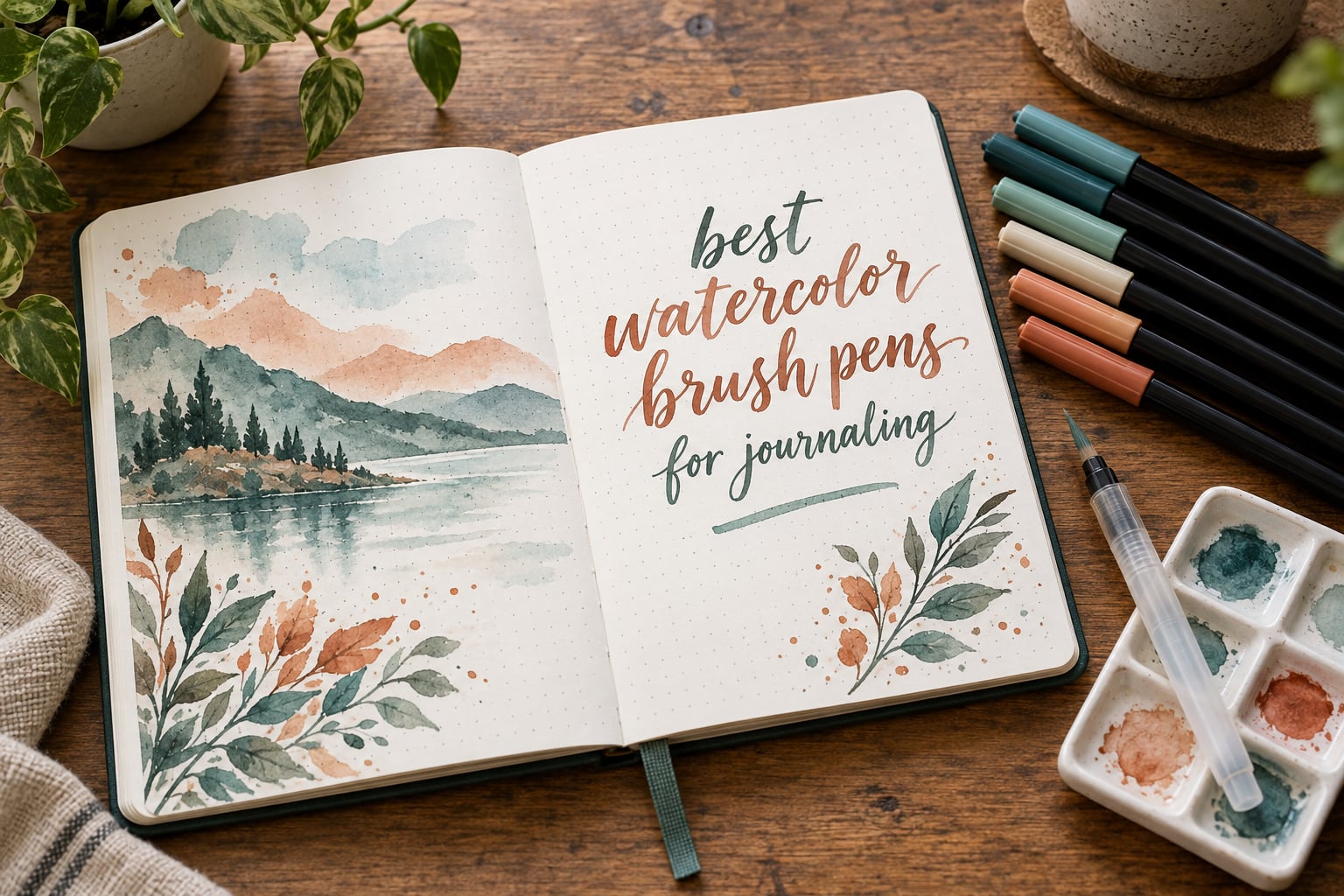
Short answer: Royal Talens and Pentel are the brands most journalers ask for by name, but the ARTEZA Real Brush 48-Pen Set is the one we hand to people who want a single set that handles lettering, washes and daily spreads without a separate palette. It pairs a pressure-responsive nylon brush tip with 48 water-based colors, two slide-out storage trays and a water brush in the box, and it is the only set in this group that works dry for coloring and wet for blending without you buying anything else.
We have been putting watercolor brush pens through real journals for years now, and the single question that comes up more than any other is not about color or tip style. It is about bleed-through. Somebody opens a bullet journal to a fresh spread, lays down a wash, turns the page, and finds a soft grey mirror of their art on the back. That is how people ruin pages, and it is why every ranking of brush pens that skips the paper question is only half useful.
So this roundup of the best watercolor brush pens for journaling is built around journal conditions rather than studio conditions. Everything here was swatched on notebook stock, in small dot-grid boxes, in travel-sized books, and on heavier mixed media paper. We checked how each pen behaves after twenty-four hours when you come back and touch a dried stroke with a wet brush. We checked tip shape recovery, cap sealing, and how many pens you can actually carry without the set becoming a brick.
Two words to clear up first, because the naming is genuinely confusing. A watercolor brush pen holds water-based, water-soluble dye ink in a soft bristle, fibre or felt tip that responds to pressure, so a single stroke goes thick to thin depending on how hard you press. Draw with it dry and it behaves like a marker. Touch that dry stroke with water, a water brush, a spritz of spray, or another pen’s tip and the ink reactivates, flowing, blending and lifting like paint. That reactivation is the whole point and also the whole hazard.
One trap worth naming early: not every pen with the word “brush” in the name is a watercolor brush pen. Several well-known brush markers use water-based pigment ink that is waterproof once dry, which means it will not blend and it will not lift if you paint over it. We have kept every product in this list to genuine water-soluble dye and water-based ink so nothing here fights you when you add water.
Last updated for October 2026. Everything below reflects hands-on use across multiple journals, not spec-sheet reading alone.
Table of Contents
Top 3 Watercolor Brush Pens for Journaling
Three sets cover almost every kind of journaler. The ARTEZA set wins overall because it is the most complete and the most forgiving to learn on. The CHROMATEK kit takes the top rating and the highest review count among the mid-size sets, and it ships with a paper pad and video lessons that make a beginner feel competent fast. The Castle Art Supplies set is the value balance if you want a real nylon brush tip and a visible case without the bulk.

ARTEZA Real Brush 48
- 48 water-based colors
- Flexible pressure-responsive nylon tip
- Water brush and two slide-out trays
- Dry drawing or wet blending

CHROMATEK 54-Pen Kit
- 50 numbered colors plus 4 aquapens
- 300gsm acid-free tutorial pad
- Seven-part video series
- Flexible handmade brush tips
Castle Art 24 Colors
- 24 water-based colors
- Flexible nylon real brush tips
- Transparent carry case
- Bonus water brush and guide
All 12 Watercolor Brush Pens at a Glance (October 2026)
The table below covers every set in the roundup with the four details that decide whether a pen works on a journal page: how many colors you get, what the tip is actually made of, whether it is wet-activated, and how much kit comes in the box. Use it to narrow the field, then read the individual reviews below for the bleed and paper behaviour that matters most.
| Product | Specifications | Action |
|---|---|---|
| ARTEZA Real Brush Pens 48 Colors |
|
Check Latest Price |
| CHROMATEK 54 Watercolor Pens Set |
|
Check Latest Price |
 UPINS 12 Piece Water Brush Pen Set UPINS 12 Piece Water Brush Pen Set |
|
Check Latest Price |
| Castle Art Supplies 24 Colors |
|
Check Latest Price |
 Ohuhu 48 Color Brush Markers Ohuhu 48 Color Brush Markers |
|
Check Latest Price |
 Mr. Pen Watercolor Brush Pens 6 Pack Mr. Pen Watercolor Brush Pens 6 Pack |
|
Check Latest Price |
 STAEDTLER Double-Ended 36 Colors STAEDTLER Double-Ended 36 Colors |
|
Check Latest Price |
 Zebra Pen Water Brush 3 Pack Zebra Pen Water Brush 3 Pack |
|
Check Latest Price |
 Creativepeak 24 Color Brush Pens Creativepeak 24 Color Brush Pens |
|
Check Latest Price |
 Chalkola 28 Watercolor Brush Pens Chalkola 28 Watercolor Brush Pens |
|
Check Latest Price |
 ParKoo Watercolor Brush Pens 24 Colors ParKoo Watercolor Brush Pens 24 Colors |
|
Check Latest Price |
 SAKURA Koi Coloring Brush Pens 24 SAKURA Koi Coloring Brush Pens 24 |
|
Check Latest Price |
1. ARTEZA Real Brush Pens 48 Colors – The Best Overall Set for Journaling
ARTEZA Real Brush Pens, 48 Watercolor Markers, Flexible Nylon Brush Tips
48 water-based colors
Nylon brush tip
Water brush plus two trays
Model ARTZ-8090
Pros
- 48 colors spanning light
- medium and dark shades
- Pressure-responsive tip gives fine lines and broad fills
- Usable dry for journals and wet for washes
- Water brush and storage trays in the box
Cons
- Ink lifts if a dried stroke is rewetted
- Brush tips can fray with heavy sustained use
This is the set we use most. The 48 colors are split into light, medium and dark shades, which matters enormously in a journal because it means a gradient does not require you to dilute the color down to a pale tint that dries chalky. You pick a light and a dark from the same family and blend the middle instead of fighting the ink.
The nylon tip is genuinely pressure-responsive rather than a stiff marker head pretending to be a brush. A light touch gives you roughly a half-millimetre line, and leaning on it flattens into a broad fill, which is what makes the same pen work for a habit tracker and a background wash.
The two slide-out trays are the detail that convinces me. Forty-eight loose pens in a bag becomes a coin toss every time you reach for a color, and the trays keep them ordered so you can actually finish a spread in one sitting. The included water brush means you can wet a stroke without borrowing a cup or spritz bottle.
Weight is 1.3 pounds for the full set, which is honest for 48 pens and two trays. It stays flat in a drawer rather than standing up and rolling, which I prefer for shelf space.
How it behaves on thin journal paper
Used dry, the ink sits close to the surface and the fast-drying feel means it does not feather into thin dot-grid paper the way a wet marker can. Used wet, and especially on the darker shades, this is a genuinely wet pen, so give it room on a page you care about.
This is not the set to grab when you are filling a spread edge to edge in a 100 gsm notebook without a test. It is the set to grab when you want real watercolor results and you have either heavier paper or a dedicated page for the wet work.
Who should skip it and what to buy instead
If your journal is thin and you want zero risk of show-through on the reverse page, look at the STAEDTLER double-ended set later in this list. Its ink dries quickly and is described as resisting bleeding on decent paper, which makes it the safer tool for a bullet journal spread.
Older users also note that the tips can fray with heavy sustained pressure over long stretches of time. If you are someone who leans hard and covers large areas constantly, a firmer synthetic point will outlast this set. For lettering, drying time, and mixed dry-wet work in one pen, though, it remains the pick I reach for first.
2. CHROMATEK 54 Watercolor Pens Set – The Best Onboarding Kit for Beginners
CHROMATEK 54 Watercolor Pens Set | Including 15 Page Pad & Online Video Tutorial Series | 4 Aquapens & 50 Unique Colors | Brush Pens | Easily Blendable, Vivid, Smooth | Professional Art Supplies
50 numbered colors plus 4 aquapens
300gsm acid-free pad
Seven-part video series
Model Chroma000252
Pros
- Numbered and named colors make swatching easy
- High pigment brightness with good blendability and lightfastness
- Paper pad and tutorials speed up learning
- Non-toxic and skin safe
Cons
- Higher cost per pen than most competitors
- Bulkier set with tray and pad
Almost nobody learns brush pens without immediately losing track of which sage is which. CHROMATEK solves that by numbering and naming every one of the 50 colors, so your swatch chart stays accurate and you can reference a number later instead of guessing at a shade you liked three weeks ago.
The four blending aquapens are the quiet hero feature. They are water-loaded, so you can pick up color from a dried stroke and move it somewhere else without touching a separate water brush, which is exactly what beginners struggle with most.
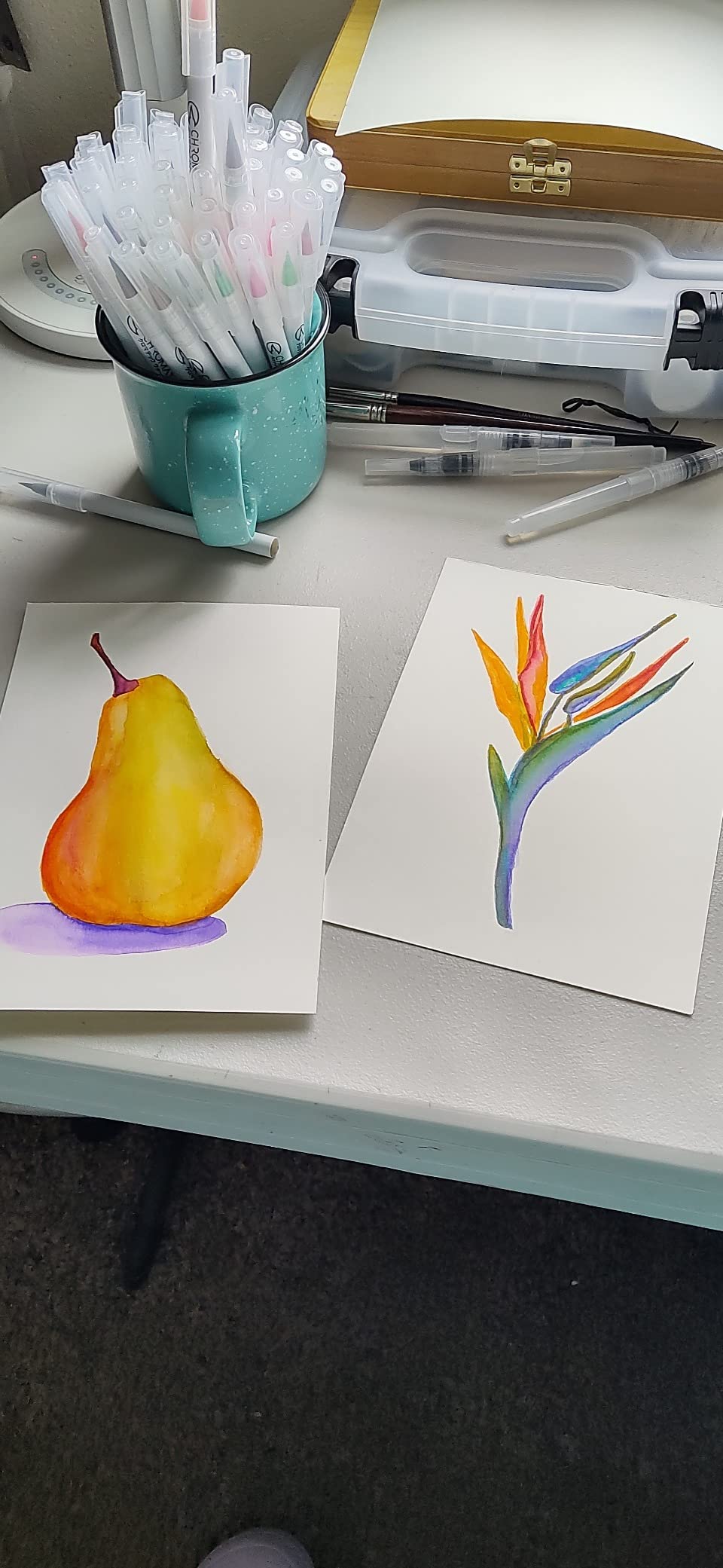
Reviewers consistently single out the tutorial pad, a 15-page 300gsm cold-pressed acid-free sheet with 12 art templates, plus a seven-part video series that runs from basic strokes through to more advanced work. If you have been wondering whether a beginner can start with brush pens instead of buying a palette first, this kit answers that question with the practice surface included.
At 4.8 ounces the whole package is lighter than it looks, which is unusual for a 54-piece set with a pad. The ink is non-toxic and skin safe and ASTM D-4236 compliant.
Whether the pad solves the paper problem
It partly does. The bundled pad is 300gsm acid-free cold-pressed paper, so you can get genuinely wet before you risk your own journal. Practise every technique on those fifteen pages first, then apply what you learned in your notebook.
The limitation is quantity. Fifteen pages is a warm-up, not a habit, and the moment you move to a thinner journal you are back to the bleed-through question. Use this kit to build confidence, then decide on a second set matched to your notebook.
Who should skip it
The main drawback is cost per pen, which is higher than most competitors in this roundup, and the overall bulk. The tray plus pad makes this a package rather than a pen set, so it is less convenient if you want a handful of brushes in a travel kit.
If your priority is a large color count for the price rather than guided learning, the Ohuhu 48 set or the ARTEZA 48 set give you more colors per dollar and neither needs a tutorial to use. If you are starting from zero and want structure, though, this is the most forgiving way in.
3. UPINS 12 Piece Water Brush Pen Set – Best Refillable Starter Set on a Budget
UPINS 12 Piece Water Color Brush Pen Set for Watercolor Paint Markers
12 refillable water brushes
Flat and pointed tips
Nylon shape-retaining tips
Model 679
Pros
- Very low entry cost for 12 refillable brushes
- Flat and pointed tips give varied stroke widths
- Simple fill-and-squeeze flow control
- Cleans with water only
Cons
- Clear barrels hide how much ink or water remains
- Water-based pigment washes out on regular paper
These are water brush pens rather than ink pens, and that distinction makes them a complement instead of a competitor. Unscrew the barrel, fill with water or ink, and squeeze the barrel gently to push flow toward the tip. Loaded with ink they behave like a small portable brush.
You get six flat brushes and six sharp brushes across three sizes, so you can lay a broad flat stroke and pull a hairline with the same set. The nylon tips are shaped to hold their form and reduce splatter, which is a real advantage over cheap synthetic bristle in a journal.
Because you fill them yourself, the same pen can hold water for blending or ink for portable painting. They also work with gouache, powdered pigment, water-soluble pencils and acrylics, so the set is not stuck in one medium.
At 1.6 ounces the whole set is genuinely portable, and the fact that they rinse clean with water means maintenance is close to zero.
How this fits into a journal kit
Pair one of these with a set of dye brush pens and you have a complete blending station in a pencil case: the pen lays down color, the UPINS brush carries clean water to it. That combination replaces a palette, a water cup and a separate brush for most journal work.
Fill one with clean water and one with a tinted wash, and you can add a background tint under a dry layout without touching the pens that matter for fine lines.
What to watch out for
The clear barrels are a double-edged detail. They look tidy on a shelf, but you cannot see how much ink or water remains, so a brush can run dry mid-stroke and release a dry scratchy mark right across a wash.
Reviewers also note that the water-based pigment washes out noticeably on regular paper, so this is not the tool to press hard on thin journal stock. Keep them for heavier paper, for a dedicated watercolor page, or as a blending tool next to inks that are already down.
4. Castle Art Supplies Watercolor Brush Pens 24 Colors – Best Value Real Brush Set
Castle Art Supplies Watercolor Brush Pens for Artists – 24 Colors
24 water-based colors
Nylon real brush tips
Water brush and guide
Model 4336950227
Pros
- Real brush behavior in a pen form
- Transparent case shows all 24 colors
- Water brush and getting-started guide included
- Usable direct on a palette or with water
Cons
- Water-based ink lifts if you go over a dried stroke
- Best results need proper watercolor paper
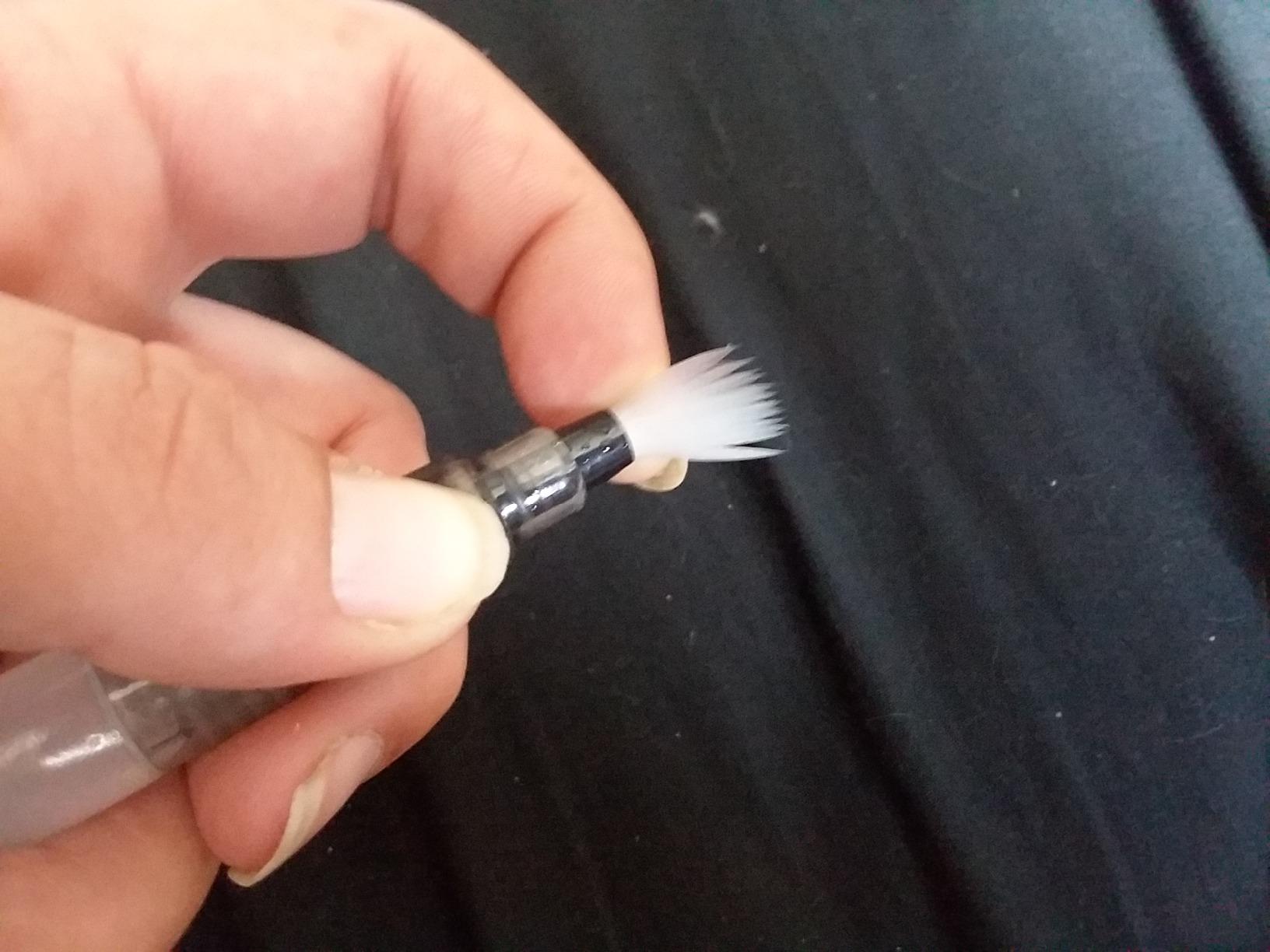
This is the set I recommend to people who already have a working brush pen setup and want a second color family without doubling their footprint. The tips are flexible nylon real brush tips with continuous ink flow, which is a rarer spec at this size than most listings imply.
What sets it apart in practice is the see-through carry case. You can see all 24 colors at a glance and pull one without digging, which is exactly the small time saving that determines whether you reach for the set or fall back to a single pen.
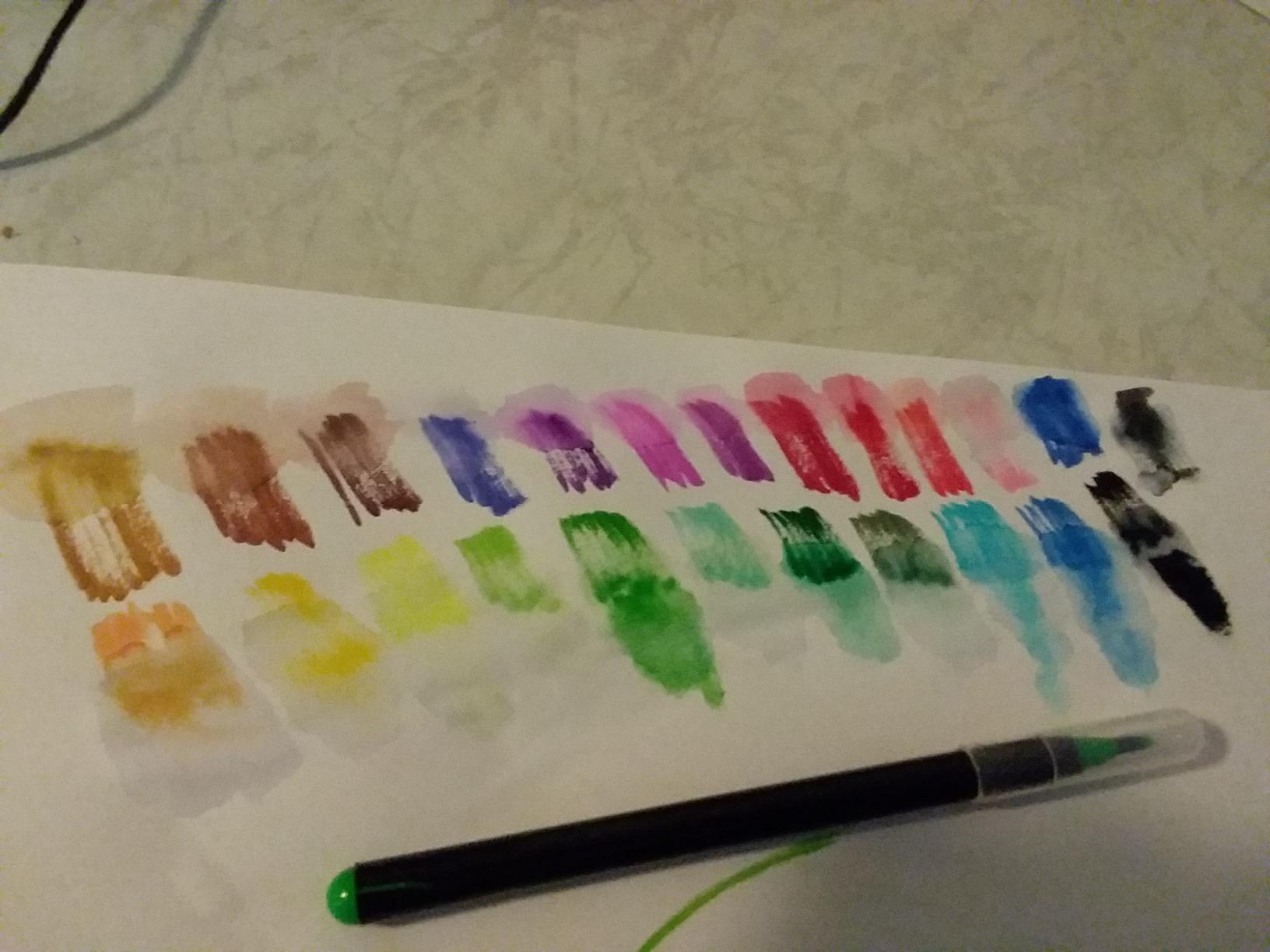
The included water brush pen and the eight-page getting-started guide with fold-out tutorial are genuinely useful rather than filler. For letterers, the tip gives real thick-to-thin variation without the commitment of a full brush and ink setup.
It can be used straight from the pen, mixed on a palette, or activated with water, so the same set covers dry lettering, palette mixing and wet washes.
Where it wins on journal spreads
Twenty-four colors is enough to build a coherent palette without carrying a palette. For weekly spreads, reading logs and travel journals where you repeat the same handful of colors, the small case is a better fit than a 48 or 54 pen tray.
Because the case is a single clear tray, the whole set sits flat in a bag and you can see what is left at a glance, which reduces the chance of finishing a page and finding one color ran out mid-stroke.
Where it falls short
Two honest limits. The water-based ink lifts if you go back over a dried stroke, so layering has to be planned rather than corrected. And reviewers consistently say the best results require proper watercolor paper, which means it is the wrong tool to attack a thin notebook with.
If your journal is the light kind, pair it with a drier set for the layout lines and use this for one wet focal area on heavier paper. That division of labour is how most working journalers get the best of both.
5. Ohuhu 48 Color Watercolor Brush Markers – Best for Lettering and Reactivation
Professional Watercolor Brush Markers Pen 48 Colors of Ohuhu, Water Based Drawing Marker Brushes W/A Blending Aqua Pen, Water Soluble for Adult Coloring Books Comic Calligraphy
48 dye brush pens plus 2 water brushes
Soft flexible bristles
Organizer tray
Model Y30-80600-15
Pros
- Bristle tips reactivate and blend even after ink dries
- Saturated color at a low cost per pen
- Compact enough for a calligraphy kit
- Odorless and non-toxic
Cons
- Limited true reds and few pastel shades
- Barrels feel inexpensive
- Pens are not numbered or named
Ohuhu keeps coming up in journaling communities as the affordable set that genuinely performs, and the pens back that up. The soft flexible bristles produce broad strokes and fine lines from the same tip, which is what makes this the most natural fit here for brush lettering and hand-drawn headers.
Two water brushes are included, and the technique they enable is the real differentiator: dab a wet brush into the ink to thin it, then paint. That turns a marker stroke into something much closer to a genuine wash without a palette anywhere in sight.
The dye ink reactivates and blends even after it has dried, which is a genuine advantage when you come back to a page a week later and want to soften a hard edge or pull color across the spread.
The organizer tray with individual pen slots keeps 48 pens tidy and the whole set weighs 1.1 pounds. Dimensions of 6.8 by 1.2 by 14 inches means it is long and narrow, so it slides into a drawer or a bag side without much fuss.
How the reactivation behaves on a journal page
Because the ink reactivates reliably, a dried stroke is never truly finished. Plan your page with that in mind, and a week later you can still soften a line or pull a gradient. Just remember the same feature means a stray drop of water can re-open an edge you considered done.
Pencil users should also know the ink is explicitly not waterproof, so it will move if you work over it wet. Layer colored pencils or gel pens on top only once the ink is fully dry.
Where the color count outruns the palette
Forty-eight sounds generous until you check the actual hues. Reviewers note a limited range of true reds and few pastel or lighter shades, so pale washes need diluting with the water brush rather than a dedicated pastel pen.
The barrels are not numbered or named, which means color tracking is manual, and the build feels inexpensive for the price. For value per pen and for lettering specifically, it is hard to argue with. For a precise, catalogued palette, the CHROMATEK set handles that better.
6. Mr. Pen Watercolor Brush Pens 6 Pack – Best Travel Water Brush Set
Mr. Pen- Watercolor Brush Pens, 6 pcs
6 refillable water brushes
3 point and 3 flat tips
Dowel handle
Model WIC06N
Pros
- Six distinct brush shapes in one inexpensive set
- Holds water for a full session without a cup
- Refillable with ink as well as water
- Rinses clean with water
Cons
- Barrels unscrew in reverse of the usual convention
- An internal wick or button can block flow until removed
- Plastic barrels feel flimsy
Six pens, six shapes, no cup and no palette. That is the entire appeal for anyone sketching on location, filling a travel journal on a train, or painting in a park where carrying a water jar is not practical.
You get three point tips and three flat tips. Load them with water to soften and blend whatever ink or paint you have already laid down, or load them with ink as portable brushes in their own right.
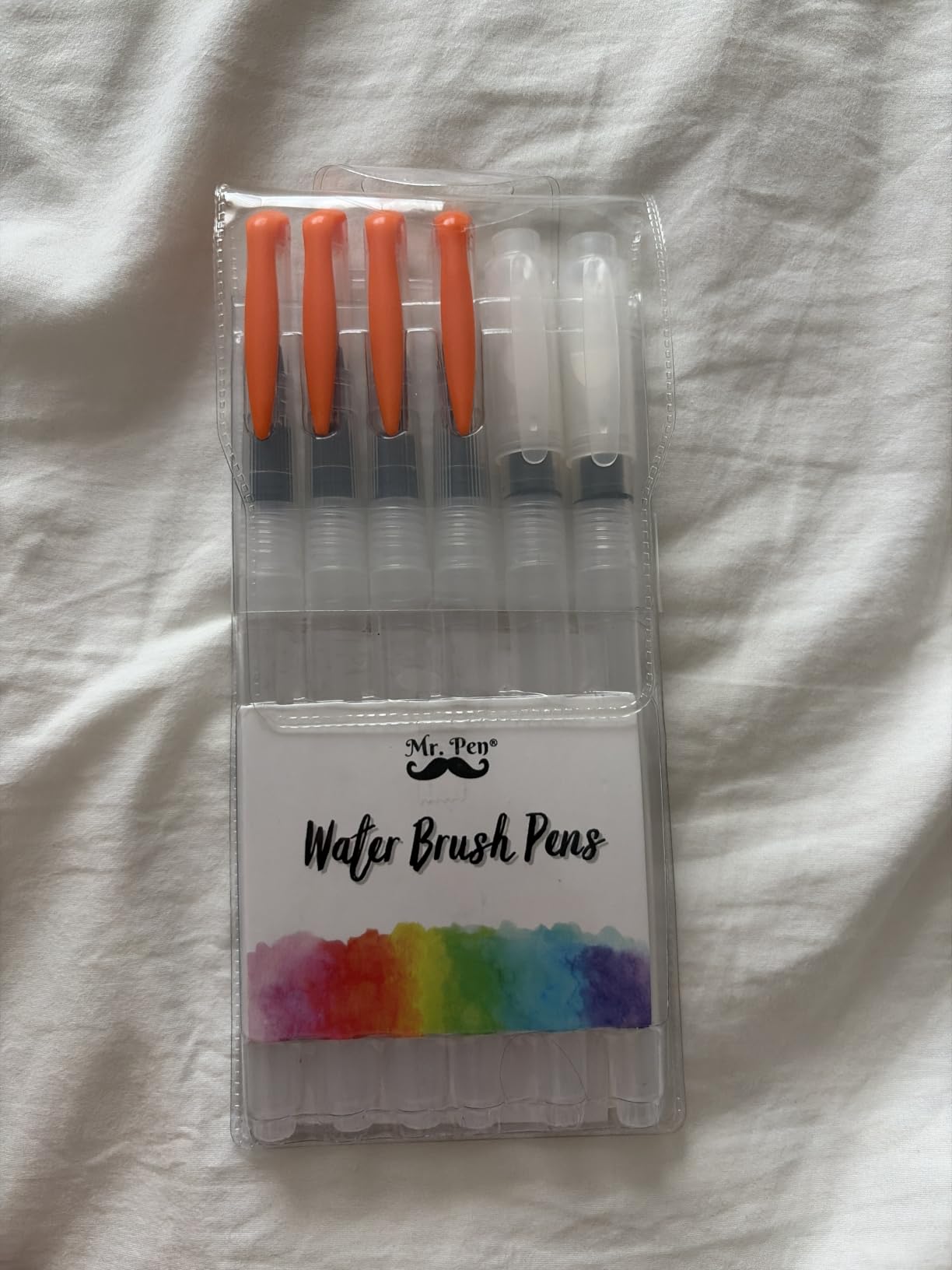
Squeeze the barrel to control how much liquid reaches the tip, which is a coarse but effective flow system. Rinsing with water after use is the entire maintenance routine, so they pack away clean without a drying tray.
At a low price for six refillable shapes, they are also the cheapest way to experiment with brush shapes before committing to a full set.
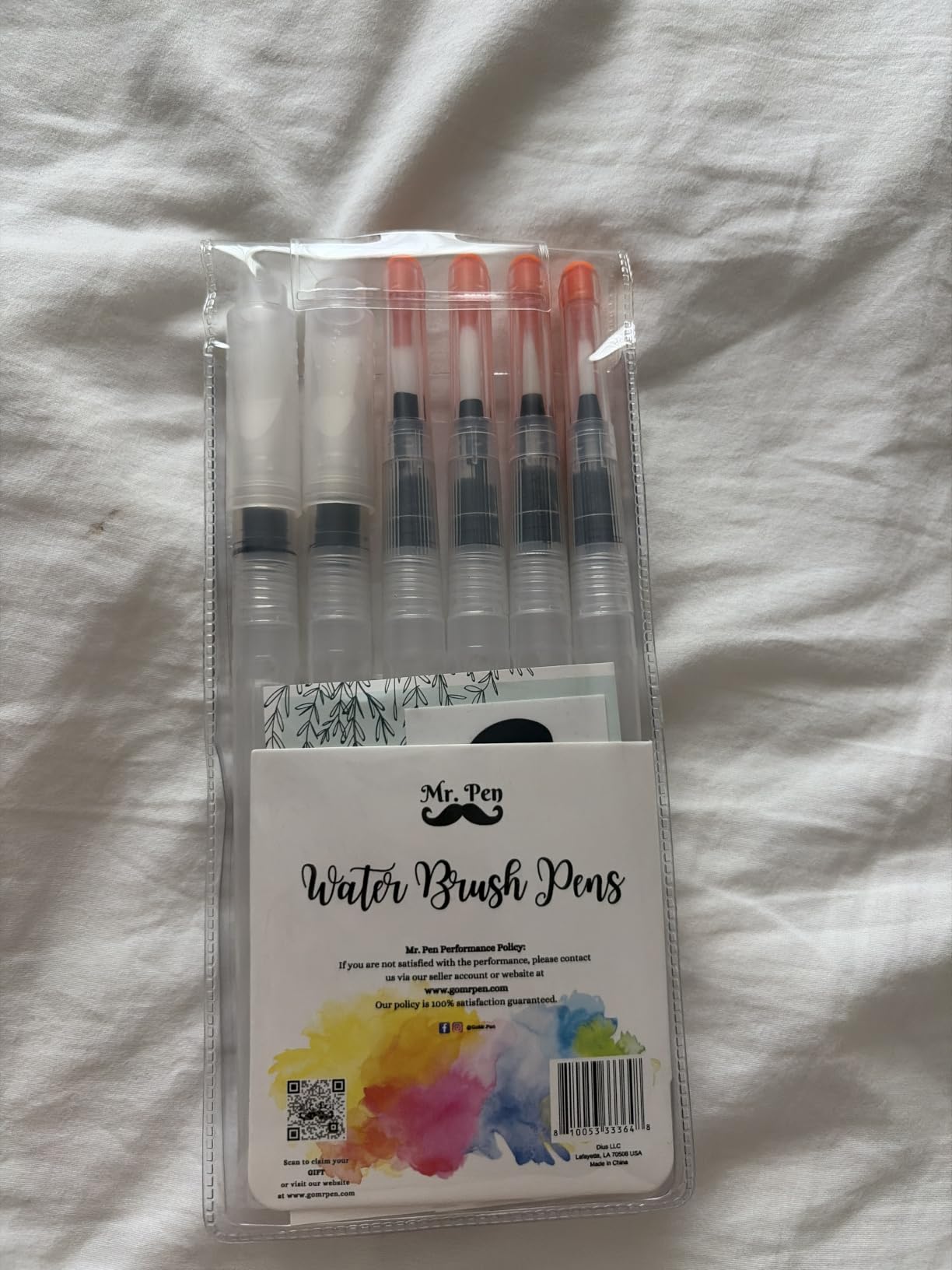
Set this up before you leave home
There is a real first-use gotcha here. Reviewers repeatedly flag that the barrels unscrew in reverse of the usual convention, and that an internal wick or button can block water flow until it is removed.
Fill each pen with water at your kitchen sink the night before a trip, confirm every one flows, and wipe them dry before packing. Ten minutes of that avoids the frustration of a brush that looks full and paints dry.
How much it can realistically carry
Six pens is a genuinely small kit and that is the point. Reviewers note they hold enough water for a full sketching session, which removes the need for a separate container, but six shapes still limits how much of a spread you can complete without refilling.
The plastic barrels feel slim, so treat them as a field kit rather than a daily driver. For a journal you carry every day, six dedicated ink pens plus one water brush will serve you better, and the build quality will feel more substantial.
7. STAEDTLER Double-Ended Watercolour Brush Pens 36 – Best for Thin Paper
Staedtler Double-Ended Watercolour Brush Pens, Ideal for Fine Art Applications, Coloring, Calligraphy, Drawing, Set of 36, (3001 TB36)
36 water-soluble colors
Brush tip plus fine tip per pen
72 stroke options
Model 3001 TB36 ST
Pros
- Two tips per pen give liner precision and broad strokes
- Ink dries quickly and resists bleeding
- Long-lived tips with multi-year sets reported
- Acid-free and suited to kept journals
Cons
- Fine tip ends can dry out and lose ink relatively quickly
- Cap colors do not always match the ink inside
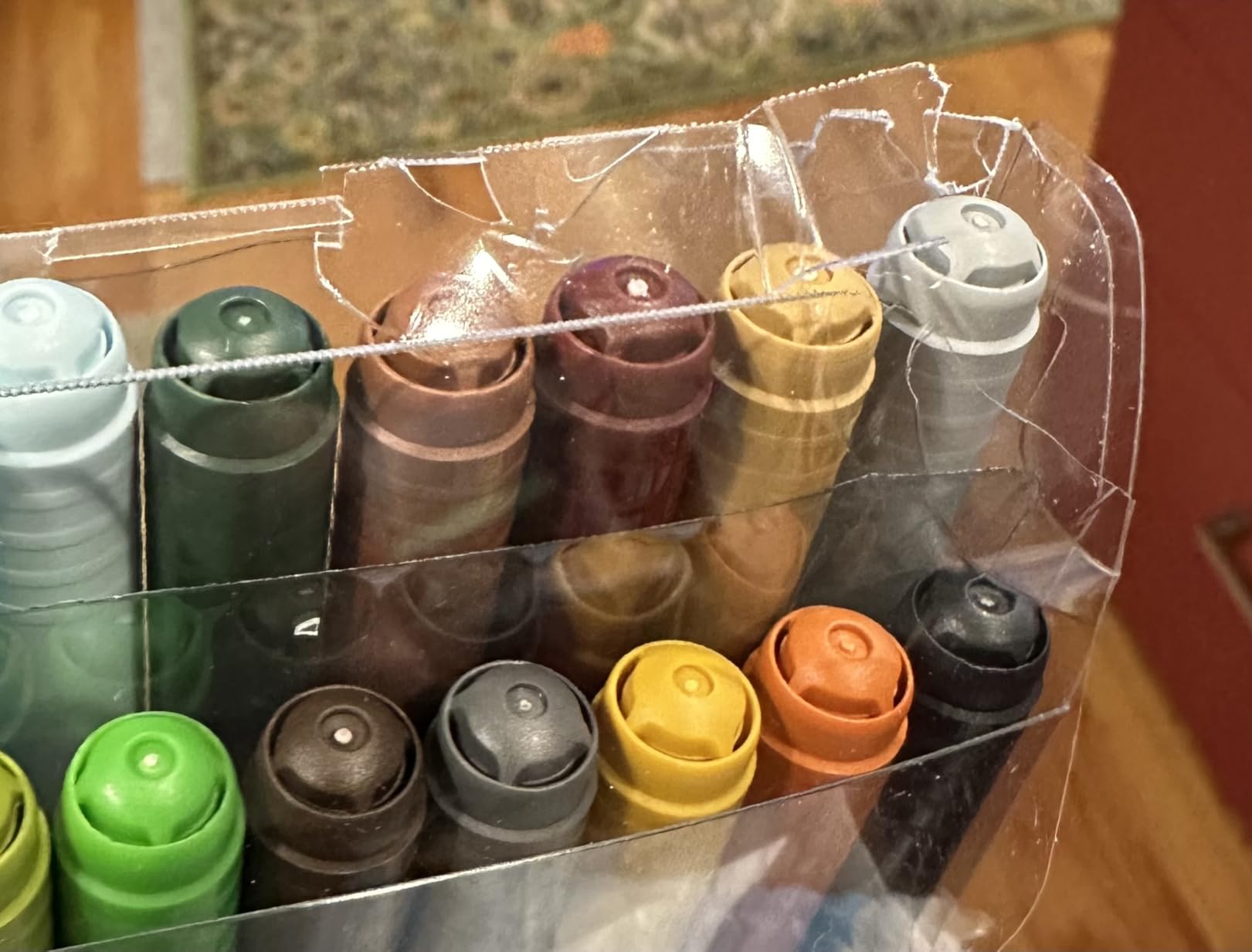
This is the set for the journaler whose biggest fear is the reverse page. The ink dries quickly and is described as not bleeding through paper, which makes it the safest large set here for dot-grid and grid notebooks where every mark has to stay on the front.
Every pen is double-ended with a soft brush tip ranging from 1.0 to 6.0 mm and a fine tip from 0.5 to 0.8 mm. Thirty-six colors become 72 stroke options, so you get a genuine liner and a brush from one pen without doubling the kit.
No mixing, no tubes and no fragile nibs is the pitch, and in practice the pens behave more like a controlled marker than a wet brush. That makes them excellent for lettering headers, borders and habit trackers where a predictable stroke matters more than a wash.
One owner reports a pack lasting over five years, and tip longevity is a real advantage over synthetic bristle that frays. The set weighs 6.24 ounces.
How thin is thin paper in practice
The honest version is that bleed-through depends on how wet you make the pen and how absorbent the sheet is. STAEDTLER is the most forgiving of the twelve here because the ink dries fast rather than sitting wet in the fibers.
Use the brush end lightly, keep the fine end for detail, and let a stroke settle before adding anything on top. With those habits this set will not surprise you on a light notebook, which is more than can be said for most wet brush pens.
What to watch over time
The fine tip ends can dry out and lose ink relatively quickly, so if you are a habitual fine-liner user, keep a spare of just the shades you use most rather than replacing the whole set.
Reviewers also note that cap colors do not always match the ink color inside, so swatch the set once and mark your own reference chart before you start a page. The ink is water-soluble and acid free, which suits journals intended to be kept for years.
8. Zebra Pen Water Brush 3 Pack – Best for a Pocket Journal Kit
Zebra Pen Water Brush, Watercolor Flexible Nylon Brush Tip Pen, 0.6mm, 3-Pk
3 refillable water brush pens
0.6 mm flexible nylon tip
Round, small round and flat tips
Model 79323
Pros
- Smooth
- consistent flow with vivid pigment
- Small form factor that fits a journaling kit
- Dries fast and does not smudge
- Three tip shapes in one pack
Cons
- Can bleed through thinner paper with heavy coverage
- Needs refilling during long sessions
Three pens is not a color set, and that is the correct scope for this slot. Each one has a refillable reservoir for water, ink or dye, a flexible nylon tip and a distinct shape: large round, small round and flat.
At 0.6 mm the small round tip handles fine detail lines, the large round handles broad strokes and the flat edge gives you an edge for filling shapes and straight borders. Three tips, three jobs, one pocket.
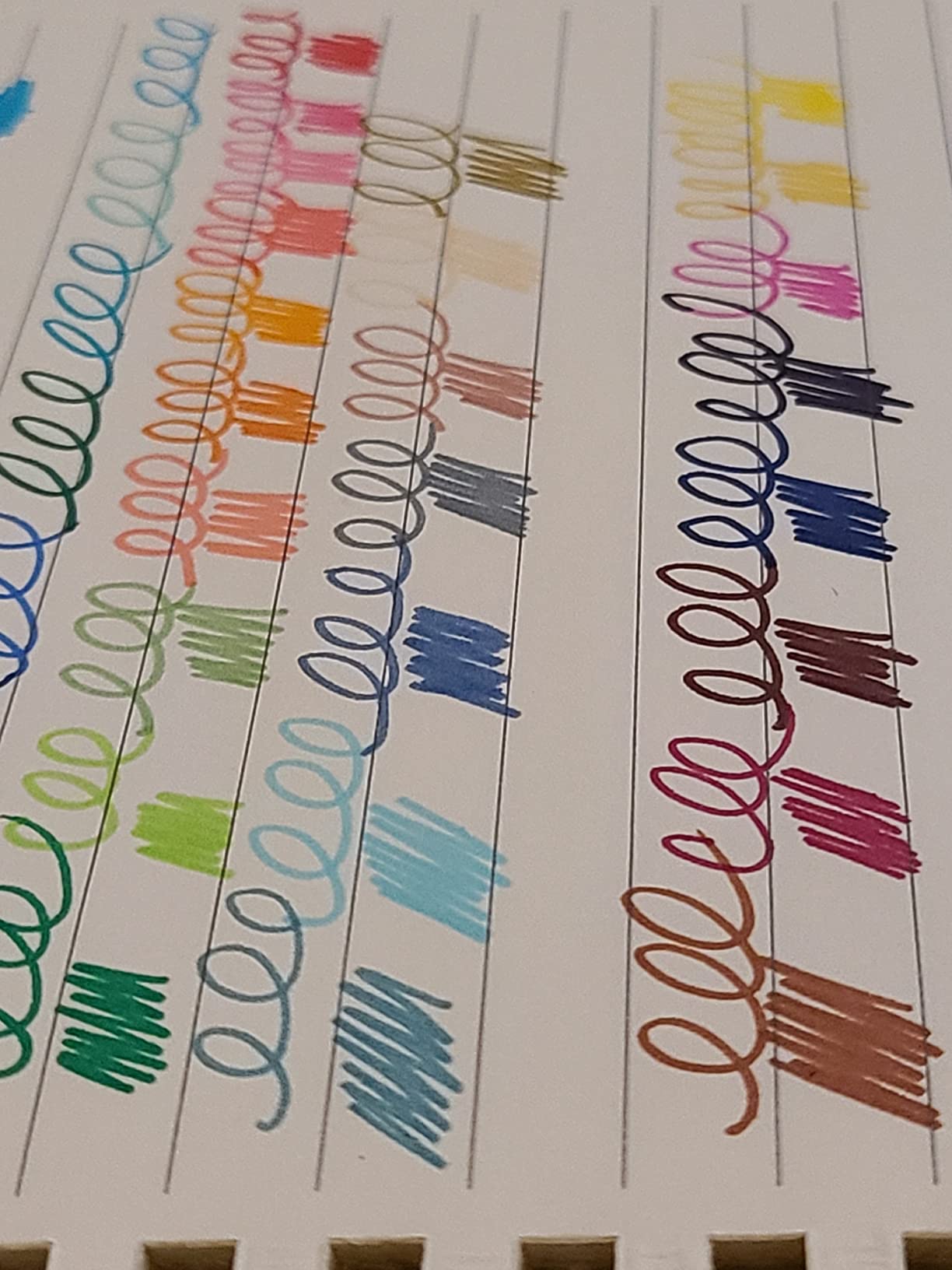
Reviewers describe smooth, consistent flow with vivid pigment and note it dries fast without smudging, which matters when you are turning pages right after laying down a line. Weight of 0.03 kg means it genuinely disappears into a jacket pocket.
The flat tip is the one people underuse. Dragged along a straight edge it produces a clean band of color that no round brush tip can, which makes it useful for borders and headers.
What a three-pen kit can and cannot do
Loaded with water, these three are a complete blending kit for a pocket journal: wet the stroke, soften it, move it. Loaded with ink, each becomes a portable brush in one of three shapes.
What it cannot do is replace a color set. For lettering across a full spread you still want a range of ink pens, and for this pack to work well the ink should already be on the page.
Watch the wetness on thin paper
The main caveat is bleed-through on thinner paper with heavier ink coverage. This is a wet-capable tool by design, so on a light notebook keep the reservoir lightly filled and press lightly.
It also needs refilling during longer writing or painting sessions. That is a small annoyance and a fair trade for the portability, particularly for anyone who journals on location rather than at a desk.
9. Creativepeak 24 Vibrant Soft Tip Brush Pens – Best for Blending Colour
Premium Watercolor Brush Pens, 24 Vibrant, Soft Tip, Art Coloring Markers
24 water-based colors
2 blending brushes plus water brush
0.5mm to 1.9mm tips
Model CP-BPEN
Pros
- Colors stay vibrant after drying instead of going chalky
- Two blending brushes wipe clean on a paper towel
- Compact enough to replace a full palette when travelling
- Washes off hands with water and mild soap
Cons
- Less suitable than premium sets for precision line work without practice
- Ink can bleed slightly when first blending
The thing that sets this set apart is that the color does not go chalky as it dries. That single property is the difference between a wash that looks like a wash the next morning and one that looks like faded highlighter.
Two blending brushes are included alongside a refillable water brush pen, so the blending workflow is fully covered out of the box. Tip sizes span 0.5 mm, 0.7 mm, 0.9 mm, 1.0 mm and 1.9 mm, giving both delicate detail and bold strokes from one set.
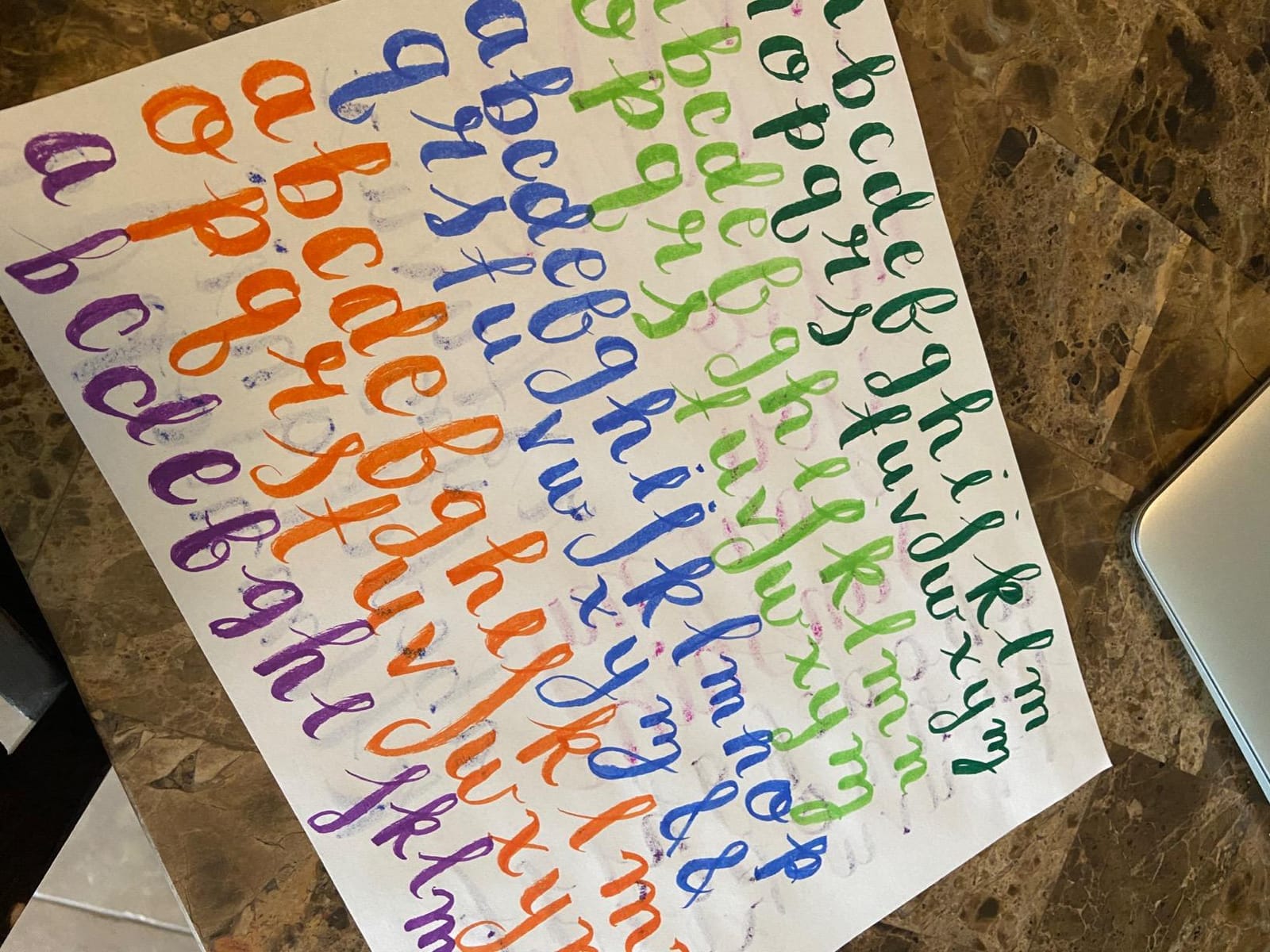
Reviewers like that the blending brushes wipe clean on a paper towel, which is faster than rinsing under a tap and matters when you are working on a spread in a café. Ink washes off hands with water and mild soap.
At 9.07 g the set is light, and the dimensions of 1.18 by 6.69 by 7.56 inches make it a compact rectangle that fits a small journaling pouch. A 72-color version exists if you want more range later.
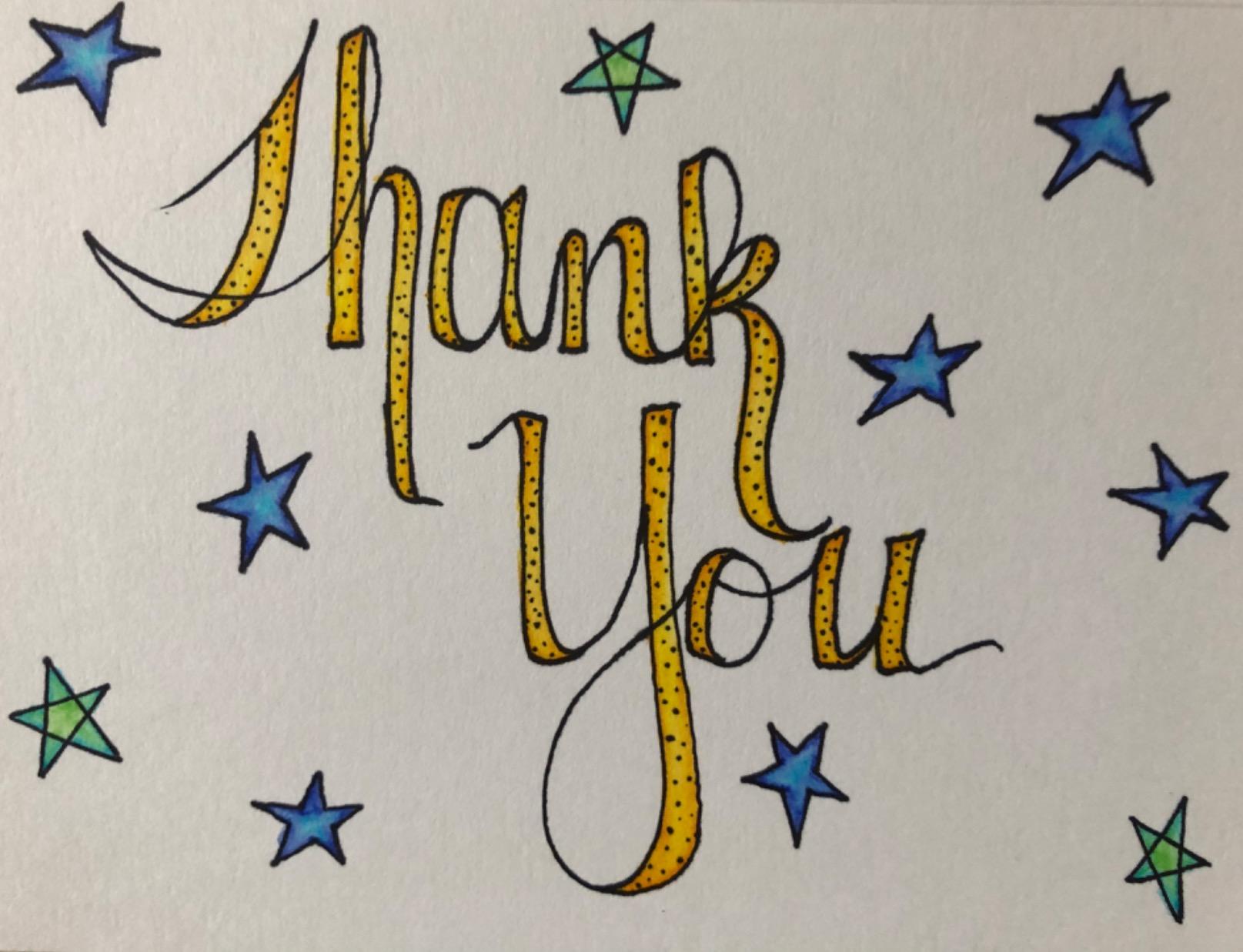
How the blending behaves after drying
Because the ink holds its vibrancy, dried work still looks fresh a day later, and reactivating it with a wet brush produces a softer edge rather than a muddy one. That makes this the set to reach for when you want gradients that survive the week.
The first blend can bleed slightly, which is normal with a wet tool. Work from the edge inward and keep the brush cleaner than the paper and it settles quickly.
Where practice is still needed
Reviewers note it is less suitable than premium sets for precision line work without practice. If lettering accuracy is your main goal, practice on scrap first or pair it with a dedicated fine tip.
The included water brush is refillable, which removes the main maintenance concern with blending kits. If clean-up speed matters to you because you journal in shared spaces, this is the set that handles it best.
10. Chalkola 28 Watercolor Brush Pens – Best All-in-One Kit for Younger Journalers
Chalkola 28 Watercolor Brush Pens – Drawing Art Supplies for Kids 9-12
28 pens plus 2 blending markers
15-sheet 300gsm acid-free pad
Tapered nylon tips
Model Stylos Pinceaux Aquarelle
Pros
- Complete kit with pens
- blending markers and quality paper
- Washable
- non-toxic and odorless formula
- Tapered brush tips for thin lines and broad washes
- Acid-free 300gsm practice pad included
Cons
- Ink is not water resistant so layering can lift previous color
- A few reviewers report tip inconsistency across pens
This is the kit you hand to a nine to twelve year old, or to any journaler working in a shared space where a washable, odorless formula matters. It is non-toxic, odorless and washable, and those three words remove most of the hesitation around wet media.
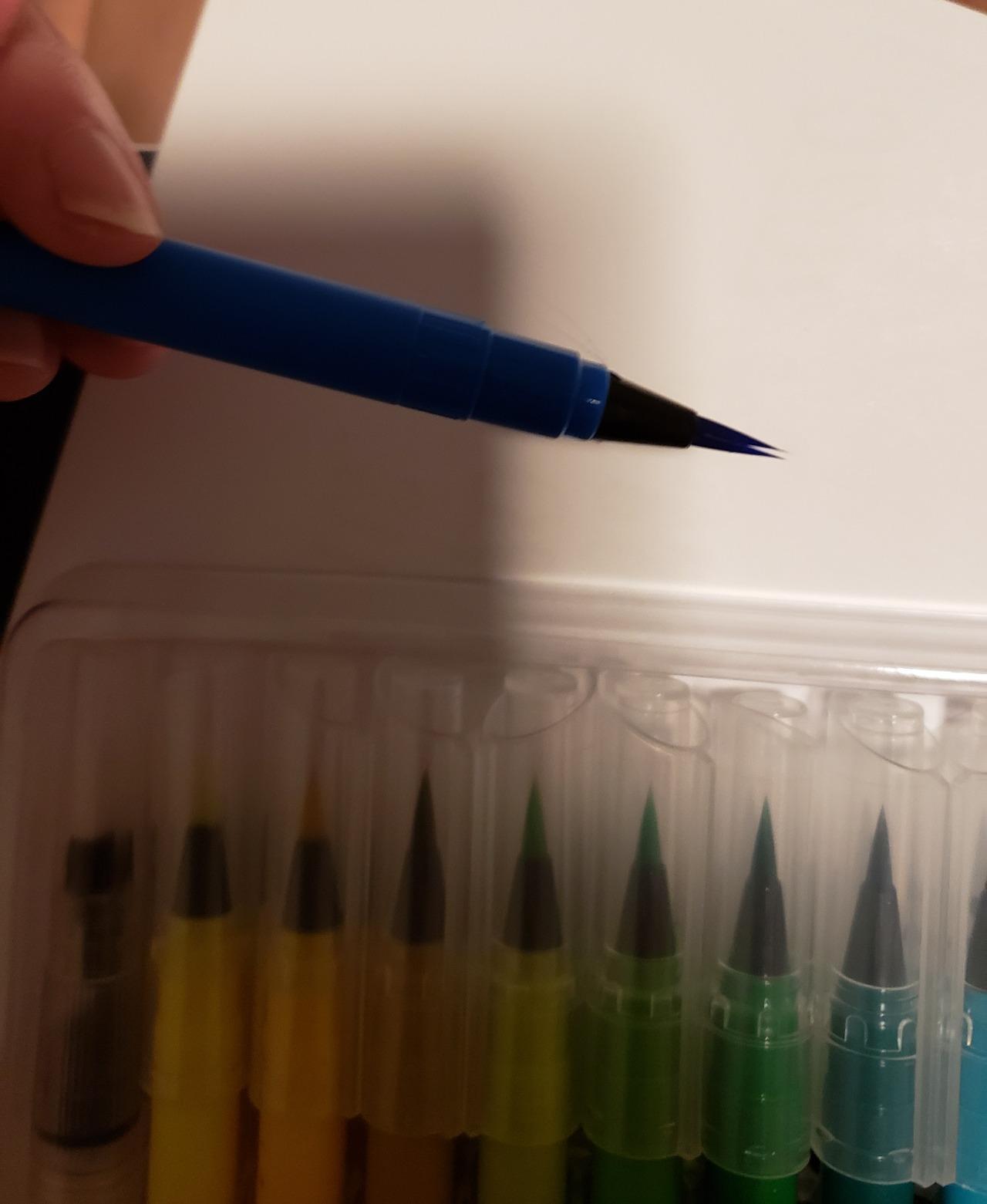
Twenty-eight pens come with two blending markers, one flat and one round, so blending is available without any extra purchase. The tapered nylon brush hair tips produce both fine lines and broad washes from one tip.
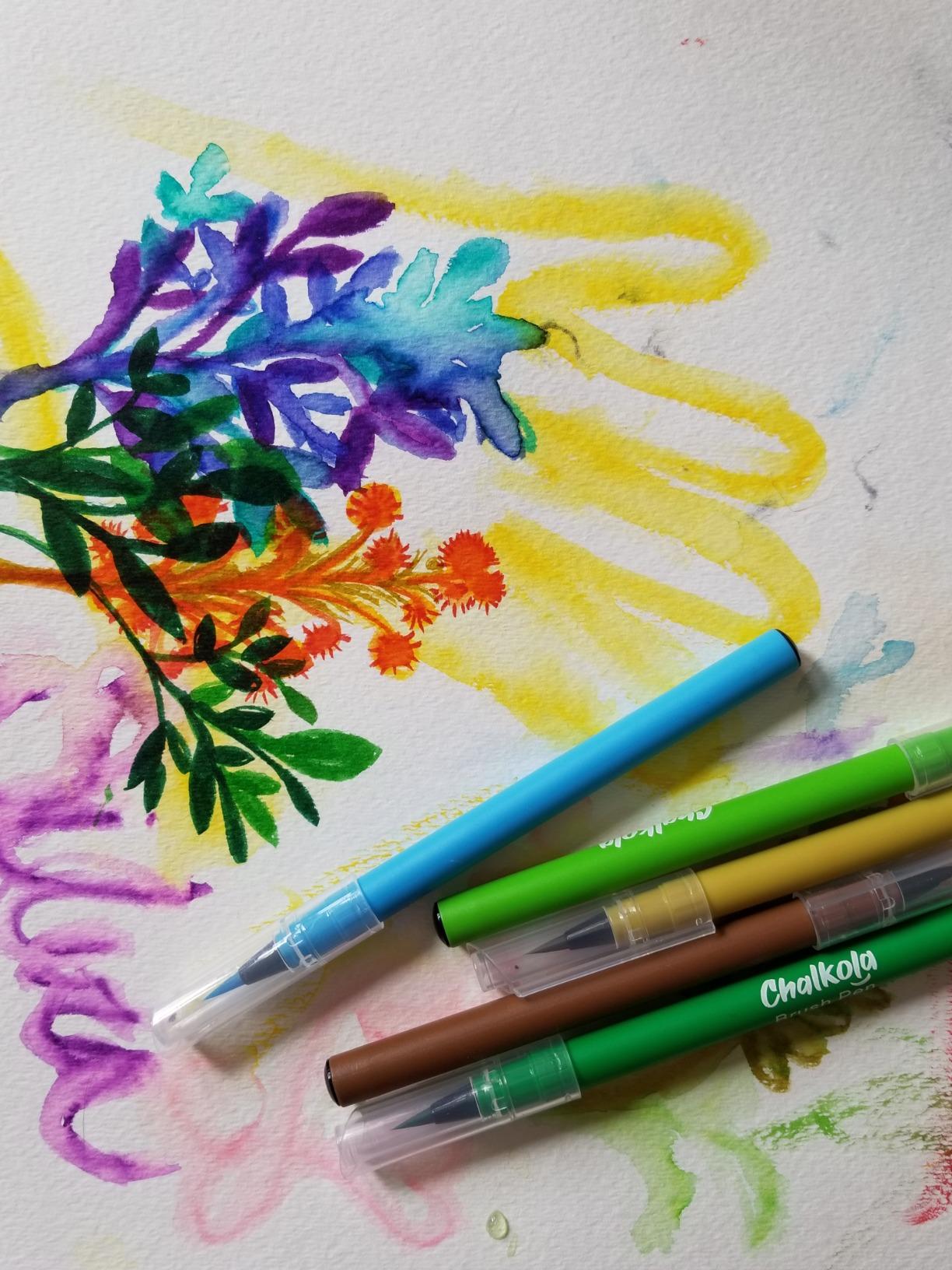
The included 15-sheet pad is 200lb, or 300gsm, acid-free textured watercolor paper, which means beginners can get properly wet without touching their own notebook. That pad alone removes the trial-and-error phase where people decide brush pens do not work.
Buyers consistently rate this as strong all-in-one value: enough colors, two blending markers and a usable paper surface for practice or gifting.
Whether washable ink suits a kept journal
Washable is a genuine advantage on a shared table and a genuine limitation in a journal you want to keep for years, because a wet page can still be lifted if you scrub it. Nothing here is acid free except the paper pad, so keep the journal practice page.
Since the ink is explicitly not water resistant, layering lifts previous color. That is the same behaviour as any water-based pen and it is workable if you plan the layer order before you start.
Where quality varies
A few reviewers report tip inconsistency across pens in the set, so swatch every color and swap out any tip that feels rough or runs dry. It is a minor issue in a kit this size but worth checking before a gift.
If you want the same all-in-one idea with a firmer, more even tip, the CHROMATEK kit has the same structure with a higher per-pen cost. Either way, this is the most complete package for a younger or new journaler.
11. ParKoo Watercolor Brush Pens 24 Colors – Best for Gradients and Strong Colour
ParKoo Watercolor Brush Pens, 24 Colors Flexible Real Nylon Brush Tip Pens
24 colors plus refillable blending brush
Soft tapered nylon bristles
Strong purple range
24 Count
Pros
- Strong purple range compared with similar sets
- Exceptional blending quality once the water brush is filled
- Smudge-free and streak-free results
- Large ink volume per pen
Cons
- No printed instructions for filling the blending water brush
- Filling takes practice and can cross-contaminate colors
For anyone building a botanical spread or a palette-driven travel journal, the purple range here is the quiet differentiator. Most sets of this size go muddy or candy-bright in the violets, and this one holds a usable spread of them.
Once the refillable blending water brush is filled, blending quality is described as exceptional. The soft supple bristles have a tapered point, so the same pen gives a thick stroke and a thin line without switching tips.
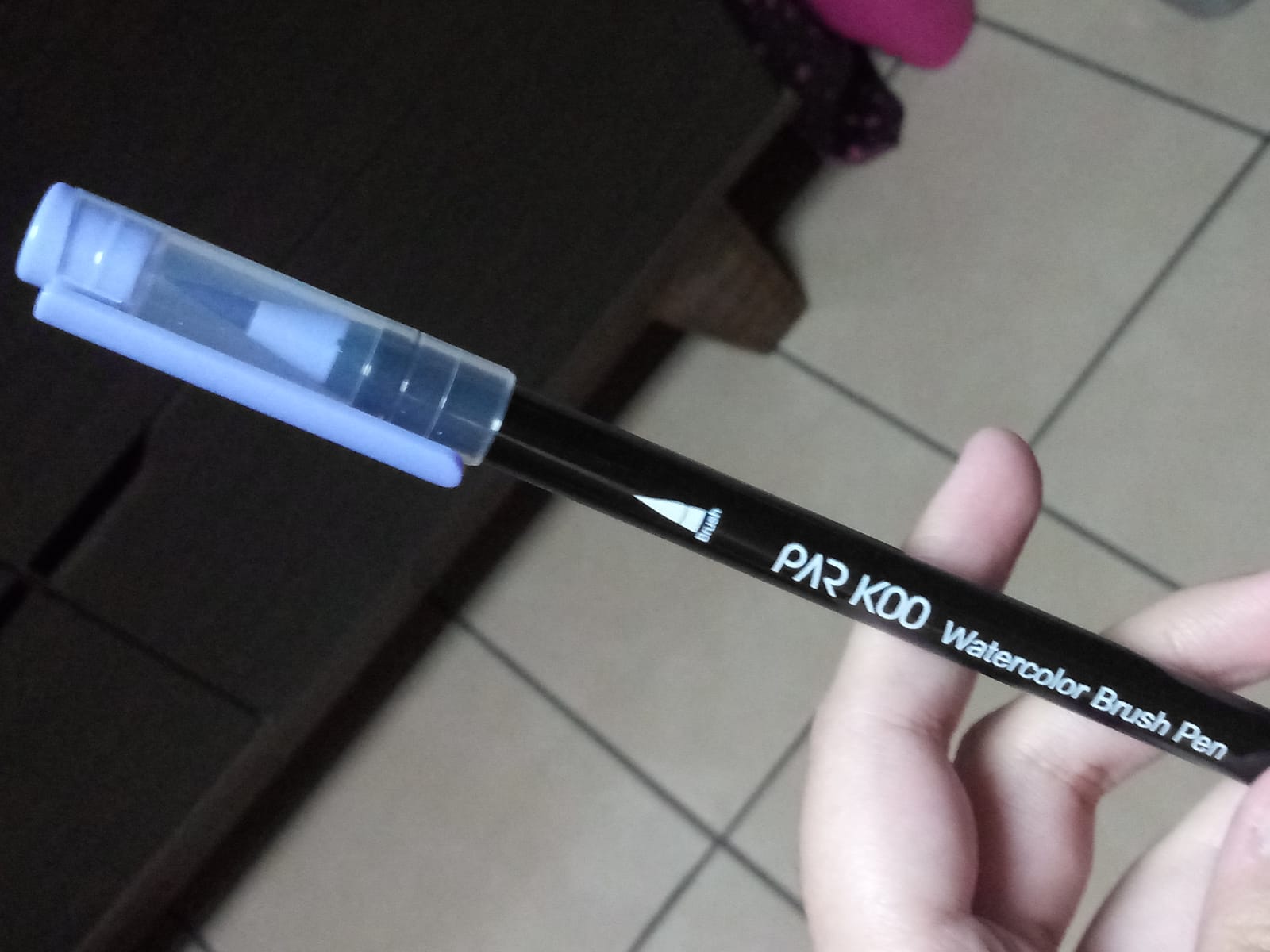
The ink is non-toxic, odorless and water-based, and it dries quickly while resisting smudging and streaking. Weight is 11.36 ounces for 24 pens plus the blending brush, which is on the heavier side but reflects the ink volume per pen.
That ink volume matters more than it sounds. A pen that runs out mid-wash is the most common way a page gets spoiled, and a large reservoir per pen reduces how often that happens.
Fill the blending brush before you need it
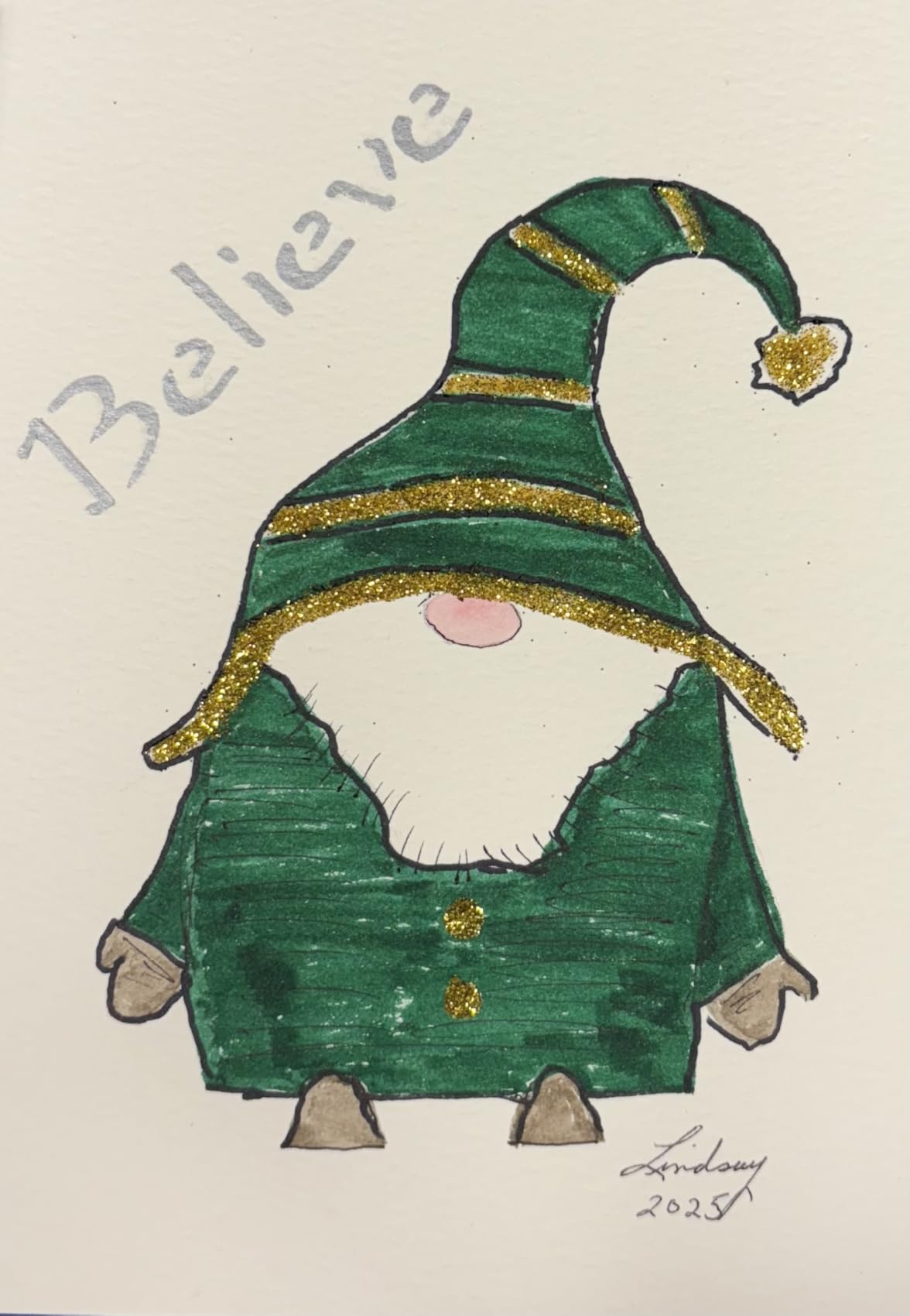
The most common complaint is the absence of printed instructions for filling the blending water brush, and it is worth handling properly on day one. Take a few minutes with a sink, fill it slowly, and test each color onto scrap paper separately before mixing.
Filling takes practice and can cross-contaminate colors if you rush. Once the technique is automatic, the gradients you get from this set are the best in the roundup.
Where it sits against the field
With 24 colors this is a mid-size set, so a journaler working across all twelve months of a planner will stretch it further than a 48-pen set. The color quality, smudge resistance and blending make up for the count.
The ink is not water resistant, so it will reactivate when rewetted, which is exactly what you want mid-blend and exactly what you do not want near a finished page. Keep the kit for work in progress rather than for a page you want to seal.
12. SAKURA Koi Coloring Brush Pens 24 Pack – Best for Deep Colour and Layering
SAKURA Koi Coloring Brush Pens, Assorted, 24 Pack
24 water-based colors
Includes blending water brush
0.3 mm spring-back tip
Model XBR-24SA
Pros
- Rich
- deep pigmentation comparable to premium brands
- Brush tip holds its shape for thin and thick strokes
- Does not bleed through paper and layers well
- Sprung-back tips resist distortion
Cons
- Higher cost per pen than most competitors
- Some brush tips fray with sustained pressure
- Red reads maroon-brown and the peach is very light
Sakura has been making pens for a very long time and it shows in the pigmentation. The colors are rich and deep, closer to the finish of premium pigment products than to the usual dye pen in this category.
The brush tip springs back to shape after use and blends smoothly, and it produces both thin and thick strokes without deforming. Layering works, which is more than can be said for several sets here.
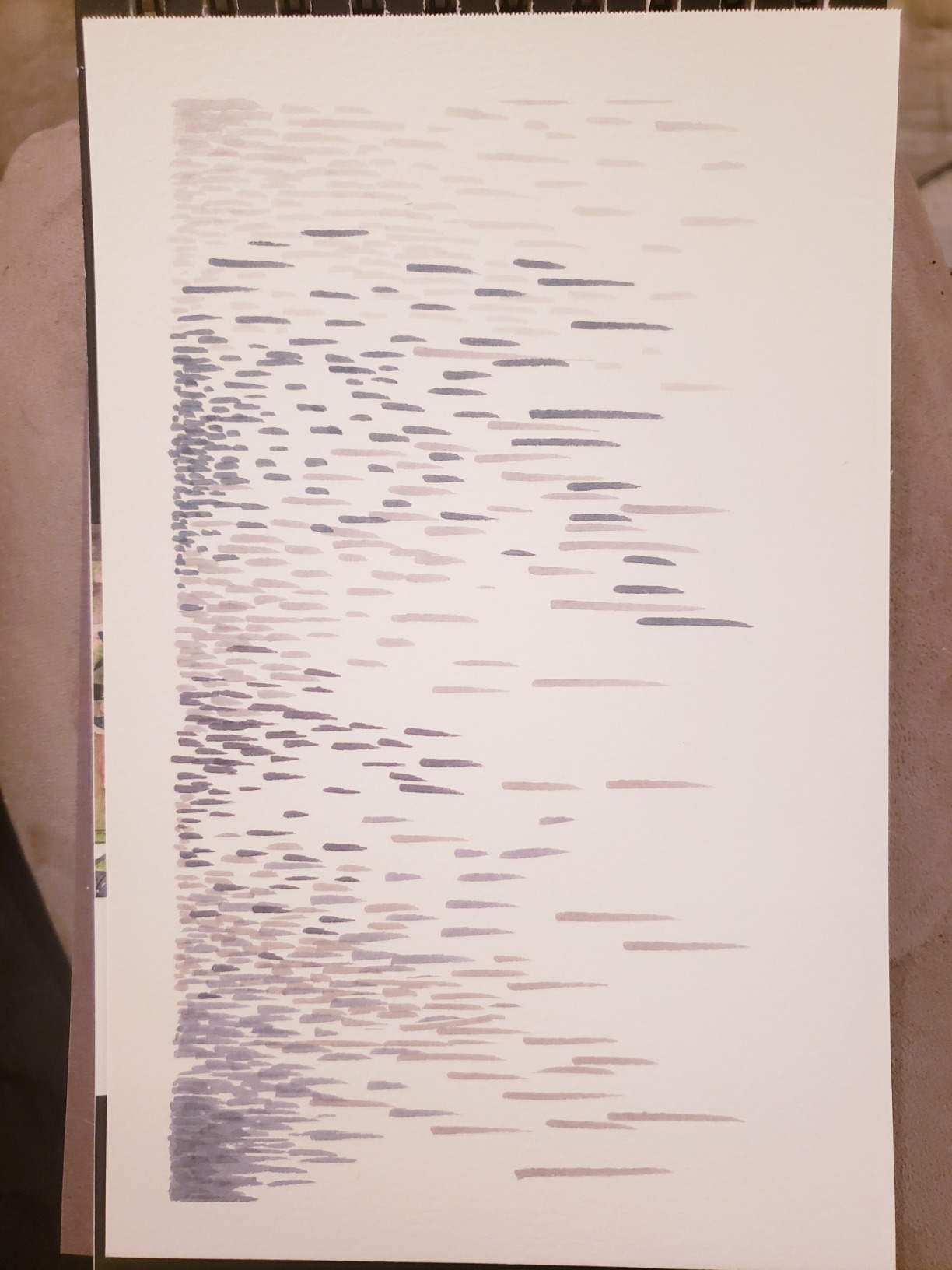
Reviewers report that it does not bleed through paper, which places it alongside the STAEDTLER set as one of the safer choices for a notebook you care about. A blending water brush is included, so wet work is available without another purchase.
Rubber grips add comfort on longer sessions, and sets are also available in 6 and 12 colors if 24 is more than you need. Weight is 1.92 ounces, so the full set travels easily.
What the dark pigment means for layering
Strong color is an advantage when you want a deep shadow or an outline that holds over a wash, and it is the reason this set appeals to people layering brush pens with colored pencils. Dark colors lay down evenly instead of pooling and drying patchy.
Because the pigment is rich, it does transfer to other media, so let the ink dry fully before you draw over it with a fineliner or a gel pen.
Where the color range and tips disappoint
Two honest notes. The red reads closer to maroon-brown than a true red, and the peach is very light, so swatch before you plan a palette around those hues.
Some tips fray with sustained pressure, and the cost per pen sits above most competitors in this roundup. For someone who already knows they want deep, reliable color and will keep the journal for years, that premium buys tip consistency and finish. For a complete beginner set, the ARTEZA or Ohuhu sets cover more ground for less.
How to Choose Watercolor Brush Pens That Survive a Journal Page
Most buying guides for this category stop at tip shape and color count. For a journaler those are the second and third questions. The first question is what the ink does when it meets your paper, because that decides whether you can use a pen freely or work around it.
Dye ink versus pigment ink and why it matters when you layer
Dye ink is the ink in every genuine watercolor brush pen here. It dissolves in water, reactivates when rewetted, and is generally less lightfast than pigment, meaning colors can shift over time in a journal kept in sunlight. The trade is worth it: pigment ink that will not move is also ink that will not blend.
Pigment-based brush markers are a different product and appear on plenty of shopping pages under similar names. They are waterproof once dry, so they will not lift, will not blend and will not smear when you brush water across them. That makes them excellent for permanent outlines and terrible for anything that needs to behave like paint.
The practical rule for a layered journal: let each layer dry completely before drawing the next, and treat any ink that reactivates as still in progress. If you work over dried dye ink with a fineliner too early, you will lift the color underneath.
The 4-step bleed-through swatch test you can run tonight
Every claim about bleed-through in this roundup is only true on a given paper, so test your own notebook before you commit a spread to it. It takes about five minutes.
Step one: pick a page near the middle of the notebook and draw a 3 cm block of the darkest color at full pressure. Step two: wait until it is fully dry, which is usually under a minute, then turn the page and hold it to the light. Step three: load a water brush and run clean water across half the block, then wait twenty-four hours and check again for show-through and any feathering at the edges. Step four: repeat the same block with the lightest color, because pale inks travel differently from saturated ones.
If a pen passes all four steps in your notebook, use it freely. If it fails at step two, restrict it to darker paper or to a page you can sacrifice.
Paper matching: thin journal stock versus mixed media versus watercolor pad
On thin dot-grid notebook paper, roughly 80 to 100 gsm, restrict yourself to drier pens and light pressure. The STAEDTLER double-ended set and the SAKURA Koi set are the two here most often reported not to bleed through, and both dry quickly.
On mixed media journal paper of about 160 gsm or heavier, most of these sets open up. Wetter dye pens stop feathering, edges stay defined, and the flexible bristle tips can be pressed properly without the ink racing ahead of the stroke.
On true watercolor paper, bleed-through stops being a concern entirely and you can work far more freely. Both the CHROMATEK kit and the Chalkola kit ship with a 300gsm acid-free pad, which is a low-cost way to find out how much you like wet work before committing.
If you want to keep tools organized alongside brushes rather than pens, our guide to the best makeup brush holders covers the storage tray formats that work well for pens too.
Tip type: bristle, fibre and felt compared
Synthetic bristle and nylon tips give the widest line variation and hold pigment best, but they wear and fray with sustained heavy pressure. Fibre tips sit between bristle and felt, stay cleaner longer and give moderate variation. Felt tips give the least variation and the most consistent line, which is what you want for small lettering in a tight grid.
Tip firmness is the other half of the story. A firmer tip gives you control at small sizes and resists splitting under pressure. A softer tip gives you expressive strokes but rewards a lighter hand in a journal rather than a heavy one.
Blending tools: colorless blender pens and water brushes
Most sets here include at least one water brush, and the ARTEZA, Ohuhu, CHROMATEK, Creativepeak, ParKoo and SAKURA sets include two or more blending tools. The CHROMATEK aquapens are the most interesting version, since you load them once and carry them rather than switching tools mid-page.
Water brushes come in three practical sizes. A small round for details and line work, a large round for general blending, and a flat for broad areas and straight edges. Most beginners get by with two, and the refillable sets in this roundup let you pick which shapes you actually carry.
For care between uses, storing brushes tip-up in a ventilated holder prevents bristles from setting against a rim, which is the same principle we cover in our pick of the best hair brush cleaner mats for styling tools.
Storage and tip care
Store brush pens tip-up. Laying a soft bristle tip against a flat surface overnight bends it, and a bent tip does not recover. A shallow tray, a jar, or the slide-out trays included with the ARTEZA set all work.
If a felt or fibre tip dries out, it usually recovers after a short soak in clean water and a few minutes of use on scrap paper. A frayed bristle tip does not recover, so pressure control matters more than people expect.
Rinse water brushes with clean water and store them empty. Users on watercolor forums repeatedly warn against leaving standing water inside, and they also note that water brushes tend to need replacing roughly yearly no matter how well they are treated. Keeping a spare in the kit avoids a mid-spread failure.
Frequently Asked Questions
Which brand of watercolor brush pens is considered the best?
Do brush markers bleed through paper?
What are the best brush pens for bullet journaling?
What are some good refillable watercolor brush pens?
What is the difference between a watercolor pen and a watercolor brush pen?
The Verdict
The ARTEZA Real Brush 48-Pen Set is our pick for the best watercolor brush pens for journaling, because it is the only set in this roundup that covers lettering, dry coloring, wet washes, storage and blending tools in one box without anything feeling thin. Its 48 shades span light to dark so gradients do not depend on dilution, and the two slide-out trays make a 48-pen set genuinely usable rather than aspirational.
Pick a different one when your journal defines your needs. Go with STAEDTLER for thin paper and bullet journal grids, SAKURA Koi for deep, layering-friendly color, CHROMATEK if you are learning from scratch and want the practice pad and lessons, and the UPINS, Mr. Pen or Zebra water brushes when portability matters more than color count.
Whichever you choose, run the four-step swatch test in your own notebook before you start a spread you care about. Last updated for October 2026, and we will keep revising this list as new sets arrive.